
Picture this: it’s September, and you’ve just printed thirty copies of a comprehension worksheet. At the bottom, there’s a URL linking to a BBC documentary clip that ties the whole lesson together. By November, the clip has been taken down. The URL is dead. The worksheet is useless. Do you reprint? Not on a school budget. Do you just skip the video? You lose the resource that made the lesson work.
Classroom QR code resources solve exactly this problem. Instead of printing a fixed URL that breaks the moment a publisher takes down a video, you print a code that you can redirect from a dashboard, no new paper, no new ink, no disruption to the lesson. Dynamic QR codes, where the destination can be changed without touching the physical material, greatly reduce the need to reprint, though they do depend on a reliable internet connection and a provider you can count on long-term. Platforms like Xcan It are built specifically for this workflow: create the code once, print it, and update where it points whenever the content needs refreshing, for the entire school year.
This guide is practical. By the time you finish reading, you’ll know how to build QR-powered worksheets and posters, run scavenger hunts and rotation stations, keep your codes safe and accessible, and manage the whole thing without reprinting a single sheet.
Why printed resources and classroom QR code resources belong together
Printed URLs are fragile in ways that are easy to underestimate. They break, they get mistyped by students copying character-by-character, and they lead somewhere outdated by the time the second term arrives. QR codes remove the typing step entirely, giving students a direct scan-to-destination path that works on any smartphone or school tablet. For teachers, that means fewer “the link doesn’t work” interruptions mid-lesson and fewer students who’ve given up before the task has even started.
There’s also something worth acknowledging about how students respond to a QR code on a worksheet versus a printed URL. A code carries an element of discovery. A reading comprehension sheet with a small QR block in the corner, labelled “Scan to hear the author explain their process,” gets scanned because students are curious. A poster in the science corridor linking to a lab demonstration video gets scanned during the five minutes before class starts. That curiosity is a teaching advantage, and it’s worth building into your materials deliberately rather than leaving it to chance.
Most classroom resources live in the physical world: laminated posters, stapled worksheets, display board cutouts. QR codes turn those static objects into entry points for live digital content without replacing the tactile experience that younger learners in particular benefit from. The printed resource stays. The content behind it can evolve as often as you need it to.
Classroom QR code resources: which materials benefit most
Worksheets and task cards are the obvious starting point. A QR code on a maths task card can link to a worked example video. On a comprehension worksheet, it can open an audio version of the text for students who need it. Homework packs with embedded codes let parents scan alongside their child to understand the method being taught, which removes one of the recurring pain points of take-home tasks. These are low-effort additions at the design stage that deliver genuinely high returns in student independence and parental engagement.
Classroom display boards and reading corners are also strong candidates. A vocabulary poster is more powerful when students can scan a word and hear it used in context. A reading corner display with QR codes linking to author websites or book trailers extends the resource well beyond what fits on the wall. Display boards built around a curriculum topic can link to documentary clips, interactive timelines, or further reading without cluttering the physical design or requiring constant reprinting as the term develops.
Printed reading lists handed out at the start of term are out of date the moment a new title becomes relevant. A QR code on a reading list that points to a living document or a curated playlist of resources removes that limitation entirely. Library resource guides with embedded codes can direct students to digital catalogues, e-book platforms, or research databases with a single scan, keeping the printed guide accurate without a new print run every time the digital landscape shifts.
How to create and embed QR codes in classroom materials
Before generating any code, sort the destination first. For YouTube videos, the share URL works directly. For Google Drive PDFs, the file must be set to “Anyone with the link can view” and tested in an incognito browser window to confirm it opens without a login prompt. Long Drive URLs make denser, harder-to-scan QR codes, so shortening them with a tool like Bitly reduces visual complexity and makes codes more reliable at smaller print sizes.
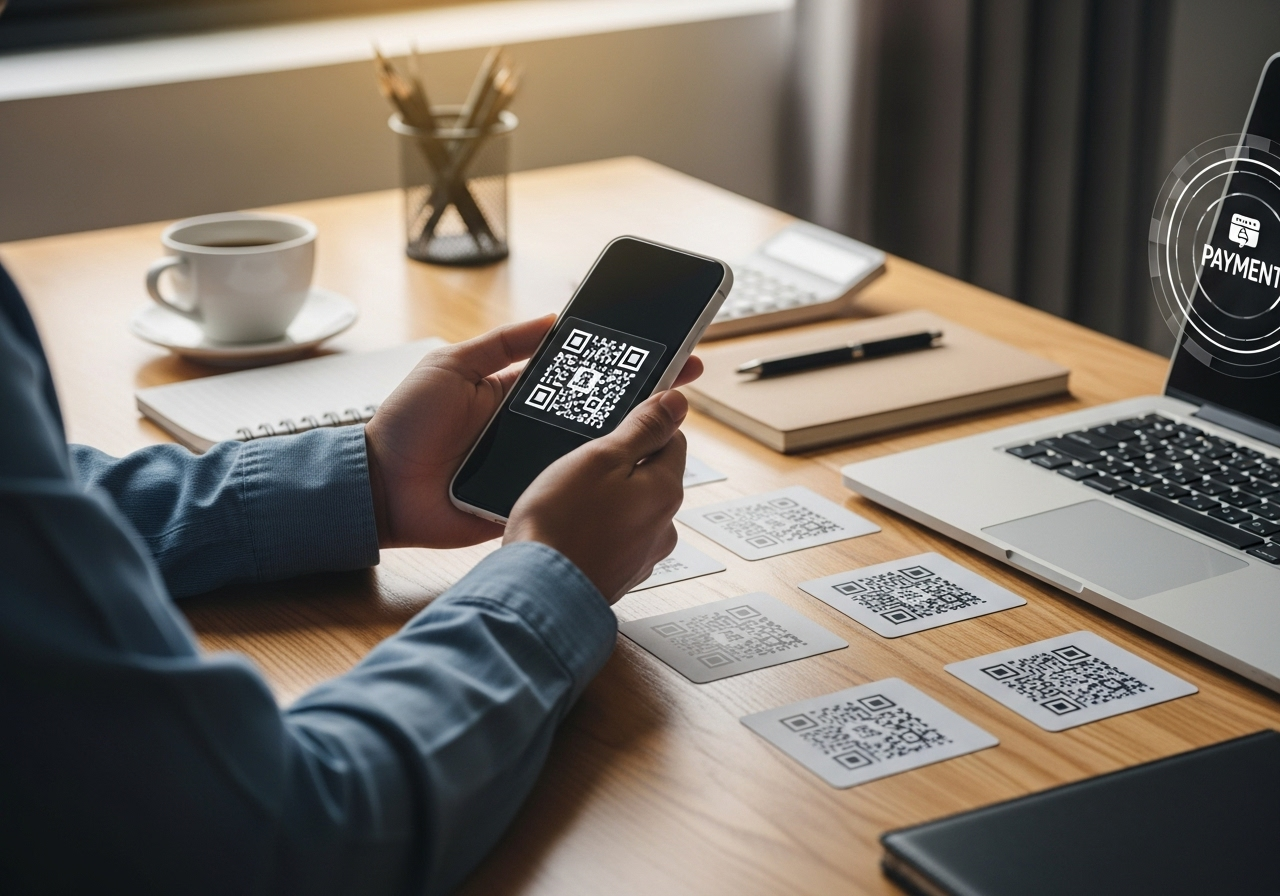
Free generators like QRCode Monkey or QR Code Generator handle URLs for videos, PDFs, Google Forms, and Drive files identically. Download the code as a PNG at high resolution, then drop it into your Google Doc, Canva poster, or Word template. Resize to at least 2.5 cm square for reliable scanning from an arm’s length. Add a short plain-text label beneath the code, something like “Scan to watch the video”, so students know what to expect before they point a camera at it. That label also serves as an accessibility fallback for students who can’t scan. Do not skip it.
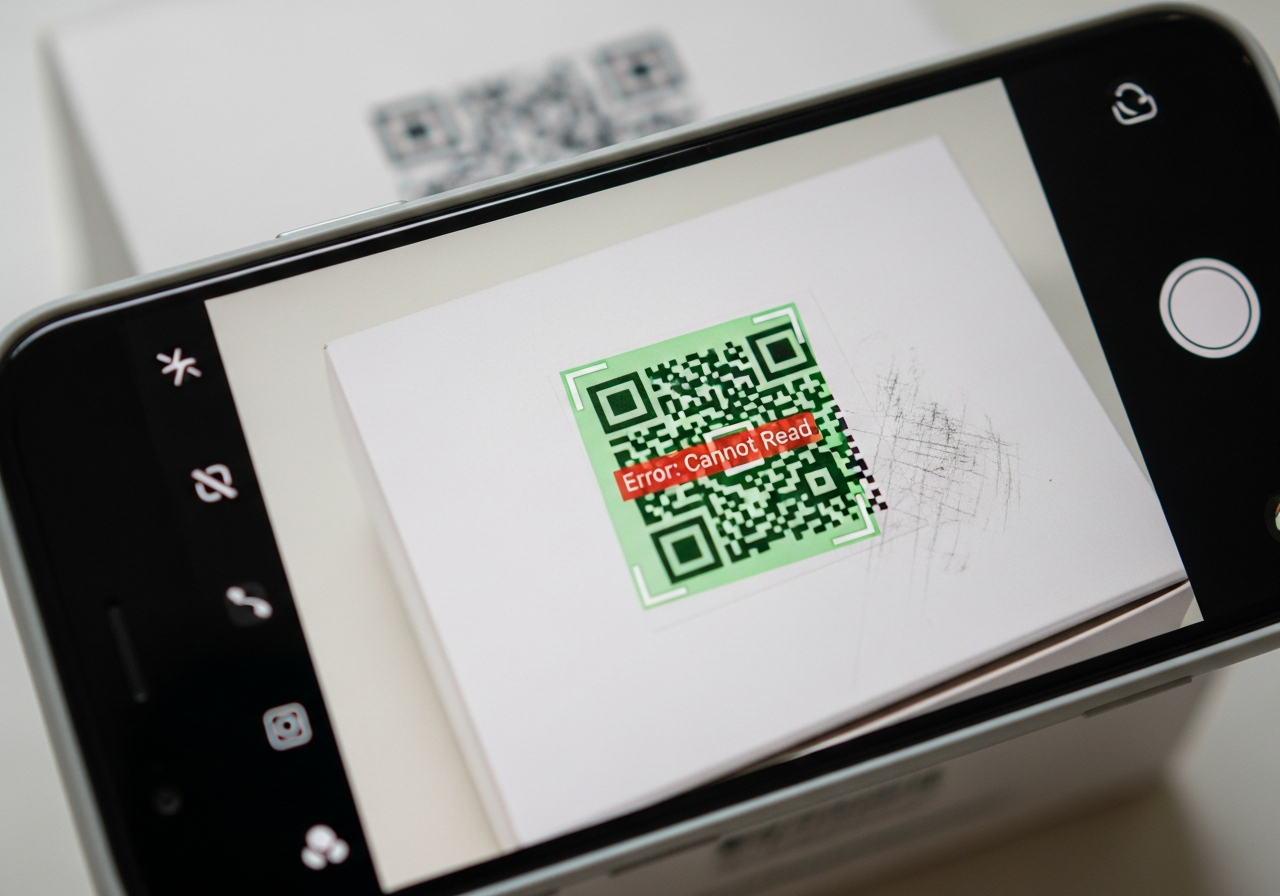
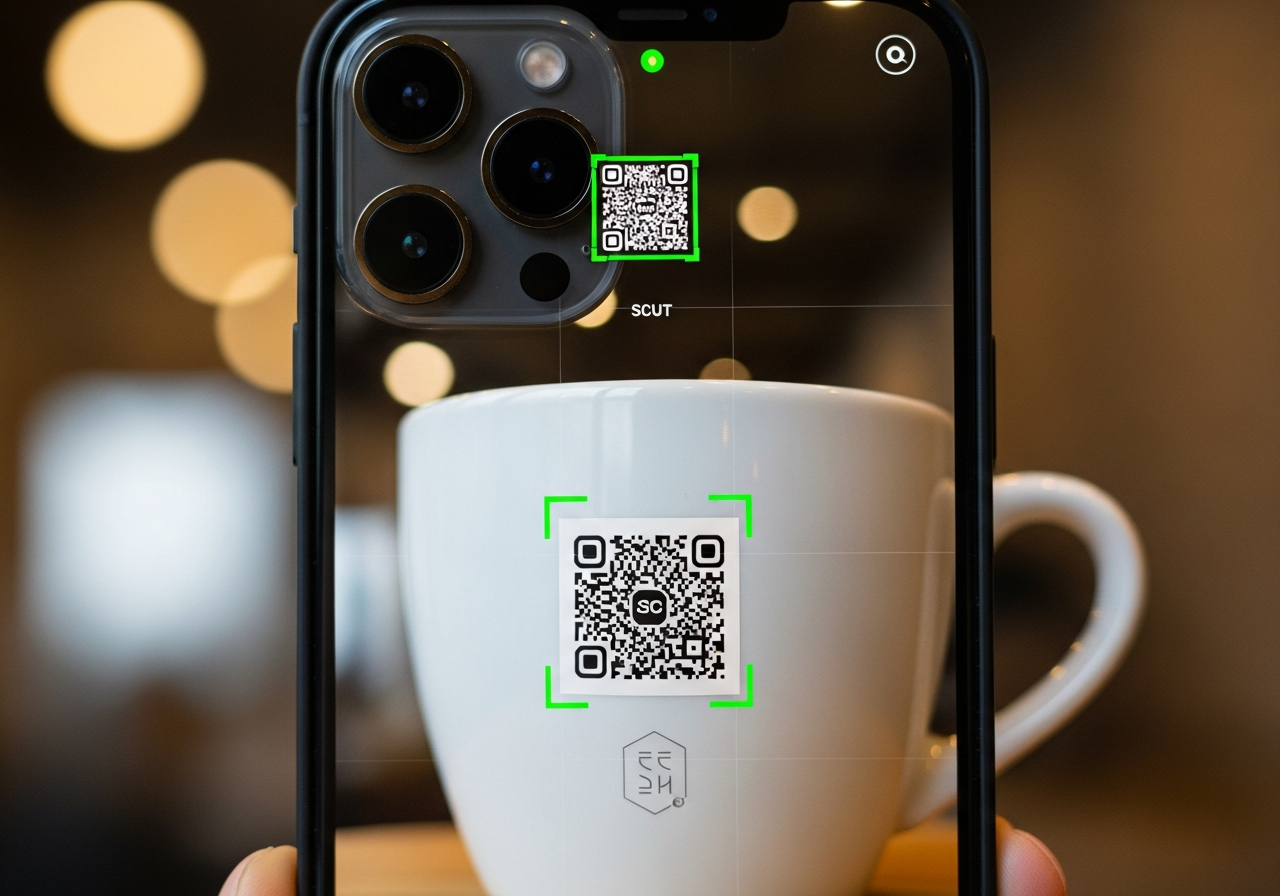
Test every code with at least two different devices before printing. What works on an iPhone may behave differently on an Android tablet running an older operating system. Confirm the destination opens without a login prompt and check that the content itself is accessible: no age restrictions, no paywalls, no region blocks. A five-minute test run saves an entire class set of wasted paper. For secondary classrooms, the built-in camera app on any modern iOS or Android device scans QR codes without a third-party app. For school tablets running older Android versions, Google Lens is a reliable free option that works across both platforms.
QR code activities that work across every year group
A QR scavenger hunt works by printing codes on cards and placing them around the room or school. Each scan leads to a question, a clue, or a content resource, the answer directing students toward the next card. This format works from Year 2 through to A-level revision, with the complexity of the linked content doing the differentiation. Gallery walks use the same principle but fix the cards to walls, asking groups to scan, discuss, and record rather than physically move around the space.
Embedding a QR code next to each section of a worksheet that links to a short explanatory video changes how students approach tasks they’re stuck on. Instead of waiting for teacher input, they scan and self-direct. For reading comprehension, linking to an audio version of the text supports learners with dyslexia or those working below reading age without requiring a separate resource to be prepared and distributed. Teachers running these setups consistently report that students who are reluctant to ask for help in front of peers are more likely to self-direct when a scan option is available; a pilot study has explored this effect in larger classroom settings.
QR cube templates are worth the ten minutes of setup time. Printed, cut, and folded into a dice shape, they put six different linked resources on one manipulative. Students roll, scan the face that lands up, and complete the linked task.
Quiz cards with a code on the reverse linking to the answer allow for self-marking in station activities. Extension challenge cards can link to a harder video, a stretch problem set, or an external resource for students who finish early, removing the need for a separate printed extension resource entirely. The cube format is particularly effective in primary settings where the physical handling of the resource adds engagement on its own terms.
Running QR code stations and group rotations without the chaos
A four-to-six station layout works best for QR code activities in mixed-ability classrooms. Each station gets a printed card with a QR code linking to tiered content: a scaffolded explainer for students who need support, and an application challenge for those who are ready to extend. Groups rotate every five to seven minutes on a timer or audio cue. Assigning roles within each group before the lesson starts, specifically a scanner, a recorder, and a checker, prevents the scramble for one device per group from derailing the pace.
The most effective differentiation approach is to print two versions of the same QR code card: one linking to a video explanation, one linking to a written source or a harder task. Colour-code the cards so groups self-select without the teacher announcing ability levels aloud. Green for scaffold, blue for extension is one example convention, and it tends to work because students are more candid about what they need when the choice is framed as a preference rather than a label. This approach also removes the administrative burden of tracking which student needs which resource during a busy rotation lesson.
For students under 13, confirm that whichever scanning app is used stores no personal data and complies with the school’s data protection policy before deploying it in lessons. School IT teams typically handle this through managed profiles, confirm with your local IT lead rather than assuming it’s covered. UK schools operating under UK GDPR should also review whether any third-party platforms linked through the codes collect student data, and document that review as part of standard data protection practice.
The real advantage: classroom QR code resources that update without reprinting
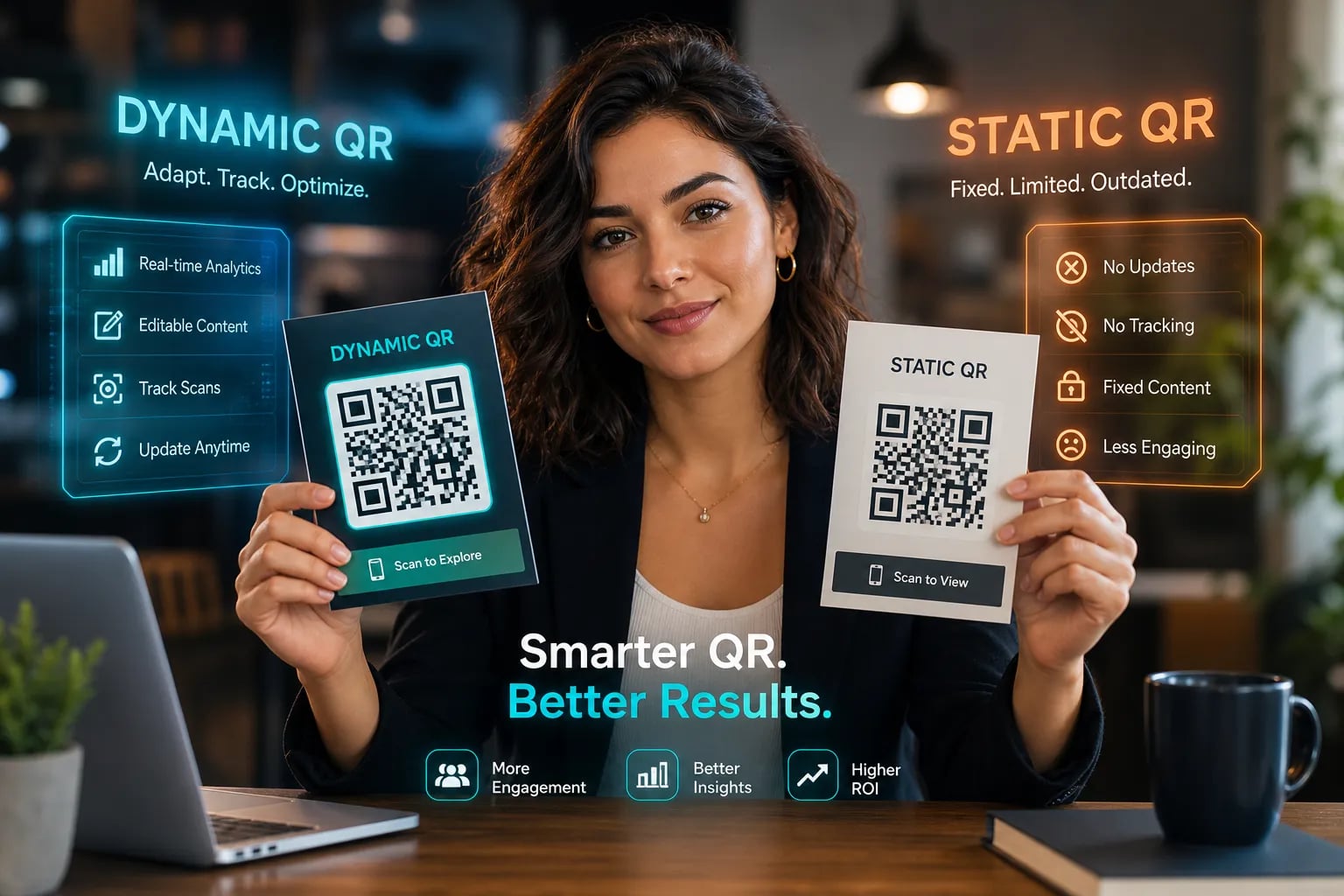
A static QR code has a fixed destination built into the code pattern itself. Change the video it links to and the code is dead; you either reprint or the resource becomes useless. A dynamic QR code stores the destination separately on a server. The code pattern stays the same on the physical material, but the link behind it can be changed at any time from a management dashboard. For a classroom poster that stays on the wall from September to June, this is the difference between a resource that depreciates and one that compounds in value throughout the year.
This is where the approach shifts from simply using QR codes to managing classroom resources intelligently. Xcan It is built specifically for this workflow. Teachers can create dynamic QR codes, print them onto worksheets and display materials, and then update the destination whenever the content needs refreshing, without touching the physical resource. A science poster printed at the start of the academic year can link to a new BBC Bitesize explainer in the spring term, a revision quiz video before exams, and a summer reading list by June. The code on the poster never changes. The destination does.
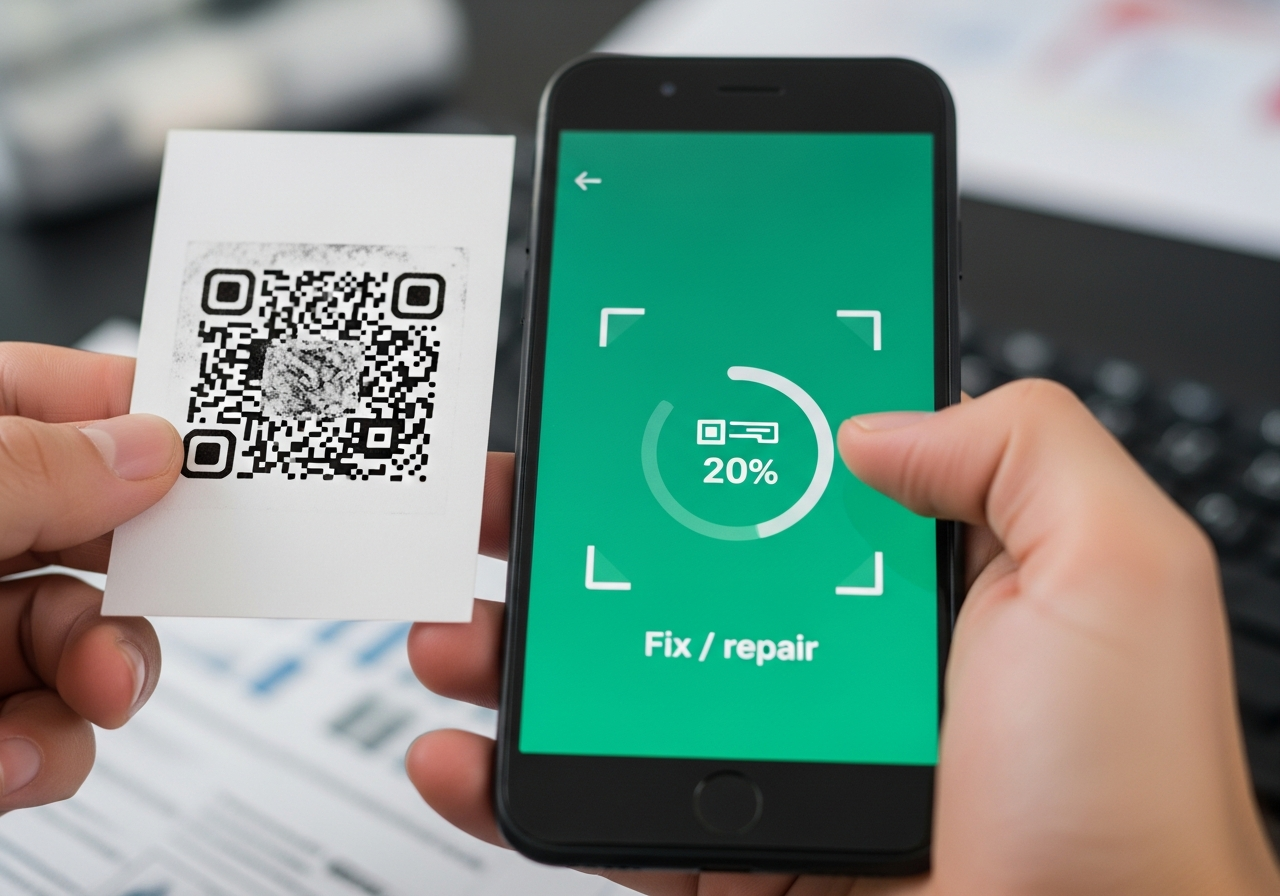
From a single Xcan It dashboard, you can view every active code alongside its current destination and scan history. This matters for teachers managing resources across multiple classes or year groups. If a linked video is removed by its publisher, the redirect can be updated in minutes before any student encounters a broken destination. That level of control addresses a common frustration many teachers report with using external links in printed materials, and it makes QR codes a long-term infrastructure choice for classrooms rather than a one-off activity format.
The scan analytics are also genuinely useful. Knowing which codes are getting scanned most frequently tells you which resources students are actually engaging with and which ones are being ignored. That data informs future resource design in ways that anecdotal classroom observation rarely can. A worksheet where the support video QR code is scanned by two-thirds of the class tells you something important about task difficulty calibration that is worth knowing.
Privacy, safety, and accessibility in the QR-enabled classroom
Every QR code in a classroom resource should link to a destination that has been tested, vetted, and checked for age-appropriateness before the material is handed out. This means checking that video platforms are not serving auto-play recommendations after the linked content ends, that linked websites do not require account creation, and that the content itself meets the school’s safeguarding standards. Dynamic codes help here because a destination can be swapped quickly if a linked resource changes or becomes inappropriate after printing, without issuing replacement materials.
UK schools using QR codes that link to third-party platforms should be aware of their obligations under UK GDPR. When students scan a code that leads to a platform like YouTube, that platform may collect IP addresses or device identifiers. Schools remain responsible for documenting those data flows, informing parents through privacy notices, and ensuring any third-party platforms used have appropriate data processing agreements in place. The DfE Data Protection Toolkit for Schools provides a practical starting framework for this, and most school Data Protection Officers will have views on which platforms are pre-approved for classroom use.
Accessibility is non-negotiable. Every QR code in a classroom should come with a plain-text backup: either the full URL or a shortened link printed beneath the code, so that students without a working device can still access the content. Add a short label describing what the code links to, for example, “Scan for audio version”, so students understand the purpose before they scan. High contrast between the QR code and its background, a minimum print size of 2.5 cm, and a clear white quiet zone around the code all improve reliability across different devices and lighting conditions. These are not extras; they are the difference between a resource that works for every student and one that works for most of them.
Building a QR-powered classroom that lasts the whole school year
The practical steps are straightforward. Start with one resource: a worksheet you use regularly, a corridor poster that links to curriculum content, or a reading list that goes home with students at the start of term. Add a dynamic QR code, print it, and update the destination once during the year to see the workflow in action. That first update, typically just a few moments in the dashboard, makes the case for the approach more clearly than any description of it can.
From there, the approach scales naturally. A set of topic-based display boards, each with a dynamic code, can serve as a living library of curriculum resources that evolves term by term without any reprinting. A bank of task cards with embedded codes can be laminated once and used across multiple year groups by simply updating the destinations for different ability levels. The physical materials do their job. The digital content behind them does the rest.
If you’re ready to move beyond static codes and manage your classroom QR code resources from one place, Xcan It gives you a single dashboard to create, update, and track every code you print. Your September poster can still be pointing to fresh, relevant content in June. In a classroom where budget and time are always tight, that’s not a small thing, learn how to get started at Xcan It.