
QR Codes for Packaging That Stay Editable, Trackable and Useful After Print
QR codes for packaging become much more valuable when they keep working after the pack has already been printed, packed, shipped and sold. For many UK businesses, the problem is not creating a code. The problem is what happens later when the product page changes, the campaign ends, the support file is replaced, the offer needs updating or the business wants to know which packs are actually being scanned.
That is why the strongest packaging QR strategies are built around post-print control. A code on a box, label, carton, bottle, sleeve, pouch or insert should not become fixed too early. It should stay editable, trackable and commercially useful after print, so the business can update the destination, measure scan activity and get more long-term value from packaging already in circulation.
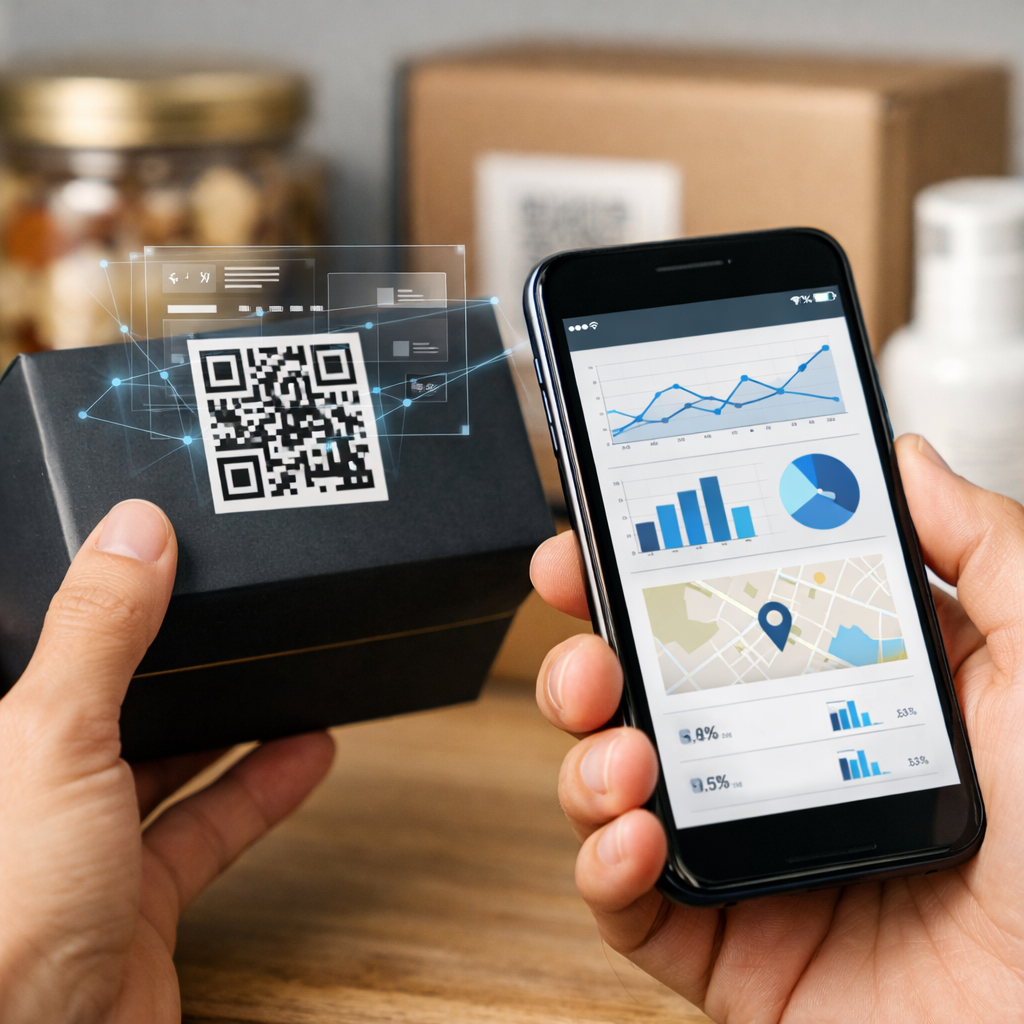
💡 Answer in one sentence
Use QR codes on packaging when you want one printed code to stay useful after the pack leaves the printer. The best setup lets you update the destination later, track which packs get scanned, and connect packaging to support, product information, registration, offers or reorder journeys without wasting existing stock.
Quick facts: what packaging QR codes should do
- Core purpose: connect printed packaging to a digital destination that remains useful after the product is already in circulation.
- Post-print advantage: update destinations later without throwing away usable boxes, labels, sleeves, inserts or cartons.
- Tracking value: measure scans by product line, campaign, pack version, batch, channel or time period.
- Customer value: open setup help, ingredient details, compliance information, product authentication, care guides, offers or reorder routes.
- UK business value: reduce reprints, improve product support, keep control after distribution and get more visibility from printed packaging assets.
Complete guide: QR codes for packaging that stay editable, trackable and useful after print
1) Start with the packaging lifecycle, not just the QR code
Packaging often stays in the market much longer than the page, file or campaign it originally linked to. A box may sit in stock for months. A label may appear across several batches. A carton may be shipped through distribution, held by retailers and only scanned long after the print run is complete.
That is why QR codes for packaging should be planned as part of the full packaging lifecycle. If the code is fixed too early, the business loses flexibility exactly when it needs it most. Pages change, promotions expire, products are revised, guidance is updated and support journeys improve.
The better model is simple: print the packaging once, keep control afterwards. If you want the clearest explanation of that operating model, see Print Now, Link Later.
2) Why static packaging QR codes create problems
A static QR code locks the destination at the moment the artwork is finalised. That can work for some short-term use cases, but it creates avoidable risk on packaging that stays in circulation.
Common problems include:
- outdated URLs when pages move or are removed
- expired campaigns still printed on usable stock
- support content that no longer matches the product
- wasted packaging because the link needs changing
- no visibility into whether the code is being scanned at all
That is why businesses that rely on packaging for customer communication usually need more than a one-time code generator. For teams that want a simpler starting point before moving into editable workflows, this Adobe Express QR code guide is a useful creation reference.
3) What an editable, trackable packaging QR workflow looks like
The strongest packaging QR workflow separates the printed code from the destination behind it. The packaging stays the same, while the digital destination can be updated later if needed.
In practical terms, that means a business can:
- print now and avoid delaying packaging while final pages are still being prepared
- link later when the right customer journey is ready
- track scans to understand which products and packs get engagement
- update the destination without replacing usable stock
- reuse the same code across different stages of the product lifecycle
This is what makes packaging QR codes operationally useful rather than decorative. If you want to test that workflow in practice, start with a live trackable QR setup here.
4) Where QR codes on packaging create the most value
Not every pack needs the same type of QR destination. The best destination depends on what the product is, who is scanning and what the next useful action should be.
Strong packaging use cases include:
- product instructions for setup, care or safe use
- ingredient or material information where more detail helps the buyer
- warranty registration and ownership confirmation
- product authentication for anti-counterfeit or provenance checks
- video demonstrations for products that benefit from visual guidance
- support and troubleshooting for post-purchase help
- promotions and loyalty for repeat purchase journeys
- reorder routes for consumables or replenishment products
When the destination matches the product context, both the user experience and the scan data improve.
5) Use packaging QR codes to support UK business operations, not just marketing
One of the biggest mistakes is treating packaging QR codes as purely promotional. In reality, they are often just as useful for product support, operational visibility and post-sale service.
UK businesses can use packaging QR codes to:
- reduce support friction by linking customers straight to the right help content
- improve compliance communication when more detailed information is needed
- support omnichannel journeys from physical product to digital follow-up
- extend pack usefulness across changing offers or updated documentation
- track engagement by product line instead of guessing which packs drive action
That is particularly useful for brands, manufacturers, distributors and retailers working with multi-batch packaging or long stock cycles.
6) Decide what you want to track before rollout
Tracking only becomes useful when it supports a decision. Before rollout, define what you want the packaging QR analytics to show.
Good reporting questions include:
- which product lines generate the most scans
- which packaging formats perform better
- which campaigns drive scans after purchase
- which batches or regions need better support content
- which destinations lead to stronger follow-on actions
This turns scan data into something commercially useful rather than a dashboard full of disconnected numbers.
7) Make the destination useful after the point of sale
Packaging is often scanned after purchase, not before it. That changes what the destination should do. A homepage is rarely the best answer. Customers usually need something specific.
Better packaging destinations include:
- setup guides for first-time use
- care instructions for product longevity
- compatibility information for accessories or add-ons
- ingredients, allergens or sourcing details where trust matters
- support pages for troubleshooting or replacement parts
- replenishment and refill pages for repeat sales
The more useful the destination is after purchase, the more valuable the packaging becomes as a working asset.
8) Practical UK examples
Beauty brand: each product carton carries a QR code linking to usage guidance, ingredient details and repeat purchase routes. The team tracks scans by product family and campaign period.
Food producer: packaging QR codes route customers to sourcing information, serving ideas and updated product information, while the business measures which SKUs generate the most engagement.
Consumer electronics seller: the box links to setup videos, troubleshooting and warranty registration. When support documents change, the destination updates without replacing packaging stock.
Health and household goods brand: refill packs include QR codes for subscription, reorder or product education journeys. Reporting shows which pack formats create the highest repeat-purchase intent.
B2B manufacturer: outer cartons and product labels point to technical documents, compliance records and service guidance that can be updated centrally as specifications change.
9) Why “useful after print” matters commercially
Once packaging has been printed and distributed, every unnecessary change becomes expensive. New artwork, replacement stock, relabelling and operational delays all eat into margin.
Packaging QR codes that stay editable reduce that risk by making the printed code more resilient. They also increase the value of each pack because the code can keep working as the product journey evolves.
- less waste from avoidable reprints
- faster packaging approval because final destinations do not need locking too early
- better support without overloading the printed pack with too much text
- stronger scan visibility across products and campaigns
- better reuse of packaging stock already in the supply chain
10) Think beyond the primary pack
Packaging QR codes do not have to sit only on the main consumer-facing panel. The best deployment may involve several printed touchpoints across the packaging system.
Examples include:
- primary packaging for core customer journeys
- outer cartons for trade, logistics or service information
- pack inserts for onboarding, loyalty or support
- tamper or authenticity labels for verification journeys
- shelf-ready packs for retail activation and campaign support
Each asset can support a different function while staying part of the same wider QR operating model.
11) How packaging QR codes fit wider market direction
The wider direction is clear: businesses want packaging to do more than carry static print. They want it to connect the physical product with live digital information, customer service, product trust and measurable engagement.
That is one reason standards-led approaches such as GS1 Digital Link are getting more attention in product identification and packaging conversations. Even where a business is not implementing a full standards-heavy model on day one, the direction of travel supports richer, more flexible QR use on packaging.
12) Internal and external reading worth using
Internally, Print Now, Link Later is still the clearest explanation of why editable QR workflows matter when packaging is printed before the final destination is fully settled. Start for Free is useful for testing trackable packaging QR deployments before rolling them out more widely. If your team also needs a simpler creation walkthrough, How to Create a QR Code Using Adobe Express: A Step-by-Step Guide is a useful supporting read for design and setup basics.
Externally, GS1 UK’s Digital Link guidance is worth reading because it shows how QR codes can connect products and packaging to richer online information. For a broader standards view, GS1 Global’s Digital Link overview helps explain why packaging QR codes are becoming more useful across product information, traceability and digital engagement.
13) Practical checklist before rollout
If you want QR codes for packaging to stay editable, trackable and useful after print, check these points before rollout:
- define the post-print use case before artwork is approved
- choose the right packaging assets for the QR deployment
- make the destination useful after purchase, not just at launch
- set up tracking by product, pack type or campaign
- plan for updates so the code can stay live as content changes
- test scan performance on real materials including curved packs, glare, finishes and print size
- treat packaging QR codes as managed assets, not one-off artwork elements
14) YouTube video example
This video is a strong fit for the packaging angle because it focuses on QR codes for GS1-enabled packaging and shows how one code can support richer product information, traceability and shopper engagement beyond the printed pack itself:
Conclusion: the best packaging QR codes keep working after the packaging is already out in the world
QR codes for packaging are most useful when they do not become fixed too early. Once products are printed, packed and distributed, businesses still need flexibility. They need to update destinations, improve support, switch campaigns, protect usable stock and see what people are actually scanning.
That is why the strongest packaging QR strategy is not just about adding a code to a label or box. It is about keeping that code editable, trackable and useful after print. For UK businesses, that creates a better link between physical products and digital action while protecting packaging value already in circulation.
FAQs
Why use QR codes on packaging?−
They help businesses connect printed packs to digital actions such as support, product information, registration, offers, authentication and reorder journeys.
Why should packaging QR codes stay editable after print?+
Because packaging often stays in circulation longer than the original campaign or page. An editable QR workflow lets you change the destination without wasting usable stock.
What can businesses track with packaging QR codes?+
They can track scans by product line, packaging format, campaign, batch, channel, region or time period, depending on how the deployment is structured.
What should a packaging QR code link to?+
It should link to the most useful next step, such as instructions, ingredients, compliance information, support content, warranty registration, video guidance, offers or reorder routes.
Do packaging QR codes help reduce reprints?+
Yes. When the destination can be updated later, businesses can avoid replacing otherwise usable packaging every time a page, file, campaign or support route changes.
Talk to an Xcan It Specialist
Need QR codes for packaging that stay manageable after print? We’ll help you connect products, labels, cartons and inserts with editable destinations, scan analytics and better control across UK packaging workflows.