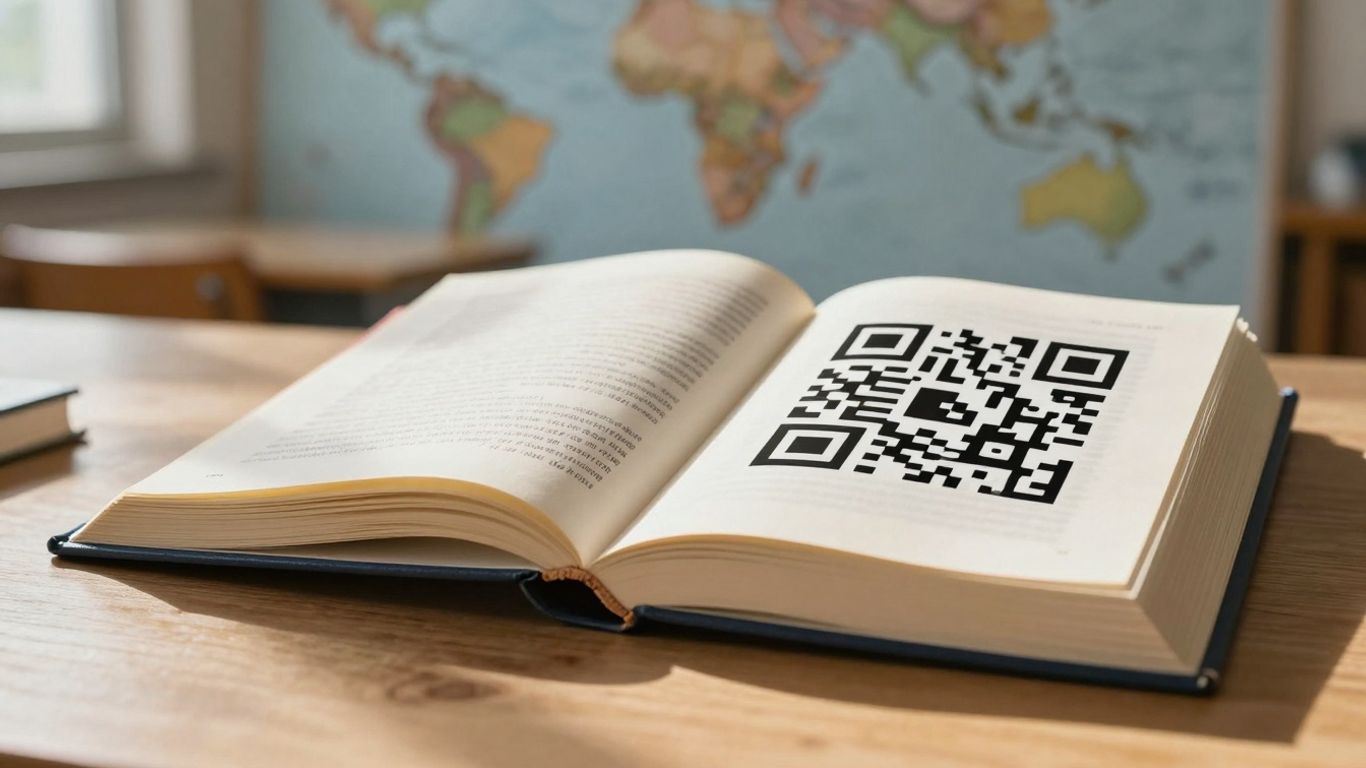
Educational institutions across various regions are integrating QR codes into textbooks, marking a significant leap towards modernizing learning. This innovative approach aims to provide students with verified content, access to digital resources, and even a channel for reporting cybercrimes, thereby creating a more secure and engaging educational environment.
Key Takeaways
- QR codes authenticate textbooks, combatting piracy and ensuring content integrity.
- They unlock access to supplementary digital learning materials like videos and model papers.
- In some regions, QR codes offer a secure, anonymous channel for reporting cyberbullying and online harassment.
- The initiative aims to bridge the digital divide and improve overall educational quality.
Combating Piracy and Ensuring Authenticity
In West Bengal, the Council of Higher Secondary Education (WBCHSE) has mandated QR codes on all higher secondary textbooks. This move is a direct response to the pervasive issue of pirated textbooks flooding the market, often sold at inflated prices and containing altered content. Each official textbook will feature a unique QR code on its back cover. Scanning this code will verify the book’s authenticity by displaying the WBCHSE logo and detailed information. Any discrepancy or absence of a code signals a pirated copy, safeguarding students from academic misinformation.
Unlocking Digital Learning Resources
Beyond authentication, the QR codes serve as gateways to a wealth of digital learning resources. Students can access video tutorials offering in-depth explanations, animated content to simplify complex subjects, and model papers for exam preparation. This integration of physical and digital learning aims to make education more interactive, accessible, and aligned with contemporary educational practices. Educational authorities are urging students and parents to diligently scan QR codes before purchasing any textbook to ensure they are acquiring authorized and high-quality materials.
Enhancing Cyber Safety for Students
In a novel application, Madhya Pradesh police are introducing QR codes in textbooks to facilitate anonymous reporting of cybercrimes. Recognizing cyber safety as a critical challenge, this initiative provides students with a discreet channel to report incidents of cyberbullying and online harassment. While initially planned for notice boards, the integration into textbooks aims to make this reporting mechanism readily accessible. Experts emphasize that this, coupled with parental and school training in digital hygiene, can create a safer online environment for children, who are increasingly vulnerable in the digital space.
Uplifting Educational Quality
Meghalaya has also launched QR code-enabled textbooks for Science and Mathematics in secondary schools. This initiative is part of a broader effort to enhance the quality of education, particularly in rural areas where enrollment and pass percentages have been a concern. By providing access to comprehensive educational resources and supplementary digital content, the aim is to uplift academic standards and empower students with tools for self-improvement. This step is seen as a significant stride towards digitizing education and ensuring students have access to the best learning materials available.