You’ve probably seen QR codes on everything from restaurant menus to bus stop ads. They’re handy, right? But what happens when that link you printed leads nowhere? It’s a common problem, especially with static QR codes. This article is all about how an affordable QR code management platform can save your printed materials from becoming digital dead ends, keeping your marketing on track and your customers connected.
Key Takeaways
Static QR codes pose a long-term risk because their destination can’t be changed after printing. If a webpage moves or an offer expires, your printed code becomes useless.
A QR code management platform, especially one using dynamic QR codes, allows you to update the destination link without reprinting the physical material.
Dynamic QR codes also offer valuable scan tracking. You can see how many people scan your code, where they are, and when, helping you understand campaign performance.
Businesses like restaurants, retailers, and event organisers benefit greatly from the flexibility of dynamic QR codes, especially for menus, product packaging, and signage.
When choosing an affordable QR code management platform, look for features like editable links, scan analytics, and the ability to customise the code’s appearance to match your brand.
Why Static QR Codes Create Long-Term Business Risk
The Hidden Cost of Dead QR Codes on Printed Marketing
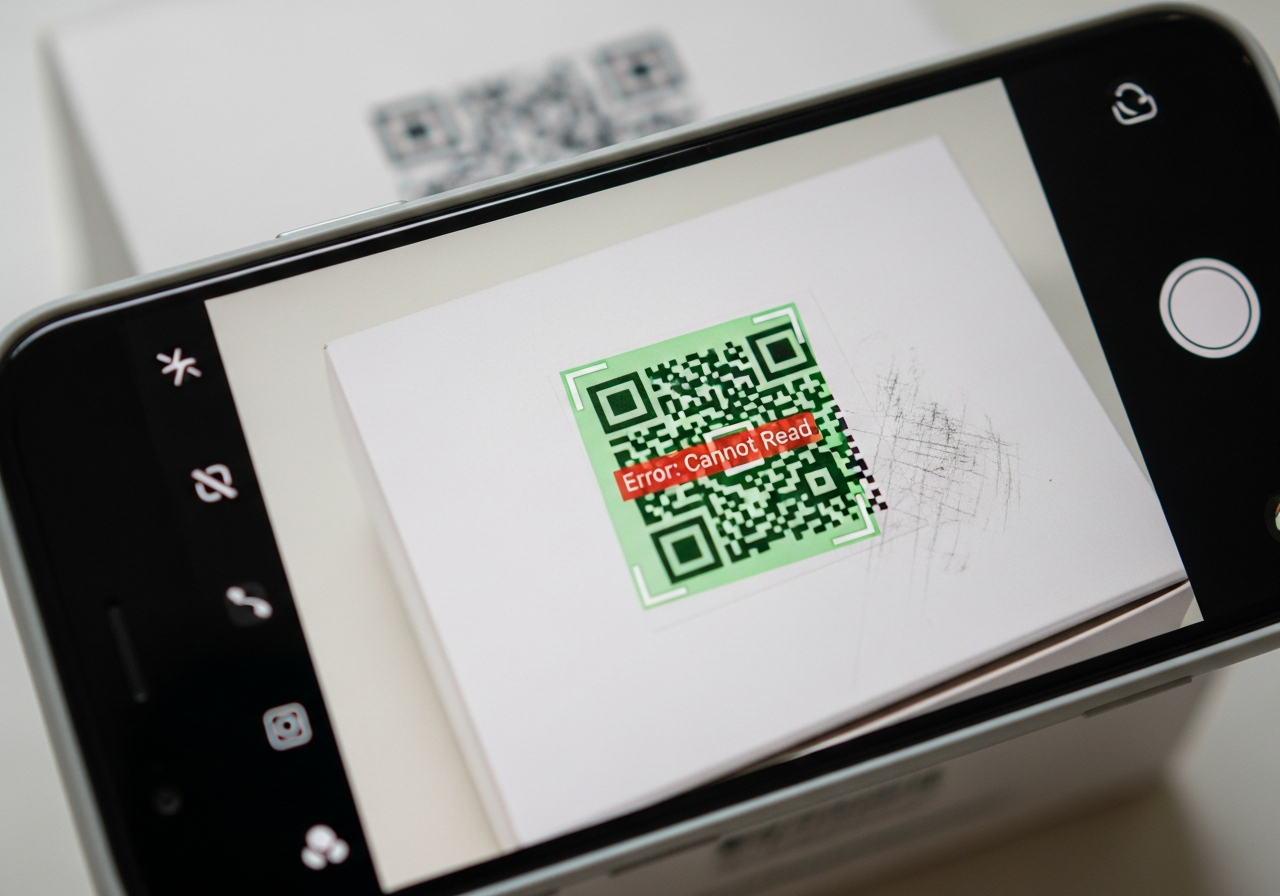
When you print a QR code, you’re essentially committing to a specific destination. If that destination changes – perhaps a website URL is updated, a product page is moved, or a special offer expires – your printed QR code becomes a dead end. This isn’t just an inconvenience; it’s a direct business risk. Customers trying to access information or a promotion will be met with an error, leading to frustration and a loss of trust. This can significantly damage your brand perception and lead to missed sales opportunities.
Consider the operational impact. A flyer distributed across the city, a menu in a busy restaurant, or a label on a product all represent an investment. If the linked content becomes outdated, you’re faced with a choice: accept the loss of engagement or incur the cost and effort of reprinting everything. For businesses with numerous physical touchpoints, this can become a recurring and expensive problem. It’s a situation that many UK businesses still treat as disposable tools, leading to material waste and increased costs [238a].
Why Printed QR Codes Cannot Be Fixed After Distribution
Once a static QR code is printed and distributed, its encoded information is fixed. Unlike digital content that can be updated instantly, a printed QR code is a permanent fixture on your material. If the linked URL breaks or the content it points to is no longer relevant, there’s no way to alter the QR code itself. This means any marketing collateral, product packaging, or signage featuring that code becomes instantly less effective, or even useless.
This lack of flexibility is a significant drawback. For instance, if a product’s specifications change or a promotional landing page is updated, the QR code on the packaging will direct customers to incorrect or non-existent information. This can lead to customer confusion, complaints, and a perception of poor business management. The failure rate for static QR codes is surprisingly high, with many becoming non-functional within a couple of years [2d9a]. This means your marketing materials could be actively harming your brand long before their physical lifespan is over.
What a QR Code Management Platform Actually Does
Dynamic QR Codes vs Static QR Codes
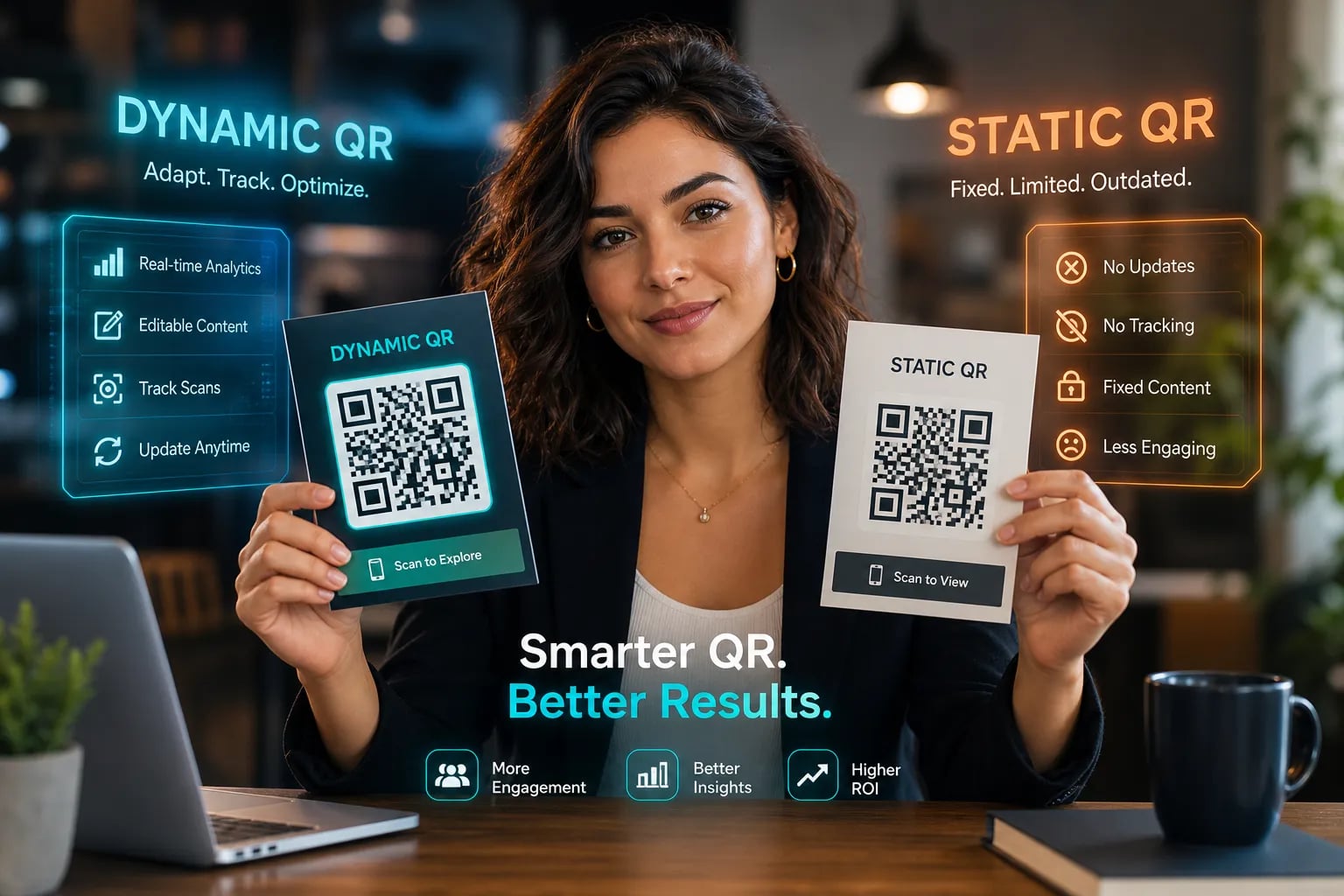
When you’re using QR codes on printed materials, understanding the difference between static and dynamic codes is key. A static QR code embeds your destination information directly into the code itself. Once printed, this information is fixed. If the website address changes, or a promotion ends, that static QR code becomes useless. You’d have to reprint everything, which is costly and time-consuming.
Dynamic QR codes work differently. They point to a managed link. This means the QR code image on your print material stays the same, but you can change where it leads from a central dashboard. This offers significant flexibility. It’s like having a remote control for your printed links. This is the core function of a QR code management platform: providing this dynamic control.
How Scan Tracking and Editable Links Work
A QR code management platform provides two main benefits: editable links and scan tracking. The editable link feature means you can update the destination URL at any time. This is invaluable for marketing campaigns, menus, or product information that might change. You print once, and update as needed.
Scan tracking, often referred to as QR code tracking, gives you data on how your codes are being used. This includes:
Number of scans: A basic count of how many times a code has been scanned.
Location of scans: Where the scans are originating from (if available).
Time of scans: When the codes are being accessed.
Device type: The type of device used to scan the code.
This data from your QR code platform for marketing can help you understand which placements are most effective. It allows you to measure the performance of different print materials. This insight is vital for optimising future campaigns and understanding customer engagement. Without this tracking, you’re essentially guessing where your marketing efforts are paying off.
Relying solely on static QR codes for anything other than a permanent, unchanging link is a significant business risk. The inability to update or track performance means wasted marketing spend and missed opportunities.
When Businesses Need Dynamic QR Code Management
Certain situations make static QR codes a significant business risk. If your printed materials need to stay relevant over time, or if you anticipate changes to the linked information, you absolutely need a dynamic QR code solution. Relying on static codes in these scenarios means you’re essentially accepting the possibility of dead links and wasted print runs.
Restaurants, Property Listings and Printed Menus
Consider a restaurant. Menus change, especially with seasonal specials or price adjustments. If you’ve printed menus with static QR codes linking to an old price list, customers will see incorrect information. This can lead to frustration and, in some cases, disputes. For property agents, a listing might be sold or have updated details. A static QR code on a ‘For Sale’ board pointing to an outdated listing is not just unhelpful; it’s a missed opportunity. The ability to edit QR code after printing is paramount for dynamic content. This flexibility is a core benefit of dynamic QR codes for printed materials.
Product Packaging, Event Signage and Campaign Marketing
Product packaging often needs to remain relevant for extended periods. If a product’s warranty information, usage instructions, or a promotional link changes, static QR codes become a problem. You’d have to recall and replace all affected packaging, which is costly and impractical. Similarly, event signage might need updates due to schedule changes or new information. Using dynamic QR codes means you can update the destination link instantly, ensuring attendees always have the most current details. For campaign marketing, the ability to track scans and adjust the linked content based on performance is invaluable. This allows for A/B testing and optimisation, something impossible with static codes. A robust QR code management for printed marketing is key here, allowing you to adapt campaigns on the fly. You can explore the top 8 QR code trends shaping 2026 to see how dynamic codes are becoming standard practice [2d39].
Relying on static QR codes for anything that might change is like printing a newspaper with yesterday’s news. It’s a recipe for outdated information and a poor customer experience. Dynamic QR codes offer a way to keep your printed materials connected to live, relevant content without the constant need for reprints.
Choosing an Affordable QR Code Management Platform
When you’re looking for an affordable dynamic QR code platform, it’s easy to get lost in the options. Free generators might seem tempting, but they often lack the features needed for reliable, long-term marketing. You need a system that offers control and flexibility without breaking the bank.
Key Features to Look for in Dynamic QR Code Software
Not all QR code management software is created equal. To avoid future headaches, focus on these core functionalities:
Dynamic Codes: This is non-negotiable. It allows you to change the destination URL without reprinting the physical QR code. This saves significant costs and prevents dead links.
Scan Tracking and Analytics: You need to know how your QR codes are performing. Look for platforms that provide data on scan counts, locations, and times. This helps you understand what’s working and what isn’t.
Customisable Branding: While not strictly essential for functionality, branded domains and customisable designs build trust and reinforce your brand identity. This can prevent users from bouncing due to suspicious-looking links.
High-Resolution Exports: Ensure you can download codes in formats like SVG or PDF, suitable for professional printing. This maintains scanability, even on large formats or at a distance.
Reliable Scannability Features: Some platforms offer tools to check contrast, ensure adequate quiet zones, and advise on optimal size. These features help prevent common scanning failures.
Affordable Platforms vs Free QR Code Generators
Free QR code generators are suitable for one-off, disposable uses. However, for any marketing campaign or operational use where the QR code might need updating or tracking, they present a significant risk. The cost of reprinting materials or losing customer engagement due to a dead link far outweighs the minimal cost of a paid service.
An affordable dynamic QR code platform is an investment in campaign longevity and operational efficiency.
Consider the following comparison:
Feature | Free Generator | Affordable Dynamic Platform |
|---|---|---|
Link Editability | No (Static) | Yes (Dynamic) |
Scan Tracking | None or very basic | Detailed analytics (location, time, device) |
Custom Branding | Limited or none | Branded domains, customisable designs |
Print Quality | Basic export options | High-resolution vector and raster formats |
Support | Community forums or none | Dedicated customer support |
Long-term Cost | High (reprints, lost engagement) | Low (flexibility, data insights) |
When evaluating options, look for platforms that offer a clear path from a free trial or basic plan to more advanced features as your needs grow. This allows you to start affordably and scale up without disruption. You can find a range of paid QR code generators that balance cost with these necessary features [dd3e].
How Dynamic QR Codes Protect Long-Term Marketing Campaigns
Static QR codes are a “print-and-pray” solution. Once they are on your marketing materials, the destination is fixed. If a webpage changes or an offer expires, the QR code becomes useless. This can lead to wasted print runs and missed opportunities. Dynamic QR codes, however, offer a vital layer of flexibility. They act as a routing system. The printed code remains the same, but the link it directs to can be updated anytime. This means your marketing materials don’t become obsolete the moment they leave the printer.
Updating QR Code Destinations Without Reprinting
This “print now, link later” capability is a significant advantage. Imagine you’ve printed thousands of flyers for a seasonal promotion. If consumer behaviour shifts or you need to adjust the offer, you don’t have to discard all those flyers and start again. With a dynamic QR code management platform, you can simply log in and change the destination URL. This saves considerable time and expense, especially for large-scale campaigns. It also means you can react quickly to market changes or correct errors without delay. This adaptability is crucial for maintaining campaign relevance and effectiveness over time. It allows you to keep your physical media current, even after distribution. For example, a restaurant can update its menu links for daily specials or seasonal changes without reprinting physical menus. This flexibility is a core benefit of using a dynamic QR code system.
Tracking QR Code Scans to Improve Campaign Performance
Beyond simply updating links, dynamic QR codes provide invaluable data. Most free QR code generators offer little to no analytics. This leaves you blind to how your campaigns are performing. A proper QR code management platform, however, tracks every scan. You can see metrics like:
When scans occur (time of day, day of week)
Where scans originate from (geographic location)
What devices are used (iOS, Android)
How many unique vs. repeat scans you receive
This data is not just for show; it’s actionable intelligence. You can identify which placements are most effective, understand customer engagement patterns, and refine your marketing strategy accordingly. For instance, if QR codes on posters in one location are scanned far more often than those in another, you can investigate why and adjust your approach. This analytical insight helps you optimise future campaigns and demonstrate a clear return on investment. It transforms QR codes from a simple link into a measurable marketing channel.
Relying on static QR codes for long-term campaigns is a significant business risk. The inability to update destinations means that once printed, your marketing collateral can quickly become outdated, leading to wasted resources and missed customer engagement opportunities. Dynamic QR codes mitigate this risk by allowing for real-time link management and providing essential performance data.
Affordable QR Code Management Platform for UK Businesses
When you’re looking for a QR code management platform in the UK, it’s important to understand what you’re actually paying for. Free generators might seem appealing, but they often lack the features needed for professional use. You might end up with static codes that can’t be updated, leading to dead links on your printed materials. This is a significant risk for any business relying on consistent marketing. For instance, a restaurant using static QR codes on menus could face issues if their offerings change. You’d have to reprint all menus, incurring unnecessary costs and delays. This is where a dynamic QR code software UK businesses can rely on becomes invaluable.
Cost Expectations for QR Code Platforms
The cost of a QR code platform can vary. While some offer free tiers, these are usually limited in functionality. For businesses needing more control, like editable QR codes or detailed analytics, paid plans are necessary. Expect to see pricing structures based on the number of QR codes you manage, the features available, and the level of support provided. For example, a basic plan might cover a few dynamic codes for a small business, while enterprise solutions offer bulk generation and advanced tracking.
Here’s a general idea of what you might expect:
Free Tiers: Limited codes, basic functionality, often with branding from the provider.
Entry-Level Paid Plans: Typically £10-£30 per month. Offers more dynamic codes, custom branding, and basic analytics. Suitable for small businesses or specific campaigns.
Mid-Tier Plans: Around £30-£100 per month. Provides higher code limits, advanced analytics, team collaboration features, and API access for integrations.
Enterprise Solutions: Custom pricing. For large organisations needing high-volume code creation, dedicated support, and advanced security features.
It’s not just about the monthly fee; consider the long-term value. A platform that allows you to update destinations without reprinting is a significant cost saver. This is particularly relevant for sectors like restaurants, where menus change frequently, or for product packaging where information might need updating.
How to Choose a Reliable Platform for Printed QR Codes
Selecting the right QR code platform is about more than just price. You need a solution that offers reliability and the specific features your business requires. Consider these points:
Dynamic vs. Static: Always opt for dynamic QR codes for printed materials. This allows you to change the destination URL or content later without needing to reprint the physical item. This is crucial for maintaining campaign relevance and avoiding the operational headache of dead links.
Scan Tracking and Analytics: A reliable platform will provide detailed scan data. This includes information on when, where (roughly), and how many times your QR codes are scanned. This data is vital for understanding campaign performance and making informed decisions. For instance, knowing which posters or flyers are generating the most interest can help you allocate your marketing budget more effectively.
Custom Branding: Your QR codes should align with your brand identity. Look for platforms that allow you to add your logo, change colours, and customise the overall appearance. This builds trust and recognition. An editable QR code platform for packaging, for example, should allow for seamless brand integration.
Reliability and Uptime: For critical applications, such as on product packaging or event signage, you need a platform with a strong uptime guarantee. Downtime means your QR codes won’t work, leading to lost opportunities and customer frustration.
Ease of Use: The platform should be intuitive. You shouldn’t need extensive technical knowledge to create, manage, and update your QR codes. A user-friendly dashboard is key, especially for busy teams.
When evaluating options, think about specific use cases. For restaurants, a platform that integrates well with ordering systems or menu displays is beneficial. For product packaging, the ability to generate a large volume of unique, trackable codes is important. Ultimately, the goal is to find a dynamic QR code software UK businesses can depend on to keep their marketing materials functional and effective over time. Safetech is dedicated to helping UK businesses achieve this. Remember, the cheapest option isn’t always the best; consider the long-term operational benefits and risk mitigation a good platform provides.
Looking for a simple way to manage your QR codes in the UK? Our platform makes it easy for businesses like yours to create, track, and update QR codes without any fuss. It’s designed to be straightforward, so you can focus on what matters most – growing your business. Ready to see how easy it can be? Visit our website today to learn more and get started!
Final Thoughts on QR Code Reliability
Ultimately, the longevity and effectiveness of your printed materials hinge on a proactive approach to QR code management. Relying on static codes is a false economy; the risk of dead links and the associated damage to your brand’s reputation is simply too high. By adopting a dynamic QR code management system, you gain the flexibility to update destinations as needed, ensuring your customers always reach the correct information. This not only prevents the frustration of broken links but also provides a more robust and adaptable marketing or operational tool. Investing in a platform that offers control, analytics, and ease of use will pay dividends, keeping your printed materials functional and your audience engaged long after they’ve left the printer.
Frequently Asked Questions
Why can't I just use a free QR code generator for everything?
Free QR code generators are fine for simple, one-off uses where the destination won’t change. However, they often create static QR codes. This means once you print them, you can’t change where they lead. If a website address changes or a promotion ends, your printed QR code will stop working, which can frustrate customers and waste your money.
What's the main difference between a static and a dynamic QR code?
Think of a static QR code like a direct phone number – it goes straight to one place and can’t be changed. A dynamic QR code is more like a receptionist; it directs you to a managed link. This means you can change where the QR code leads later on, even after it’s printed, without needing to print new ones. Plus, dynamic codes usually let you track how many people scan them.
How can a QR code management platform help my business in the UK?
A management platform helps you create, manage, and track dynamic QR codes. This is super useful for things like restaurant menus that change seasonally, property listings that get updated, or event details that might shift. Instead of reprinting everything when information changes, you just update the link through the platform, saving you time and money, and making sure your customers always get the right information.
Will adding my logo or colours to a QR code make it harder to scan?
It can, if not done carefully. While many platforms let you brand your QR codes with logos and colours, it’s important not to cover too much of the code or reduce the contrast too much. Good QR code management tools offer features like high error correction and design checks to help ensure your branded codes still scan reliably, even on printed materials like posters or flyers.
How much should I expect to pay for an affordable QR code management platform?
Prices can vary, but you can find affordable options that offer dynamic QR codes and basic tracking for a reasonable monthly fee, often starting from around £10-£20 per month. Many platforms also offer free tiers for a limited number of codes, which is a great way to test them out before committing to a paid plan.
What happens if my printed QR code doesn't scan properly?
If a QR code isn’t scanning, it’s usually down to a few things: it might be too small for the viewing distance, have poor contrast (e.g., light colours on a busy background), lack a clear border (called a ‘quiet zone’), or the print quality might be low. Using a dynamic QR code from a management platform means you can update the link if the original destination breaks, and you can also ensure the code itself is designed for better scannability from the start.