Print Now, Link Later: How to Update QR Codes Without Reprinting
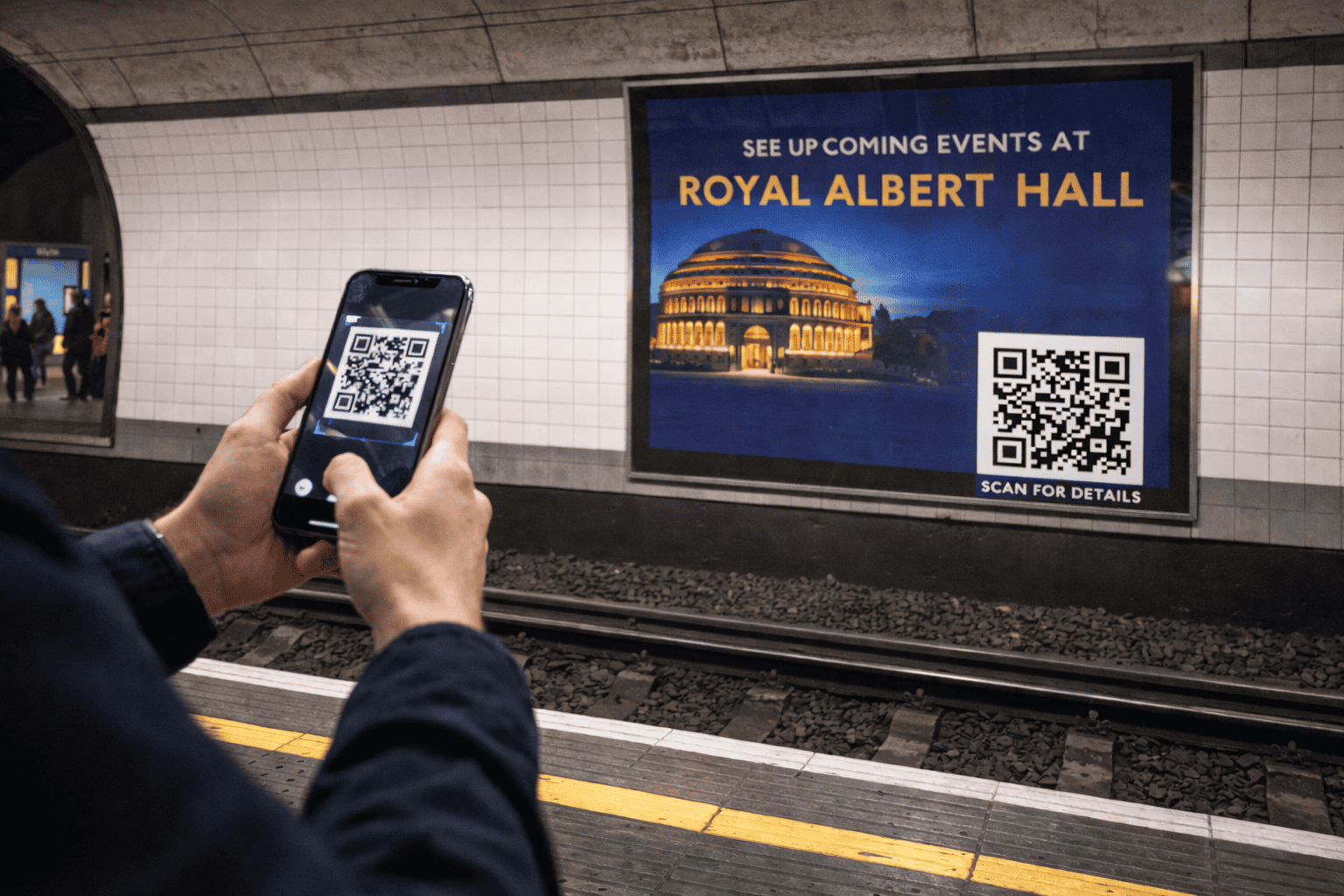
Print Now, Link Later Explained
Printing a QR code feels permanent.
Once it’s on signage, packaging, stickers, or boards, it’s live.
But websites change. Campaigns end. Listings update. Documents move.
If your QR code is static, every change means one thing:
You reprint everything.
Print Now, Link Later is a smarter approach.
Instead of tying the physical QR code to a fixed link, you separate the printed asset from the digital destination. The QR code stays the same. The link behind it can evolve.
This guide explains how that works, when you need it, and how to avoid costly reprints.
Can You Update a QR Code After Printing?
Yes — but only if it was created as a dynamic QR code from the start.
If your QR code is static, the destination is permanently embedded.
You cannot edit it.
If it’s dynamic, the QR code points to a redirect layer. That redirect can be updated at any time without changing the printed code.
That distinction is critical.
The Hidden Problem With Printed QR Codes
Most businesses focus on the print quality:
- Is it sharp?
- Is it weatherproof?
- Will it scan at distance?
Fewer consider what happens months later.
Examples:
- A property listing is sold.
- A construction document is revised.
- A product page URL changes.
- A seasonal promotion ends.
- A landing page is replaced.
If the QR code is static, the physical material becomes outdated.
Reprinting signage, stickers, and boards creates:
- Direct print costs
- Labour costs
- Delays
- Waste
- Brand inconsistency
Printing is permanent.
Campaigns are not.
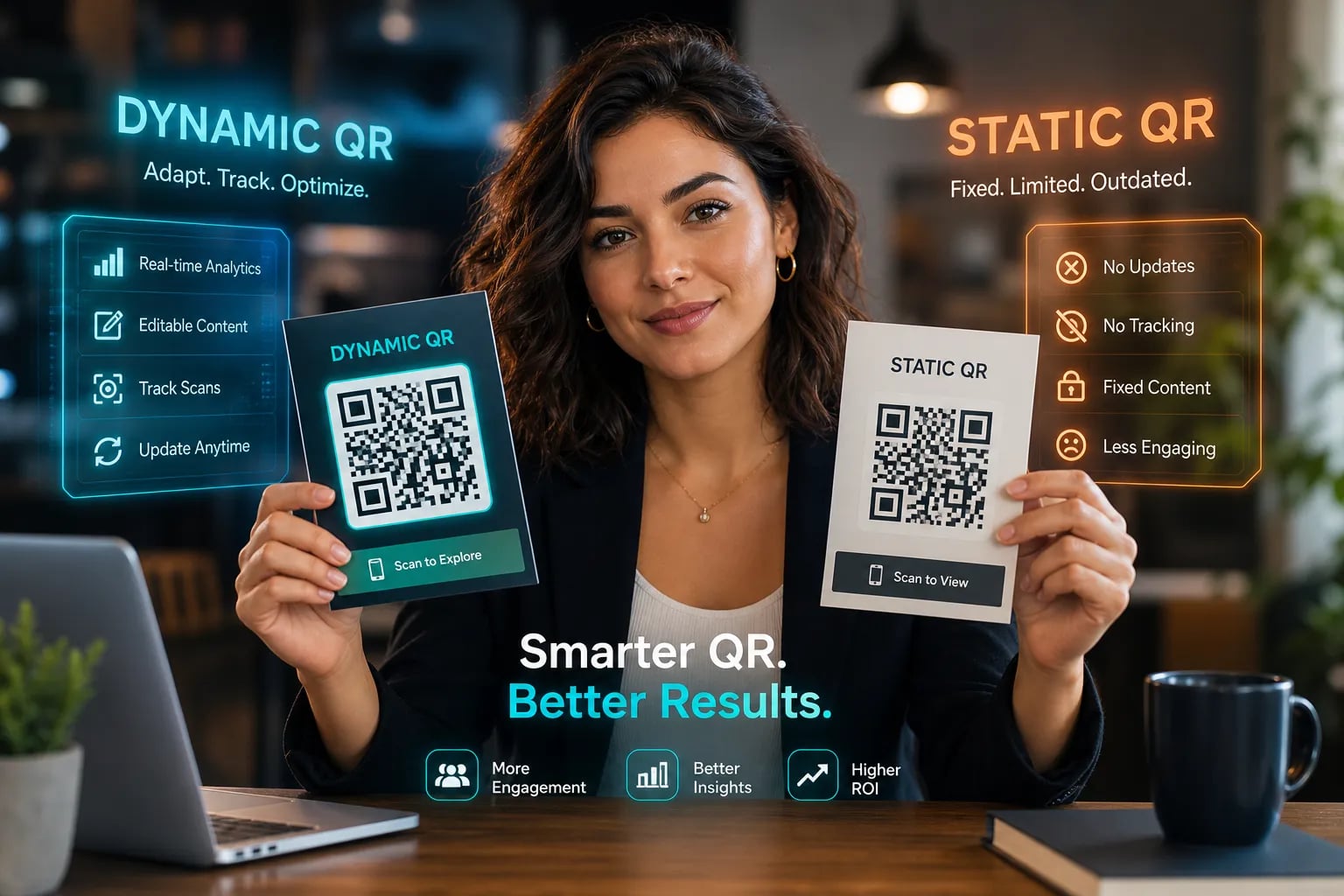
Static vs Dynamic QR Codes
Understanding this difference is essential.
Static QR Codes
- Destination is fixed
- Cannot be edited
- No built-in tracking
- Reprint required if link changes
Suitable for:
- Short-term flyers
- One-off campaigns
- Temporary materials
Dynamic QR Codes
- Destination can be edited
- Link can be redirected anytime
- Tracking and reporting possible
- Physical print remains reusable
Suitable for:
- Signage
- Estate boards
- Long-term installations
- Multi-location operations
- Packaging
- Ongoing marketing campaigns
The printer does not make a QR code dynamic.
The platform behind it does.
What Does “Print Now, Link Later” Mean?
Print Now, Link Later is a deployment strategy.
You:
- Generate dynamic QR codes.
- Print and install them physically.
- Assign or update the destination later.
- Continue updating the link without reprinting.
The physical asset becomes stable infrastructure.
The digital destination becomes flexible.
Instead of reprinting materials every time something changes, you update the redirect.
Real-World Use Cases
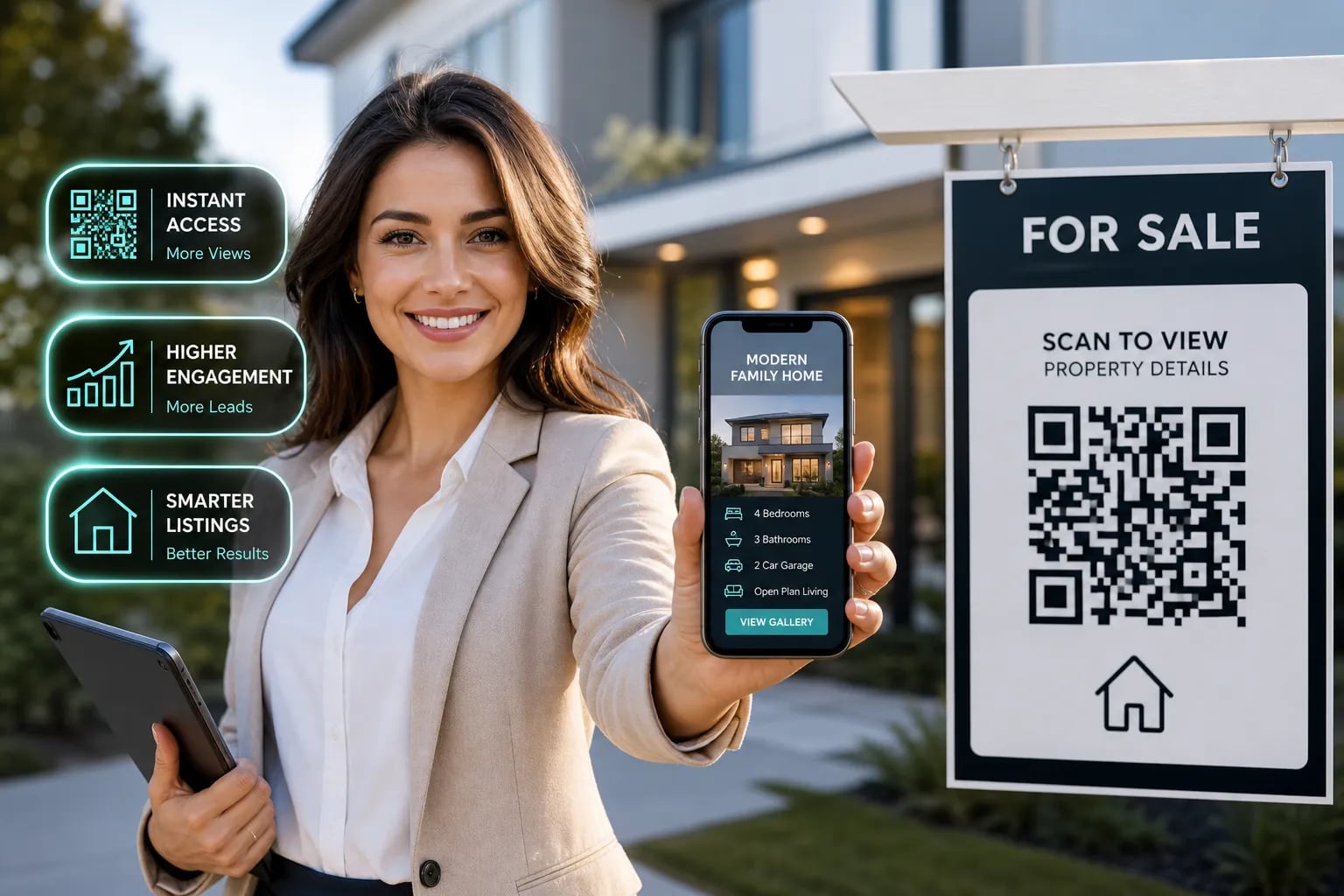
Estate Agents
Boards are expensive and reused.
With dynamic QR codes:
- The board stays.
- The QR code stays.
- The property link changes inside the dashboard.
One physical asset. Multiple listings over time.
Construction Sites
Safety documents and project information evolve.
Instead of replacing site signage, the QR code remains fixed while documentation is updated digitally.
Retail & Packaging
Products change seasonally. Promotions rotate.
With static codes, outdated packaging must be replaced.
With dynamic codes, the same packaging can redirect to:
- A new product page
- A seasonal campaign
- Updated instructions
Events
Pre-print badges or signage.
Assign session links or schedules later.
Change them if necessary.
No reprinting required.
Bulk Printing Without Risk
Businesses often print QR codes in bulk to reduce unit cost.
But bulk printing increases risk if links change.
Dynamic QR codes remove that risk.
You can:
- Print 500 stickers
- Distribute them across sites
- Assign different destinations
- Track performance centrally
- Update campaigns without waste
Bulk printing becomes operationally safe.
QR Codes as Infrastructure, Not Artwork
When QR codes are static, they are just images.
When they are dynamic and centrally managed, they become infrastructure.
Infrastructure means:
- Unique QR identifiers
- Central dashboard control
- Branch or location assignment
- Click tracking
- Link editing
- Campaign management
This is especially important for organisations operating across:
- Multiple offices
- Multiple properties
- Multiple retail locations
- Multiple construction sites
The physical code becomes a reusable asset.
How It Works (Simple Process)
Create dynamic QR codes.
Export them as SVG or PDF for printing.
Deploy them physically.
Edit or reassign destinations anytime through a dashboard.
The printed code does not change.
Only the link behind it does.
When You Don’t Need Print Now, Link Later
Not every QR code needs to be dynamic.
Static QR codes are perfectly acceptable if:
- The link will never change.
- The campaign is short-term.
- The printed material is disposable.
- You do not require tracking.
The right solution depends on lifespan and scale.
The Strategic Advantage
Print Now, Link Later:
- Reduces reprint costs
- Eliminates dead links
- Extends the life of physical materials
- Enables tracking and reporting
- Allows campaign testing and optimisation
- Supports governance across locations
It separates the physical and digital layers of your marketing.
That separation creates control.
Is Print Now, Link Later Right for You?
You likely need it if you:
- Print signage or boards
- Operate across multiple locations
- Update campaigns regularly
- Want measurable QR engagement
- Need central control over live QR assets
If your QR codes are long-term and public-facing, dynamic management quickly becomes less of a feature and more of a necessity.
Printing is straightforward.
Managing QR codes long term is where the real decision lies.
If you’d like guidance on implementing a Print Now, Link Later strategy for your business, feel free to get in touch.
Yes, but only if the QR code was created as a dynamic QR code. Static QR codes cannot be edited once printed because the destination link is permanently embedded. Dynamic QR codes use a redirect layer, allowing you to update the destination without reprinting.
If the destination URL changes and the QR code is static, the printed material becomes outdated. The only solution is to generate a new QR code and reprint the signage, sticker, or packaging.
Dynamic QR codes point to a managed redirect URL instead of a fixed destination. When scanned, the QR code routes through a platform that forwards the user to the current link. That link can be edited at any time through a dashboard.
Print Now, Link Later is a deployment strategy built on dynamic QR codes. It means you print the QR code first and assign or update the destination later, avoiding reprints when links change.
Yes. If you generate dynamic QR codes in advance, you can print them in bulk and assign destinations later through a dashboard. This allows for flexible deployment across multiple locations.
Static QR codes are free to generate but can create hidden costs if reprinting is required. Dynamic QR codes typically involve a platform subscription but reduce long-term waste, reprint costs, and operational friction.
Yes. Dynamic QR codes typically provide scan tracking, allowing you to monitor engagement, measure performance, and optimise campaigns without changing the printed material.