Right then, let’s talk about your WhatsApp QR code. It might sound a bit techy, but honestly, it’s pretty straightforward. Think of it as a digital business card that people can scan with their phones to start a chat with you instantly. No need for them to save your number or type anything out. We’ll go through how to get one, where to put it, and how to make it work best for your business here in the UK.
Key Takeaways
- A WhatsApp QR code is a scannable image that opens a direct chat with your business on WhatsApp.
- You can create your own WhatsApp QR code easily, and even add a pre-filled message to guide the conversation.
- Placing your WhatsApp QR code on things like posters, flyers, or at your till can make it super simple for customers to get in touch.
- Using dynamic WhatsApp QR codes means you can change where the code leads without having to reprint it, and you can track how many people scan it.
- These codes are great for handling sales enquiries, customer support, or just making it easier for people to ask questions.
Understanding Your WhatsApp QR Code
So, what exactly is this WhatsApp QR code we keep hearing about? Think of it as a digital shortcut, a bit like a secret handshake for your phone. It’s a scannable square that instantly opens a chat with you or your business on WhatsApp. No more fumbling for phone numbers or trying to remember contacts. Someone points their phone camera at it, and bam – they’re ready to message you.
What Exactly Is a WhatsApp QR Code?
A WhatsApp QR code is essentially a visual representation of your WhatsApp contact information or a specific ‘click-to-chat’ link. When scanned, it directs the user straight to a WhatsApp chat window. You can even set it up so a pre-written message appears, ready for them to send. This means customers don’t have to type your number or guess what to say; they can just scan and start a conversation. It’s a really straightforward way to bridge the gap between the physical world and instant digital communication.
How Does Scanning a WhatsApp QR Code Work?
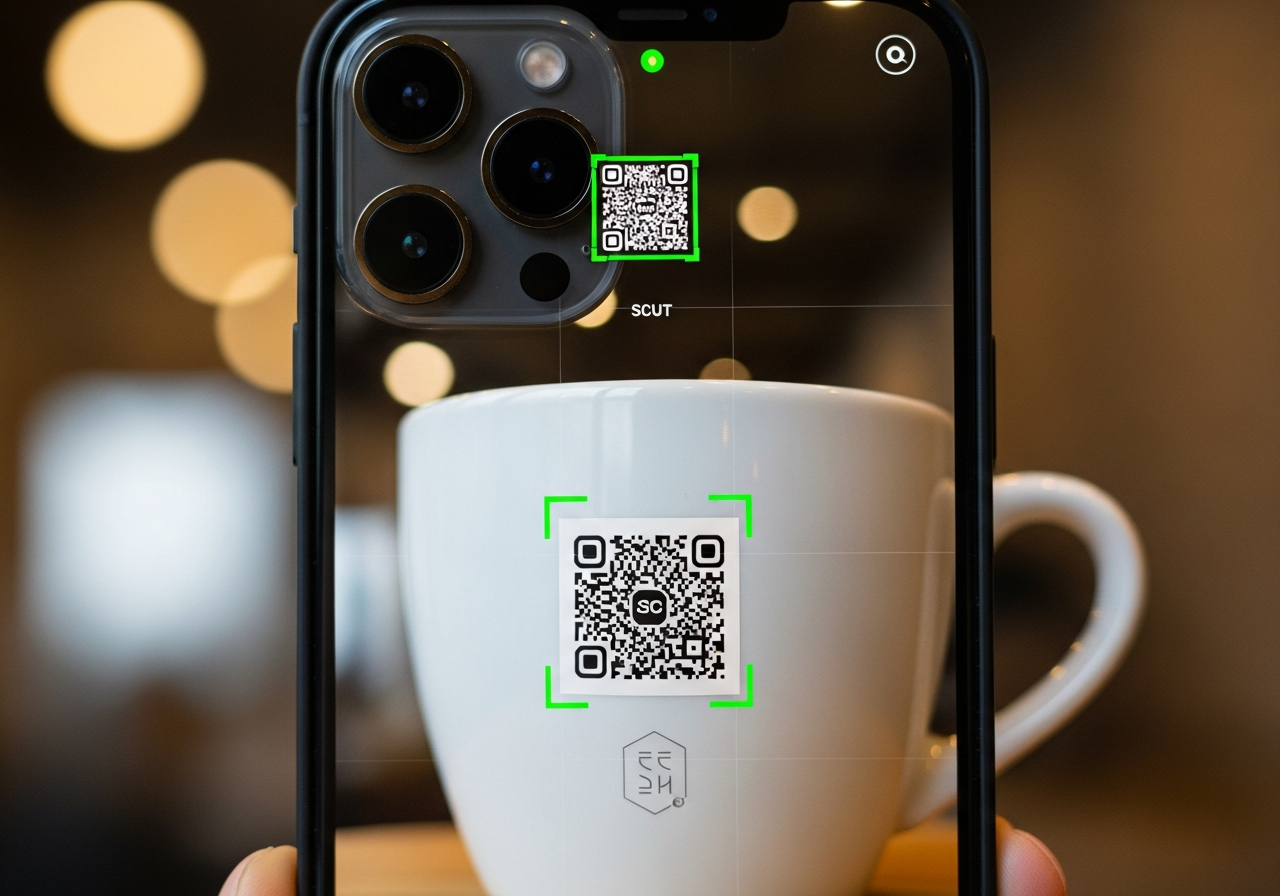
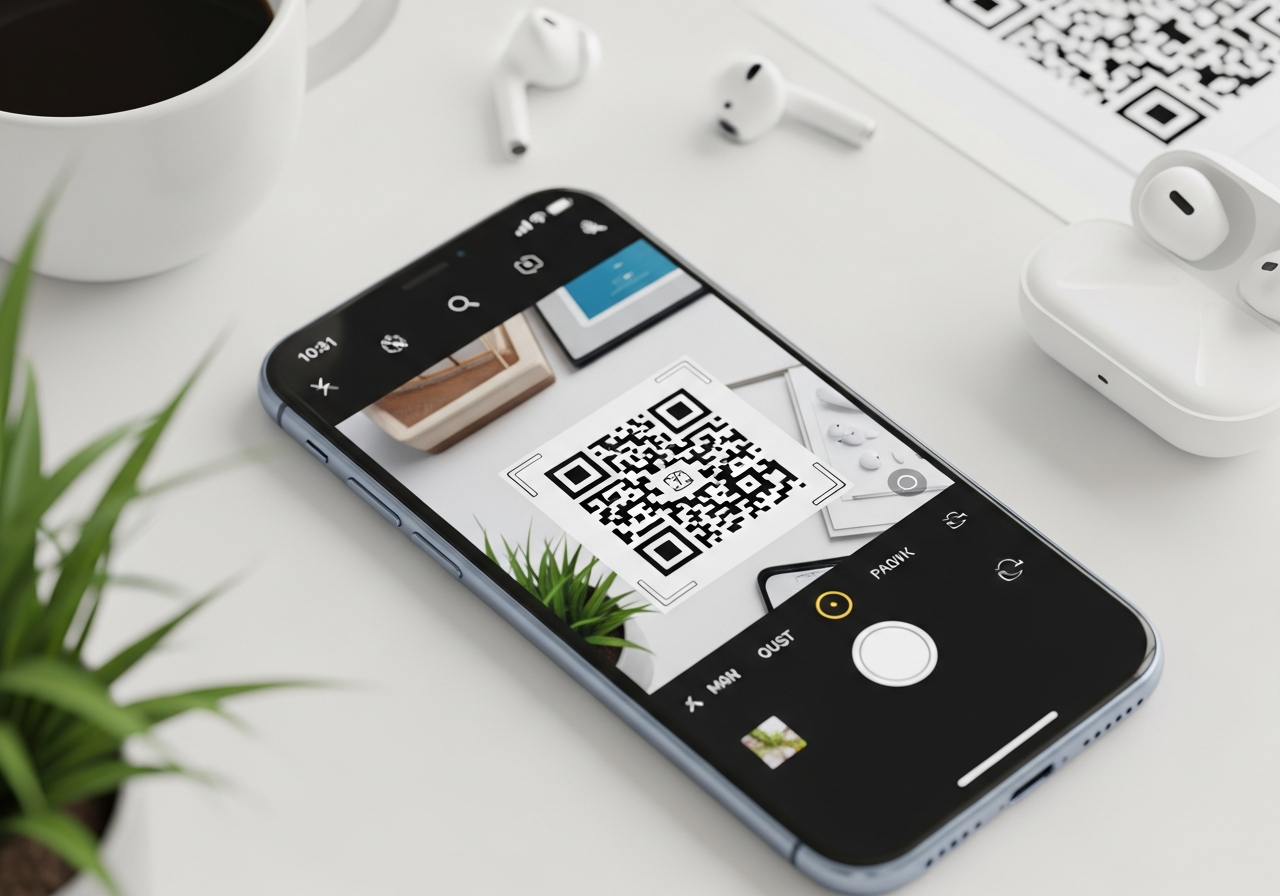
Scanning is dead simple. Most modern smartphones have this built into their camera app already, so you don’t usually need a separate app. Here’s the typical flow:
- The user opens their phone’s camera and points it at the QR code.
- A notification pops up, usually saying something like “Open in WhatsApp”.
- Tapping that notification opens WhatsApp directly to a chat with your account.
- If you’ve set up a pre-filled message, it will appear in the message field, waiting for them to hit send.
It’s designed to be quick and fuss-free, getting people into a conversation in seconds. For more advanced features, you might look into dedicated apps that offer extra functionality like scan tracking.
The Difference Between Static and Dynamic Codes
This is where things get interesting, especially if you plan to use your QR code on printed materials. You’ve got two main types:
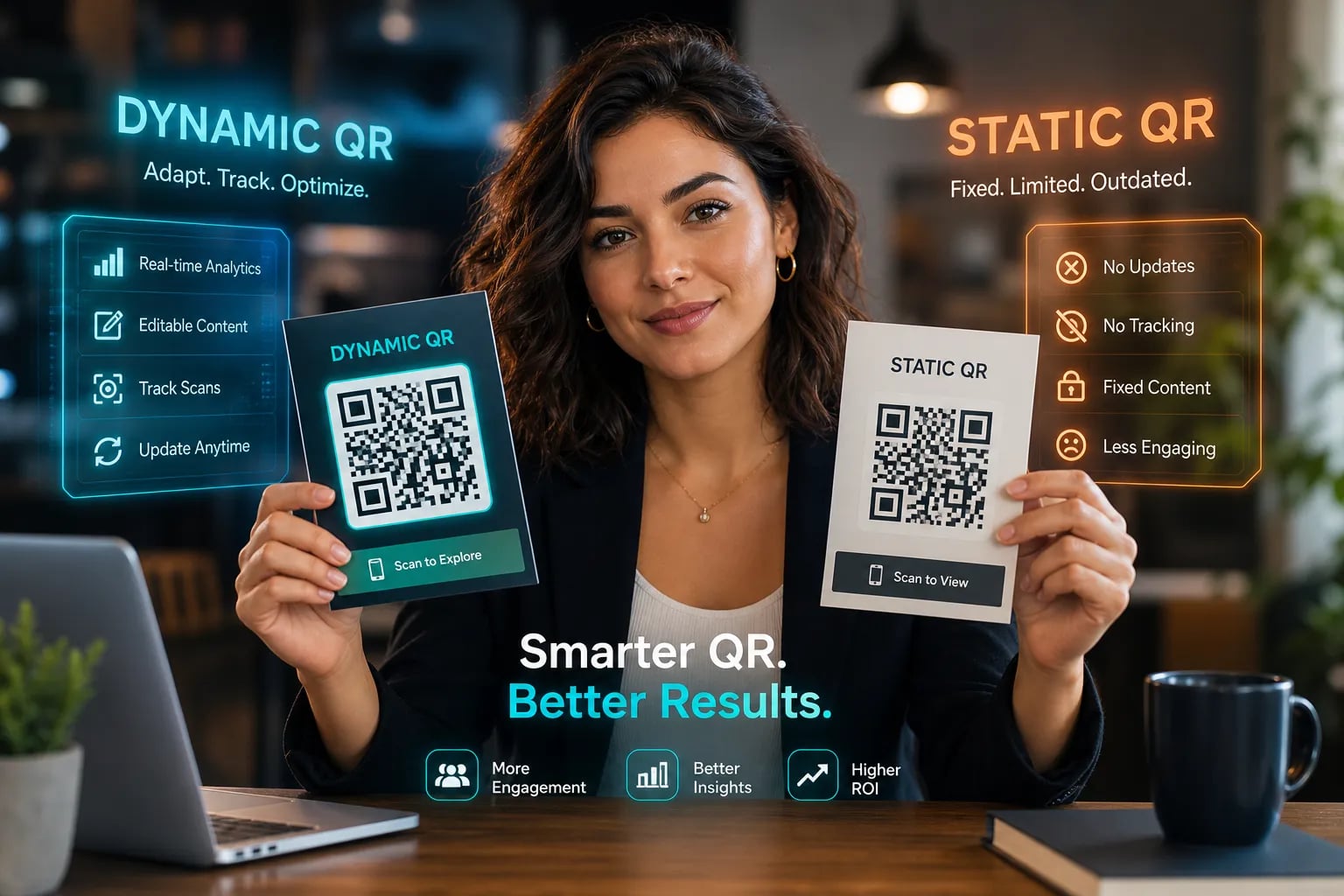
- Static QR Codes: These are pretty basic. The information, like your WhatsApp number or link, is directly embedded into the code itself. Once it’s printed, that’s it – you can’t change where it leads or what message it sends. You also won’t get any data on how many people scanned it.
- Dynamic QR Codes: These are much more flexible. Instead of pointing directly to WhatsApp, the code actually points to a redirect link. This link can be managed, meaning you can change the destination (your WhatsApp chat, a different URL, etc.) or update the pre-filled message without ever having to reprint the QR code. Platforms like Xcan.it let you do this, and crucially, they also provide a dashboard where you can track how many scans you’re getting, where they’re coming from, and more. This makes them brilliant for real-world campaigns across print, signage, and other assets, as you can adapt them on the fly.
Getting Started with Your WhatsApp QR Code
So, you’ve got your WhatsApp QR code, or you’re about to get one. Brilliant! This is where the real magic happens, turning a simple image into a direct line to your customers. Let’s get you set up.
Creating Your Unique WhatsApp QR Code
First things first, you need to generate your code. It’s pretty straightforward. You’ll need your WhatsApp number, complete with the UK country code (+44). There are various ways to do this, some free, some with more features. For a basic code that just links to your WhatsApp, you can use online generators. These tools create a free WhatsApp QR code in seconds, allowing people to easily connect with you.
Adding a Pre-Filled Message for Convenience
Want to make it even easier for people? You can add a pre-filled message. This means when someone scans your code, a message like “Hi, I’d like to enquire about your services” will already be typed in their chat window. They just need to hit send. It saves them time and ensures they start the conversation with exactly what they need. This is a fantastic way to streamline initial enquiries and make sure you get the right information from the start.
Best Places to Display Your WhatsApp QR Code
Where you put your QR code is key. Think about where your customers are most likely to want to get in touch. Good spots include:
- Shop windows: For quick questions about products or opening times.
- Business cards: So people can easily save your contact details.
- Receipts or invoices: For follow-up questions or support.
- Marketing materials: Like flyers, posters, or even vehicle wraps.
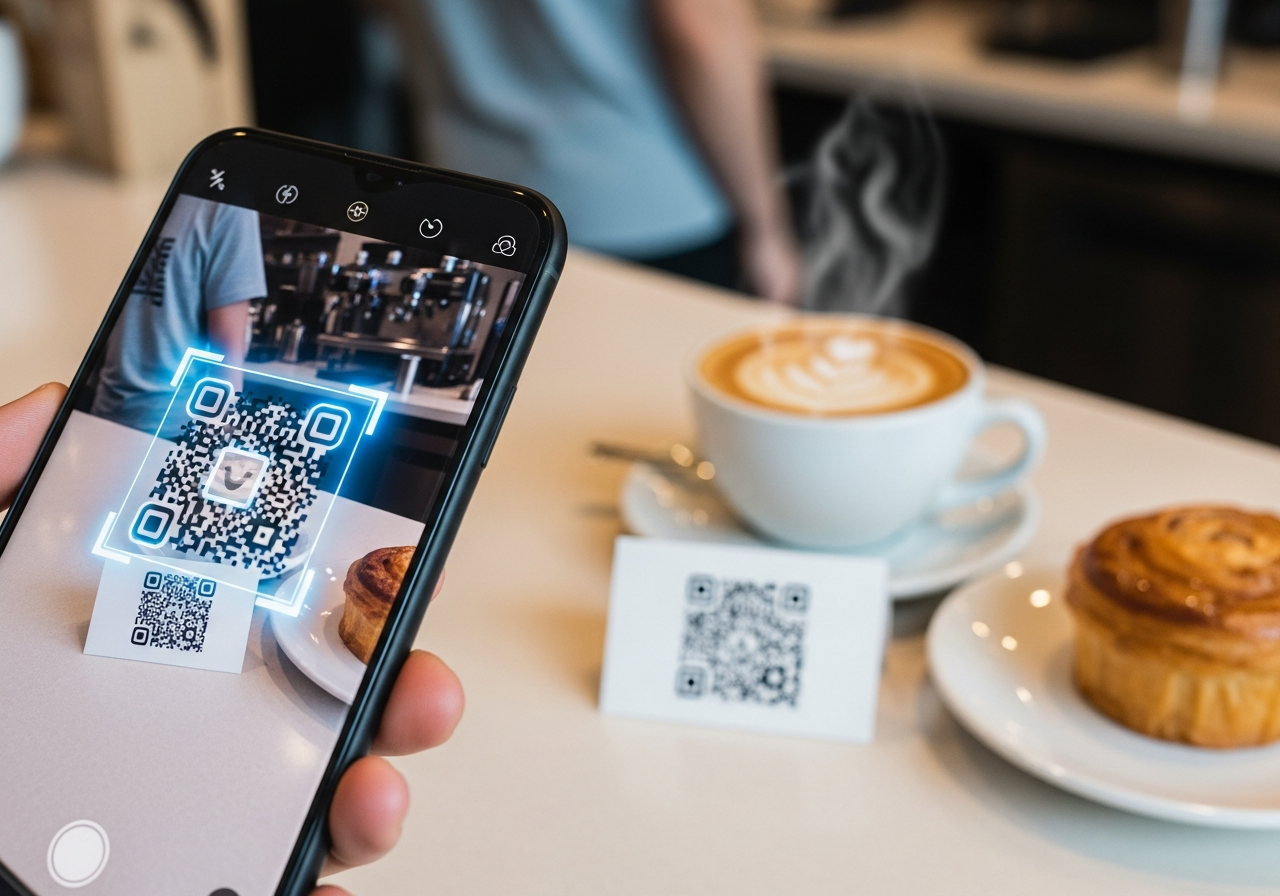
- Table tents or menus: Perfect for restaurants and cafes wanting bookings or orders.
The goal is to place it where the customer’s intent is highest.
Using dynamic QR codes, like those offered by Xcan.it, means you’re not stuck with a single destination. You can update where the QR code leads without needing to reprint it. This is a game-changer for campaigns, allowing you to change links, update messages, or even switch destinations entirely, all from a central dashboard. Plus, you get valuable insights into how many people are scanning your codes.
For more advanced needs, such as updating links without reprinting or tracking scan analytics, dedicated apps like Xcan.it are beneficial. These tools enable dynamic QR codes, allowing businesses to update campaign links and gain insights into real-world marketing performance.
Maximising Your WhatsApp QR Code’s Potential
So, you’ve got your WhatsApp QR code set up, maybe even with a pre-filled message. That’s a great start! But how do you really make it work for your business? It’s not just about having the code; it’s about using it smartly.
Using WhatsApp QR Codes for Sales Enquiries
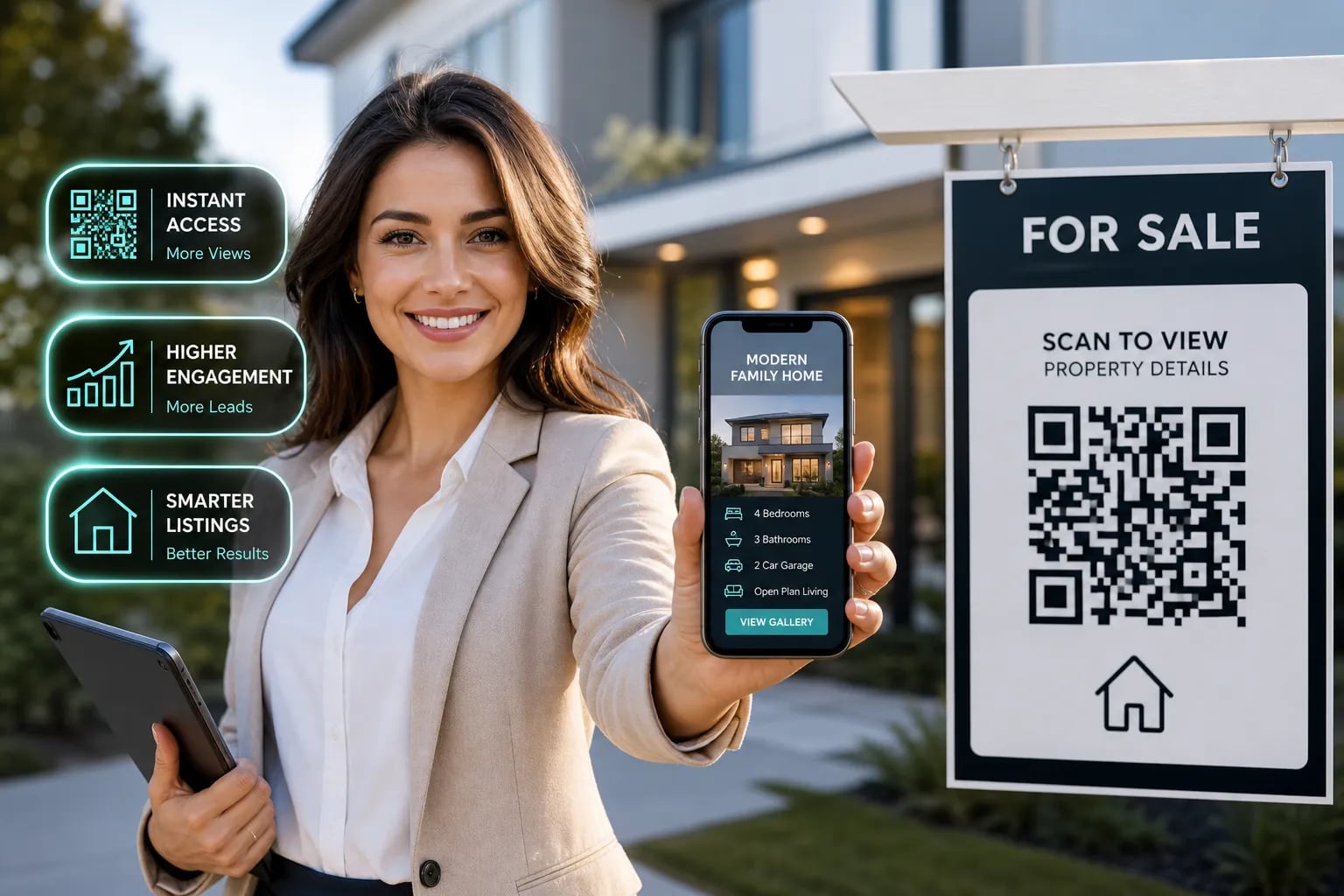
Think about where your potential customers are most likely to have a question or want to make a purchase. Putting a WhatsApp QR code on your product packaging, for instance, lets people instantly ask about sizing, stock, or customisation. Similarly, a code on a shop window or a menu can be used for ‘Scan to message us about today’s availability’ or to take booking enquiries, especially outside of opening hours. This cuts out the faff of them having to find your number or remember to email later. It’s about meeting them where they are, right at the point of interest.
Leveraging WhatsApp QR Codes for Customer Support
Customer support is another area where WhatsApp QR codes shine. Imagine a code on your receipts or appointment letters. A customer could scan it to ask a quick question about their order or service. This is much faster than a phone call and more direct than an email. You can even set up different codes for different types of support, like ‘General Enquiries’ or ‘Technical Help’, each with a pre-filled message to help categorise the incoming chats. This makes managing customer queries much smoother.
Tracking Your WhatsApp QR Code Scans
This is where things get really interesting. If you’re just using a standard, static QR code, you’re missing out on a ton of useful information. The real power comes when you use dynamic QR codes. Platforms like Xcan.it let you create dynamic codes that not only link to WhatsApp but also track every single scan. You can see where your scans are coming from – maybe a poster in a specific shop, or a flyer handed out at an event. This data is gold for understanding what’s working and what’s not. You can tag each code by location, campaign, or even by the specific asset it’s on, like ‘Liverpool ONE window’ or ‘Anfield matchday flyers’.
With Xcan.it, you get a dashboard showing scan analytics by time, approximate location, and device type. This means you can see which placements are driving the most chats and adjust your strategy accordingly. Plus, if you ever need to change the WhatsApp number or the pre-filled message, you can do it all through the dashboard without having to reprint any of your physical QR codes. This campaign agility is a game-changer, especially if you run seasonal promotions or need to update contact details. It means your real-world campaigns across print, signage, and other assets stay relevant and effective without constant reprinting costs.
Advanced WhatsApp QR Code Strategies
Updating Your WhatsApp QR Code Destination
So, you’ve got your WhatsApp QR codes out there, maybe on flyers, posters, or even your shop window. That’s great! But what happens when your phone number changes, or you want to direct people to a new WhatsApp Business profile? With static QR codes, you’d be stuck reprinting everything, which is a real pain and costs time and money. This is where dynamic QR codes really shine. Platforms like Xcan.it let you update the destination link or phone number without ever needing to reprint the physical QR code. This flexibility is a game-changer for keeping your campaigns current. Imagine running a seasonal promotion; you can update the QR code’s destination to a special offer page, and then switch it back to your main contact page once the promotion ends, all from a central dashboard.
Combining WhatsApp QR Codes with Other Types
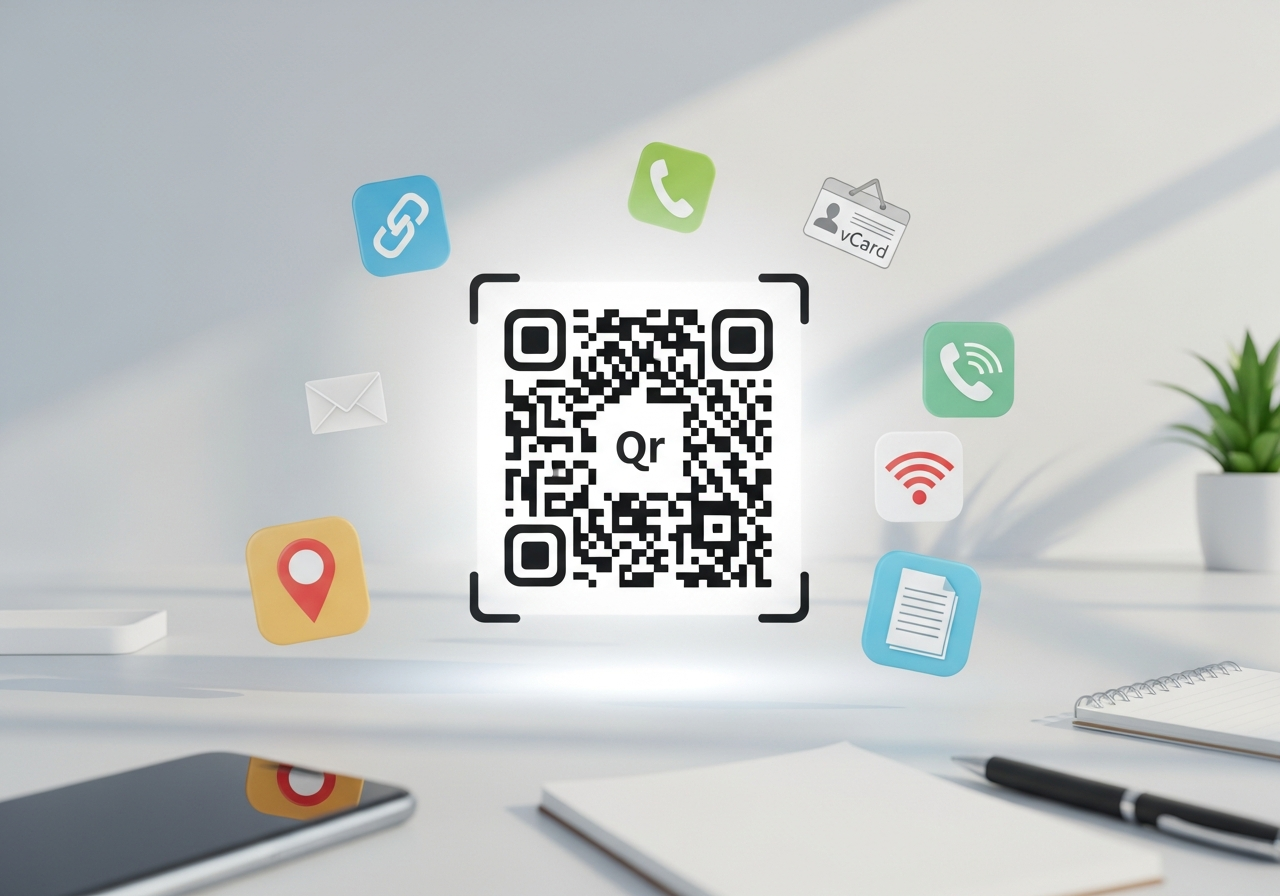
Your WhatsApp QR code doesn’t have to live in isolation. Think of it as part of a broader customer journey. You can combine it with other QR code types to create more sophisticated interactions. For instance, a poster might have a URL QR code that leads to your website, and within that website, there’s a WhatsApp QR code for quick questions. Or, you could have a business card with a vCard QR code to save contact details, and a separate WhatsApp QR code for immediate chat. This multi-code approach allows you to guide customers through different stages of engagement, from initial interest to direct communication. Xcan.it supports a wide range of QR code types, including URL, SMS, email, and even payment options, allowing you to build comprehensive customer pathways.
Ensuring Scan Reliability with Branding
While it’s tempting to just generate a basic WhatsApp QR code, consider how it looks and performs in the real world. Using a service like Xcan.it allows you to create branded QR codes. This means you can add your logo and brand colours, making the code more recognisable and trustworthy. A branded QR code can significantly increase scan rates because people are more likely to interact with something that looks familiar and professional. It’s important, though, to ensure that adding branding doesn’t compromise scannability. Good dynamic QR code generators will help you maintain the necessary contrast and quiet zone around the code, and you should always test your branded codes on different devices and in various lighting conditions before rolling them out widely. This attention to detail ensures your QR codes are not just functional but also a positive reflection of your brand.
Want to get more from your WhatsApp QR codes? We’ve got some clever ways to use them that go beyond the basics. Imagine making your codes work harder for you, connecting people to exactly what you want them to see, instantly. Ready to explore these smart tricks? Visit our website to learn how you can make your WhatsApp QR codes truly shine.
Wrapping Up: Your WhatsApp QR Code Guide
So there you have it. Using your WhatsApp QR code is a straightforward way to connect with people instantly, cutting out all the faff of typing numbers or searching for contacts. Whether you’re a small business owner in Brighton or just want to make it easier for friends to reach you, it’s a simple tool that makes a real difference. Give it a go – you might be surprised how many more people get in touch.
Frequently Asked Questions
What exactly is a WhatsApp QR code?
Think of a WhatsApp QR code as a super-quick shortcut. Instead of typing in a phone number or searching for a business, you just scan this special square code with your phone. It instantly opens a chat with that business on WhatsApp, ready for you to send a message. It’s like a digital handshake that leads straight to a conversation.
How do I create my own WhatsApp QR code?
It’s quite straightforward! You can usually generate one through WhatsApp Business itself, or by using online QR code tools. You’ll typically enter your WhatsApp number and can even add a pre-written message that appears when someone scans it. Then, you just download the code as an image to use wherever you like.
Can I change where my WhatsApp QR code leads?
If you’ve used a ‘dynamic’ QR code service, then yes! With these, you can update the link or message your QR code points to without needing to print a new one. This is super handy if your phone number changes or you want to update the default message. Static QR codes, however, are fixed once created.
Do people need the WhatsApp Business app to scan my code?
Not at all! Customers only need the regular WhatsApp app installed on their phone. The WhatsApp Business app is for you, the business owner, to manage chats and use extra features. The QR code simply connects their standard WhatsApp to your business account.
What’s the difference between static and dynamic WhatsApp QR codes?
A static QR code has the information, like your WhatsApp number, permanently built in. You can’t change it later. A dynamic QR code, on the other hand, links to a special page that then directs people to WhatsApp. This means you can change the destination or message later on without reprinting the QR code, and you can often track how many people scan it.
Where is the best place to put my WhatsApp QR code?
You’ll get the best results by placing your QR code where people are most likely to want to contact you. Think shop windows, menus in cafes, on flyers, posters, business cards, or even on your website. Anywhere you’d usually put your phone number or contact details is a good spot, especially if you add a clear instruction like ‘Scan to chat with us!’