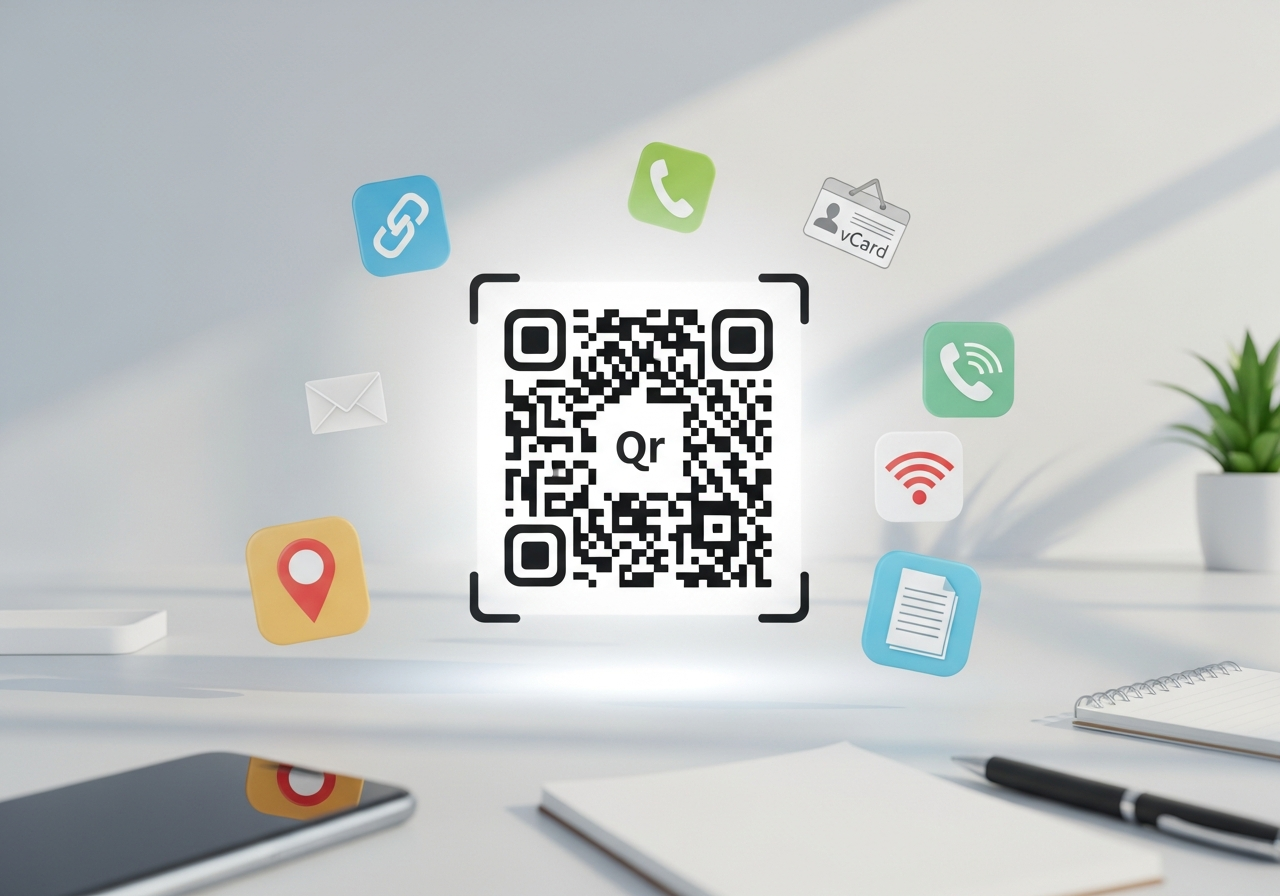
So, you’re looking to get your head around dynamic QR codes and figure out which providers are actually any good? It’s a bit of a minefield out there, right? You see all these platforms promising the world, but when it comes to making your printed campaigns work, not all of them cut the mustard. We’ll help you compare leading providers for dynamic QR codes so you can make a smart choice.
Key Takeaways
When you’re using QR codes on things that get printed, like menus or packaging, you really need to be able to change where the code goes later on. If you can’t, you’ll end up with broken links and have to pay for everything to be reprinted.
It’s not just about making a QR code. You need to think about what happens after someone scans it. Being able to see how many people scan it and where they come from is important for knowing if your campaign is actually working.
When you compare leading providers for dynamic QR codes, look beyond the flashy features. Check if they’re reliable, how they handle your data (especially with GDPR), and if you can easily move your codes to another service if you ever need to.
Some QR code generators might seem free or cheap, but they often hide limitations. These can include not letting you change the destination link, not giving you good scan data, or even making it difficult to leave their service.
For UK businesses, especially those using QR codes on things that stay put for a while, picking a platform that offers editable links and clear tracking is a must. This stops wasted money on reprints and gives you useful insights.
Why Most QR Code Platforms Fail Printed Campai
You might think generating a QR code is straightforward. Many platforms offer this service, but when it comes to printed campaigns, things can go wrong quickly. The reality of physical media – posters, packaging, signage – presents challenges that basic generators don’t account for.
Hidden Risks in QR Code Generators Used for Packaging and Signage
Many free or basic QR code tools focus solely on creating the image. They often overlook critical factors that determine if your code will actually scan reliably in the real world. This can lead to wasted print runs and frustrated customers.
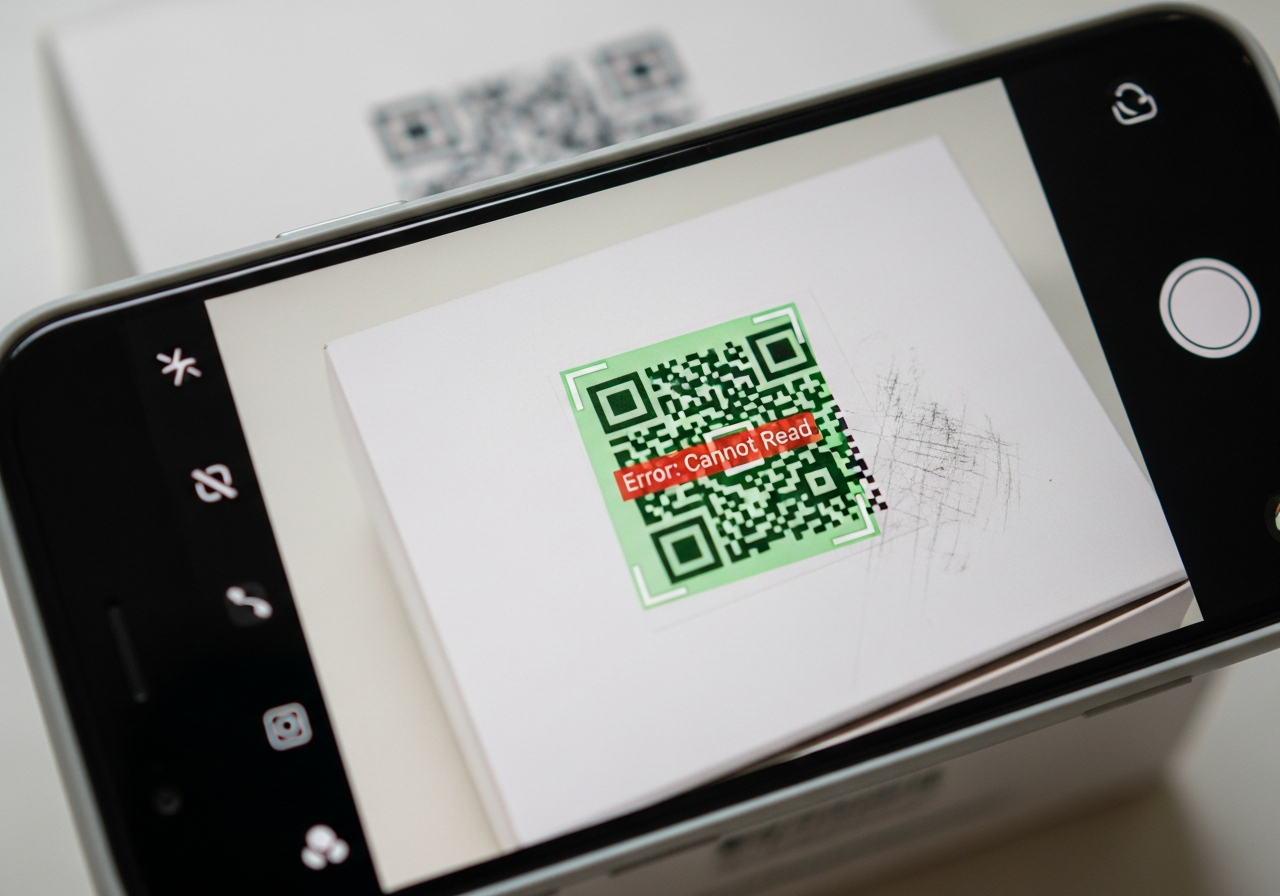
Poor Design for Print: Codes might look fine on screen but fail when printed due to low contrast, insufficient quiet zones, or incorrect sizing for the intended scan distance. This is a common pitfall that impacts scannability.
Link Rot and Obsolescence: Static QR codes lock your destination URL. If your website changes, a product is updated, or an offer expires, the code becomes useless. You can’t update it without reprinting everything.
Lack of Brand Trust: Generic or unbranded QR codes can make users hesitant. A professional platform allows for custom branding, using your domain and HTTPS, which builds confidence and reduces the risk of users bouncing.
Inadequate Resolution: Exporting QR codes at low resolution means they can appear pixelated or blurry when printed, making them difficult or impossible for phones to read.
The difference between a QR code that works and one that doesn’t often comes down to the technical details of its creation and the platform’s ability to manage it post-print. You need more than just an image file.
Why Link Control and Scan Tracking Matter for Long-Term QR Codes
For any campaign that isn’t a one-off, the ability to manage the destination and understand performance is key. This is where dynamic QR codes shine.
Editable Destinations: Dynamic QR codes allow you to change the linked URL or content at any time. This means you can update seasonal offers, correct broken links, or redirect to new landing pages without ever needing to reprint your physical materials. This flexibility is invaluable for long-term use, such as on product packaging or permanent signage.
Scan Analytics: Understanding how, when, and where your QR codes are being scanned provides vital insights. You can track scan volumes, geographic data, and device types. This data helps you measure campaign effectiveness and optimise future efforts. Without this, you’re essentially guessing if your printed campaign is working.
Brand Consistency: Dynamic platforms often offer features like custom domains and branded designs. This ensures your QR codes align with your brand identity, reinforcing trust and recognition with every scan. It’s about maintaining a professional image across all your marketing touchpoints. Learn more about dynamic QR codes.
Choosing a platform that supports dynamic codes and provides robust analytics is not just about features; it’s about mitigating risk and maximising the return on your printed assets.
How to Compare Leading Providers for Dynamic QR Codes
When you’re looking at dynamic QR code platforms, it’s easy to get lost in the marketing speak. But beneath the surface, there are real differences that can affect your campaigns and your budget. You need to look beyond the basic features and consider what happens when things go wrong, or when you need to scale up.
Essential Features Every Dynamic QR Platform Should Provide
Not all dynamic QR code platforms are created equal. You need to make sure the one you choose can actually do what you need it to do, both now and in the future. Here are some key things to look for:
Editable Destinations: This is the core of dynamic QR codes. You must be able to change where the QR code links to without reprinting. This is vital for updating menus, offers, or correcting mistakes.
Scan Tracking & Analytics: You need to know how many people are scanning your codes, when, and from where. This data helps you understand what’s working and what isn’t. Look for platforms that offer organised reporting, not just raw numbers.
Branding Options: While not strictly essential for function, being able to customise the look of your QR codes can help with brand recognition. Some platforms offer more advanced design tools than others.
Bulk Creation: If you plan to use QR codes on a large scale, like for product packaging or multiple store locations, you’ll need a platform that can generate many codes efficiently. This often involves CSV uploads or API access.
Critical Reliability Factors Most QR Software Comparisons Ignore
Many comparisons focus on features, but reliability is where platforms can really let you down. Think about these points before you commit:
Uptime Guarantees: What happens if the platform goes down? If your QR codes stop working, you lose customers and potentially revenue. Look for providers with clear uptime commitments.
Data Export & Migration: What if you decide to switch providers? Can you easily export your QR code data and scan history? Being locked into a platform can be a significant risk.
GDPR Compliance: Especially if you’re operating in the UK or EU, you need to be sure the platform handles data legally and ethically. Check their privacy policies and any certifications they hold.
Customer Support: When something goes wrong, you need help fast. Assess the quality and responsiveness of their support channels. A free generator might not offer much help when you’re in a bind.
Choosing a dynamic QR code platform is a decision about infrastructure, not just a single campaign. You’re building a system that needs to be reliable, flexible, and secure over the long term. Don’t get caught out by hidden costs or limitations that could hinder your growth. Consider providers that offer a clear path for data export and migration, giving you control over your digital assets. This is key to avoiding vendor lock-in and ensuring your QR strategy remains adaptable. Explore the best paid QR code generators that offer advanced features such as analytics, dynamic QR codes, custom designs, and business tracking. This comparison helps you find a generator that suits your business needs. Explore paid generators
When comparing providers, think about your specific needs. Do you need simple tracking for a few posters, or complex management for thousands of product labels? Understanding these requirements will help you filter out the noise and find a platform that truly fits your business. For instance, if you’re looking for a robust solution for marketing campaigns, you might compare QR Tiger vs Scanova to see which offers better analytics and campaign management tools. Remember, the cheapest option isn’t always the best value if it lacks the reliability or features you need down the line. This content compares paid QR code generators, highlighting features such as analytics, dynamic QR codes, custom designs, and business tracking. It aims to help users find the best paid option for their needs. Compare paid options
Dynamic QR Code Platform Comparison: Major Providers
When you’re looking at dynamic QR code platforms, it’s easy to get lost in the marketing speak. But beneath the surface, there are real differences that matter for your campaigns. We’ll break down some of the leading providers to help you make a practical choice. This isn’t about finding the ‘best’ in a vacuum; it’s about finding the right fit for your specific needs.
Beaconstac vs QR Tiger vs Scanova
These three platforms often come up when discussing robust QR code solutions. Beaconstac, now Uniqode, is known for its enterprise-level features, including detailed analytics and strong GDPR compliance. It’s a solid choice if you need advanced features like bulk generation and integrations. QR Tiger also offers a feature-rich experience with a focus on security, boasting ISO 27001 certification, which is important for risk-averse teams. Scanova positions itself for marketing and operations teams looking to scale, providing detailed analytics down to device and browser, alongside multi-user access and custom permissions.
When comparing these, consider:
Data Granularity: How deep do you need your scan analytics to go? Do you need device, browser, and location data, or are general trends sufficient?
Security & Compliance: For sensitive campaigns or if you handle customer data, certifications like ISO 27001 and clear GDPR/CCPA statements are vital.
Scalability: If you anticipate needing bulk generation, API access, or multi-user roles, ensure the platform supports this from the outset.
It’s worth noting that while all offer dynamic QR codes, the depth of their analytics and the ease of management can vary significantly. You’re essentially looking for a reliable qr code management software that aligns with your operational demands.
QR Code Generator vs Flowcode
QR Code Generator (often referring to sites like qr-code-generator.com or similar) and Flowcode represent different approaches. QR Code Generator platforms typically offer a straightforward way to create dynamic QR codes with basic tracking. They are often good for simpler use cases where you need an editable qr code platform without excessive complexity. Flowcode, on the other hand, often leans more into marketing campaigns, with a strong emphasis on first-party data and creative design. They aim to provide a more integrated campaign experience.
Here’s a quick way to think about them:
Simplicity vs. Campaign Focus: Do you need a tool to simply manage links and track scans, or are you building integrated marketing campaigns?
Data Strategy: Flowcode might appeal if you’re focused on collecting and using first-party data within your marketing efforts.
Cost and Features: Compare their pricing tiers carefully. Sometimes, simpler platforms offer better value if you don’t need all the bells and whistles.
Ultimately, your choice between these types of providers depends on whether you prioritise straightforward link management and tracking or a more campaign-centric, data-driven approach. A good qr code generator comparison should highlight these distinctions.
Which Dynamic QR Platform Offers the Most Control
When you’re looking at dynamic QR code platforms, control is key. It’s not just about making a scannable code; it’s about managing what happens after someone scans it, and how you can adapt that experience over time. You need to be able to change where a QR code leads without having to print new ones. This is where dynamic QR codes really shine, but not all platforms offer the same level of control.
Editable QR Codes and Destination Management
The core of control lies in the ability to edit your QR code’s destination. This means if a link breaks, a promotion ends, or you simply want to update the content, you can do so instantly. This “print now, link later” capability is non-negotiable for any serious campaign.
Consider these points when evaluating platforms:
Real-time Updates: Can you change the destination URL or content immediately after the QR code has been printed?
Bulk Editing: If you have hundreds or thousands of codes for different locations or products, can you update them in batches?
Link Management: Does the platform offer a clear way to organise and manage all your linked destinations? This is vital for avoiding confusion and errors.
Data Storage: Where is the data for your links stored? Some platforms might have limitations or specific requirements.
Some platforms offer basic editing, while others provide more advanced options like A/B testing different landing pages behind the same QR code. You’ll want a system that lets you manage your QR code estate without getting bogged down in complexity. Exploring top QR code apps can help you see the range of features available.
Scan Analytics and Campaign Tracking Capabilities
Control also extends to understanding how your QR codes are performing. Without good analytics, you’re flying blind. You need to know who is scanning, when, and from where, to make informed decisions.
Here’s what to look for:
Scan Volume: How many scans are you getting over time?
Location Data: Can you see rough geographical data for scans (e.g., city or region)?
Device Information: What devices (iOS, Android) are people using to scan?
Campaign Tagging: Can you add custom labels or tags to your QR codes to track performance across different campaigns, locations, or print runs?
The real value of dynamic QR codes isn’t just in their editability, but in the data they provide. This data allows you to refine your marketing efforts, understand customer behaviour, and demonstrate ROI. Without robust tracking, you’re missing a significant opportunity to optimise your campaigns and make your printed materials work harder for you.
When comparing providers, look beyond just the number of scans. Consider the depth of insights offered. For instance, platforms like Xcan It provide detailed analytics that allow you to compare performance across different placements, helping you understand what’s working and what’s not. This level of insight is what separates a basic QR generator from a powerful marketing tool. Remember, the best dynamic QR code platform will offer both the flexibility to change destinations and the clarity to track performance effectively. This guide can help you compare features across different platforms.
Dynamic QR Codes vs Static QR Codes for Marketing
When Static QR Codes Still Work
Static QR codes are straightforward. They embed information directly, like a URL or text. Once generated, that information is fixed. This works fine for one-off uses, like a QR code on a business card that links to your LinkedIn profile. Or perhaps a QR code on a flyer for a single event that’s already happened. You don’t need to update it, and you don’t need to track scans. For these simple, unchanging needs, a static code is perfectly adequate. It’s a basic tool for a basic job.
Why Dynamic QR Codes Are Safer for Printed Campaigns
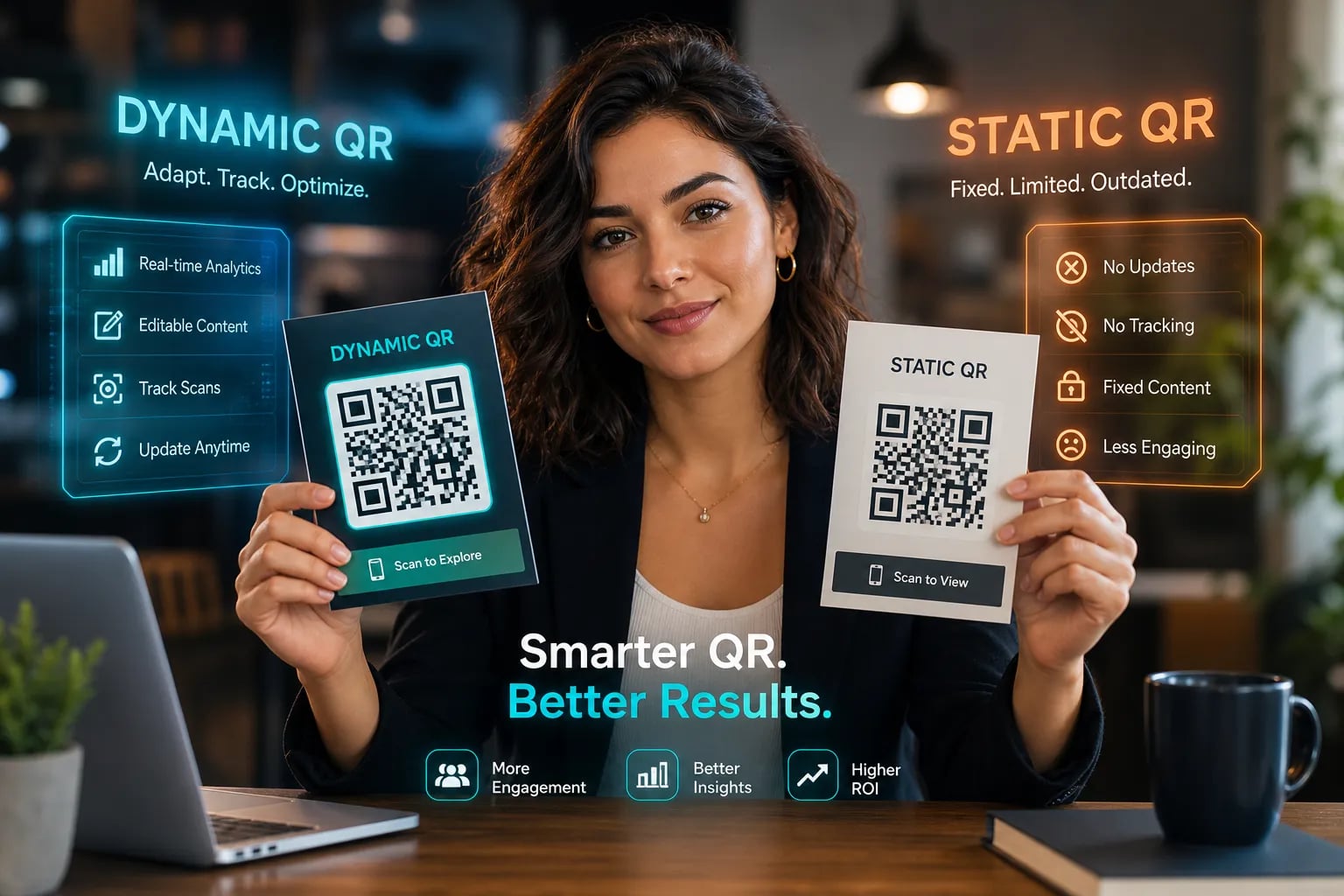
When you’re using QR codes for marketing, especially on printed materials, things get more complex. The real difference between dynamic and static QR codes lies in flexibility and control. Static codes are like a printed address – unchangeable. Dynamic QR codes, however, use a managed link. This means you can change the destination URL or content anytime, even after the code is printed. This is a massive advantage for printed materials. Think about packaging, signage, or menus. If an offer changes, a product is updated, or a link breaks, you don’t need to reprint everything. You simply update the destination via your QR code tracking platform for marketing campaigns. This ‘print now, link later’ capability is why dynamic QR codes are safer for printed campaigns. It avoids the risk of outdated or broken links, which can damage your brand’s credibility. You also get valuable scan analytics, showing you how many people scanned, when, and from where. This data helps you understand campaign performance and make informed decisions for future marketing efforts. For editable QR codes for packaging and beyond, dynamic is the way to go.
Choosing the Best Dynamic QR Code Platform for UK Businesses
When you’re looking for a dynamic QR code generator in the UK, it’s easy to get lost in all the features. But for UK businesses, the real value lies in control, reliability, and how well the platform fits your specific needs. You’re not just creating a QR code; you’re setting up a digital connection point that needs to work consistently.
QR Codes for Hospitality, Retail, and Property Marketing
In sectors like hospitality, retail, and property, QR codes are becoming standard. Think menus in pubs, product details in shops, or property listings for estate agents. The key here is that these codes often need to be updated frequently. A menu might change seasonally, a property listing will be updated, or a retail offer might be time-limited. Using a static QR code means reprinting everything, which is costly and slow. Dynamic QR codes let you change the destination URL without touching the printed code. This flexibility is vital for keeping your marketing current and your operations smooth.
Hospitality: Update menus, booking links, or loyalty schemes instantly.
Retail: Change product offers, link to online stores, or provide care instructions without reprinting labels.
Property: Update listing details, virtual tour links, or application forms on demand.
The platform you choose should make managing these updates straightforward.
What to Check Before Printing QR Codes on Packaging
Before you commit to printing QR codes on packaging, especially for your UK business, consider a few things. Firstly, reliability is paramount. Your QR code needs to scan easily, every time, in various lighting conditions and from different distances. This means choosing a generator that produces high-quality, scannable codes, often with options for frames or clear calls to action.
Secondly, think about the long term. Will the destination URL change? If so, you absolutely need a dynamic QR code generator. Look for platforms that offer:
Editable Destinations: The ability to change where the QR code links to after it’s printed.
Scan Analytics: Data on how many people scan your code, when, and roughly where. This helps you understand campaign performance.
Branding Options: The ability to add your logo or brand colours to the QR code to build trust and recognition.
Clear Pricing and Limits: Understand what you get for your money, especially regarding the number of codes and scans allowed. Avoid hidden costs or restrictive limits that could hinder your campaigns.
When selecting a dynamic QR code generator for your UK business, focus on practical control. Can you update links easily? Is the tracking data useful? Does it look professional and trustworthy to your customers? These are the questions that separate a good QR strategy from a frustrating one.
When picking the right dynamic QR code service for your UK business, it’s important to find one that’s easy to use and offers the features you need. Think about what you want your QR codes to do, like track how many people scan them or change the linked content later. Making the right choice can really help your business connect with customers. Ready to see how simple it can be? Visit our website today to explore the best options for your business!
So, What's the Takeaway?
Right then, you’ve had a good look at the main players in the dynamic QR code game. It’s pretty clear that just grabbing any old QR code generator isn’t the way to go, especially if you’re planning on using them for anything important or long-term. You’ve seen how picking the wrong one can lead to a right mess, with broken links and costly reprints – nobody wants that hassle. The platforms we’ve discussed, like Xcan It, Uniqode, Flowcode, QR TIGER, and QRCode.co.uk, all offer ways to keep your links editable and track what’s happening. But remember, it’s not just about the fancy features; think about how easy it is to get your data out if you ever need to switch, and how they handle things like GDPR. Choosing wisely now means you’re not stuck later, and your printed campaigns actually work as intended. Don’t get caught out with a static code when things change – make sure your QR codes are dynamic and manageable.
Frequently Asked Questions
What exactly is a dynamic QR code?
Think of a dynamic QR code like a magic sticker. You can change where it sends people whenever you want, even after you’ve printed it. This is super handy because you don’t need to print new stickers or posters every time you update a website link or a menu.
Why are dynamic QR codes better for printed materials?
When you print a QR code, you can’t easily change it. If the link it points to breaks or changes, you’d have to reprint everything. Dynamic QR codes let you update the destination link without reprinting, saving you time and money, especially for things like menus or signs that you use for a long time.
What's the difference between a dynamic and a static QR code?
A static QR code is like a one-way ticket; once it’s created, the destination can’t be changed. A dynamic QR code is more like a flexible pass; you can change the destination link anytime. Dynamic codes also let you track how many people scan them, which static codes usually can’t do.
Can I track how many people scan my QR code?
Yes, most good dynamic QR code platforms offer tracking. You can see how many times your code was scanned, and sometimes even where and when. This helps you understand if your printed campaigns are working well.
What should I look for when choosing a QR code platform?
You should check if it offers dynamic QR codes, easy-to-use scan tracking, and good customer support. Also, consider if you can customise the look of the QR code to match your brand and if they have clear privacy policies, especially regarding UK data rules.
Is it hard to switch QR code providers later?
Some platforms make it tricky to move your QR codes if you decide to switch. Look for providers that offer clear ways to export your codes or migrate your account, so you’re not locked in if your needs change.