
So, you’re looking into dynamic QR codes and wondering which service to pick. It’s a bit like choosing between two shops for something you need often – you want one that’s reliable, easy to use, and doesn’t cost a fortune. We’re going to look at Xcan.it and QR Code Tiger to see which one actually fits the bill for what you need, especially when you’re printing them out for signs or flyers. You know, the kind where you might want to change where it goes later without having to print everything again. Let’s break it down.
Key Takeaways
- For printed materials like signs, stickers, or flyers, Xcan.it generally offers better value, especially with its free tier that includes 10 dynamic QR codes without ads or watermarks.
- The ‘print now, link later’ feature is a big plus for dynamic QR codes, allowing you to change the destination URL after printing, which Xcan.it supports well.
- When comparing costs, Xcan.it can save you money annually compared to services like QR Code Tiger, particularly if you need multiple dynamic QR codes.
- Both platforms can create basic QR codes, but for business use, Xcan.it provides cleaner, ad-free codes even on its free plan, which is important for a professional look.
- Consider your specific needs: if you need simple, editable QR codes for ongoing use in physical spaces, Xcan.it appears to be a more suitable and cost-effective choice.
Choosing The Right Dynamic QR Code Generator
So, you’re looking to get started with dynamic QR codes. That’s a smart move! They offer a lot more flexibility than their static cousins, letting you change the destination link without having to reprint anything. But with a few options out there, like Xcan.it and QR Code Tiger, how do you pick the right one for your needs? Let’s break it down.
Xcan.it vs QR Code Generator: A Quick Overview
When you’re choosing a platform for dynamic QR codes, especially for things like signage or print materials where you can’t easily change them later, the generator you pick really matters. We’re going to compare Xcan.it and QR Code Tiger (qrcode-tiger.com) head-to-head, looking at what you get, especially with their free plans, how much they cost as you need more codes, and what makes them tick.
Here’s a quick look at how they stack up:
| Feature | Xcan.it | QR Code Tiger |
|---|---|---|
| Pricing | Offers 10 free dynamic QR codes. Paid plans are cost-effective, saving money compared to QR Code Tiger. | Free plan allows 2 dynamic codes. Paid plans can be more expensive, costing £7.00/mo for 12 codes. |
| Features (Analytics, Editing, Customisation, CRM) | Full styling and branding options. Simple scan analytics. Ideal for “print now – link later” scenarios. | Offers dynamic codes, custom designs, and analytics. CRM integrations may vary. |
| Ease of Use | Simple interface, built for businesses and trades. | Generally user-friendly, with a focus on creating codes quickly. |
| Integrations | Specific integrations not detailed, but focus is on practical business use. | Integrations with tools like Zapier are often available. |
| Scalability | Unlimited dynamic QR codes on all paid plans. Built for businesses. | Scalable for various needs, with different tiers available. |
| Support | Focus on practical business needs and real-world journeys. | Support options typically available, varying by plan. |
Key Differences for Dynamic QR Codes
What really sets dynamic QR code generators apart? It’s the ability to edit the destination URL after the QR code has been printed. This is a game-changer for marketing campaigns, event information, or any situation where details might change. Xcan.it highlights its “print now, link later” advantage, which is perfect for physical materials like posters or business cards. QR Code Tiger also offers this core dynamic functionality, allowing you to update links without reprinting. The key differences often lie in the specifics of their analytics, customisation options, and how they handle larger volumes of codes.
Understanding Your Needs for Dynamic QR Codes
Before you jump in, think about what you actually need. Are you planning a big marketing push with lots of codes that might need updating? Or is it more for a single event? If you need to track scans in detail, see where they’re coming from, and have the flexibility to change the linked content on the fly, a robust dynamic QR code generator is a must. For businesses that frequently update information on printed materials, like estate agents updating property listings or retailers changing special offers, the ability to edit links is paramount. You’ll want a platform that makes this easy and provides clear scan analytics to see what’s working.
Choosing the right dynamic QR code generator means looking beyond just the QR code itself. It’s about the management, the tracking, and the flexibility it offers your business long-term. Consider how easily you can update links, the quality of the analytics provided, and how well the platform scales with your needs.
Core Features of Dynamic QR Codes
What Makes a QR Code ‘Dynamic’?
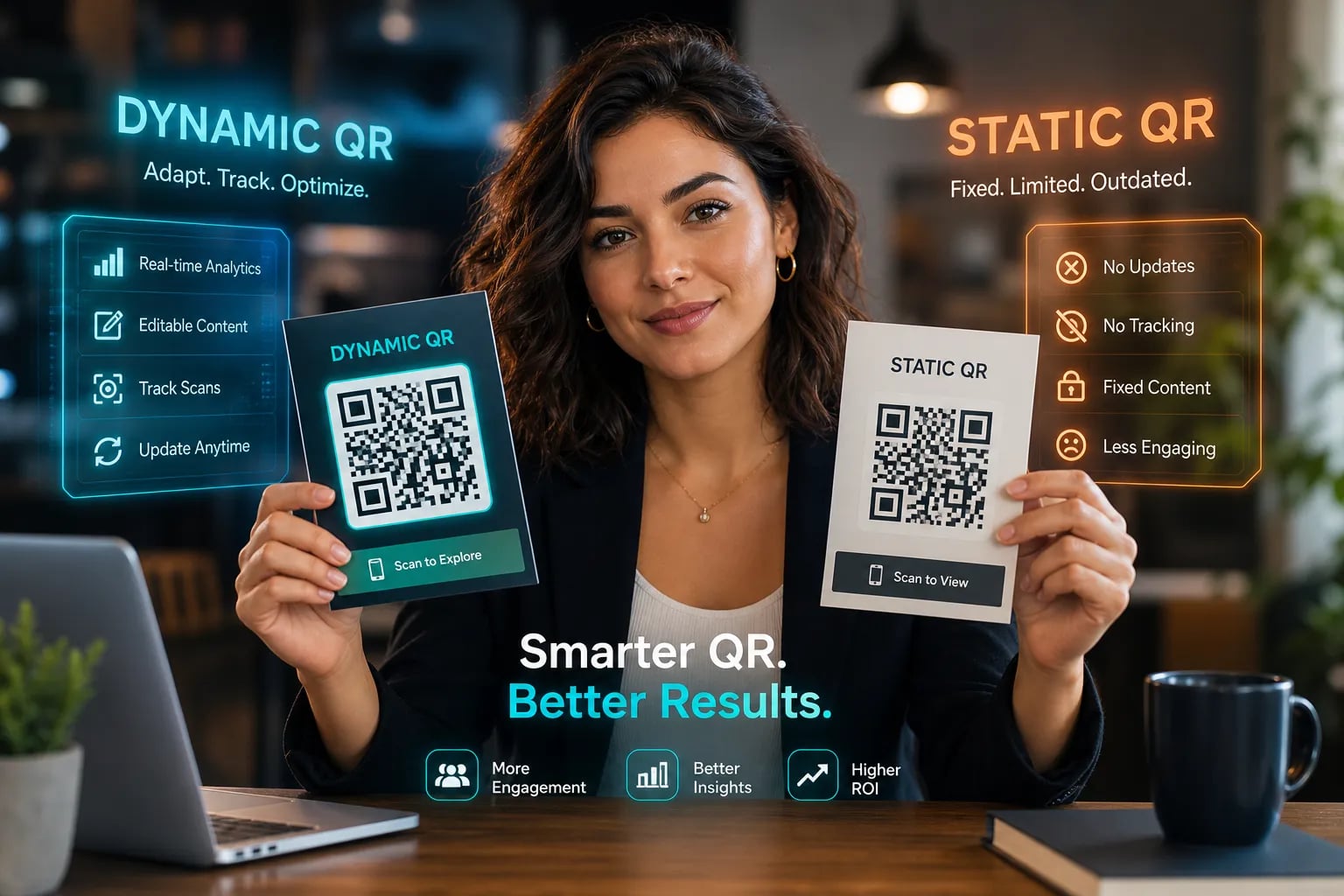
A dynamic QR code is essentially a placeholder. When you scan it, it doesn’t directly lead you to your final destination. Instead, it directs you to an intermediary server. This server then redirects you to the actual URL or content you intended. The magic here is that you can change this final destination after the QR code has been printed. This means you can update links, promotions, or information without ever needing to reprint the physical code. It’s a game-changer for campaigns that might need adjustments or for assets that will be in use for a long time. Think of it like a digital address that can be updated, rather than a permanent one. This flexibility is a key reason why dynamic QR codes are so popular for marketing and operational use cases.
The ‘Print Now, Link Later’ Advantage
This is where dynamic QR codes really shine, especially for physical materials like posters, flyers, or product packaging. The ‘Print Now, Link Later’ capability means you can design and print your materials with the QR code in place, even if the final destination isn’t quite ready. Need to update a menu, change a special offer, or direct people to a new landing page? No problem. You can simply log into your QR code generator’s dashboard and update the link behind the existing code. This saves a considerable amount of time and money, as you avoid the cost and hassle of reprinting everything. It’s particularly useful for time-sensitive promotions or for assets that are distributed widely, such as council notices or property listings.
Customisation and Branding Options
Beyond just the link, dynamic QR codes often come with options to make them look more appealing and on-brand. You can usually change the colours, add a logo in the centre, and even alter the shape of the dots or the frame. This level of customisation helps your QR codes blend in with your marketing materials rather than sticking out like a sore thumb. While a standard black and white QR code is functional, a branded one can increase recognition and trust. Both Xcan.it and QR Code Tiger offer these customisation features, allowing you to create QR codes that are not only functional but also visually integrated with your brand identity. It’s about making the QR code work for your overall aesthetic, not against it.
Evaluating Scan Experience and Analytics
When you’re using dynamic QR codes, it’s not just about creating them; it’s about understanding how people interact with them. This is where scan experience and analytics come into play. You want to know if your QR codes are being scanned, where, and by whom, so you can make them work better for you. Both Xcan.it and QR Code Tiger offer ways to track this, but they do it a bit differently.
How Scan Performance Is Tracked
At its core, tracking QR code scans relies on a bit of clever redirection. When someone scans a dynamic QR code, they aren’t going directly to the final destination. Instead, the scan is first registered by the platform generating the code. This is how they log the scan event – noting the time, the type of device used, and sometimes a general location. After logging the scan, the platform then sends the user on their way to the actual URL you’ve set. This process is key to getting any kind of data back to you. Static QR codes, on the other hand, don’t have this redirection layer, so they can’t offer this kind of platform-level tracking.
- Dynamic QR codes use a redirect layer to log scans.
- This layer captures data like time, device, and approximate location.
- Static QR codes lack this redirect, meaning no platform-level scan tracking is possible.
Interpreting Scan Data for Insights
So, you’ve got the scan data. What does it all mean? The information you get can be really useful for figuring out what’s working and what’s not. You can see when your QR codes are getting the most attention, which might tell you the best times to run a promotion or when your signage is most visible. You can also get a sense of the devices people are using, which could influence how you design your landing pages.
One of the most practical uses is labelling your QR codes. If you have codes on posters in different parts of town, or on different types of marketing materials, labelling them allows you to compare their performance directly. This helps you see which placements are driving the most engagement. For instance, Xcan.it allows you to tag codes by campaign, venue, or even creative variant, making your dashboard much easier to manage as you scale up your use of QR codes. This kind of detailed insight is what turns QR codes from a simple link into a real marketing tool. You can find more about paid options that offer these kinds of features here.
The real value of scan analytics lies in turning raw numbers into actionable insights. It’s about understanding user behaviour to refine your campaigns and improve your return on investment, all without needing to reprint materials.
Ensuring a Seamless User Scan Journey
Beyond just tracking scans, you want the experience for the person scanning your code to be smooth. This means the redirect should be fast, and the page they land on should load quickly and work well on their device. If there’s a long delay or the page doesn’t display correctly, people are likely to give up. Using dynamic QR codes means you can update the destination URL if you find a problem with the landing page or want to send users to a better offer.
Both Xcan.it and QR Code Tiger aim to provide a good scanning experience, but it’s worth considering how they handle things like:
- Redirect speed: How quickly does the user get to their destination after scanning?
- Mobile optimisation: Is the landing page designed to work well on phones and tablets?
- Error handling: What happens if the destination link is broken or changes? Can you update it easily?
Platforms like Xcan.it offer features like custom domains and stable redirect paths, which can help build trust and reduce the chances of users dropping off before they even see your content. It’s all about making that first interaction as positive as possible. If you’re looking for apps to help with scanning, you might want to check out some QR code reader apps.
Cost-Effectiveness of Dynamic QR Solutions
When you’re looking at dynamic QR code generators, the cost is obviously a big part of the decision. You want something that works well without breaking the bank, especially if you’re planning to use QR codes on a large scale.
Let’s break down how Xcan.it and QR Code Tiger stack up when it comes to price and what you get for your money.
Comparing Free Tier Limitations
Both platforms offer a way to get started for free, which is great for testing the waters. However, there are some key differences. Xcan.it gives you 10 fully dynamic QR codes on its free plan. These are ad-free and watermark-free, meaning your branding stays clean. QR Code Tiger’s free plan is a bit more limited, typically offering fewer dynamic codes and sometimes including ads or watermarks on them. This means that even before you consider paying, Xcan.it is offering a more usable and professional experience.
Understanding Pricing for Multiple Codes
As your needs grow, you’ll likely need more than just a handful of dynamic QR codes. This is where pricing structures really come into play. QR Code Tiger’s pricing can increase quite sharply as you add more codes. For instance, 10 dynamic codes might cost around £4.50 per month if billed annually. Xcan.it, on the other hand, offers unlimited dynamic QR codes on all its paid plans. This can lead to significant savings, especially if you’re managing numerous campaigns or locations. Xcan.it claims to save you £54 per year compared to QR Code Tiger for the same 10 codes, which is a substantial saving before you even pay for anything.
Long-Term Value and Savings
The real value often comes down to the long-term benefits. The “print now, link later” feature, which Xcan.it champions, is a prime example of this. It means you can print a large batch of QR codes at a bulk rate, knowing you can change the destination link later. This flexibility avoids the costly process of reprinting everything if a URL changes. For businesses that rely on printed materials like signage, property boards, or retail displays, this can translate into considerable savings over time. You get the cost-efficiency of bulk printing without being locked into a single, unchangeable link. This adaptability is a major advantage for ongoing campaigns and dynamic business needs.
Here’s a quick look at how they compare:
| Feature | Xcan.it | QR Code Tiger |
|---|---|---|
| Pricing | Generous free tier (10 codes), unlimited codes on paid plans. | Limited free tier, pricing scales with number of codes. |
| Features (Analytics, Editing, Customisation, CRM) | Strong analytics, easy editing, good customisation, no direct CRM mentioned. | Analytics available on paid tiers, editing and customisation offered. |
| Ease of Use | Simple and clean interface. | Generally user-friendly. |
| Integrations | Not explicitly detailed. | Integrations may vary by plan. |
| Scalability | Unlimited dynamic codes on paid plans. | Scales with number of codes purchased. |
| Support | Available. | Available. |
When you consider the cost savings, the unlimited codes on paid plans, and the practical workflow advantages like “print now, link later”, Xcan.it often presents a more cost-effective solution for businesses looking for dynamic QR codes, especially for use in print and signage. You can start using dynamic QR codes with Xcan.it’s free plan and see the benefits for yourself.
Best Use Cases for Dynamic QR Codes
Dynamic QR codes are incredibly versatile, offering a way to connect your physical world to digital information in a way that’s both flexible and trackable. Whether you’re a small business owner or managing a large organisation, understanding where these codes shine can help you make the most of them. Let’s look at some practical applications.
Dynamic QR Codes for Signage and Print
When you’re putting QR codes on anything that might need updating – think posters, flyers, business cards, or even large-format signage – dynamic codes are your best friend. The real advantage here is the “print now, link later” capability. This means you can design and print your materials, and then change the destination URL of the QR code whenever you need to. For instance, a restaurant can update its menu link on table tents without having to reprint them all. Similarly, estate agents can update property listings on ‘For Sale’ signs as details change, saving time and money.
- Retail: Update product information, promotions, or links to online reviews on shelf-edge labels or posters.
- Events: Provide real-time schedule updates, venue maps, or feedback forms on printed materials.
- Real Estate: Change property details on ‘For Sale’ or ‘To Let’ boards instantly.
- Menus: Update daily specials or seasonal offerings on physical menus without reprinting.
The ability to change the destination of a printed QR code without reprinting is a game-changer for businesses that need to keep their information current. It reduces waste and ensures your customers always see the most up-to-date content.
Business Applications and Workflows
Beyond simple signage, dynamic QR codes can be integrated into various business processes to improve efficiency and customer engagement. They can streamline check-in procedures, provide access to important documents, or even track assets.
- Visitor Management: Use QR codes for contactless check-ins at offices or events, directing visitors to a registration form or providing access instructions.
- Asset Tracking: Attach QR codes to equipment or inventory. Scanning can link to maintenance logs, booking systems, or usage history, improving accountability and management.
- Internal Communications: Link posters or internal memos to updated company policies, HR documents, or training videos.
- Customer Service: Provide quick links to support pages, FAQs, or contact forms on product packaging or receipts.
Real-World Examples in Action
Let’s see how different industries are putting dynamic QR codes to work:
- Museums and Attractions: Connect exhibit signage to audio guides, videos, or donation pages. This enriches the visitor experience without needing to replace physical displays.
- Construction Sites: Use QR codes on safety equipment or site plans to link workers to the latest safety documentation or site briefings, improving compliance and safety.
- Tool Hire Companies: Tag tools with QR codes that link to user manuals, safety instructions, or booking status, making management easier.
- Logistics and Delivery: Implement QR codes on packages for real-time tracking, delivery confirmation, or access to digital manifests, streamlining the supply chain.
By using dynamic QR codes, you’re not just providing a link; you’re creating a flexible, measurable touchpoint that can adapt to your business needs. This adaptability is key to staying relevant and efficient in today’s fast-paced environment. You can explore how platforms like Xcan.it help businesses manage these dynamic codes effectively.
Making The Final Decision

So, you’ve looked at the features, weighed up the costs, and considered how each platform fits into your workflow. Now it’s time to make that final call between Xcan.it and QR Code Tiger. It’s not always a clear-cut choice, but by focusing on what truly matters for your dynamic QR code needs, you can pick the one that’s right for you.
Which Platform Offers Better Value?
When we talk about value, it’s not just about the cheapest option. It’s about what you get for your money. QR Code Tiger is a well-known name, and for good reason. They offer a solid set of features, and their pricing is competitive, especially if you need a lot of codes or advanced marketing analytics. However, if your primary use is for physical signage, retail, or property, Xcan.it often comes out ahead on value. They offer 10 free dynamic QR codes right off the bat, which is a generous starting point. Plus, their paid plans are structured to be cost-effective, especially when you consider they save you money compared to QR Code Tiger’s pricing for a similar number of codes. For businesses focused on print, Xcan.it’s free tier alone can save you a significant amount each year.
Is Xcan.it The Superior Choice for Dynamic QR Codes?
For many users, especially those who rely heavily on printed materials, Xcan.it does present a compelling case for being the superior choice for dynamic QR codes. Its ‘print now, link later’ functionality is a real game-changer, allowing you to update destinations without reprinting. This is incredibly useful for things like estate agent boards, retail displays, or event signage where information might change. The scan analytics provided by Xcan.it are practical and straightforward, focusing on what matters for physical deployments. While QR Code Tiger offers a broader range of marketing analytics, Xcan.it’s approach is often more accessible and directly applicable to signage-based campaigns. If your goal is to easily manage and update codes on physical items and get clear insights into their performance, Xcan.it often hits the mark more directly.
Key Takeaways for Your Business
To wrap things up, here are the main points to consider when making your decision:
- Focus on Use Case: If your dynamic QR codes are primarily for print, signage, or physical assets, Xcan.it’s ‘print now, link later’ feature and straightforward analytics offer significant advantages. For broader digital marketing campaigns with complex tracking needs, QR Code Tiger might offer more depth.
- Budget Wisely: Evaluate the free tiers carefully. Xcan.it’s 10 free dynamic codes can be a substantial saving. Compare the cost of paid plans based on the number of codes you anticipate needing and the features you require.
- Simplicity vs. Complexity: Both platforms can generate QR codes easily. However, Xcan.it often provides a cleaner, ad-free experience even on its free tier, which can contribute to a better user scan journey. Consider which interface and feature set feels more intuitive for your team.
- Long-Term Flexibility: Dynamic QR codes are all about flexibility. Both platforms offer this, but Xcan.it’s emphasis on reassigning codes makes it particularly strong for long-term print deployments where URLs might change over time. This avoids the need for constant reprinting, saving both time and money.
Ultimately, the best platform for you depends on your specific needs. If you’re looking for a practical, cost-effective solution for dynamic QR codes in physical spaces, Xcan.it is a very strong contender. If your needs are more complex and geared towards extensive digital marketing campaigns, exploring QR Code Tiger’s advanced features might be more suitable. You can always start with a free tier on either platform to get a feel for their usability before committing.
So, you’ve thought about it all and are ready to make your final choice. It’s time to pick the best QR code solution for your needs. Ready to get started? Visit our website today to explore all the options and find the perfect fit for you!
So, Which One Should You Go For?
Right then, after looking at both Xcan.it and QR Code Tiger, it’s pretty clear which one comes out on top for most people needing dynamic QR codes. If you’re using QR codes for anything printed – think signs, posters, business cards, or even on products – Xcan.it just makes more sense. You get a generous free tier with 10 codes, no ads, and the ability to change where they link to later, which is a massive money-saver compared to QR Code Tiger. Plus, the ‘print now, link later’ feature is a real lifesaver for busy workflows. QR Code Tiger is fine for a quick, one-off code, but for anything more serious, Xcan.it offers better value and a more practical setup for businesses.
Frequently Asked Questions
What is a dynamic QR code, and why is it useful?
A dynamic QR code is a type of QR code that you can change after you’ve printed it. This is super handy because if you need to update the link or information it points to, you don’t have to print new codes. You can just change it online! This is great for things like signs or posters where reprinting would be a hassle.
What’s the main difference between Xcan.it and QR Code Generator for dynamic codes?
The biggest difference is often the free offering and cost. Xcan.it gives you 10 free dynamic QR codes that are ad-free and watermark-free, saving you money compared to QR Code Generator, which offers fewer free codes and might add ads or watermarks. For businesses using lots of codes, Xcan.it can be much cheaper.
Can I change where a dynamic QR code leads to after I’ve printed it?
Absolutely! That’s the main advantage of dynamic QR codes. You can update the destination link or information anytime through the platform you’re using, like Xcan.it. The QR code itself stays the same, but where it sends people can be changed as often as you need.
What does ‘print now, link later’ mean for QR codes?
‘Print now, link later’ is a clever feature that lets you print your QR codes even if you haven’t decided exactly where they should lead yet. You can print them on signs or materials, and then later, you can assign or change the destination link. This saves you from reprinting if your plans change.
How do I know if people are scanning my QR codes?
Good QR code platforms, like Xcan.it, offer scan analytics. This means you can see how many times your QR code has been scanned, and sometimes even when and where. This information helps you understand if your QR codes are working and how people are interacting with them.
Are there any hidden costs or limitations with free dynamic QR codes?
You should always check the details, but generally, free plans have limits on the number of dynamic codes you can have. Some platforms might also add ads or watermarks to free codes, which can look unprofessional. Xcan.it’s free tier offers a good number of codes without these extra annoyances.