
xcan.it vs QRCodeKIT: Advanced QR Code Management Compared
If you’re comparing xcan.it and QRCodeKIT, you’re probably past the “I just need a QR code” stage. The real question is: which platform helps you manage QR at scale — across posters, packaging, venues, receipts, labels, and multiple teams — with editability, scan analytics, and governance that won’t break when your campaign changes. This UK-focused guide explains how advanced QR management works, what to compare, and how London & Greater London businesses use dynamic QR to drive engagement and prove ROI.
If you’re building an evaluation shortlist, it helps to review how scan analytics are typically measured (time, device, location signals) and how teams structure QR libraries for campaigns, properties, and multi-site operations.
💡 Short answer
If you want advanced QR code management, compare xcan.it vs QRCodeKIT on: (1) editability after printing, (2) scan analytics you can act on, (3) bulk workflows (lots of codes across locations/assets), and (4) governance (who can change destinations and view analytics). The best platform is the one that keeps your printed QR assets correct, measurable, and easy to manage across London, Greater London, and UK-wide teams.
Quick facts: what “advanced QR code management” really means
- You’re managing a QR library, not a single code: campaigns, locations, assets, SKUs, posters, tables, properties, and teams all need structure.
- Dynamic routing is the foundation: the QR points to a managed link so you can update destinations after printing.
- Analytics turns QR into ROI: scan timing, device/OS patterns, and location signals help you measure engagement across London placements.
- Bulk workflows prevent chaos: advanced management means generating and organising large batches without manual errors.
- Governance is part of the product: who can edit destinations, pause codes, and export analytics matters as soon as QR becomes business-critical.
Complete guide: xcan.it vs QRCodeKIT for advanced QR code management
1) How advanced QR management works (in plain English)
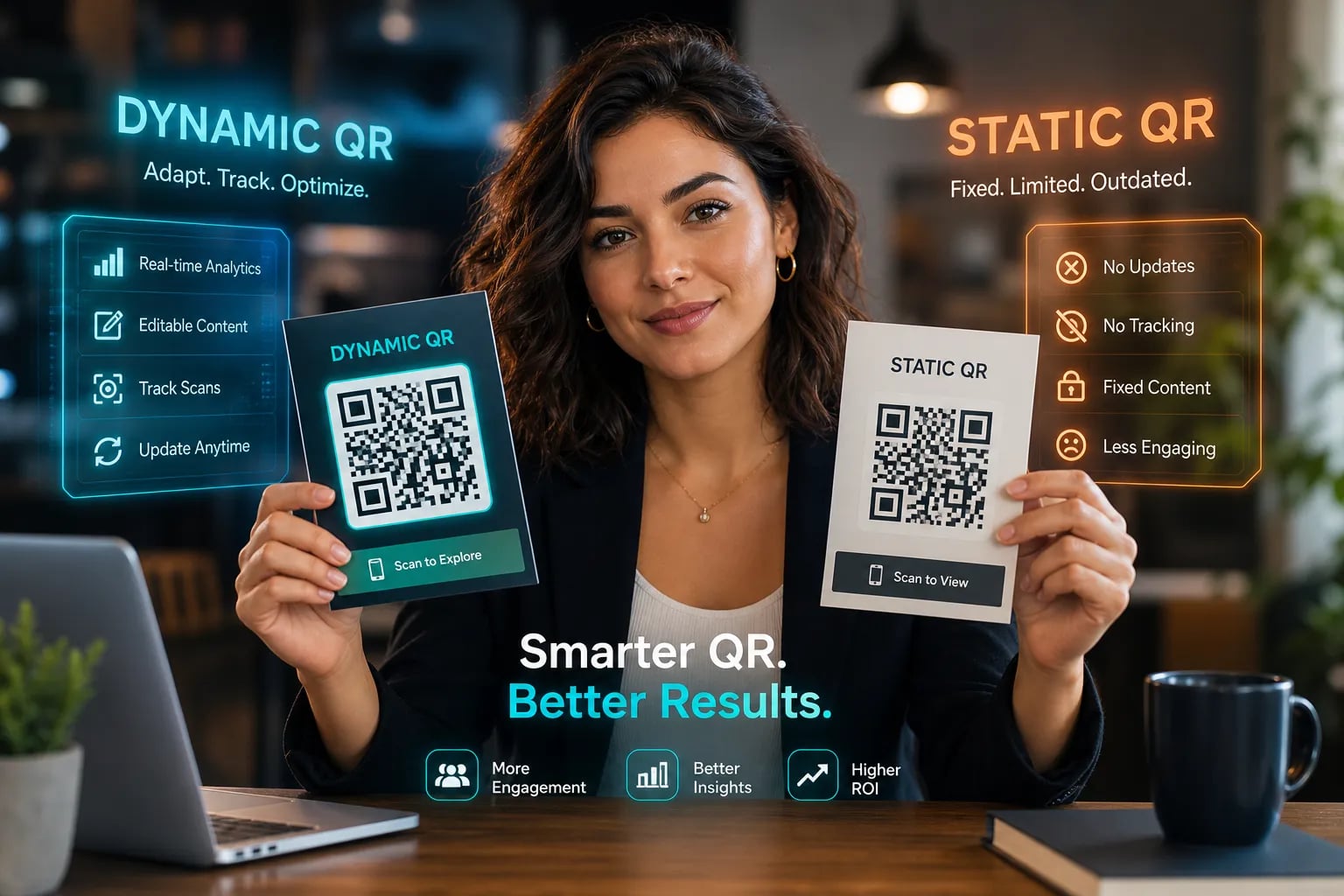
Advanced QR management is a workflow problem: how do you deploy QR codes into the real world and keep them accurate and measurable as things change? Dynamic QR solves this by inserting a managed “routing” layer between the QR and your final destination.
- Scan: a customer scans a QR on a poster, menu, package, sticker, label, or receipt.
- Route: the platform forwards them to the current destination you’ve set (page, offer, booking, menu, PDF, etc.).
- Measure: the platform logs aggregated scan activity for reporting.
- Update: you can change the destination later without reprinting the QR artwork.
2) The “better platform” test: what happens when reality changes?
UK teams choose advanced platforms because reality changes constantly:
- Retail promos rotate: window posters and shelf talkers need new offers without new prints.
- Hospitality menus change: ingredients, pricing, and specials change weekly (sometimes daily).
- Events update fast: line-ups, schedules, and ticket links can shift with short notice.
- Operations evolve: compliance procedures and asset checklists update as policies change.
The best platform is the one that lets you ship now and correct quickly — while keeping measurement clean enough to trust.
3) What to compare in xcan.it vs QRCodeKIT (without getting lost)
Feature lists are noisy. Use these categories instead:
3.1) Editability and “print longevity”
Dynamic QR is about reducing reprint risk. Ask: how fast can you update a destination? Can you confidently reuse a QR across multiple campaign phases?
- Best practice: build “journey phases” (pre-launch → launch → support) and switch destinations without touching print.
- UK tip: if your print timeline is tight, “print now, link later” workflows reduce delays for London activations.
3.2) Analytics that helps decisions (not just dashboards)
Advanced management means analytics you can act on:
- Placement comparison: which posters drive scans: Soho vs Shoreditch vs Canary Wharf?
- Time-of-day patterns: do scans spike at commute time, lunch, or late evening?
- Device/OS insights: helps you validate mobile experience and landing page performance.
3.3) Organisation, naming, and governance
As soon as you run more than a handful of QR codes, management becomes an information architecture problem. You need structured naming and control:
- Naming conventions: “Brixton-Poster-A”, “Soho-Table-12-Menu”, “Westfield-Kiosk-DailyOffer”.
- Ownership: who is responsible for each code (marketing vs ops vs location manager)?
- Change control: who can edit destinations, pause codes, or export analytics?
3.4) Bulk workflows and multi-location scale
If you operate across London & Greater London, bulk operations matter. Look for smooth ways to generate, categorise, and maintain large sets of codes for tables, properties, posters, SKUs, and assets.
4) Benefits for UK businesses (what you actually get)
Advanced management typically pays off in three ways:
- Lower cost and less waste: fewer reprints because your destinations can change later.
- More engagement: QR becomes a frictionless bridge to menus, bookings, offers, maps, reviews, sign-ups, and support.
- Better decisions: scan data helps you double down on placements and journeys that work — and stop guessing.
5) Advanced use cases (where management platforms separate)
- Campaign switching without reprints: keep one QR in-market while destinations evolve across phases.
- Multi-venue events: update destinations across check-in, schedules, maps, sponsor offers, and feedback forms.
- Asset tagging: QR stickers on equipment route staff to the latest checklist, training, or incident form.
- Packaging journeys: one QR goes from setup instructions → troubleshooting → accessories over time.
- Localised journeys: same creative, different destinations by branch or borough (use separate codes to compare scans by location).
6) Dedicated examples: London & Greater London (practical wins)
These examples show how advanced management drives engagement and scan tracking in real environments:
- Soho café group (table QR): route to the menu during service hours, then switch to “leave a review” after peak. Track which locations and table zones drive the most scans.
- Camden retailer (window posters): keep one poster QR live while rotating weekly offers. Use scan timing to learn when footfall converts best.
- Brixton venue (street posters): publish posters early with a placeholder destination, then switch to ticketing when live. Compare scans from posters near stations vs nearby nightlife spots.
- Westfield kiosk (counter signage): rotate daily deals with a single QR. Analytics reveal which days and times drive the strongest response.
- Greater London property management (maintenance QR): tag assets with QR that routes to the latest checklist and reporting form. When procedures change, update centrally—no re-labelling.
- UK-wide packaging (support deflection): route customers to the right help content based on product phase; scan patterns highlight common issues and reduce support load.
7) YouTube video example (one)
This walkthrough focuses on a key “advanced management” theme: creating QR codes that stay consistent with your brand while you manage and update them over time.
8) Quote: the mindset shift that makes QR management work
“Advanced QR management isn’t about making more QR codes. It’s about keeping your printed assets correct and measurable while campaigns, locations, and customer journeys change. That’s the difference between ‘QR on a poster’ and an optimised channel.”
— Mark Hickman, Co-founder, Xcan It
9) Research notes: useful reading while you compare
To round out your evaluation, these two guides help frame what “good” looks like:
- From Xcan It: QR and CRM Integration (how scan-driven journeys lead to measurable actions, leads, and bookings).
- From another publisher: QR Code Analytics: tracking scans, devices, locations, and ROI (a practical overview of what analytics typically includes and how teams use it).
Conclusion: choosing between xcan.it and QRCodeKIT
The best platform for advanced QR code management is the one that matches your real-world operating model:
- If you need print-first flexibility for fast-changing London campaigns (posters, menus, packaging, signage) with clear scan tracking and a workflow built for “print now, update later,” xcan.it is a strong fit.
- If your priority is managing a large QR library with dynamic features and analytics, QRCodeKIT can be a strong option—especially if your teams depend on structured organisation and reporting.
Whichever you choose, the winning strategy is the same: design QR journeys intentionally, name and organise codes like an asset library, and use scan analytics to improve placements and customer outcomes across London, Greater London, and the wider UK.
FAQs
Is xcan.it or QRCodeKIT better for advanced QR code management?−
It depends on your workflow and scale. If you need print-first flexibility, rapid destination changes, and practical tracking for campaigns across London and Greater London, xcan.it is a strong fit. If you need to manage a large QR library with dynamic features and analytics, QRCodeKIT can be a strong option. Use the comparison sections above to match features to how your team works.
What is “advanced QR code management”?+
It’s the ability to control QR codes after deployment: update destinations without reprinting, track scans, organise codes by campaign/location, manage access for teams, and run bulk workflows reliably.
Do dynamic QR codes always require internet?+
Usually yes. Dynamic QR codes route through a managed redirect layer so the platform can enable analytics and destination updates, which typically requires connectivity to load the final destination.
How do I track QR performance across different London locations?+
Create separate codes per placement (or per venue) and use consistent naming (e.g., “Soho-Poster-A”, “Brixton-Poster-A”). Then compare scan trends by time and location signals in your dashboard to identify what performs best.
When should I use static QR codes instead?+
Use static QR codes only when the destination is genuinely permanent and you don’t need reporting (e.g., fixed Wi-Fi credentials or a one-off internal reference). For marketing, operations, and anything that may change, dynamic is usually the safer choice.
Talk to an Xcan It Specialist
Comparing xcan.it and QRCodeKIT? We’ll help you map your UK use case, design QR journeys that drive engagement, and set up tracking across London and Greater London.