
Local government signage often needs to be updated, but printed signs are, well, printed. Think about roadworks that change, public notices that expire, or consultation pages that move. Service information can also change. This is where dynamic QR codes come in handy, allowing councils to update information after the sign is printed. This means signage stays accurate without needing to replace the physical sign itself.
Key Takeaways
- Print once, update anytime.
- Keep public information current.
- Save money by avoiding unnecessary reprints.
- Use QR codes on both temporary and permanent signs.
- Manage all your QR codes from one place.
The Problem with Static Signage
Local councils deal with a lot of information that just doesn’t stay the same. Parks might have updates on maintenance or community events. Public guidance needs to be clear, but printed notices can quickly become outdated. Planning notices, for example, have to be displayed publicly, but the full details are often too much for a poster. Residents need a way to access all that extra information easily.
Dynamic QR Codes: The Simple Solution
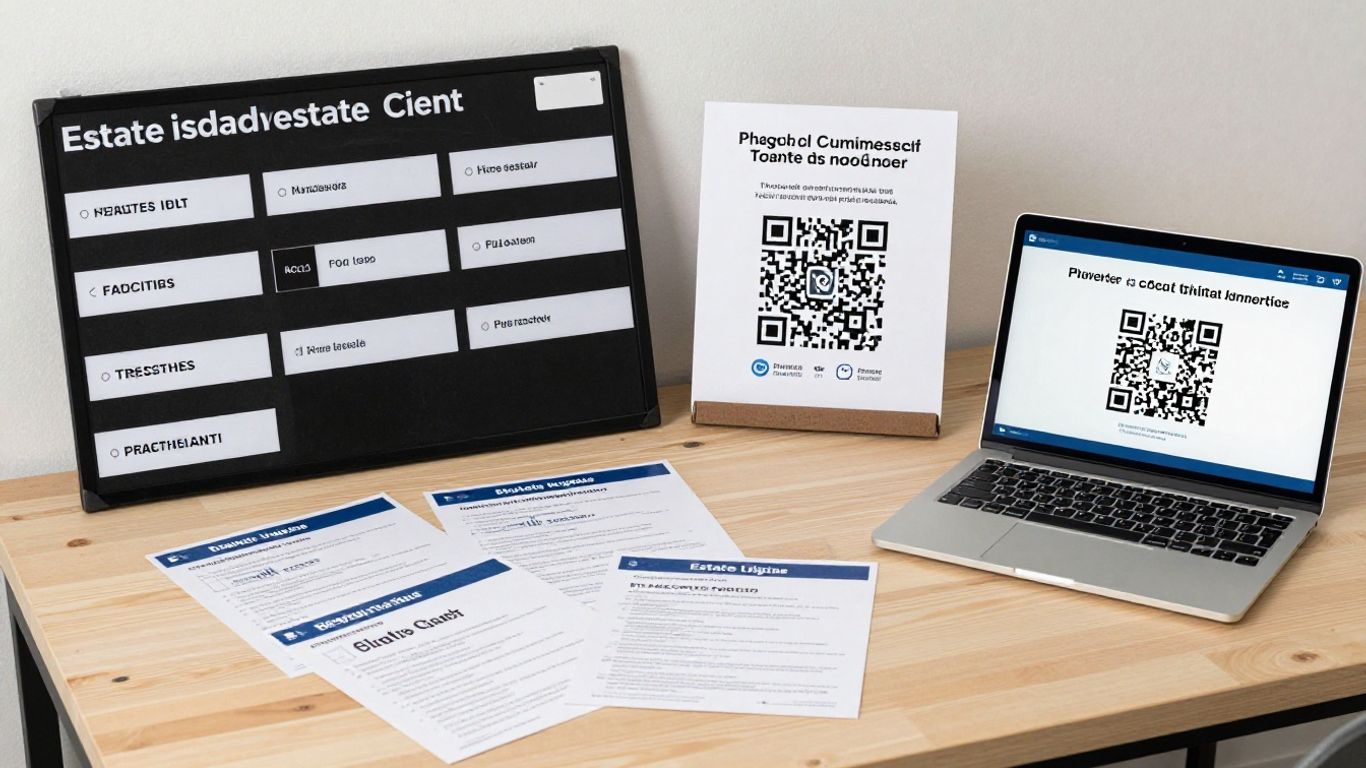
Imagine a resident needs to see the full planning application. With a dynamic QR code, they can simply scan the sign and be taken directly to the online details – drawings, documents, and consultation responses. The best part? If the information changes, the council can update the link associated with that QR code. The same code, on the same sign, instantly points to the new, correct information everywhere it’s used.
This approach works for all sorts of council services:
- Bus Stop Information: Display live arrival times that update automatically.
- Recycling Centres: Provide clear, up-to-date guidance on what materials go where.
- Roadworks and Diversions: Give real-time updates to drivers and pedestrians about changes.
Why Dynamic QR Codes Work for Councils
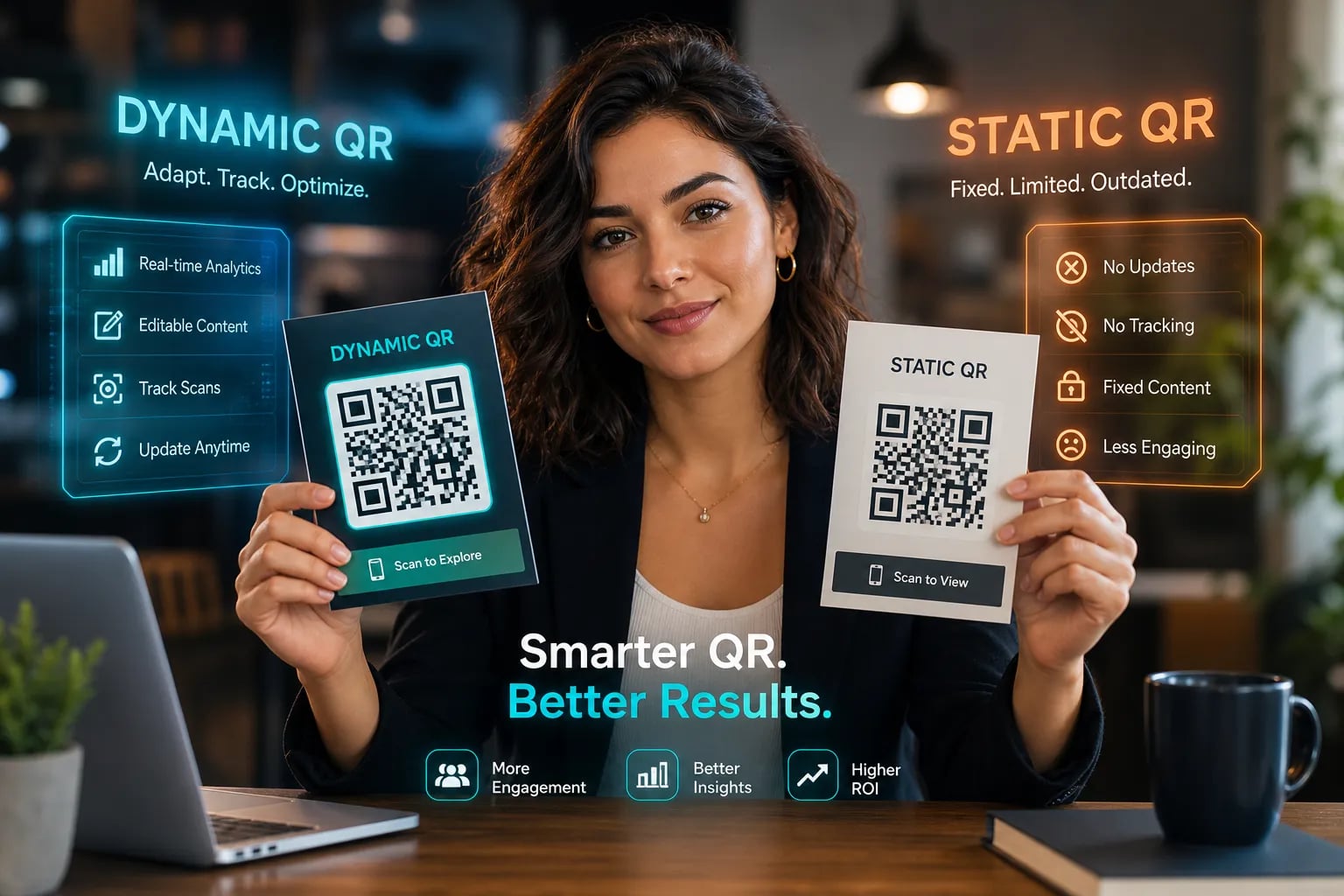
Dynamic QR codes are built for situations where information needs to change. Unlike traditional printed signs, they offer flexibility. You can print a sign with a QR code and then update the destination link whenever needed. This means you can keep the public informed accurately and reduce the costs associated with constantly reprinting signs. Whether it’s for temporary roadworks or permanent public information boards, dynamic QR codes provide a practical way to manage and update information efficiently from a central dashboard.