
Key Takeaways
Modern Android devices simplify interaction between physical assets and digital experiences through intuitive scanning tools. Understanding both native features and specific troubleshooting techniques ensures reliable connectivity whenever you encounter a square barcode.
- Most Android phones scan QR codes natively using the integrated camera app.
- Google Lens and the Quick Settings panel offer powerful alternatives for immediate access.
- Scanning images already stored on your device only requires simple gallery or AI-search integration.
- Optimising code contrast and quiet zones remains the best way to prevent scan failures.
- Platforms like Xcan.it allow businesses to manage dynamic links and scan data centrally without needing to reprint.
Using your device's native camera
Modern smartphones include scanning hardware that detects codes instantly without additional software. Most manufacturers have embedded this capability deep into the operating system for a seamless user experience. You generally do not need to download third-party tools to scan qr codes on android effectively.
Standard scanning in your camera app
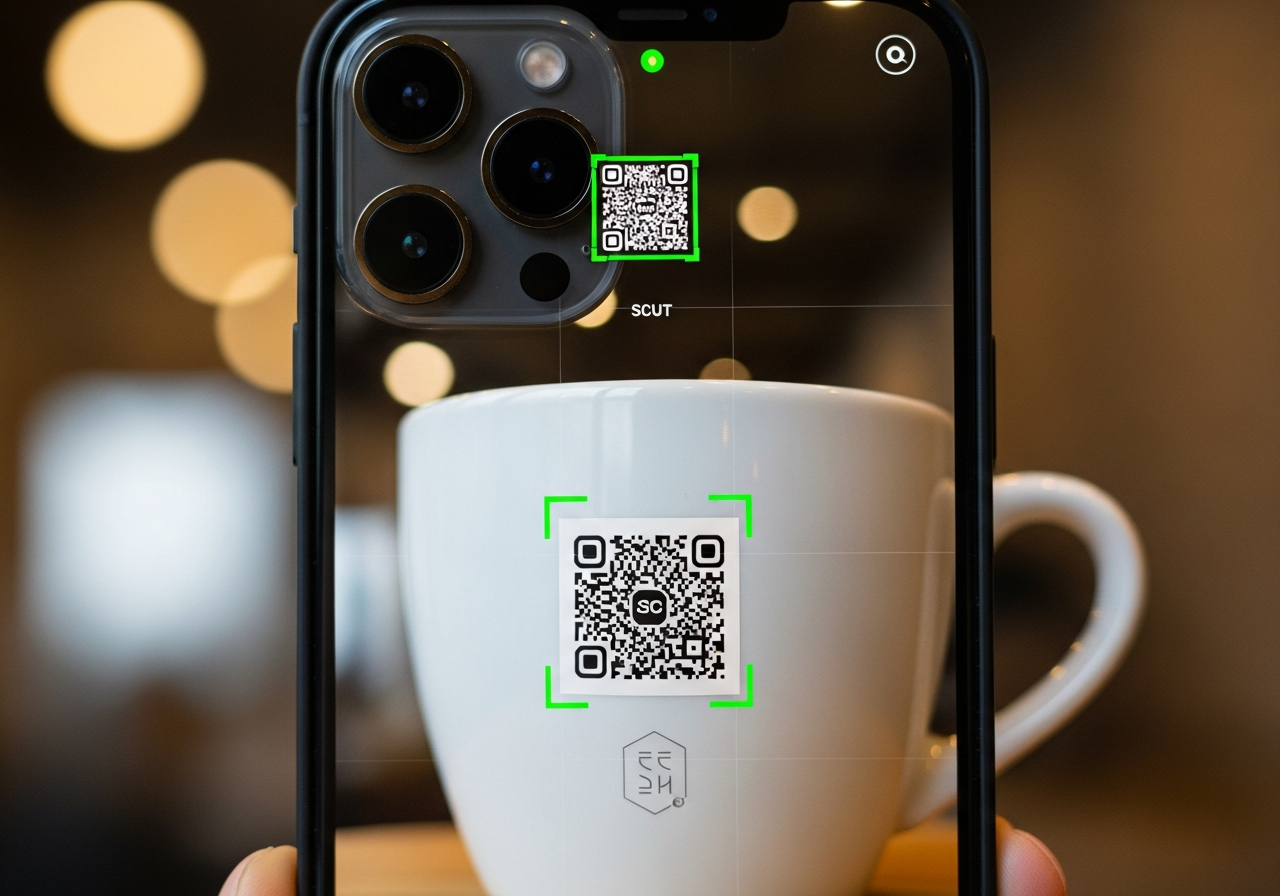
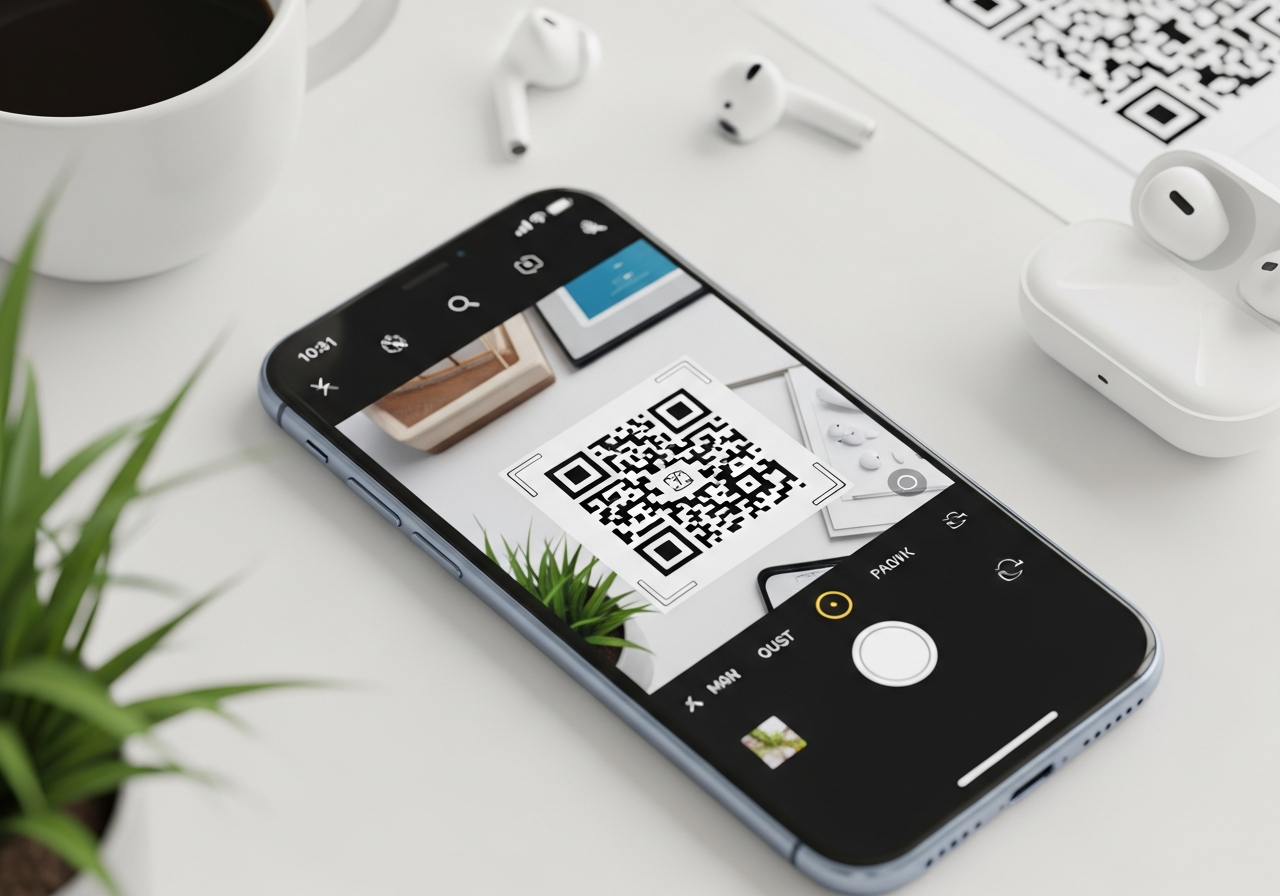
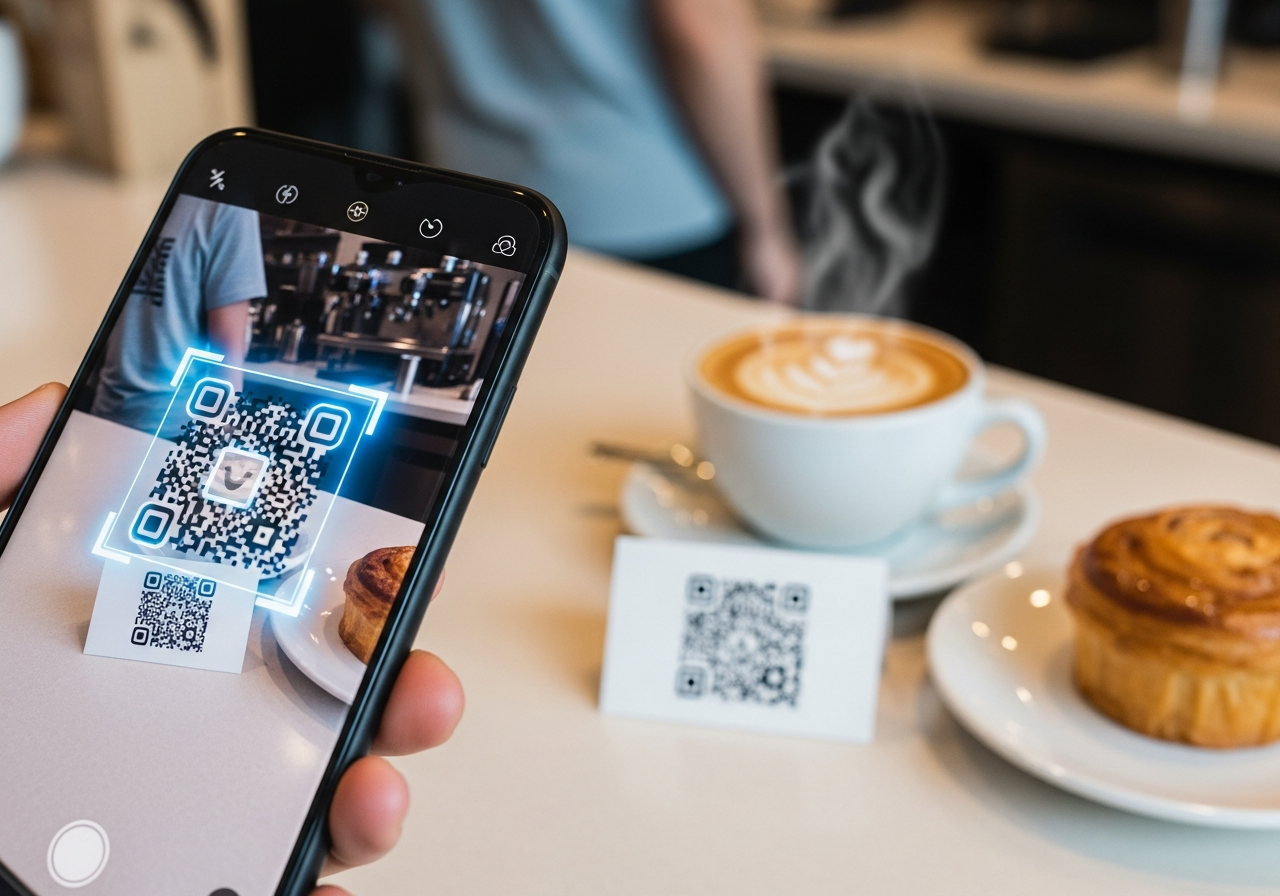
The quickest way to capture a code is by simply launching your primary camera. By pointing the viewfinder at the graphic for a few seconds, the software automatically recognises the pattern and displays a subtle notification banner. Tapping this banner navigates you directly to the embedded web address or app link.
Accessing the quick settings shortcut
When your camera settings might be restrictive, the system-wide quick settings panel provides a dedicated tool. By swiping down from the top of your screen, you can usually locate a tile specifically for QR scanning that bypasses the standard photo interface. This is particularly useful for rapid tasks where you need an immediate redirect without triggering photographic auto-focus modes.
Enabling Google Lens suggestions
For more advanced visual analysis, ensuring your device’s vision suggestions are enabled is vital. This feature integrates artificial intelligence to identify objects and text alongside standard barcodes. In your camera settings, toggling this on allows the device to offer context-aware actions, such as saving contact details or translating text from the QR area.
Scanning QR codes saved on your device
Interacting with codes stored in your gallery requires a slightly different approach than live capture. Because your camera cannot physically point at your own screen, you must use software-based recognition tools built into the operating system. These methods allow you to bridge digital content seamlessly.
Using Google Photos to scan images
If you have a saved screenshot in your library, the default gallery application serves as an ideal reader. By opening the image and selecting the Lens feature, the software parses the visual data stored in the pixels. It will then generate a clickable link representing the destination of that stored file.
Leveraging Circle to Search
For faster access to embedded info in apps or PDFs, modern software features allow for instant identification. By long-pressing the home button or navigation bar, you can encircle the visible code on your display. This action triggers a targeted query that identifies the data contained within the selected area, providing a direct route to the link.
Managing saved screenshots securely
Keeping your gallery clean is part of a healthy digital hygiene strategy, especially when dealing with links. Frequently reviewing your screenshots and removing them after use prevents clutter, while also ensuring you do not accidentally reuse outdated or potentially sensitive navigation paths for your personal browsing.
Troubleshooting common scan failures
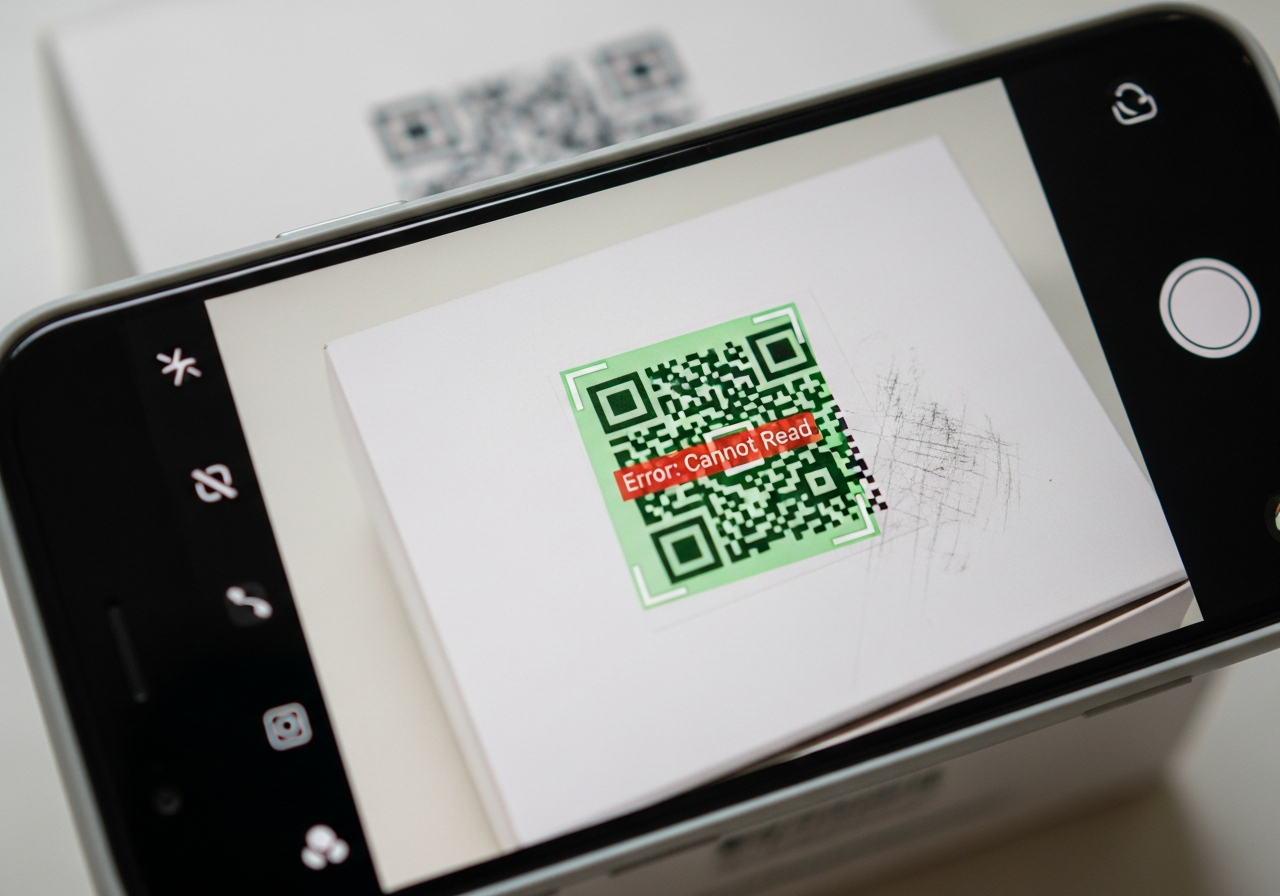
Failing to register a scan often comes down to fundamental environmental issues rather than faulty hardware. Even high-quality cameras struggle under poor conditions. Understanding these physical limitations helps ensure that your dynamic QR codes remain legible under all circumstances.
Fixing contrast and lighting issues
Adequate contrast is the single most important factor for success. If the code is printed in low-contrast shades or faces a glossy surface producing heavy glare, your camera will struggle to define the individual modules properly. Moving the code to a matte-finished area or finding more balanced ambient light usually solves the problem immediately.
Adjusting for distance and code size
Hardware modules need to fit clearly within the viewfinder’s focus range. If the target is too small or too far away, the sensor cannot distinguish the fine detail of the pattern. Maintaining a proper perspective—generally proportional to the distance of the viewer—ensures the processor captures the required data density accurately.
Maintaining quiet zones for print clarity
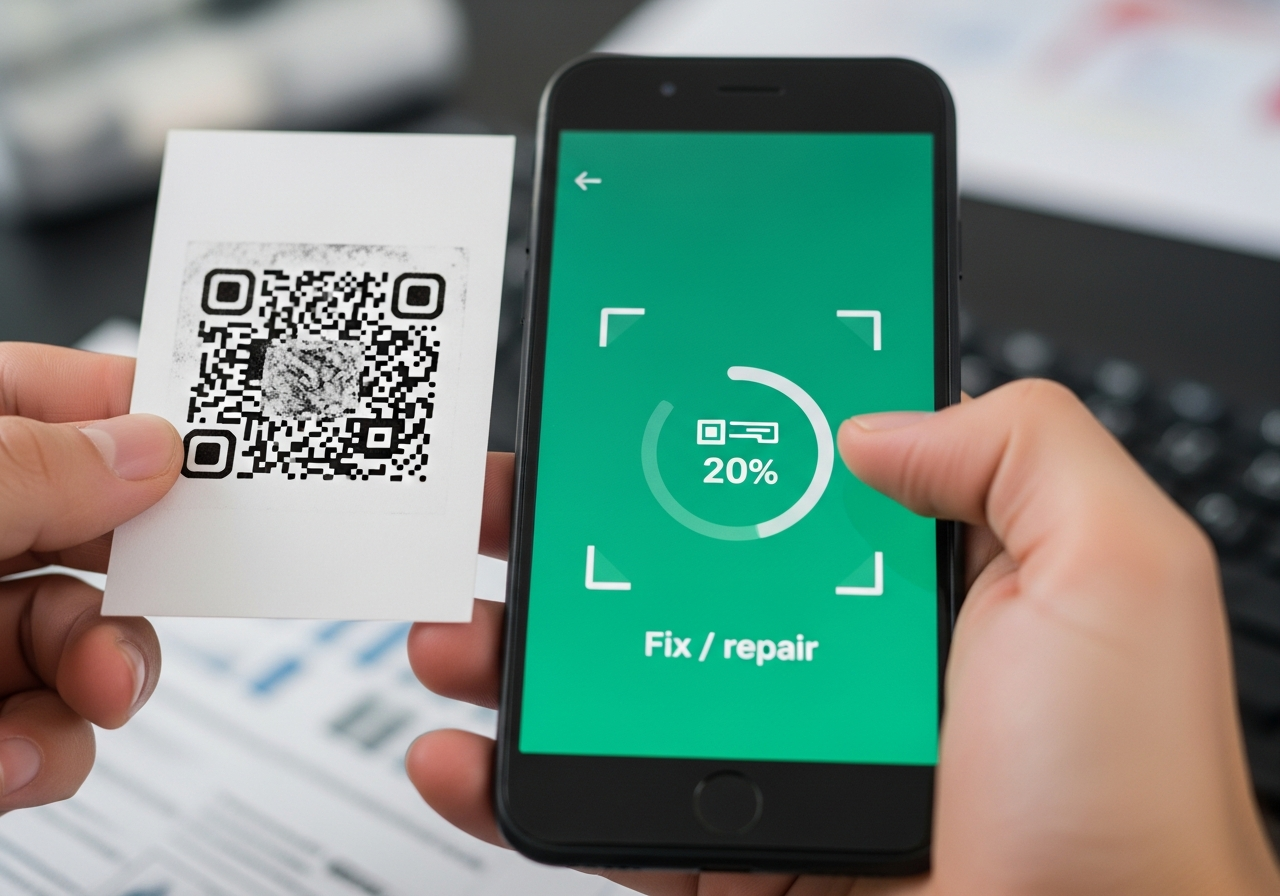
Every professional code requires a clear border, known as a quiet zone, which separates the pattern from surrounding imagery. If text or graphical noise crowds this space, the sensor fails to find the registration markers necessary to decode the payload. Ensuring this padding is preserved during your print design phase is essential for longevity.
Bridging physical and digital with Xcan.it
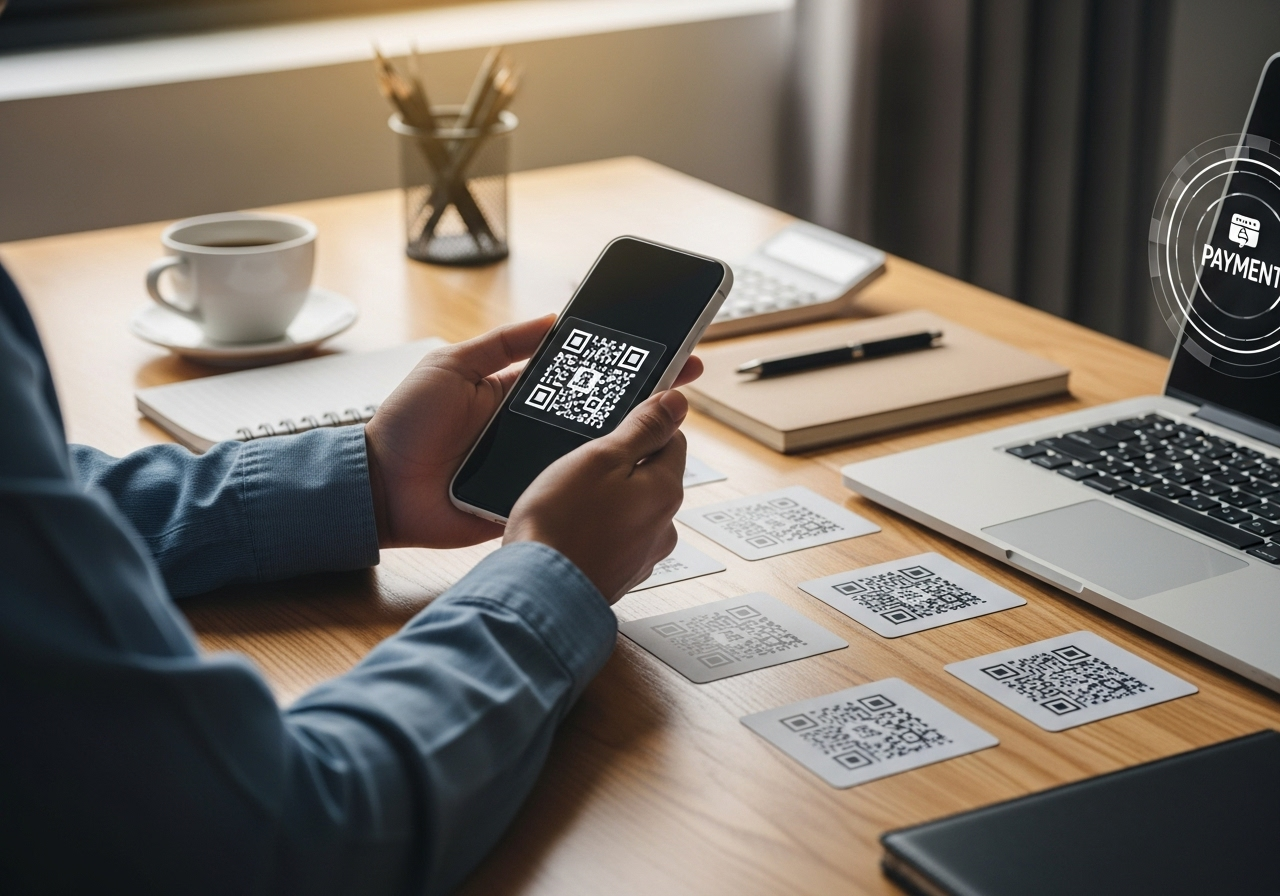
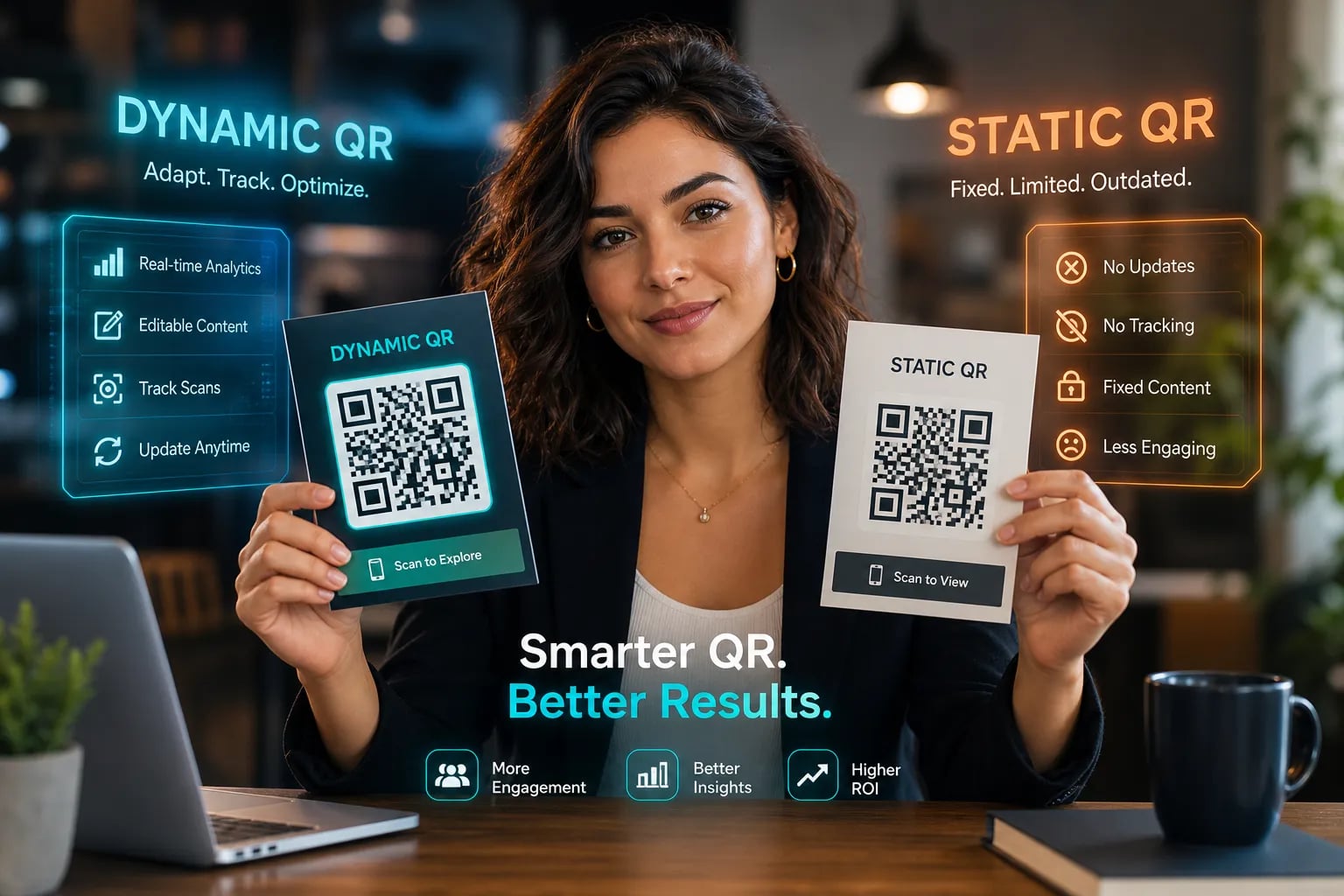
When managing physical signage, you need more control than static images provide. Xcan.it solves the common frustration of dead links by allowing you to update destinations whenever your business needs change. This capability ensures that assets like posters, labels, and packaging remain useful for years.
Updating destinations without reprinting
Instead of wasting resources on replacement print runs, our platform lets you modify the destination URL from your admin panel instantly. Whether you are running a temporary promotion or shifting towards a permanent shop page, the physical code on the wall continues to work perfectly with the new link. This approach protects your project from management mistakes that occur when static links break.
Tracking real-world scan analytics
Understanding how customers interact with your signage provides actionable business intelligence. Our dashboard identifies scan frequencies, geographic trends, and device types, enabling teams to refine their campaigns with precision. You can watch the effectiveness of individual touchpoints in real time while comparing performance across different locations.
Implementing the “Print Now – Link Later” workflow
Teams can generate their assets long before final content exists using our flexible redirection framework. By placing pre-printed codes on your packaging or signage, you reserve your free scan and keep operations moving without waiting for finalized URLs. You simply assign the actual destination once it is ready, bridging the gap between production and launch.
Choosing the right QR reader strategy
Professional application of these tools requires selecting an approach that aligns with your specific technical goals. Whether you are building infrastructure for a store or managing personal logistics, the right strategy combines hardware efficiency with secure software practices.
Evaluating privacy and ad-free options
Always prioritize software that maintains your personal security. Free scanners that bundle excessive advertisements often collect user data, which creates unnecessary risks for casual users. Sticking to native OS features or open-source, verified tools provides a safer, more stable environment for your daily operations.
Understanding multi-format support requirements
If you deal with industrial assets, basic code reading might not suffice. Look for software capable of decoding various 1D and 2D formats, including Data Matrix or PDF417. Having a device that handles all packaging standards ensures that you maintain consistent service virtualization workflows throughout the entire lifecycle of your testing or logistics projects.
Balancing native features with advanced needs
Use your device’s built-in camera whenever possible to maximize performance. However, if your requirements involve batch scanning hundreds of barcodes or managing autonomous security checks, consider dedicated tools that optimize processing speed for professional heavy-duty usage.
Conclusion
Mastering QR technology requires balancing native hardware convenience with the dynamic control provided by platforms like Xcan.it. By addressing physical print factors like contrast and quiet zones alongside smart software management, you can keep your digital bridges functional, secure, and easily updatable long after the initial deployment.
Frequently Asked Questions
Why does my camera fail to read the code?
Most failures are caused by low lighting, insufficient contrast between the modules and the background, or a missing quiet zone around the edges of the pattern.
Should I always use a third-party application?
No, modern phones have built-in scanners that are more secure and private than most external apps. Resort to dedicated software only if you require advanced formatting or batch processing.
How can I make older phones scan more reliably?
Ensure that you print your codes at a high resolution with maximum contrast, and try to use larger dimensions to compensate for the lower-quality optics found on older handsets.
Is it dangerous to scan unknown codes?
Always check the link preview provided by your phone before tapping it; if the URL appears strange or redirected, treat it with caution and do not proceed.
Do I need a data connection to use a scanner?
While the reader itself can often decode the image offline, you will need an active data connection to visit the linked URL or website once the code is interpreted.
Can I edit a link once the QR code is printed?
Only if you use dynamic code management software that points to a central redirect server; static codes cannot be modified once they are printed.
What do the three large corner squares represent?
These are alignment guides that allow the scanning software to determine the orientation and scale of the code, which is why they must always remain clean and undistorted.