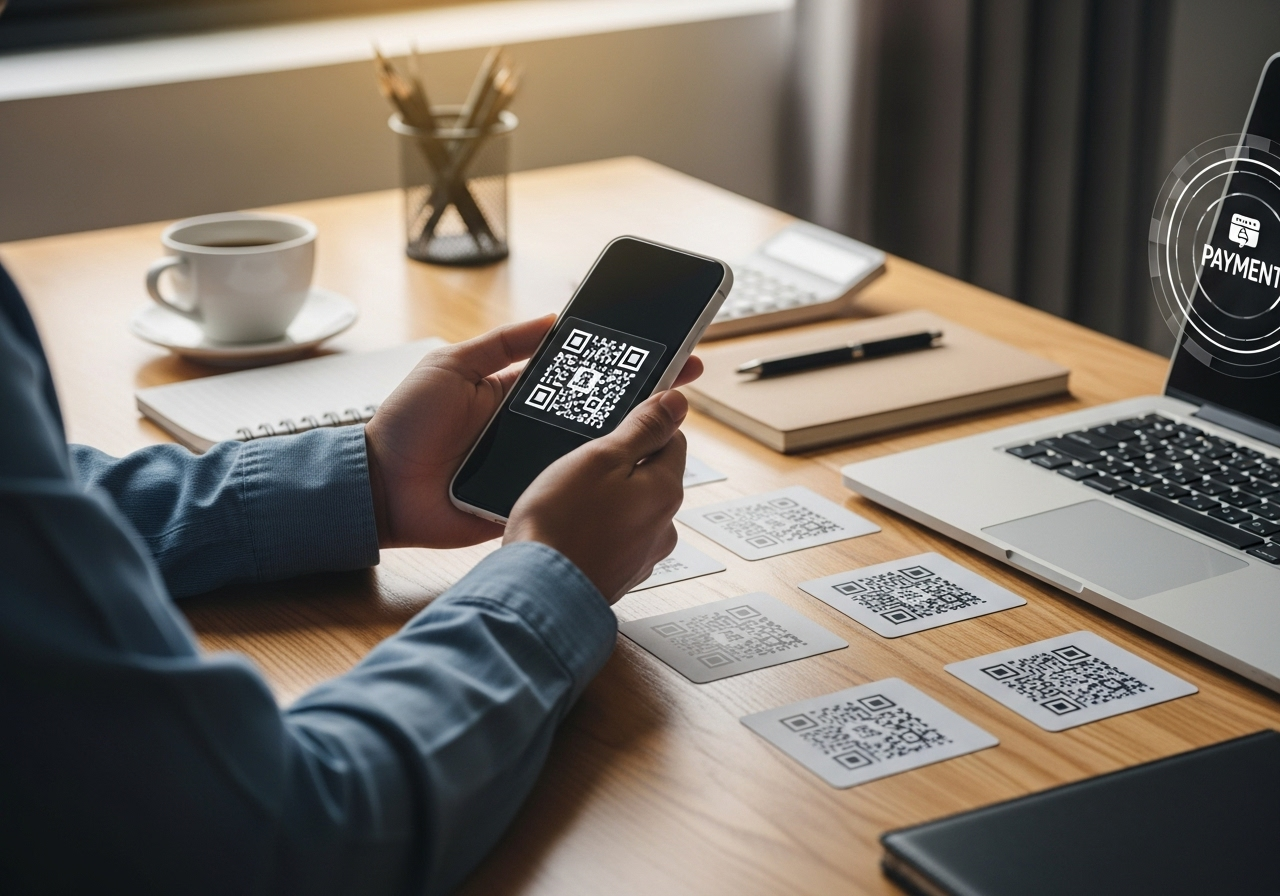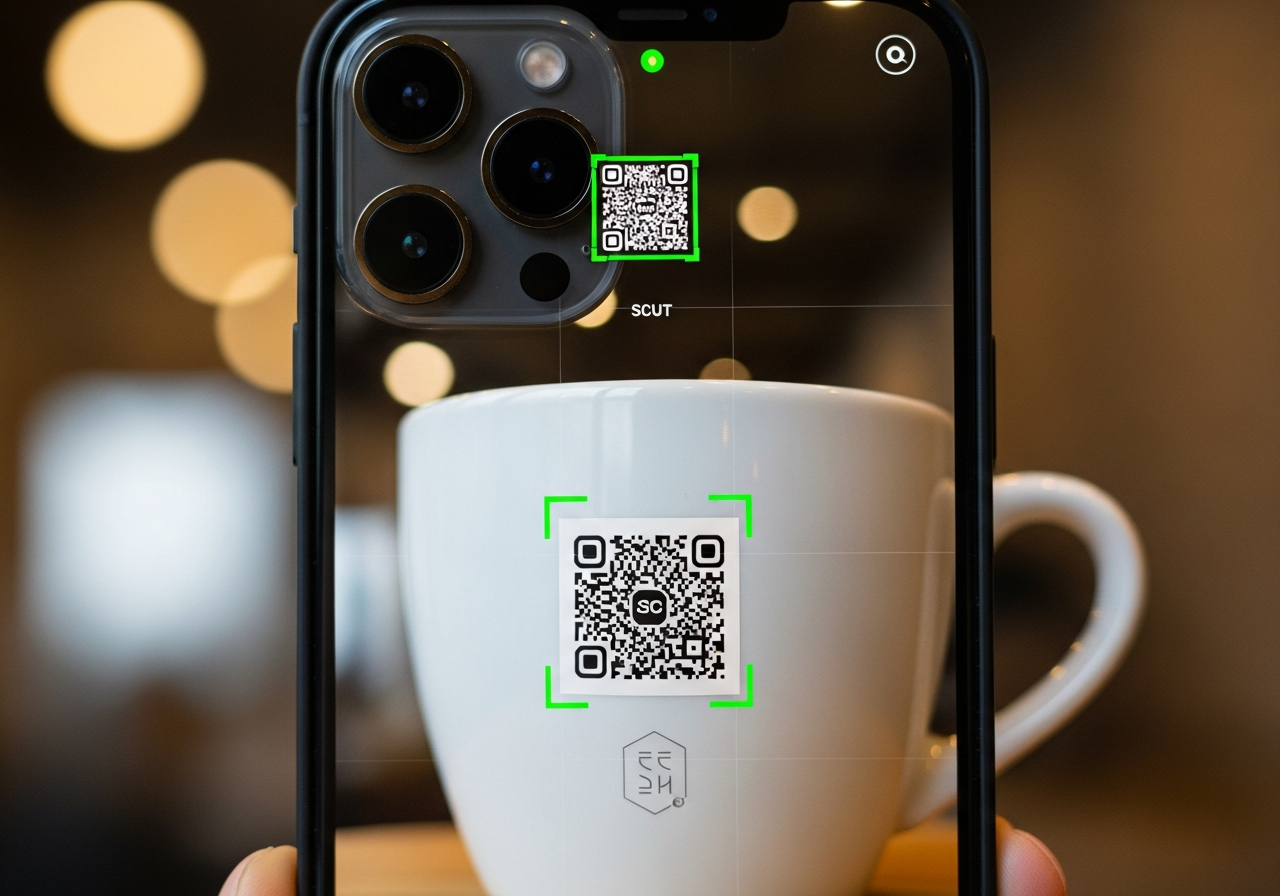

QR codes are everywhere these days, right? Simple, familiar, and useful. But what happens when you need to use them on a much bigger scale? Think hundreds, even thousands, of codes spread across different locations or assets. That’s where things can get tricky, and many projects start to stumble.
It’s easy to create a single QR code, but rolling out a large number of them properly is a different ball game entirely. Questions pop up fast: Will they work outdoors? What material is best for metal, glass, or rough surfaces? How do you stop them from failing and needing costly reprints? And how do you keep everything organised and trackable?
Key Takeaways
- Deploying QR codes at scale involves more than just creating them; material, environment, and placement are critical.
- Most large-scale QR code projects fail due to overlooking the practicalities of real-world application.
- Choosing the right materials and understanding their performance in different conditions is key to avoiding costly mistakes.
- Organising, tracking, and managing thousands of QR codes requires a structured approach and the right partner.
Why Large-Scale QR Code Projects Fail
The main reason projects like this hit a wall isn’t usually the QR code technology itself. It’s the practical side of getting them set up correctly in the real world, especially when you’re dealing with a lot of them. The material you choose, where you put them, and the environment they’re in all play a big part in whether a QR code will scan reliably and how long it will last.
Imagine needing codes for public transport, retail stores, or compliance checks. You can’t just print them on paper and stick them anywhere. They need to withstand different weather, surfaces, and levels of wear and tear. Without the right guidance, figuring all this out can feel overwhelming.
The Difference Between Creating and Deploying
Anyone can generate a QR code in a few clicks. But when you’re talking about a large rollout, the focus shifts from just creation to deployment. This means thinking about:
- Materials: Paper, vinyl, metal, adhesive, static cling – each has its pros and cons depending on the use case.
- Environment: Indoor vs. outdoor, exposure to sunlight, moisture, extreme temperatures, and physical contact.
- Placement: How and where the code is physically attached or displayed affects scanability and durability.
- Durability: How long the code needs to last and remain scannable.
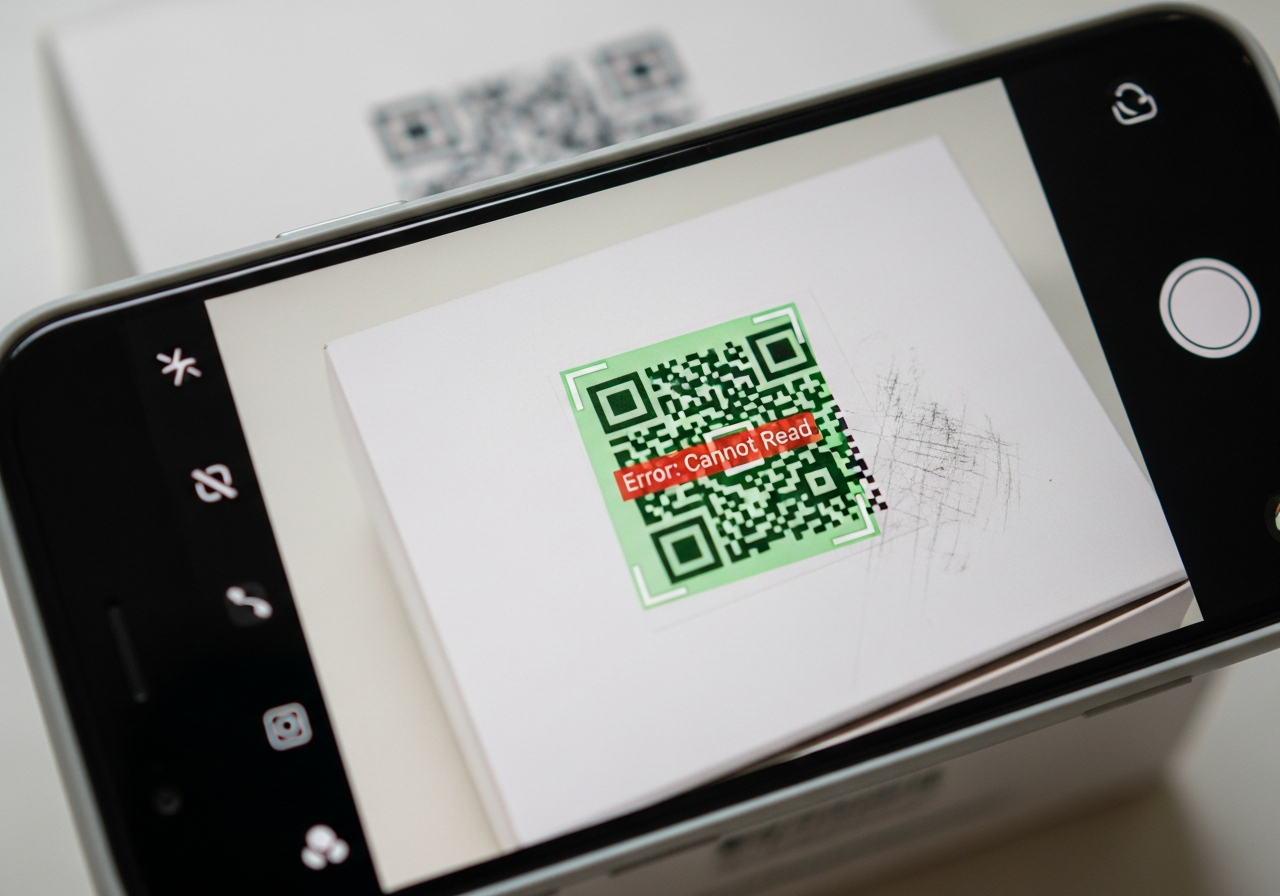
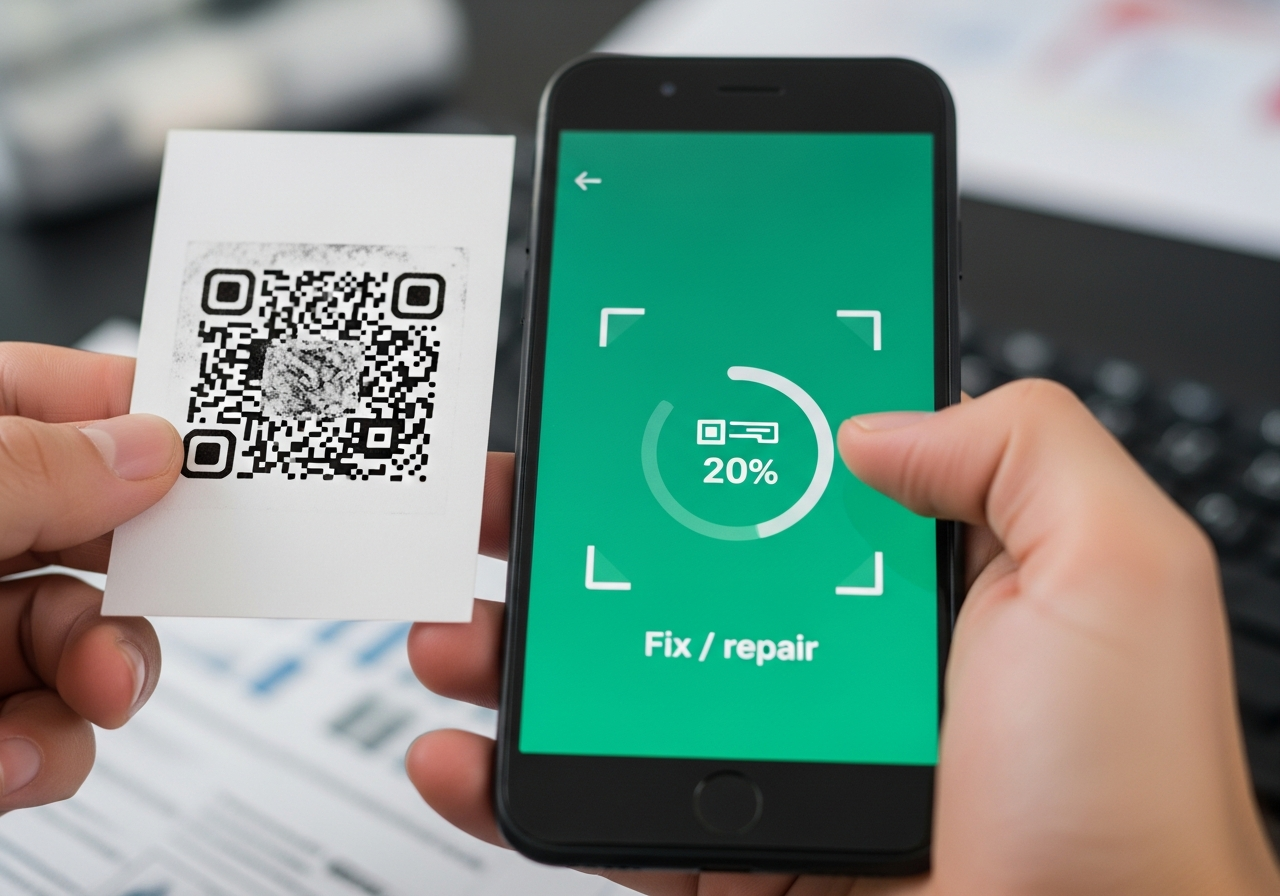
Getting these details wrong can lead to failed scans, frustrated users, and wasted money on reprints and reapplication.
Preparing for a Big QR Code Rollout
If you’re planning to implement QR codes across multiple sites, assets, or for a large-scale operation, it’s wise to get the setup right from the start. This involves understanding the real-world performance of different materials and formats in your specific environment.
For instance, organisations dealing with public infrastructure, retail environments, compliance systems, or multi-site operations often face these challenges. Working with a partner who understands these complexities can make a huge difference. They can help you test materials and validate performance before you commit to a large print run.
Working With The Right Partner
When you need to deploy thousands of QR codes properly, it really comes down to partnering with the right people. A good partner won’t just generate codes; they’ll help you get the setup right from the beginning. This includes advising on materials, format, placement, and how they’ll perform in the real world.
They can help you organise and manage your codes through a structured system, making sure they are ready for deployment when and where you need them. This structured approach is key to a successful, large-scale rollout, avoiding the common pitfalls that trip up many projects.
If you’re planning a QR code rollout and want to avoid costly mistakes, it’s a good idea to discuss your needs before you commit to printing. Getting expert advice early on can save a lot of hassle and expense down the line.