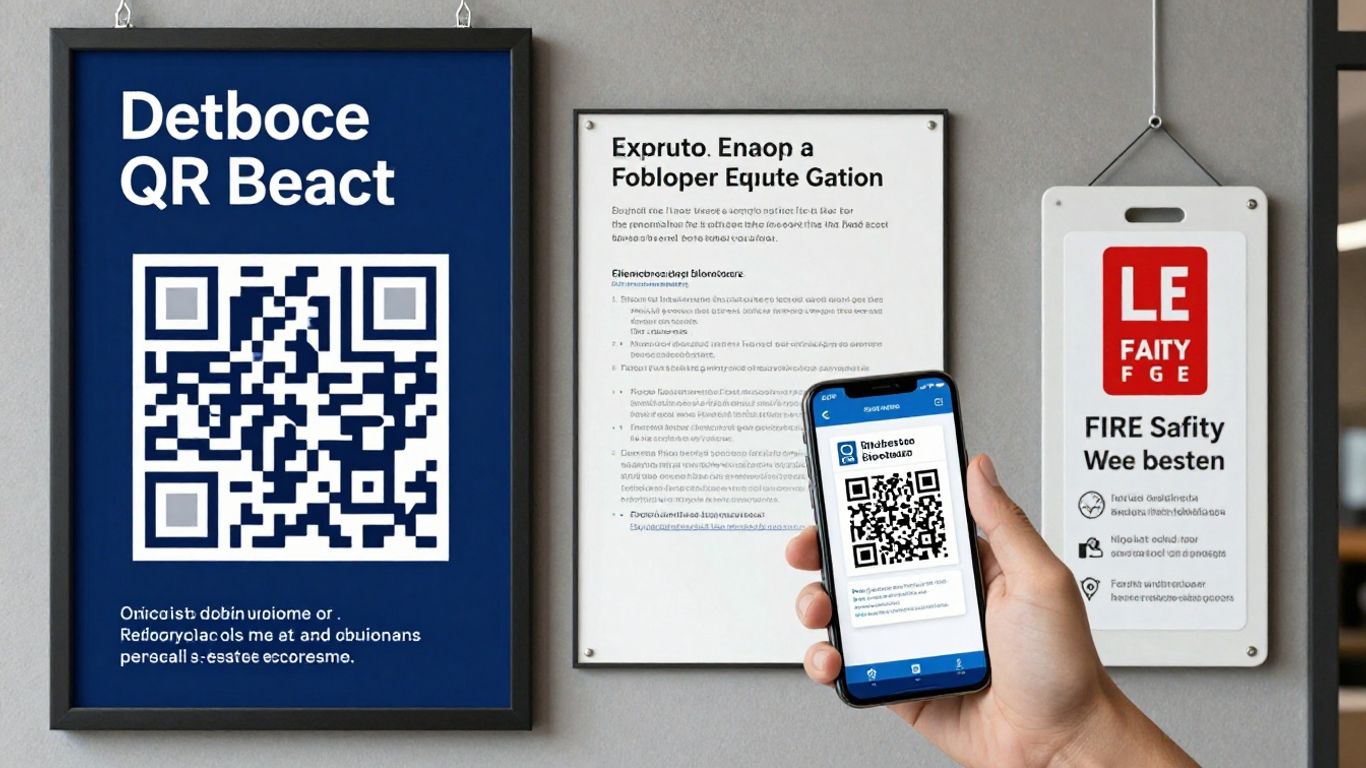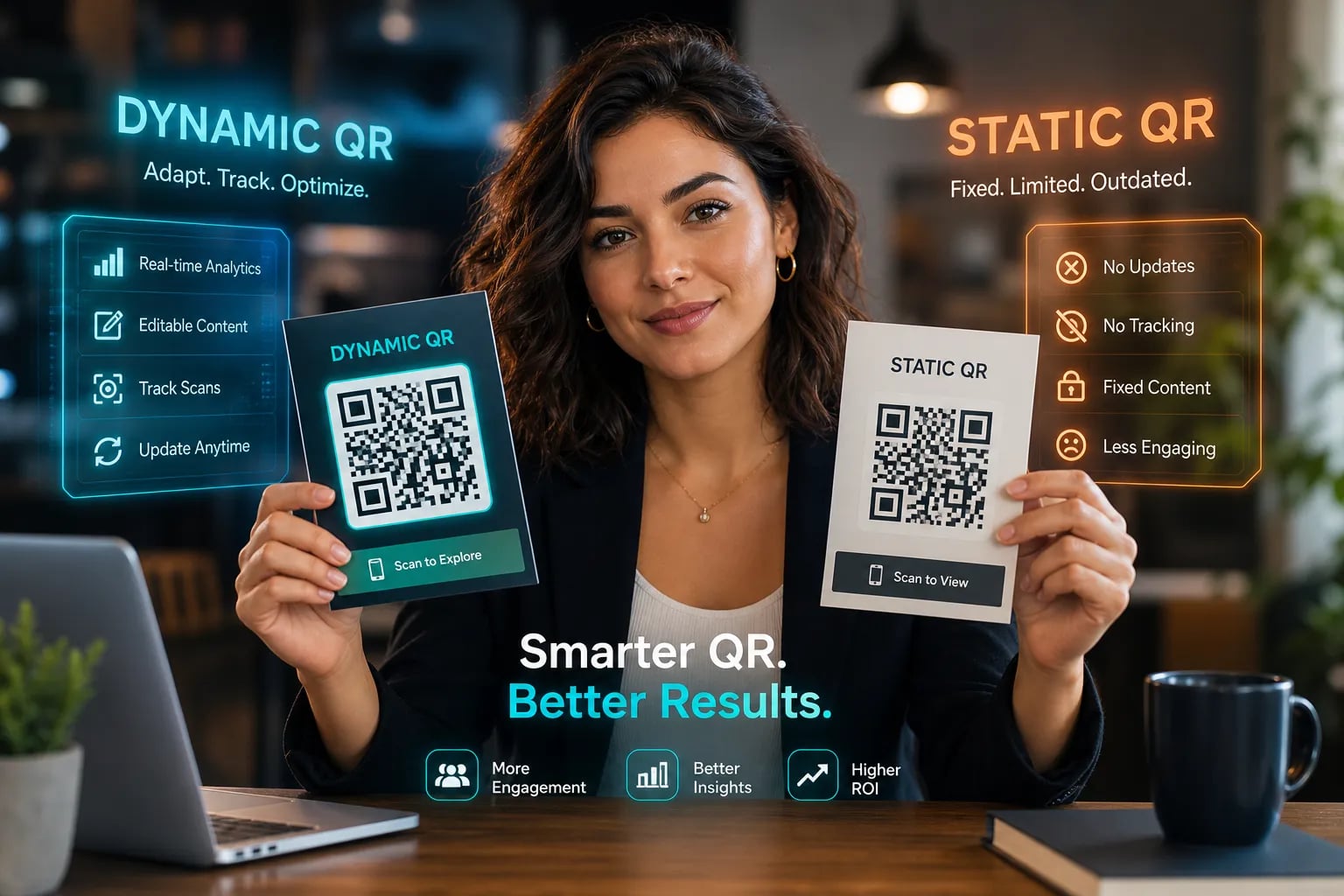

Right then, let’s talk about flow codes. You’ve probably seen them everywhere, those little squares you scan with your phone. But for UK businesses, they’re more than just a quick link; they’re a proper tool for connecting the real world with your digital stuff. Think of them as smart little bridges. This guide is all about making sure you know what flow codes are, why they’re a good idea, and how you can actually use them to make your business work better, especially when it comes to marketing and keeping track of what’s what.
Key Takeaways
- Flow codes are dynamic QR codes that let you change the destination link without needing to reprint the code itself. This is a big help for keeping marketing materials up-to-date.
- Using flow codes allows businesses to measure how many people scan them from physical locations, helping to understand which offline efforts are driving online traffic.
- You can use flow codes to build your own customer lists (first-party data) by directing scans to landing pages where people can sign up or provide information.
- The data from flow code scans gives you real-time insights into customer behaviour, showing where, when, and how often your codes are being used.
- Flow codes can be integrated into various business operations, from print marketing to product packaging, offering a flexible way to bridge the gap between physical and digital interactions.
Understanding Flow Codes For Your Business
What Are Flow Codes?
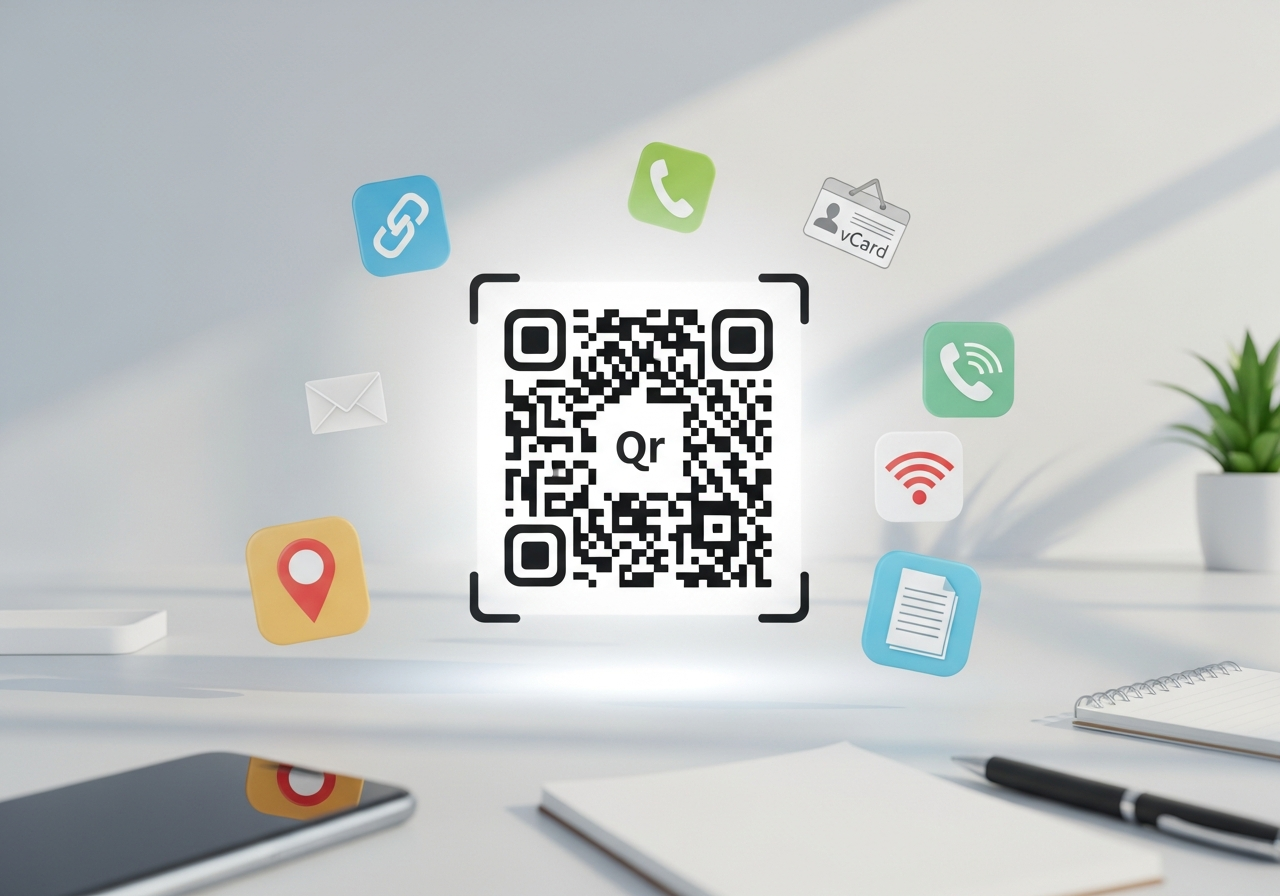
Think of flow codes as a smarter, more flexible version of the QR codes you’re used to seeing everywhere. While a standard QR code is a bit like a one-way street – once it’s printed, the destination is fixed – flow codes are dynamic. This means you can change where a flow code points to after it’s been printed. This is a game-changer for businesses. For example, if you’ve got a poster with a flow code promoting a seasonal offer, and the season changes, you don’t need to print a whole new poster. You can simply update the link behind the code through your dashboard. This flexibility is key for keeping your marketing fresh and relevant without the hassle and cost of reprinting materials.
The Core Benefits of Using Flow Codes
The main advantage of flow codes is control and measurability. With a platform like Xcan.it, you get a single dashboard to manage all your flow codes. This means you can see exactly how many times each code has been scanned, where those scans are coming from, and what actions people take afterwards. This real-time data is incredibly useful for understanding what’s working and what’s not in your campaigns.
Here are some key benefits:
- Update Links Without Re-printing: Change destinations on the fly, saving time and money.
- Track Scans in One Dashboard: Get a clear overview of performance across all your print materials.
- Improve Campaign ROI: Understand which placements are driving engagement and conversions.
- Build Owned Audiences: Collect valuable first-party data directly from scans.
Flow Codes in Action: Real-World Applications
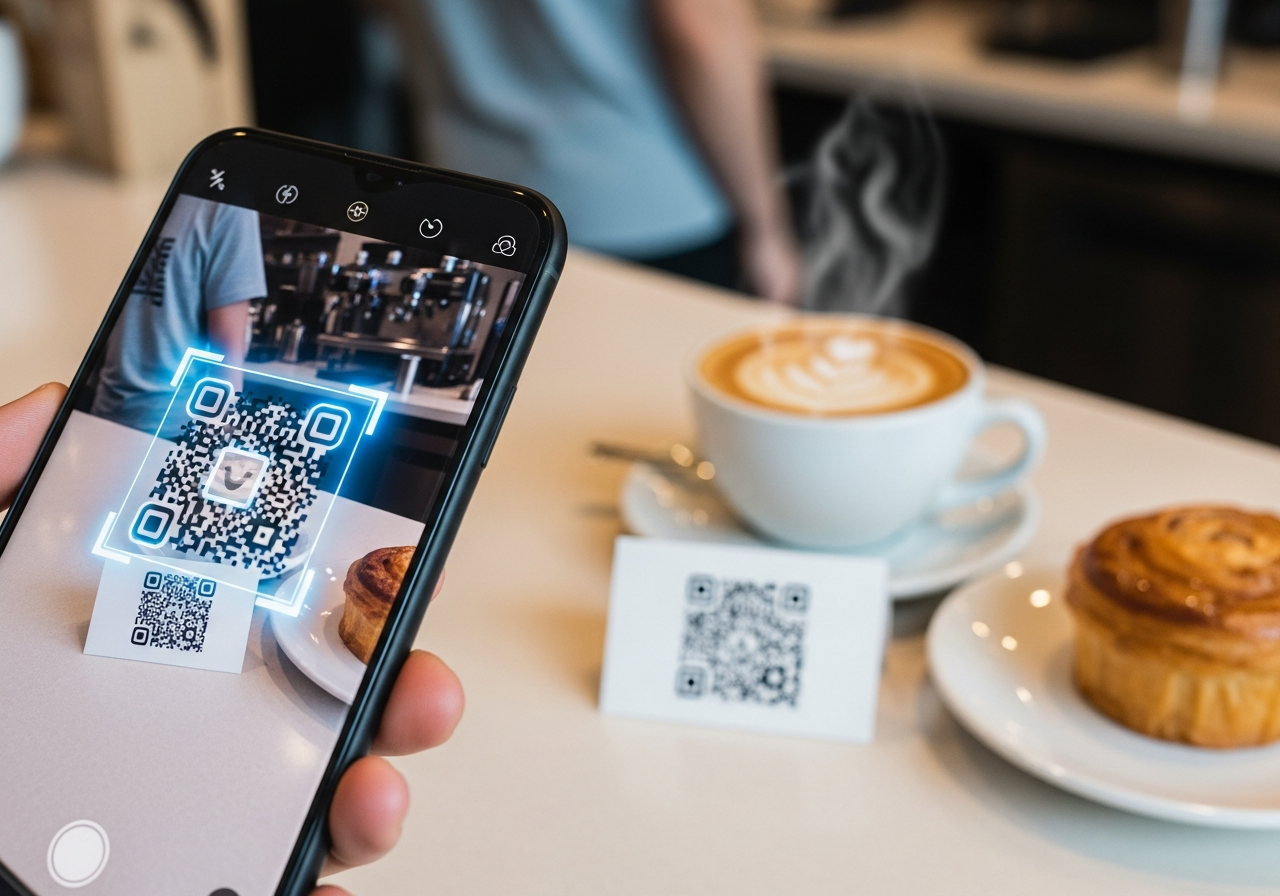
Flow codes are incredibly versatile. Imagine a café using them on their menus. If they update their specials, they can change the menu link without reprinting. A retail store could use them on window displays to promote a sale, and then update the code to link to new arrivals once the sale is over. Even on product packaging, a flow code could initially link to setup instructions, and later be updated to link to a warranty registration page or a customer feedback survey. This adaptability makes them a powerful tool for connecting your physical presence with your digital strategy. For businesses looking to bridge the gap between print and digital, flow codes offer a dynamic solution. Learn more about dynamic QR platforms
Leveraging Flow Codes For Marketing And Engagement
Measuring Offline-to-Online Conversions
It’s one thing to put a QR code on a flyer or a poster, but it’s another entirely to know if it actually did anything. This is where flow codes really shine. They let you see exactly how many people scanned your code, and where they came from. Think about a poster in a busy train station – you can track how many people scanned it right there and then. This helps you understand which physical locations are actually driving interest online.
The real magic happens when you can update where the code leads without having to reprint everything. With a platform like Xcan.it, you can change the destination URL of your QR code anytime. This means if a campaign offer changes, or you want to send people to a new landing page, you just update it in your dashboard. No more wasted print runs! This agility is a game-changer for measuring campaign effectiveness in real-time. You can even track scans across different print materials, signage, and assets all from one central dashboard.
Building Owned Audiences with Flow Codes
Flow codes aren’t just about getting a quick click; they’re a powerful tool for building your own customer base. When someone scans your code, you have an opportunity to capture their information – with their permission, of course. This could be through a simple form on a landing page that asks for an email address in exchange for a discount, or perhaps signing up for a newsletter.
This process helps you move away from relying solely on third-party platforms and start building your own direct line to your customers. It’s about creating a more direct relationship, which is always a good thing for long-term business growth. You can gather valuable insights into who your customers are and what they’re interested in, all while providing them with a better experience. This is a key part of modern marketing strategies for UK small businesses.
Enhancing Campaign ROI with Flow Codes
Ultimately, businesses want to know their marketing spend is working. Flow codes provide the data to prove it. By tracking scans and conversions, you can see which campaigns are generating the most engagement and, more importantly, the most leads or sales. This allows you to allocate your budget more effectively, focusing on the channels and placements that deliver the best results.
Imagine running a campaign across different print ads. With flow codes, you can assign a unique code to each ad. Then, you can see which specific ad is driving the most traffic and conversions. This level of detail means you can stop guessing and start making data-driven decisions. Platforms like Xcan.it allow you to update links on the fly, track all your scans in one place, and use dynamic QR codes to really make your real-world campaigns work harder across print, signage, and all your physical assets. It’s about getting more bang for your buck.
The ability to update QR code links without reprinting is a significant advantage. It means your marketing materials can remain relevant and effective even as offers or landing pages change, saving both time and money while ensuring a consistent customer journey.
Flow Codes: Data, Analytics, And Control
Real-Time Analytics with Flow Codes
It’s one thing to put a QR code on something, but it’s another entirely to know if anyone’s actually scanning it, and more importantly, what they do afterwards. That’s where the ‘data’ part of flow codes really shines. You get to see, in real-time, how many people are interacting with your codes. This isn’t just a number; it’s a direct line to understanding what’s catching people’s eye in the physical world.
Think about it: you’ve got posters up in different parts of town, or maybe QR codes on product packaging. Without good analytics, you’re just guessing which ones are actually driving interest. With a platform like Xcan.it, you can see which locations are getting the most scans, which campaigns are performing best, and even when people are scanning them. This kind of insight is gold for tweaking your marketing efforts.
First-Party Data Collection Strategies
Collecting your own data, often called first-party data, is becoming super important. It means you’re gathering information directly from your customers, with their knowledge. Flow codes can be a neat way to do this. When someone scans a code, you can direct them to a landing page where they can sign up for a newsletter, enter a competition, or get a discount in exchange for their email address.
This isn’t about being sneaky; it’s about building a direct relationship. You’re offering something of value, and in return, you get to build your own audience. This owned audience is way more valuable than relying on third-party platforms where the rules can change overnight. It gives you a direct channel to communicate with people who have already shown interest in your brand.
Understanding Your Flow Code Data
So, you’ve got all this scan data. What do you do with it? The key is to make it actionable. A good flow code solution will present this data in a way that’s easy to understand. You should be able to see:
- Scan volume: How many times has the code been scanned?
- Location data: Where are the scans coming from (if enabled and relevant)?
- Time of day: When are people most likely to scan?
- Device type: Are they using a mobile or tablet, and what operating system?
This information helps you refine your campaigns. For example, if you see that most scans happen during lunchtime on weekdays for a specific poster, you might want to push a lunch-specific offer. If a particular product’s QR code gets a lot of scans but few conversions, maybe the landing page needs a rethink. Platforms like Xcan.it let you update the links behind your QR codes without needing to reprint anything, which is a massive time and cost saver. You can track all your scans from one central dashboard, giving you a clear overview of what’s working and what’s not across all your print, signage, and assets. This dynamic approach means your campaigns can evolve as you learn, making them more effective over time. Smart data really does give you control.
Integrating Flow Codes Into Your Operations

Integrating flow codes into your business operations might sound like a big undertaking, but it’s really about making things smoother and more connected. Think of it as giving your physical presence a digital brain. It’s not just about sticking a QR code on something; it’s about creating a bridge between your offline materials and your online world in a way that’s easy to manage and update.
Bridging Print And Digital With Flow Codes
This is where flow codes really shine. You’ve got brochures, posters, packaging, even business cards – all great for getting your message out there, but often static. With flow codes, you can link these physical items to dynamic online content. This means if your website address changes, or you want to update a special offer on a flyer that’s already been printed, you don’t have to reprint everything. Platforms like Xcan.it let you update the destination link for your QR codes without ever needing to reprint the physical item. This flexibility is a game-changer for keeping your marketing materials current and relevant, saving you time and money.
Managing Flow Codes Across Your Business
As you start using flow codes more widely, keeping track of them becomes important. Imagine having different codes for different campaigns, locations, or even product batches. A good system will let you manage all of these from a single dashboard. Xcan.it offers this kind of centralised control, allowing you to organise, label, and track your QR codes effectively. This means marketing teams can manage campaign codes, operations can manage product codes, and everyone has visibility. It helps avoid confusion and ensures that the right code is always pointing to the right place.
The 'Print Now – Link Later' Advantage
This is a really practical benefit. You can design and print your materials – say, a batch of product packaging or a set of promotional posters – knowing that the final destination link for the QR code can be set or changed later. This is incredibly useful for a few reasons:
- Campaign Agility: You can prepare print runs well in advance, then update the QR code links closer to the campaign launch date. This is perfect for seasonal promotions or time-sensitive offers.
- Operational Efficiency: If a product’s setup guide or a service’s landing page needs a quick update, you can change the QR code’s destination instantly. This avoids the costly and time-consuming process of reprinting.
- Testing and Optimisation: You can even A/B test different landing pages or calls to action by simply updating the QR code’s link, allowing you to see what performs best without any new print runs. This ability to adapt quickly is what makes dynamic QR codes so powerful for businesses looking to stay competitive. You can track scans in one dashboard, giving you real-time insights into how your physical assets are performing in the real world.
Choosing The Right Flow Code Solution

So, you’ve decided flow codes are the way forward for your business. Brilliant! But with a few options out there, how do you pick the one that’s actually going to work for you? It’s not just about picking the prettiest QR code; it’s about finding a platform that fits your operational needs and your budget.
Think about it like choosing a payment processor. You wouldn’t just go with the first one you see, right? You’d compare fees, features, and how well they handle your specific transactions. The same applies here. You need a provider that offers control, clarity, and the right features for your UK business.
Flow Codes vs. Other Dynamic QR Platforms
When you’re looking at dynamic QR code platforms, you’ll notice they all promise similar things: editable links, tracking, and maybe some fancy design options. But the devil is in the details. Some platforms are built for quick, one-off campaigns, while others are designed for serious, ongoing operational use. You need to figure out which camp you fall into. Are you running a quick promotion, or are you integrating QR codes into your core business processes across multiple sites?
It’s worth looking at how each platform handles things like:
- Scalability: Can it handle hundreds or thousands of codes without breaking a sweat?
- Data Management: How easy is it to organise, label, and manage your QR code library?
- Reporting: Are the analytics clear and actionable, or just a jumble of numbers?
- Pricing: Are there hidden fees or restrictive limits that will catch you out later?
Key Features To Look For In A Flow Code Provider
When you’re comparing your options, keep an eye out for these must-have features. The ability to update your QR code links without reprinting is non-negotiable for long-term flexibility. This alone can save you a fortune and a lot of hassle.
Here’s a quick checklist:
- Editable Links (Dynamic QR Codes): This is the core of what makes flow codes so powerful. Need to change a URL, update an offer, or fix a typo? You can do it instantly without touching your printed materials. Platforms like Xcan.it excel at this, letting you manage all your dynamic QR codes from one place.
- Centralised Dashboard: You need a single place to see all your codes, their performance, and manage them. Juggling multiple spreadsheets or logins is a recipe for disaster.
- Real-Time Analytics: Knowing how many people scan your codes is good. Knowing when, where, and how they interact is much better. Look for a provider that offers clear, real-time data.
- Branding Options: Generic QR codes don’t inspire trust. Being able to add your logo, brand colours, and custom frames makes a huge difference in scan rates.
- Bulk Creation Tools: If you need more than a handful of codes, you’ll want efficient ways to generate them, whether through CSV uploads or an API.
Enterprise-Level Flow Code Capabilities
If your business operates at scale, you’ll need more than just basic features. Enterprise-level solutions offer robust management, security, and integration capabilities. This includes things like:
- Advanced Permissions and User Roles: Control who can create, edit, and view codes across different teams or departments.
- API Access: For automating QR code generation and management directly from your existing systems (like CRMs or inventory management).
- Dedicated Support and SLAs: Assurance that you’ll get prompt help when you need it, especially during critical campaign periods.
- Data Security and Compliance: Ensuring your data and your customers’ data are handled securely and in line with UK regulations.
Ultimately, the right flow code solution should feel like an extension of your marketing and operations teams, not a separate, complicated tool. It should simplify your life, provide clear insights, and help you connect your physical and digital worlds more effectively. Platforms like Xcan.it are built with this in mind, offering the control and tracking needed to make your real-world campaigns truly work harder.
Advanced Flow Code Strategies
Smart Rules And Scanner Routing
Think beyond just sending people to a single webpage. With advanced flow code strategies, you can create dynamic experiences that adapt to your audience. Imagine a QR code on a poster that directs iPhone users to a specific app download page, while Android users are sent to a mobile-optimised website. This is ‘device-aware’ routing in action. Similarly, you can set up ‘location-based journeys’ where a scan from within a specific London borough might trigger a local offer, while a scan from another area leads to a different promotion. This level of personalisation makes your campaigns feel more relevant and effective.
Device-Aware And Location-Based Journeys
This is where things get really interesting. You can use ‘smart rules’ to route scanners based on a variety of signals. For example, a QR code on a restaurant menu could show a different link depending on the time of day – perhaps a breakfast menu in the morning and a dinner menu in the evening. Or, for a retail campaign, you could have a single QR code that directs customers to the nearest store’s landing page based on their detected location. This makes your physical marketing materials feel much more intelligent and responsive. Platforms like Xcan.it allow you to set up these dynamic rules, meaning you can update the links and logic without ever needing to reprint your QR codes. It’s about making every scan count.
Integrating Flow Codes With Your CRM
Connecting your QR code activity directly to your Customer Relationship Management (CRM) system is a game-changer. When someone scans a QR code, you can automatically log this interaction in your CRM. This means you can track not just how many people scanned a code, but also what they did afterwards, and how that relates to their customer journey. For instance, a scan from a flyer could tag a lead in your CRM as ‘offline interest’, allowing your sales team to follow up with tailored messaging. This bridges the gap between your offline marketing efforts and your digital customer data, providing a clearer picture of campaign ROI. Xcan.it helps you manage these dynamic QR codes from a single dashboard, making it easier to track scans and update links as needed, which is a huge advantage for real-world campaigns across print, signage, and assets.
Want to get more out of your QR codes? We’ve got some clever ways to use them that go beyond the basics. These advanced tricks can really make your campaigns pop and help you connect with people in new ways. Ready to see how you can use QR codes like a pro? Visit our website to discover these exciting strategies and start boosting your results today!
Bringing It All Together
So, we’ve looked at how dynamic QR codes can really make a difference for UK businesses. It’s not just about making a code that links somewhere; it’s about having control, seeing what’s happening, and being able to change things on the fly without reprinting everything. Whether you’re a small shop or a bigger operation, using the right tools means you can connect your physical stuff, like posters or packaging, to your online world much more effectively. Think of it as a smart way to keep your marketing fresh and your operations running smoothly. Give it a go and see how much easier things can become.
Frequently Asked Questions
What exactly are Flow Codes and how do they work?
Think of Flow Codes as super-smart QR codes. Instead of just sending someone to a single website, they can be programmed to do different things. You can change where they lead even after you’ve printed them! This means you can update links without having to print new codes, saving you time and hassle.
Why should a UK business bother using Flow Codes?
Flow Codes are brilliant for connecting your physical stuff, like posters or product packaging, to your online world. They help you see exactly how many people are scanning your codes and where they’re coming from. This is super useful for knowing which adverts or signs are actually bringing customers to your website or getting them to take action.
Can Flow Codes help me understand my customers better?
Definitely! When people scan a Flow Code, you can collect information about them, like their email address, if they choose to share it. This is called ‘first-party data’ and it’s really valuable. It helps you build your own list of interested customers so you can talk to them directly in the future.
How do Flow Codes make marketing campaigns more effective?
Because you can change where a Flow Code leads, you can test different offers or messages. For example, you could have a code on a poster that initially links to a sale, and then later change it to link to a new product launch. This flexibility means you can get more out of your marketing materials and make sure your campaigns are always up-to-date.
Is it difficult to set up and manage Flow Codes?
Not at all! Most Flow Code platforms have easy-to-use dashboards. You can create, manage, and track all your codes from one place. The ‘Print Now – Link Later’ feature is a lifesaver, letting you print early and decide on the final destination later, which is great for busy teams.
What's the difference between a Flow Code and a regular QR code?
A regular QR code is like a fixed address; once it’s set, it can’t be changed. A Flow Code is dynamic, meaning you can change the destination link or even the action it performs anytime you want, even after it’s printed. Plus, Flow Codes offer much better tracking and analytics to see how they’re performing.