Looking for the best qr app for android? It can feel a bit like a treasure hunt, can’t it? With so many options popping up, figuring out which one actually does the job without getting in your way is key. We’ve sifted through the noise to bring you the top contenders that make scanning, creating, and sharing QR codes a breeze on your Android device. Forget fiddly interfaces and annoying pop-ups; these apps are designed for simplicity and speed.
Key Takeaways
- Start with your phone’s built-in camera app for quick, private QR code scanning.
- If you need more, look for QR apps that show a URL preview to block dodgy links.
- Prioritise privacy by choosing an ad-free QR app with no tracking.
- Ensure your chosen app supports multiple formats like QR, Data Matrix, and PDF417.
- A good QR app should offer fast focus, even in low light, and work offline.
1. Built-In Camera Scanner
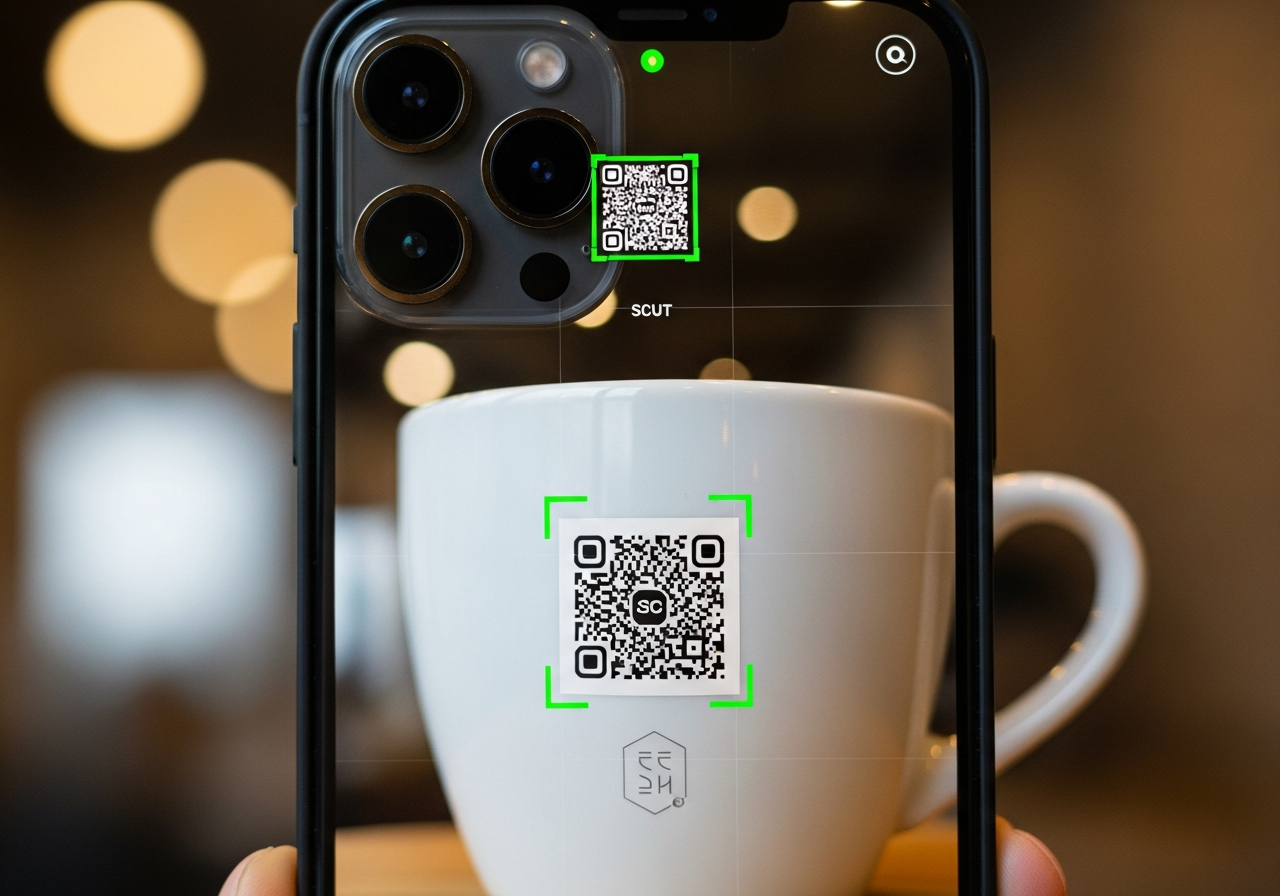
Most modern Android phones come with a QR code scanner built right into the camera app. This means you don’t need to download anything extra to start scanning. Just open your camera, point it at a QR code, and your phone should recognise it, usually by showing a notification or a banner at the top of the screen. Tapping this banner will take you directly to the content the QR code links to, whether that’s a website, contact details, or Wi-Fi login. It’s a quick and convenient way to access information without any fuss. This guide shows how you can even build your own scanner using camera APIs.
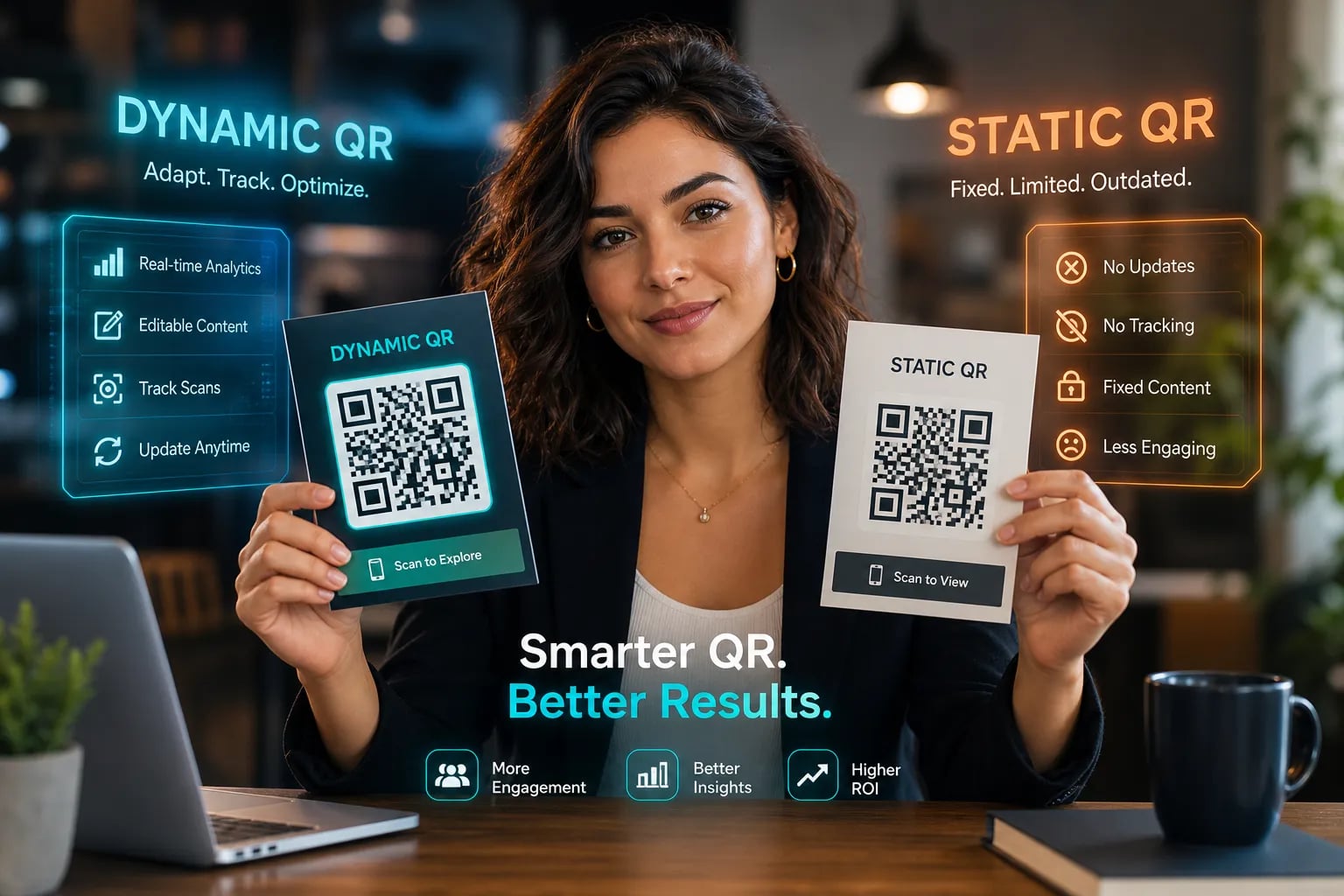
However, while the built-in scanner is great for everyday use, it might not offer the advanced features some users need. For instance, if you’re running marketing campaigns, you might want to track how many people are scanning your codes or, even better, update the link the QR code points to without having to reprint everything. This is where services like Xcan.it come in handy. They allow you to create dynamic QR codes, which means you can change the destination URL anytime, even after the code has been printed on flyers, signage, or product packaging. Plus, Xcan.it provides a dashboard to track scans, giving you insights into your real-world campaign performance.
The built-in camera scanner is a fantastic starting point for most users, offering immediate access to QR code information. For more sophisticated needs, like campaign management and dynamic content updates, dedicated platforms provide essential tools.
2. Google Lens
While many Android phones have a built-in QR scanner in their camera app, Google Lens is often the engine behind it, offering a more intelligent scanning experience. It’s not just about opening a link; Lens can identify objects, translate text, and even help you shop, all through your camera.
For many users, Google Lens is already integrated into their default camera app. You might see a prompt to enable ‘Google Lens suggestions’ in your camera settings. When activated, your camera can automatically detect QR codes and present you with an option to open the linked content. This means you often don’t need to download a separate app at all.
The real magic of Google Lens for QR codes is its versatility and intelligence. It goes beyond a simple scan, offering context-aware actions. For instance, if you scan a QR code on a product, Lens might not only take you to the product page but also offer reviews or price comparisons.
However, for more advanced campaign management, you might want to look beyond the standard scanner. Tools like Xcan.it offer dynamic QR codes. This is a game-changer because it means you can update the link a QR code points to without having to reprint it. Imagine a poster with a QR code for a special offer; if the offer changes, you just update the link in your Xcan.it dashboard, and the existing QR code on the poster now directs people to the new offer. This is incredibly useful for improving real-world campaigns across print, signage, and various assets. Plus, Xcan.it provides a dashboard to track scans, giving you insights into how your QR codes are performing. This level of control and insight is something you won’t get from a basic scanner like Google Lens.
3. QR Code Reader Apps
While your phone’s built-in camera is often the first port of call for scanning QR codes, dedicated apps can offer a more robust experience. These applications go beyond basic scanning, providing features that can really make a difference, especially for businesses or anyone managing multiple campaigns.
One standout option is Xcan.it. What’s particularly neat about this service is that it allows you to update the links within your QR codes without having to reprint them. This is a game-changer for marketing materials or signage where information might change. Imagine updating a special offer on a poster without needing a whole new print run – that’s the power of dynamic QR codes.
Beyond that, Xcan.it offers a dashboard where you can track all your scans. This gives you real-world insights into how your campaigns are performing across print, signage, and other physical assets. It’s about turning those simple squares into measurable tools for engagement.
Here’s a quick look at what makes dedicated apps like Xcan.it so useful:
- Dynamic QR Codes: Update destination links on the fly, saving time and money on reprints.
- Scan Tracking: Monitor scan activity to understand campaign effectiveness.
- Multi-Format Support: Handle not just QR codes but also Data Matrix, PDF417, and Code 128, useful for tickets or packaging.
- URL Preview: See where a link will take you before you commit to opening it, adding a layer of safety.
For those looking to manage more than just a few codes, a dedicated app or service like Xcan.it provides the tools to make QR codes work harder for you, offering flexibility and valuable data.
If you’re just scanning occasionally, your phone’s camera might be enough. But if you’re running promotions, managing inventory, or simply want more control and insight, exploring a dedicated QR code reader app is definitely worth your time. You might find yourself using Google Lens for its versatility, or perhaps a more specialised tool for its advanced features.
4. Multi-Format Support
It’s a bit annoying when you’ve got a QR code for one thing, but your scanner only reads that specific type. You end up needing a different app for your concert tickets than for a product label. That’s where multi-format support comes in handy. A good QR app should be able to read more than just the standard QR code. Think Data Matrix, PDF417, and Code 128 – these are common for things like event tickets, shipping labels, and even some product packaging.
Having an app that handles multiple formats means fewer missed scans and less faffing about trying to find the right tool for the job.
For those who use QR codes a lot, especially in business or for marketing campaigns, the ability to manage and update links is a game-changer. Services like Xcan.it allow you to create dynamic QR codes. This means you can print a QR code on your flyers, posters, or even product packaging, and then change where it links to later on, all without having to reprint anything. Imagine running a promotion, and when it ends, you can simply update the link to point to a new offer or your main website. It saves time and money.
Plus, Xcan.it offers a dashboard where you can track how many times each of your QR codes has been scanned. This is brilliant for seeing what’s working in your real-world campaigns. You can see which posters or print ads are getting the most attention, helping you refine your strategy. It’s all about making those real-world connections more measurable and effective.
5. Privacy-Focused Readers
When you’re scanning QR codes, especially on your Android device, it’s smart to think about your privacy. Not all apps are created equal, and some might collect more data than you’re comfortable with. It’s best to choose readers that are upfront about their data policies and minimise the information they gather.
Look for apps that don’t bombard you with ads or try to track your activity. A good sign is an app that works offline for scanning, only needing internet to open a link. This way, your scanning habits stay private. Some apps, like QR & Barcode Scanner & Reader, are built with this in mind, offering a completely offline experience without ads.
Beyond just scanning, some advanced tools offer more control. For instance, Xcan.it allows you to update QR code links even after they’ve been printed. This is a game-changer for campaigns where details might change. They also provide dynamic QR codes, which are fantastic for improving real-world campaigns across print, signage, and other assets. Plus, you can track scans in a single dashboard, giving you insights without compromising your data.
Always take a moment to check an app’s permissions before installing. If a QR scanner asks for access to your contacts or location when it clearly doesn’t need it, that’s a red flag. Prioritising apps that only request camera access is a sensible step towards protecting your privacy.
Here’s what to keep an eye out for:
- No unnecessary permissions: Stick to apps that only ask for camera access.
- Ad-free experience: Fewer distractions and less chance of malicious ads.
- URL preview: See where a link goes before you commit to opening it.
- Offline scanning capability: Scan codes even without an internet connection.
6. Ad-Free Scanning
Nobody likes wading through pop-ups and intrusive ads just to scan a QR code. It’s distracting and, frankly, a bit annoying. That’s why opting for an ad-free scanner is a smart move. It means you get a cleaner, faster experience every time you point your phone at a code. This is especially important if you’re scanning codes frequently, perhaps for work or just out and about.
When you’re looking for a QR app, keep an eye out for ones that explicitly state they are ad-free. Some apps, like MIT’s Barcode Scanner, are open-source and free from ads, offering a straightforward scanning and creation experience. Others, such as the QR Code Scan Android app, pride themselves on being 100% ad-free, meaning you won’t encounter any interruptions or hidden costs. This focus on a clean user interface really makes a difference.
Beyond just being ad-free, consider what else the app offers. For businesses or anyone running campaigns, tools like Xcan.it provide a significant advantage. They allow you to create dynamic QR codes, which means you can update the link the QR code points to without having to reprint anything. Imagine sending out flyers or posters and then realising a link needs updating – with dynamic codes, it’s a simple fix. Plus, you get a dashboard to track scans, giving you insights into how your real-world campaigns are performing across print, signage, and other assets. It’s about making your QR codes work harder for you, not just as static links, but as dynamic tools for engagement and analysis print once, update anytime.
Here’s a quick rundown of why ad-free matters:
- Uninterrupted Use: Scan codes without annoying pop-ups breaking your flow.
- Privacy: Ad-free apps often have fewer reasons to collect your data.
- Speed: Less clutter usually means a faster, more responsive app.
- Professionalism: For business use, an ad-free experience looks much more polished.
Ultimately, choosing an ad-free scanner is about prioritising a smooth, efficient, and private experience. It’s a small detail that can make a big difference in your day-to-day use of QR codes.
7. URL Preview
It’s a good idea to know where a QR code is going before you actually go there, right? That’s where URL previews come in handy. Most decent QR scanner apps will show you the web address first, giving you a chance to check if it looks legit. This is a simple but really effective way to avoid accidentally landing on a dodgy website.
For anyone using QR codes for marketing or business, this feature is even more important. Services like Xcan.it offer dynamic QR codes. What does that mean for you? Well, it means you can change the link the QR code points to after you’ve printed it. So, if your website address changes, or you want to update a special offer, you don’t need to reprint all your materials. Just update the link in your Xcan.it dashboard, and the printed QR code will automatically direct people to the new destination. This is brilliant for improving real-world campaigns across print, signage, and all sorts of assets. Plus, you can track how many times your QR codes are scanned, giving you a clearer picture of what’s working. It really helps make your campaigns more flexible and measurable.
8. Offline Decoding
It’s a bit of a pain when you’re trying to scan a QR code and your phone decides it needs an internet connection to do it. Thankfully, most QR code reader apps, and even your phone’s built-in camera, can actually decode the information stored in a QR code without needing Wi-Fi or mobile data. This means you can scan codes in places with dodgy signal, like on a train or in a basement, and the app will sort out what the code says. You’ll only need an internet connection when you actually tap on the link to visit a website or open a file. This offline decoding feature is pretty handy for making sure you can always get the information you need, no matter where you are.
For those who use QR codes a lot, especially for marketing or business purposes, tools like Xcan.it offer a significant advantage. They allow you to create dynamic QR codes, which means you can actually update the link the QR code points to after it’s been printed. Imagine you’ve got posters up with a QR code, and you need to change the website it links to – with dynamic codes, you don’t have to reprint everything. You can just update the destination link through a dashboard. This is brilliant for keeping campaigns fresh and relevant. Plus, you can track how many times your QR codes are scanned, giving you real insights into how effective your print materials, signage, or even product labels are. It really helps to improve your real-world campaigns across the board [2740].
9. Fast Focus
Getting a QR code to scan quickly is all about the focus. You don’t want to be fumbling around, holding your phone at weird angles just to get it to register. Most modern phone cameras are pretty good at this these days, often snapping a scan almost instantly. It’s that satisfying little ping when it just works.
But what if you need more? For businesses, especially, making sure those QR codes are scannable in a flash is key. That’s where tools like Xcan.it really shine. They let you create dynamic QR codes, which means you can actually update the link behind the code without having to reprint everything. Imagine sending out flyers and then realising a link is wrong – with dynamic codes, you just hop into your dashboard and fix it. No fuss, no wasted paper.
Plus, Xcan.it offers a dashboard to track how many people are actually scanning your codes. This is super useful for seeing if your marketing efforts are hitting the mark. You can see which codes are getting attention and which aren’t, helping you tweak your campaigns across print, signage, and even on physical assets.
The goal is a smooth, almost invisible transition from the physical world to the digital one.
Here’s why fast focus matters:
- Reduced user frustration: Nobody likes waiting for a scan.
- Improved campaign effectiveness: More scans mean more engagement.
- Better low-light performance: Quick focus helps in dimly lit venues.
- Dynamic updates: Change links on the fly without reprinting.
When you’re dealing with a lot of QR codes, like for a big event or a product line, the ability to update links remotely is a game-changer. It saves time, money, and a whole lot of hassle.
10. Low-Light Performance
Even when the lighting isn’t ideal, a good QR app should still be able to read codes without much fuss. You know, like when you’re trying to scan a menu in a dimly lit restaurant or a ticket stub at a concert. The best apps manage to focus quickly and accurately, even when there’s not much light to work with. This is where apps that have specific low-light optimisation really shine. They can boost the image processing to pick out the QR code’s details when your phone’s camera might otherwise struggle.
For those who need more than just basic scanning, platforms like Xcan.it offer advanced features. You can update QR code links without needing to reprint anything, which is a lifesaver for marketing campaigns. Plus, you get to track scans in a single dashboard and use dynamic QR codes to really boost the effectiveness of your real-world campaigns across print, signage, and other assets. It’s about making sure your QR codes work, no matter the conditions.
Some apps might struggle in low light, leading to frustrating retries or outright failures. This can be particularly annoying when you’re in a hurry or need to access information quickly. Look for apps that explicitly mention autofocus and low-light performance as key features. This often means they’ve put extra work into their scanning algorithms to handle less-than-perfect lighting.
When choosing an app, consider its ability to handle these tricky situations. A reliable scanner means less hassle and more successful interactions with the QR codes you encounter. It’s a small detail, but it makes a big difference in everyday use. You can find apps that offer this kind of robust performance, ensuring you’re not left in the dark when trying to scan a code without an internet connection.
Even when the lights are low, our QR codes still shine. You can create and manage them easily, no matter the lighting conditions. Want to see how our system handles tricky lighting? Visit our website to learn more and try it out yourself!
Wrapping Up Your QR Code Journey
So there you have it. We’ve looked at how simple it is to get started with QR codes on your Android device. Whether you’re just scanning a menu or creating codes for your business, the right app makes all the difference. Remember to look for speed, privacy, and ease of use. Most of the time, your phone’s built-in camera will do the job perfectly, but if you need more, there are some great options out there that won’t clutter your phone or your data. Happy scanning!
Frequently Asked Questions
Do I really need a separate app to scan QR codes?
For most people, the answer is no! Your phone’s built-in camera app can usually scan QR codes straight away. It’s quick, safe, and doesn’t need any extra downloads. You might only need a special app if you need to scan lots of different types of codes or want to track your scans.
How can I tell if a QR code link is safe to open?
Good QR readers will show you a preview of the website address before they open it. This gives you a chance to see if it looks dodgy. Always be a bit careful with links you don’t recognise, especially if they look a bit strange or are very short.
Can my phone scan QR codes even if I don’t have internet?
Yes, absolutely! Many QR code readers can decode the information on the code without needing an internet connection. You’ll only need data when you actually want to visit the website or download the file the QR code points to.
What if my phone’s camera doesn’t scan the QR code?
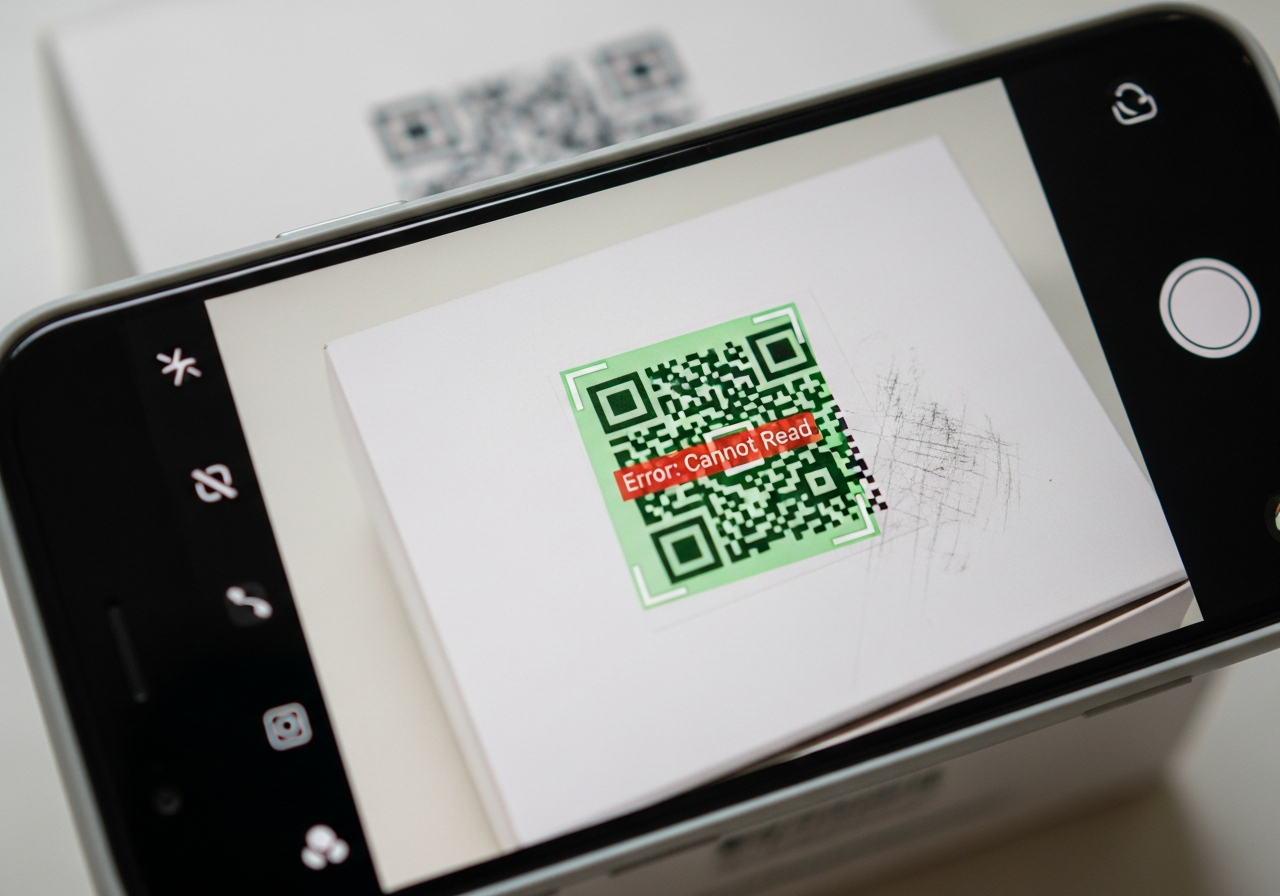
Don’t worry, it happens! Make sure the code is well-lit and there’s no glare. Check that the code isn’t too far away or too small. Sometimes, simply cleaning your camera lens or trying again from a slightly different angle can do the trick.
Are there any downsides to using free QR code scanner apps?
Some free apps might show you lots of adverts, which can be annoying and slow things down. A few might also try to collect your data. It’s best to choose an app that’s clear about its privacy rules and ideally has no ads at all.
What other types of codes can a good QR app scan besides QR codes?
A really useful QR app can often scan other codes too, like Data Matrix (often seen on electronics) or PDF417 (used for things like driving licences and tickets). Having this support means one app can handle many different situations.