So, you’re looking into dynamic QR codes and wondering which platform, Xcan.it or Flowcode, is the one that actually works best for you? It’s a fair question. Both promise a lot, but how do they stack up when you need a dynamic QR code that performs better? Let’s break it down and see what makes each tick, so you can make the right choice.
Key Takeaways
- Flowcode leans towards enterprise users needing deep analytics and first-party data capture, ideal for measuring campaign ROI.
- Xcan.it is built with print and ease of use in mind, offering a “print now, link later” approach suitable for diverse applications, from signage to local government use.
- Both platforms allow for unlimited edits and instant destination changes, a core feature of dynamic QR codes.
- Xcan.it offers a generous free tier for testing and individual use, while Flowcode’s enterprise focus means its advanced features are typically for larger businesses.
- When you need to measure campaign performance and build owned audiences, Flowcode has a clear edge; for straightforward, flexible use, especially with print, Xcan.it is a strong contender.
Understanding Dynamic QR Codes: Xcan.it vs Flowcode
When you’re looking to connect your physical world to the digital one, dynamic QR codes are the way to go. They’re not just static images; they’re flexible tools that can be updated and tracked. But not all platforms are created equal. Let’s break down what makes a QR code dynamic and why platforms like Xcan.it and Flowcode are leading the charge.
What Makes a QR Code Dynamic?
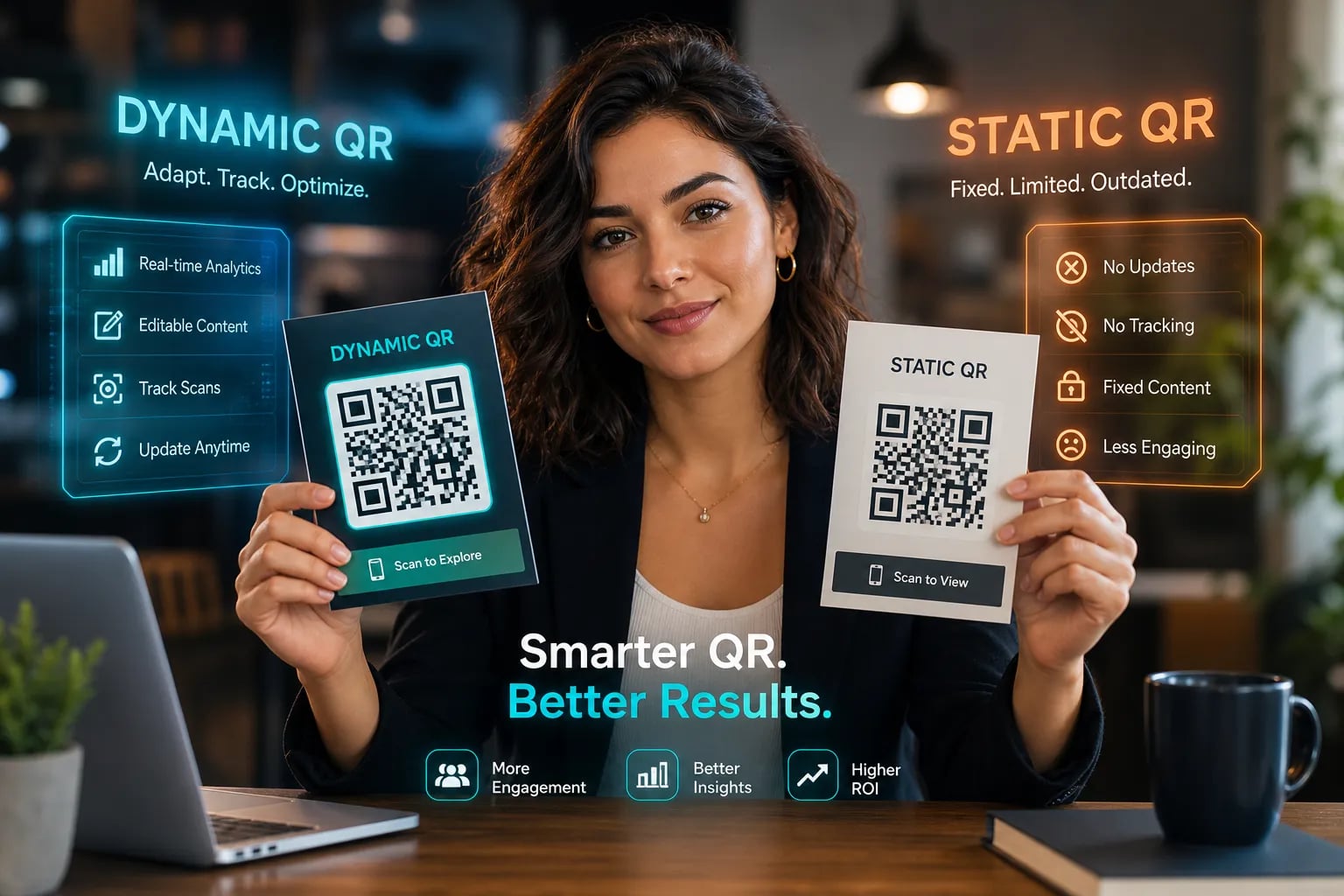
Unlike their static cousins, dynamic QR codes don’t directly embed your destination URL. Instead, they point to a redirect URL managed by the QR code platform. This might sound like an extra step, but it’s where the magic happens. Because the destination is managed remotely, you can change where the QR code leads without ever having to reprint it. This is a game-changer for marketing campaigns, signage, and any situation where information might need updating.
The Core Purpose of Dynamic QR Codes
At their heart, dynamic QR codes are about flexibility and insight. They allow you to:
- Update destinations on the fly: Change a website link, a phone number, or even an SMS message without reprinting physical materials. This is incredibly useful for things like event details, special offers, or property listings that might change.
- Track scan data: See how many people are scanning your code, when they’re scanning, and sometimes even where from. This data is invaluable for understanding campaign performance and user engagement.
- Maintain a consistent physical code: Your printed QR code remains the same, even as the linked content evolves. This means you can print in bulk and adapt your campaigns later, saving time and resources.
Key Differences in Dynamic QR Code Platforms
While the core function of dynamic QR codes is similar across platforms, the way they’re implemented and the features they offer can vary significantly. You’ll find differences in:
- Analytics depth: Some platforms offer basic scan counts, while others provide detailed breakdowns by location, device, and time.
- Customisation options: How much can you brand your QR code? Can you add logos, change colours, or use custom shapes?
- Editing and management tools: Is it easy to update your QR codes? How do you organise multiple codes?
- Integration capabilities: Can the platform connect with your existing CRM or marketing tools?
- Pricing structures: Free tiers, subscription costs, and limits on the number of active codes can differ greatly.
Understanding these distinctions is key to choosing the platform that best suits your needs, whether you’re a small business owner or managing large-scale campaigns. For businesses in the UK, looking at platforms with a strong focus on practical applications and clear data is often a good starting point. You can explore some of the best paid QR code generators here if you’re looking for advanced features.
Features and Functionality Showdown
When you’re looking at dynamic QR code platforms, it’s not just about how many scans you get. The features and how they work behind the scenes can make a big difference to your campaigns. Let’s break down what Xcan.it and Flowcode offer.
Customisation Options for Branding
Both platforms let you get creative with how your QR codes look. You can change shapes, colours, add your logo, and even include frames with text. This is great for making sure your QR codes fit in with your brand’s overall look. The goal is to make them recognisable and professional.
- Xcan.it: Focuses on making customisation straightforward, so you can quickly apply your branding without needing technical skills. They offer a good range of styling options to make your codes stand out.
- Flowcode: Also provides extensive customisation, often geared towards larger brands that want a very specific look and feel. Their options can be quite detailed, allowing for a high degree of brand alignment.
Editing and Updating Capabilities
This is where dynamic QR codes really shine. The ability to change where a QR code leads without having to print new ones is a huge advantage. Both Xcan.it and Flowcode offer this.
- Xcan.it: Built with print in mind, their “Print Now – Link Later” feature is a core part of their offering. You can print codes in bulk and then decide where they point later, or change them as needed. This is super handy for physical marketing materials.
- Flowcode: Allows for unlimited edits to your destination links. This flexibility means you can update promotions, website links, or contact information on the fly, which is useful for ongoing campaigns.
Data Capture and Analytics
Understanding who is scanning your QR codes and how they’re interacting with them is key to measuring success. This is a major differentiator between the two platforms.
- Xcan.it: Offers simpler, clear scan counters. You can see total and unique scans, which is perfect for basic tracking, especially for things like signage or local business promotions. It’s about giving you the essential numbers without overwhelming you.
- Flowcode: Positions itself strongly in advanced analytics. They focus on first-party data capture and offer features like “Smart Rules” that can direct scanners based on time, device, or other factors. If you’re looking to deeply measure campaign ROI and build audience data, Flowcode is built for that. They aim to connect QR scans directly to marketing analytics and owned audiences.
Here’s a quick look at how they stack up:
| Feature | Xcan.it | Flowcode |
|---|---|---|
| Customisation | Good range, easy to use | Extensive, detailed options |
| Editing Links | Unlimited, “Print Now – Link Later” focus | Unlimited |
| Basic Analytics | Yes (scan counts) | Yes |
| Advanced Analytics | Limited | Yes (device, time, geolocation, data capture, “Smart Rules”) |
| Data Capture | Basic | Advanced, first-party data focus |
| Ease of Use | Very intuitive | Can be more complex due to advanced features |
| Integrations | Developing | Stronger enterprise API focus |
| Target Audience | SMEs, local businesses, print-focused | Enterprise, marketing teams, data-driven campaigns |
When choosing, think about what you really need. If you want straightforward tracking and easy-to-use customisation for print, Xcan.it is a solid choice. If you’re an enterprise looking for deep insights, data capture, and complex campaign routing, Flowcode has more advanced tools for that. You can even start with Xcan.it’s free tier to test the waters before committing to a paid plan.
Performance Metrics: Which Delivers More Scans?
When you’re looking at dynamic QR code platforms, it’s easy to get lost in all the features. But at the end of the day, what really matters is how many people actually scan your codes and what you can learn from it. Let’s break down how Xcan.it and Flowcode stack up when it comes to performance.
Real-Time Analytics and Reporting
Both platforms offer ways to track scans, but they approach it a bit differently. Flowcode’s enterprise product really pushes its real-time analytics, focusing on data capture and features that let you route scanners based on different signals. If you’re all about measuring campaign ROI and building up your own audience lists from QR scans, Flowcode is definitely geared towards that.
Xcan.it, on the other hand, provides a live scan counter that shows both total and unique scans. This is designed for practical use, like on signage or property boards. It gives you a clear view of whether people are scanning your codes without overwhelming you with marketing jargon. They focus on giving you practical visibility into scan activity.
User Experience for Scanners
Ultimately, the success of a QR code depends on how easy it is for someone to scan it and what happens next. A good QR code reader app is key here. You want something that focuses quickly, works well in different lighting, and doesn’t ask for too many permissions. Most modern smartphones have this built into their camera app, which is usually the best option. If you do need a separate app, look for one that shows you where the link goes before you open it, and importantly, respects your privacy by not tracking your data unnecessarily. For businesses, this means the QR code itself needs to be reliable and lead to a smooth user journey. Both platforms aim to create codes that work well, but the actual user experience can depend on the destination you link to.
Reliability in Diverse Environments
QR codes can end up in all sorts of places, from a busy shop window to a dusty factory floor. How well do Xcan.it and Flowcode perform in these varied conditions? While both platforms generate standard QR codes, the reliability often comes down to the physical print quality and the environment. However, dynamic QR codes, like those from Xcan.it, offer a significant advantage: the “print now – link later” capability. This means you can print a code once and change its destination later. This is incredibly useful for things like property listings or retail displays where information might need updating without reprinting the physical code. This flexibility helps maintain reliability even when circumstances change. You can even use text QR codes for situations where connectivity might be an issue, ensuring the message is always readable. This flexibility is a big plus for long-term use.
Target Audience and Use Cases
Flowcode’s Enterprise Focus
Flowcode really seems to be aiming at larger businesses and organisations that need to keep a close eye on how their marketing campaigns are performing. Their platform, especially Flowcode 2, is built with features like real-time analytics and the ability to collect first-party data. This means if you’re a company that wants to understand exactly who is scanning your QR codes and what they do afterwards, Flowcode is definitely geared towards that. They focus on connecting those offline interactions, like scanning a poster, to digital outcomes, which is pretty handy for measuring return on investment.
Xcan.it’s Versatile Applications
Xcan.it, on the other hand, feels a bit more flexible. It’s presented as a platform that can help all sorts of businesses, from small operations to larger ones, bridge the gap between their printed materials and their online presence. They highlight being able to update QR codes even after they’ve been printed – a feature that’s useful whether you’re running a local shop or a national campaign. It seems like a good fit if you need dynamic QR codes that you can manage easily and update as needed, without having to reprint everything. You can even start with a free account to test things out, which is a nice touch for smaller businesses.
Bridging Print and Digital Campaigns
Both platforms are essentially about making your print materials work harder by connecting them to the digital world. Whether you’re using a QR code on a flyer, a poster, or even product packaging, the goal is to make that interaction count. Xcan.it talks about ‘Print Now, Link Later’, which is a great way to think about it – you can get your physical materials out there and then decide exactly where you want the QR code to send people, or change it if your offer evolves. This flexibility is key for making sure your campaigns stay relevant and effective over time, and it’s something that dedicated services like Xcan.it really focus on.
Pricing and Accessibility
When you’re looking at dynamic QR code platforms, the cost and how easy it is to get started are big factors. You want something that fits your budget and doesn’t require a degree in computer science to use. Let’s break down what Xcan.it and Flowcode offer.
Free Tier Offerings and Limitations
Both platforms offer a way to try before you buy, which is always a good sign. Xcan.it provides a ‘Free Forever’ plan that gives you 10 active dynamic QR codes. This is pretty generous, allowing you to test the waters with no time limit and no credit card needed. You get ad-free, watermark-free scans and basic analytics, which is great for getting a feel for how dynamic QR codes work in practice. It’s a solid way to see if the “print now – link later” feature suits your needs for things like signage or property boards.
Flowcode’s free offering is a bit different. While they do have a free tier, it’s often more focused on getting you to explore their paid features. It might offer a limited number of codes or features compared to Xcan.it’s more straightforward free plan. If you’re just starting out or have a small, one-off project, Xcan.it’s free tier seems to offer more immediate, usable functionality without pressure to upgrade.
Subscription Plans and Value
Moving onto the paid plans, this is where you’ll see the real differences in what you get for your money. Xcan.it offers a straightforward monthly plan at £29.95, with an annual option that provides better value over the year. These plans typically include unlimited dynamic QR codes, unlimited edits, and no per-scan fees. They focus on providing core functionality for businesses that rely on printed materials, like estate agents or retail businesses, where the ability to update links without reprinting is key. You get access to all features, including customisation and basic analytics, making it a good all-rounder for practical use cases.
Flowcode, on the other hand, often positions itself more towards enterprise-level solutions. Their pricing can be less transparent upfront, sometimes requiring you to contact sales for a quote, especially for their higher-tier plans. This suggests they are targeting larger organisations with more complex needs, potentially involving advanced analytics, first-party data capture, and custom integrations. While this might offer more power, it can also mean a higher cost and a more involved sales process, which might not be ideal for smaller businesses or individuals looking for a simple, cost-effective solution. For those needing advanced campaign ROI measurement, Flowcode is geared towards that enterprise focus.
Scalability for Teams and Businesses
When your needs grow, scalability becomes important. Xcan.it handles team growth with a simple ‘seat-based’ pricing model. Your monthly or annual plan includes a primary user, and you can add more users for an additional fee, either monthly or with a discount for an annual commitment. This makes it easy to expand access to your team as your projects scale up, while keeping management centralised. It’s designed to grow with you without becoming overly complicated.
Flowcode’s enterprise focus means their platform is built with scalability in mind, particularly for larger teams and complex organisational structures. Features like APIs and advanced user management are often part of their higher-tier packages. This is great if you’re a large corporation with specific integration requirements or a need for granular control over user permissions across many departments. However, for smaller teams or businesses just starting with dynamic QR codes, this level of complexity might be more than you need, and the associated costs could be higher than necessary. If you’re looking to integrate QR code management into existing systems, Flowcode’s API capabilities might be worth exploring.
Ease of Use and Integration
Intuitive Design for Non-Technical Users
When you’re looking at dynamic QR code platforms, it’s easy to get lost in all the technical jargon. But honestly, most of us just want something that works without needing a degree in computer science. Xcan.it really shines here. They’ve put a lot of thought into making their dashboard straightforward. You can create and manage your QR codes without feeling overwhelmed. It’s designed so that if you can use a basic website, you can probably use Xcan.it. They focus on getting you from creating a code to printing it, with minimal fuss. This means less time fiddling with settings and more time focusing on your actual campaign.
API and Enterprise Integrations
Now, if you’re running a larger operation or need your QR codes to talk to other systems, integration becomes a big deal. Flowcode tends to lean more towards enterprise-level integrations. They offer things like APIs that can connect with your existing marketing stacks, which is great if you’re already deep into tools like HubSpot or Salesforce. This allows for more complex automation and data syncing. Xcan.it, on the other hand, focuses its integrations on connecting with systems that are common in offline, real-world environments. Think about connecting to local authority data feeds or print provider integrations. It’s a different approach, geared more towards bridging the physical and digital worlds directly.
Onboarding and Support
Getting started with any new tool can be a bit of a hurdle. Both Xcan.it and Flowcode offer ways to help you get up and running. Xcan.it provides resources like video tutorials and a clear ‘how it works’ section, aiming to make the onboarding process smooth, especially for those who prefer a visual guide. They also offer email support. Flowcode, particularly with its enterprise focus, often provides more dedicated support channels, which can be beneficial for complex setups. However, for straightforward use, Xcan.it’s approach feels more accessible without needing a dedicated account manager right away. The key is finding a support system that matches your needs, whether that’s quick email responses or in-depth enterprise assistance.
| Feature | Xcan.it | Flowcode |
|---|---|---|
| Ease of Use | Highly intuitive, great for non-tech users | Can be more complex, enterprise-focused |
| Customisation | Full styling options | Extensive visual customisation |
| Editing | Unlimited, instant updates | Unlimited, instant updates |
| Analytics | Simple scan counter | Real-time, advanced (device, geo, etc.) |
| Integrations | Focus on offline/print workflows | Broad enterprise marketing stack integrations |
| Support | Email support, video tutorials | Dedicated enterprise support options |
Getting started with our QR code software is a breeze. We’ve designed it to be super simple, so you can get up and running without any fuss. Connecting it with your existing systems is just as straightforward. Why not see for yourself how easy it is? Visit our website today to learn more and sign up!
So, Which One Should You Choose?
Ultimately, the best QR code generator for you depends on what you need. If you’re all about tracking scans, gathering data, and really understanding your campaign’s impact, Flowcode seems to have a strong focus there, especially for businesses. On the other hand, if you’re looking for something straightforward, easy to use, and brilliant for print-based scenarios like signage or local business promotions, Xcan.it really shines. They both let you change where your QR code points after printing, which is super handy. Think about your main goal: is it deep analytics and audience building, or is it simple, reliable, and flexible print-to-digital bridging? Your answer will point you to the right tool.
Frequently Asked Questions
What exactly is a dynamic QR code?
Think of a dynamic QR code as a smart QR code. Unlike a regular one that’s fixed, a dynamic QR code lets you change where it sends people after you’ve printed it. You can update the link, text, or even the destination image whenever you want, without needing to create a new QR code. It’s like having a QR code that can be updated on the fly.
Can I see how many people scan my QR code?
Yes, you absolutely can! Both Xcan.it and Flowcode offer tracking. You can see how many times your QR code has been scanned. This helps you understand if your marketing efforts are working and where your audience is coming from. It’s a key benefit of using dynamic QR codes.
What’s the main difference between Xcan.it and Flowcode?
Flowcode often focuses on larger businesses and enterprises, offering advanced features for data collection and campaign analysis. Xcan.it, on the other hand, is known for being user-friendly, especially for print-focused use cases like signage and local businesses, with a strong emphasis on simple, real-time analytics and easy editing.
Can I design my QR codes to look unique?
Definitely! Both platforms allow you to customise the look of your QR codes. You can change colours, add your logo, and even alter the shape of the dots and eyes to match your brand. This makes your QR codes more visually appealing and recognisable.
Is there a free way to try these services?
Yes, both Xcan.it and Flowcode usually offer free plans or trials. Xcan.it, for example, has a ‘Free Forever’ plan that lets you create a certain number of dynamic QR codes without any cost. This is a great way to test out the features before you decide to pay for more advanced options.
Which one is better for small businesses or local campaigns?
For small businesses or local campaigns, Xcan.it might be a better fit due to its straightforward interface and focus on print-to-digital bridging. Its ‘print now, link later’ approach is very practical for things like posters, flyers, or shop windows where you might need to update information easily without reprinting everything.