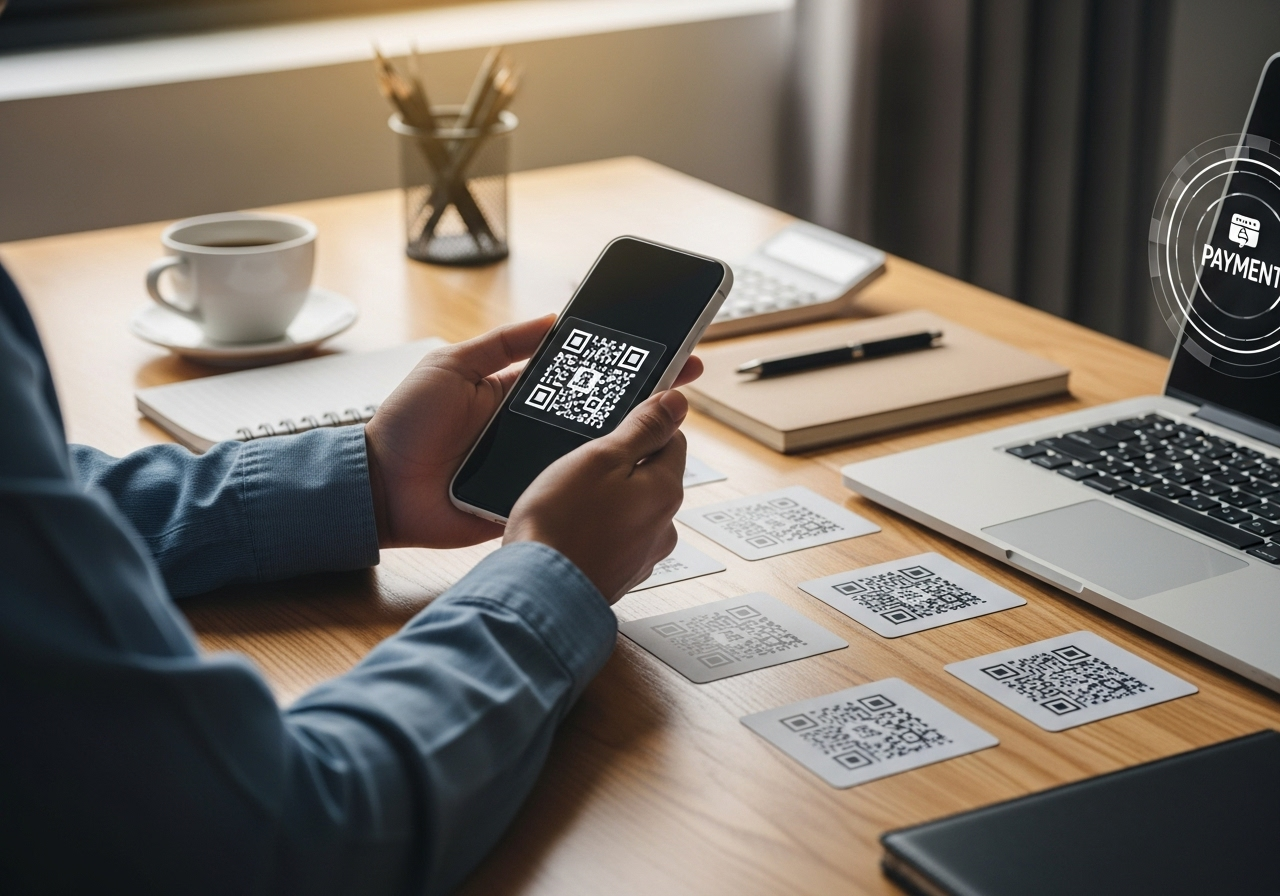
Right then, let’s talk about making QR codes. You know, those little square patterns you see everywhere now? Turns out, you don’t need to be a tech wizard to make them. Google actually has a pretty decent tool for it, and it’s dead simple to use. We’re going to walk through how you can whip up your own QR codes, make them look good, and get them out there without any fuss. Focus keyword: qr generator google.
Key Takeaways
- You can create and customise QR codes easily using a free online tool.
- Personalise your QR codes by adding logos, changing colours, and adjusting shapes.
- Download your finished QR codes in various formats like PNG, PDF, and SVG.
- QR codes can link to websites, documents, videos, and more.
- The Google QR generator is straightforward, requires no sign-up, and offers customisation options.
Effortless QR Code Creation With Google
Your Free QR Generator
Creating QR codes used to feel like a bit of a chore, right? Well, not anymore. With this straightforward tool, you can whip up a professional-looking QR code in minutes, no tech wizardry required. It’s all about making things simple so you can get on with what matters. Whether you’re linking to your website, a special offer, or even a Google Form for quick feedback, generating a code is as easy as pie. You can even add your logo and brand colours to make it uniquely yours.
Design Your Code Your Way
This isn’t just about making a functional code; it’s about making one that looks good too. You’ve got a whole palette of colours to play with, different shapes for the dots and eyes, and even the option to add a frame with text. It’s a fantastic way to make your QR codes stand out and match your brand perfectly. Think about how this can tie into your overall Instagram strategy – a consistent visual identity across all your marketing materials really makes a difference.
Download and Share Instantly
Once you’re happy with your design, downloading is a breeze. You can grab your QR code in various formats like PNG, PDF, or SVG, ready to be used anywhere. Pop it on your business cards, flyers, posters, or even your website. The best part? You can start using it straight away. No waiting, no complicated steps, just pure, simple QR code creation.
Customise Your QR Codes With Ease
Adding Your Logo
Making your QR code stand out is simple. You can upload your own logo and place it right in the centre of the code. This makes it instantly recognisable and ties it into your brand.
Choosing Colours and Shapes
Don’t settle for the standard black and white. You can pick colours that match your brand’s palette, or even use gradients for a bit of flair. The shapes of the QR code’s ‘eyes’ and the dots themselves can also be changed to give it a unique look.
Incorporating Frames and Text
Want to add a bit more context? You can add a frame around your QR code. This frame can even have text on any side – top, bottom, left, or right. You can choose the font and colour for this text too, making sure it fits perfectly with your design.
The Power of Dynamic QR Codes
This is where things get really smart. With dynamic QR codes, you’re not locked into a single link. If your website address changes, or you want to direct people to a new promotion, you can update the link without needing to create and print a whole new QR code. This is a game-changer for campaigns across print, signage, and any physical assets. You can even track how many people are scanning your codes from a central dashboard, giving you real insights into what’s working. It’s a flexible way to manage your real-world marketing efforts and improve campaigns.
Dynamic QR codes offer a level of flexibility that static codes just can’t match. The ability to update links on the fly means your marketing materials stay relevant, and tracking scans provides valuable data for future campaigns.
Understanding QR Code Functionality
QR codes are more than just a jumble of black and white squares; they’re a powerful tool for connecting the physical world to digital information. At their core, these two-dimensional barcodes store data both horizontally and vertically, allowing them to hold a surprising amount of information compared to older barcode types [5c45]. When you scan a QR code, you’re essentially asking a digital device to read and interpret that stored data [3de8].
Linking to Websites and Content
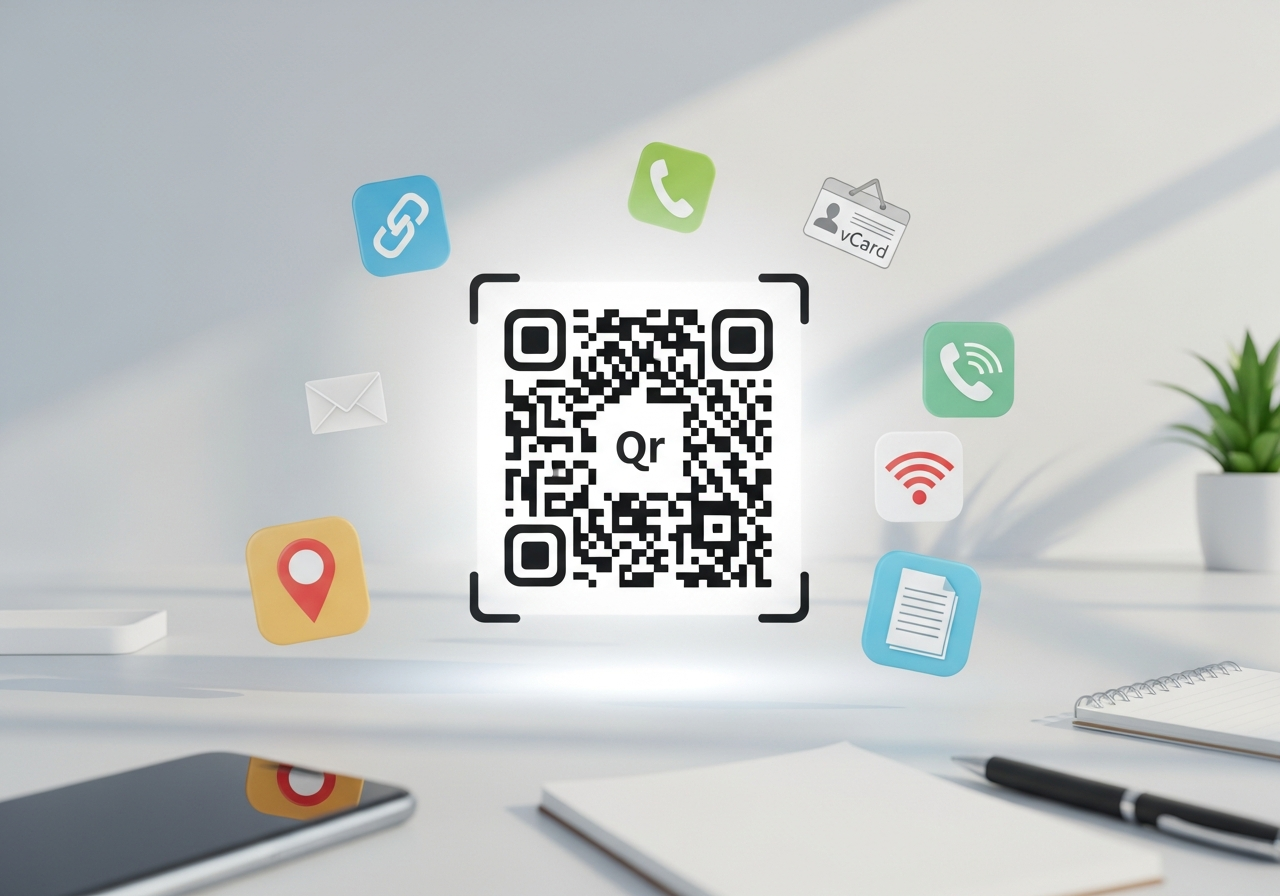
The most common use for QR codes is linking to websites. You’ve probably seen them on posters, business cards, or product packaging. Scan one, and your phone’s camera or a dedicated app will take you straight to a specific URL [4cd3]. But it’s not just websites; QR codes can link to videos, PDF documents, contact information, Wi-Fi network details, and much more. They act as a quick bridge, making it easy for people to access whatever content you want to share without typing out long web addresses.
The Power of Dynamic QR Codes
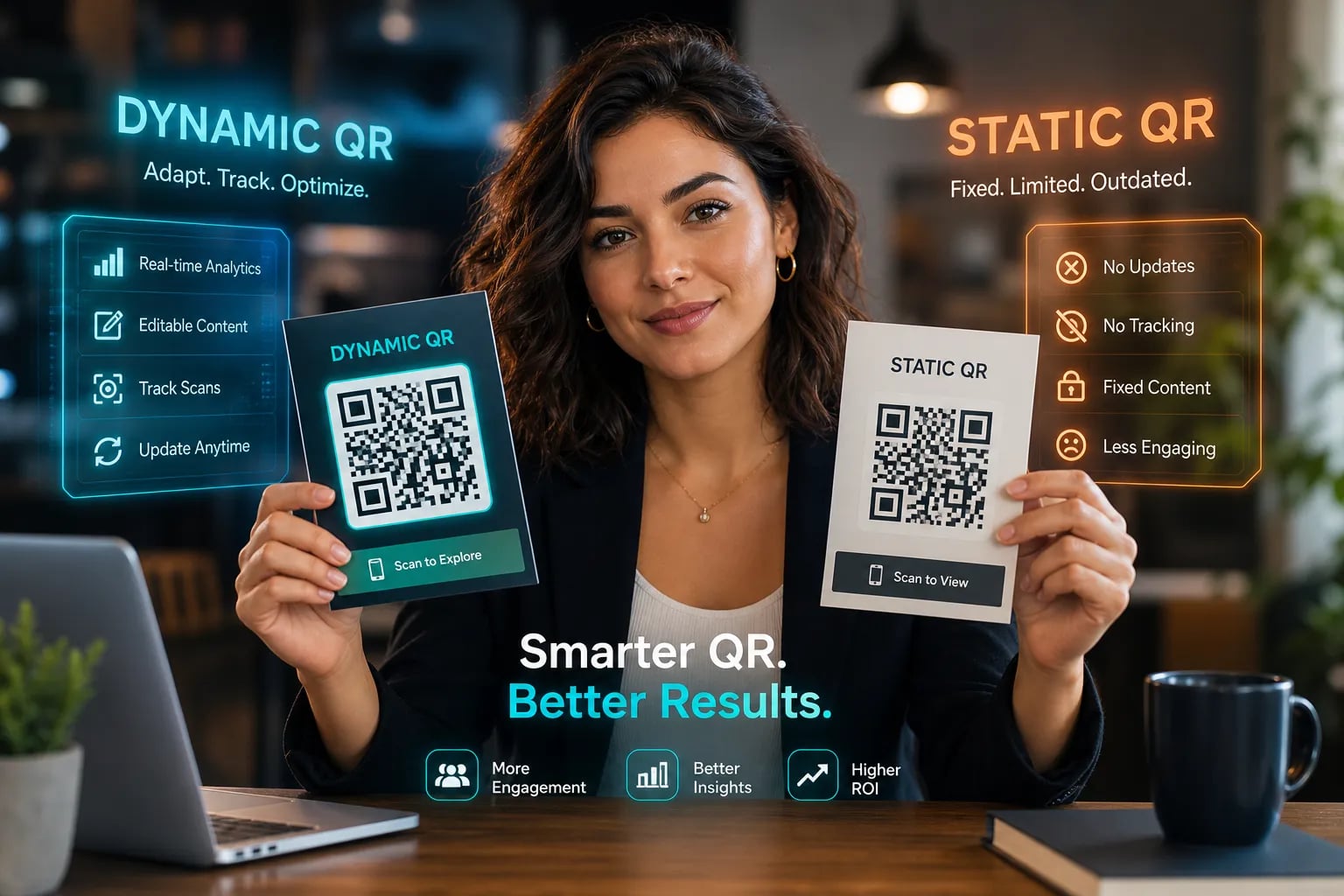
While static QR codes are great for fixed information, dynamic QR codes offer a whole new level of flexibility. The real magic here is that you can change the destination link after the QR code has been printed [5588]. Imagine you’ve printed flyers with a QR code linking to a specific product page. If that product goes out of stock or you want to promote something else, you don’t need to reprint all your flyers. With a dynamic QR code, you can simply update the link in your dashboard, and the existing code will now point to the new destination. This is a game-changer for marketing campaigns and any situation where information might change.
Updating Links Without Reprinting
This ability to update links is where tools like Xcan.it really shine. You can create a QR code, print it on your marketing materials, and then, if your website address changes or you want to direct people to a new landing page, you can do it all from your Xcan.it dashboard without ever needing to print a new QR code. This saves time, money, and hassle, especially for large print runs or widely distributed materials. Plus, dynamic QR codes often come with scan tracking, so you can see how many people are engaging with your codes, where they’re scanning from, and what devices they’re using. This data can be incredibly useful for understanding campaign performance and refining your strategy [069c].
Here’s a quick look at the benefits:
- Editability: Change destination URLs anytime.
- Tracking: Monitor scan counts and user behaviour.
- Efficiency: Avoid reprinting costs and delays.
- Flexibility: Adapt campaigns on the fly.
Using dynamic QR codes means your print materials can stay relevant for longer, adapting to your business needs without requiring costly reprints. It’s a smart way to keep your real-world campaigns fresh and effective across print, signage, and various assets.
Practical Applications for Your QR Codes
QR codes are incredibly versatile and can be used in so many ways to connect the physical world with digital information. Think about how they can streamline everyday tasks, like accessing menus in restaurants or speeding up event check-ins. They’re not just for websites anymore; they’re becoming a standard tool for businesses and individuals alike.
Business Cards and Marketing Materials
This is probably the most common use you’ll see. Instead of just listing a website, you can have a QR code on your business card that links directly to your online portfolio, a contact form, or even a vCard that people can save straight to their phone. For flyers and posters, a QR code can offer more depth – perhaps a link to a video explaining your service, a special offer, or a map to your event location. It’s a simple way to give people more information without cluttering your design.
Packaging and Product Information
Imagine a product on a shelf. A QR code on its packaging could link to detailed usage instructions, ingredient lists, customer reviews, or even a warranty registration page. This is especially useful for items where space on the packaging is limited. For example, food products could link to recipes, or electronics could link to setup guides and troubleshooting videos. This adds a layer of convenience for the customer and can reduce the need for printed manuals.
Signage and Public Displays
QR codes are fantastic for public spaces. Think about signs in a museum linking to more information about an exhibit, or codes on bus stop signs providing real-time arrival information. For businesses, a QR code on a shop window could link to your online store or current promotions. The real game-changer here is the ability to update the link without reprinting the sign. With dynamic QR codes, you can change where the code points to at any time. This means if a promotion ends or a website address changes, you don’t need to replace all your physical signage. You can also track how many people are scanning these codes, giving you insights into which signs are most effective. This makes your campaigns much more adaptable and measurable.
Ensuring Scanability and Reliability
Making sure your QR code works every time is pretty important, right? It’s not just about how it looks, but how well it plays with different scanners and environments. A few simple things can make a big difference.
Optimising Size and Distance
Think about where your QR code will be. If it’s on a poster across a room, it needs to be bigger than one on a business card. A good rule of thumb is the ’10x rule’: the distance someone will be from the code should be about 10 times the width of the code itself. So, if it’s a metre away, aim for about 10cm wide. This helps cameras focus properly.
Maintaining High Contrast
Contrast is king for QR codes. The classic black-on-white is usually the most reliable because it’s easy for scanners to distinguish the dark and light modules. Avoid using light colours on dark backgrounds, or busy patterns. If you’re adding a logo, make sure it doesn’t interfere with the contrast too much. A matte finish for printing also helps cut down on glare, which can be a real scanner-killer.
Understanding Error Correction
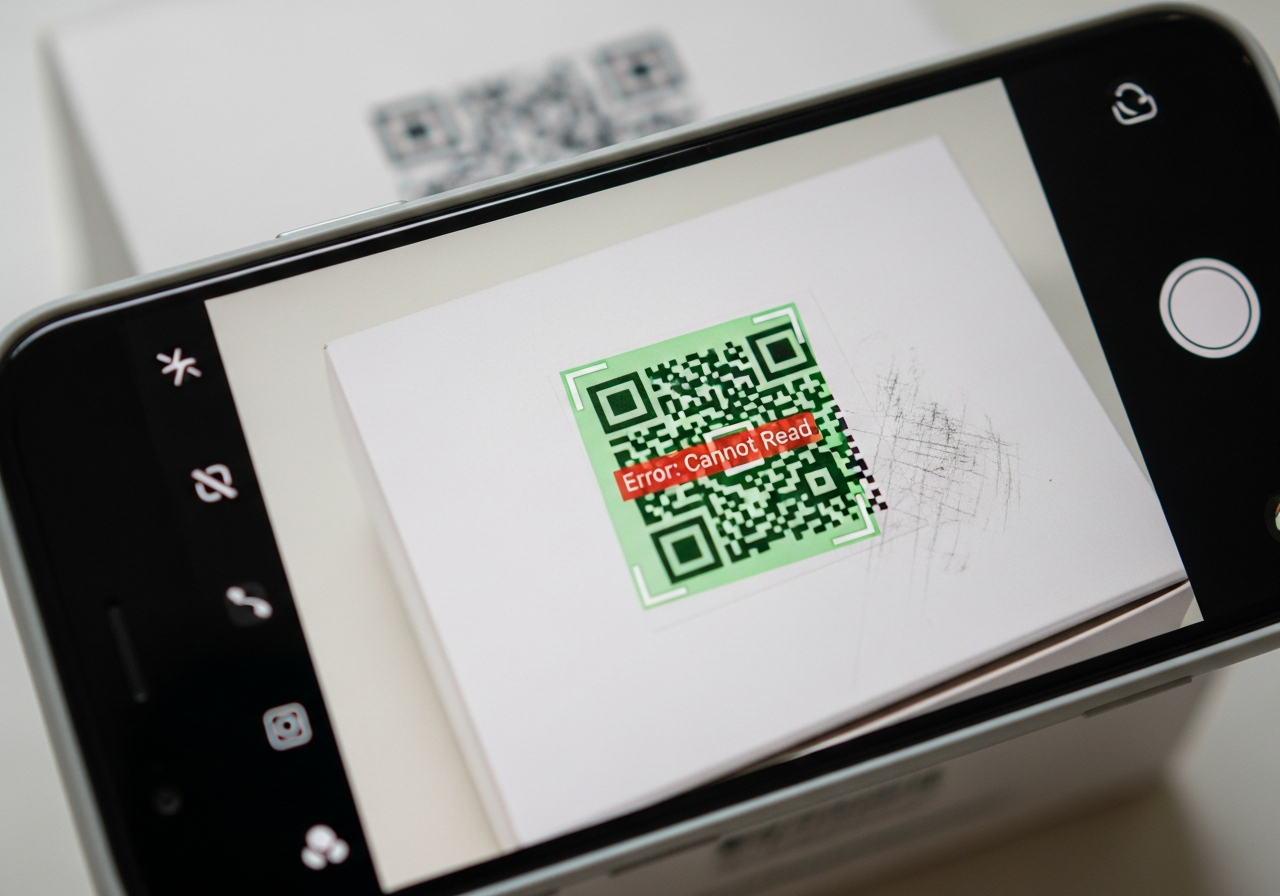
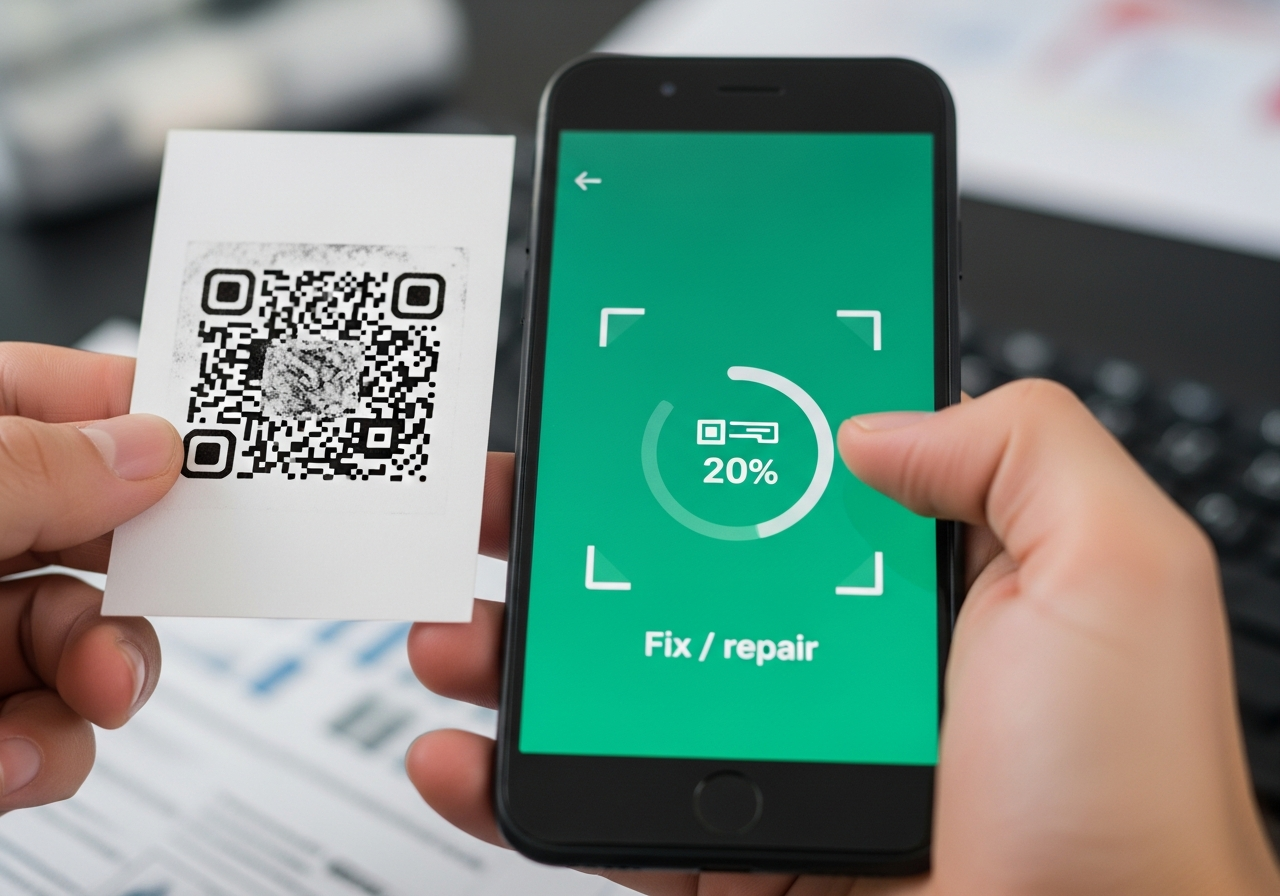
QR codes have a built-in feature called error correction. This means they can still be scanned even if a small part of them is damaged or obscured, like by a logo. There are different levels of error correction, and choosing a higher level can make your code more robust, especially if you’re adding custom elements. It’s a bit like having a safety net for your code.
For dynamic QR codes, platforms like Xcan.it offer the ability to update the destination link without needing to reprint the code. This is a game-changer for campaigns where information might change, saving time and resources. Plus, you can track scan performance in a single dashboard, giving you real-world insights into how your print, signage, and assets are performing.
Here are some key points to keep in mind:
- Contrast is key: Aim for dark modules on a light background. Black on white is best.
- Quiet Zone: Always leave a clear border around your QR code. This ‘quiet zone’ helps scanners identify the code.
- Size Matters: Match the code’s size to the expected scanning distance.
- Dynamic Codes: Consider using dynamic QR codes, which allow you to update links later and track scans. This is where tools like Xcan.it really shine, offering flexibility for your campaigns.
- Test, Test, Test: Always test your QR code with different devices and apps before you print it widely. Use your phone’s native camera app first, as most modern phones can scan directly without an app. Shortening your URLs can also help reduce data density and improve scan times.
Why Choose This QR Generator
When you’re looking for a straightforward way to create QR codes, this generator really stands out. It’s built with simplicity in mind, meaning you don’t need any fancy tech skills to get started. You can design, customise, and download your codes in just a few clicks, making it super accessible for everyone.
Simple, No-Code Tools
Forget about complicated software or needing to be a design whiz. This tool is all about making things easy. You pick what you want your QR code to do, style it up a bit, and then download it. It’s that simple. This means you can spend less time fiddling with settings and more time using your QR codes in the real world.
Full Customisation Options
While it’s easy to use, that doesn’t mean you’re limited. You get a lot of freedom to make your QR codes look exactly how you want them. You can change colours, shapes, add your logo, and even include text in a frame around the code. This level of detail helps your QR codes look professional and match your brand perfectly. For businesses needing to tailor codes for specific uses, like individual product SKUs, the flexibility is a big plus [a1d9].
Free to Use, No Sign-Up Required
One of the best things is that it’s completely free and you don’t even need to sign up. Just jump on, create your code, download it, and start using it. This makes it ideal for quick projects or if you’re just testing the waters with QR codes. Plus, unlike some other options, you get an ad-free experience [317d].
The Power of Dynamic QR Codes
What really sets this generator apart is its support for dynamic QR codes. This is a game-changer for any campaign. With dynamic codes, you can actually change the destination link after the QR code has been printed. So, if your website address changes or you want to update a promotion, you don’t need to print new codes. You just update the link in your dashboard. This flexibility is incredibly useful for print materials, signage, and any physical assets where reprinting is a hassle. You can also track scan data from a central dashboard, giving you insights into how your campaigns are performing [99d9]. This makes your real-world marketing efforts much more effective and adaptable.
Looking for a top-notch QR code generator? You’ve found it! We make creating and managing your QR codes super simple, so you can connect with your audience in a flash. Ready to see how easy it is? Visit our website today to get started!
All Set to Go
So there you have it. Creating your own QR codes is pretty straightforward now, isn’t it? You can make them look good, add your own touches, and get them out there without much fuss. Whether it’s for a quick flyer or something more permanent, the Google QR Generator gives you a simple way to get started. Give it a go and see how easy it is to connect your physical world to the digital one.
Frequently Asked Questions
Can I create QR codes for free?
Yes, you absolutely can! It’s completely free to make and design your QR codes. You don’t need to pay anything or even sign up to start creating them.
Can I add my own logo to the QR code?
Definitely! You can easily upload your logo and place it right in the middle of your QR code. This helps make your code look unique and match your brand.
What happens if I need to change where the QR code links to?
No worries at all. If you need to change the website or content your QR code points to, you can do that easily. You don’t have to print new codes, which saves time and hassle.
Will my QR code still work if it gets a bit damaged?
Yes, it should! The generator uses something called ‘error correction’. This means that even if the code gets a little scratched or dirty, it’s still likely to be scanned correctly.
Can I put text around my QR code?
You sure can! You can add a frame around your QR code and put text on any side of it. You can even pick the font and colour for this text to make it look just right.
Do I need a special app to scan these QR codes?
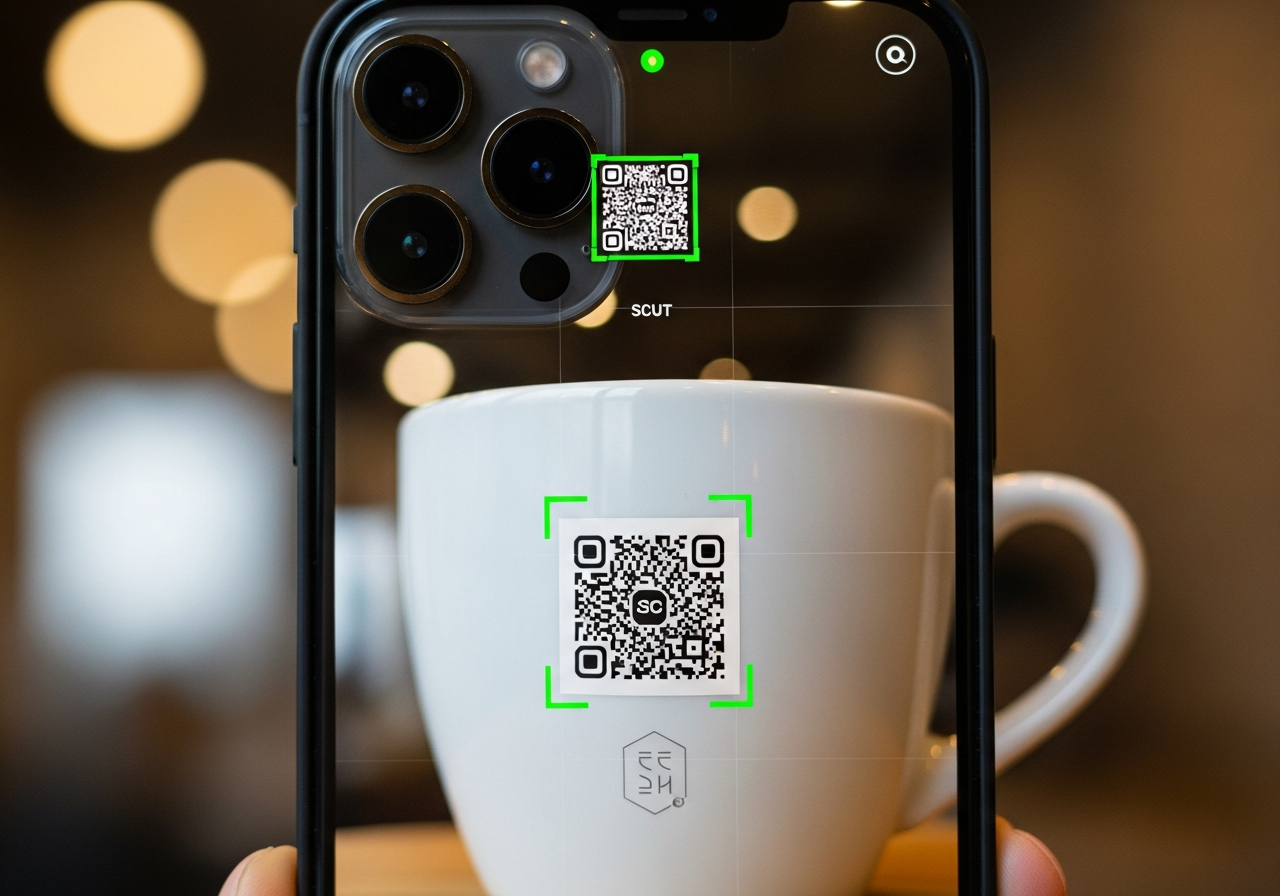
Usually, you don’t need a separate app. Most modern phones, like iPhones and many Android phones, can scan QR codes straight from their camera app. Just point your camera at it!