Right then, 2026 is here, and if you’re still faffing about with QR codes, you’ll want to know which app is going to make your life easier. We’re not talking about those clunky ones that take ages to load or bombard you with ads. Nope, we want speed, security, and something that just works. Whether it’s for a quick menu scan at a cafe or something more serious for your business, having the right qr scanner app on your phone is surprisingly important. Let’s have a look at what makes a good one.
Key Takeaways
- Most modern smartphones have a built-in QR scanner in the camera app, so try that first.
- If you need an app, look for one that’s fast, doesn’t show ads, and respects your privacy.
- Make sure your chosen qr scanner app can read different types of codes, not just standard QR.
- It’s handy if the app can preview links before you open them, just to be safe.
- Good performance in low light and quick focus means fewer scan failures, especially with smaller codes.
1. Built-In Camera Scanner
Most modern smartphones come with a built-in QR scanner right in the camera app. This means you don’t need to download anything extra to start scanning. Just open your camera, point it at the QR code, and your phone should recognise it, usually showing a notification or a banner at the top of the screen. Tapping this banner will take you straight to the linked content, whether it’s a website, contact details, or Wi-Fi login. It’s a quick and straightforward way to access information, and it’s generally quite safe because your phone typically shows you the URL before opening it, giving you a chance to back out if it looks suspicious. This native functionality is a great starting point for most users scan QR codes directly.
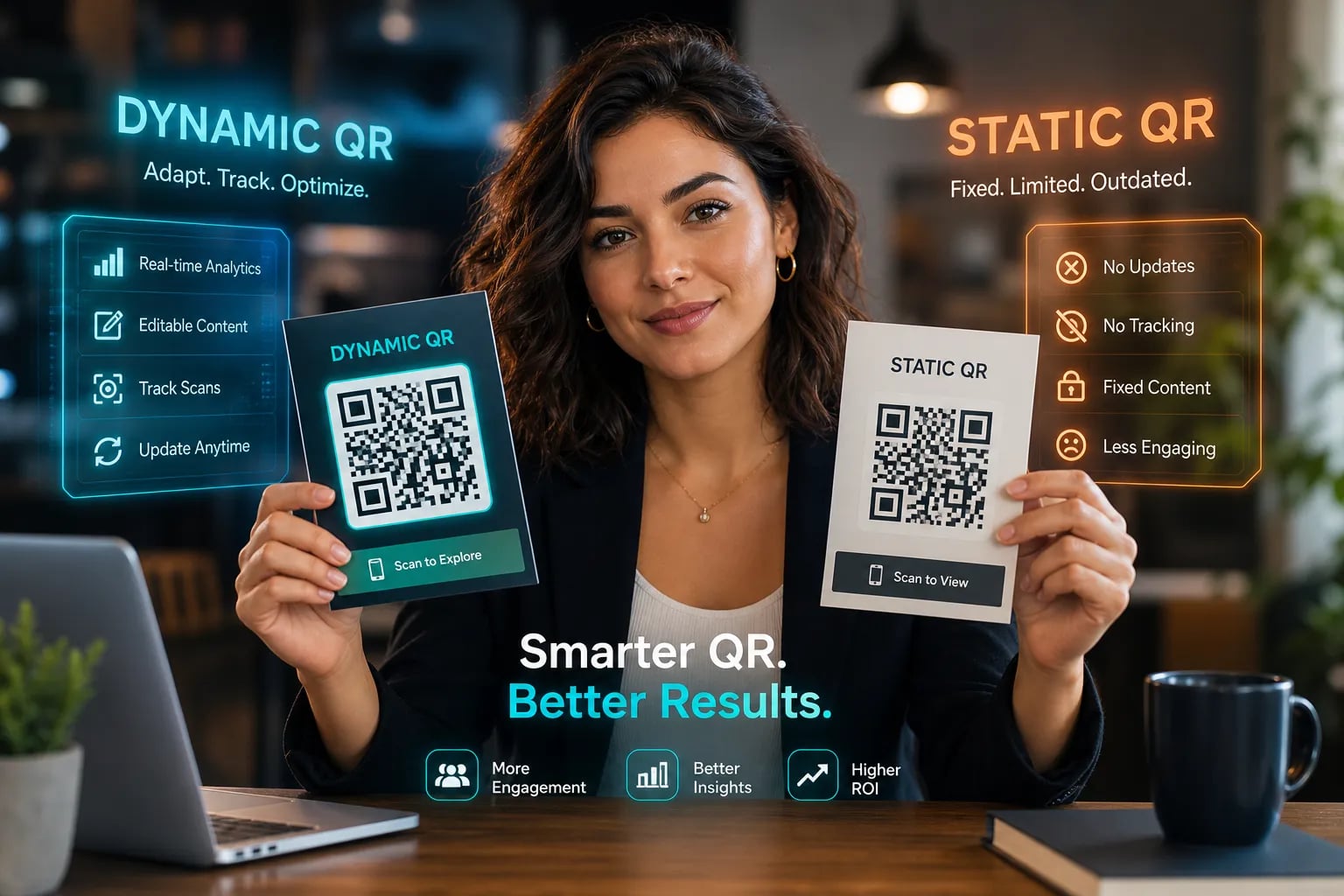
For those looking to do more than just scan, services like Xcan.it offer advanced features. Imagine printing a poster with a QR code, only to find the link needs updating. With Xcan.it, you can actually update the QR code’s destination link without having to reprint anything. This is a game-changer for marketing campaigns or any printed material where information might change. Plus, they provide a dashboard where you can track how many times your QR codes have been scanned, giving you insights into campaign performance. They also offer dynamic QR codes, which are incredibly useful for improving real-world campaigns across print, signage, and even on physical assets. It’s about making those everyday interactions with QR codes more dynamic and measurable dynamic QR codes.
2. QR Code Reader Apps
While your phone’s built-in camera is often the first port of call for scanning QR codes, sometimes you might need a bit more. Dedicated QR code reader apps can offer extra features and support for different types of codes that your native camera might not handle.
These apps can be really handy, especially if you’re dealing with a variety of codes or need more control over your scanning experience. Think about needing to scan Data Matrix or PDF417 codes, which are common on things like tickets or packaging. A good app will handle these with ease, whereas your standard camera might just draw a blank.
One of the standout options in this space is Xcan.it. What’s really neat about it is that it lets you update QR code links without having to reprint anything. This is a game-changer for marketing campaigns or any situation where information might change. You can also track scans directly from a dashboard, giving you insights into how your QR codes are performing in the real world. Plus, their dynamic QR codes are brilliant for improving campaigns across print, signage, and even on physical assets. It’s about making those real-world interactions more dynamic and measurable.
When choosing an app, keep these points in mind:
- Speed and Accuracy: How quickly does it focus and recognise codes, especially in tricky lighting?
- Privacy: Does it bombard you with ads or seem to collect more data than it needs?
- Format Support: Does it handle more than just standard QR codes?
- Extra Features: Does it offer URL previews, safety checks, or offline scanning capabilities?
Choosing a dedicated app means you’re often getting a more specialised tool. It’s worth exploring a few to see which one best fits your needs, especially if you’re using QR codes for business or marketing purposes where tracking and flexibility are key. A solid app can really make a difference in how effectively you use this technology. Try Xcan.it now for a taste of what advanced QR scanning can do.
3. Speed And Performance
When you’re using a QR scanner, speed is obviously a big deal. Nobody wants to be standing around waiting for their phone to figure out what a little square code is trying to tell it. Most modern phones have this built right into their camera apps now, which is pretty handy and usually quite fast. If you’re using a dedicated app, you’ll want one that focuses quickly, even if the lighting isn’t perfect.
For businesses, though, speed and performance go a bit deeper. It’s not just about how fast the app scans, but how the QR code itself performs in the real world. This is where dynamic QR codes really shine. Tools like Xcan.it let you update the link behind a QR code without having to reprint anything. Imagine you’ve got posters all over town with a QR code pointing to a sale, but the sale ends. With a dynamic code, you just hop into your dashboard and change the link to the new offer. No need to pull down old posters and put up new ones – a huge time and cost saver.
Plus, these dynamic systems give you a dashboard to track scans. You can see how many people are scanning your codes, where they’re scanning them from, and even when. This kind of data is gold for understanding how effective your print campaigns are. You can see if that advert in the local paper is actually getting scanned, or if the QR code on your product packaging is driving traffic to your website. It really helps you improve your real-world campaigns across print, signage, and all sorts of assets.
By 2026, we expect analytics for QR codes to be much more detailed. It won’t just be about how many scans you get, but understanding who scanned it, when, and where. This level of insight is key for making marketing work better.
So, while a quick scan is great for the user, the real performance gains for businesses come from the flexibility and insights offered by dynamic QR codes and robust tracking platforms like Xcan.it.
4. Privacy And Security
When you’re using a QR scanner, it’s really important to think about your privacy and security. Not all apps are created equal, and some might collect more data than you’re comfortable with. It’s always a good idea to check the app’s permissions and read its privacy policy. Look for apps that are upfront about how they handle your information.
The best scanners will show you where a link is going before you actually open it. This little preview is a lifesaver, giving you a chance to spot dodgy URLs that might be trying to trick you. Some apps even have built-in safety checks to flag suspicious links, which is a nice bit of extra protection.
For businesses looking to use QR codes in their campaigns, services like Xcan.it offer a way to manage this more effectively. They allow you to update QR code links without needing to reprint everything, which is a huge time-saver. Plus, you can track scans from a single dashboard, giving you insights into how your campaigns are performing. Using dynamic QR codes means you can adapt your real-world marketing across print, signage, and other assets on the fly, making your campaigns more responsive and secure.
Here’s what to keep in mind:
- URL Preview: Always look for an app that shows you the destination URL before opening it. This is your first line of defence against phishing or malware sites.
- Permissions: Be wary of apps that ask for excessive permissions, like access to your contacts or location, when it’s not necessary for scanning.
- Ad-Free: Apps loaded with ads can sometimes be a sign that they’re collecting data or slowing down your experience. Opting for an ad-free scanner is often a safer bet.
- Data Handling: Understand how the app collects and shares your data. Data privacy and security practices can vary, so choose wisely.
It’s worth remembering that even with the best app, a bit of common sense goes a long way. Always take a moment to look at the QR code itself before you scan it. Does it look like it’s been tampered with, or is it placed somewhere unexpected? A quick visual check can prevent a lot of potential trouble.
5. Multi-Format Support
While QR codes are everywhere, they aren’t the only type of scannable code out there. You’ll find barcodes on products, Data Matrix codes on electronics, and PDF417 codes on things like driving licenses and boarding passes. A good scanner app shouldn’t limit you to just QR codes. The best apps can handle a variety of formats, ensuring you can scan almost anything you encounter.
This broad support is particularly useful for businesses. For instance, if you’re managing inventory, tickets, or logistics, you’ll likely come across different barcode types. Having a single app that can read QR, Code 128, Data Matrix, and PDF417 means fewer missed scans and less hassle. It simplifies operations across the board, from retail environments to shipping centres.
For those looking to go beyond simple link sharing, services like Xcan.it offer a significant advantage. They allow you to create dynamic QR codes, which means you can update the destination link without having to reprint the code itself. This is a game-changer for marketing campaigns, signage, or any printed material where changing a link would otherwise be a costly and time-consuming process. Plus, with Xcan.it, you can track scans in a central dashboard and use these dynamic codes to really boost the effectiveness of your real-world campaigns across print, signage, and all sorts of assets. It’s about making your codes work harder for you, adapting to your needs on the fly and providing valuable insights into how they’re being used. This flexibility and insight are what truly set advanced QR solutions apart.
6. Offline Decoding
It’s a bit of a myth that you need an internet connection to scan a QR code. Most scanners, including the built-in ones on your phone, can decode the information stored in a QR code without being online. This means you can scan a code even if you’re in a place with no signal, like on a plane or deep underground. The actual scanning and decoding happen right there on your device. You’ll only need data when you tap on the decoded link to visit a website or open a file.
This offline capability is super handy, but it’s also where some advanced features come into play. For businesses, especially, being able to update the destination of a QR code without having to reprint it is a game-changer. Services like Xcan.it allow you to use dynamic QR codes. This means if a link changes, you can simply update it in your dashboard, and all your existing QR codes will point to the new location. No more reprinting flyers or signage!
Think about it: you’ve got posters up all over town, and the event details change. With dynamic QR codes, you just log in, change the URL, and you’re done. Plus, Xcan.it lets you track how many times your QR codes are scanned, giving you a clear picture of what’s working in your campaigns across print, signage, and other physical assets. It’s a smart way to keep your marketing flexible and measure its impact.
7. URL Preview And Safety Checks
When you scan a QR code, the most important thing is knowing where it’s going to send you. A good scanner app will show you the destination URL before it actually opens anything. This gives you a chance to check if it looks legitimate. Some apps even have built-in safety features to flag suspicious links, which is a really handy extra layer of protection.
It’s always a good idea to look at the QR code itself before you scan it. Does it look like it’s been tampered with? Is it placed somewhere unexpected? While most modern smartphones have built-in scanners in their camera apps, which are generally safe, if you opt for a separate app, prioritise those that offer URL previews for safety. This is a simple but effective way to avoid accidentally landing on a dodgy website.
For businesses looking to use QR codes in their campaigns, services like Xcan.it offer significant advantages. They allow you to update QR code links without needing to reprint anything, which is a huge time-saver and cost-reducer. You can also track scans directly from a dashboard, giving you insights into how your campaigns are performing. Using dynamic QR codes means you can improve your real-world campaigns across print, signage, and other assets by keeping the links live and measurable, even after they’ve been printed. This flexibility is key for effective marketing today.
8. Ad-Free Experience
Nobody likes being bombarded with ads when they’re just trying to scan a QR code. It’s distracting, and frankly, a bit annoying. While many free QR scanner apps are out there, a lot of them come with intrusive advertising. This can really slow down the process and, sometimes, even compromise your privacy by tracking your activity.
The best QR scanner apps offer a clean, ad-free experience. This means you can scan codes quickly without any interruptions. It’s not just about avoiding pop-ups, though. A truly good scanner respects your privacy and doesn’t clutter your device with unnecessary ads or data collection.
For those looking to go beyond simple scanning, services like Xcan.it offer a way to manage your QR codes effectively. With Xcan.it, you can update the links on your QR codes even after they’ve been printed, which is a game-changer for marketing campaigns. Imagine sending out flyers and then realising a link needs updating – no need to reprint everything! You can also track how many times your codes are scanned through a simple dashboard. This is particularly useful for businesses wanting to see how their print campaigns are performing in the real world, whether on posters, signage, or product packaging. They also provide dynamic QR codes, which are super handy for making these real-world campaigns more effective and adaptable.
9. Low-Light Performance
Sometimes you just need to scan a QR code when the lights are down, right? Maybe it’s a dimly lit restaurant menu, a concert ticket stub in a dark venue, or even just a quick scan in your bedroom late at night. When the lighting isn’t ideal, your phone’s camera can really struggle. Older phones, in particular, might have cameras that produce a lot of ‘noise’ in low light, making it hard for the scanner to pick up the code clearly. Autofocus can also become sluggish, leading to frustrating wobbles and failed scans.
This is where a good QR scanner app makes a real difference. Apps designed with low-light performance in mind often have better image processing to cut through the gloom. They might also feature a ‘low-light boost’ or improved autofocus algorithms that lock onto the code faster and more reliably, even when it’s a bit blurry or dim. For instance, some scanners can achieve up to 5x faster scanning, even in these tricky conditions [052b].
It’s not just about the app, though. The quality of the QR code itself plays a part. Dynamic QR codes, which allow you to update the linked content without reprinting the code, can be generated with larger modules (the little squares). This makes them inherently easier for scanners to read, especially in less-than-perfect lighting. Platforms like Xcan.it allow you to manage these dynamic QR codes, giving you the flexibility to update links and track scan performance from a single dashboard. This is super handy for improving real-world campaigns across print and signage, ensuring your codes work reliably no matter the environment.
When scanning in low light, remember that a clean, high-contrast QR code with a decent ‘quiet zone’ (the clear space around it) will always perform better. Even the best app can struggle with a poorly designed or damaged code.
Here’s a quick rundown of what helps:
- Better camera sensors: Newer phones generally have cameras that perform better in low light.
- Advanced app algorithms: Software that can intelligently process noisy images and focus quickly.
- Dynamic QR codes: These can be designed with larger, more readable modules.
- High error correction: This allows the code to be read even if parts are obscured or damaged, which can happen in low light or with slight blur.
Ultimately, while your phone’s built-in camera is often good enough, a dedicated app can provide that extra edge when you’re trying to scan a code in a challenging environment. Look for apps that specifically mention low-light performance and fast autofocus [4502].
10. Error Correction Levels
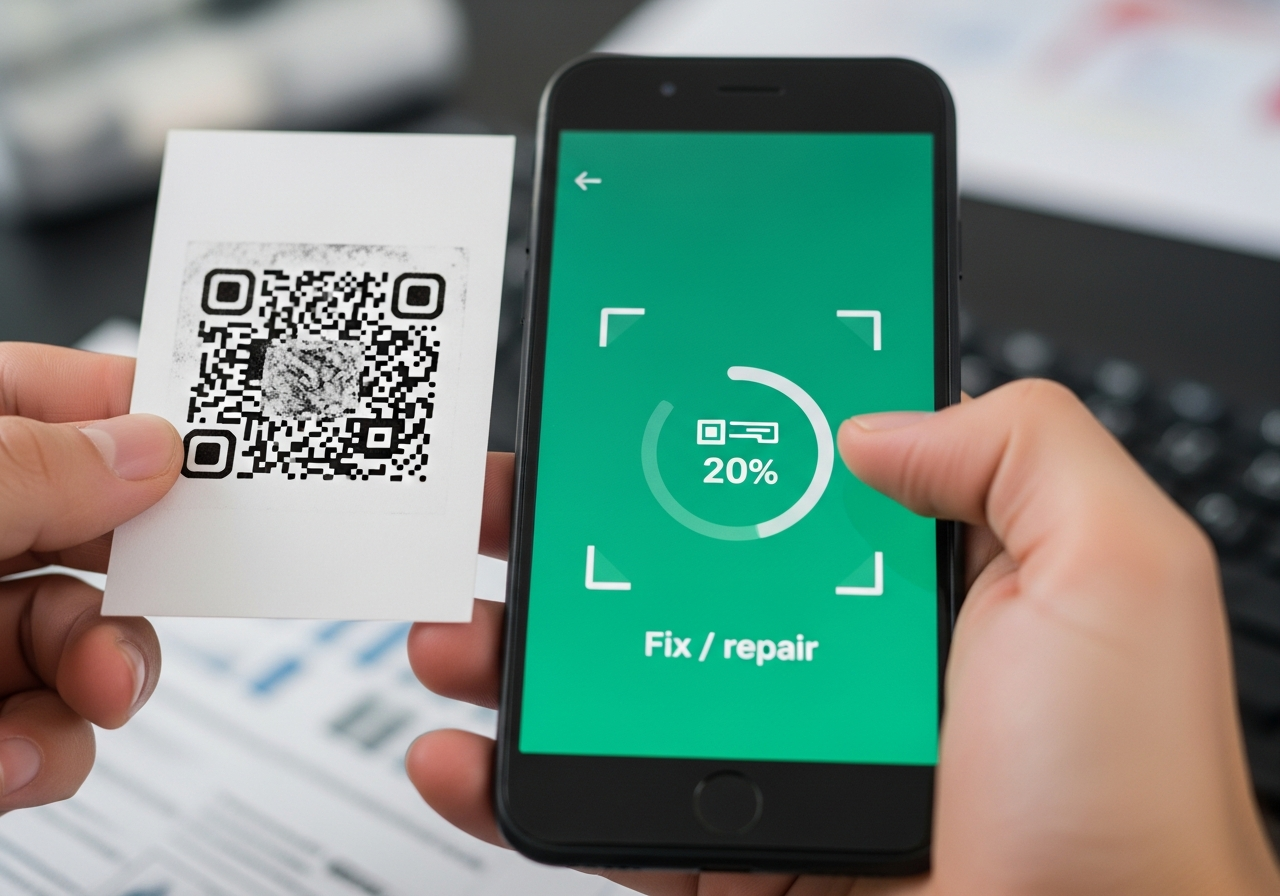
Think of error correction as a built-in safety net for your QR codes. It’s like having a backup of your data within the code itself. This means that even if a part of the QR code gets smudged, scratched, or is otherwise obscured, the scanner can still read the information. There are four levels of error correction, ranging from L (Low, about 7% recovery) to H (High, about 30% recovery).
Choosing the right level is a balancing act: higher correction means more resilience but a larger, denser code. For most everyday uses, especially if you’re adding a logo or placing codes outdoors where they might get worn, Level H is a solid choice. It ensures your codes keep working reliably over time. If you’re printing large, simple codes in a controlled environment, Level M might be sufficient.
For campaigns where you need maximum flexibility and reliability, platforms like Xcan.it are a game-changer. They allow you to create dynamic QR codes, which means you can update the destination link without having to reprint the code. This is incredibly useful for improving real-world campaigns across print, signage, and assets. Plus, Xcan.it lets you track scans in a single dashboard, giving you insights into how your campaigns are performing. They also recommend using the highest error correction level (Level H) to keep your codes scannable, even when they’ve seen a bit of wear and tear. This combination of dynamic links and robust error correction really helps minimise scan failures and keeps your campaigns running smoothly. You can even try out dynamic QR codes with Xcan.it’s free tier to see the difference they make.
When you’re creating QR codes, you’ll see different options for how they handle errors. Think of it like a safety net for your code. The higher the error correction level, the more mistakes the QR code can handle and still be read correctly. This is super useful if your code gets a bit smudged or torn. Want to learn more about making your QR codes tough and reliable? Visit our website today!
So, What’s the Verdict?
Right then, we’ve had a good look at what makes a decent QR scanner app. Honestly, for most of us, your phone’s own camera app is probably going to do the job just fine. It’s quick, it’s safe, and you don’t need to download anything extra. But if you find yourself needing to scan all sorts of different codes, or if you just want that bit more control and privacy, then looking into a dedicated app that’s ad-free and quick to focus is the way to go. Just remember to keep an eye on what permissions an app asks for – we don’t want any nasty surprises down the line, do we?
Frequently Asked Questions
Do I still need a separate QR code app on my phone?
Not usually! Most modern smartphones, like iPhones and many Android devices, have a built-in QR scanner in their camera app. You just open your camera, point it at the code, and a notification should pop up. You might only need a separate app if you want extra features, like scanning different types of codes or keeping a history of your scans.
What makes a QR code scanner app good?
A good app should be quick to scan, respect your privacy (no annoying ads or tracking!), and be able to read different kinds of codes, not just standard QR codes. It’s also helpful if it can show you where a link is going before you open it, just to be safe.
Can I scan QR codes if I don’t have internet?
Yes, many QR scanner apps can read the code itself even when you’re offline. However, to actually visit the website or open the link the QR code points to, you’ll need an internet connection. So, the scanning part works offline, but the action after scanning usually needs data.
What’s the difference between a QR code and a barcode?
Think of a barcode (the kind you see on groceries) as a one-dimensional code that holds a small amount of information, usually just a product number. A QR code is like a super-powered barcode – it’s two-dimensional and can store much more information, like website links, text, contact details, and even Wi-Fi passwords.
Why might a QR code fail to scan?
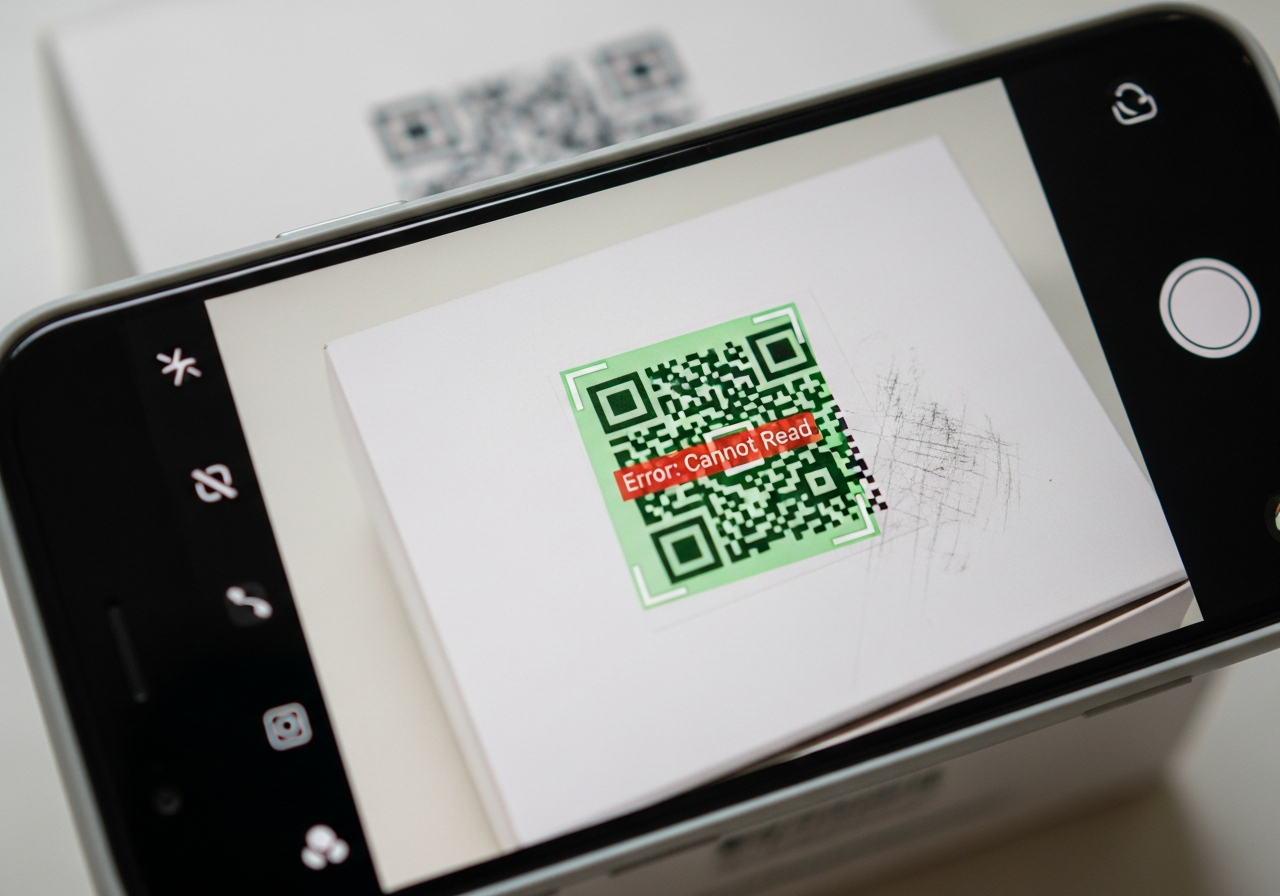
Sometimes, QR codes don’t scan well because of poor contrast (e.g., a light code on a light background), if they’re too small for the distance, if there’s glare on them, or if they’re damaged. Making sure the code is clear, has a bit of space around it, and is printed well usually fixes the problem.
Are free QR scanner apps safe to use?
Many free apps are perfectly safe, especially if they’re from well-known developers or have good reviews. The best ones are usually ad-free and don’t ask for unnecessary permissions. Always be a bit cautious if an app seems to be collecting a lot of your personal information or shows lots of ads.