QR codes are increasingly being integrated into the sports and entertainment industries, offering innovative ways for fans to connect with content and historical moments. From fan tattoos linking to game highlights to historical racetracks brought to life, these scannable codes are enhancing engagement and preserving memories.
Key Takeaways
- QR codes provide instant access to digital content, such as video highlights or historical information.
- They are being used in unique ways, including tattoos and on historical sites.
- This technology bridges the gap between physical experiences and digital archives.
Fan Memorabilia Gets a Digital Upgrade
Fans often seek unique ways to commemorate significant sporting events. One extreme example involves a River Plate supporter who got a QR code tattooed on his leg. This tattoo links directly to highlights of the Copa Libertadores final match where his team triumphed over rivals Boca Juniors. While the initial video link faced copyright issues, the concept highlights a growing trend of using QR codes as a permanent digital memento of cherished sporting achievements.
Reliving Sporting History with QR Codes
In Colwyn Bay, a historic seafront promenade that once hosted thrilling motor racing events between 1910 and 1928 has been revitalised with the integration of QR codes. Visitors can now scan a code placed at the former finish line to access information and relive the daring exploits of drivers and riders from a bygone era. This initiative allows modern audiences to connect with the rich history of motorsport that took place on the promenade, offering a glimpse into speeds of up to 90mph and the unique challenges faced by competitors.
The Versatility of QR Codes in Engagement
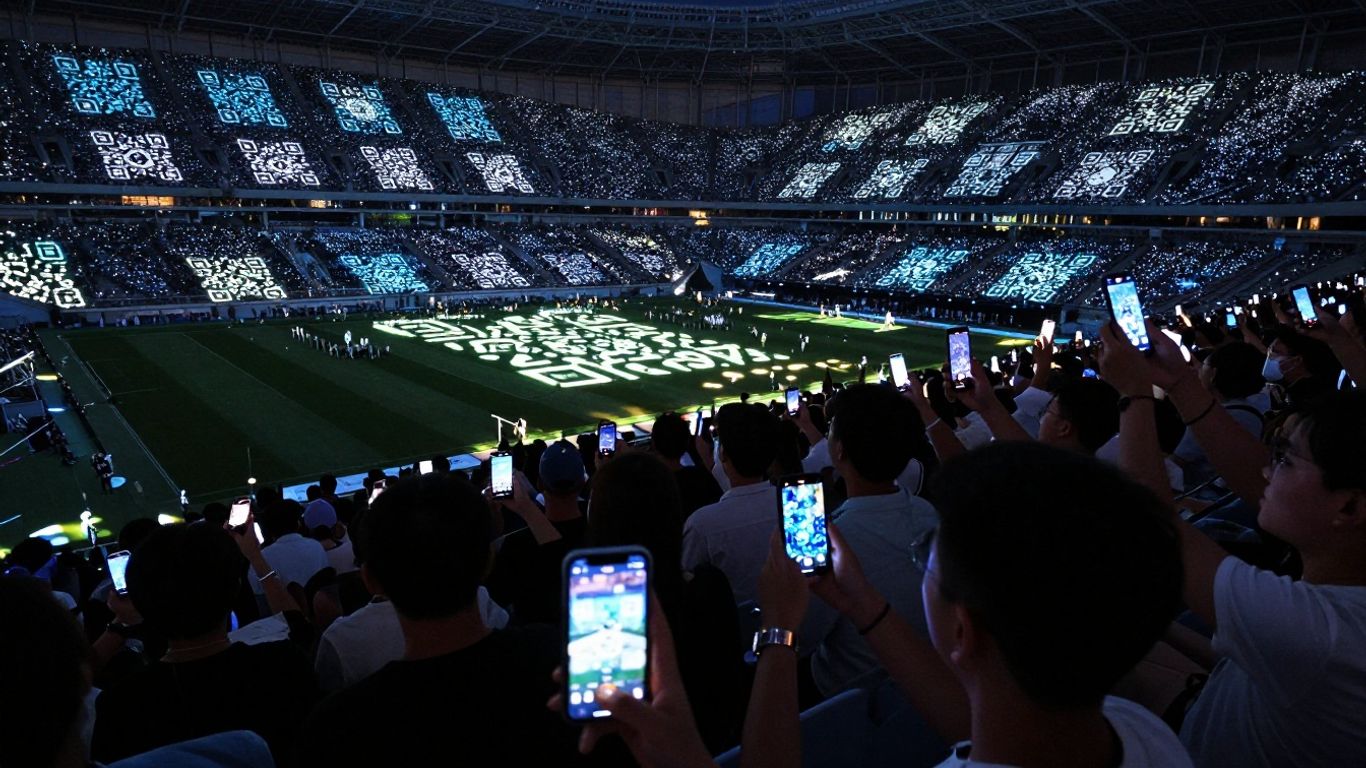
The adoption of QR codes in sports and entertainment demonstrates their versatility. They serve not only as a tool for accessing immediate content like video highlights but also as a bridge to historical archives and educational resources. This technology enhances fan engagement by providing interactive and accessible pathways to information, making experiences more memorable and informative.