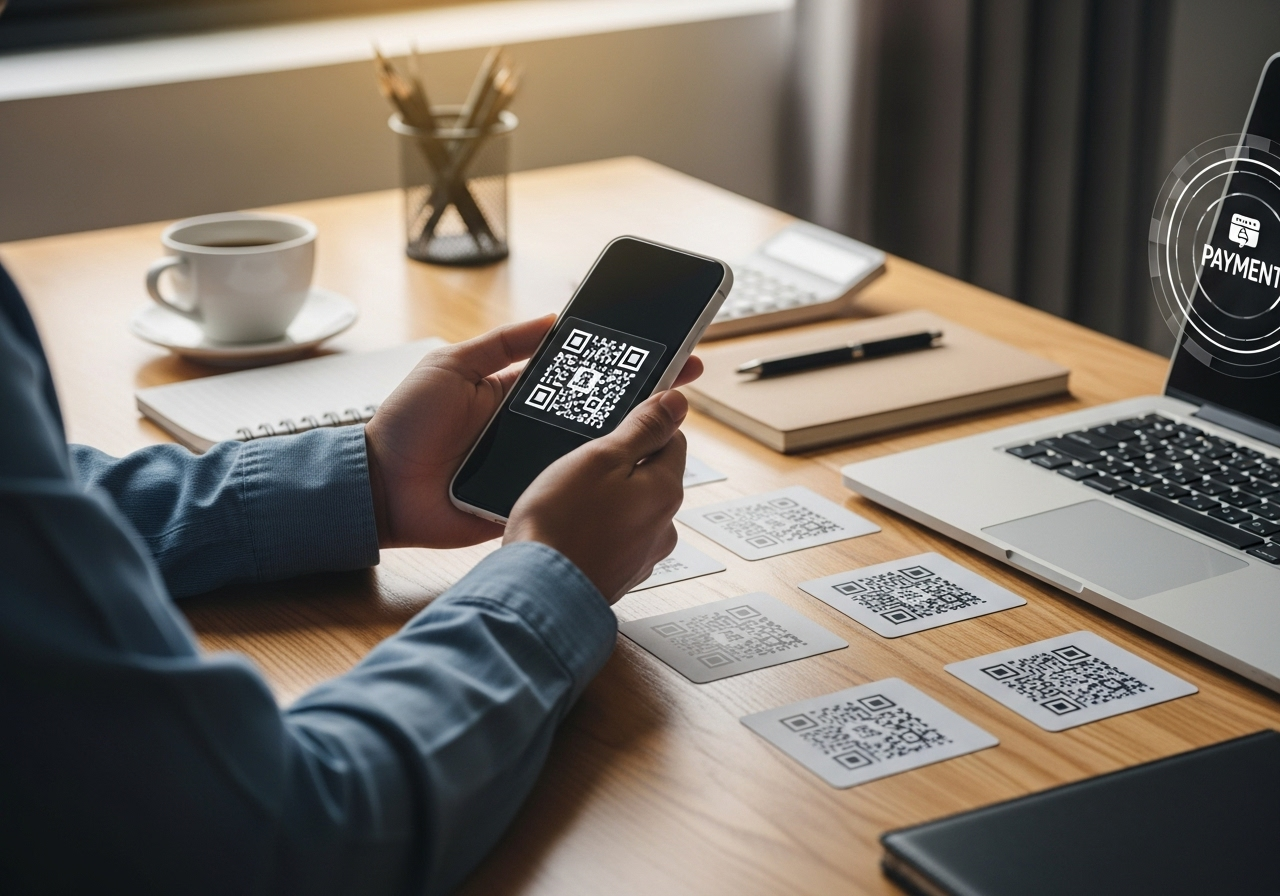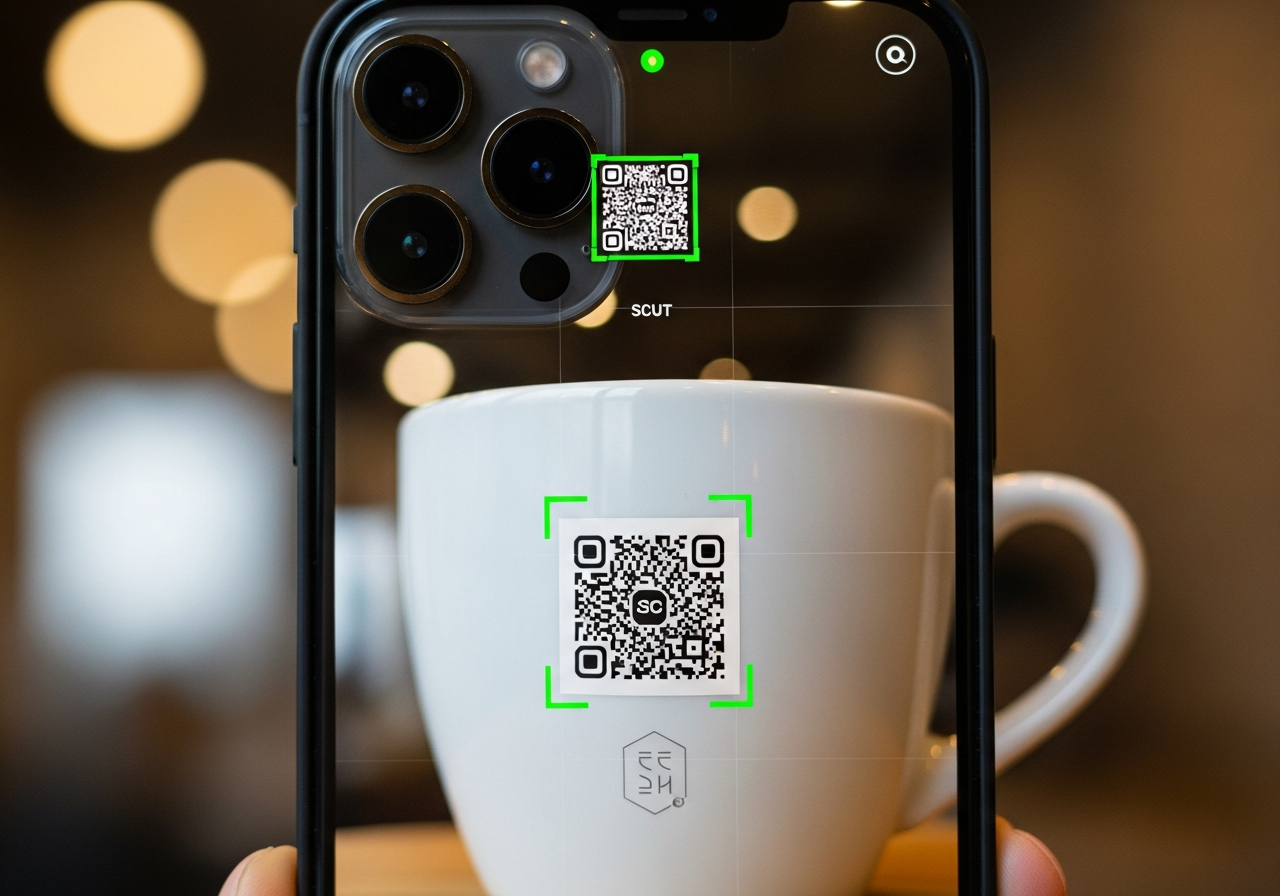

Quick Response (QR) codes are rapidly moving beyond simple web links, finding diverse and innovative applications across various sectors. From safeguarding vulnerable individuals to enhancing cultural tourism and even monitoring infant health, these scannable squares are proving to be a versatile tool for modern challenges.
Key Takeaways
- QR codes are being used in novel ways to improve safety, health, and cultural engagement.
- Initiatives range from tracking dementia patients to early detection of infant health issues.
- Cultural heritage sites and local markets are leveraging QR codes to provide richer visitor experiences.
Enhancing Safety and Well-being
In Japan, a city is employing QR codes as a vital tool to protect elderly individuals with dementia. Small stickers containing personal information, such as addresses and phone numbers, are attached to their fingers and toes. This initiative aims to quickly reunite missing persons with their families, offering a crucial safety net.
Innovations in Health Monitoring
A groundbreaking "smart nappy" developed in the US utilizes QR codes to detect potential urinary tract infections (UTIs) in babies. The nappy incorporates colour-changing strips that interact with urine, and a mobile app analyzes the QR code pattern to identify early signs of infection. While offering an early warning system, experts have raised concerns about potential parental stress and the risk of false positives.
Enriching Cultural and Historical Experiences
QR codes are transforming how people interact with historical sites and local attractions. Gibraltar is using "Gibraltarpedia" to provide tourists with information about landmarks in their native languages by scanning QR codes. Similarly, Newport offers a mobile phone tour, "Heroes and Villains," where visitors can scan QR codes at various locations to learn about the city’s history. Northampton’s market square now features QR codes on ceramic tiles, guiding visitors to details about medieval artefacts discovered during recent refurbishments, bringing the market’s rich past to life.
Future Potential
The expanding use of QR codes highlights their adaptability. As technology advances and user familiarity grows, we can expect to see even more creative and impactful applications emerge, further integrating these simple yet powerful tools into our daily lives.
Sources
- Japan tracks dementia patients with QR codes attached to fingernails, BBC.
- Smart nappy uses QR codes to detect urinary infections, BBC.
- Gibraltar targets tourists with Wikipedia QR codes, BBC.
- Discover Newport’s history with QR code tour, BBC.
- Northampton Market’s treasures star in new QR code trail, BBC.