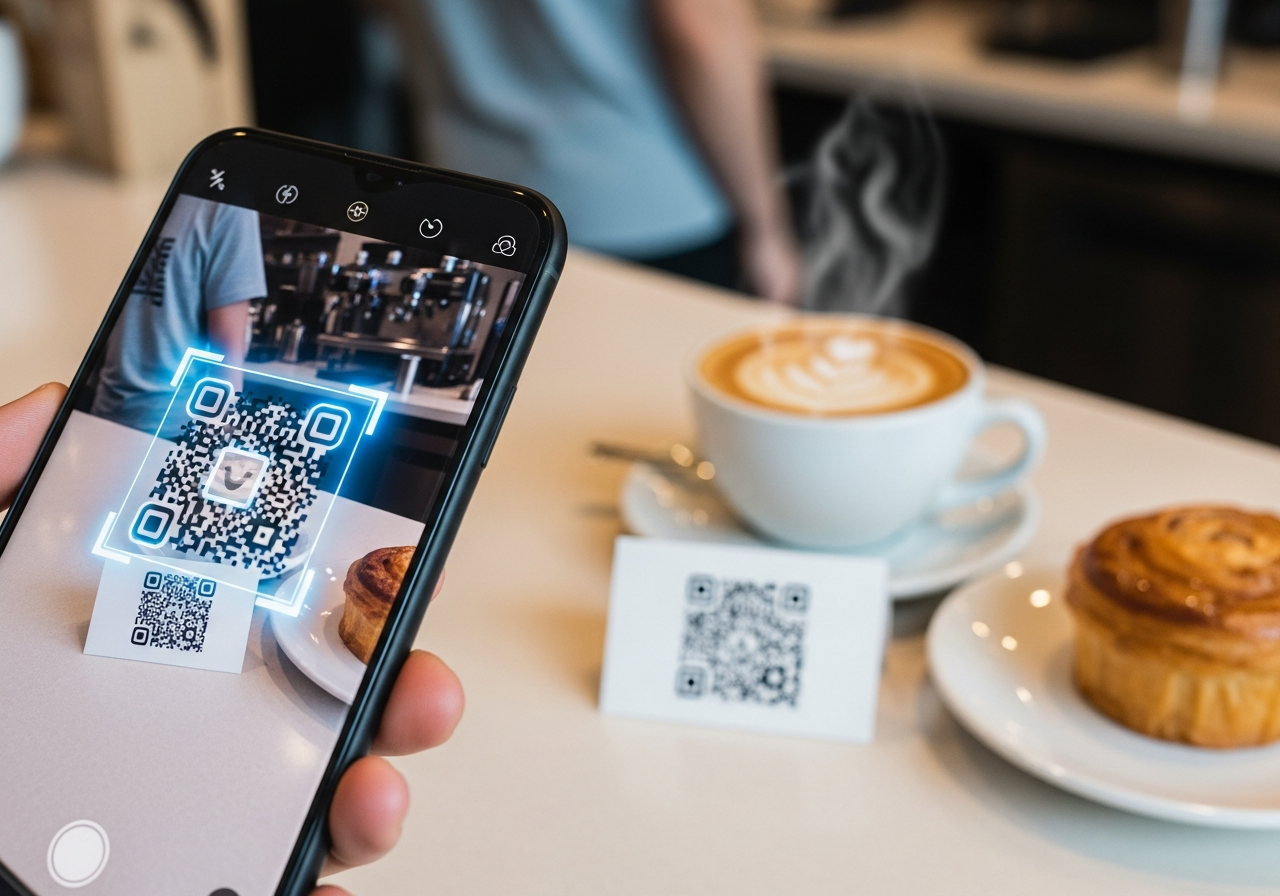
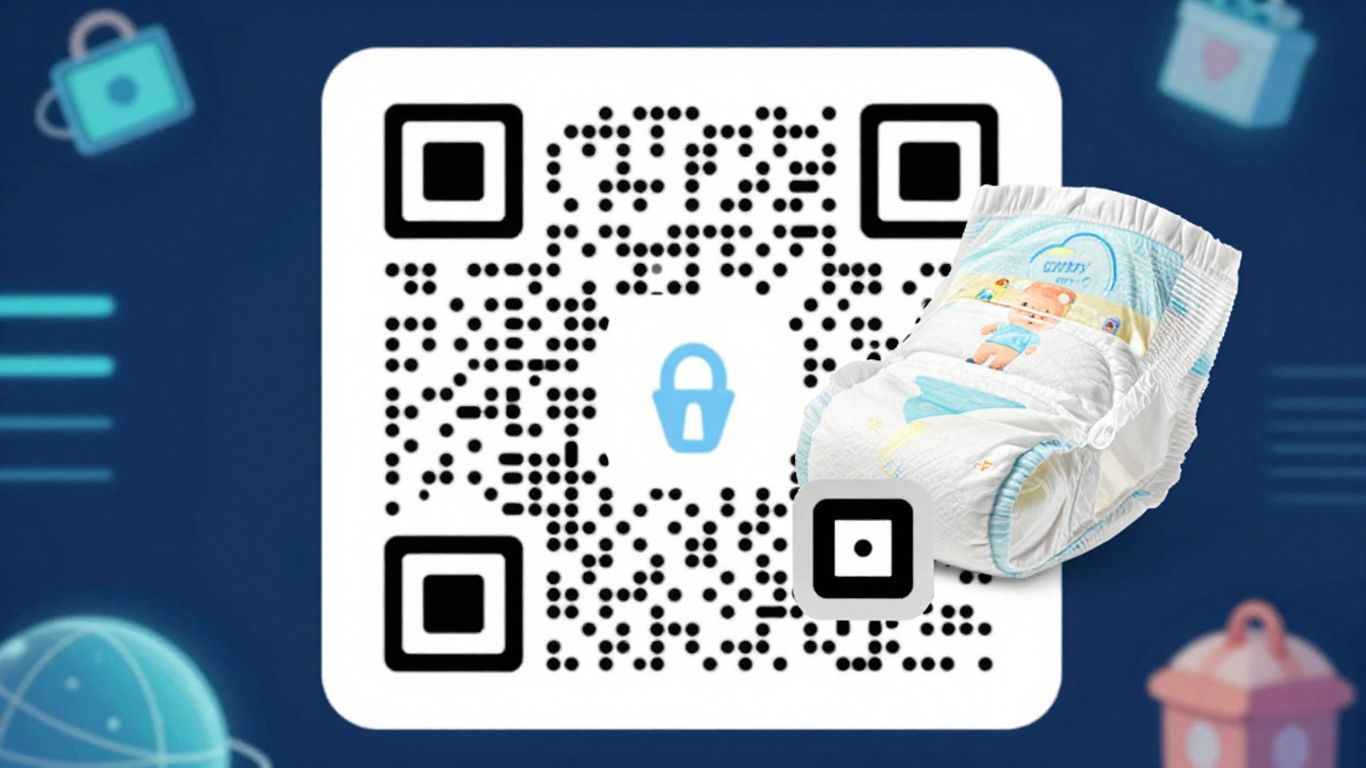
Quick Response (QR) codes are rapidly expanding their reach beyond simple web links, with innovative applications emerging in healthcare, security, and accessibility. From detecting infant health issues to safeguarding products against counterfeiting and aiding visually impaired individuals, QR codes are proving to be a versatile and increasingly sophisticated technology.
Key Takeaways
- Smart nappies use QR codes to detect potential urinary infections in babies.
- Invisible QR codes are being developed to combat counterfeit goods.
- QR codes are enhancing accessibility for visually impaired individuals, particularly in hospitality.
- Concerns exist regarding the potential for increased parental stress with health-monitoring QR codes.
Smart Nappies for Early Health Detection
A novel "smart nappy" is being developed that incorporates strips which change colour around a QR code. When a mobile app photographs these strips, it can analyse the colour changes to detect early signs of urinary tract infections (UTIs) in babies. UTIs, common in infants, can be difficult to spot before symptoms like fever appear. This technology aims to provide an early warning system, allowing parents to share data with medical professionals for potential diagnoses of kidney dysfunction or dehydration. However, parenting experts express concerns that such technology could heighten parental anxiety and lead to unnecessary medical consultations due to potential false positives.
Invisible Codes Combatting Counterfeits
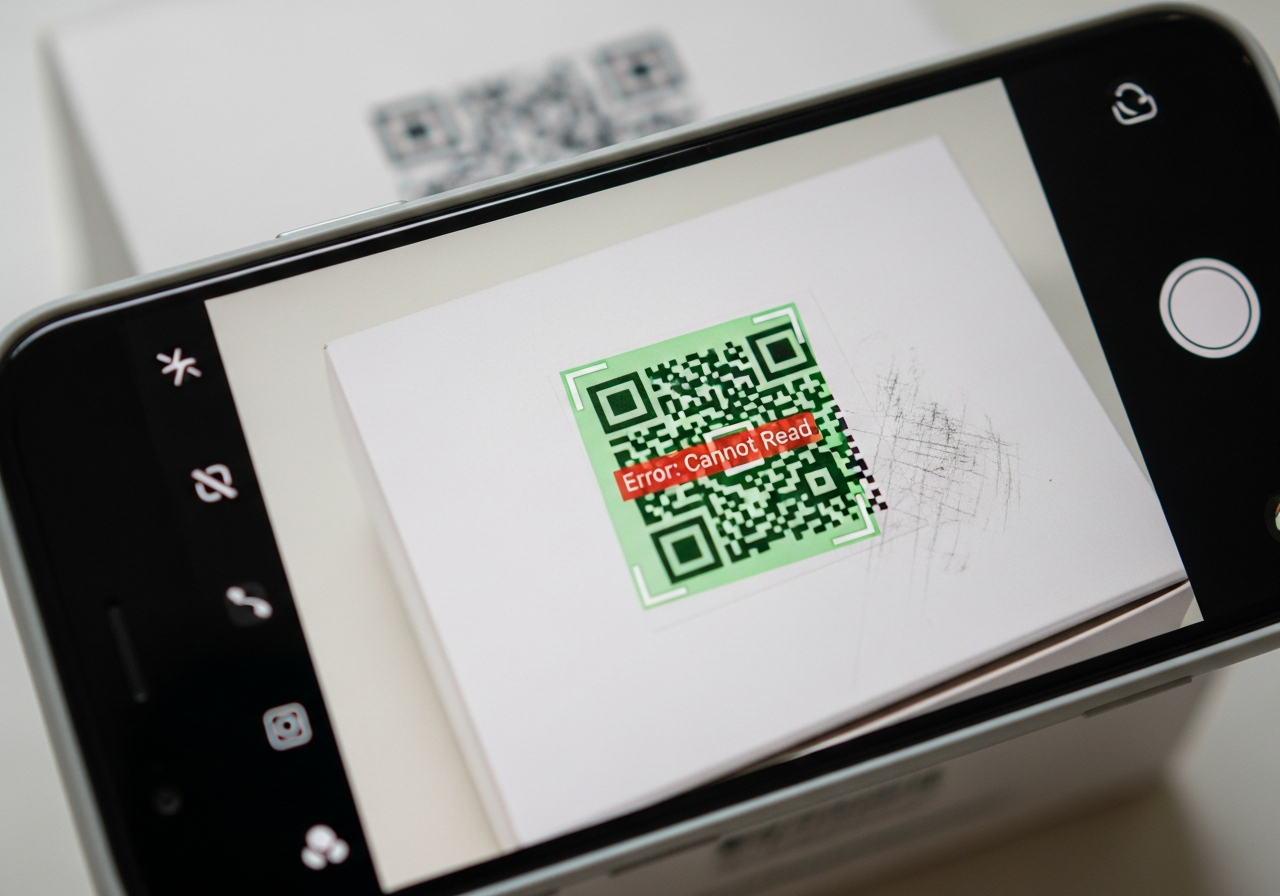
Researchers are developing robust, invisible QR codes designed to make products harder to counterfeit. These codes can be printed on various surfaces and remain readable even after significant stress, such as being folded multiple times. Security can be enhanced by embedding microscopic messages within the codes, requiring a microscope to read, thus moving from covert to forensic levels of security. The intensity of the upconverting light and the nanoparticle concentration in the ink can be adjusted to further deter counterfeiting.
Enhancing Accessibility with QR Codes
In the hospitality sector, QR codes are being implemented to improve accessibility for visually impaired diners. Businesses are creating QR codes that, when scanned by a smartphone, provide an audio version of the menu. This innovation allows blind or visually impaired individuals to independently browse options and make choices without relying on others. Some initiatives also involve embossing QR codes with Braille to help users locate them. While some businesses are proactively adopting these measures, there are also calls for legislation to mandate accessible menus in all hospitality venues, ensuring greater inclusivity.
Addressing Concerns and Future Potential
While the potential benefits of QR code integration are significant, particularly in healthcare and accessibility, concerns about user interpretation and potential over-reliance on technology remain. The development of invisible and forensic-level QR codes highlights a growing trend towards using this technology for advanced security applications. As QR codes continue to evolve, their integration into everyday objects and services promises to offer new solutions for health monitoring, product authentication, and enhanced user experiences.