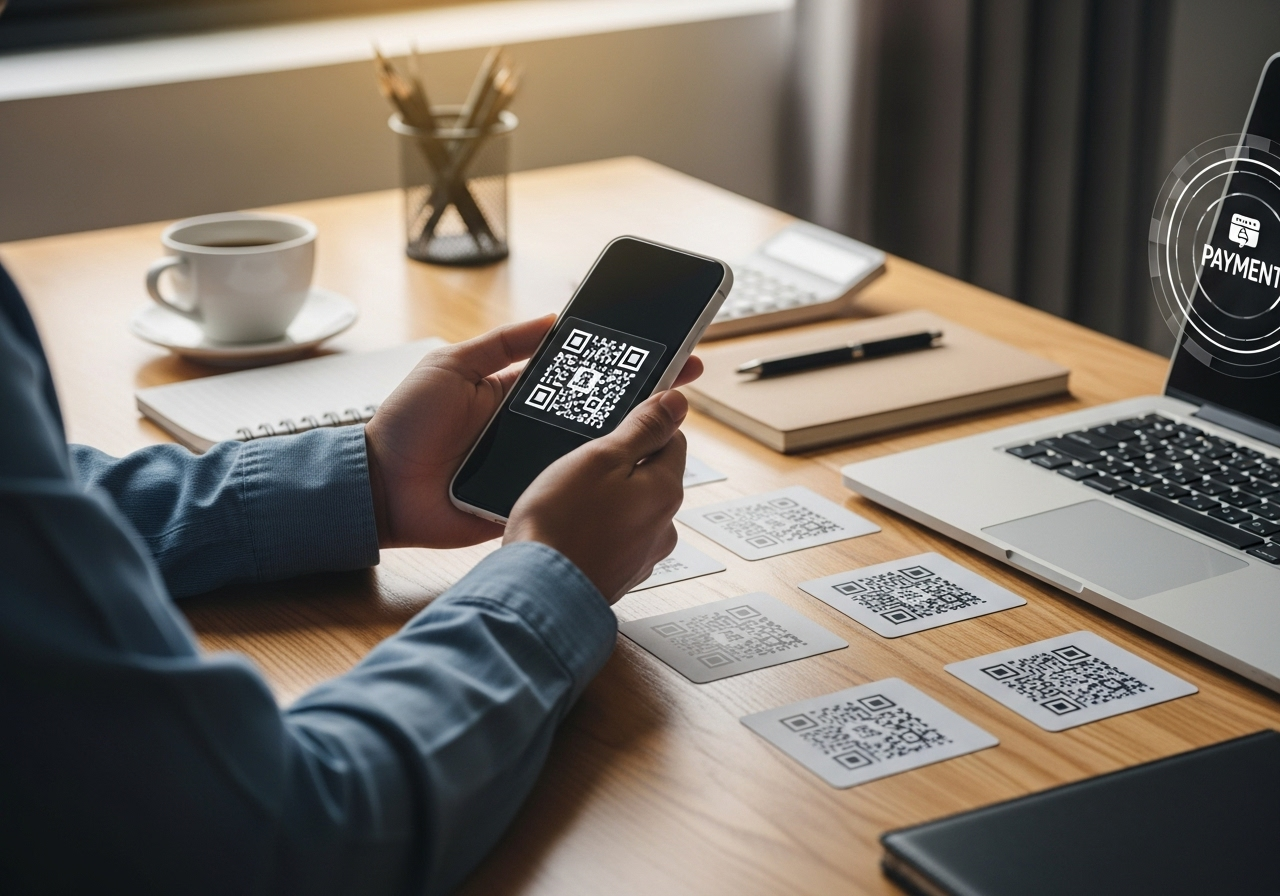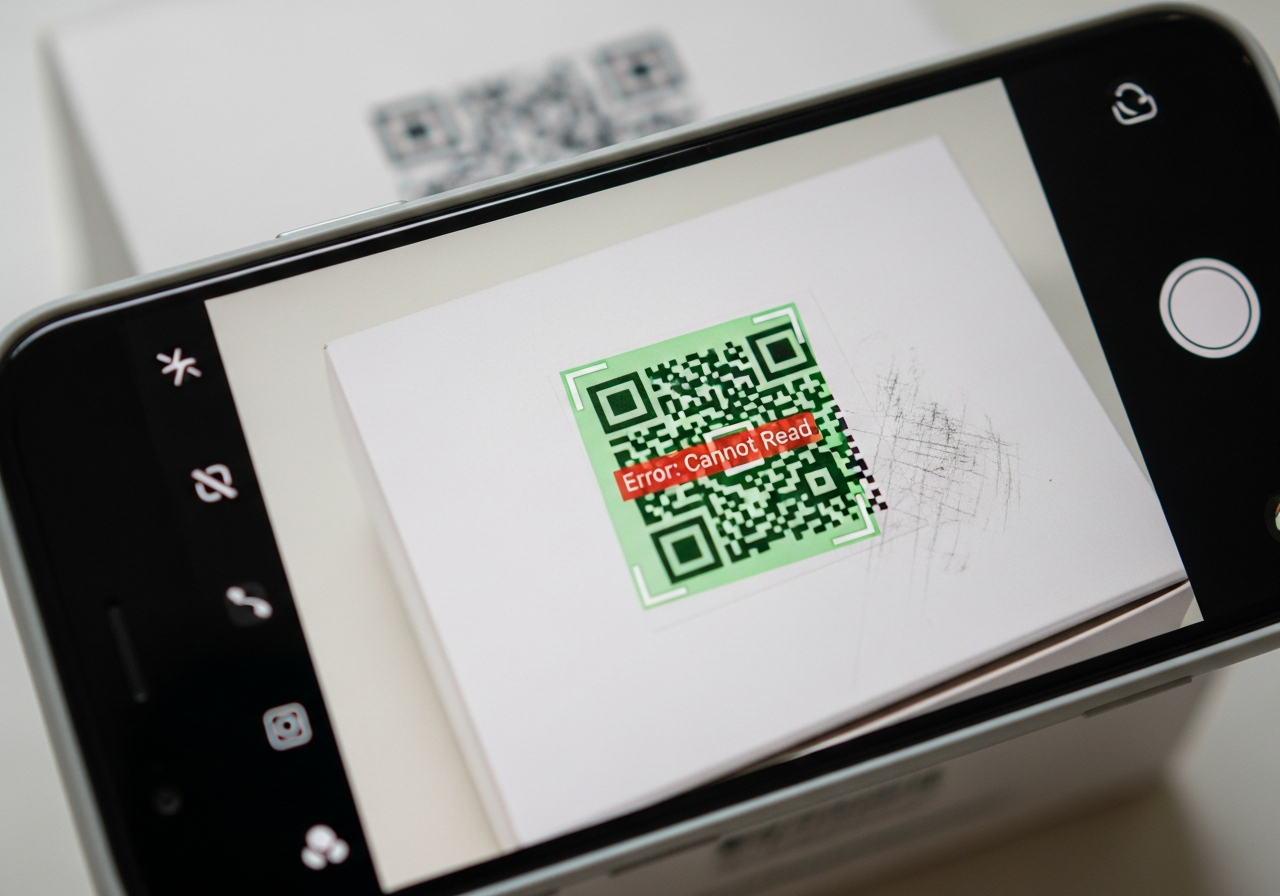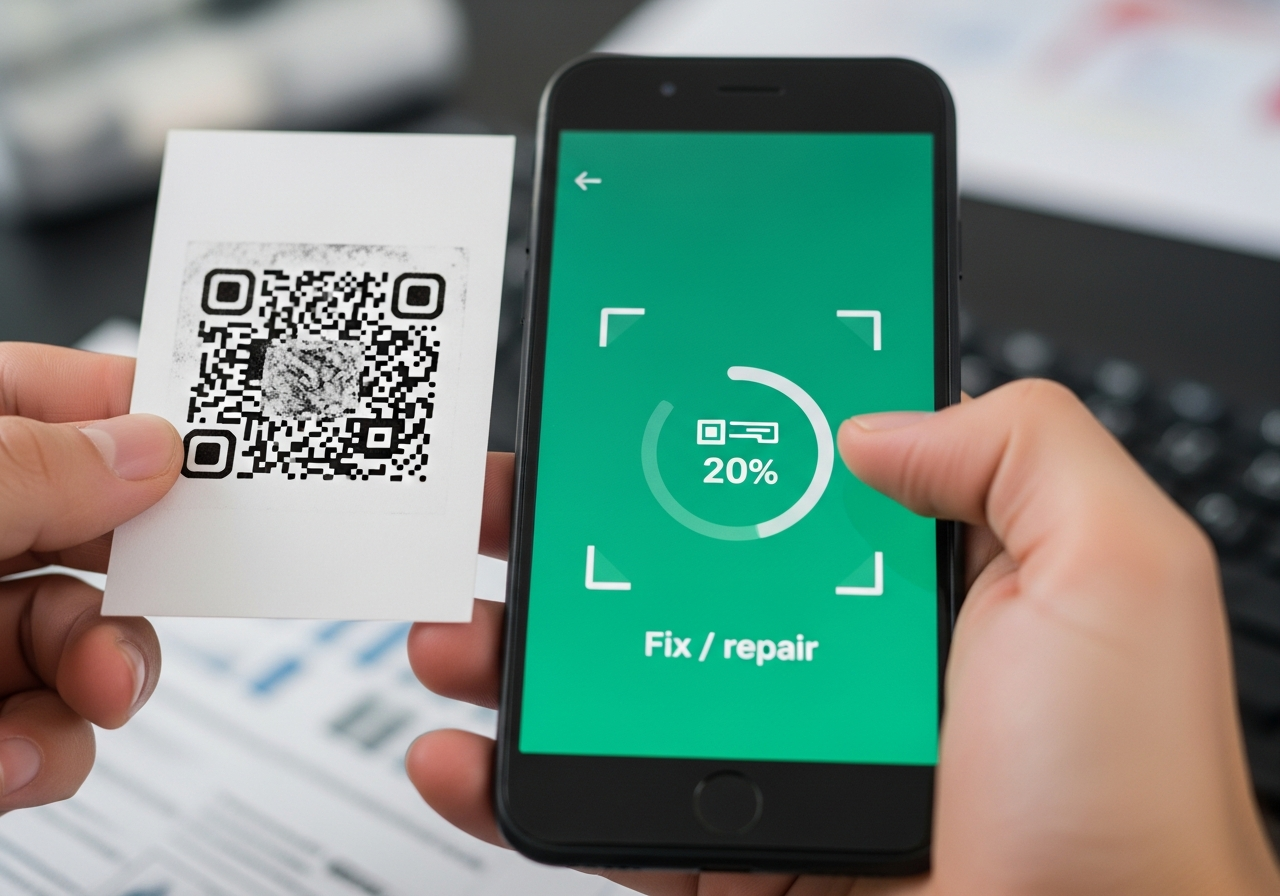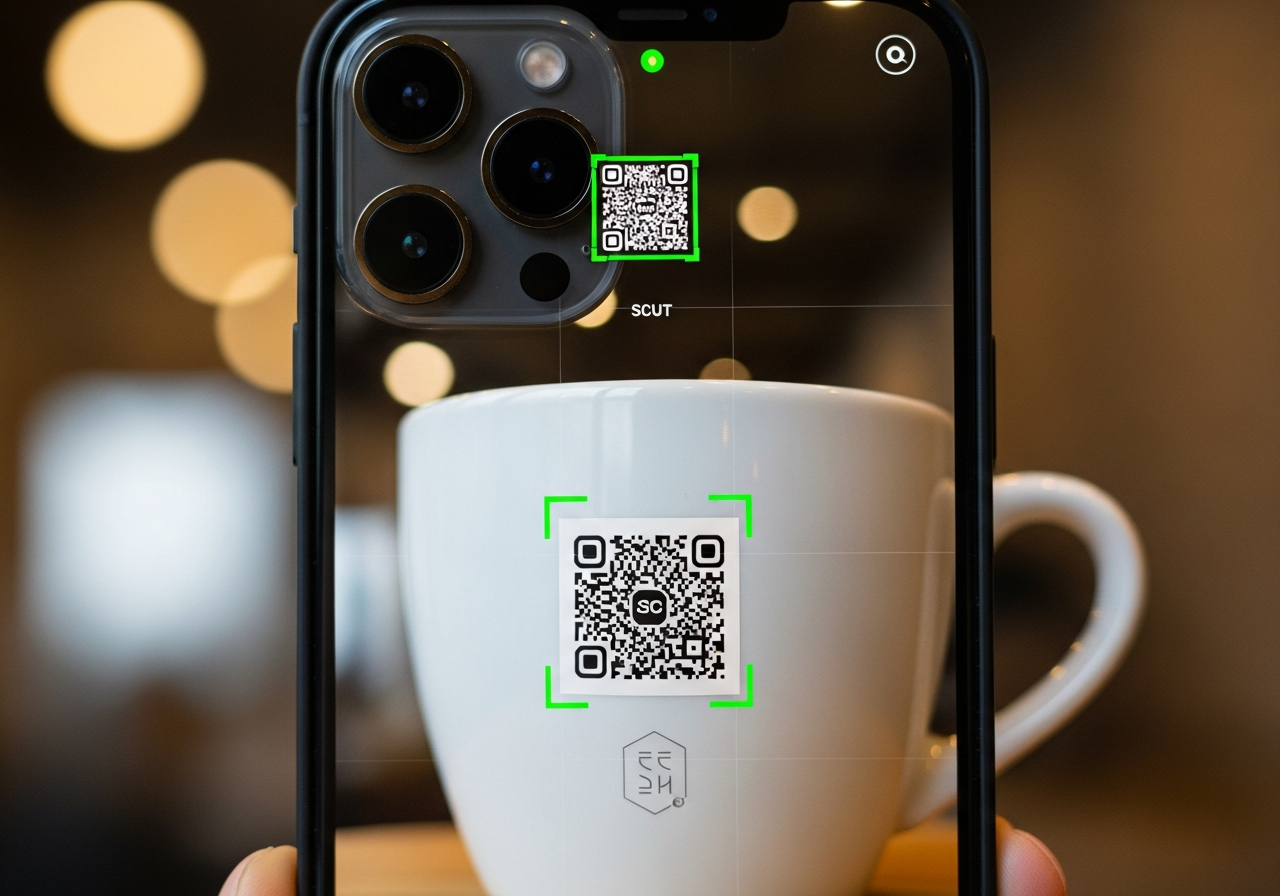
The ubiquitous QR code, once a novelty, is now a staple in everything from restaurant menus to travel information. While lauded for its efficiency and contactless nature, its rapid proliferation is sparking a debate about the erosion of human interaction and the potential for a less personal, more sterile user experience. This shift raises questions about accessibility and the true cost of convenience in our increasingly digitized world.
Key Takeaways
- QR codes are increasingly replacing traditional methods in hospitality and travel.
- Concerns are rising about the loss of human interaction and a less personal customer experience.
- The digital divide may exclude individuals less comfortable with technology.
- Over-reliance on digital solutions can detract from the authentic experience of a place.
The Rise of the Digital Menu
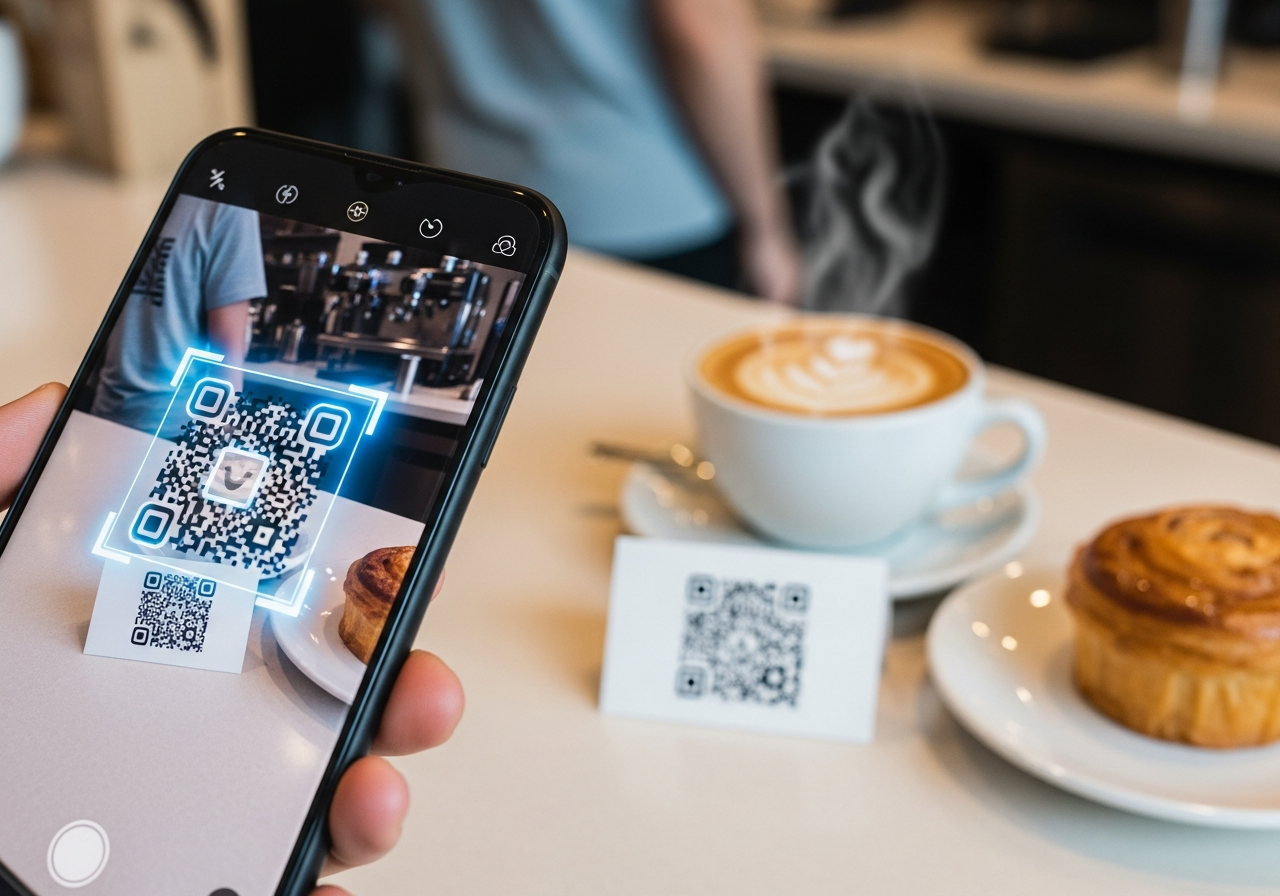
Restaurants, particularly in the wake of the pandemic, have widely adopted QR codes for accessing menus. This move, while promoting hygiene, has been criticised for creating an impersonal dining experience. Diners are often left squinting at their phone screens, unable to easily share or discuss options, and missing the tactile pleasure of browsing a physical menu. The human element of a waiter explaining specials or offering recommendations is diminished, replaced by a cold, digital interface.
Digitisation's Impact on Travel
Beyond dining, the relentless march of digitisation is reshaping the travel landscape. From booking flights and hotels to navigating new cities and accessing attractions, technology is paramount. However, this can lead to a superficial engagement with destinations. The serendipity of discovery, the joy of getting lost, and the authentic interactions with local culture can be overshadowed by a reliance on apps and digital guides. Destinations like Venice are even experimenting with QR codes for entry fees, further embedding digital checkpoints into the travel experience.
The User Experience Debate
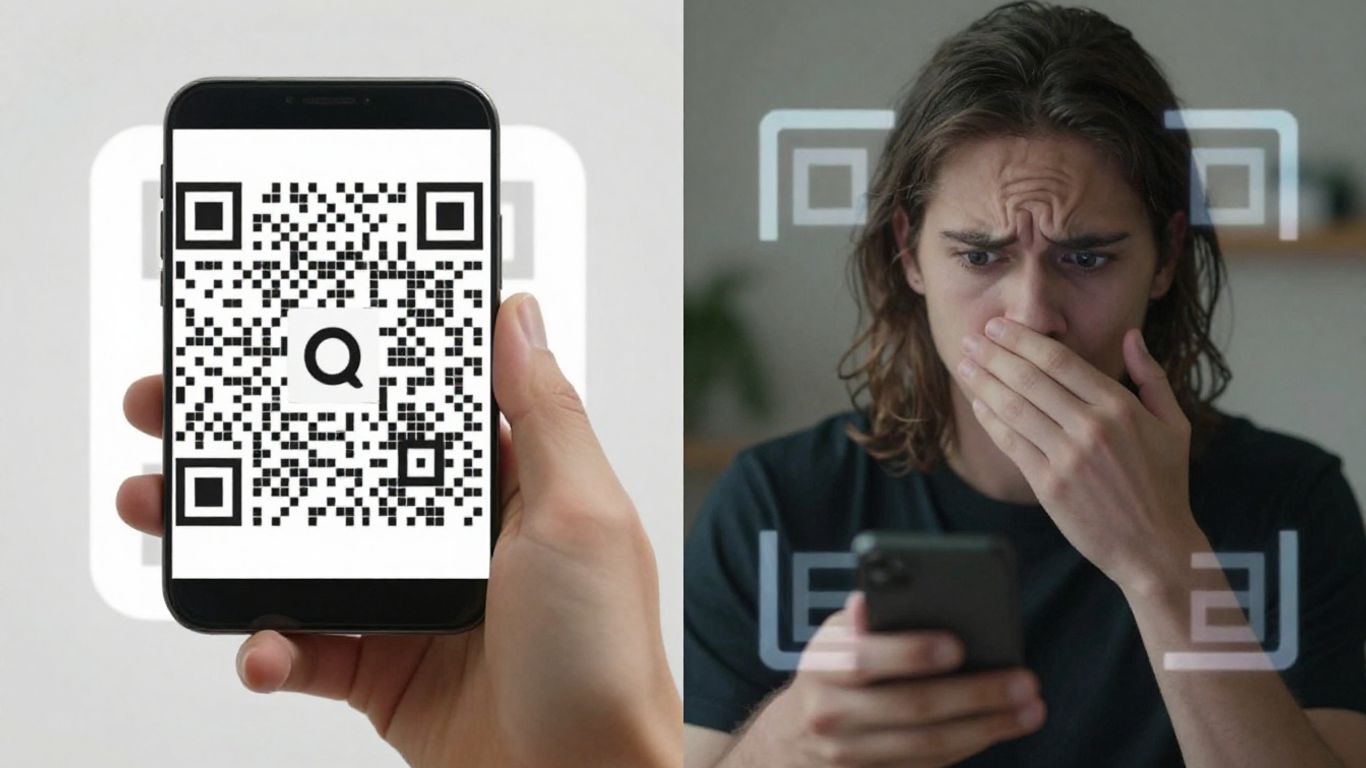
The core of the debate lies in user experience. While QR codes offer speed and efficiency for many, they can present a barrier for others. Those less tech-savvy, or individuals without smartphones, can find themselves excluded. Furthermore, the constant need to pull out a phone, scan a code, and navigate a digital interface can interrupt the flow of an experience, turning simple tasks into a series of digital hurdles. This raises concerns about whether the pursuit of digital convenience is inadvertently creating a less inclusive and more frustrating environment for a significant portion of the population.