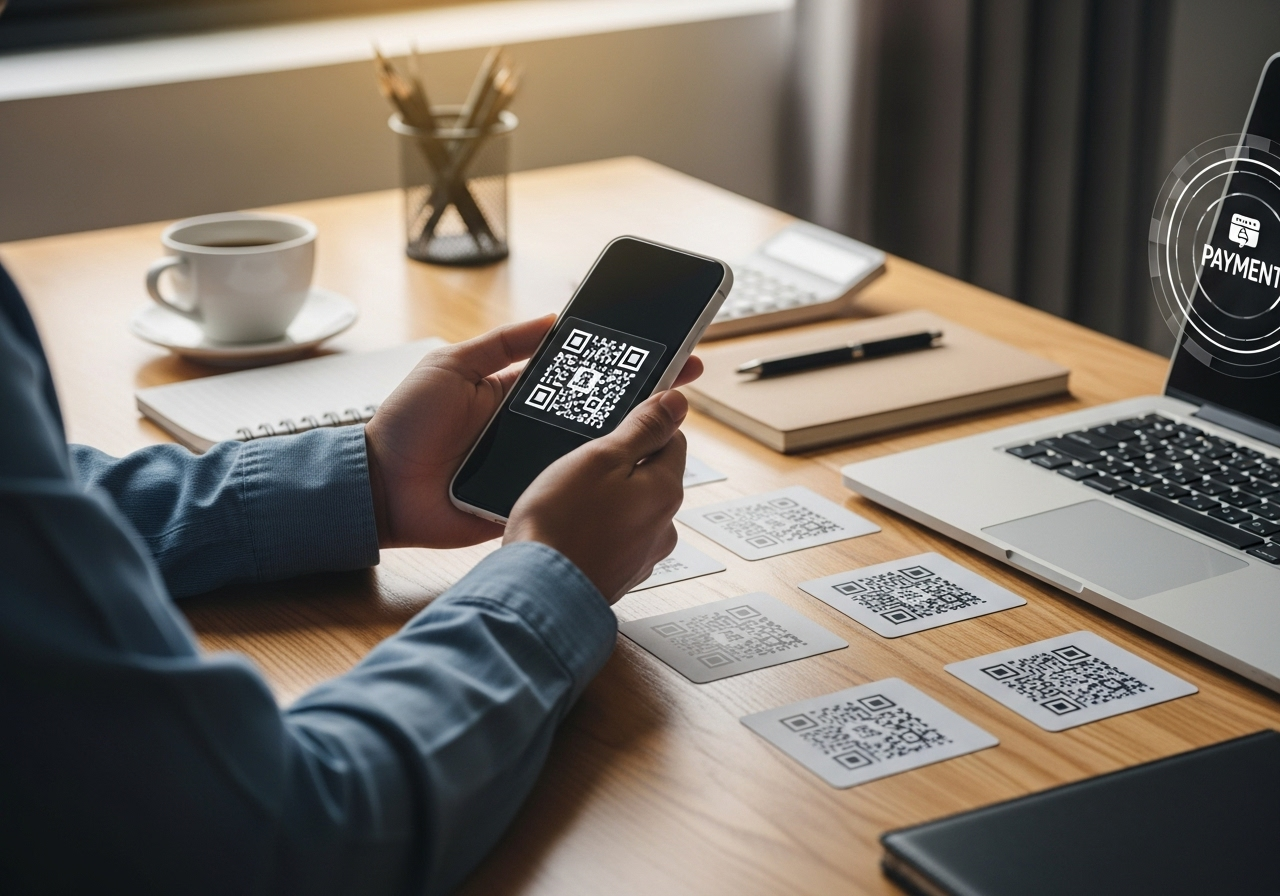
Quick Response (QR) codes, once hailed for their convenience, are increasingly becoming a vector for malicious activities. From sophisticated hacking attempts to the distribution of inappropriate content and outright fraud, the versatility of QR codes is being exploited in alarming ways, posing risks to individuals and businesses alike.
The Dark Side of Convenience
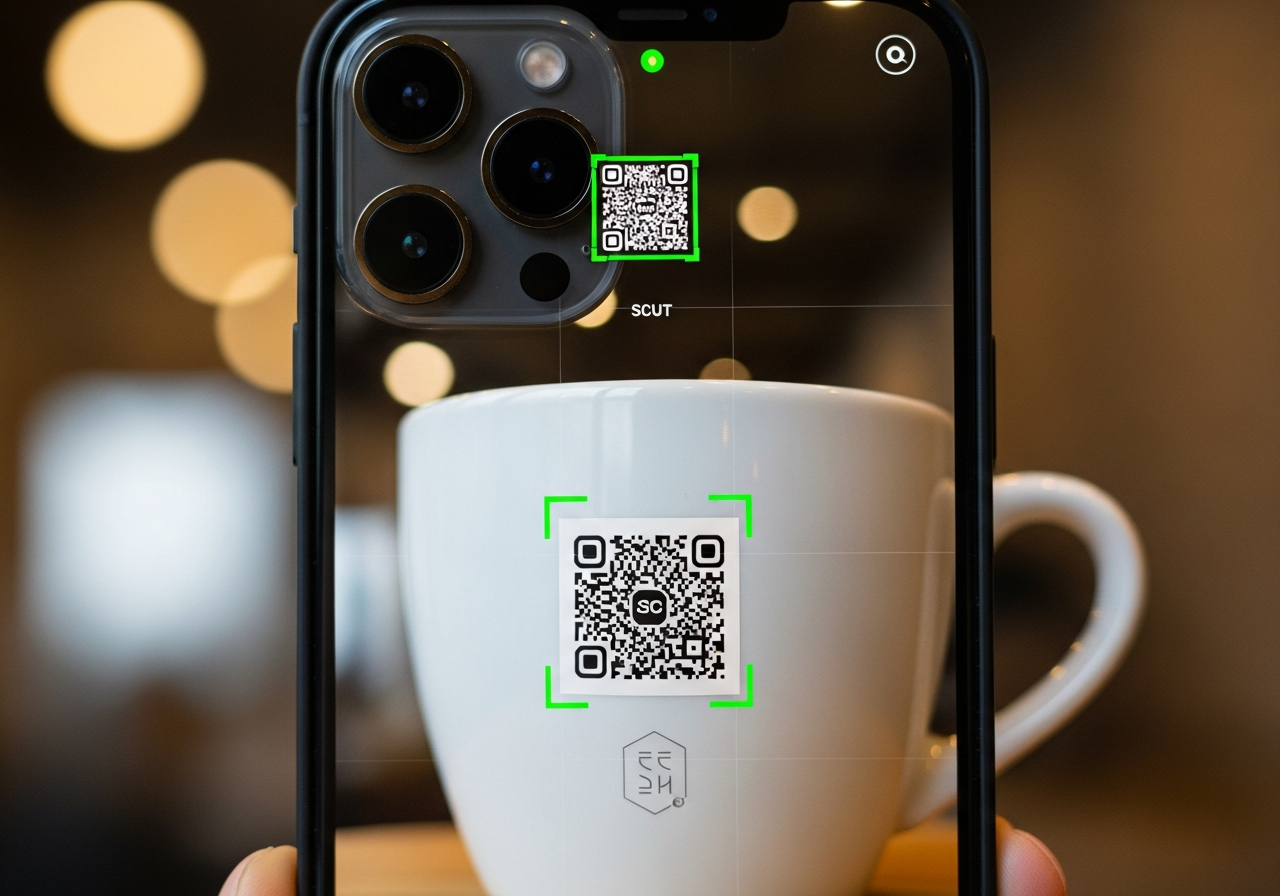
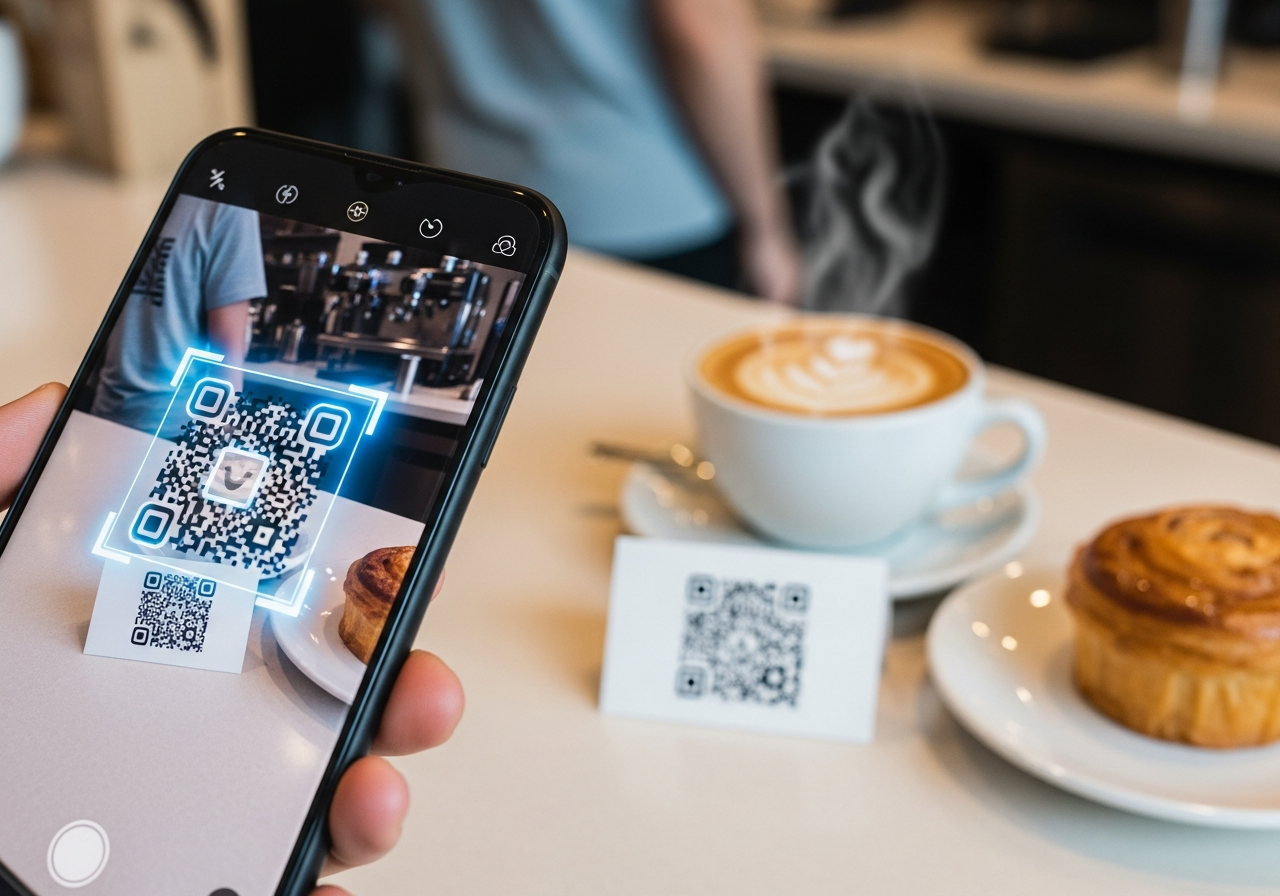
QR codes offer a quick and easy way to access information, websites, or make payments. However, this very ease of use makes them a prime target for exploitation. Malicious actors can generate fake QR codes that, when scanned, redirect users to phishing sites, download malware, or expose them to harmful content. The speed at which these codes can be scanned means users often have little time to verify their authenticity before their devices are compromised or they are led to undesirable destinations.
Key Takeaways
- Fraud and Hacking: QR codes can be manipulated to lead users to fake websites designed to steal personal information or financial details.
- Inappropriate Content: Scammers can link QR codes to adult content or misinformation, as seen in cases where expired promotional QR codes were reassigned to such sites.
- Bypassing Security: In some instances, QR codes have been used to bypass security measures, such as faking COVID-19 check-in codes to gain unauthorized access.
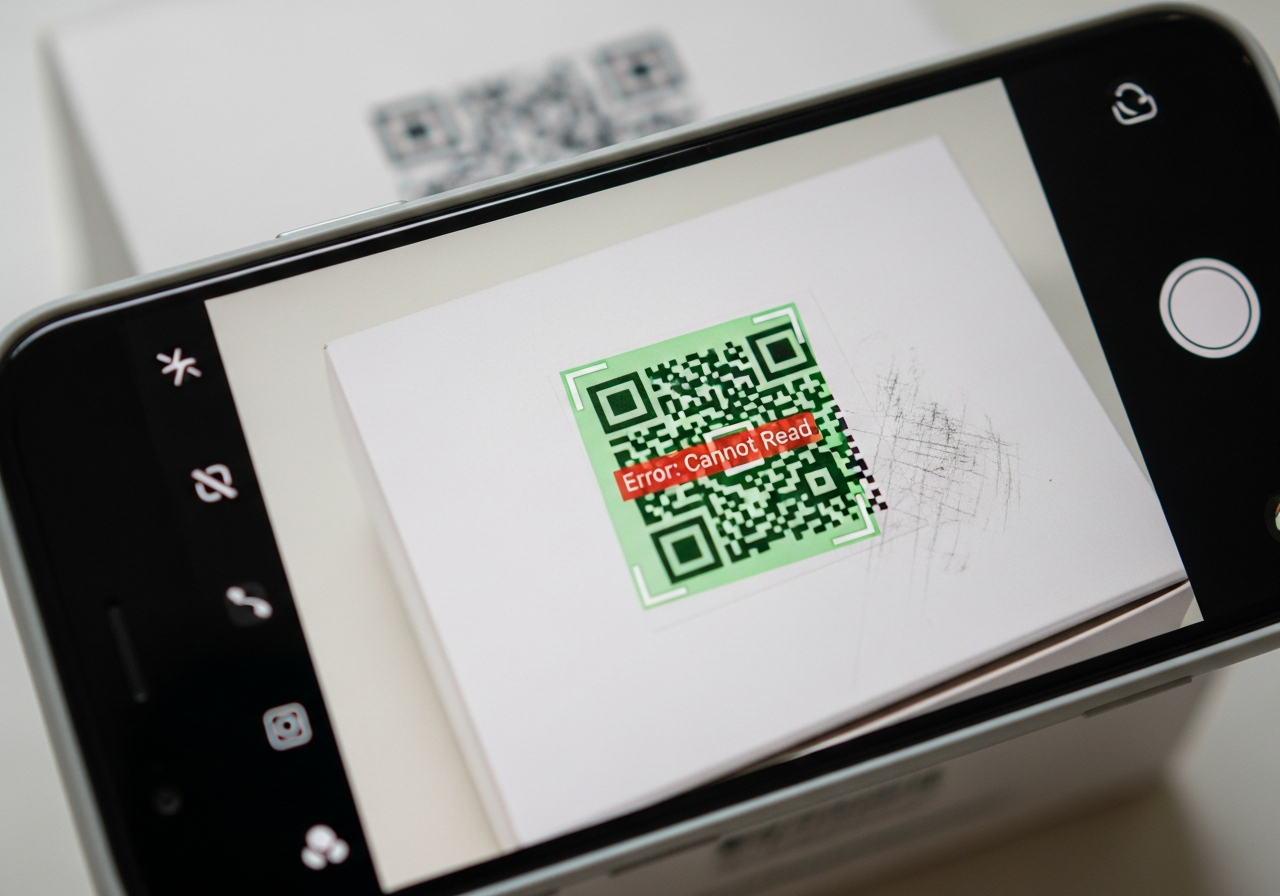
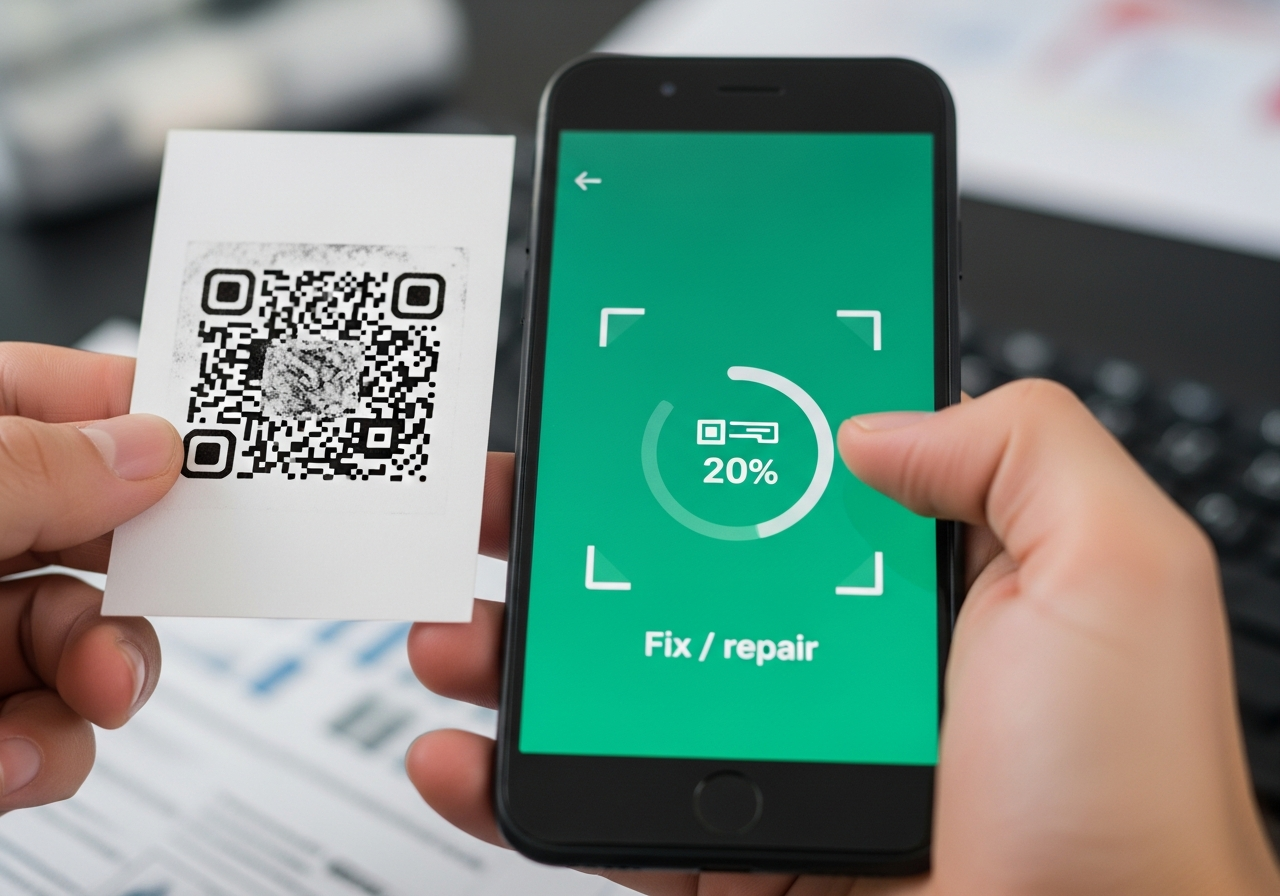
- Technical Exploitation: Sophisticated hacking techniques can even reconstruct partially visible QR codes to access sensitive data, like cryptocurrency.
Real-World Incidents Highlight the Risks
Recent incidents underscore the growing threat posed by QR code misuse. In Australia, a man was arrested for replacing official COVID-19 check-in QR codes with fake ones that directed users to an anti-vaccination website. This act not only obstructed public health efforts but also potentially exposed individuals to misinformation.
Another case involved a Heinz ketchup bottle where an expired QR code, intended for a label design promotion, had been reassigned to an adult content website. This highlights how even seemingly innocuous codes can become a gateway to inappropriate material if not properly managed.
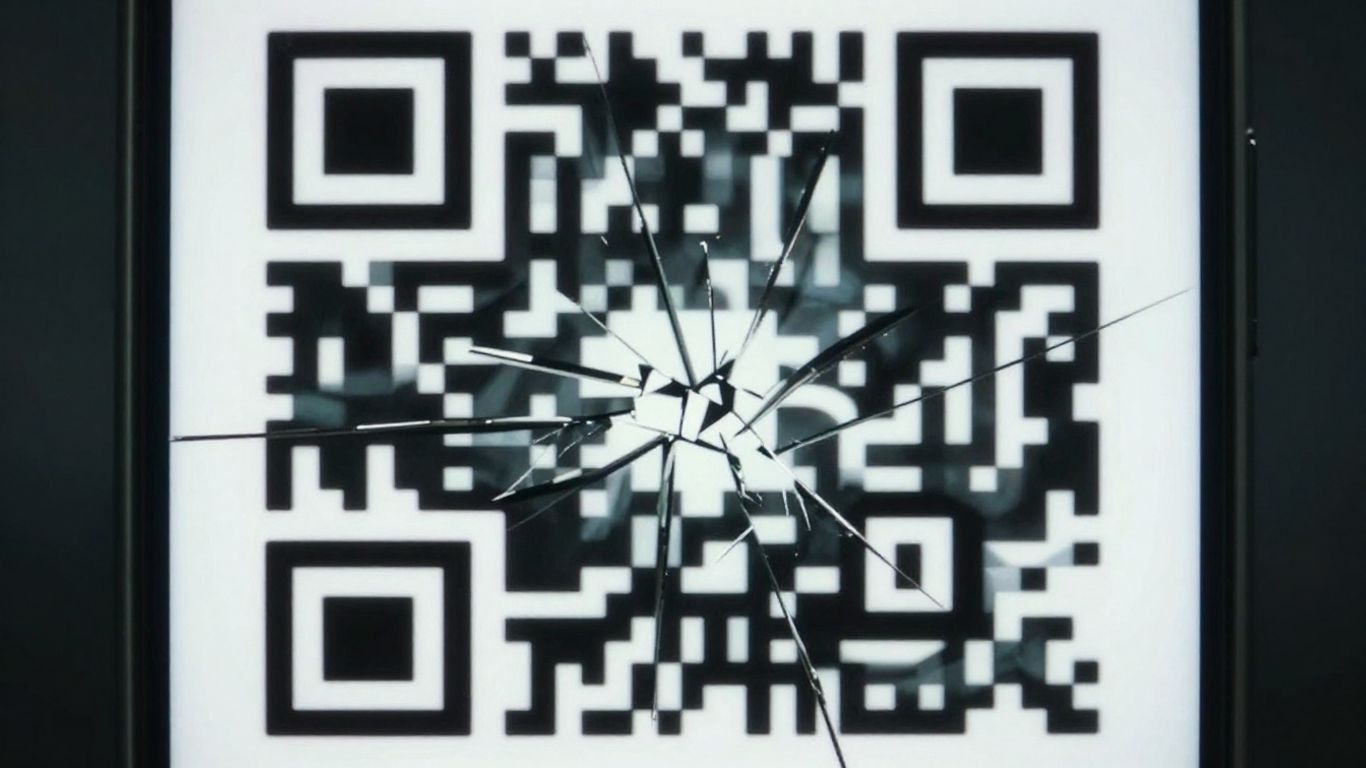
Furthermore, a daring hack saw two French individuals reconstruct a blurred QR code displayed on television, allowing them to claim bitcoins worth $1,000. This demonstrates the potential for technical expertise to exploit visual information presented through QR codes, even when intentionally obscured.
Protecting Yourself
As QR codes become more ubiquitous, users must exercise caution. Always consider the context in which you encounter a QR code. If a code seems suspicious or is in an unexpected location, it’s best to avoid scanning it. Businesses also have a responsibility to ensure the security and integrity of the QR codes they deploy, regularly checking that links are active and lead to legitimate content.