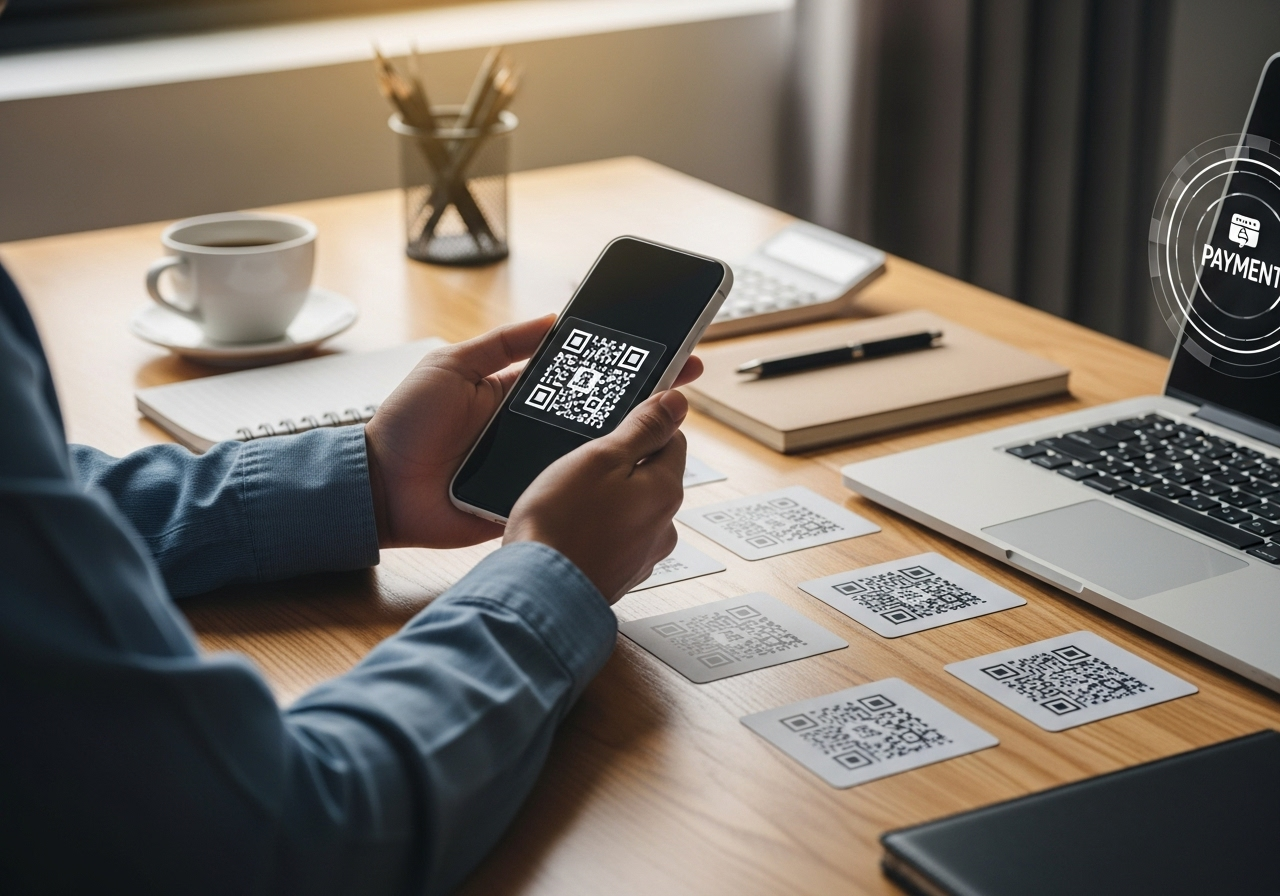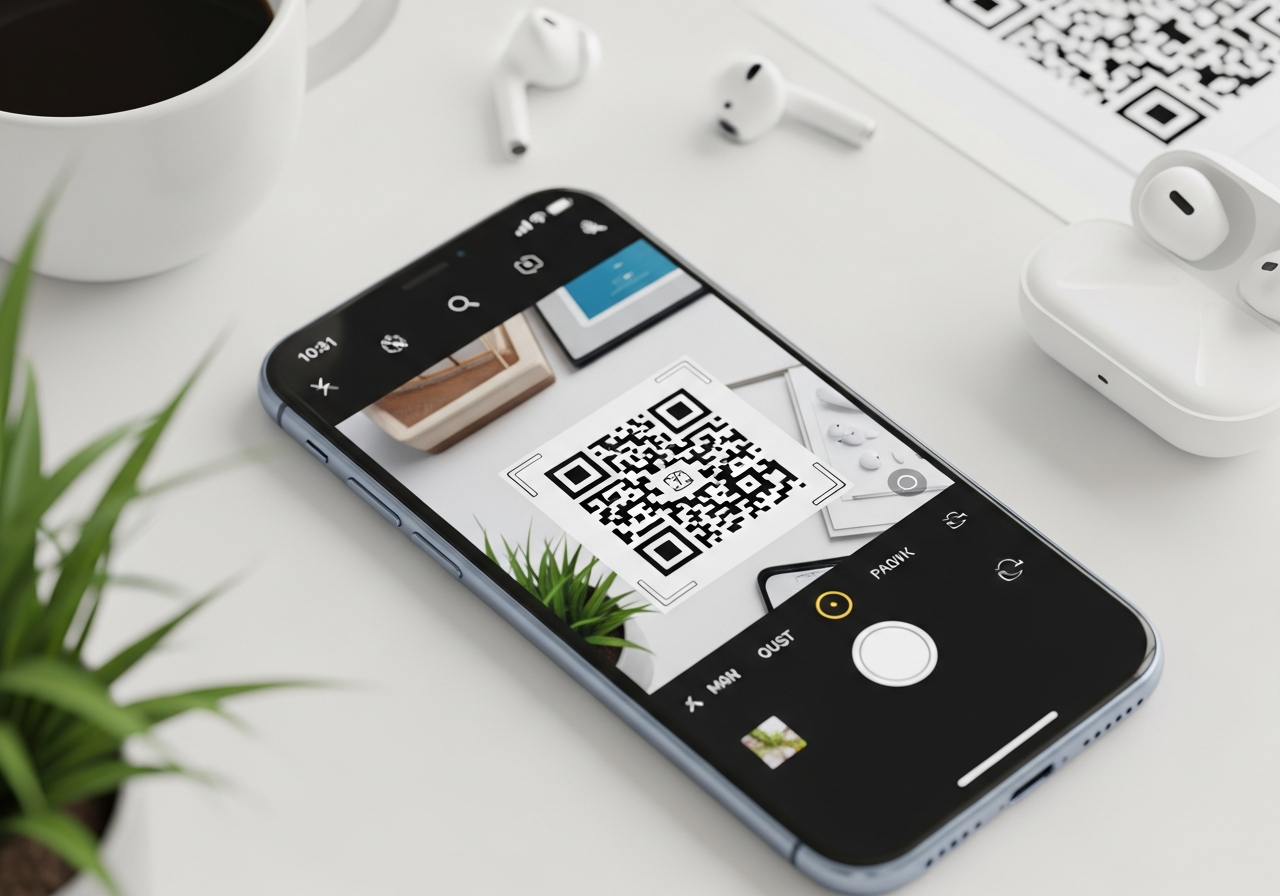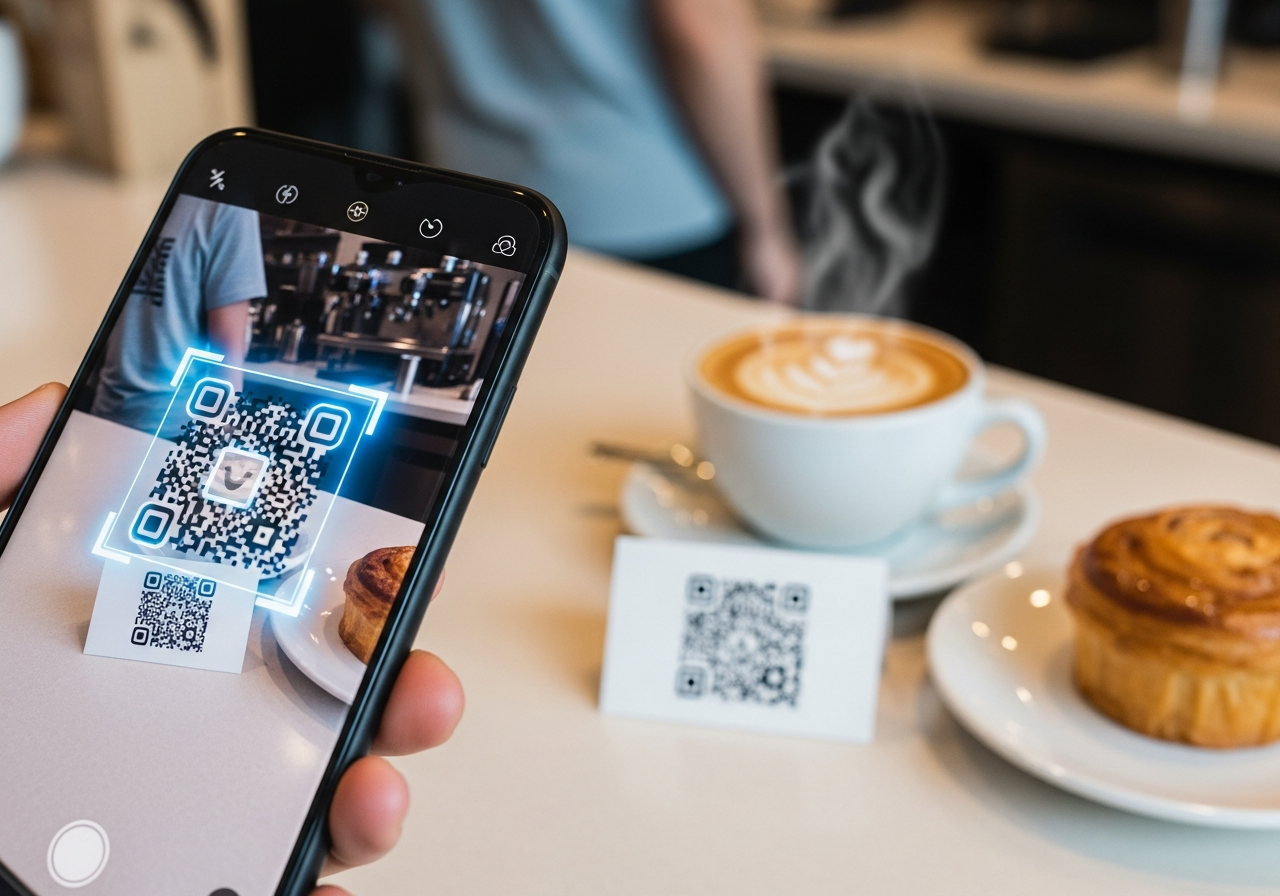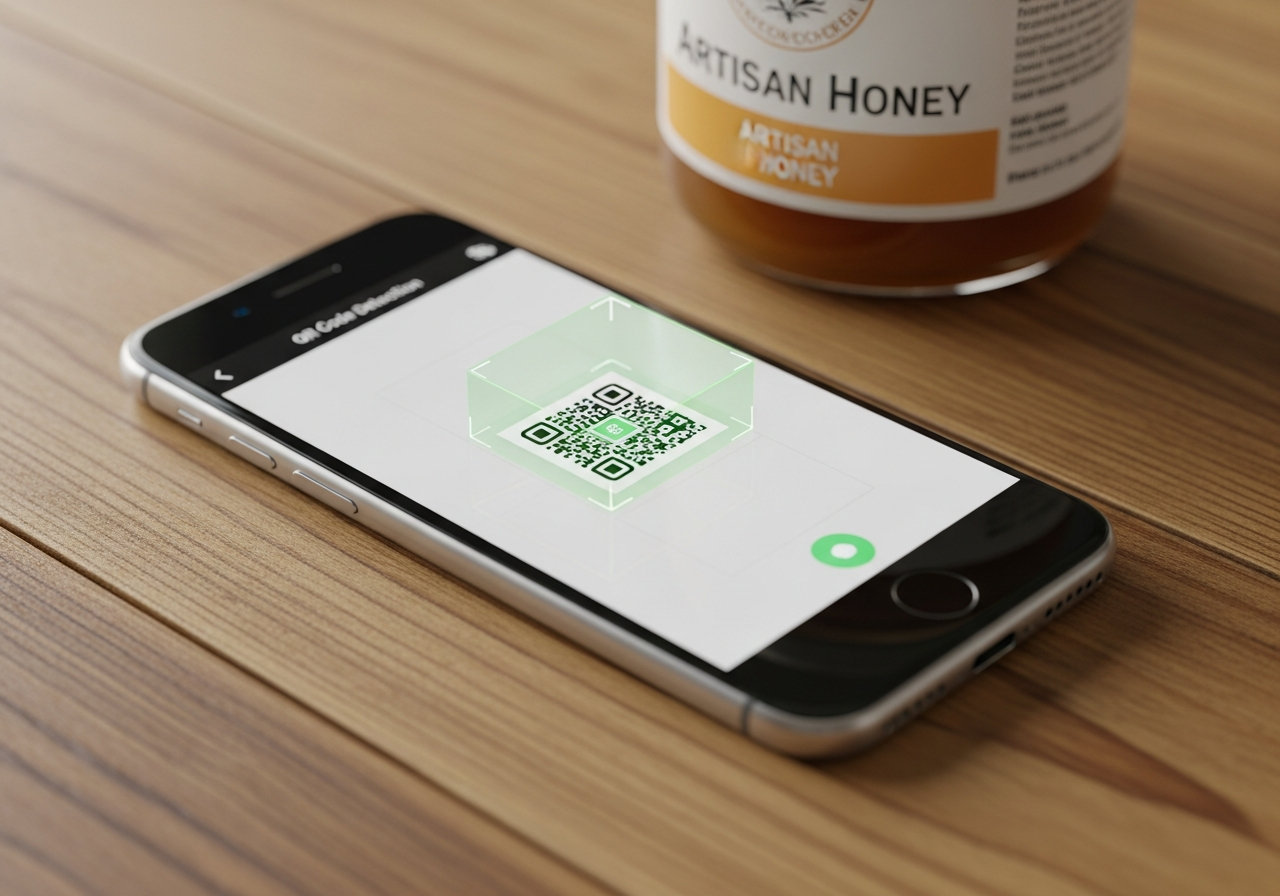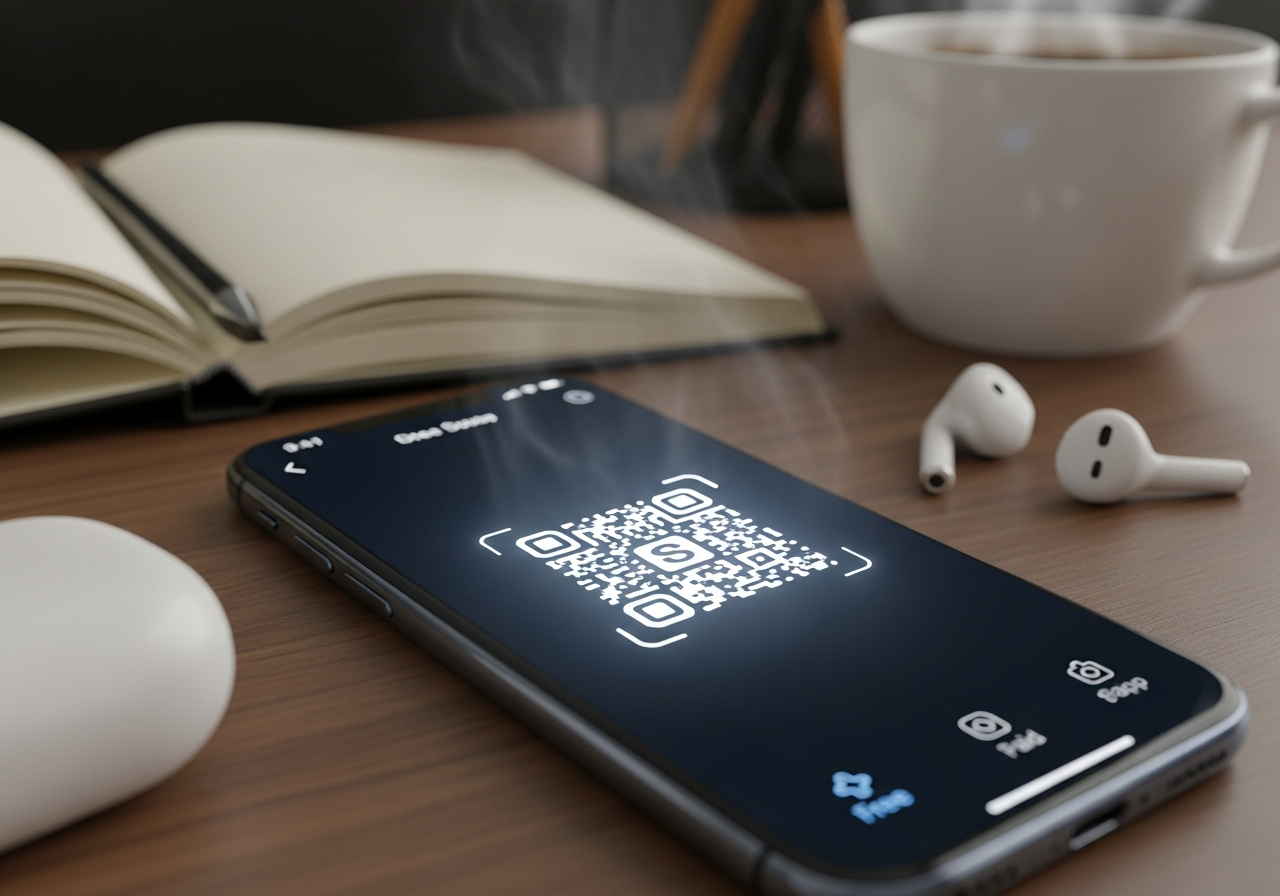

Right then, you’ve put a QR code in your email, expecting it to work wonders, but it’s just… not showing up? Or worse, it shows up but nobody can scan it. It’s a bit of a head-scratcher, isn’t it? Happens to the best of us. Whether it’s a marketing campaign or just a quick way to share information, a QR code that doesn’t work is about as useful as a chocolate teapot. Let’s have a look at why your qr code not showing in email and how to sort it out.
Key Takeaways
- Make sure your QR code has enough contrast against its background. Black on white is usually best.
- Don’t make the QR code too small; it needs to be a decent size to scan easily from a typical distance.
- Leave a clear space, known as a ‘quiet zone’, around the QR code. This helps scanners focus.
- Check that the data you’ve put into the QR code isn’t too complicated, especially if you’re using a shortened link.
- Always test your QR code on a few different phones and email clients before you send it out widely.
Ensuring Your QR Code Is Visible and Scannable
Getting your QR code to work in an email is all about making it easy for people to see and scan. It sounds simple, but a few common oversights can stop it in its tracks. Let’s break down what makes a QR code truly scannable.
Check Contrast and Colour Choices
This is probably the most frequent reason a QR code won’t scan. Think about it: those little squares need to be clearly distinguished from their background. The golden rule is dark modules on a light, matte background. Black on white is the classic for a reason – it’s highly visible to cameras. Avoid using pale colours, metallic inks, or colour gradients, as these can significantly reduce the contrast and make it difficult for a phone to read the data. Even a slight mismatch can cause issues, so always test your colour choices.
Adequate Size and Viewing Distance
If your QR code is too small, or if people are expected to scan it from too far away, it simply won’t work. A good rule of thumb is that the scanning distance should be roughly ten times the width of the QR code itself. So, if you’re placing a QR code on a poster that people will see from a few metres away, it needs to be quite large. For email, where the code is often viewed on a screen, you still need to ensure it’s not so tiny that it becomes a blur. Aim for a size that’s easily discernible on most common screen resolutions.
The Importance of a Quiet Zone
Ever noticed that clear border around a QR code? That’s called the ‘quiet zone’, and it’s vital. It’s a blank space that tells the scanner where the code actually begins and ends. Without it, or if it’s cluttered with other graphics or text, the scanner can get confused. You need at least a border that’s four modules (those little squares) wide on all sides. Don’t let logos or decorative elements creep into this space; it’s there for a reason.
Making sure your QR code has enough contrast, is the right size for its intended viewing distance, and has a clear quiet zone are the foundational steps to scannability. These aren’t complicated design tricks, just practical considerations that make a huge difference.
When you’re creating QR codes for campaigns, especially those that might move from digital to print, it’s worth considering tools that help manage these aspects. Platforms like Xcan.it allow you to create dynamic QR codes. This means you can update the destination link without ever needing to reprint the code itself – a lifesaver if a URL changes. Plus, you get a dashboard to track scans, giving you insights into how your campaigns are performing across different assets. This is particularly useful for improving real-world campaigns on print materials and signage.
Common Pitfalls When Generating QR Codes for Email
Sometimes, even with the best intentions, QR codes just don’t play nice. It’s usually not the technology itself that’s the problem, but rather a few common oversights during creation or deployment. Let’s look at some of the usual suspects that can stop your QR code from showing up or working as expected in your emails.
Overly Complex Data or Shortened URLs
QR codes work by encoding data into a pattern of squares. The more data you pack in, the denser the pattern becomes. This density can make the code harder for cameras to read, especially if the print quality isn’t perfect. Think of it like trying to read tiny, smudged text – it’s a struggle. While shortening URLs is often necessary for emails, extremely long or complex data strings can lead to a QR code with so many small modules that it becomes unreadable. This is where using a service like Xcan.it becomes really helpful. They can manage the complexity behind the scenes, allowing you to use dynamic QR codes that point to a short, managed URL. This keeps the QR code itself simpler and more scannable, while still directing users to your intended destination. Plus, with dynamic codes, you can update the destination link later without ever needing to reprint the QR code, which is a lifesaver if the original link breaks or needs changing.
Ignoring Print Quality and Material
This is a big one. You might have a perfectly designed QR code on your screen, but how it looks when printed is a whole different story. Low-resolution images, blurry printing, or using materials that cause glare can all render a code useless. A glossy flyer might look great, but the reflections can completely obscure the pattern. Similarly, printing a QR code on a textured or uneven surface makes it difficult for a phone camera to get a clear, flat image. Always aim for high-resolution exports, preferably in vector formats like SVG or PDF, or at least a high-DPI PNG. And when it comes to materials, matte finishes are generally your friend. They reduce glare and provide a better surface for scanning. If you’re using Xcan.it for your dynamic QR codes, remember that while they help with the data complexity, the physical print quality is still up to you. It’s worth testing a few prints on your chosen material before a big send-out.
Camera Settings and Device Compatibility
It’s easy to forget that not all phones and cameras are created equal. While most modern smartphones have built-in QR code scanning capabilities in their native camera apps, older devices or specific camera settings might struggle. Some users might have their camera app configured to not automatically detect QR codes, or they might be using a third-party scanner app that has limitations. It’s also worth remembering that lighting conditions play a huge role – a dimly lit room can make scanning much harder, even with a good phone. Testing your QR code across a variety of devices (different brands, operating systems, and even ages) and in different lighting scenarios is key. This is where the tracking features of dynamic QR codes, like those offered by Xcan.it, can be surprisingly useful. While they don’t directly fix camera compatibility, seeing scan data can sometimes hint at issues related to specific device types or environments, prompting further investigation.
Troubleshooting Scan Failures
Sometimes, even with the best intentions, a QR code just won’t scan. It’s frustrating, I know. But usually, the problem isn’t with the QR code itself, but with how it’s being read or presented. Let’s break down the common culprits and how to fix them.
Lighting Conditions and Glare
This is a big one. If the lighting is too dim, your phone’s camera struggles to pick out the details. On the flip side, too much direct light can cause glare, especially on glossy surfaces, making parts of the code unreadable. Think of it like trying to read a book with a bright lamp shining directly on the page – it’s difficult.
- Move to a better spot: Try scanning in a well-lit area, but avoid direct sunlight or harsh overhead lights that create reflections.
- Adjust your angle: Sometimes, simply tilting your phone or the item with the QR code slightly can get rid of glare.
- Clean the lens: A smudged camera lens can blur the image, making it harder for the scanner to focus.
Physical Damage or Curvature
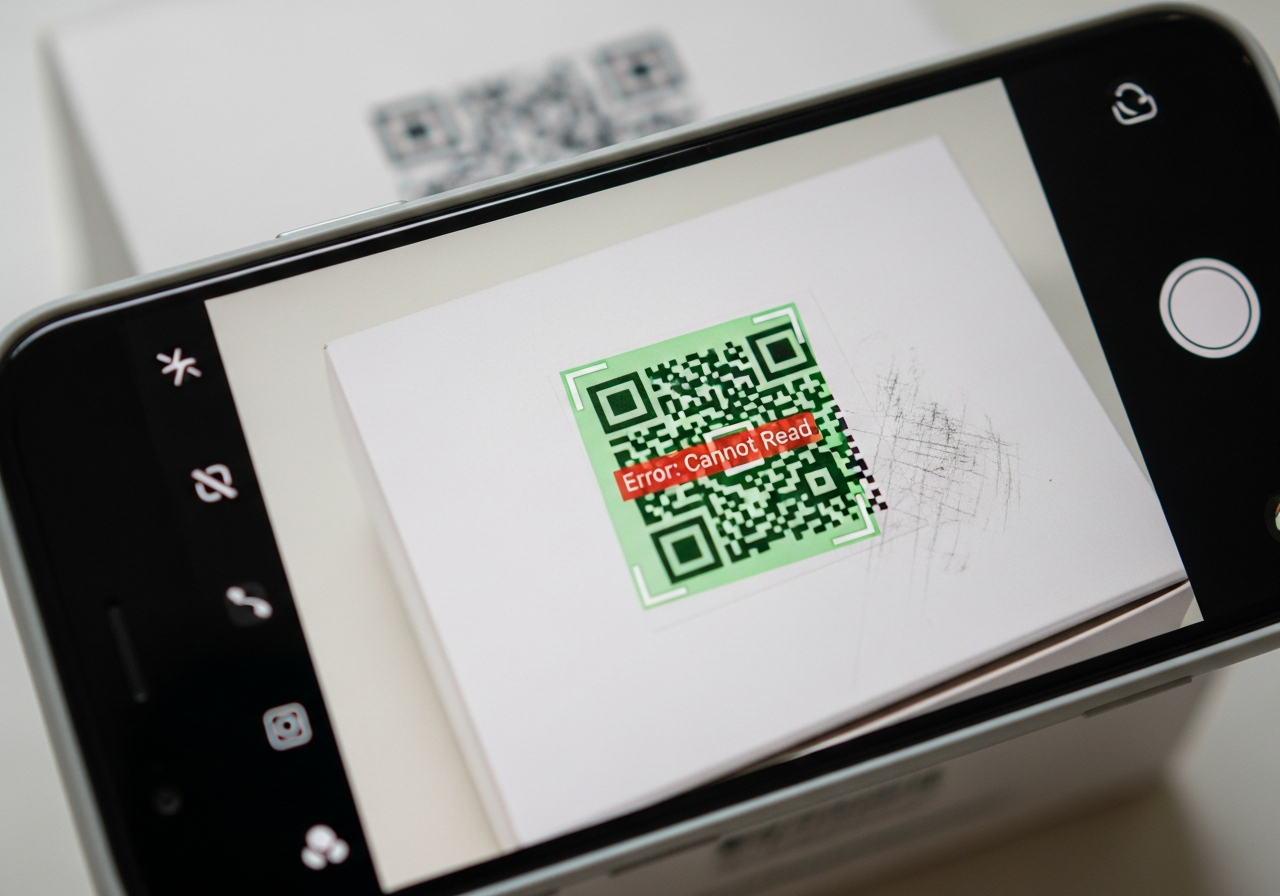
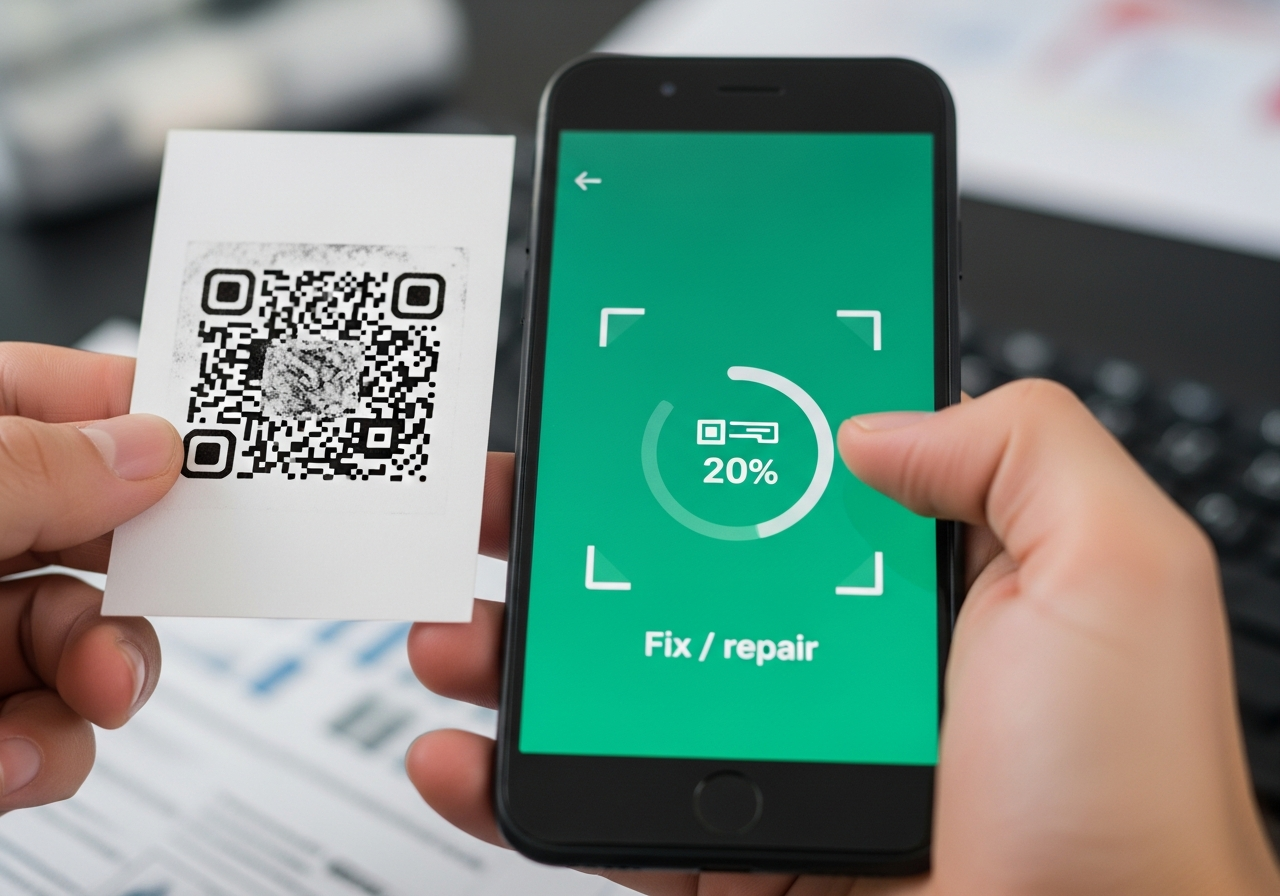
QR codes are surprisingly robust, but they aren’t indestructible. If the code is creased, torn, smudged, or printed on a surface that’s curved, it can distort the pattern enough to prevent a scan. This is especially common on packaging or labels that get handled a lot.
- Keep it flat: Ensure the QR code is on a flat surface. If it’s on a flexible material, try to flatten it out as much as possible before scanning.
- Check for damage: Look for any physical damage. A small tear or a significant smudge can be enough to cause issues.
- Consider the material: Glossy or metallic finishes can cause glare. Matte finishes are generally better for scannability. If you’re printing your own, opt for a matte paper stock. This article has more on fixing unreadable codes.
Testing Across Different Devices
What works on your brand-new flagship phone might not work on an older model or a different operating system. Different camera sensors, software versions, and even the built-in QR scanner apps can behave differently. It’s always a good idea to test your QR code on a few different devices before sending it out widely.
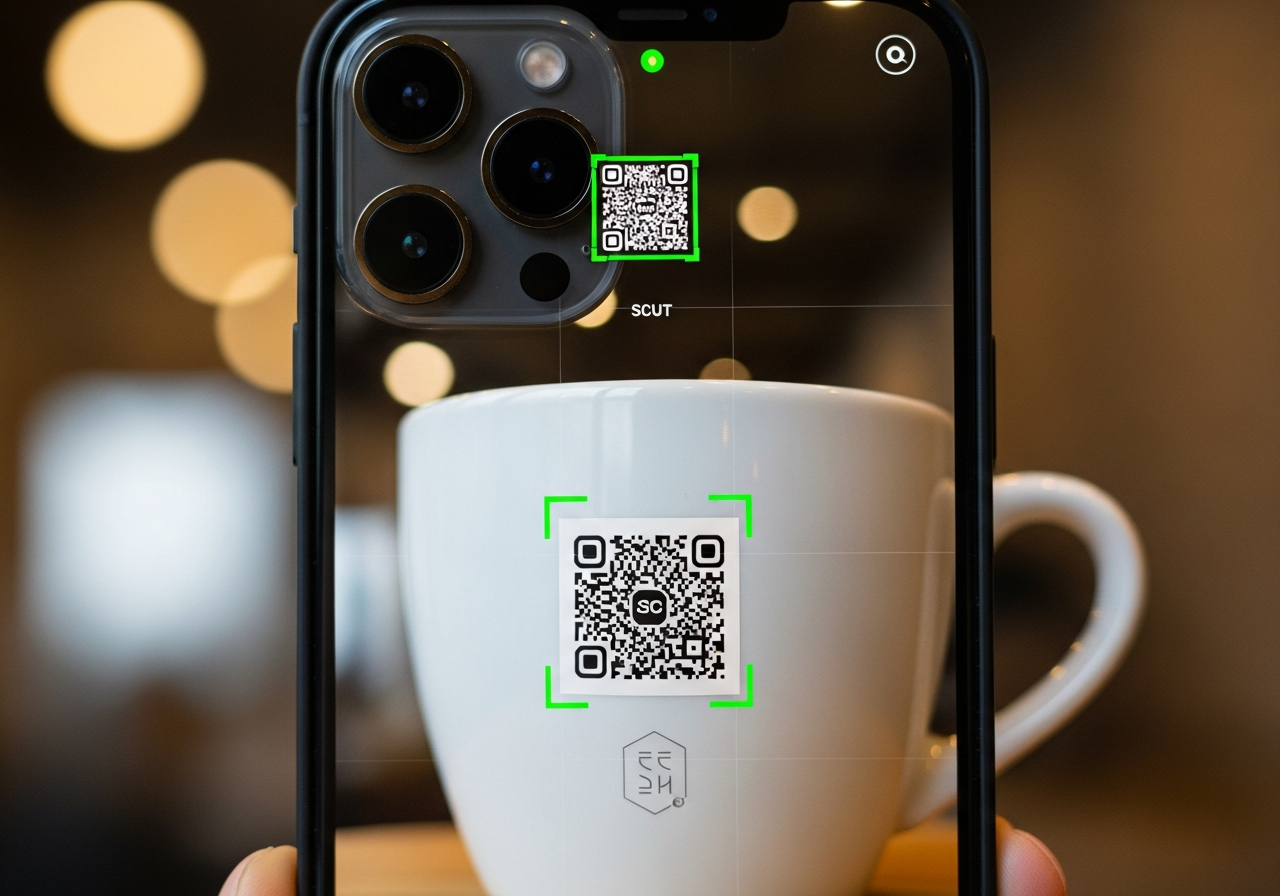
- Try native camera apps first: Most modern smartphones (both iPhone and Android) can scan QR codes directly from their default camera app. Make sure this feature is enabled in your phone’s settings.
- Use a dedicated app if needed: If native scanning fails, try a reputable third-party QR code scanner app. These can sometimes offer more robust scanning capabilities.
- Ask a friend: If you’re having trouble, ask someone else to try scanning it with their phone. This helps rule out device-specific issues.
When you’re creating QR codes for campaigns, especially those that need to be updated, using a service like Xcan.it is a game-changer. You can update the destination link for your QR codes without needing to reprint them, which is incredibly useful. Plus, their dynamic QR codes allow you to track scans in a single dashboard, giving you insights into how your campaigns are performing across print, signage, and other assets. This means you can adapt and improve your real-world campaigns based on actual data.
Understanding QR Code Design Best Practices
When you’re creating a QR code, especially for something like an email campaign, it’s not just about getting the data in there. How you design it makes a huge difference to whether people can actually scan it. Think of it like trying to read a book with tiny, smudged print – frustrating, right? The same applies to QR codes.
Module Density and Error Correction
QR codes are made up of lots of little squares, called modules. The more information you pack into a QR code, the smaller these modules become. This is known as module density. High density means lots of data, but it also means the code can be harder to scan, especially if it’s printed small or there are slight imperfections.
To combat this, QR codes have built-in error correction. This means that even if a part of the code is damaged or obscured, it can still be read. There are different levels of error correction (L, M, Q, H), with H being the highest. While using a higher error correction level can make a code more robust, it also increases the density of the modules. It’s a bit of a balancing act. For most everyday uses, a medium error correction level is usually sufficient. If you’re adding a logo or customising the code, you might want to bump this up to ensure scannability.
The Role of Dynamic QR Codes
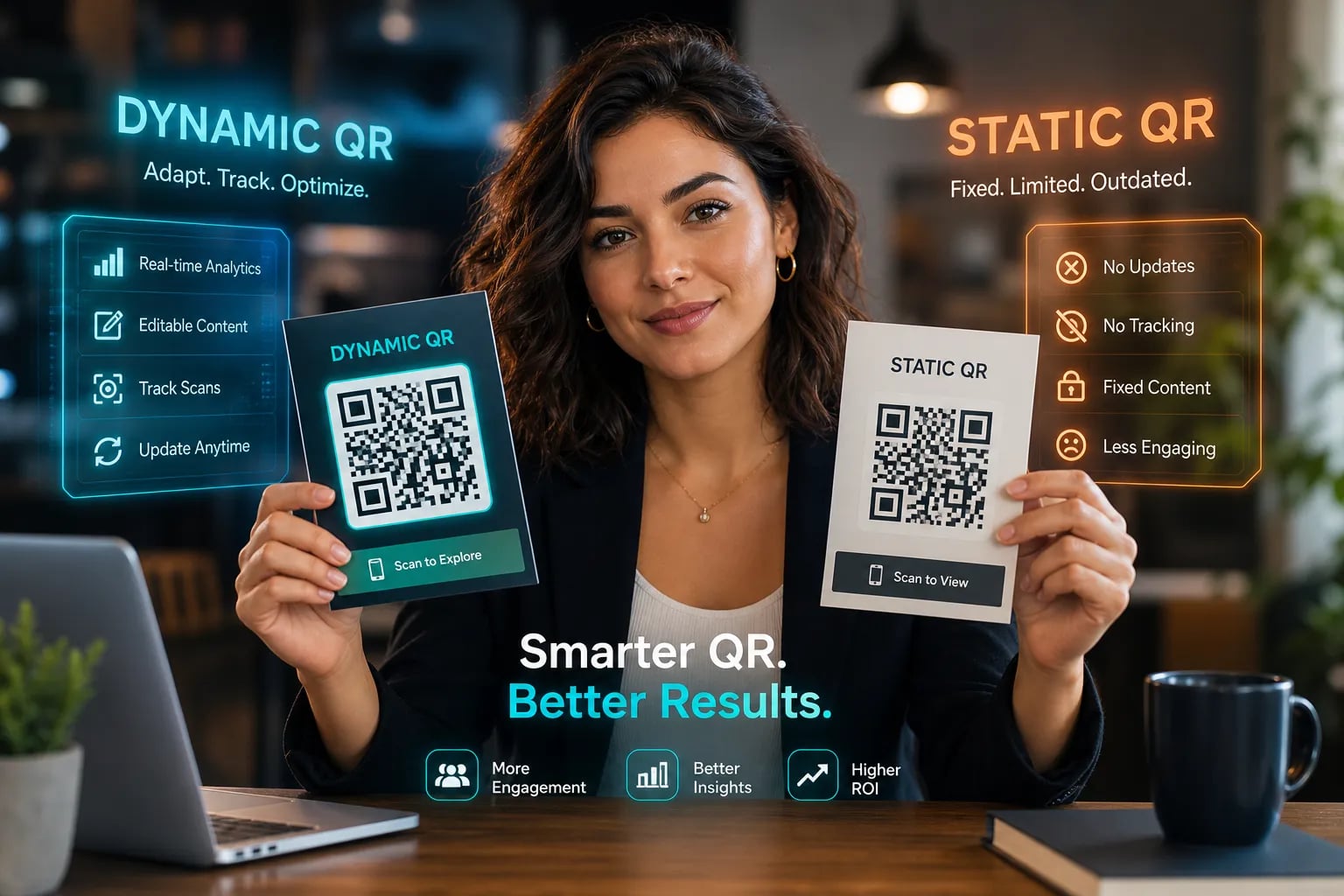
Static QR codes are pretty straightforward – the data is encoded directly into the code. Once it’s generated, you can’t change where it points. If the link breaks or you want to update the destination, you have to create a whole new QR code and reprint everything. That’s where dynamic QR codes come in.
Dynamic QR codes don’t contain the final destination URL directly. Instead, they point to a short, managed URL that then redirects to your actual destination. This is a game-changer for a few reasons. Firstly, you can update the destination link at any time without ever needing to change the printed QR code. This is incredibly useful for email campaigns where landing pages might change or offers expire. Secondly, dynamic QR codes allow for scan tracking. You can see how many people scanned your code, when, and from roughly where. This kind of data can be really insightful for understanding campaign performance. Platforms like Xcan.it specialise in dynamic QR codes, letting you update links and track scans all from one dashboard. This makes your real-world campaigns much more flexible and measurable.
Avoiding Invasive Logos or Graphics
It’s tempting to brand your QR code with your logo or a cool graphic. While this can look good, it needs to be done carefully. If your logo covers too much of the QR code, or if the colours clash badly, it can interfere with the scanning process. The core structure of the QR code needs to remain clear and distinct for scanners to read it.
Think about the finder patterns – those three big squares in the corners. They’re essential for the scanner to orient itself. If your logo or design obstructs these, or if it’s too close to the main data modules, you’re asking for trouble. Always ensure there’s a good amount of contrast between your logo and the QR code itself, and that the logo doesn’t extend into the ‘quiet zone’ – the clear space around the code. If you’re unsure, it’s often best to keep customisation minimal or use a service that handles logo integration properly, like Xcan.it, which is designed to maintain scannability even with added graphics. Testing your QR code across different devices after adding any customisation is always a good idea before sending it out.
Resolving Email Client and Link Issues
Sometimes, the QR code itself looks fine, but it’s not quite doing what it’s supposed to when scanned. This section looks at why that might be happening, focusing on the destination link and how your email client handles it.
Verifying the Destination URL
It sounds obvious, but the most common reason a QR code doesn’t work as expected is a simple typo or error in the web address (URL) it’s supposed to lead to. Even a single misplaced character can send users to a dead page. Always double-check the URL you’ve encoded. If you’re using a service to shorten your links, make sure that shortened link is still active and points to the correct place. A quick way to check is to manually type the URL into your browser or use a QR code checker tool. For email QR codes, this means checking the ‘mailto:’ link itself to ensure the recipient address, subject, and any pre-filled body text are exactly as intended. A faulty link is a common pitfall, and addressing this is key to ensuring QR codes function correctly and reliably [c3fe].
Handling Redirects and Trackers
Many marketing campaigns use URL shorteners or tracking links. While these can be useful for analytics, they can sometimes cause issues with QR code scanning. Some phone cameras or QR scanner apps might struggle with long chains of redirects, or they might block links that appear to be overly complex or contain too many tracking parameters. If your QR code is pointing to a link that redirects multiple times, consider simplifying the chain. Using a service like Xcan.it allows you to manage your links dynamically. This means you can update the destination URL without needing to reprint the QR code itself, which is a lifesaver if a link breaks or needs to be changed. It also means you can use shorter, cleaner links that are less likely to cause scanning problems.
Ensuring Native Camera App Functionality
Most modern smartphones have built-in QR code scanning capabilities directly within their native camera apps. This is usually the most straightforward way for users to scan your code. However, on some devices, this feature might be turned off in the camera settings, or the phone might be too old to support it natively. If users are having trouble, advise them to check their camera settings to make sure QR code scanning is enabled. If they’re still encountering issues, suggest they try a reputable third-party QR scanner app. For email QR codes specifically, it’s also worth remembering that the scan will open the user’s default email client. If they don’t have an email app set up on their device, the QR code might not function as expected. In such cases, it’s always a good idea to have a plain text email address visible near the QR code as a fallback option.
Optimising Your QR Code for Email Campaigns
Choosing the Right QR Code Type
When you’re sending out emails, especially for marketing or customer service, the type of QR code you use can make a big difference. While a standard URL QR code is often the go-to, for email-specific interactions, an email QR code is designed to streamline the process. It opens the recipient’s email app with a pre-filled address and subject line, cutting out a lot of the initial faff for the sender. This means fewer lost enquiries and clearer information right from the start. For instance, if you’re running a campaign where you want customers to easily send feedback or ask questions, an email QR code is a smart choice. It removes the friction of finding the right email address and guessing what to put in the subject line, making it more likely that people will actually get in touch.
Testing Before Deployment
Before you hit send on that big email campaign, a quick test of your QR code is absolutely vital. It sounds obvious, but you’d be surprised how many codes end up not working as intended. Make sure you test it on a few different devices and operating systems – an iPhone might read it perfectly, but an older Android model could struggle. Check it under various lighting conditions too, just like your customers might encounter. A simple test can save a lot of headaches and prevent potential customers from getting frustrated. Remember, the goal is to make things easy for them, and a non-working QR code does the opposite.
Considering User Experience
Ultimately, optimising your QR code for email campaigns is all about the user. Think about how someone will interact with it. Is it easy to find in the email? Is it large enough to scan without squinting? Does it lead them somewhere useful and quick to access? Using dynamic QR codes, like those offered by Xcan.it, can really improve this. They let you update the destination link without needing to reprint anything, which is a lifesaver if a landing page changes. Plus, you get to track scans in one dashboard, giving you insights into what’s working and what’s not. This means you can refine your campaigns based on real data, making them more effective over time. Dynamic QR codes are particularly useful for improving real-world campaigns across print, signage, and other assets, ensuring your links stay relevant and measurable.
Making your QR codes work harder for your emails is a smart move. A well-placed QR code can grab attention and lead people straight to what you want them to see. Want to see how easy it is to make your email campaigns more effective? Visit our website to learn more and get started today!
Wrapping Up
So, if your QR code isn’t showing up in emails, don’t panic. We’ve walked through the common culprits, from simple display issues to more technical glitches. Often, it’s just a matter of checking the basics like contrast, size, and the link itself. Remember, using dynamic QR codes, especially with a platform like Xcan.it, means you can update destinations on the fly, saving you the hassle of reprinting if something goes wrong. Keep these tips in mind, and you’ll be back to seamless scanning in no time.
Frequently Asked Questions
Why isn't my QR code showing up in the email?
Sometimes, the QR code might be too small or have colours that don’t stand out enough against the email background. Make sure there’s a good contrast, like a dark code on a light background. Also, check that it’s not being cut off by the email’s formatting or your email client’s settings.
Is the QR code too complicated for the email?
If your QR code has a lot of information packed into it, or if it’s a very long web address, it can become dense and hard to scan. Try using a shorter link or a ‘dynamic’ QR code, which is more flexible and can be updated later without needing a new print.
What if the QR code is hard to scan on different devices?
Different phones and tablets have different cameras and software. It’s a good idea to test your QR code on a few different devices to see if it scans okay. Sometimes, the problem is with the phone’s camera settings or the lighting where you’re trying to scan it.
Does the way I print the QR code matter for emails?
Even though it’s for an email, if you’re printing it to be viewed on a screen or as part of a physical flyer that’s then shared digitally, the print quality is key. Blurry prints or low-resolution images make the code difficult to read. Always aim for clear, sharp printing.
Can I put a logo in my QR code for my email?
You can add a logo, but it needs to be done carefully. If the logo covers too much of the QR code or clashes with its design, it can stop people from scanning it. Keep the logo small and ensure there’s enough clear space around it.
How do I make sure the link in my QR code works?
Always double-check the web address or link your QR code points to. Make sure it’s correct and that the page is still active. If you’re using redirects, ensure they’re working smoothly, as some scanners can have trouble with too many steps.