QR codes are everywhere these days, aren’t they? From posters on the street to menus in cafes, they’ve become a super common way to link the physical world to online information. But how do you actually make one, and more importantly, how do you make sure it actually works and gets people to do what you want? This article is going to break down the whole QR code example process, from creation to clever usage, so you can start using them effectively yourself.
Key Takeaways
- Always choose dynamic QR codes for flexibility; they let you change the destination link later without reprinting.
- Customise your QR code’s look, but don’t overdo it, as too much can make it hard to scan.
- Placement is key: make sure your QR code is big enough and has good contrast to be easily scanned.
- Real-world use cases show QR codes can boost marketing, streamline operations, and improve customer interaction.
- Track your QR code scans to see what’s working and update destinations on the fly to keep things fresh.
Understanding QR Code Essentials
Getting to grips with QR codes is the first step before you start making or using them in real situations. These little squares might look complicated, but they unlock a lot of possibilities, from quick links to business insights and better customer interaction.
What Exactly Is A QR Code?
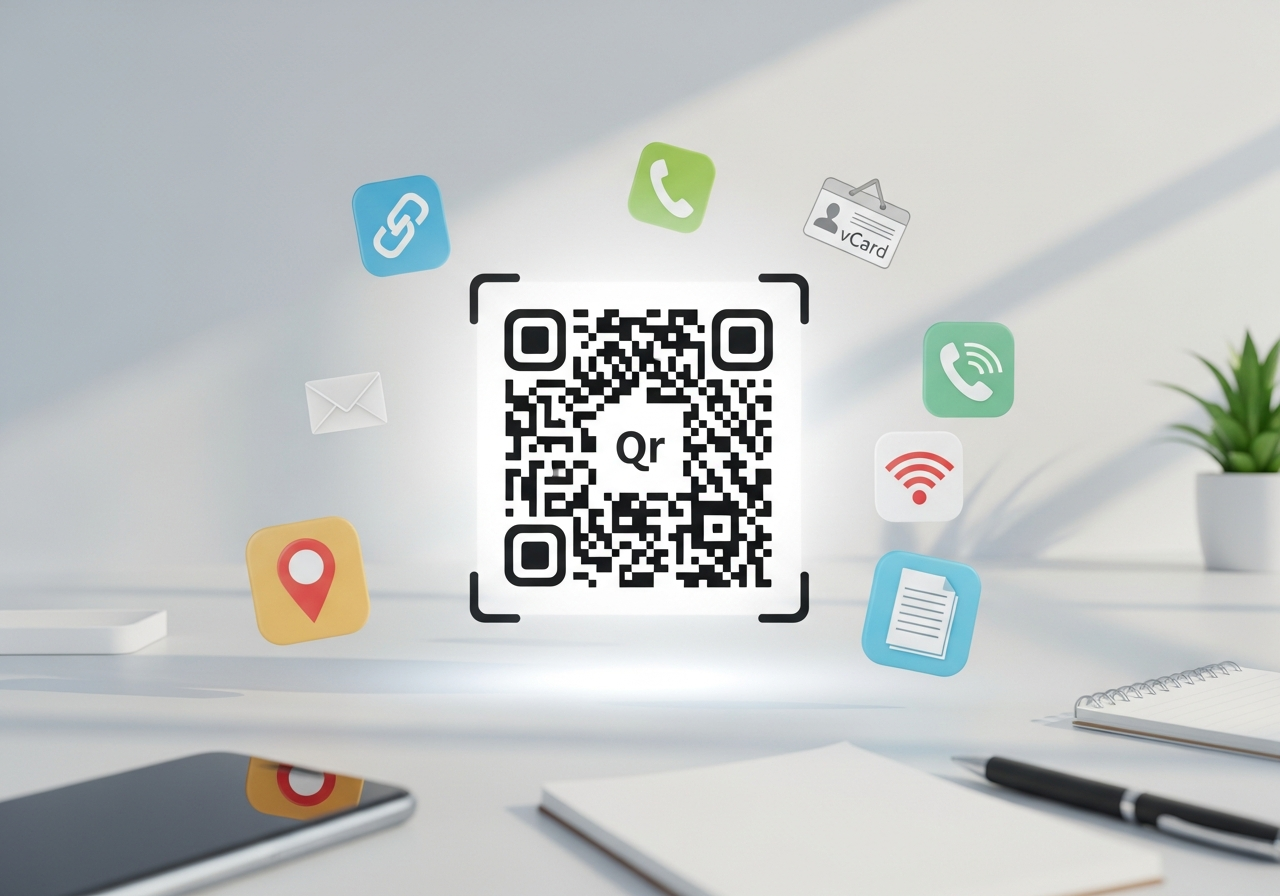
A QR code (Quick Response code) is a special barcode that smartphones and other devices can scan. Once scanned, it brings up a web page, a social media profile, a video, directions—almost anything digital. They became popular during the pandemic for contactless menus, but now they’re everywhere, helping both businesses and customers to exchange information quickly and easily.
- QR codes can:
- Connect people to websites instantly, without typing URLs
- Save contact info (like a digital business card)
- Link to videos, menus, or offers
- Trigger app downloads or Wi-Fi sign-ins
What stands out is their ability to bridge the gap between physical spaces and digital content almost effortlessly. For a deeper look at how these codes work and their background, here’s a clear overview of QR codes.
The Power Of Dynamic QR Codes
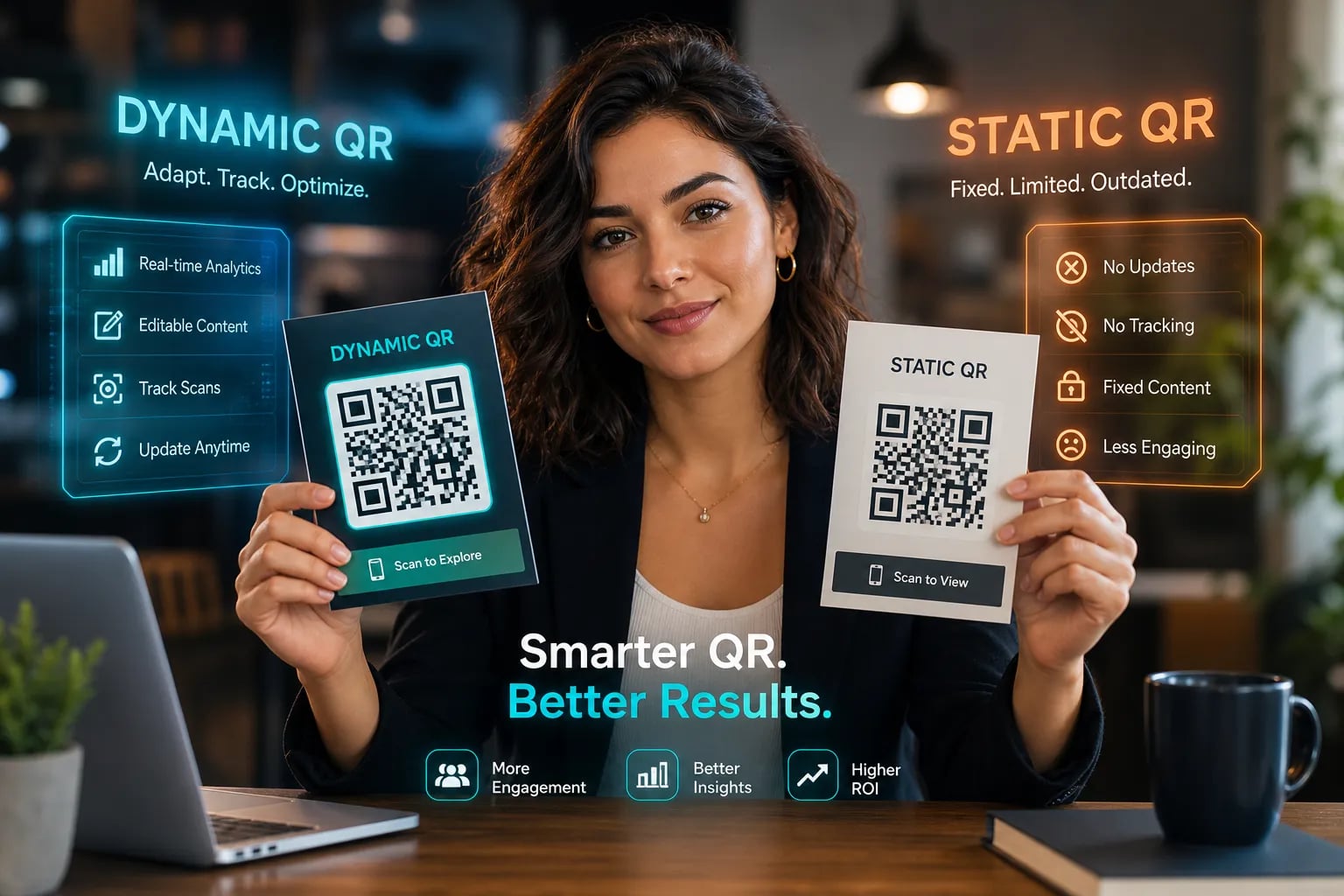
Static QR codes are a bit of a one-shot deal: once printed, their destination never changes. If you need to update where they lead, you have to print new codes. Dynamic QR codes, on the other hand, are far more flexible. The code itself stays the same, but you can change what it points to at any time from your dashboard. That means you can:
- Update links instantly—with no reprinting costs
- Track exactly how people interact with each code
- Fix broken or outdated destinations anytime
Here’s how Xcan.it takes advantage of dynamic QR codes:
- Edit the link behind any printed code from your dashboard
- See in one glance which codes are getting scanned and when
- Use the same code across different campaigns, signs, menus or assets and update as needed
If you’ve ever handed out 1,000 flyers—and realised you left the wrong website on them—dynamic QR codes are the safety net that saves your budget and your nerves.
Static Versus Dynamic: Making The Right Choice
Deciding between static and dynamic QR codes comes down to how much flexibility you need.
| Feature | Static QR Code | Dynamic QR Code |
|---|---|---|
| Editable link | No | Yes |
| Tracks scans | No | Yes (with Xcan.it) |
| Cost | Free/low | Typically paid |
| Good for | Simple, one-time uses | Long-term campaigns, assets |
Some reasons to pick one over the other:
- Choose static for single-use posters, one-off events, or quick jobs where analytics and edits don’t matter.
- Choose dynamic if you’re running print campaigns, signage, or want to track scans, change links, or manage multiple assets in one place.
Xcan.it is built for the real world. Their codes are dynamic by default, so you can update links without new print runs, keep campaign performance on track, and make QR codes part of a bigger plan rather than a shot in the dark.
In short, if you want control, data, and the ability to react fast without wasting time or money—dynamic QR codes with a tool like Xcan.it are the way forward.
Generating Your First QR Code Example
So, you’ve grasped the basics of QR codes and why they’re so handy. Now, let’s get practical and create your very own. It’s not as complicated as it might seem, and with the right tools, you can have a functional QR code ready in minutes.
Choosing A QR Code Generator
When you’re looking for a tool to create your QR code, you’ll find a whole bunch of options out there. Some are super basic, just spitting out a code with no frills. Others offer a lot more control. For this example, we’re going to focus on a generator that gives you flexibility and useful features, like Xcan.it. They offer a free online generator that’s pretty straightforward to use. You don’t need any fancy tech skills – just pick what you want the code to link to, design it a bit, and download it.
Here’s a quick rundown of what to look for:
- Ease of Use: Can you figure it out without a manual?
- Customisation Options: Can you add your logo, change colours, or shapes?
- Dynamic vs. Static: This is a big one. Dynamic codes, like those from Xcan.it, let you change the destination link after you’ve printed the code. Static codes are fixed – once created, they can’t be changed.
- Tracking: Does it offer scan analytics?
Customising Your Code's Appearance
Once you’ve picked your generator, it’s time to make your QR code look good. This isn’t just about aesthetics; it can actually help with scannability and branding. Most generators will let you:
- Add a Logo: Placing your logo in the centre is a common and effective way to brand your code. Just make sure it doesn’t obscure too much of the code itself.
- Change Colours: While black and white is standard, you can often change the colours to match your brand. Just be careful not to use colours that are too similar, as this can make it harder to scan.
- Adjust Shapes: Some generators let you play with the shape of the dots or the ‘eyes’ (the corner squares). Again, don’t go too wild, or you might affect how easily it’s read.
The key is to make it recognisable as yours without making it difficult for phones to scan. A good balance is important here.
Selecting The Right File Format
When you’re ready to download your creation, you’ll usually have a few file format options. The best choice depends on where you plan to use it:
- PNG: This is a great all-rounder for digital use (websites, social media) and for printing on things like flyers or posters. It’s a raster format, meaning it’s made of pixels, so it’s best to download it at the size you intend to use it or larger.
- SVG: This is a vector format, which means it can be scaled to any size without losing quality. It’s ideal for professional printing, large signage, or if you know you’ll need to resize it later.
- PDF: Often used for documents, a PDF can also be a good option for print, especially if you’re embedding it into a larger document.
For most common uses, a PNG will serve you well. If you’re planning on large-scale printing or need maximum flexibility for resizing, go for an SVG. Using a service like Xcan.it means you can download in multiple formats, giving you options for different applications.
Effective QR Code Placement Strategies
Placing QR codes in the right spots is the difference between a quick scan and a wasted effort. Whether you’re promoting a campaign, handling logistics or just linking to your latest menu update, the basics of placement are what keep a QR code working day after day. Xcan.it makes all of this more practical, letting you update links, see scan data, and roll out dynamic codes for campaigns on print, signage, packaging—wherever they need to live.
Designing For Scanability
A code is only useful if it actually gets scanned. That means you want to make life easy for the person holding a phone, not just what looks tidy on your mock-up. Here are a few principles:
- Minimum size matters: At arm’s length, most codes should be at least 25–32 mm wide. On posters or outdoor signs, use the 10× rule—a 2 m scan distance needs a 20 cm code.
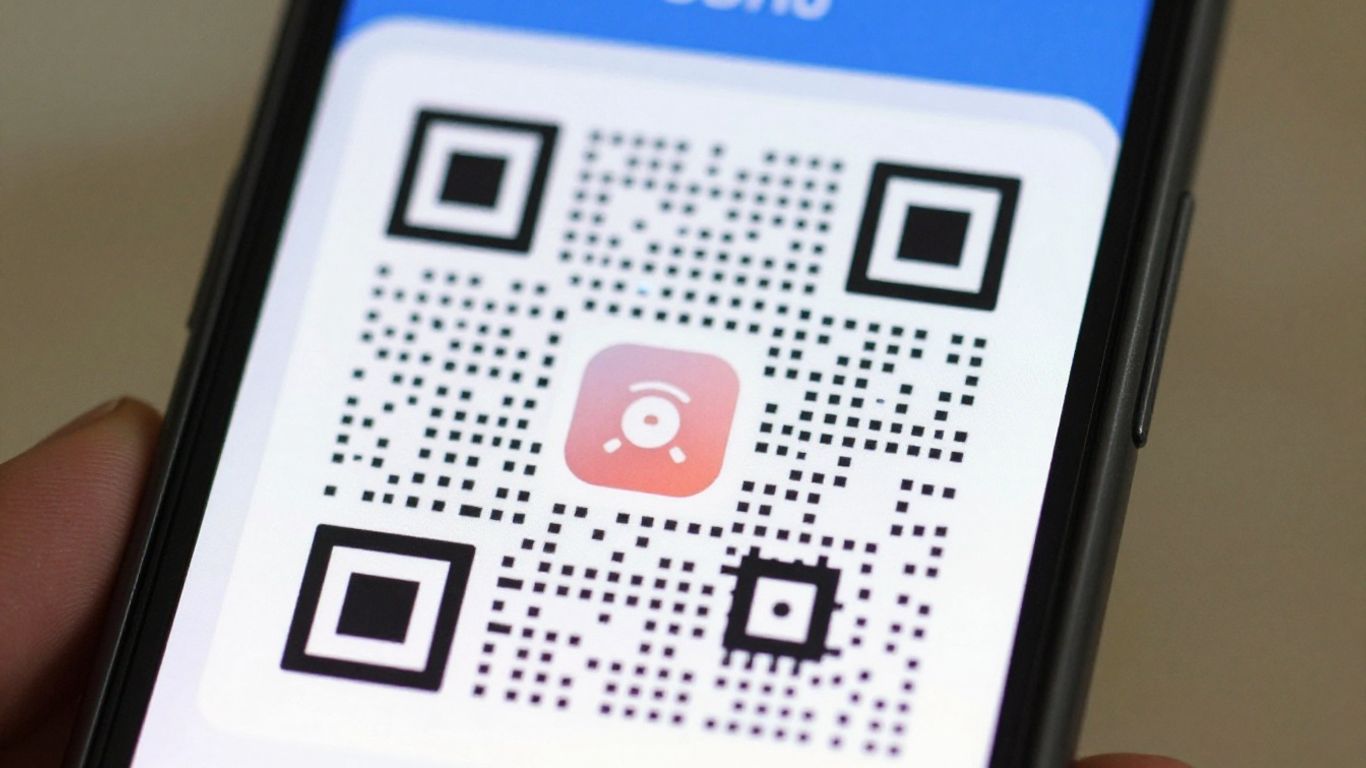
- Give your QR code a quiet zone (clear margin) of at least 4 modules around the edges. This helps cameras lock on instantly.
- Keep codes simple—avoid cramming long URLs, as this ramps up the density and hurts scan speed. That’s where dynamic QR codes shine, since they keep the pattern simple no matter the underlying link.
- Test on multiple phones and lighting conditions: iPhone, Android, new, old—just to be sure.
If the QR code looks sharp but doesn’t scan within a second—change the file or move the placement before printing 10,000 flyers. Fixing it later is far more expensive.
Considering Print And Digital Surfaces
QR codes belong on everything from receipts to bus shelters, stadium signage to product boxes. The trick is thinking about how and where someone will try to scan. Here’s a table with practical placement ideas and their common scan challenges:
| Surface Type | Typical Use | Tip for Best Results |
|---|---|---|
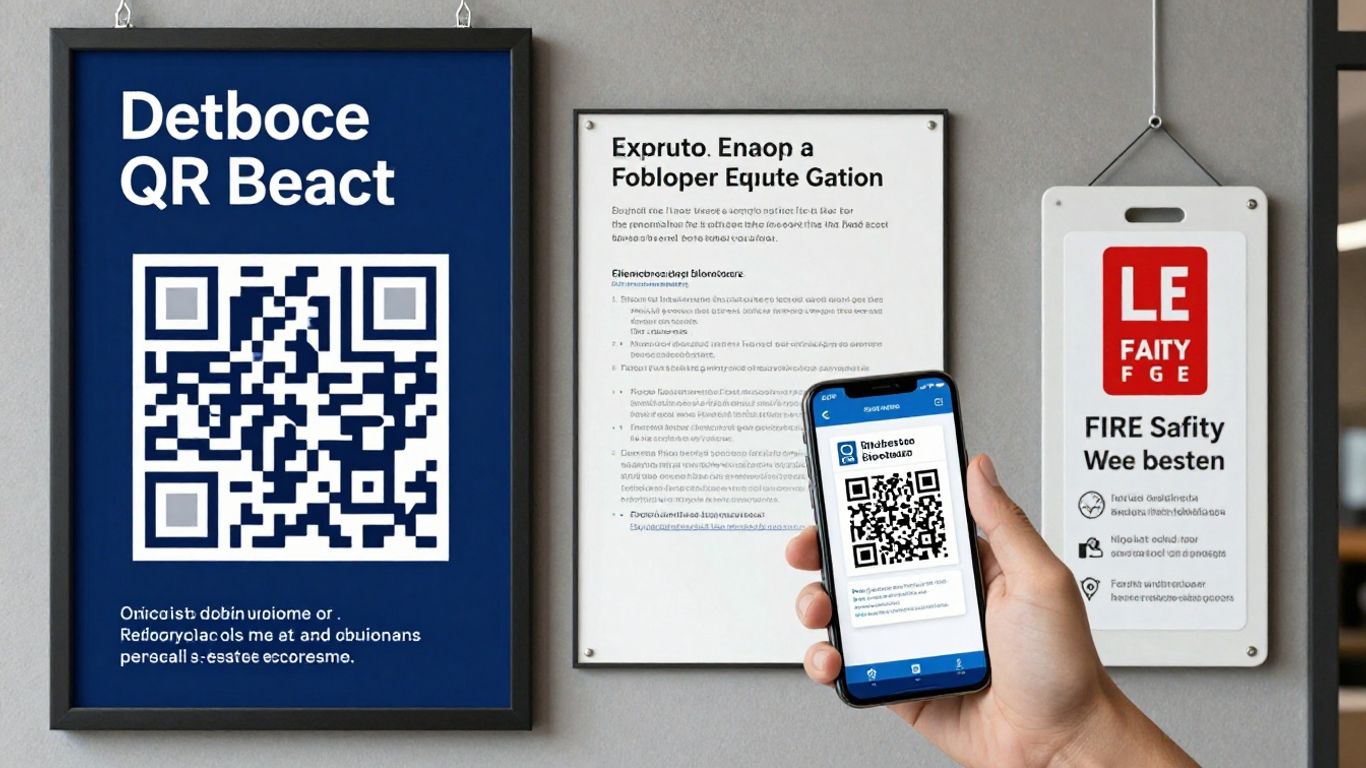
| Posters/Outdoor Ads | Campaigns/Events | Go big, avoid sun glare, matt finish |
| Packaging/Labels | Instructions/Links | Use dynamic QR, high contrast |
| Windows/Glass | Storefront/Promos | Face away from direct sunlight |
| Asset Tags/Equipment | Compliance/Tracking | Durable print; easy-to-access location |
| Digital Screens | Presentations/TV | Ensure code is on screen long enough |
Xcan.it’s dashboard lets you group codes by campaign, surface, or location, making it much easier to review which types or placements are getting results, and adjusting for next time. This is especially important if you’re running QR-powered marketing across multiple surfaces.
Ensuring Adequate Contrast And Size
A lot of QR fails come down to poor contrast, strange colours, or the wrong size for the viewing distance. Quick checklist:
- Stick to dark QR codes on light backgrounds; invert only if you’ve tested it in the real world.
- Avoid placing codes over busy graphics, transparent areas, or reflective materials—keep “quiet zones” clean.
- Printing on glossy stock? Glare is your enemy. Use matte finishes, and if you have no choice, angle the material or use a spot matte.
- If you want to add a logo or colour, keep the main pattern sharp and preserve the quiet zone.
Table: Common Pitfalls and Simple Fixes
| Problem | Quick Fix |
|---|---|
| Poor contrast | Dark code, light background, clear zones |
| Too small for placement | Increase size—use 10× distance rule |
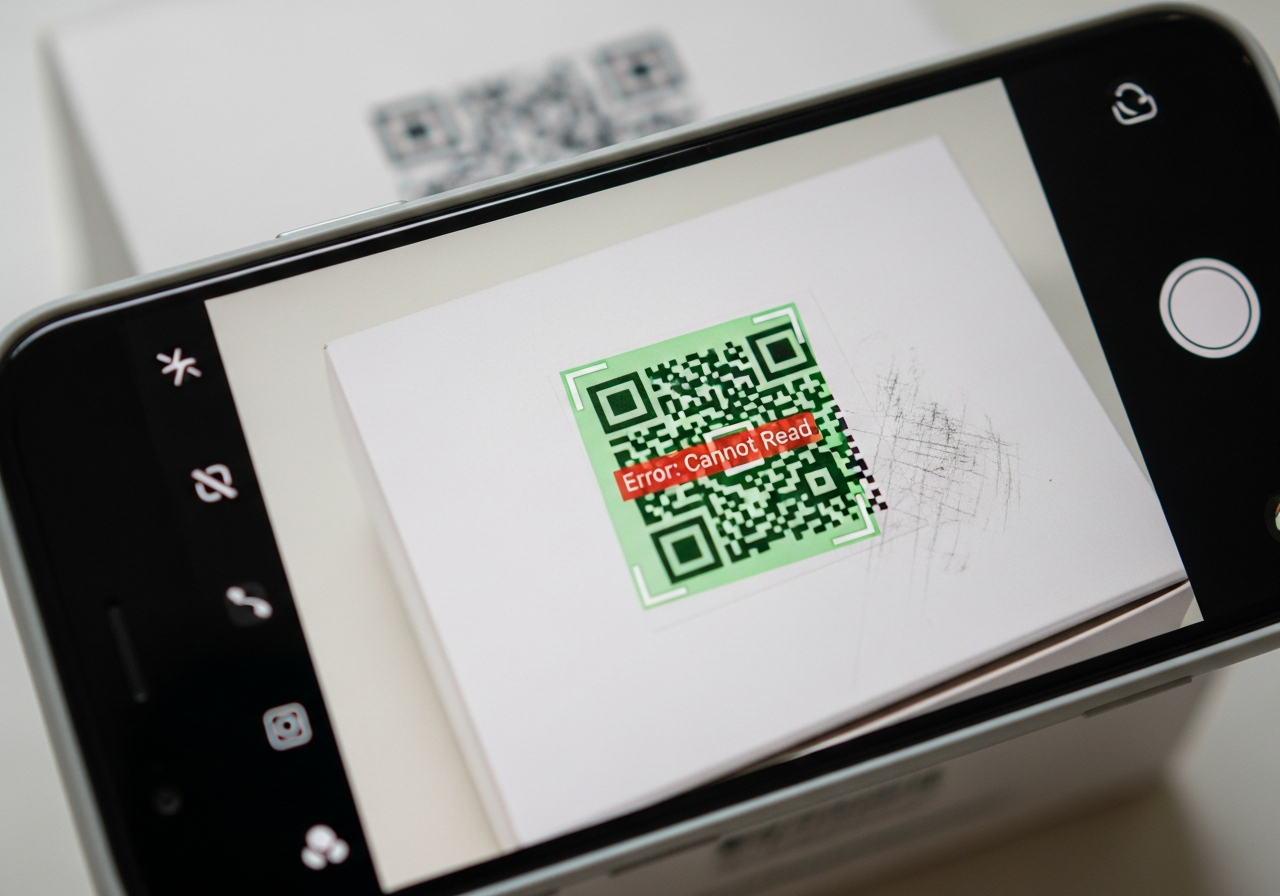
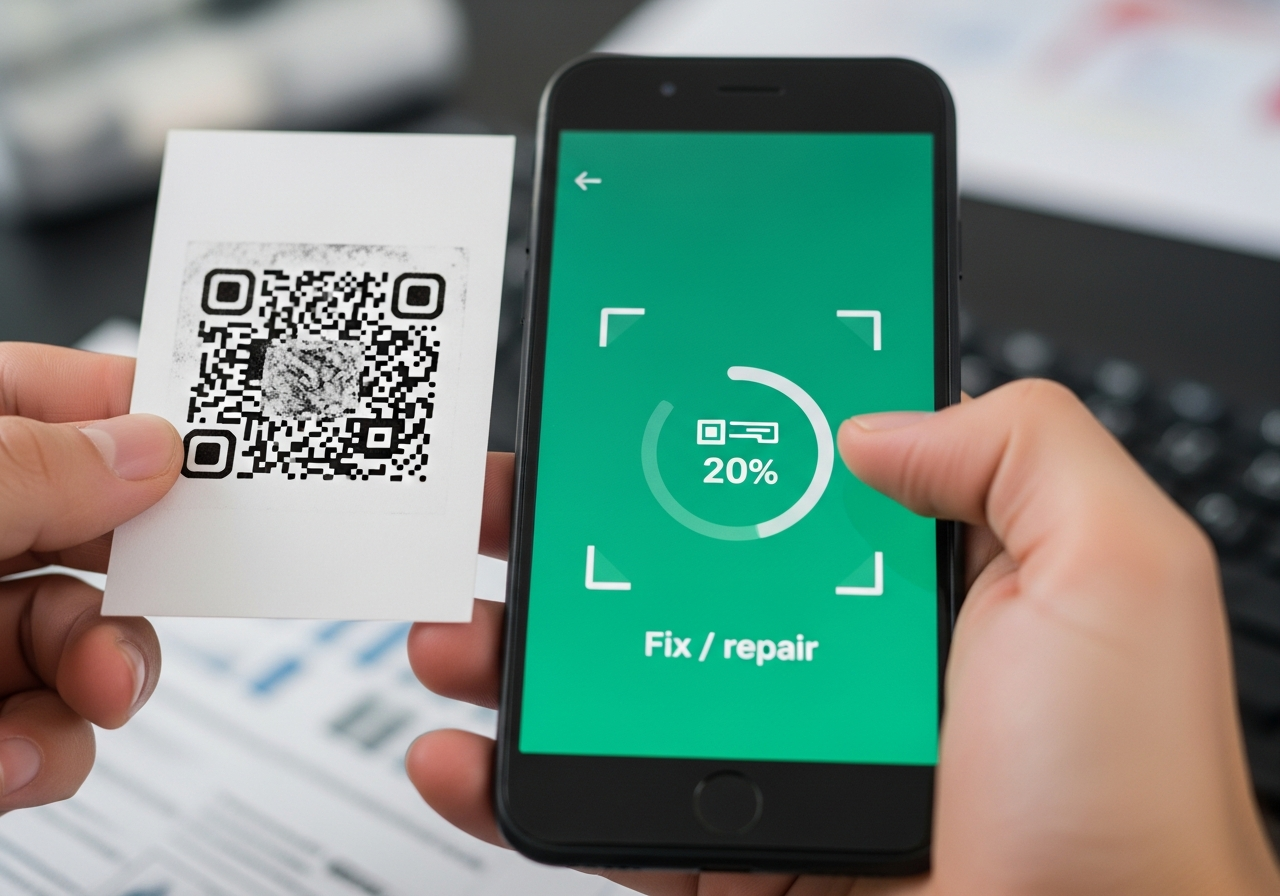
| Blurry or damaged print | Re-export at high-res or use vector file |
| Over-customised design | Remove busy effects/logos, restore core |
Xcan.it lets you fix broken links, update landing pages if campaigns change, and use one dashboard to retire underperforming placements—all without ripping down or reprinting your codes.
Smart businesses don’t just stick QR codes everywhere: they test, iterate, and adapt, armed with real scan numbers and the freedom to switch links as needed. With dynamic QR codes from Xcan.it, your print and signage work for you long after they go up, making your investment last and your campaigns easier to tweak.
Real-World QR Code Example Applications
QR codes have moved beyond being a simple novelty; they’re now a practical tool for businesses looking to connect with customers and streamline operations. Think about how many times you’ve seen a QR code on a poster, a product, or even a restaurant table. They’re everywhere because they work.
One of the biggest advantages is their flexibility, especially with dynamic QR codes. Unlike static codes, dynamic ones don’t permanently embed the destination. Instead, they point to a URL managed by a service, which then redirects you. This means you can change where the QR code leads without having to print a new one. This is a game-changer for marketing campaigns, menus that change seasonally, or event details that might get updated last minute.
This ability to update destinations on the fly is where platforms like Xcan.it really shine. You can design your print materials, get them out there, and then adjust the links later from a central dashboard. This saves time, reduces waste, and keeps your campaigns fresh. Plus, Xcan.it lets you track scans, giving you insights into what’s working and where your audience is engaging.
Here are a few ways businesses are putting QR codes to work:
- Marketing Campaigns: Imagine a poster for a new product. A QR code could link directly to a landing page with more details, a special offer, or even a video demonstration. If the offer changes, you just update the link in your Xcan.it dashboard – no need to reprint thousands of posters. This is great for everything from promotional signs to direct mail.
- Business Operations: In the hospitality sector, QR codes can streamline operations. Think about restaurant menus that can be updated instantly, or hotel room information accessible via a quick scan. For logistics, QR codes on packages can provide real-time tracking information or delivery confirmations.
- Customer Engagement: Brands are using QR codes to offer more than just information. They can link to loyalty programs, customer feedback surveys, or even augmented reality experiences. This creates a more interactive and memorable connection with your customers. For example, a café might use a QR code on its tables to link to its menu and loyalty perks, with the option for customers to sign up for WhatsApp updates.
The real power of dynamic QR codes lies in their adaptability. They bridge the physical and digital worlds, allowing for immediate access to information and interactive experiences. This flexibility means your campaigns can evolve with your business needs, all while providing measurable results.
Maximising Your QR Code's Impact
When you print a QR code, that shouldn’t be the end of the story. If you’re not getting enough scans, your offer changes, or you want to reach different customers, a static code feels like a dead end. But with the right tools—like Xcan.it—you gain the flexibility that most QR campaigns miss out on.
Tracking Scans For Valuable Insights
It’s not enough to slap a QR code on a poster or sign and hope for the best. You need feedback. That’s where dynamic QR platforms such as Xcan.it come into their own:
- Real-time analytics: Instantly see how each code performs—total scans, repeat visitors, where and when people scan.
- Campaign sorting: Group codes by location, asset, or campaign names for clear reporting.
- One dashboard: No spreadsheets or manual tallies; metrics from across your print and digital campaigns live in one tidy place.
| Metric Tracked | Insight Example |
|---|---|
| Scan Count | How many people see the sign |
| Location Heatmap | Which site pulls most traffic |
| Device Breakdown | iOS vs Android scan ratios |
Seeing exactly which posters or assets drive engagement lets you refine your campaigns without guesswork. It’s proper feedback, not just a scan count.
Updating Destinations Without Re-printing
This is the magic of dynamic codes. Say you printed 2,000 maintenance stickers or 500 event banners, but suddenly the online booking link changes. With Xcan.it, you don’t need to bin the old codes—just update the destination in your dashboard. The same printed code will now point to the new page, menu, or resource. No wasted prints. No re-design costs. That’s not just convenient; it slashes costs and response times.
A few quick examples where change-on-the-fly matters:
- Event schedules move at the last minute? Edit the link—your “What’s On” signs still work.
- Marketing offer changes or A/B test? Update destinations across dozens of posters in seconds.
- Asset tracking or compliance updates? Edited in one place; every warehouse label keeps working.
You get the freedom to adapt your campaign or operational flow, even after everything’s printed and distributed.
Integrating With Your Existing Tools
Your QR campaign only works if you can fit data and reporting into your usual workflow. Xcan.it makes this smoother:
- Export scan data straight into Google Analytics or CRM systems for serious campaign analysis.
- Use API or spreadsheet (CSV) imports and exports to sync QR stats with your inventory or marketing tools.
- Clean, branded links (not just short random URLs), so customers trust every scan.
For more on scannability, size, and placement, effective design tips for QR codes are well worth a read if you want the best results.
Practical tip list for boosting QR impact:
- Use dynamic codes for anything that’s going into the real world or may need updating later.
- Make sure analytics are enabled so every scan counts—and so do underperformers.
- Brand your destination URLs for trust, and stick to HTTPS.
- Integrate scan data to your existing dashboards—don’t let results get lost in a separate tool.
When you combine editable QR codes, clear analytics, and the freedom to update links, you aren’t just printing codes—you’re building a channel that can improve as you go. That’s the edge that separates effective campaigns from lost posters and dusty stickers.
Avoiding Common QR Code Pitfalls
QR codes are brilliant for bridging the physical and digital worlds, but it’s easy to trip up if you’re not careful. Think of it like trying to assemble flat-pack furniture – the instructions look simple, but one wrong move and you’re left with a wobbly mess. The same can happen with QR codes, leading to frustration for your audience and wasted effort for you.
The Dangers Of Over-Customisation
While it’s tempting to make your QR code look super slick and branded, going too wild with colours, logos, or intricate designs can actually make it harder to scan. The core structure of the QR code, those little squares, needs to be clear for a phone’s camera to read. If you plaster a big logo right in the middle or use colours that clash, you’re essentially putting up a barrier to a successful scan. It’s a bit like trying to read a book with the pages stuck together – you just can’t get the information.
Ensuring Link Longevity
One of the biggest headaches is when a QR code simply stops working. This often happens with static QR codes when the destination URL changes, the website is updated, or the offer expires. You’ve printed hundreds of posters, and suddenly, they all lead to a dead end. That’s where dynamic QR codes really shine. With a service like Xcan.it, you can update the destination link without reprinting the code. This means your marketing campaigns, event details, or product information can stay current, no matter how many times the underlying page changes. It saves a ton of hassle and keeps your audience from hitting those frustrating 404 errors.
Navigating Security And Privacy Concerns
People are getting savvier about QR codes, and rightly so. Scammers can sometimes try to trick people by placing fake QR codes over legitimate ones, or sending malicious codes via messages. These can lead to fake websites designed to steal login details. It’s important to build trust. Using a reputable service that offers features like custom branded domains and HTTPS links can help assure users they’re going to a safe place. Plus, being transparent about what data you collect and why is always a good idea. Always preview the destination URL before opening it, if your scanner app allows.
Here are a few common issues and how to avoid them:
- Low Contrast: Dark codes on light backgrounds are best. Avoid light-on-dark, metallic inks, or busy patterns behind the code.
- Missing Quiet Zone: Leave a clear border around the code. This ‘quiet zone’ helps scanners identify the code.
- Too Small: Size matters, especially for codes viewed from a distance. A general rule is the 10x rule: if people stand 1 metre away, the code should be about 10cm wide.
- Glare or Curvature: Glossy surfaces or curved items can cause reflections or distortion. Matte finishes and flat placement are your friends.
- Broken Links: Use dynamic QR codes to update destinations easily. Regularly check your links to make sure they’re still active.
By keeping these points in mind, you can make sure your QR codes are not just functional, but also reliable and secure for everyone who uses them. Platforms like Xcan.it offer a dashboard to track scans, helping you see which placements are working best and allowing you to update destinations on the fly, improving your real-world campaigns across print, signage, and assets.
When creating QR codes, it’s easy to make mistakes that stop them from working properly. These common errors can frustrate people trying to scan them. Make sure your QR codes are set up right to avoid these problems. Want to learn more about making great QR codes? Visit our website for tips and tricks!
Wrapping Up
So there you have it. QR codes are more than just those little black and white squares; they’re a straightforward way to connect the physical world with the digital one. Whether you’re running a small shop or a big organisation, using them smartly can make a real difference. Remember, dynamic codes give you the flexibility to change where they lead without reprinting, and tracking scans helps you see what’s actually working. Give them a go – you might be surprised at how useful they can be.
Frequently Asked Questions
What exactly is a QR code?
A QR code, which stands for Quick Response code, is like a special barcode that computers and phones can read really fast. It’s a square made of black and white dots that can store information, usually a web link, but it can also be text, contact details, or Wi-Fi passwords. When you scan it with your phone’s camera, it instantly takes you to that information or website.
What's the difference between a static and a dynamic QR code?
Think of a static QR code like a one-time print – the information is fixed inside it. If you want to change where it leads, you have to make a whole new QR code and print it again. A dynamic QR code is much smarter. It’s like a magic door; the code itself points to a special link that *you* can change later. So, even if you’ve already printed the QR code on posters, you can update where it goes without needing to print new ones. This is super useful for things like changing menus or updating event details.
How do I make my own QR code?
It’s really easy! You can use a free online QR code generator. Just search for one, choose what you want the QR code to do (like link to a website), and the generator will create the code for you. Many generators let you change the colours, add your logo, and download it in different file types like PNG or PDF, ready to use.
Where should I put my QR codes so people can scan them easily?
The best place depends on what the QR code is for. For marketing, put them on flyers, posters, or even product packaging. Make sure the code is big enough to scan from a normal distance and has good contrast (like black on white) so it’s easy for phone cameras to read. Avoid putting them on shiny or curved surfaces where they might not scan well.
Can QR codes be dangerous?
Most QR codes are perfectly safe, but like anything online, it’s good to be a little careful. Some sneaky people might put fake QR codes over real ones, or send them in messages. These fake codes could lead you to websites that try to steal your passwords or personal information. It’s a good idea to check what the link says before you open it, if your scanner app shows you that option, and only scan codes from places you trust.
Why would I use a dynamic QR code instead of a static one?
Dynamic QR codes offer way more flexibility. The biggest advantage is that you can change where the QR code leads at any time, even after it’s been printed. This means you can update information, fix broken links, or change a promotion without having to create and print new codes. Plus, dynamic codes often come with tracking features, so you can see how many people are scanning them and where they’re coming from, which is brilliant for understanding what’s working.