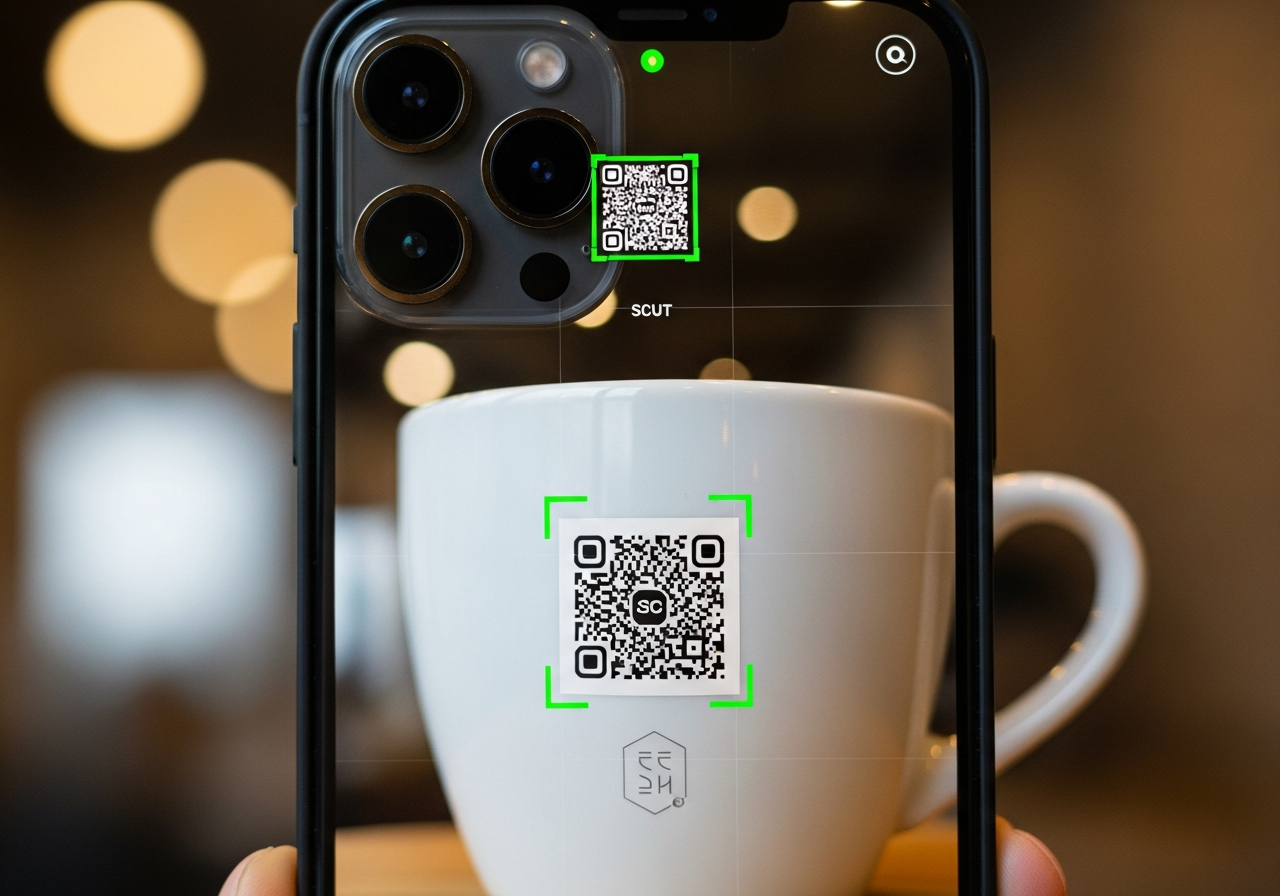
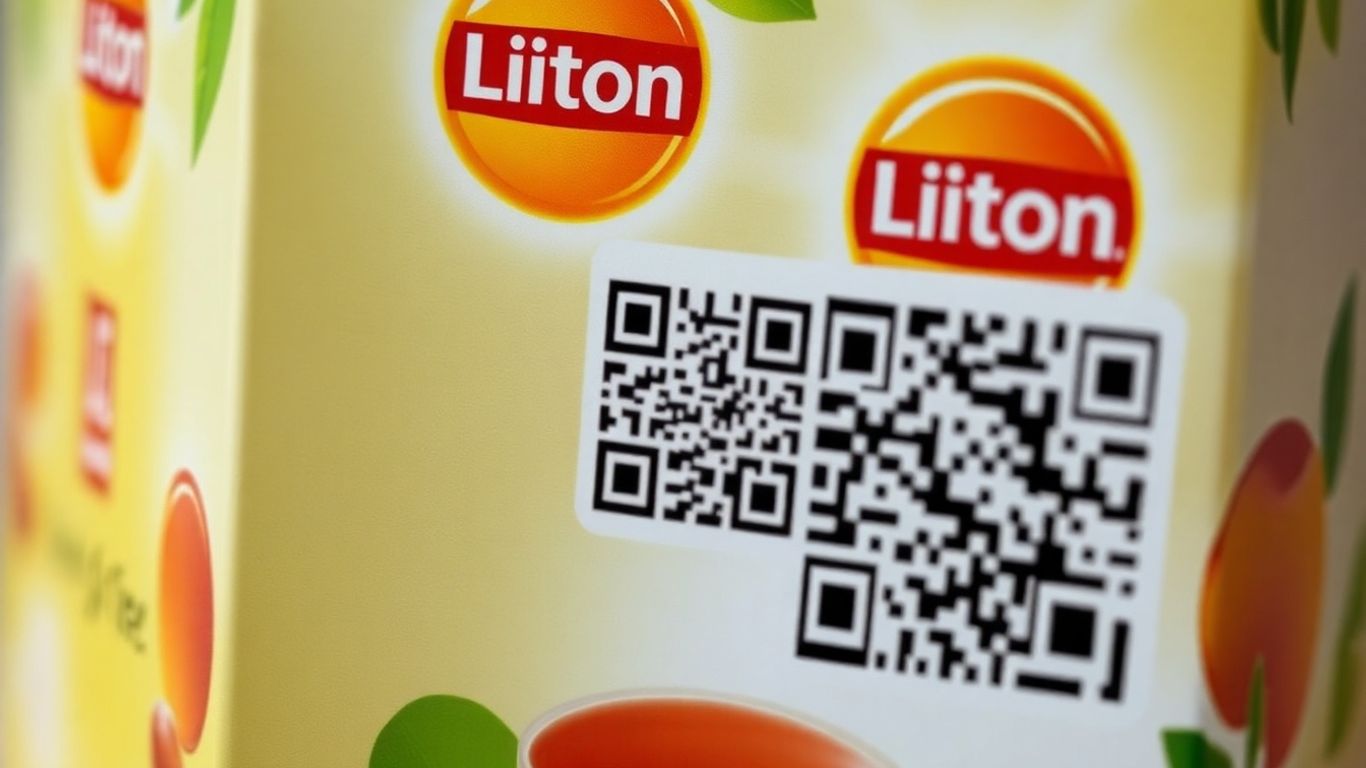
Lipton Tea & Infusions is pioneering a new era of consumer engagement with the introduction of QR-code-enabled packaging. Unveiled at the AIPIA & AWA Smart Packaging World Congress in Amsterdam, this initiative aims to bridge the gap between the physical product and the digital world, creating a more integrated "phygital" experience for tea lovers.
Key Takeaways
- Enhanced Consumer Trust: QR codes provide transparency into the tea’s journey from "leaf to cup."
- Elevated Product Perception: Aims to counter negative perceptions by showcasing quality and origin.
- Consumer Education: Offers brewing guidance and information on tea varieties.
- Data Collection: Enables targeted marketing campaigns and audience creation.
- Future Enhancements: Plans for personalization, gamification, and accessibility features.
Addressing Consumer Perceptions
Alix Courdier, global head of marketing, technology, and data for Lipton Tea & Infusions, shared that a primary driver for this innovation is to combat negative consumer perceptions in certain markets. By making the supply chain visible, Lipton seeks to build trust and demonstrate its commitment to high standards from sourcing to consumption.
The "Leaf to Cup" Vision
Lipton’s vision for connected packaging centers around a "leaf to cup" narrative. When consumers scan the QR code, they will be directed to a landing page detailing the tea’s origins, introducing the farmers, and showcasing short videos of the tea fields and picking process. This transparency extends to Lipton’s sustainable farming practices, water conservation efforts, and carbon emission reductions, empowering consumers to make informed choices.
Currently, the QR code offers generic sourcing information, but the full "leaf to cup" capability is under development. Beyond transparency, Lipton plans to use this digital link to educate consumers on optimal brewing techniques for different tea types, ensuring they enjoy the full flavor profile of their purchase.
A Virtual Circle of Data
For Lipton, the QR codes are also a powerful tool for data collection. This data, both anonymous and personally identifiable, will be used to create "lookalike" audiences for more effective media retargeting and email campaigns, ultimately driving repeat purchases. This creates a "virtual circle of data" where consumer interaction online informs future marketing efforts.
Future Innovations and Industry Collaboration
Lipton’s ambitions extend beyond transparency and education. The company plans to incorporate personalization and gamification into the connected experience. Furthermore, Lipton is committed to making the QR codes accessible (AQR) for consumers with visual impairments.
Courder highlighted four key challenges the industry needs to address to fully realize this vision: supply chain integration for real-time product information, making connected packaging universally accessible, integrating advanced technology sustainably, and fostering long-term consumer engagement through repeat scans. Lipton is actively seeking industry partners to collaborate on these challenges, signaling a readiness to innovate and take risks for a more connected and consumer-centric future.
Sources
- Lipton Develops QR-code-enabled Packaging | Packaging World, Packaging World.