Ever found yourself staring at a QR code on your Samsung phone, wondering how to actually scan it? It’s actually pretty straightforward, and you probably already have the tool you need. Most of the time, you don’t need to download a separate app. This guide will walk you through how to scan QR codes on Samsung devices, covering everything from using your camera to sorting out any little hiccups you might run into. Let’s get those codes scanned!
Key Takeaways
- Your Samsung’s built-in Camera app can usually scan QR codes automatically without needing an extra download.
- For some Samsung models, you might need to enable Google Lens suggestions within the Camera settings to activate QR scanning.
- Ensure good lighting and a clear view of the QR code, avoiding glare and holding your phone steady for a successful scan.
- If the camera struggles, try adjusting the distance or framing. Sometimes, a slightly different angle helps.
- Scanning QR codes from images saved on your device is also possible through your Gallery or Photos app.
Scanning QR Codes with Your Samsung Camera
Most modern Samsung phones are pretty clever these days and can scan QR codes straight from the camera app. You don’t usually need to download anything extra, which is a nice bit of convenience. It means you can get information from posters, packaging, or even a friend’s screen without any fuss.
Using the Native Camera App
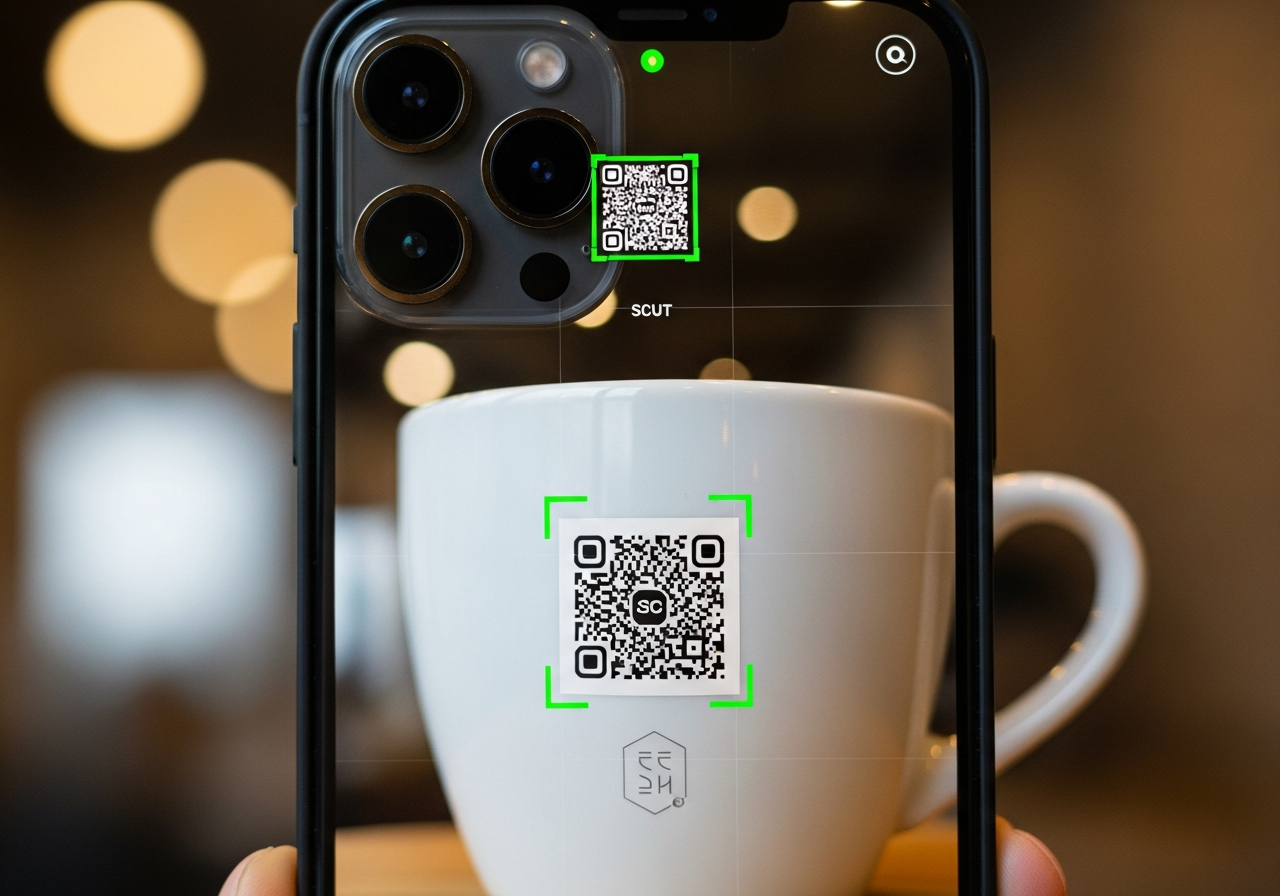
This is the simplest way to get started. Just open up your regular camera app, point it at the QR code, and hold it steady for a second or two. You should see a little notification pop up on your screen, usually showing the web address or the information the code contains. Tapping on that notification will take you straight to the content. It’s really that straightforward for most situations. If you’re looking for a way to manage your QR codes, allowing you to update links without reprinting and track scan data, services like Xcan.it are worth exploring.
Enabling Google Lens for QR Scanning
On some Samsung devices, the QR scanning feature is powered by Google Lens, which might need to be enabled. To check this, open your Camera app, go into the settings (usually a gear icon), and look for an option like "Scan QR codes" or "Google Lens suggestions." Make sure it’s switched on. Once it is, your camera should automatically detect QR codes as you point it at them. If you can’t find the setting in the camera app, you might need to open the Google Lens app directly or check your phone’s general settings under "Apps" to ensure Lens is enabled for camera use.
Troubleshooting Initial Scans
Sometimes, the camera might struggle to pick up a code. Don’t worry, it’s usually a simple fix. Here are a few things to try:
- Lighting: Make sure there’s enough light on the QR code. Too dark, and the camera can’t see it clearly. Avoid direct, harsh sunlight that can cause glare.
- Distance and Angle: Try moving closer or further away. The code needs to fill a decent portion of the screen but not be so close that it’s blurry. Holding the phone at a slight angle can sometimes help if there’s glare.
- Cleanliness: Ensure your phone’s camera lens is clean. Smudges can make scanning difficult.
- Code Quality: The QR code itself needs to be clear. If it’s printed very small, faded, or on a shiny surface, it might be hard for any camera to read. A good rule of thumb is that the code should have a clear border around it, often called a ‘quiet zone’.
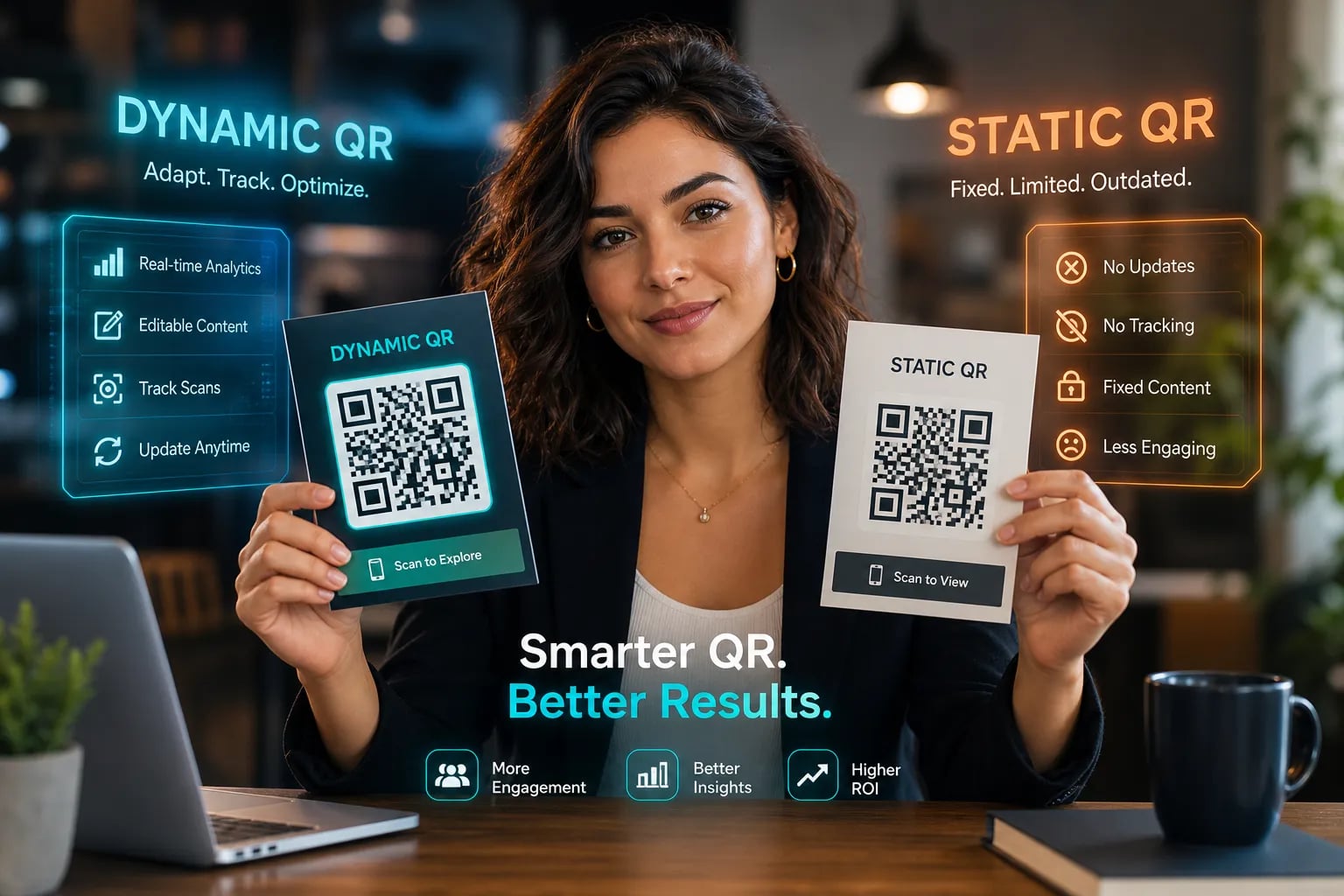
If you’re creating QR codes for your own use, consider using a service that allows you to update the link later. This is especially useful for marketing campaigns or event information where details might change. Dynamic QR codes from platforms like Xcan.it let you do just that, saving you the hassle of reprinting materials. They also provide valuable insights into how many people are scanning your codes.
When a Dedicated App Might Be Useful
While your Samsung’s built-in camera app is brilliant for everyday QR code scanning, there are times when a dedicated app can offer more. Think of it like using a Swiss Army knife versus a simple pocket knife – both cut, but one has more specialised tools.
Beyond Basic Scanning Needs
Sometimes, you might need more than just a quick link. Dedicated QR code scanner apps can offer advanced features that the native camera doesn’t. This could include:
- Multi-format scanning: While most QR codes are standard, some applications use other types like Data Matrix or PDF417. A specialised app can read these too, which is handy for things like event tickets or product packaging.
- Scan history and organisation: If you scan a lot of codes for work or research, an app that keeps a detailed history, allows you to tag scans, or even organise them into folders can be a lifesaver.
- Batch scanning: Need to scan dozens of codes quickly? Some apps are built for this, allowing you to scan multiple codes in rapid succession without having to go back and forth.
Choosing a Privacy-Conscious Reader
When you do opt for a separate app, it’s wise to be mindful of privacy. Not all apps are created equal, and some might collect more data than you’re comfortable with. Look for apps that:
- Show a URL preview: This is a big one. A good app will show you the web address the QR code links to before you open it, giving you a chance to spot anything suspicious. Trend Micro’s Secure QR Reader is a good example of this for Android users [b8a2].
- Are ad-free and don’t track you: Many free apps make money through ads or by tracking your usage. Opting for an app that clearly states it has no ads and minimal tracking means a cleaner, more private experience.
- Have clear permissions: Understand what permissions the app is asking for. Camera access is necessary, but be wary if an app requests access to your contacts or location without a clear reason.
Understanding App Permissions
It’s always a good idea to check the permissions an app requests. While scanning a QR code inherently needs camera access, some apps might ask for more. If an app seems to want more data than it needs for basic scanning, it’s worth reconsidering or looking for an alternative. For instance, if an app asks for your location or contacts without a clear explanation related to its scanning function, that’s a red flag.
For those looking to go beyond simple scanning, services like Xcan.it offer dynamic QR codes. This means you can update the link a QR code points to without having to reprint the code itself. This is incredibly useful for marketing campaigns or any situation where information might change. Plus, Xcan.it provides a dashboard to track scans, helping you understand how your real-world campaigns are performing across print, signage, and other assets. It’s a smart way to make your QR codes work harder for you.
Ensuring Your Samsung Device Recognises Codes
Sometimes, even with the best intentions, a QR code just won’t scan. It’s not always your phone’s fault; often, the code itself needs a little help to be readable. Let’s look at how to make sure your Samsung device can pick up those codes without a fuss.
Optimising Contrast and Lighting
The most common reason a QR code won’t scan is poor contrast. Think of it like trying to read white text on a very light grey background – it’s just difficult. For a QR code, this means a dark pattern on a light background is best. Black on white is the gold standard. Avoid using pale colours, metallic inks, or gradients, as these can confuse the camera. Similarly, lighting plays a big part. Too much glare, especially from glossy surfaces or direct sunlight, can wash out the pattern. Try to position the code so the light hits it evenly, or tilt your phone slightly to avoid reflections. If you’re scanning a code on a screen, try adjusting the screen’s brightness or your viewing angle.
Adjusting Size and Distance
Ever tried to scan something that’s just too far away or too small? It’s a similar principle with QR codes. A general rule of thumb is that the scanning distance should be about ten times the width of the QR code itself. So, if the code is 2cm wide, you should be able to scan it from about 20cm away. If you’re printing codes for posters or signs that people will view from a distance, you’ll need to make them significantly larger. Conversely, if a code is very dense with information, it might need to be larger to keep the individual squares (modules) clear and distinct. If you’re finding codes are tricky to scan, consider using a service like Xcan.it to create dynamic QR codes. These allow you to update the destination link without reprinting the code, and you can often choose to simplify the code’s structure, making it easier to scan.
The Importance of a Quiet Zone
Think of the ‘quiet zone’ as a buffer or a border around the QR code. It’s a clear, empty space that helps the scanner distinguish the code from its surroundings. Without this clear space, the scanner can get confused, leading to failed scans. The general recommendation is to have a quiet zone that’s at least four ‘modules’ (the small squares that make up the code) wide on all sides. This means no text, logos, or other graphics should creep into this border area. If you’re adding a logo to your QR code, make sure it’s placed centrally and doesn’t interfere with the quiet zone or the main scanning squares. Using dynamic QR codes from a platform like Xcan.it can also help here, as they often provide tools to generate codes with optimal quiet zones and error correction, which is vital for reliable scanning across different devices and conditions. You can even track scans in one dashboard to see how your campaigns are performing in the real world.
When a QR code fails to scan, it’s often down to a combination of factors. It’s rarely a single, major issue, but rather a few small things adding up. Focusing on the basics – contrast, clear space, and appropriate size for the viewing distance – will solve most problems. If you’re still struggling, consider the source of the code; sometimes, the issue lies with how it was generated or printed.
Scanning QR Codes from Images
Using Your Gallery or Photos App
Sometimes, the QR code you need to scan isn’t right in front of you. Maybe it’s in a screenshot you took, a photo you received, or even on your computer screen. Don’t worry, your Samsung phone can usually handle this without needing a separate app. Most modern phones have built-in tools that can read QR codes directly from images saved in your gallery.
Here’s how it generally works:
- Open the image: Find the picture containing the QR code in your phone’s Gallery or Photos app.
- Look for a scan option: Many phones will automatically detect the QR code within the image. You might see a small icon or a prompt appear, often related to Google Lens or a general ‘scan code’ function. On iPhones, you might see a yellow banner or a QR code icon. On Android, tapping the Google Lens icon within the gallery app is a common way to activate this feature.
- Tap to reveal: Once detected, tap on the prompt or link preview that appears. This will then take you to the information the QR code contains, just as if you had scanned it live. This is super handy when you’ve missed a code in the wild.
Scanning Screenshots Effectively
Screenshots are a common way QR codes end up saved on your phone. Whether it’s from a social media post, an email, or a webpage, you can usually scan these directly.
- Take or save the screenshot: Make sure the QR code is clear and fills a good portion of the screenshot.
- Open in your gallery: Navigate to your Photos or Gallery app.
- Activate scanning: Tap the Google Lens icon if available on your Android device, or look for a similar detection prompt on your Samsung phone. This allows you to access the information embedded within the QR code directly from the image.
It’s a straightforward process that saves you from having to find a way to display the code physically. For campaigns where you need to update links or track engagement, using a service like Xcan.it is a game-changer. You can update QR code links without reprinting, monitor scan activity in a single dashboard, and utilise dynamic QR codes to really boost your real-world campaigns across print, signage, and other assets.
Common QR Code Scanning Issues
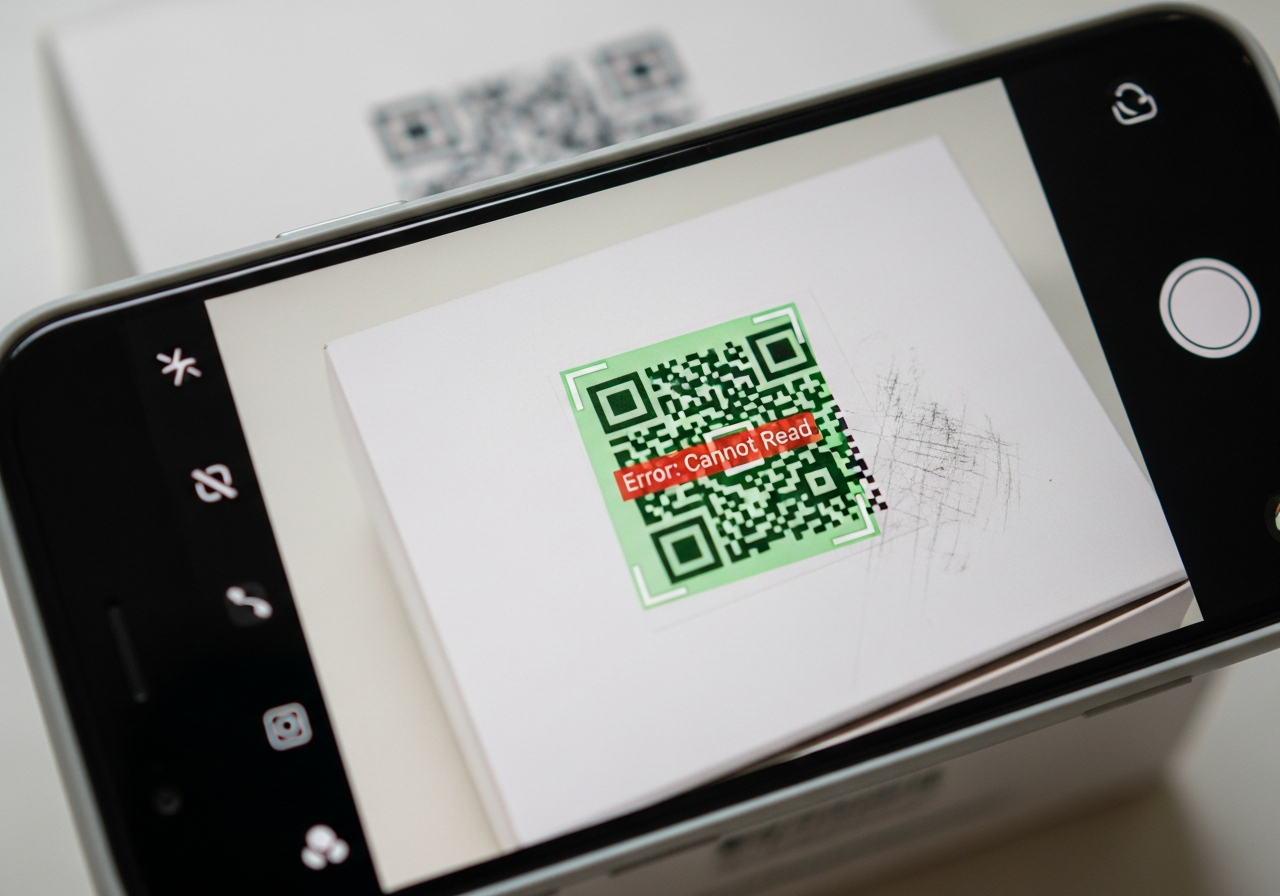
Sometimes, even with the best intentions, a QR code just won’t scan. It can be a bit frustrating when you’re trying to quickly access information, but don’t worry, most of the time it’s a simple fix. Let’s look at what might be going wrong and how to sort it out.
Addressing Glare and Blurriness
Glare is a big one. If the QR code is printed on a shiny surface, like a glossy poster or a screen, the light can bounce off it, making it impossible for your camera to read the pattern. Similarly, if the code itself is blurry – perhaps due to a low-quality print or a shaky hand holding the phone – the camera won’t be able to focus properly.
- Clean your camera lens: A smudged lens can cause blurriness. Give it a quick wipe.
- Adjust your angle: Try tilting your phone slightly to avoid direct reflections. Sometimes moving a little to the side is all it takes.
- Improve lighting: Ensure the QR code is well-lit, but avoid harsh, direct light that causes glare. Natural, diffused light is often best.
- Hold steady: Try to keep your phone as still as possible when scanning. Using both hands can help.
What to Do If a Code Fails
If you’ve tried the basics and a code still isn’t scanning, there are a few more things to check. Sometimes, the issue isn’t with your phone at all, but with the code itself.
- Check the link: It sounds obvious, but the link the QR code points to might be broken or blocked by security settings. If you can, try scanning a different, known-good QR code to confirm your phone is working correctly. If only one code fails, the problem is likely with that specific code. You might need to ask the person who created it to regenerate it. For instance, if a QR code link pop-up is closed before connecting on a Galaxy S23, the camera might not recognise subsequent codes. Clearing the camera app’s cache and restarting the device can often fix this [3dfc].
- Increase contrast: A QR code that’s too light or uses colours that blend together will be hard to read. Black on white is the gold standard for a reason.
- Ensure a quiet zone: The space around the QR code is important. If there’s text or graphics too close to the code, it can confuse the scanner. Aim for a clear border of at least 4 "modules" (the small squares) around the code.
- Adjust size and distance: If the code is very small and you’re far away, or very large and you’re too close, it won’t scan. A good rule of thumb is that the scanning distance should be about 10 times the width of the QR code itself. For example, if you’re standing about a metre away, the code should be roughly 10cm wide.
Identifying Unreadable Codes
Sometimes, a QR code is simply unreadable due to its design or condition. This can happen if:
- The print quality is poor: The dots or lines that make up the code are fuzzy or broken.
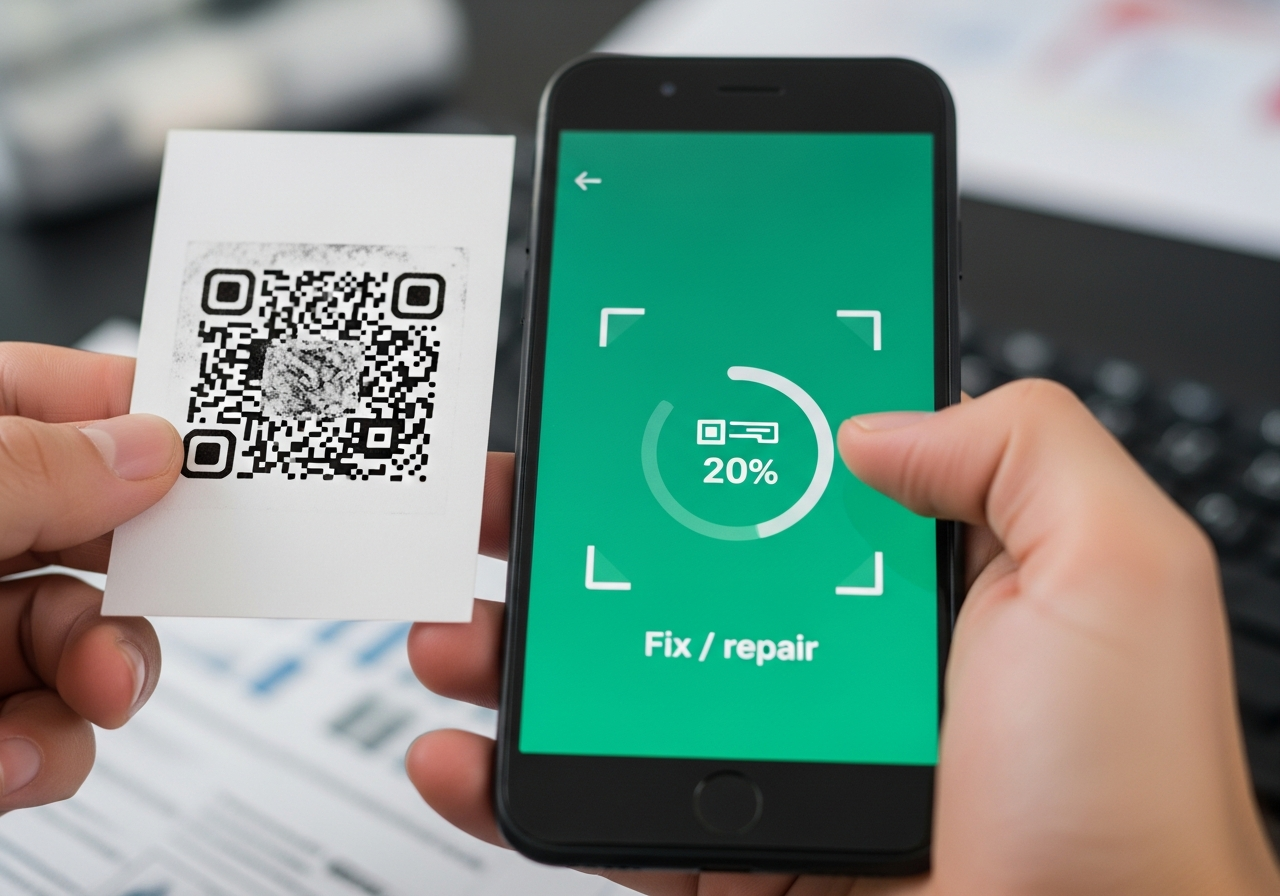
- It’s damaged: Creases, tears, or smudges can obscure parts of the code.
- It’s too complex: Overly decorated codes, or those with very high data density (meaning lots of information packed into a small space), can be tricky for some scanners.
If you’re creating QR codes for campaigns, using a service like Xcan.it can be a game-changer. You can update the links on your QR codes without needing to reprint them, track how many scans you get from a single dashboard, and use dynamic QR codes to make your real-world campaigns across print and signage much more effective. This means if a link breaks or needs updating, you’re not stuck with a pile of useless codes. For troubleshooting initial scans on a Galaxy A series phone, ensuring good lighting and the right distance is key, along with checking camera settings or restarting the device [3886].
When a QR code fails to scan, it’s rarely a fault with the phone’s technology. More often than not, it’s down to the visual presentation of the code itself or the environment in which it’s being scanned. Simple adjustments to contrast, spacing, and lighting can make a world of difference.
Advanced Scanning Considerations
QR codes are pretty clever, but sometimes they need a bit of help to be read properly. It’s not just about pointing your phone at them; there are a few technical bits that make a big difference.
Understanding QR Code Density
Think of density as how much information is packed into that little square. The more data a QR code holds – like a long website address or lots of text – the smaller and more numerous the individual black and white squares (called modules) become. This can make them harder for your phone’s camera to read accurately, especially if the code isn’t printed perfectly or if there’s a bit of glare.
- High Density: More data, smaller modules. Can be tricky to scan if not printed well.
- Low Density: Less data, larger modules. Generally easier to scan.
- Dynamic QR Codes: These are brilliant because they use a short, stable URL that redirects to your actual content. This means the QR code itself has less data, keeping the modules larger and more scannable. Plus, you can change where the link goes later without needing to print new codes! Services like Xcan.it let you update QR code links without reprinting, track scans in one dashboard, and use dynamic QR codes to improve real‑world campaigns across print, signage, and assets.
The Role of Error Correction
QR codes have a built-in safety net called error correction. This means they can still be read even if a part of them is damaged, dirty, or covered up (like by a logo). There are different levels of error correction:
- Low (L): Recovers about 7% of damaged data.
- Medium (M): Recovers about 15% of damaged data.
- Quartile (Q): Recovers about 25% of damaged data.
- High (H): Recovers about 30% of damaged data.
Using a higher error correction level means the code can withstand more damage, but it also makes the code denser (more modules). It’s a trade-off. For most everyday uses, the default settings are fine, but if you’re printing codes on something that might get worn or dirty, like outdoor signage or product packaging, opting for a higher error correction level is a smart move.
Safe Scanning Practices
While scanning QR codes is generally safe, it’s always good to be a little cautious. The main risk comes from malicious links hidden within the code. Here’s how to stay safe:
Always look for a preview of the link before your phone opens it. Most modern camera apps and dedicated QR readers will show you the URL first. If it looks suspicious or is a shortened link you don’t recognise, it’s best not to proceed. Using privacy-focused tools can help ensure your data is protected.
- Preview Links: Always check the URL displayed before tapping to open.
- Avoid Unknown Sources: Be wary of QR codes found in unexpected or untrusted places.
- Keep Software Updated: Ensure your phone’s operating system and camera app are up-to-date for the latest security features.
When you’re scanning, there are a few extra things to keep in mind. Think about how you’ll handle different types of QR codes and make sure they can be updated even after they’ve been printed. This is super helpful for things like menus or event details that might change. Want to learn more about making your QR codes work best for you? Visit our website today!
All Set to Scan
So there you have it. Scanning QR codes on your Samsung device is pretty straightforward, mostly using the camera app you already have. We’ve covered how to get it working, what to do if it doesn’t, and even how to scan from a photo. It’s a handy little feature that opens up a world of information with just a quick point and tap. Give it a go next time you see one – you might be surprised how useful it is.
Frequently Asked Questions
Do I need a special app to scan QR codes on my Samsung phone?
Usually, no! Most modern Samsung phones have a built-in QR scanner right in the camera app. Just open your camera, point it at the QR code, and a notification should pop up. If it doesn’t, you might need to enable Google Lens suggestions in your camera settings.
My Samsung camera isn't scanning the QR code. What should I do?
Don’t worry, there are a few things to try. Make sure the QR code is well-lit and there’s no glare. Try holding your phone a bit closer or further away, and make sure the code is centred in the frame and steady. Sometimes, cleaning your camera lens can also help!
Can I scan a QR code that's on my phone's screen or in a photo?
Yes, you can! Many Samsung phones let you scan QR codes directly from images saved in your gallery or from screenshots. Look for an option within your Gallery or Photos app that allows you to scan a code from a picture.
What's a 'quiet zone' for a QR code?
A ‘quiet zone’ is simply the clear, empty space around the QR code. Think of it as a little buffer. It helps the camera focus on the code itself without getting confused by anything nearby. Most scanners work best with a decent quiet zone.
Why might a QR code be difficult to scan?
Several things can make a QR code tricky to read. This includes poor lighting, glare reflecting off the surface, the code being too small for the distance, or if the code itself is damaged or poorly printed. Sometimes, a very complex code with lots of information packed in can also be harder to scan.
When would I actually need a separate QR code scanner app?
While the built-in camera is great for most things, you might consider a separate app if you need to scan lots of different types of barcodes (not just QR codes), if you need to scan codes in bulk, or if you want advanced features like scan history or analytics. Just make sure to choose a reputable app that respects your privacy.