Looking to get more out of your iPhone when it comes to QR codes? It’s actually pretty straightforward. Most of the time, you don’t need to download a separate app at all. Your iPhone’s built-in camera can handle it, and there are a couple of simple ways to access this feature. This guide will walk you through how to scan QR codes on iPhone, covering everything from using the camera app to what to do if things don’t quite work as expected.
Key Takeaways
- You can easily scan QR codes using your iPhone’s built-in Camera app – just point and tap the notification.
- For quicker access or full-screen scanning, add the ‘Code Scanner’ to your iPhone’s Control Centre.
- Your iPhone shows a preview of the QR code’s destination before you open it, which is a good safety measure.
- If scanning fails, check the lighting, ensure there’s a clear border around the code, and adjust your distance.
- While usually not necessary, dedicated QR apps offer advanced features like multi-format scanning if you need them.
Scanning QR Codes With Your iPhone Camera
It’s surprisingly straightforward to scan QR codes using your iPhone, and you don’t necessarily need to download a separate app for it. Apple has built this functionality right into the core of the device, making it accessible in a couple of easy ways. This means you can quickly get to the information or website linked by the code without much fuss.
Using the Built-In Camera App
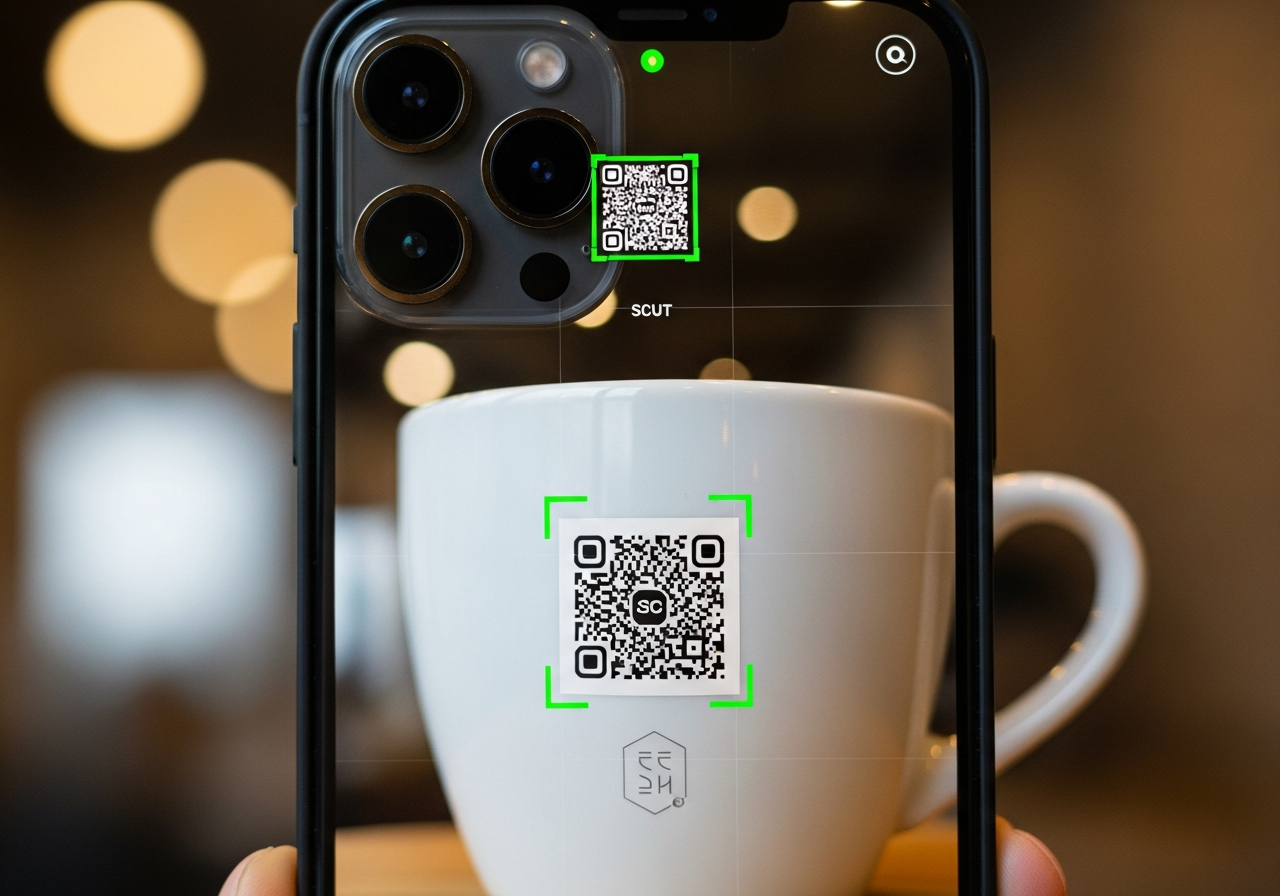
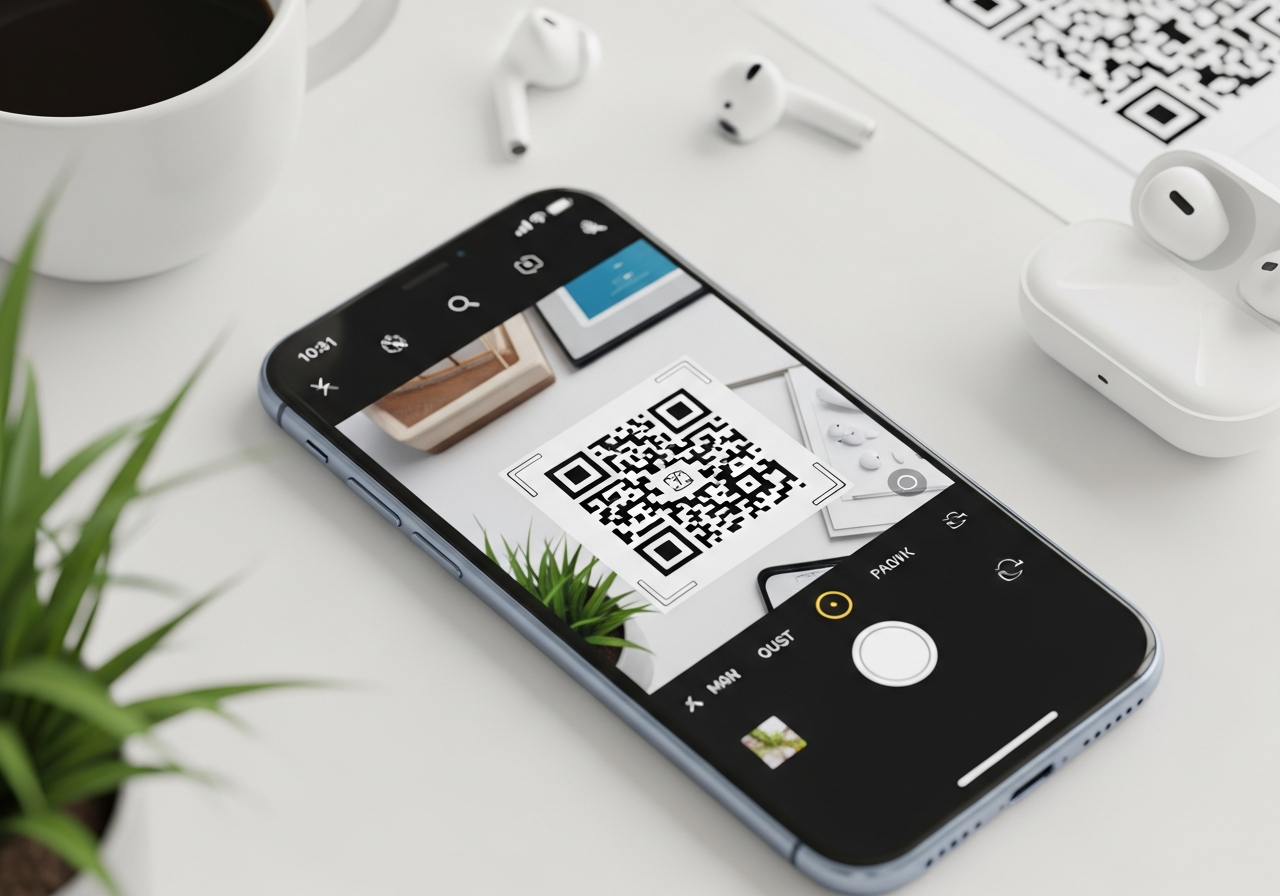
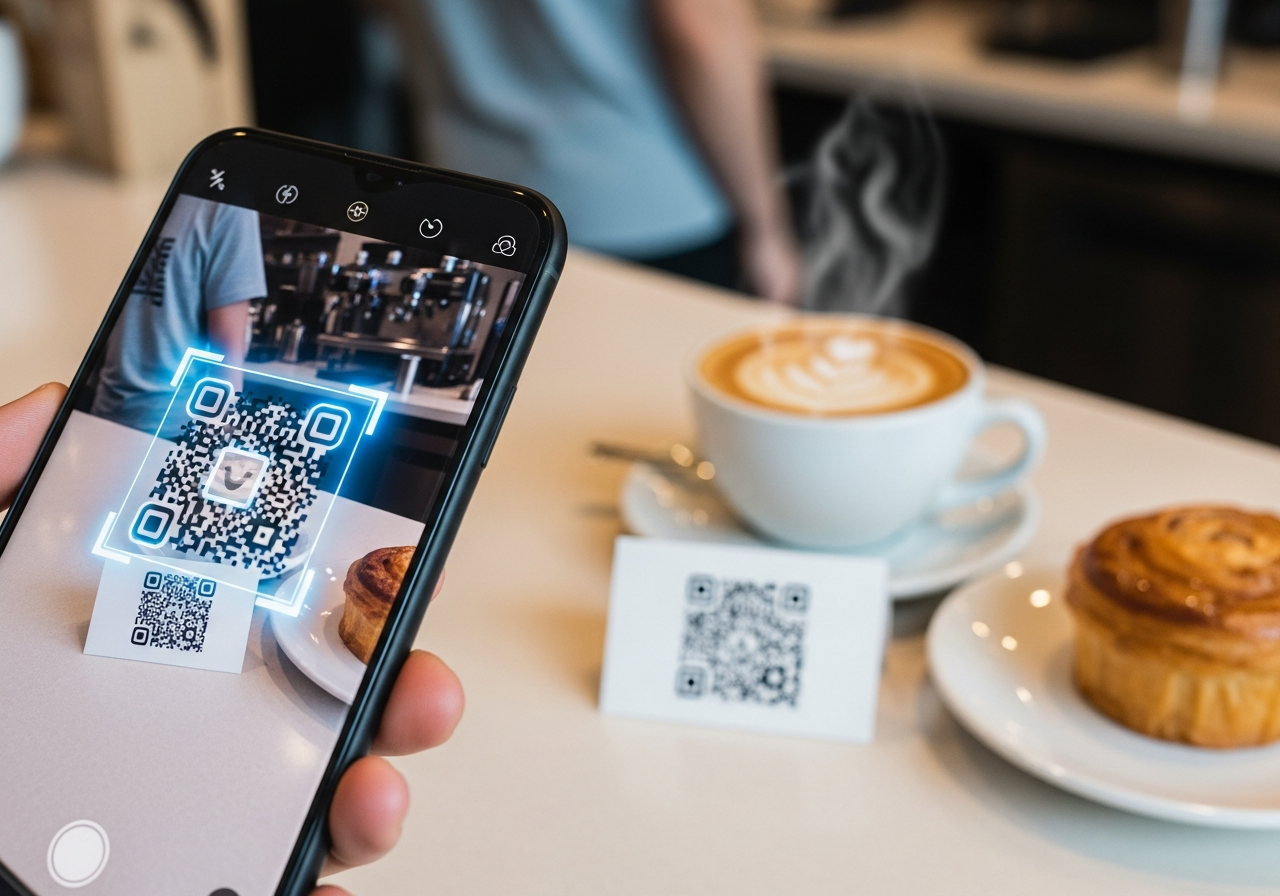
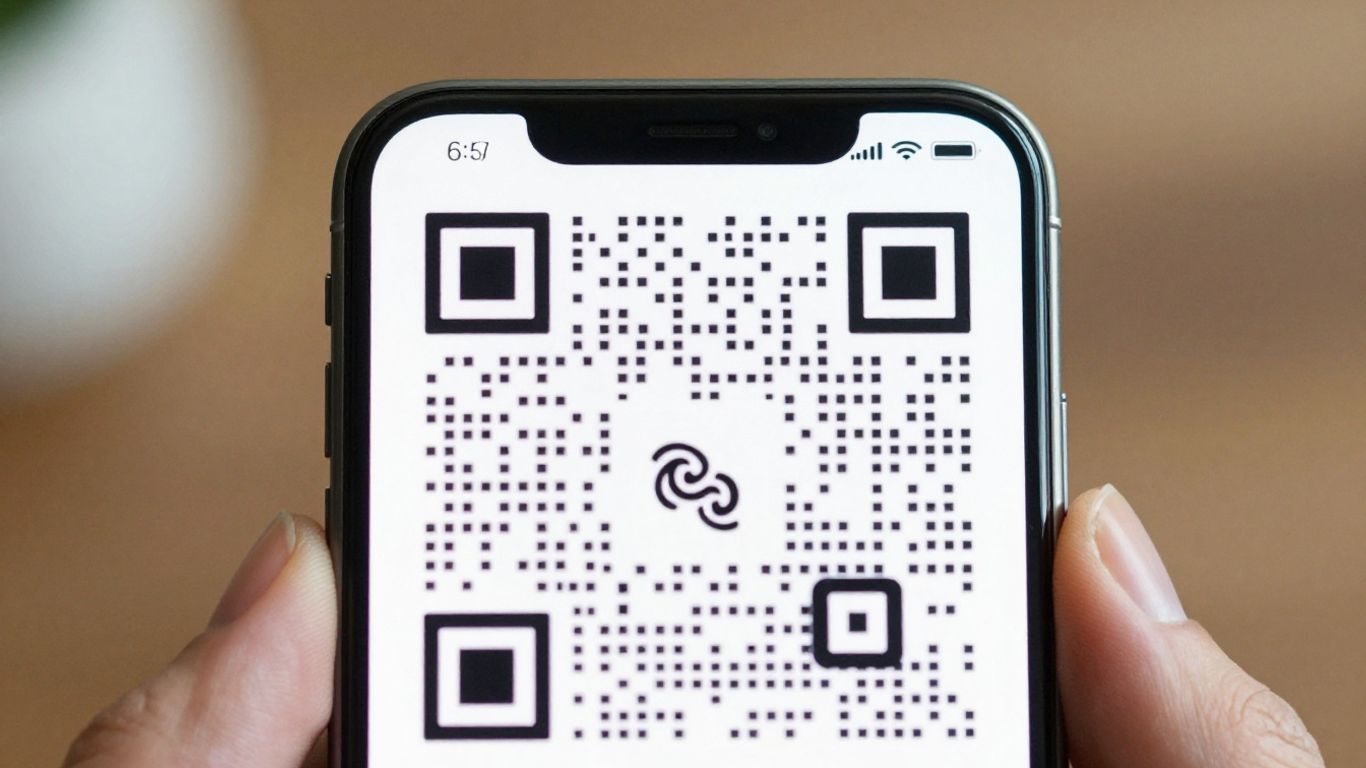
This is the most common and simplest method. Just open your iPhone’s Camera app as you normally would to take a photo. Point your camera at the QR code, making sure it’s well-lit and fills a good portion of the frame. You don’t need to take a picture. Your iPhone will automatically recognise the QR code. A notification banner will appear at the top of your screen, showing you the link or information contained within the code. Simply tap this banner to open the link in your browser or take the suggested action. It’s that easy to get started with scanning QR codes on your iPhone.
Accessing Code Scanner via Control Centre
If you find yourself scanning QR codes frequently, or if you want a dedicated, full-screen scanning experience, you can add the Code Scanner to your iPhone’s Control Centre. To do this, go to Settings > Control Centre and tap the green plus icon next to ‘Code Scanner’. Once added, you can access it by swiping down from the top-right corner of your screen (or up from the bottom on older iPhones). This brings up a dedicated scanning interface that can be particularly useful in bright sunlight or for codes that are a bit trickier to capture with the standard Camera app. For businesses looking to manage their QR campaigns effectively, platforms like Xcan It allow you to update QR code links without reprinting, track scans in one dashboard, and use dynamic QR codes to improve real‑world campaigns across print, signage, and assets.
Understanding QR Code Scanning on iPhone
How Your iPhone Recognises QR Codes
Your iPhone is pretty clever when it comes to spotting QR codes. Most of the time, you don’t need to do anything special. The built-in Camera app is designed to automatically detect these square patterns. When it sees one, it usually shows a notification banner at the top of your screen. This banner gives you a little preview of where the code will take you, which is a handy safety feature. It means you can see the web address or action before you commit to opening it. This automatic detection is a big part of why you don’t usually need a separate app for basic scanning. It’s all built right in, ready to go when you need it. Scanning QR codes has become incredibly straightforward.
The Safety of QR Code Previews
That little banner your iPhone camera shows before you tap to open a QR code link is more important than you might think. It’s your first line of defence against dodgy links. Scammers can sometimes create QR codes that lead to fake websites designed to steal your information or install malware. By showing you the actual URL before you visit it, your iPhone gives you a chance to check if it looks legitimate. If the address looks strange, has lots of random characters, or doesn’t match what you expect, it’s best to steer clear. It’s a simple but effective way to keep your online activity safer. For businesses looking to manage their QR campaigns effectively, services like Xcan.it offer dynamic QR codes. This means you can update the destination link without reprinting your codes, and you can track scan data from a central dashboard. This is brilliant for improving real-world campaigns across print and signage, as you can adapt your links based on performance or change promotions without hassle.
Troubleshooting Common Scanning Issues
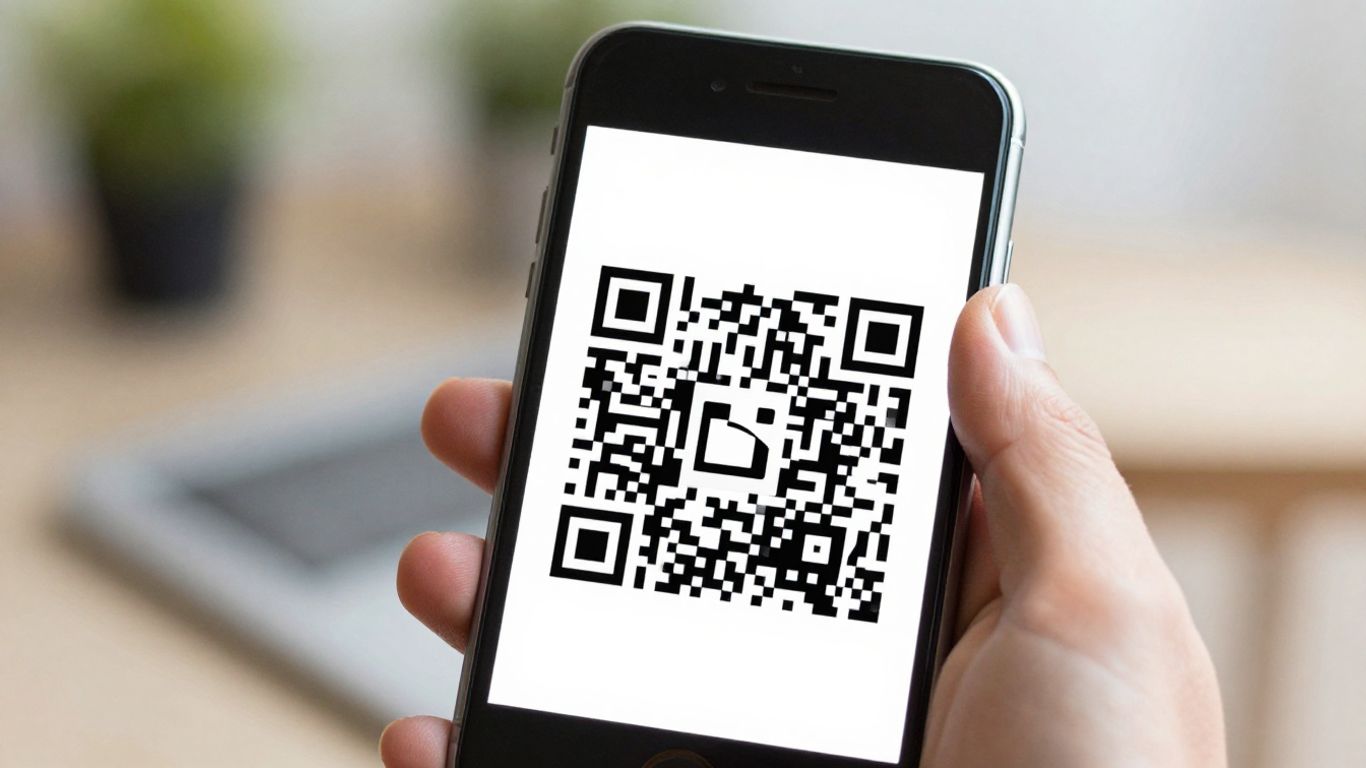
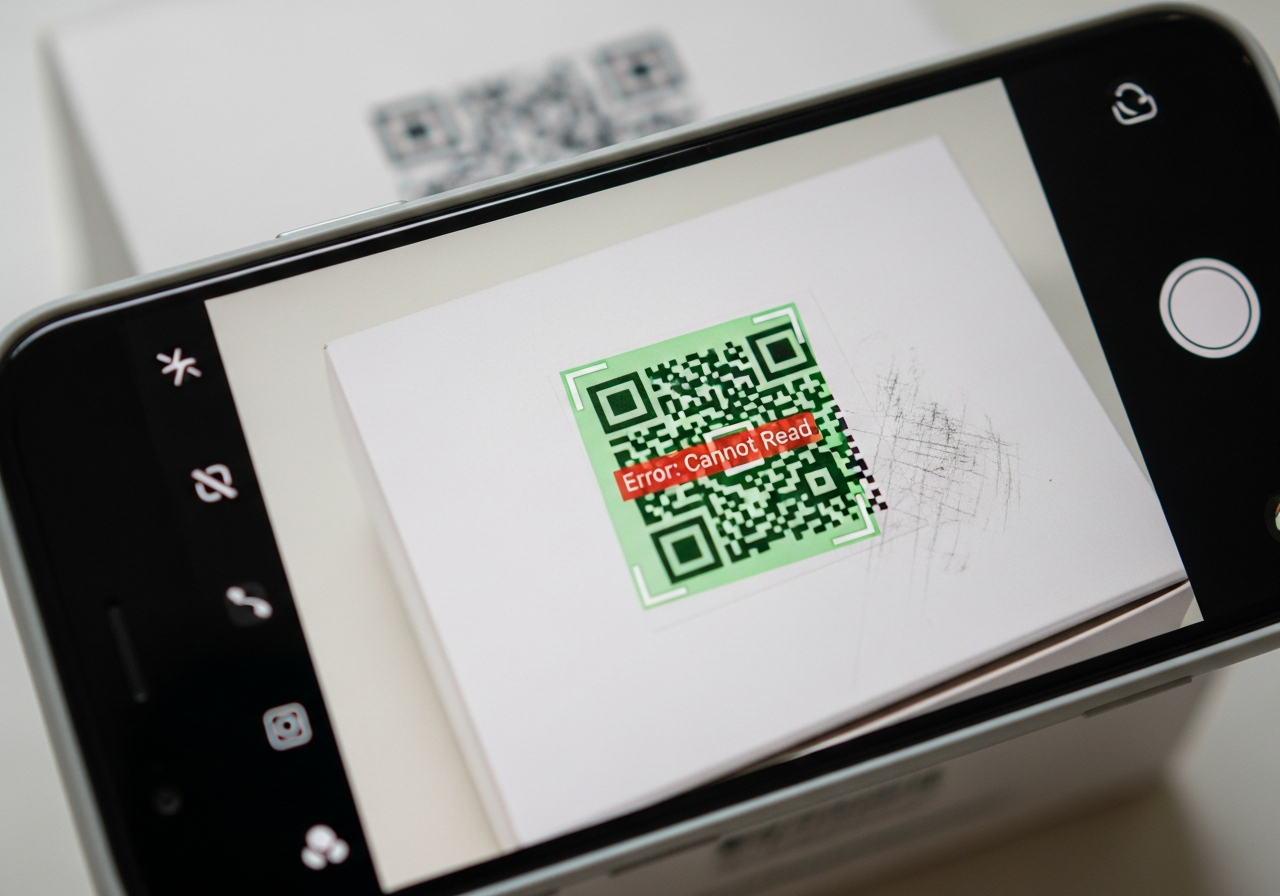
Sometimes, your iPhone might struggle to read a QR code, and it can be a bit frustrating. Don’t worry, though; most of the time, it’s a simple fix. It’s usually down to a few common culprits that affect how your camera sees the code.
Ensuring Adequate Contrast and Lighting
One of the biggest reasons a QR code won’t scan is poor contrast. Think about it: the camera needs to clearly distinguish between the dark squares and the light background. If the colours are too similar, or if the code is printed on a shiny surface that reflects light, your iPhone will have a hard time.
- Dark on Light: Always aim for a dark code (black is best) on a plain, light background. Avoid using pale colours, metallic inks, or gradients.
- Matte Finish: If possible, use matte paper or finishes. Glossy surfaces can create glare that makes scanning difficult.
- Good Lighting: Try to scan in well-lit conditions. Avoid direct sunlight that causes harsh reflections, but also don’t try to scan in very dim light.
The Importance of the Quiet Zone
Ever noticed that white border around a QR code? That’s called the ‘quiet zone’, and it’s really important. It’s a clear space that tells the camera where the code actually begins and ends. If this area is cluttered with other graphics, text, or logos, the scanner can get confused.
A good rule of thumb is to keep a border at least four times the width of the smallest square module clear around the entire QR code. This space is vital for the camera to correctly identify and process the code’s data.
Adjusting Size and Distance for Scans
Just like with anything else, the size of the QR code and how far away you are from it matter. A tiny code on a large poster, or a huge code on a business card, can cause problems. There’s a general guideline for this:
- The 10x Rule: A handy tip is that the ideal scanning distance is roughly 10 times the width of the QR code itself. So, if a code is 2cm wide, you should ideally be about 20cm away to scan it easily.
- Too Much Data: Sometimes, a QR code is packed with too much information, making the individual squares (modules) very small. If you’re finding codes are hard to scan, consider shortening the URL or using a dynamic QR code. Services like Xcan.it allow you to use dynamic QR codes, which means you can update the destination link without needing to reprint the code. This is incredibly useful for campaigns and makes managing your links much simpler. Plus, with Xcan.it, you can track scans in one dashboard, giving you insights into how your real-world campaigns are performing across print and signage.
When to Consider a Dedicated QR App
While your iPhone’s built-in camera is brilliant for most QR code scanning needs, there are times when a dedicated app can really make a difference. Think of it like this: your phone’s camera is your trusty Swiss Army knife – great for everyday tasks. But sometimes, you need a specialised tool for a specific job.
Advanced Features Beyond Basic Scanning
Sometimes, you might find yourself needing a bit more than just a quick link to a website. Dedicated QR apps can offer features that go beyond the standard scan. For instance, some apps provide:
- Analytics and Tracking: Want to know how many people are scanning your QR codes, where they’re scanning from, and at what times? A dedicated app can give you this insight, which is incredibly useful for marketing campaigns or understanding customer engagement. Services like Xcan.it let you track scans in one dashboard, giving you a clear picture of your QR code’s performance.
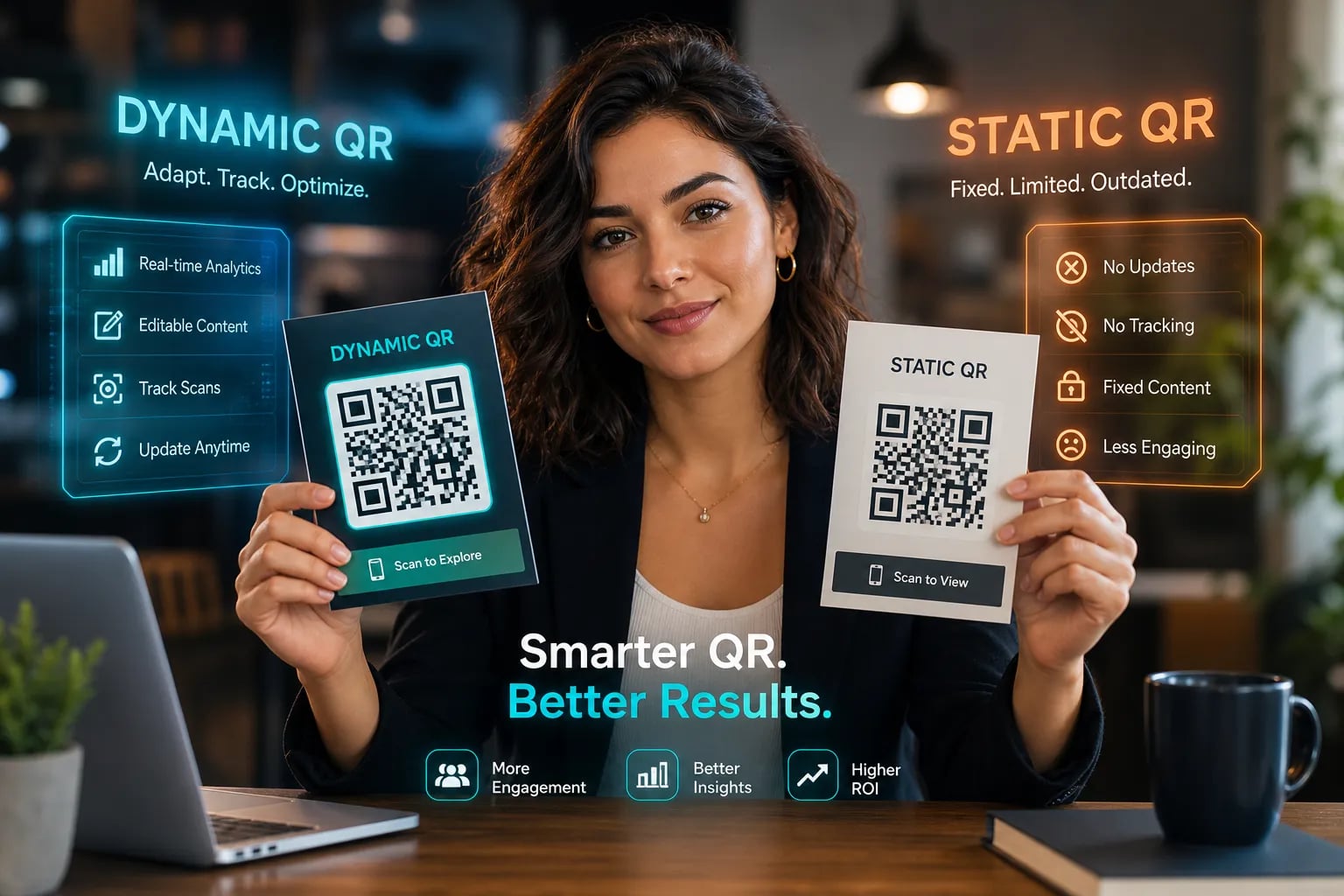
- Dynamic QR Codes: These are a game-changer. Unlike static QR codes where the destination is fixed, dynamic QR codes allow you to change the linked content after the code has been printed. This means you can update QR code links without reprinting, which is a lifesaver for campaigns or menus that change frequently. Xcan.it uses dynamic QR codes to improve real‑world campaigns across print, signage, and assets.
- Customisation and Branding: While the built-in camera is functional, some apps allow for more advanced customisation of the QR code itself, such as adding logos or specific colour schemes, which can help your codes stand out and align with your brand identity.
Multi-Format Support for Various Codes
Your iPhone camera is primarily designed for QR codes, but the world of scannable codes is broader than you might think. If you frequently encounter different types of codes, a dedicated app might be more suitable. These apps often support:
- QR Codes: The standard square ones we see everywhere.
- Data Matrix Codes: Often found on smaller items like electronics or pharmaceuticals.
- PDF417 Codes: Commonly used for things like driving licenses or boarding passes.
- Code 128: Frequently used in logistics and inventory management.
Having an app that can read all these different formats means you’re covered, no matter what kind of code you come across. It simplifies things immensely, especially if you’re working in retail, logistics, or event management where various code types are common.
While the built-in camera is fantastic for quick, everyday scans, a dedicated app can offer powerful tools for businesses and individuals who need more control, insight, and flexibility. It’s about choosing the right tool for the job, whether that’s a quick scan on the go or a detailed campaign analysis.
Scanning QR Codes from Photos on iPhone
Sometimes you’ve got a QR code saved as an image on your iPhone, maybe from a screenshot or a photo someone sent you. You can’t point your camera at your own screen, but thankfully, your iPhone has ways to read these codes without needing a separate app. It’s all about using the tools already built into your device.
Using the Photos App for Scans
This is probably the most straightforward method. If you’ve got a picture with a QR code in your photo library, just open it up. Your iPhone is pretty clever and will often recognise the code automatically. You might see a little icon appear, usually in the bottom corner, or a yellow highlight around the code itself. Tapping this will let you interact with the link or information contained within the QR code. It’s a neat trick that saves you from having to print anything out or find a second device. You can even use the share sheet to open the recognised code in your browser.
Scanning QR Codes from Screenshots
Screenshots are a common place to find QR codes these days, whether it’s from a message, an email, or a webpage you wanted to save. The process is very similar to using the Photos app. Open the screenshot, and look for that tell-tale icon or highlight indicating a detected code. Tapping it will then present you with the option to open the link. It’s a quick way to get information from an image without any fuss. For those who manage campaigns, using a service like Xcan.it is a game-changer. It allows you to update QR code links without reprinting, track scans in a single dashboard, and use dynamic QR codes to improve your real-world campaigns across print, signage, and assets. This means if a link changes, you don’t have to redo all your printed materials.
It’s worth remembering that while these built-in tools are handy, it’s always wise to be cautious. Scammers can embed malicious links in QR codes, just like any other link. Always inspect the URL preview that appears before you tap to open it, especially if the code came from an unexpected source.
Here’s a quick rundown of how it works:
- Open the Image: Find the screenshot or photo containing the QR code in your Photos app.
- Look for Detection: Keep an eye out for a small QR code icon or a yellow highlight around the code.
- Tap to Interact: Tap the detected code or the prompt that appears to open the link.
- Use Share Sheet (if needed): If automatic detection doesn’t happen, you might be able to use the share sheet options to scan or open the link.
This method is particularly useful when you receive a QR code digitally and want to access it immediately. It’s a simple, effective way to bridge the gap between digital images and real-world actions.
Real-World QR Code Applications
QR codes have moved far beyond just linking to a website. They’re now a versatile tool for businesses and organisations across the UK, making interactions smoother and more informative for everyone.
QR Codes for Local Services
Local councils and public services are finding clever ways to use QR codes to connect with residents. For instance, some councils are placing QR codes on bins. A quick scan allows you to report a full bin or other issues directly, cutting down on phone calls and speeding up the reporting process. It’s a simple idea that makes civic engagement much easier. Similarly, police forces are experimenting with QR codes on uniforms, allowing the public to easily sign up for local alerts and updates. This helps build stronger community ties and keeps everyone better informed about local safety. Even the DVLA is getting in on the act, using QR codes to simplify sharing driving licence information for things like car hire, making those processes a bit less of a hassle.
These applications show how QR codes can bridge the gap between physical services and digital convenience, making everyday tasks more efficient for both the public and the organisations providing them.
Enhancing Customer Engagement with QR Codes
Businesses are also using QR codes to create more dynamic customer experiences. Think about restaurants with QR codes on tables for menus, or shops using them on receipts to gather feedback. The real magic happens when you use dynamic QR codes, which you can update even after they’ve been printed. This means you can change a link, update an offer, or switch a menu without needing to reprint anything. Platforms like Xcan.it let you do just that. You can update QR code links on the fly, track exactly how many scans you’re getting from different locations or campaigns, and even use different QR codes for different purposes, like directing iPhone users to one page and Android users to another. This level of control and insight helps businesses run more effective campaigns across print, signage, and even on their products themselves. It’s about making every interaction count and learning from it.
QR codes are popping up everywhere these days! From helping you order food at a restaurant to finding out more about a tourist spot, they make things super easy. Businesses are using them for everything from advertising to making sure customers can easily access information. It’s amazing how these little squares can connect us to so much more. Want to see how you can use them for your own projects? Check out our website to learn more!
All Set to Scan
So there you have it. Scanning QR codes on your iPhone is pretty straightforward, really. Most of the time, your trusty Camera app will do all the heavy lifting for you. Just point, tap, and off you go. It’s a handy little trick that opens up a world of information, from quick links to special offers. Give it a whirl next time you see one – you might be surprised how simple it is.
Frequently Asked Questions
Do I need a special app to scan QR codes on my iPhone?
Not usually! Your iPhone’s built-in Camera app is brilliant at scanning QR codes automatically. Just point your camera at the code, and a notification should pop up. You can also add a ‘Code Scanner’ to your Control Centre for quick access if you prefer.
What happens when I scan a QR code?
When your iPhone’s camera recognises a QR code, it usually shows you a preview of where it will take you, often as a banner at the top of the screen. This is a safety feature, letting you see the website address before you decide to open it. Just tap the banner to go to the link.
Why isn't my iPhone scanning a QR code?
There are a few common reasons. Make sure the lighting is good and there’s enough contrast between the dark and light parts of the code. Also, ensure you’re holding the phone steady and the code isn’t too far away or too close. Sometimes, a bit of glare can also cause problems.
Can I scan a QR code from a photo on my iPhone?
Yes, you can! If you have a picture of a QR code saved in your Photos app, you can often scan it. Sometimes, the Photos app itself will recognise the code, or you might need to use a feature like Live Text (available on newer iPhones) to interact with it.
Are QR codes safe to scan?
Generally, yes, especially when using your iPhone’s built-in camera. The preview feature is key here, as it shows you the web address before you visit it, helping you avoid dodgy links. It’s always a good idea to be a little cautious and check where the link is taking you.
When would I need a separate QR code scanning app?
Most of the time, the built-in camera does the job perfectly. However, you might consider a dedicated app if you need to scan lots of different types of codes (like barcodes on products as well as QR codes) or if you want extra features like saving scan history or organising codes.