So, you’ve got a QR code staring you down on your laptop screen, maybe from a website or a document, and you’re wondering how on earth you’re supposed to scan it. Unlike your phone, your laptop doesn’t usually have a built-in camera that’s ready to go for QR codes. But don’t worry, it’s not some impossible tech puzzle. There are actually a few straightforward ways to get that information off the screen and into your digital life. We’ll walk you through the simplest methods, so you can get on with whatever you were doing.
Key Takeaways
- Most laptops don’t scan QR codes directly with a built-in camera like smartphones do.
- You can use webcam-enabled browsers or specific browser extensions to scan QR codes on your laptop.
- Online QR code scanner websites offer a simple way to upload an image or scan from your screen.
- Troubleshooting often involves checking image clarity, contrast, and lighting conditions.
- Always be mindful of security and preview links before opening them.
Understanding How to Scan a QR Code on a Laptop
The Basics of QR Code Scanning
QR codes have become a common sight, popping up on everything from posters to product packaging. At their heart, they’re just a way to store information, usually a web link, that your phone can read quickly. Most modern smartphones can scan these codes straight from their camera app, making it super simple to jump to a website or get more details. It’s a neat bit of tech that bridges the physical and digital worlds.
Why Laptops Need Specific Methods
While phones are built for on-the-go scanning, laptops aren’t quite as straightforward. You can’t just point your laptop’s screen at another screen or a piece of paper and expect it to work like a phone camera. Laptops don’t have a built-in camera app designed for this specific task. This means we need to look at different approaches, whether that’s using your laptop’s webcam, online tools, or browser extensions. It’s not impossible, just a bit more involved than pulling out your phone.
Common Scenarios for Laptop Scanning
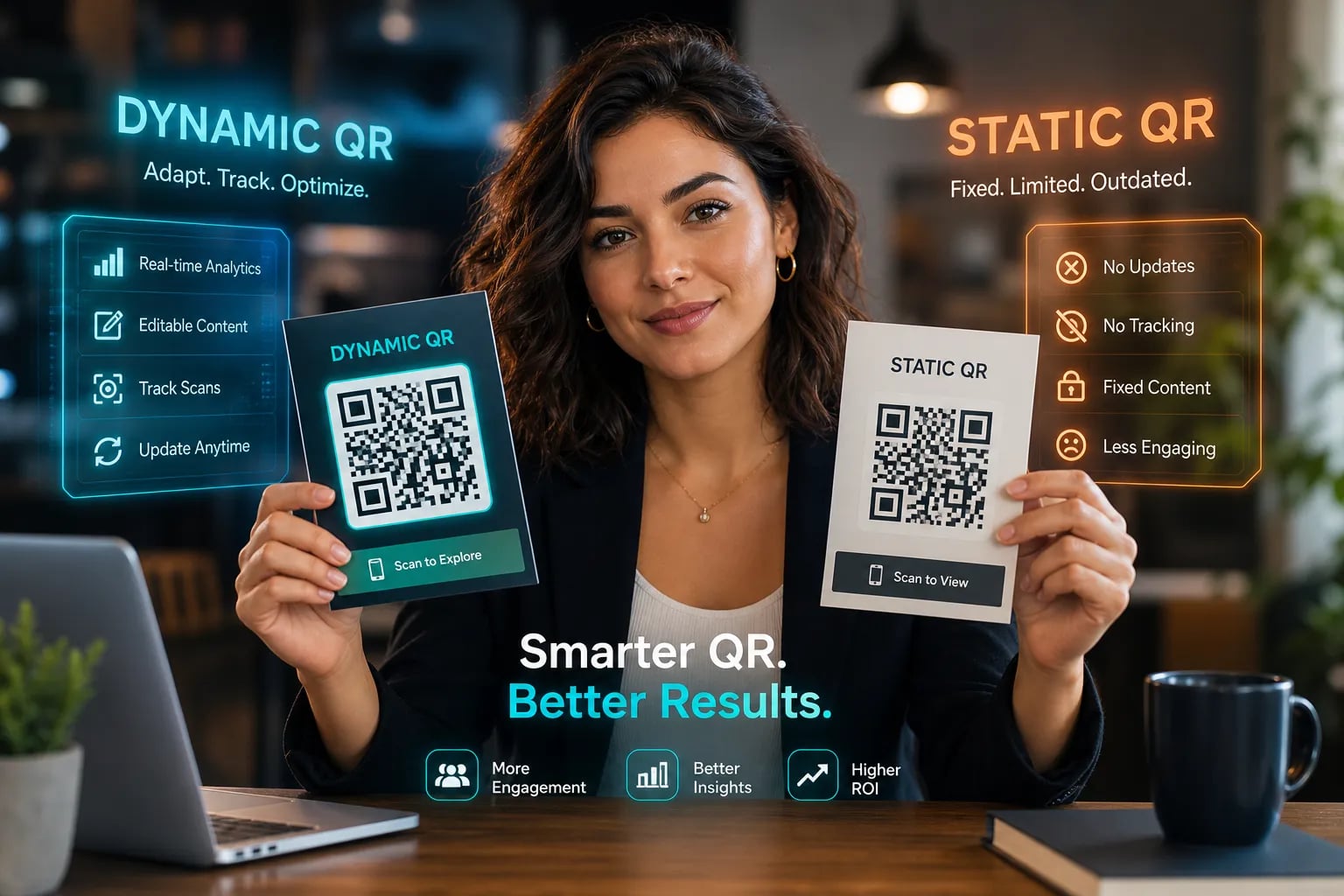
So, why would you even want to scan a QR code on your laptop? Well, imagine you’re browsing a website on your computer and see a QR code for a special offer or more information. Instead of grabbing your phone, you might want to scan it directly. Or perhaps you’ve received an image with a QR code in an email or a document. You might also be helping someone else who’s struggling to scan a code and need to do it for them using your laptop’s screen. These situations call for a laptop-friendly solution. For businesses looking to manage their QR code campaigns effectively, tools like Xcan.it are invaluable. They allow you to update QR code links without reprinting, track scans in a single dashboard, and use dynamic QR codes to improve real‑world campaigns across print, signage, and assets. This means your marketing efforts stay current and measurable.
It’s worth remembering that while scanning from a screen is convenient, the quality of the display and the lighting conditions can affect how well the code is read. Just like with a physical print, a clear, well-lit QR code is always easier to scan.
Leveraging Your Laptop's Built-In Capabilities
It might surprise you, but your laptop often has more built-in tools for scanning QR codes than you might think. You don’t always need a separate app or an online service. Let’s explore how to use what you likely already have.
Using Webcam-Enabled Browsers
Many modern web browsers have integrated QR code scanning capabilities, turning your laptop’s webcam into a scanner. This is incredibly handy for quickly accessing information linked in a QR code displayed on your screen or even on a physical document placed in front of your webcam. The beauty of this method is its immediacy – no downloads, no fuss.
Here’s a general idea of how it works:
- Open your browser: Launch a browser that supports webcam scanning. Some browsers might have this feature built-in, while others might require a small extension (more on that later).
- Access the scanner: Look for a QR code scanning option within the browser’s settings, a dedicated button, or a menu item. For example, some browsers might offer a "Scan QR Code" option when you right-click on a page or within a specific tool.
- Grant camera access: Your browser will ask for permission to use your webcam. Allow this so it can see the QR code.
- Position the code: Hold the QR code steady in front of your laptop’s webcam. Ensure it’s well-lit and fills a good portion of the camera’s view.
- See the result: The browser should automatically detect the code and present you with the linked information, often as a clickable URL.
For a quick and private scanning experience directly in your browser, tools like Xcan.it offer a straightforward solution without needing any app installation.
Exploring Operating System Features
Your laptop’s operating system might also have hidden gems for QR code scanning. Windows, for instance, has features that can be enabled to use your webcam for scanning. While not as universally advertised as browser features, these can be quite effective.
- Windows: Some versions of Windows include barcode scanning functionality that can be accessed through specific applications or settings. You might need to enable this feature in your system settings or through a dedicated app that comes pre-installed or is available from the Microsoft Store. For example, the built-in barcode scanner in Windows can be a useful tool when you need to scan codes.
- macOS: While macOS doesn’t have a direct, built-in QR scanner in the same way some other operating systems do, you can often achieve similar results using the built-in Camera app on newer Macs, especially when combined with features like Live Text. You can also find third-party applications that integrate with your webcam.
These OS-level features can be particularly useful if you need to scan codes for system-related tasks or within specific desktop applications.
The Role of Browser Extensions
If your browser doesn’t have a built-in scanner, or if you want more advanced features, browser extensions are a fantastic option. These small add-ons can significantly boost your laptop’s QR scanning capabilities.
- Finding extensions: Head to your browser’s extension store (like the Chrome Web Store or Firefox Add-ons) and search for "QR code scanner" or "QR reader."
- Key features to look for:
- URL Preview: This is vital for security. A good scanner will show you the link before you click it, allowing you to spot suspicious URLs.
- Privacy: Opt for extensions that are ad-free and clearly state they don’t track your browsing data.
- Multi-format support: While you’re focused on QR codes, some extensions can also read other barcode types like Data Matrix or PDF417, which can be handy.
- Ease of use: Look for extensions that are simple to activate, perhaps with a toolbar icon, and that scan quickly.
Using extensions can provide a more robust scanning experience, often with added benefits like history tracking or the ability to generate QR codes yourself. For businesses looking to improve their campaigns, services like Xcan.it are invaluable. They allow you to create dynamic QR codes, meaning you can update the link the QR code points to without reprinting it. This is a game-changer for print, signage, and any physical assets. Plus, Xcan.it provides a dashboard to track scans, giving you insights into how your campaigns are performing in the real world. You can update QR code links without reprinting, track scans in one dashboard, and use dynamic QR codes to improve real‑world campaigns across print, signage, and assets.
Utilising Online QR Code Scanners
Sometimes, you don’t have a physical QR code in front of you, or maybe you need a more robust way to manage your codes. That’s where online QR code scanners come in handy. These web-based tools offer a flexible alternative to using your laptop’s camera directly.
How to Find a Reliable Online Scanner
When looking for an online scanner, think about what you need. Do you just want to scan a code quickly, or do you need more features? Many free online readers are available, but it’s wise to choose one that’s reputable and doesn’t bombard you with ads or ask for unnecessary permissions. A good scanner should be able to decode QR codes from an uploaded image or even directly from your screen.
Uploading an Image for Scanning
This is super useful if you have a QR code saved as an image file on your laptop. Maybe you took a screenshot, or someone emailed it to you. Most online scanners will have an ‘Upload Image’ or ‘Choose File’ button. Simply click that, find the image on your computer, and the scanner will do the rest. It’s a straightforward way to get the information without needing the physical code. For instance, if you’ve got a QR code saved in your photos, you can easily scan it this way.
Scanning from a Screen Share
This method is brilliant for situations like video calls or when you’re viewing a presentation. If someone is sharing their screen and shows a QR code, you can often use an online scanner that has a ‘Scan from Screen’ or ‘Capture Screen’ option. The tool will then analyse what’s currently displayed on your monitor to find and decode the QR code. It’s a neat trick for getting information without needing to ask the presenter to send it separately.
For those looking to create and manage QR codes that can be updated without reprinting, services like Xcan.it are a game-changer. They offer dynamic QR codes, which means you can change the link or information associated with the code at any time. This is incredibly useful for marketing campaigns, signage, or any situation where the destination might change. Plus, Xcan.it provides a dashboard to track scans, giving you insights into how your QR codes are performing across different print materials and assets. It’s a smart way to keep your real-world campaigns effective and measurable.
Troubleshooting Common Scanning Issues
Sometimes, even with the best intentions, a QR code just won’t scan. Don’t worry, it’s usually a simple fix. Most scanning problems boil down to a few common culprits. Let’s break them down so you can get back to what you were doing.
Ensuring Image Clarity and Contrast
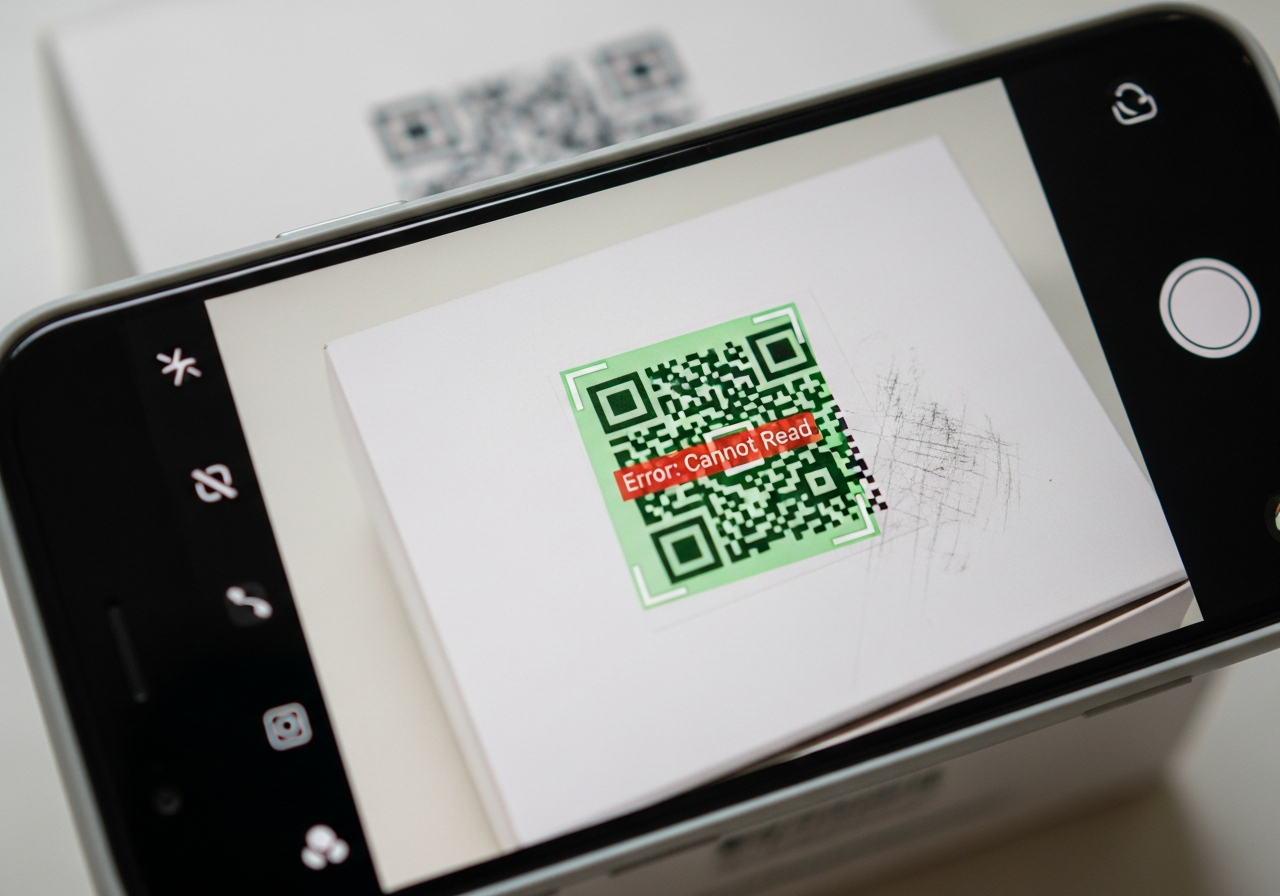
This is probably the most frequent reason a QR code plays hard to get. If the code looks faded, washed out, or blends into its background, your laptop’s camera (or any camera, for that matter) will struggle to read it. Think about it: the camera needs to clearly distinguish between the dark and light squares.
- High contrast is key: Aim for a dark code on a very light, matte background. Black on white is the gold standard for a reason.
- Avoid shiny surfaces: Glossy prints or screens can create glare, which is like a blindfold for the camera.
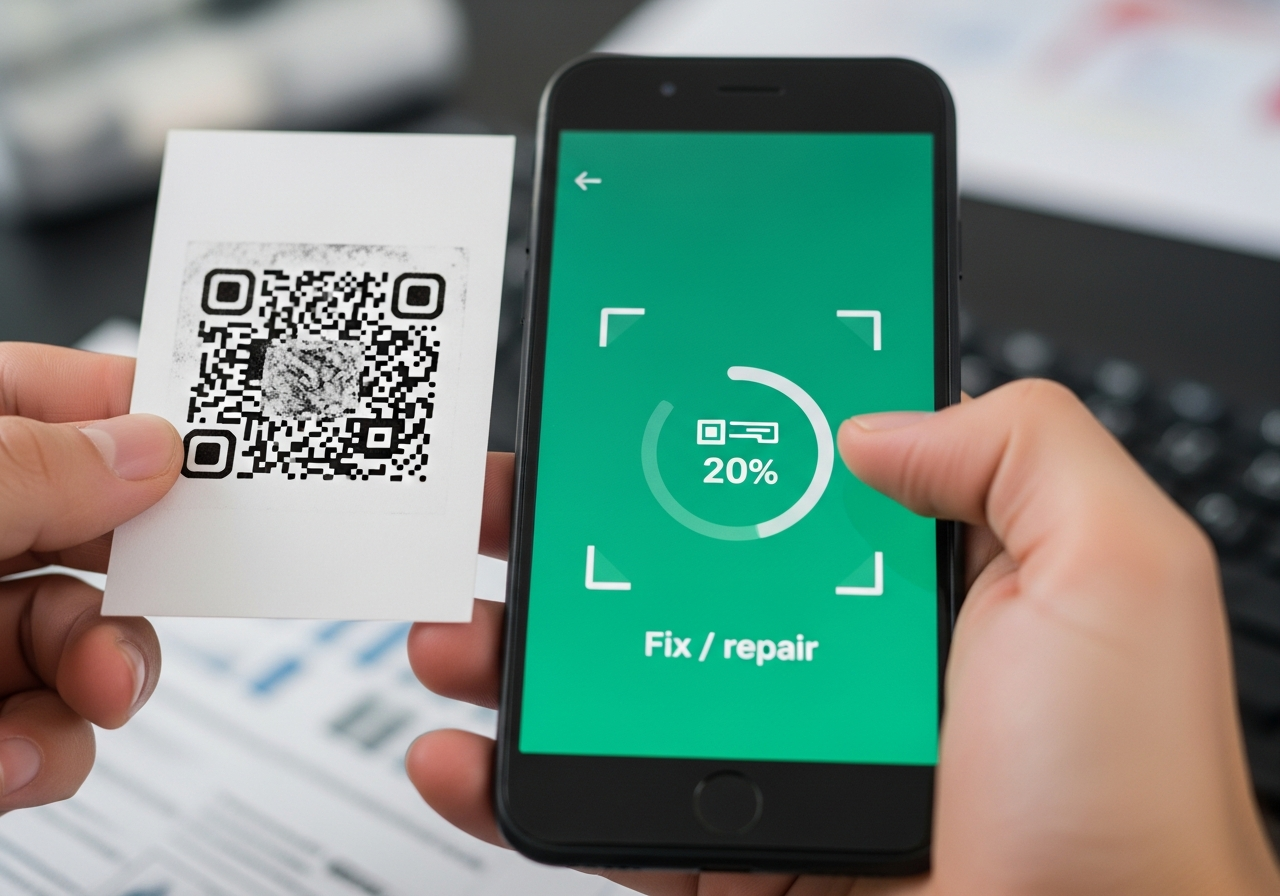
- Check for damage: Is the code smudged, torn, or creased? Even small imperfections can disrupt the pattern.
If you’re generating your own codes, always opt for strong, contrasting colours. If you’re scanning a printed code, ensure it’s clean and well-lit. For digital displays, try adjusting the brightness or viewing angle to minimise reflections. Sometimes, simply cleaning the laptop’s webcam lens can make a surprising difference.
Addressing Size and Distance Factors
It sounds obvious, but the size of the QR code and how far away you are from it matter a lot. A tiny code on a distant billboard is going to be impossible to scan, just as a massive code held right up to the webcam might be too much for it to focus on properly. A good rule of thumb is that the scan distance should be roughly ten times the width of the QR code itself. If you’re trying to scan a code that’s quite small, you’ll need to get closer. If it’s large, like on a poster, you’ll need to step back.
Getting the size and distance right is a balancing act. Too close, and the camera might not be able to focus. Too far, and the code becomes too small to recognise. Experiment a little to find that sweet spot.
Resolving Glare and Lighting Problems
Glare is the arch-nemesis of QR code scanning. Reflections from lights, windows, or even the screen itself can obscure the data within the code. This is especially common when scanning codes displayed on monitors or other digital screens.
- Adjust your angle: Try tilting your laptop or the screen displaying the code slightly. This can often shift the reflection just enough to allow a scan.
- Control the lighting: If possible, move to an area with more even, diffused lighting. Avoid direct overhead lights that can cause harsh reflections.
- Use matte finishes: When printing QR codes, matte paper or finishes are much better than glossy ones for reducing glare.
If you’re using a service like Xcan.it, you have the advantage of being able to update your QR code links without needing to reprint anything. This means if you encounter issues with a specific placement or campaign, you can quickly adjust the destination URL. Plus, Xcan.it provides a dashboard to track scans, giving you insights into what’s working and what might need a tweak. This is particularly useful for dynamic QR codes, which offer flexibility across print, signage, and other assets. Learn more about dynamic QR codes.
Security Considerations When Scanning
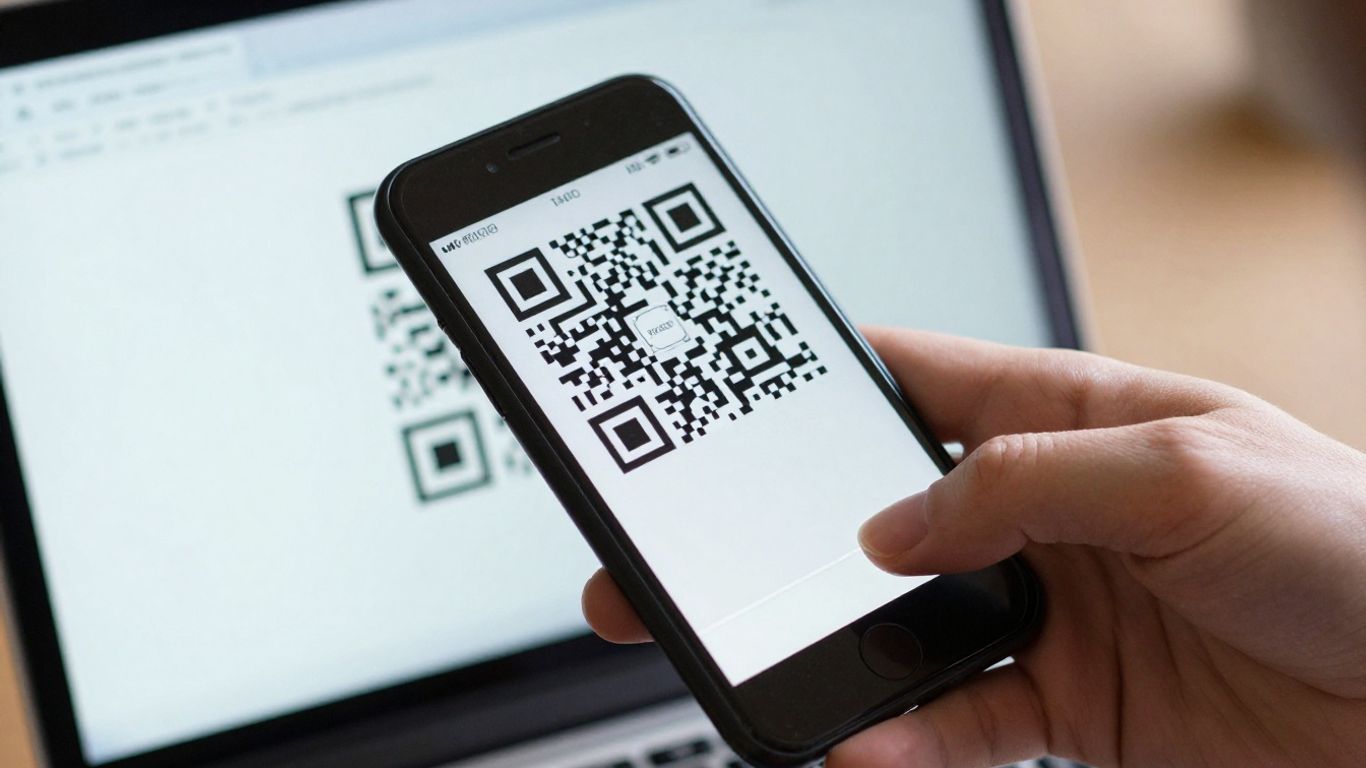
It’s easy to get caught up in the convenience of QR codes, but it’s wise to remember that not all codes are created equal. Just like clicking a dodgy link in an email, scanning a QR code can sometimes lead you down a rabbit hole of unwanted consequences. The main thing to keep in mind is that the QR code itself is just a pattern; the real risk lies in where it directs you.
Identifying Potentially Malicious Codes
Scammers have gotten pretty clever, and QR codes are a favourite tool for them. They can stick fake QR codes over legitimate ones, especially in public places like car parks or on posters. This is often called ‘quishing’ – a blend of QR code and phishing. You can’t always tell if a code is malicious just by looking at it, but you can be smart about it.
Here are a few things to watch out for:
- Context is key: Does the QR code make sense where it is? A code on a restaurant menu is usually fine, but a random sticker on a public bench might be suspicious.
- Look for tampering: Does the code look like it’s been stuck on top of another one? Are there any signs of it being altered?
- Trust the source: Is the code from a well-known brand or organisation? If it’s from an unknown source, be extra cautious.
The Importance of URL Previews
This is probably the most important safety net. When you scan a QR code with your phone’s camera or a good QR reader app, it should show you a preview of the web address (URL) it’s going to open before it actually opens it. This is your chance to check if the link looks legitimate.
- Check the spelling: Scammers often use slightly misspelled versions of well-known website addresses.
- Look for HTTPS: Legitimate websites usually use HTTPS, indicated by a padlock icon in the address bar. While not a guarantee, its absence can be a red flag.
- Beware of shortened links: Services like bit.ly can be useful, but they also hide the true destination. If you don’t recognise the shortened domain, it’s best to be wary.
If the URL looks odd, shortened, or unrelated to what you expect, don’t tap it. Just close the preview and move on. It’s better to be safe than sorry.
Protecting Your Data During Scans
Even if the QR code leads to a seemingly legitimate website, you still need to be careful. Scammers might use these sites to trick you into giving up personal information.
- Never enter sensitive details immediately: If a website asks for passwords, credit card numbers, or personal identification right after you scan a code, stop. It’s a common tactic for fake login pages or payment scams.
- Navigate manually: If you intended to visit a specific site, it’s always safer to type the web address directly into your browser rather than relying on a QR code scan.
- Keep your devices updated: Software updates often include security patches that can protect you from known threats. Make sure your laptop and its browser are up-to-date.
For businesses, using dynamic QR codes can also add a layer of security and control. Platforms like Xcan.it allow you to update the destination link of a QR code without needing to reprint it, track scan activity in a central dashboard, and manage your campaigns more effectively across different materials. This flexibility is great for ensuring your links are always current and secure.
Advanced Techniques for QR Code Interaction
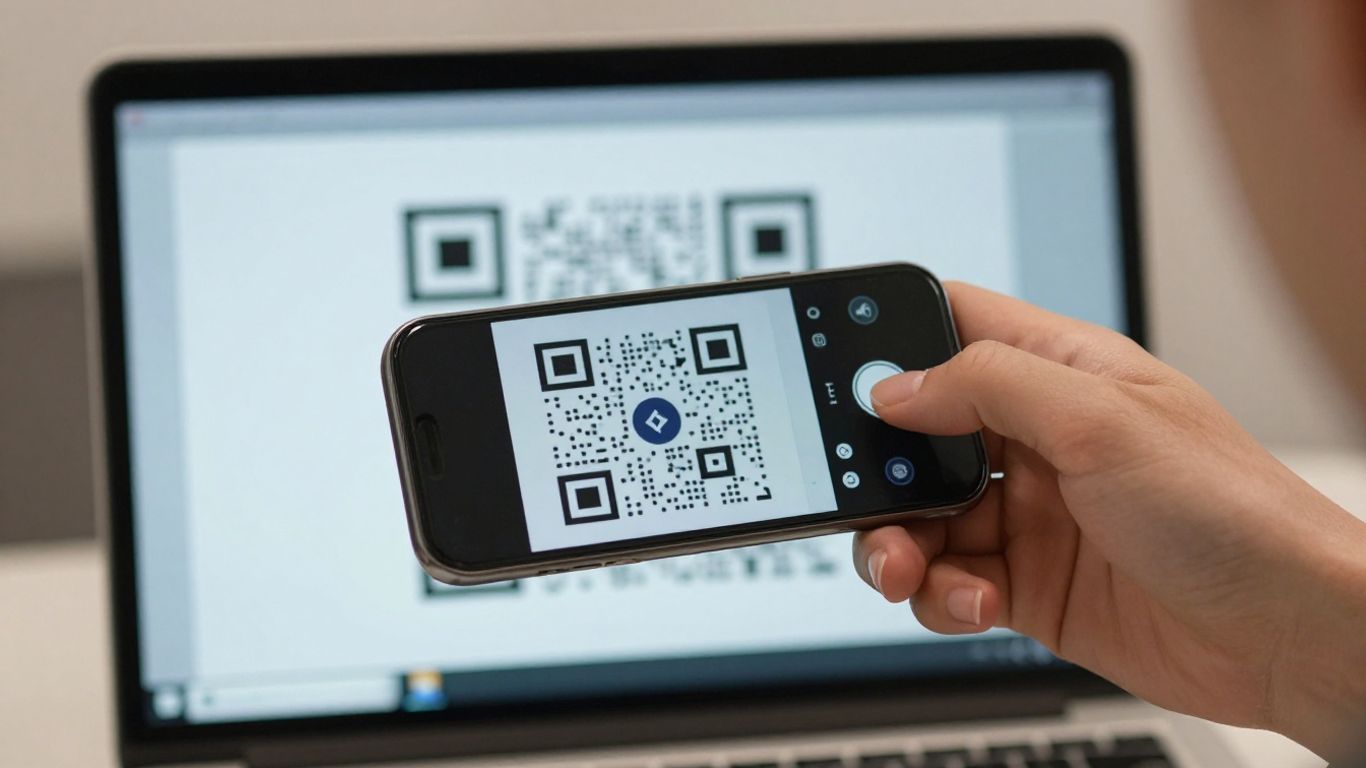
Scanning QR Codes from Videos
Sometimes, the QR code you need to scan isn’t on a static piece of paper or screen. It might be flashing by in a video advertisement, a tutorial, or even a live stream. While your laptop’s webcam can handle this, it requires a bit more finesse than a static image. The key is to pause the video at the exact moment the QR code is clearest and largest on screen. You’ll want to ensure there’s minimal motion blur and good lighting. If you’re using a browser-based scanner, you might be able to take a screenshot of the paused frame and then upload that image to the scanner. This gives you a static target for the software to work with, much like scanning from a photo.
Integrating Scans with Other Applications
Scanning a QR code is often just the first step. What you do with the information afterwards can be just as important. For instance, if you scan a QR code for a product, you might want that product’s details to be added to a shopping list app or a database. Some advanced QR code scanning tools or browser extensions can be configured to automatically send the scanned data to specific applications or services. This can save a lot of manual copy-pasting. Think about scanning a Wi-Fi QR code – ideally, it should automatically connect your laptop to the network without you needing to type anything.
Managing Multiple Scans Efficiently
If your work involves scanning many QR codes regularly, efficiency becomes paramount. Manually scanning each one, copying the link, and pasting it into a document or application can be time-consuming. For these scenarios, consider using tools that offer batch scanning capabilities or allow you to save scan history. This way, you can scan a series of codes and then process them all at once. Furthermore, dynamic QR codes offer a significant advantage here. With services like Xcan.it, you can update the links behind your QR codes without ever needing to reprint them. This means if a URL changes, you just update it in your Xcan.it dashboard, and all your existing QR codes will point to the new destination. This agility is a game-changer for campaigns. You also get a central dashboard to track all your scans, giving you insights into how and where your QR codes are being used. This level of control and insight is what makes dynamic QR codes so powerful for improving real-world campaigns across print, signage, and various assets.
Want to go beyond basic QR codes? We explore some clever ways to make QR codes work harder for you. Imagine making your codes do more than just link to a website; think about interactive experiences that really grab attention. Ready to see how you can make your QR codes truly stand out and engage your audience? Visit our website to discover these advanced methods and start creating more dynamic interactions today!
All Set to Scan
So there you have it. Scanning a QR code on your laptop is pretty straightforward once you know how. Whether it’s for work, a quick bit of research, or just checking out a link someone sent you, the process is usually quite simple. Most modern laptops and operating systems have this capability built-in, or it’s just a quick download away. Don’t overthink it; give it a go and see how easy it is to connect the physical and digital worlds.
Frequently Asked Questions
Can I scan a QR code on my laptop without a webcam?
Yes, absolutely! If your laptop doesn’t have a built-in camera, you can use online QR code scanner websites. You’ll typically upload a screenshot or an image of the QR code, and the website will read it for you. Just make sure you use a trustworthy site.
Are there any special apps I need to download for my laptop?
Not usually! Many web browsers now have built-in features that let them scan QR codes directly from your screen. If yours doesn’t, browser extensions are a good alternative. For most people, downloading a separate app isn’t necessary for laptop scanning.
What's the quickest way to scan a QR code on my laptop?
The fastest method is often using your web browser’s built-in scanner if it has one. You can usually activate this by right-clicking on the QR code or using a browser extension. It’s much quicker than opening a separate program or website.
What if the QR code on my screen is blurry or hard to see?
If the QR code isn’t clear, try to get a better screenshot or zoom in on the image if possible. Ensure there’s good contrast between the dark squares and the light background. Sometimes, adjusting your screen’s brightness can help too.
Is it safe to scan QR codes on my laptop?
Generally, yes, but you should always be a little cautious. Be wary of QR codes from unknown sources, as they could lead to dodgy websites. Most modern scanners will show you the web address before opening it, so always check that first before clicking through.
Can I scan a QR code that's part of a video playing on my laptop?
This can be tricky! Some advanced tools or specific software might be able to do it, but it’s not straightforward with standard methods. Often, it’s easier to pause the video, take a screenshot of the QR code, and then scan that image using one of the methods mentioned above.