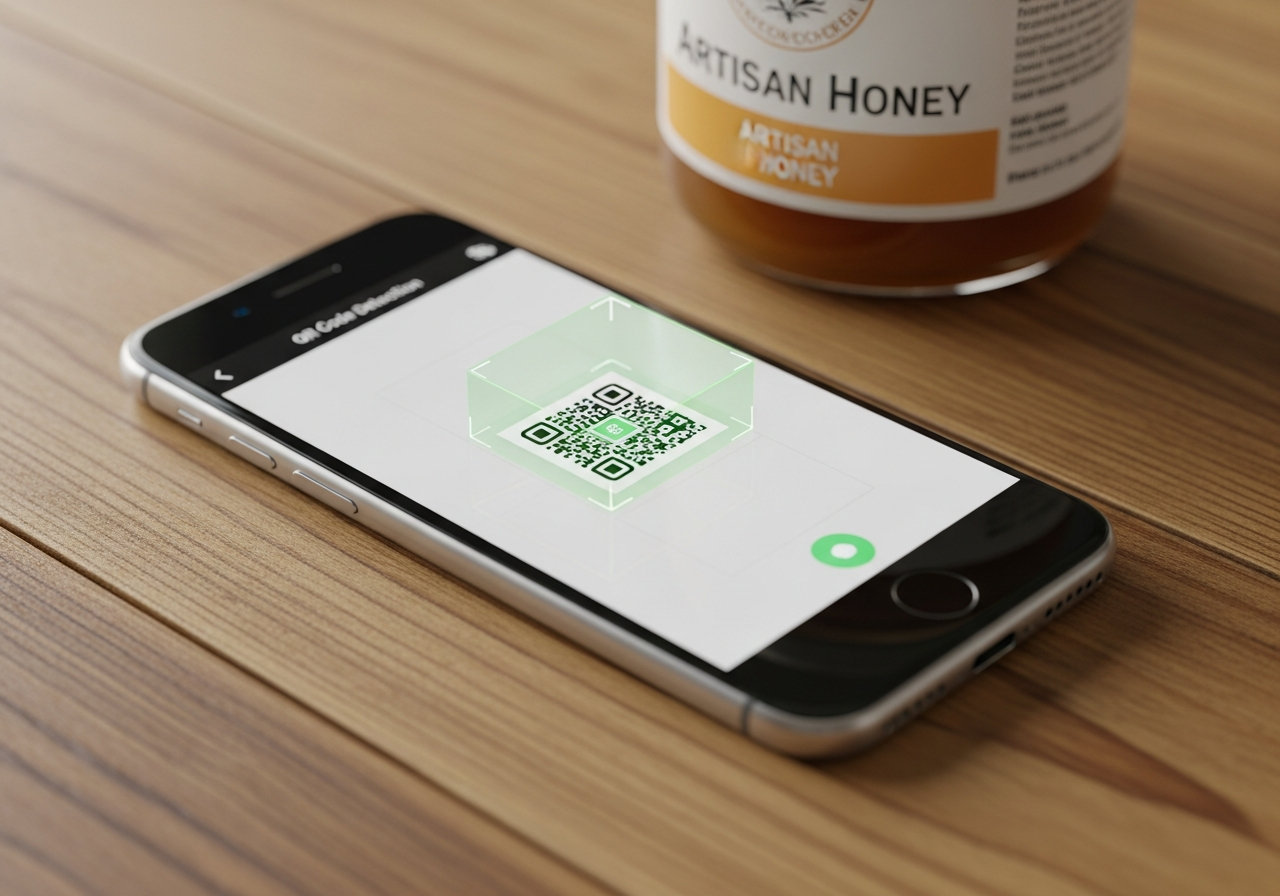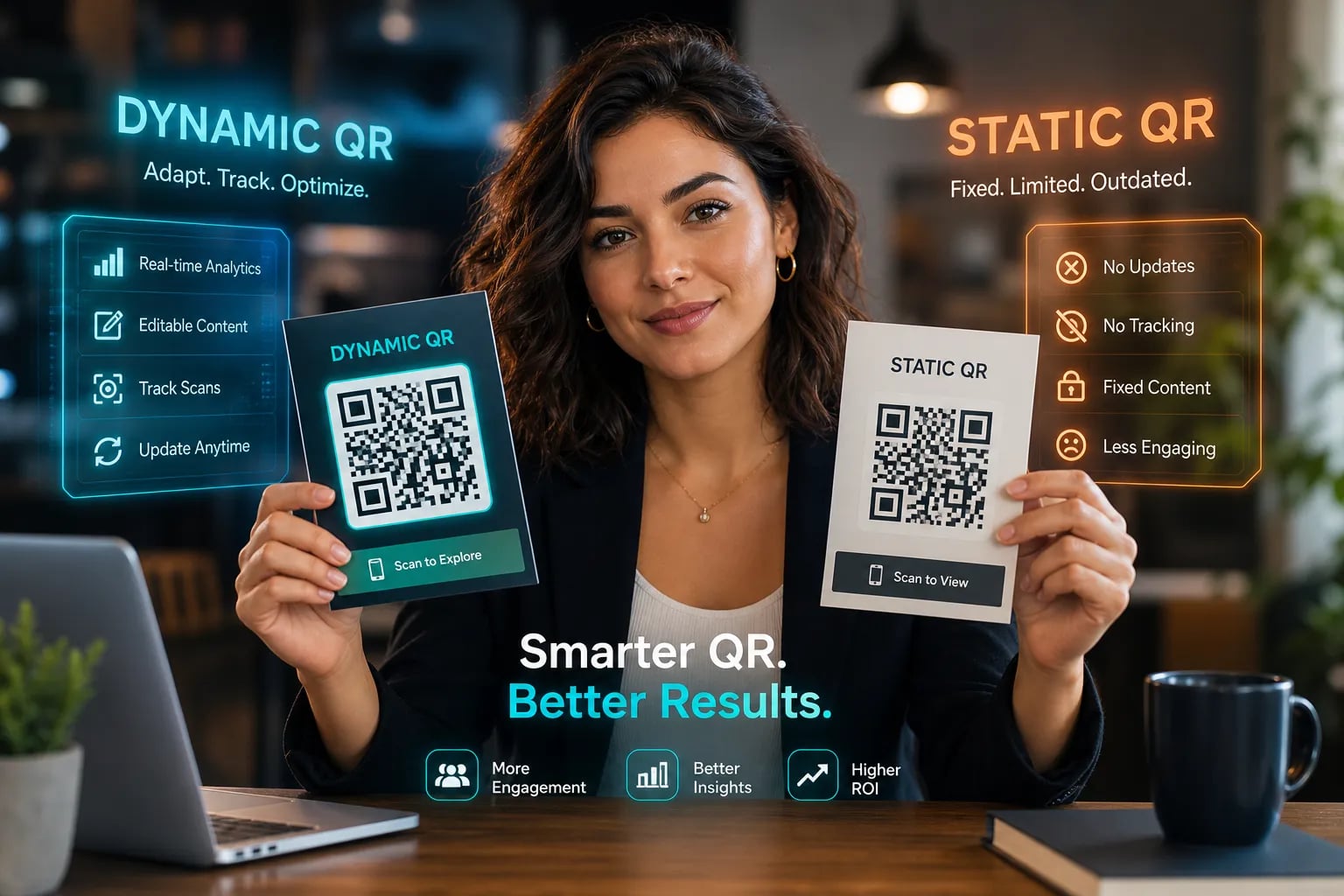
To know if a QR code is dynamic, scan it and check whether the URL redirects through a short link or management platform. If you cannot edit the destination link after printing, it is static. Businesses using printed materials should verify this before investing further. This is crucial for ensuring marketing materials remain relevant and effective.
Key Takeaways
Dynamic QR codes offer flexibility; you can change the destination link without reprinting the code, which is great for marketing or menus that change often.
Static QR codes have the destination built directly into the code. Once printed, the link cannot be changed.
To check if a QR code is dynamic, scan it and carefully look at the URL it directs you to. Dynamic codes often go through a redirect service first.
If the destination linked by the QR code can be easily edited or updated through an online dashboard, it’s a dynamic code.
Understanding whether a QR code is dynamic or static is key to avoiding costly reprints and ensuring your printed materials remain effective over time.
What Are Dynamic QR Codes?
How Dynamic QR Codes Work
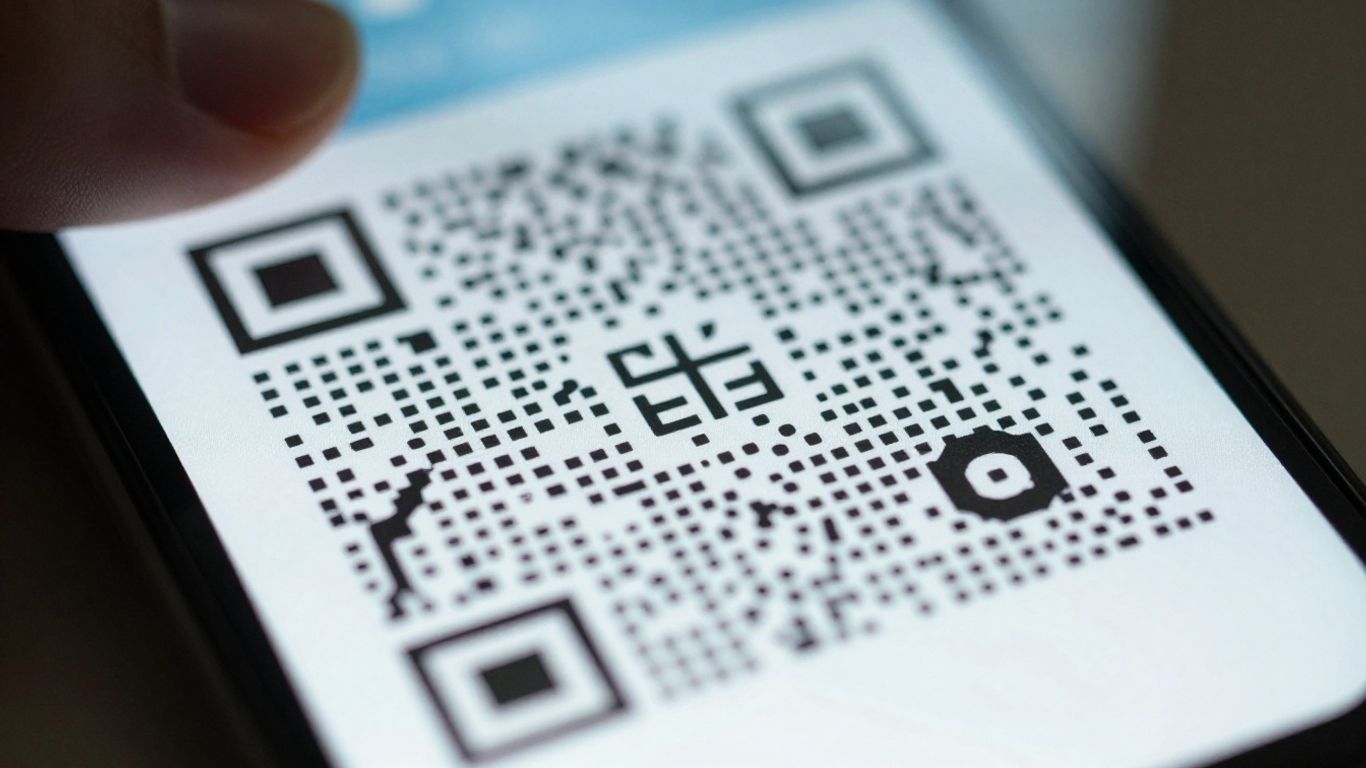
Dynamic QR codes are a more sophisticated type of QR code. Unlike static codes, they don’t embed your final destination directly into the visual pattern. Instead, the QR code points to a short redirect URL managed by a service. This service then directs the scanner to your actual content. This intermediary step is key to their functionality.
The primary advantage is the ability to change the destination URL after the QR code has been printed. This means you can update links, correct errors, or refresh content without needing to generate and reprint the physical QR code. This offers significant operational flexibility and cost savings, especially for printed materials that are difficult or expensive to replace. It also allows for features like dynamic QR code tracking, giving you insights into scan performance.
Why Businesses Use Them on Printed Materials
Businesses opt for dynamic QR codes on printed materials for several practical reasons. The ability to update the linked content on the fly is invaluable for marketing campaigns, menus, or event information that might change. This flexibility avoids the costly and time-consuming process of reprinting materials. Furthermore, dynamic QR codes enable crucial analytics. You can monitor scan data to understand user engagement, which helps in optimising campaigns and proving return on investment. This makes them a more strategic choice for businesses looking for control and measurable results from their physical marketing efforts. If you’re wondering if your QR code is dynamic or static, checking the URL structure after scanning is a good first step.
Flexibility: Update destinations without reprinting.
Analytics: Track scan data for performance insights.
Cost-Efficiency: Avoids repeated printing costs.
Control: Manage content remotely via a dashboard.
The core benefit of dynamic QR codes lies in their adaptability. This allows businesses to maintain relevance and accuracy in their printed communications, a critical factor in fast-moving commercial environments. It also provides a pathway to measure the effectiveness of physical touchpoints, turning static print into a dynamic marketing channel.
How to Know If a QR Code Is Dynamic (Step-by-Step)
Identifying whether a QR code is dynamic or static before you commit to using it is a practical step to avoid future operational headaches and unexpected costs. Static QR codes are fixed once printed, meaning any changes require a complete reprint. Dynamic codes, however, offer flexibility. Here’s how you can check:
Scan and Inspect the URL Structure
When you scan a QR code, your device will typically show you the URL it’s about to open, or you can often see it by hovering over the code if it’s on a screen. This is your first clue. Dynamic QR codes work by redirecting the user through a service’s URL. This intermediary URL is what can be changed. Therefore, if the URL you see upon scanning looks like a short, generic link, or a link from a known QR code management service (often containing words like ‘qr’, ‘scan’, ‘go’, or a specific platform’s name), it’s likely dynamic.
Look for short, branded, or service-specific URLs. These are strong indicators of a dynamic code. For example, a URL like
xcan.it/xyz123suggests a dynamic system wherexyz123is a unique identifier managed by the service. A static code would typically point directly to the final destination, likewww.yourwebsite.com/specific-page.Be wary of direct, long URLs that don’t appear to be part of a redirection service. These are more likely to be static.
Test whether the destination can be edited. This is the most definitive way to check. If you have control over the QR code’s generation (e.g., you created it), try changing the destination URL within the platform you used. If the printed code then directs to the new URL, it’s dynamic. If you don’t control the generation, this test isn’t possible, but the URL structure is a good proxy.
Test Whether the Destination Can Be Edited
If you are the one who generated the QR code, you have the power to test its nature directly. This is the most reliable method to check if a QR code is dynamic.
Access your QR code generator dashboard. Log in to the platform where you created the QR code.
Locate the specific QR code. Find the code you are interested in testing.
Attempt to edit the destination URL. Change the target URL to a different, verifiable webpage (e.g., a page on your own website or a known test page).
Save the changes.
Scan the QR code again. Use your mobile device to scan the same printed or displayed QR code.
If the QR code now directs you to the new URL you entered, you have confirmed it is dynamic. This flexibility is a key benefit, allowing you to update information without the significant cost and logistical challenge of reprinting materials. For instance, if you’re using QR codes on packaging or signage, the ability to change the linked content without reprinting is a major operational advantage [5ecb].
The ability to update a QR code’s destination after it has been printed is the defining characteristic of a dynamic code. This feature is not merely a convenience; it’s a critical control mechanism that prevents costly errors and allows for agile campaign management. Without this, a single mistake or outdated piece of information can necessitate a full reprint, impacting budgets and timelines.
What’s the Difference Between a QR Code and a Dynamic QR Code?
When you encounter a QR code, it’s not always immediately obvious whether it’s static or dynamic. This distinction is important because it affects your ability to control the linked content and track user engagement. Understanding this difference can prevent unexpected costs and operational headaches.
Static QR Code Limitations
Static QR codes are straightforward. They encode the final destination, such as a URL, directly into the visual pattern. Once generated and printed, this information is fixed. If you need to change the destination – perhaps an offer has expired or a webpage has been updated – you cannot alter the existing code. This means you would have to generate a new QR code and, crucially, reprint all physical materials bearing the old one. This can be a significant expense and logistical challenge, especially if the codes are widely distributed on signage, packaging, or marketing collateral.
Fixed destination: The link or information is permanently embedded.
No editability: Changes require a complete reprint.
Limited tracking: Basic static codes offer no built-in scan analytics.
Slower scanning: Some static codes can be slower to scan compared to their dynamic counterparts [5482].
Dynamic QR Code Tracking and Control
Dynamic QR codes operate differently. Instead of encoding the final destination directly, they point to a short redirect URL managed by a service provider. This intermediary link allows for a great deal of flexibility. The service provider can update the final destination at any time without you needing to change the printed QR code itself [bbae]. This is invaluable for campaigns where content might change, such as product information, event details, or promotional offers. Furthermore, dynamic QR codes typically come with built-in analytics. This allows you to monitor scan volumes, times, and even general geographic locations, providing insights into campaign performance. This data can inform future marketing strategies and help demonstrate return on investment.
The ability to update the destination URL of a dynamic QR code after it has been printed is its primary advantage. This ‘print now, link later’ capability mitigates the risk of outdated information and the associated costs of reprinting.
Editable destinations: Change where the QR code links to without reprinting.
Scan analytics: Track how many times, when, and where codes are scanned.
Flexibility: Adapt campaigns and content on the fly.
Centralised management: Control multiple QR codes from a single dashboard.
Static vs Dynamic QR Codes for Printed Materials
When you’re using QR codes on printed materials, the choice between static and dynamic can have significant operational and financial implications. Understanding the difference between static and dynamic QR codes is key to avoiding costly mistakes.
Static QR codes embed your information directly into the code itself. This means once printed, the destination is fixed. If you need to update a website address, a phone number, or any other linked information, you’ll have to reprint all your materials. This can be a considerable expense and a logistical headache, especially for large print runs or widely distributed items like posters, menus, or packaging.
Dynamic QR codes, on the other hand, work differently. They link to a short redirect URL managed by a QR code service. This redirect URL can be updated at any time, meaning you can change where the QR code points without ever needing to reprint the physical item. This offers substantial flexibility and control.
Here’s a breakdown of the risks and benefits:
Cost of Reprinting Static Codes: Imagine a promotional campaign where the offer changes mid-way, or a product detail that needs updating. With static codes, every affected poster, flyer, or product label must be reprinted. This incurs design, printing, and distribution costs, potentially leading to wasted stock and missed opportunities.
Long-Term Reliability and Analytics: Dynamic QR codes provide a layer of ongoing management. You can track scan data, giving you insights into how and where your QR codes are being used. This analytics capability is often unavailable with static codes. Furthermore, the ability to update destinations means your printed materials remain relevant and functional over time, reducing the risk of broken links or outdated information. This is particularly important for long-term use cases like signage or product packaging where updates are common. For businesses in the UK, especially those with multiple locations, this tracking can help optimise campaigns across different areas [27d6].
Consider the scenario of a restaurant menu. If a dish is removed or a price changes, a static QR code on the menu would require a full reprint. A dynamic QR code, however, allows the restaurant to simply update the link behind the code, ensuring customers always see the current offering without any additional printing costs.
Ultimately, while static QR codes might seem simpler initially, the potential for costly reprints and the lack of flexibility make dynamic QR codes a more robust and risk-aware choice for most printed material applications. They offer a degree of control and adaptability that static codes simply cannot match [e2fc].
Are Dynamic QR Codes Worth It for UK Businesses?
When you’re considering dynamic QR codes for your UK business, it’s wise to weigh the operational benefits against the potential costs and risks. These codes offer a level of flexibility that static ones simply cannot match, particularly when dealing with printed materials that might need updating. The ability to change the destination URL after printing is a significant advantage, saving you the expense and hassle of reprinting entire batches of marketing collateral. This is especially relevant for businesses with multiple locations or those running time-sensitive campaigns.
Hospitality and Menu Use Cases
For the hospitality sector, dynamic QR codes are almost a necessity. Imagine a restaurant that needs to update its menu due to seasonal changes or ingredient availability. With a dynamic QR code on table tents or menus, you can simply update the link on your provider’s platform. The printed code remains the same, but the destination changes. This avoids the costly and time-consuming process of reprinting menus for every table. It also allows for quick adjustments to daily specials or temporary offers. This ‘print now, link later’ capability is a key operational benefit.
Estate Agents and Packaging Campaigns
Estate agents can greatly benefit from editable QR codes in the UK. Placing a dynamic QR code on a ‘For Sale’ board allows you to update the property listing details, add virtual tour links, or change contact information without needing to replace the board itself. This is invaluable in a fast-moving property market. Similarly, for packaging campaigns, if a product’s promotional offer or a link to a user guide needs to change, a dynamic QR code can be updated remotely. This flexibility reduces waste and ensures your marketing remains current and effective. It’s about maintaining control over your customer touchpoints, even after the initial print run.
Thinking about whether dynamic QR codes are a good idea for your business in the UK? They offer a lot of flexibility, letting you change the linked information even after the code is printed. This means you can update details, track scans, and even add special offers without needing to create new codes. It’s a smart way to keep your marketing fresh and see what’s working best.
Ready to see how dynamic QR codes can help your business grow? Visit our website today to learn more and get started!
Moving Forward with Confidence
So, you’ve taken the time to understand the difference between static and dynamic QR codes, and hopefully, you’ve identified which ones you’re currently using. It’s not about dwelling on past decisions, but about making smarter choices going forward. If you’ve found yourself with static codes on important materials, don’t panic. The key now is to plan for future print runs or digital updates. For any new campaigns or materials, especially those intended for longer-term use or where information might change, opting for dynamic QR codes is the sensible route. It gives you the flexibility to update links, track engagement, and avoid costly reprints down the line. By being aware and proactive, you can ensure your QR codes work for you, not against you, keeping your business agile and your customers informed.
Frequently Asked Questions
What's the main difference between a regular QR code and a dynamic one?
Think of a regular QR code like a fixed message in stone. Once you make it, that’s it – the information it links to can’t be changed. A dynamic QR code, however, is more like a message on a whiteboard. It points to a special link that you can update anytime, even after you’ve printed the code. This means you can change where it leads without needing to print new ones.
How can I tell if a QR code I've already printed is dynamic?
The easiest way is to scan it and look closely at the web address (URL) that pops up before your phone opens it. If the URL looks like a jumble of letters and numbers, or if it’s a very short link from a specific QR code service, it’s likely dynamic. If it’s a straightforward, direct web address that you recognise, it might be static. You can also try changing the destination link through the service you used to create it – if it works, it’s dynamic!
Why would businesses use dynamic QR codes on things like menus or posters?
Businesses love dynamic QR codes because they offer flexibility and control. Imagine your menu changes or you have a special offer that ends. With a dynamic code, you can simply update the link online instead of having to print entirely new menus or posters. This saves time, money, and avoids waste. Plus, they often let businesses track how many people scan the code, which is really useful for seeing what’s working.
Are dynamic QR codes more expensive than static ones?
Often, yes, there’s a cost involved with dynamic QR codes. This is because they rely on a service to manage the links and tracking. While static codes are usually free to create, dynamic codes often come with a subscription fee, especially if you want advanced features like detailed analytics or a large number of codes. However, the cost can be well worth it to avoid the expense and hassle of reprinting materials.
Can I get caught out by a fake dynamic QR code?
It’s possible, just like with any link online. Scammers can sometimes replace real QR codes with their own malicious ones. Always be a bit careful. If a QR code looks like it’s been tampered with, or if the URL that appears before opening looks suspicious, it’s best not to proceed. Using a good QR scanner app that shows you the link beforehand can help you spot dodgy ones.
What happens if the company that manages my dynamic QR code goes out of business?
This is a potential risk with dynamic codes. If the service provider disappears, your QR codes might stop working because the redirect link will be broken. To avoid this, it’s wise to choose reputable providers and check their terms. Some services offer ways to ‘export’ your QR code data or allow you to use your own domain name, which can help you regain control if needed.
Does a dynamic QR code expire?
Generally, no. Most dynamic QR codes don’t expire on their own. The link they point to will remain active as long as the service managing it is operational and you’re subscribed (if applicable). However, if the service goes out of business or you stop paying for the service, the QR code might stop working. It’s always a good idea to choose a reliable provider.
Do phones automatically scan QR codes?
Most modern smartphones have built-in QR code scanners in their camera apps. You just need to open your camera, point it at the QR code, and a notification should pop up with a link to scan. Some older phones or specific operating systems might require a separate QR code scanner app, but this is becoming less common.