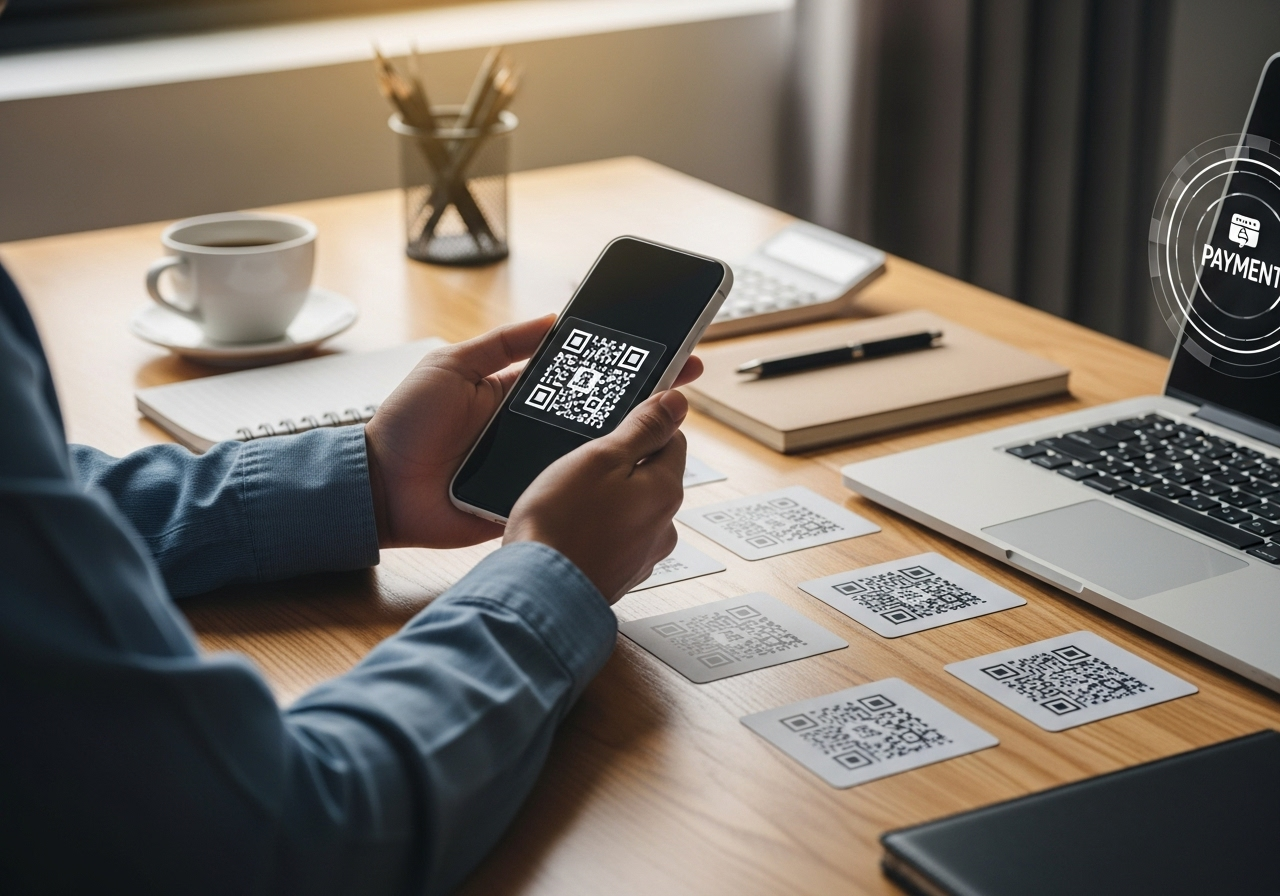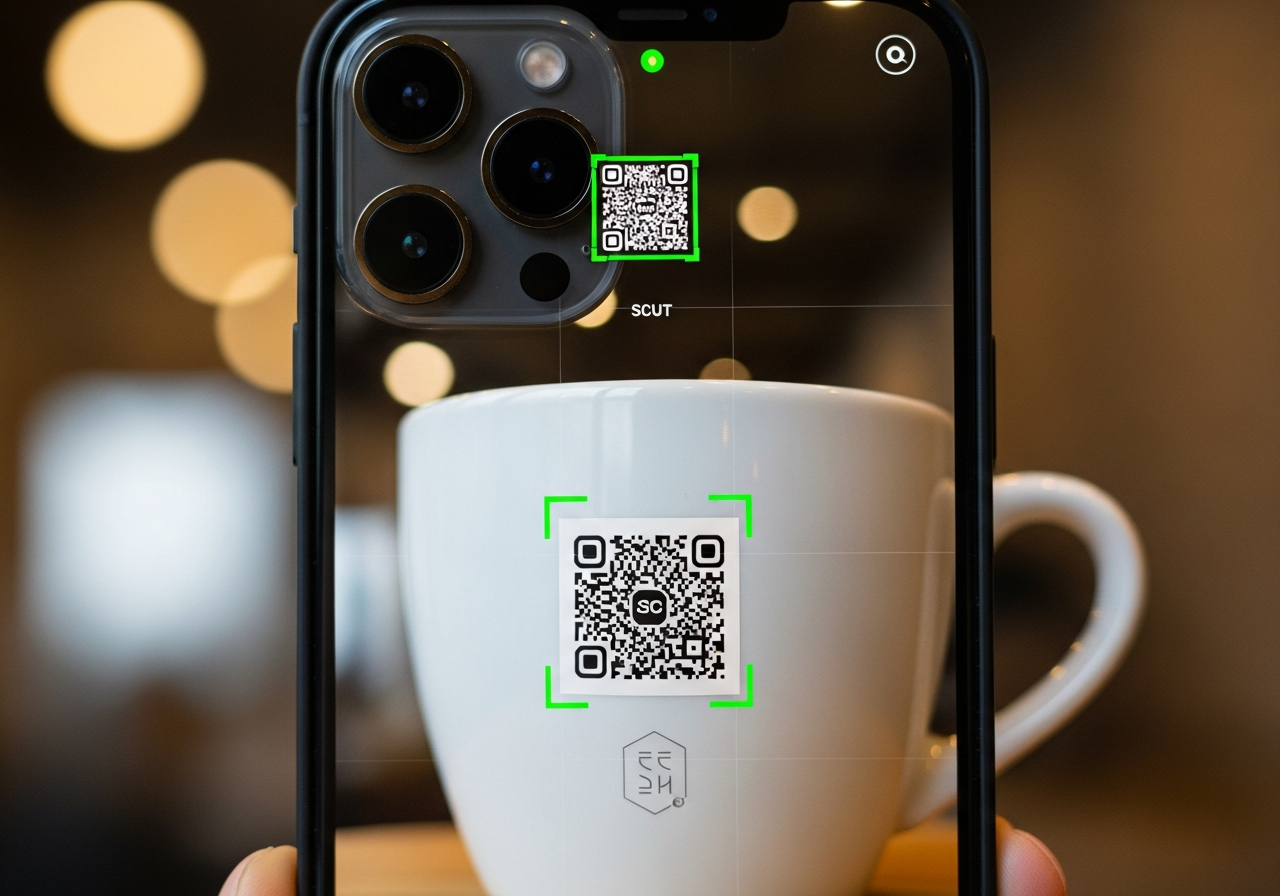

So, you’ve got a Facebook page and want to make it super easy for people to find? A QR code is a brilliant way to do that. It’s like a digital shortcut that takes people straight to your page with just a quick scan. Whether you’re putting it on flyers, business cards, or even a shop window, it’s a simple tool that can make a big difference. This guide will walk you through how to get a QR code for your Facebook page, step by step, so you can start connecting with more people.
Key Takeaways
- You can create a QR code for your Facebook page using various online generators.
- Always use the full, correct URL for your Facebook page when generating the QR code.
- Consider customising your QR code with colours or a logo to make it more visually appealing and on-brand.
- Download your QR code in a high-quality format, like PNG or SVG, for clear scanning.
- Test your QR code thoroughly on different devices before printing or sharing it widely.
Creating Your Facebook Page QR Code
Understanding the Basics of QR Codes
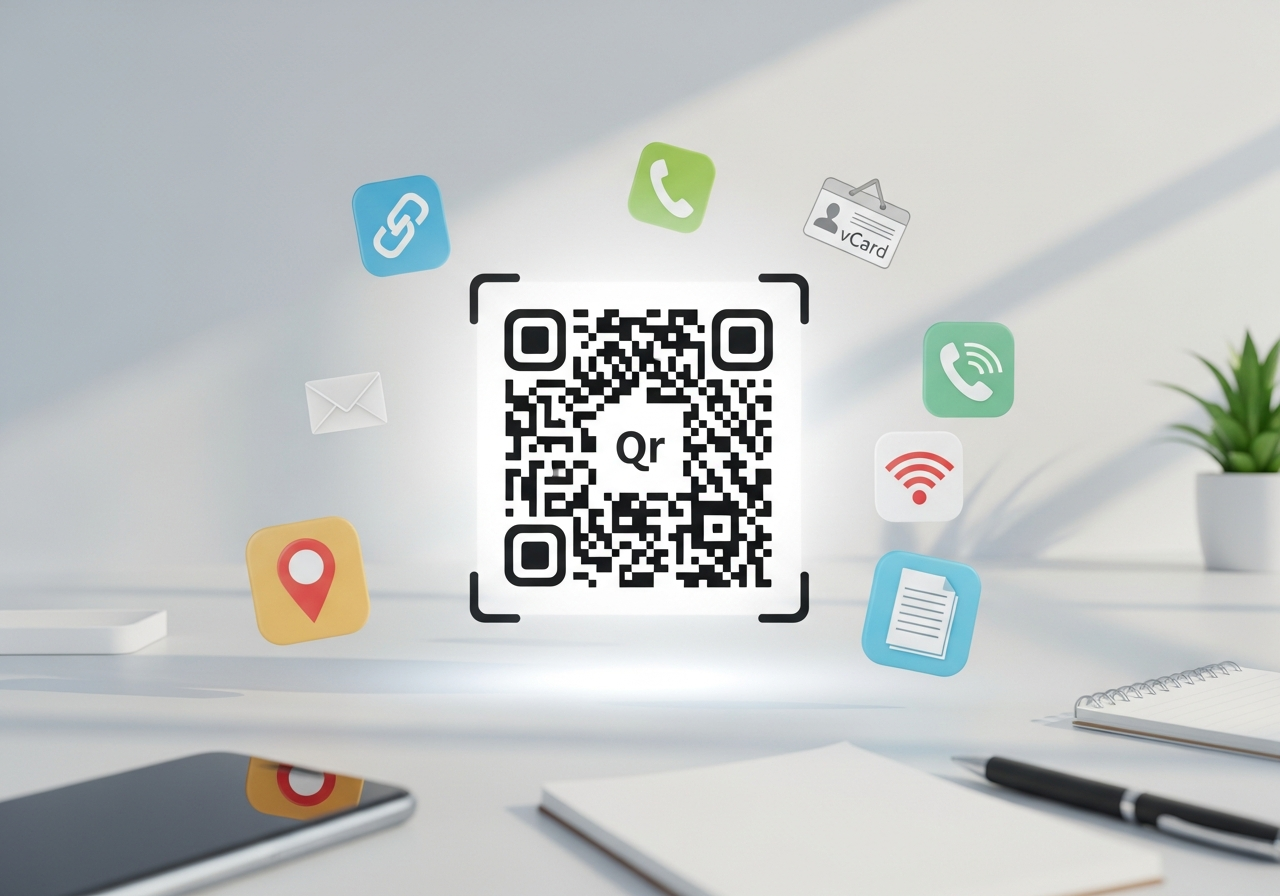
QR codes, those little square patterns you see everywhere, are essentially a way to store information that your phone can read. Think of them like a digital shortcut. They can hold website addresses, text, contact details, and much more. The magic happens when you point your phone’s camera at one; it instantly translates the pattern into usable data, like opening a webpage.
Why Use a QR Code for Your Facebook Page?
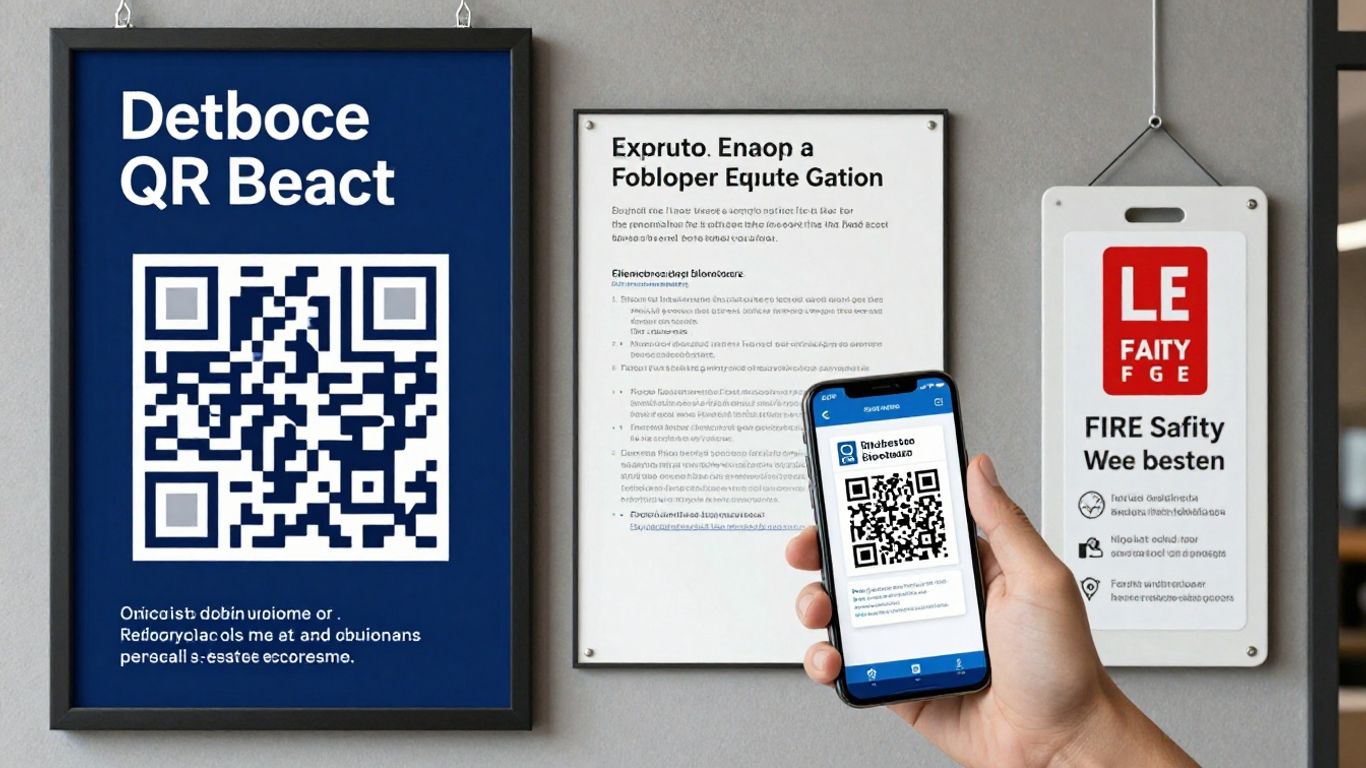
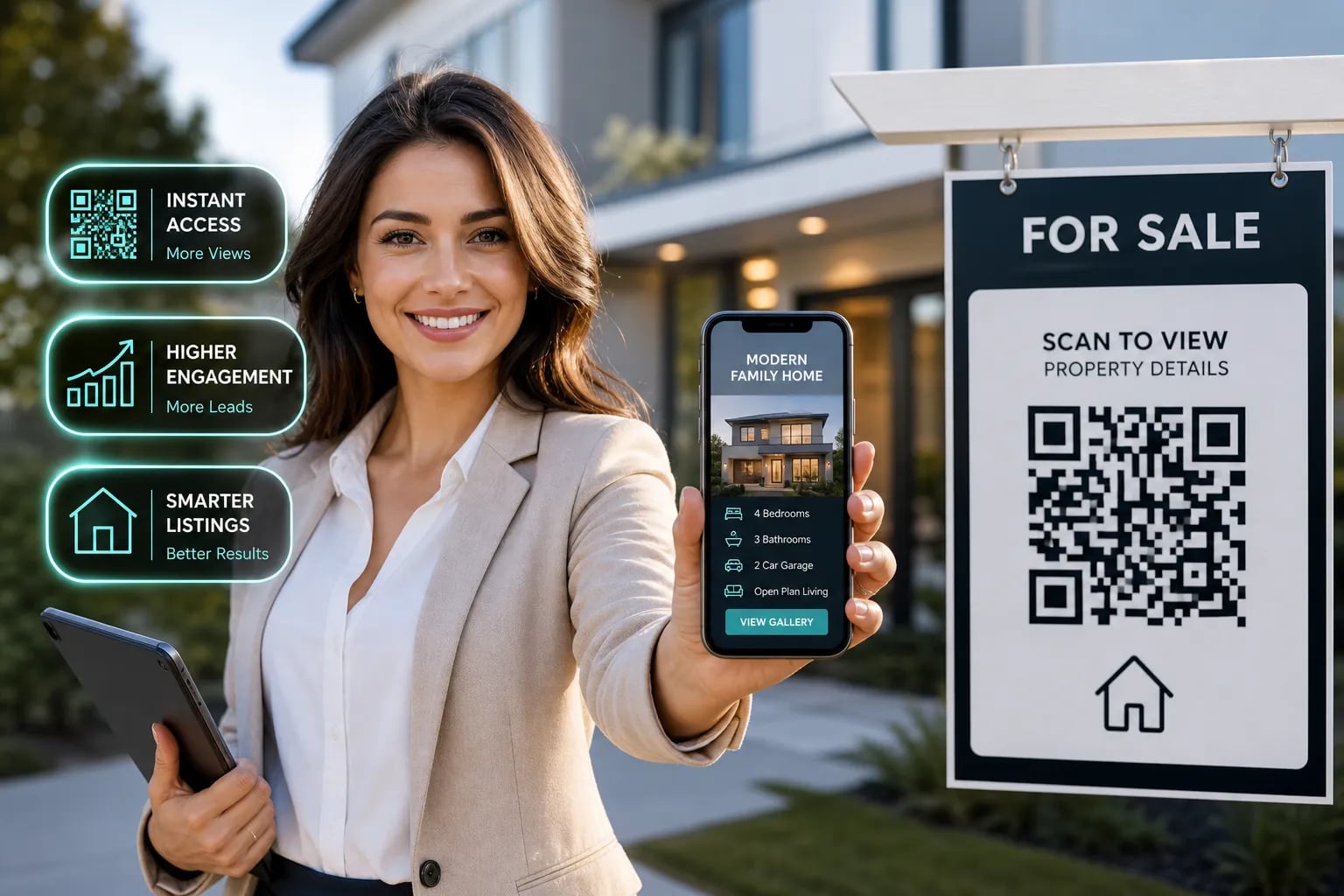
So, why bother with a QR code for your Facebook page? It’s a super simple way to bridge the gap between the physical world and your online presence. Instead of people having to type in your page’s web address, which can be long and fiddly, they can just scan a code. This is brilliant for business cards, flyers, posters, or even just a sign in your shop window. It makes it incredibly easy for potential customers or followers to find and connect with you on Facebook. It’s all about making it as effortless as possible for people to engage with your brand.
Choosing the Right QR Code Generator
When you’re ready to create your QR code, you’ll need a generator. There are loads out there, some free, some paid. For a Facebook page, you’ll want one that’s straightforward to use and offers a few customisation options. Some generators even let you add your logo to the QR code, which is a nice touch for branding. For more advanced needs, like tracking how many people scan your code or being able to change the link later without reprinting, you might look into dynamic QR codes. Services like Xcan.it offer dynamic QR codes, which means you can update the destination link anytime, track scan performance from a single dashboard, and use them to improve your real-world campaigns across print, signage, and other assets. This flexibility is a game-changer for marketing efforts.
Here’s a quick look at what to consider:
- Ease of Use: How simple is the interface?
- Customisation: Can you add your logo or change colours?
- Dynamic Options: Can you update the link later and track scans?
- File Formats: What download options are available (PNG, JPG, etc.)?
Choosing a reliable QR code generator is the first step towards a successful campaign. It sets the foundation for how easily people can connect with your Facebook page and how much insight you gain from their interactions.
Generating Your Facebook Page QR Code
Right then, you’ve got your Facebook page sorted, and now you want to make it super easy for people to find you. That’s where generating a QR code comes in. It’s basically a scannable square that takes people straight to your page. Think of it like a digital shortcut.
Inputting Your Facebook Page URL
First things first, you need the actual web address, or URL, of your Facebook page. You can find this easily by going to your page on Facebook and copying the address from your browser’s address bar. It’ll look something like https://www.facebook.com/YourPageName. Make sure you copy the whole thing, including the https:// part. Some QR code generators might ask for just your page name if it’s a social media specific type, but for a general URL code, the full address is best. A good generator will let you know if you’ve got it right.
Customising Your QR Code's Appearance
Now for the fun bit! Most QR code generators let you jazz up your code so it doesn’t look like every other boring black and white square out there. You can usually change the colours to match your brand, maybe make the dots a bit rounder, or even change the ‘eyes’ – those are the bigger squares in the corners. The key is to make sure it still scans easily. High contrast is your friend here; a dark colour on a light background usually works best. You don’t want to make it so fancy that it becomes unreadable.
Adding Your Logo for Brand Recognition
Want to make your QR code instantly recognisable? Uploading your Facebook page logo is a great way to do it. Most generators have a spot where you can pop your logo right in the middle of the QR code. It adds a nice professional touch and reinforces your brand. Just remember, like with custom colours, don’t let the logo cover up too much of the code itself, or it might not scan properly. It’s a bit of a balancing act between looking good and working well.
Using a dynamic QR code generator like Xcan.it is a smart move. It means you can change where the QR code points to later on, without having to print new ones. This is super handy if your Facebook page URL ever changes, or if you want to direct people to a different promotion or landing page. Plus, you get to track how many people are actually scanning your code, which is brilliant for seeing what’s working.
Downloading and Saving Your QR Code
Once you’ve designed your perfect QR code, the next step is to get it into a usable format. This involves choosing the right file type and understanding how to save it so it looks good and works well wherever you plan to use it.
Selecting the Correct File Format
When you’re ready to download your QR code, you’ll usually have a few format options. Each has its own strengths:
- PNG: This is a great all-rounder for digital use and most print jobs. It’s a raster format, meaning it’s made of pixels. For web pages, social media posts, or emails, PNG is usually the best choice. It supports transparency, which can be handy if you want to place your QR code over a background image.
- PDF: A PDF is a vector format, which means it’s made of mathematical equations rather than pixels. This is fantastic for printing because you can scale it to any size without losing any quality. If you’re sending your QR code to a professional printer for large posters or banners, PDF is often the preferred option.
- SVG: Similar to PDF, SVG (Scalable Vector Graphics) is a vector format. It’s excellent for web use and can be scaled infinitely without any loss of quality. Some generators offer SVG, which is ideal if you need maximum flexibility for both digital and print.
Understanding Different Download Options
Most QR code generators will offer a straightforward download button. You’ll typically select your desired format (PNG, PDF, or SVG) and then click to download. If you’re using a service like Xcan.it, you’ll find these options readily available after you’ve finished customising your code. It’s worth noting that some platforms might offer different resolutions for raster formats like PNG, so pick the highest quality available if you’re unsure.
Ensuring High-Quality for Printing
For print, clarity is key. A blurry or pixelated QR code won’t scan reliably. Always opt for a vector format like PDF or SVG if possible, especially for larger print runs. If you must use a PNG, make sure you download the highest resolution available. A good rule of thumb is that the QR code should be at least 2cm x 2cm for reliable scanning at a normal viewing distance. If you’re printing on packaging or business cards, ensure there’s enough contrast between the dark QR code modules and the light background. Avoid using colours that are too similar, as this can make scanning difficult.
When downloading, think about where the QR code will end up. A small code on a business card needs to be sharp, while a large banner might benefit from a vector format that can be scaled up without any fuzziness. Always test your downloaded code before sending it off to print or publishing it online.
Best Practices for QR Code Placement
So, you’ve got your shiny new QR code for your Facebook page. Brilliant! But where do you put it so people actually use it? It’s not just about sticking it anywhere; a bit of thought goes a long way.
Optimising for Scannability
First things first, make sure it’s easy to scan. This means giving it enough space to breathe – that’s the ‘quiet zone’ around the edges. Don’t cram it into a corner or let other design elements creep too close. Think about the size too. A tiny code on a big poster is just going to frustrate people. A good rule of thumb is the 10:1 ratio: for every metre of viewing distance, make the code about 10 centimetres wide. So, if it’s on a table, it can be smaller, but for a sign on a wall, it needs to be much bigger.
- Contrast is key: Dark on light is usually best. Avoid busy backgrounds that make it hard for a phone camera to focus.
- Avoid glare: Shiny surfaces can be a nightmare. If you’re printing on something glossy, try to position it where light won’t directly hit it, or use a matte finish if possible.
- Test, test, test: Before you commit to printing hundreds, try scanning it yourself with different phones and in different lighting conditions. What looks good on your screen might not work in the real world.
Strategic Placement for Maximum Visibility
Where you put your QR code matters just as much as how it looks. Think about where your target audience is likely to be and when they might have a moment to scan.
- High-traffic areas: Think entrances, exits, reception desks, or near payment points. These are places where people are naturally waiting or looking around.
- Relevant contexts: If it’s for a product, put it on the packaging. If it’s for an event, put it on signage at the venue. For a restaurant, table tents are a classic for a reason.
- Clear call to action: Don’t just put the code there. Tell people why they should scan it. Something like "Scan to visit our Facebook page for daily updates" is much more effective than just the code itself.
Considering Print vs. Digital Use
While you’re generating your QR code, you’ll likely choose a file format. For print, you’ll want something high-resolution like a PDF or SVG. For digital use, like on a website or in an email, a PNG is usually fine.
The real game-changer for placement, especially across print, signage, and various assets, is using dynamic QR codes. With services like Xcan.it, you can update the link your QR code points to without having to reprint it. This is incredibly useful if your Facebook page URL changes, or if you want to direct people to a different promotion later on. Plus, you get to track scan performance all from one dashboard, giving you insights into what’s working and where.
Using dynamic QR codes means your physical marketing materials don’t become obsolete if your digital destination changes. It’s a flexible approach that saves time and resources in the long run.
Making Your QR Code Dynamic
So, you’ve got your Facebook page QR code all set up. That’s great! But what if you want to change the link it points to later on? Or maybe you want to see how many people are actually scanning it? This is where dynamic QR codes come in, and they’re a game-changer for any real-world campaign.
The Benefits of Dynamic QR Codes
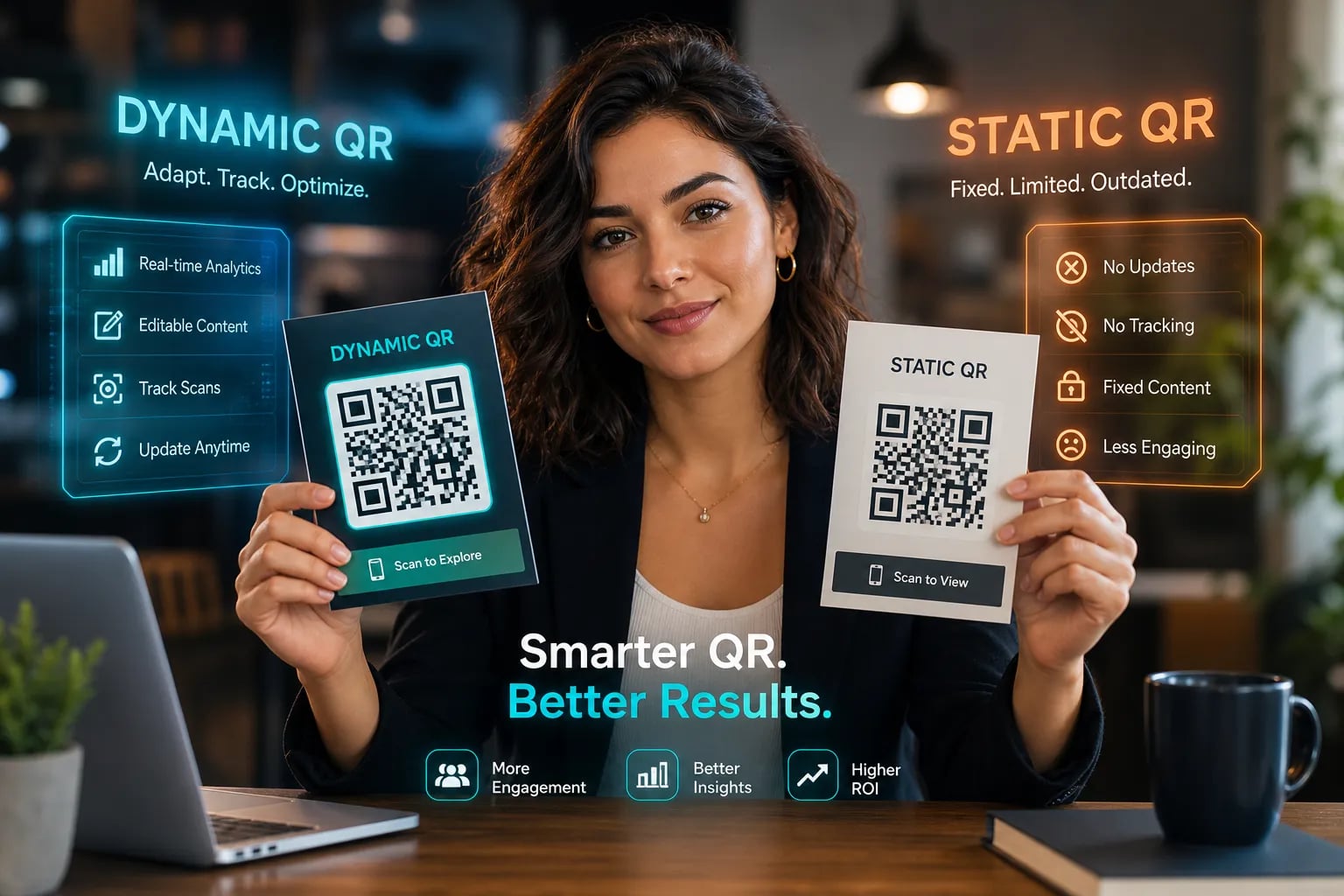
Think of a standard QR code like a printed address – once it’s out there, it’s fixed. A dynamic QR code, on the other hand, is more like a digital address that you can update whenever you need to. This flexibility is incredibly useful.
- Update Links Without Re-printing: This is the big one. If your Facebook page URL changes, or you decide to link to a new promotion instead, you don’t have to create and print a whole new QR code. You can simply update the destination link in your QR code generator’s dashboard. This saves time, money, and hassle, especially if your codes are on printed materials like flyers, posters, or even merchandise.
- Track Scan Performance: Ever wondered if your QR code is actually being used? Dynamic QR codes let you track scan data. You can see how many times your code has been scanned, and sometimes even get basic location insights. This information is super helpful for understanding what’s working and what’s not in your marketing efforts.
- Improve Real-World Campaigns: Whether it’s on a shop window, a business card, or a product label, a dynamic QR code makes your physical marketing materials smarter. You can adapt your campaigns on the fly, ensuring your audience always lands on the most relevant content. Platforms like Xcan.it make this easy, offering a dashboard where you can manage all your codes, update links, and view scan stats all in one place.
Updating Your Facebook Page Link
Let’s say you’ve printed a batch of QR codes for your Facebook page, and then you decide to rebrand and change your page’s URL. With a static QR code, you’d be stuck with the old link and would need to order new prints. But with a dynamic QR code, you just log into your account on a service like Xcan.it, find your Facebook page QR code, and change the destination URL. The QR code itself stays the same, but it now points to your new page. It’s that simple.
Tracking Scan Performance
Understanding how your QR codes are performing is key to refining your marketing. Dynamic QR codes offer analytics that static ones just can’t match. You can see:
- Total Scans: A simple count of how many times the code has been scanned.
- Scan Location (sometimes): Some services can provide general location data for scans, giving you an idea of where your audience is.
- Time of Scans: You might be able to see when your codes are being scanned most frequently.
This data helps you figure out which placements are most effective and when people are most likely to engage with your content. Xcan.it provides a straightforward dashboard to monitor these metrics, making it easy to see the impact of your campaigns across print, signage, and other assets.
Dynamic QR codes offer a level of flexibility and insight that static codes simply can’t provide. The ability to update links without reprinting and to track scan performance means your marketing efforts can be more agile and data-driven. This is particularly useful for campaigns that might need adjustments over time or for understanding audience engagement in real-world scenarios. Dynamic QR Codes are the way forward for smart marketing.
By using dynamic QR codes, you’re not just creating a link; you’re creating a flexible, trackable marketing tool that can adapt to your needs. It’s a smart move for any business looking to get the most out of their offline-to-online connections. Me-QR is another great option for generating these flexible codes.
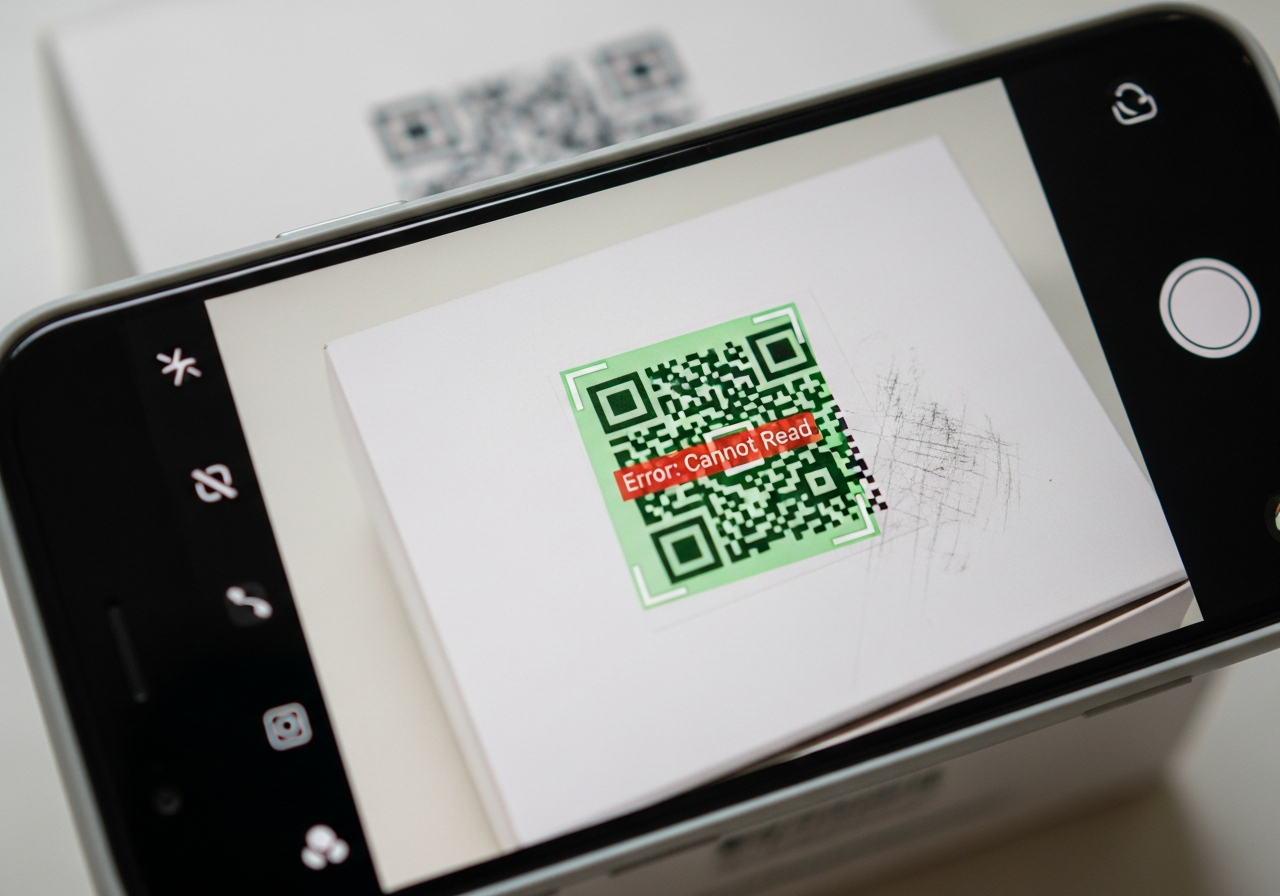
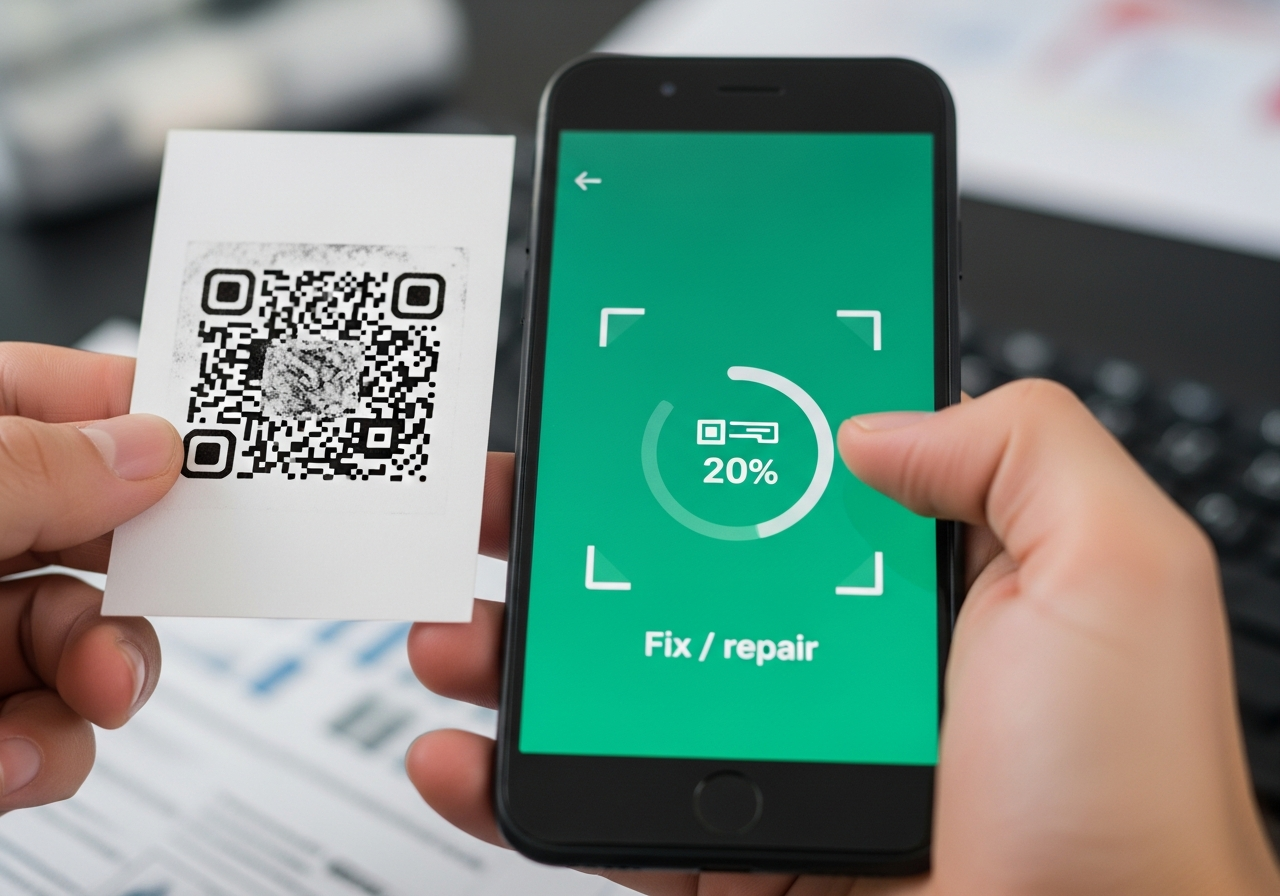
Troubleshooting Common QR Code Issues
Even with the best intentions, sometimes a QR code just doesn’t want to play ball. Don’t worry, most issues are pretty straightforward to fix. It’s usually down to a few common culprits that can be sorted out quickly.
Ensuring Your QR Code Scans Reliably
If your QR code isn’t scanning, the first thing to check is the basics. Think of it like trying to read a book in a dimly lit room – it’s just harder.
- Contrast is key: Make sure your QR code has a good contrast. Dark colours on a light, matte background usually work best. Avoid pale colours, metallic inks, or busy backgrounds that can confuse the scanner.
- Give it some space: A ‘quiet zone’ is the blank border around your QR code. It needs to be at least 4 modules (those little squares) wide. This helps the scanner identify the code itself.
- Size matters: The code needs to be big enough for people to scan from a reasonable distance. A general rule is that the scanning distance should be about 10 times the width of the QR code. So, if it’s on a poster people will see from a few metres away, it needs to be quite large.
- Print quality: Blurry, pixelated, or damaged prints can make a code unreadable. Always try to export your QR code in a high-resolution format like SVG or PDF, or a high-quality PNG (300-600 DPI).
- Lighting and glare: Shiny surfaces or direct sunlight can create glare that makes the code hard to scan. Using matte finishes and positioning the code away from direct light sources can help.
Addressing Link or Destination Problems
Sometimes the QR code itself looks fine, but it’s not taking people where you expect. This is usually an issue with the link it’s pointing to.
- Check the URL: Double-check that the web address you entered is correct. Make sure it uses HTTPS for security and that there aren’t too many redirects, as some scanners can struggle with long redirect chains.
- Link expiry: If your QR code links to a temporary offer or event page, make sure the link is still active. A broken link is a common reason for a QR code to stop working.
- Content blocking: Occasionally, network settings or security software might block access to the destination URL. This is less common but worth considering if users report issues.
When to Regenerate Your QR Code
Most of the time, you can fix a non-scanning QR code with a few adjustments. However, there are times when starting fresh is the best option.
- Major design changes: If you’ve heavily customised your QR code with logos or colours that are interfering with its scannability, it might be easier to regenerate it with a simpler design or higher error correction.
- Persistent issues: If you’ve tried all the troubleshooting steps and the code still won’t scan reliably, regenerating it from scratch using a reputable generator is a good idea. This ensures you have a clean, well-formed code.
- Changing your Facebook page: If you ever change your Facebook page’s URL, you’ll need to update your QR code. This is where dynamic QR codes really shine. With a service like Xcan.it, you can update the destination link of a dynamic QR code without needing to reprint it. This saves a lot of hassle and ensures your marketing materials always point to the right place. Plus, Xcan.it allows you to track scan performance in one dashboard, giving you insights into how your campaigns are doing across print, signage, and other assets.
Having trouble with your QR codes? Don’t let common glitches stop your flow. We’ve put together some simple tips to help you fix those annoying issues. If your QR code isn’t scanning right, or if it’s just not working as expected, we’ve got you covered. For more detailed help and to see how easy managing your codes can be, visit our website today!
And That's It!
So there you have it. Getting a QR code for your Facebook page is pretty straightforward, and honestly, it’s a really smart move for getting more people to see what you’re up to. Whether you’re using it on flyers, business cards, or even just a poster in your shop window, it makes it super easy for folks to find you online. Give it a go – you might be surprised how many more people click through!
Frequently Asked Questions
What exactly is a QR code for my Facebook page?
A QR code for your Facebook page is like a special square barcode. When someone scans it with their phone camera, it instantly takes them straight to your Facebook page. It’s a super quick way for people to find and follow you online.
Why would I want a QR code for my Facebook page?
Imagine you’re at an event or have a flyer. Instead of making people type in your page name, they can just scan the code! It’s great for business cards, posters, or even on your shop window. It makes it really easy for potential followers to connect with you.
Can I make my QR code look unique?
Yes, you can! Many QR code makers let you change the colours, add your logo, or even change the shape of the little dots. This helps your QR code look professional and match your brand, making it more appealing to scan.
What happens if I change my Facebook page address?
If you use a ‘dynamic’ QR code, you can change where it links to even after you’ve printed it. So, if your Facebook page URL ever changes, you won’t need to print new codes. You can just update the link in your QR code account.
How do I know if people are scanning my QR code?
With dynamic QR codes, you can often track how many times your code has been scanned. Some services even tell you where the scans are coming from. This helps you see if your QR code is actually being used and how well it’s working.
What's the best way to share my QR code?
You can download your QR code as an image file (like a PNG or JPG). Then you can put it on anything – flyers, posters, business cards, your website, or even in emails. Just make sure it’s big enough and clear enough to scan easily!