QR codes are everywhere these days, aren’t they? From posters on the street to menus in pubs, they’ve become a quick way to get information. But how do you actually use them? It’s not exactly rocket science, but knowing a few things can make the process smoother. This guide will walk you through how to scan a QR code, covering everything from using your phone to staying safe online.
Key Takeaways
- Most modern smartphones can scan QR codes directly using the built-in camera app.
- Always check the destination link before opening, especially for codes in public places.
- Ensure good lighting and a clear view of the QR code for a successful scan.
- Dedicated QR code apps can offer extra features like history and batch scanning.
- Be aware of potential risks, such as tampered codes or malicious links.
Getting Started With Scanning
Scanning a QR code is pretty straightforward these days, and most of the time, your phone can handle it without any fuss. Let’s get you up and running.
Using Your Phone's Built-In Scanner
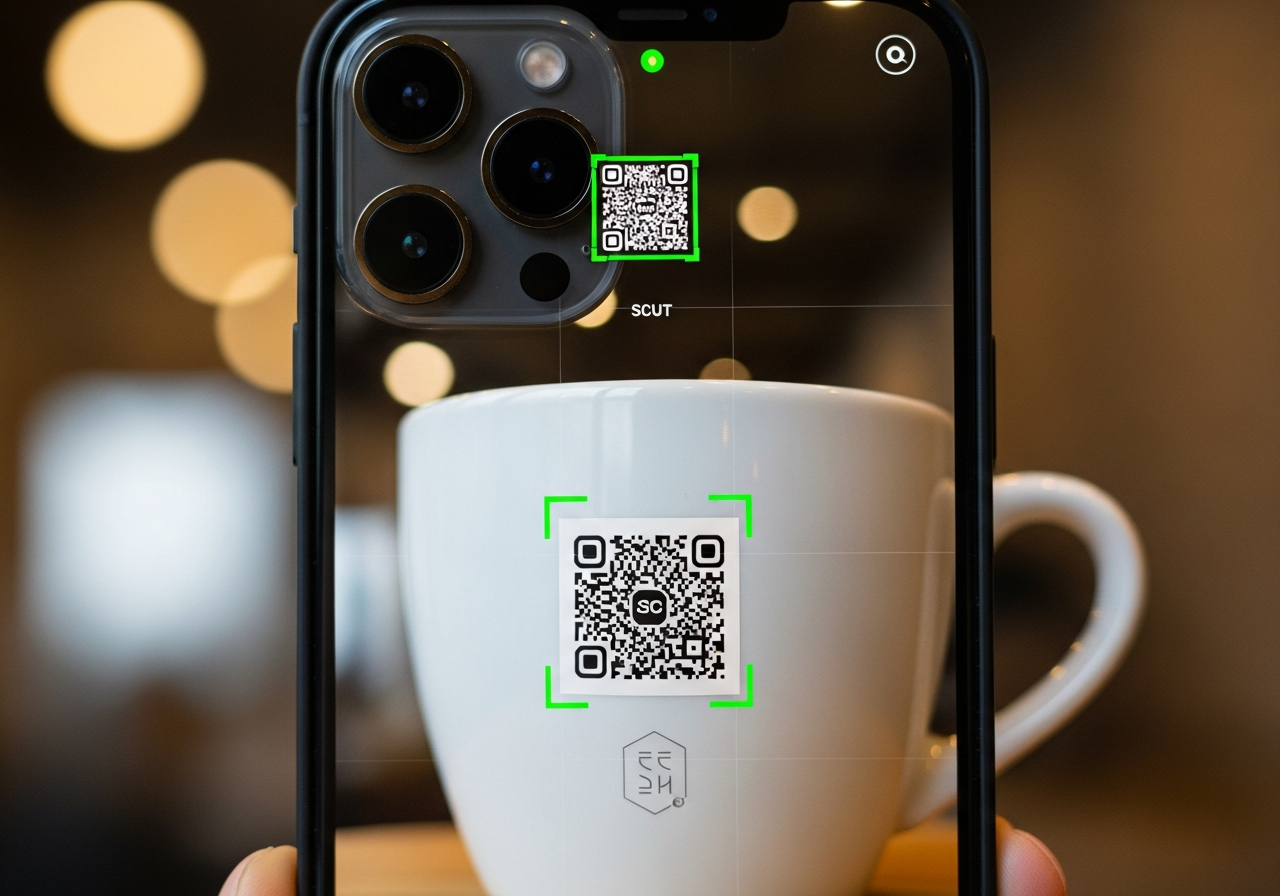
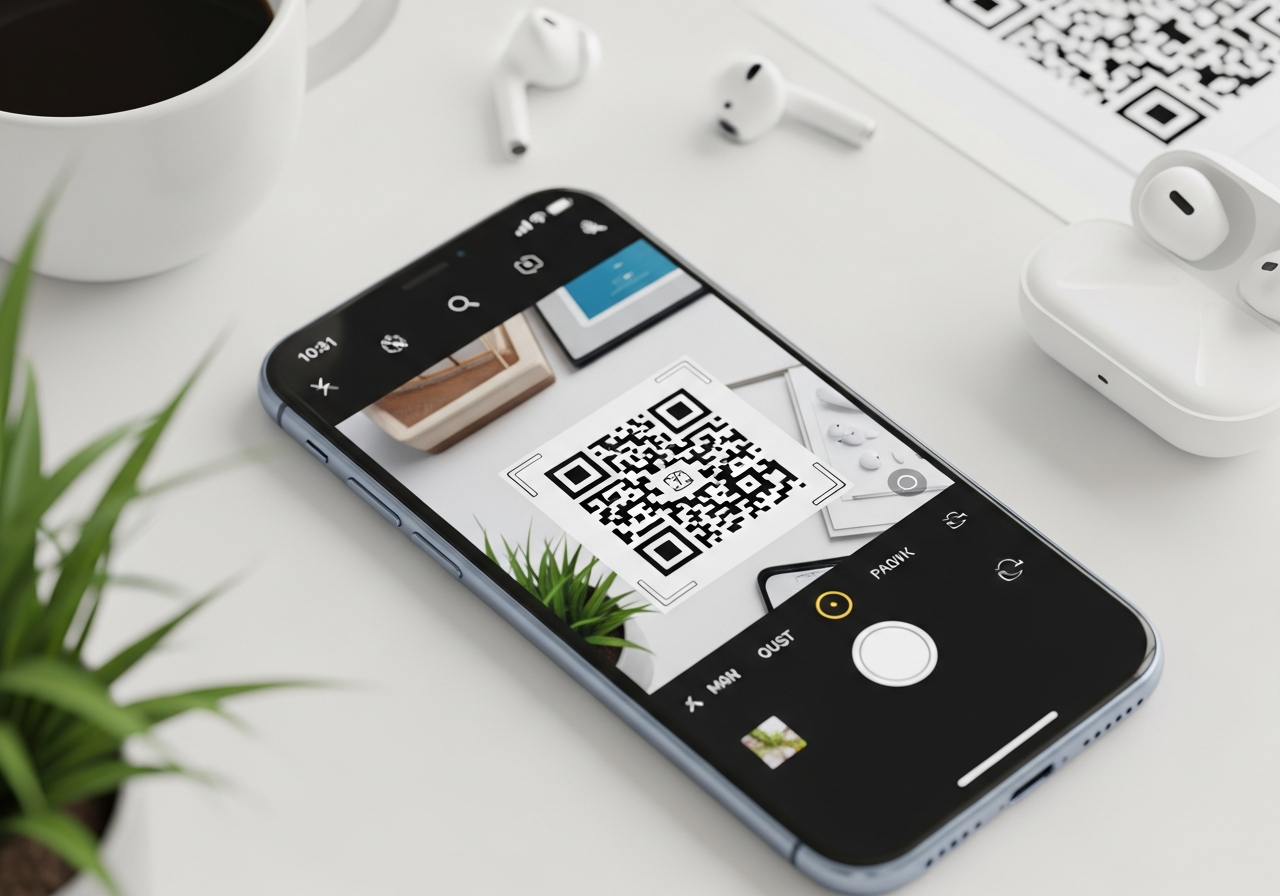
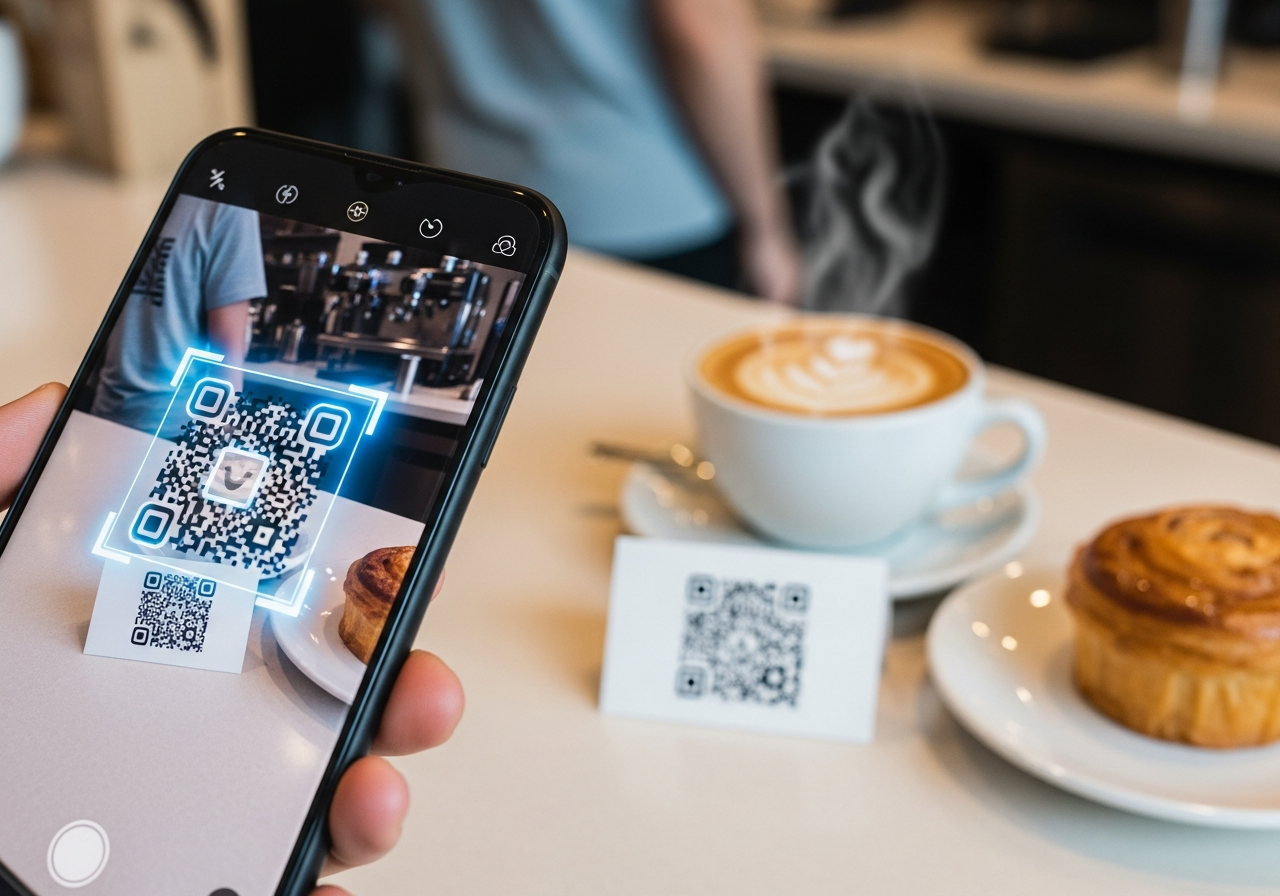
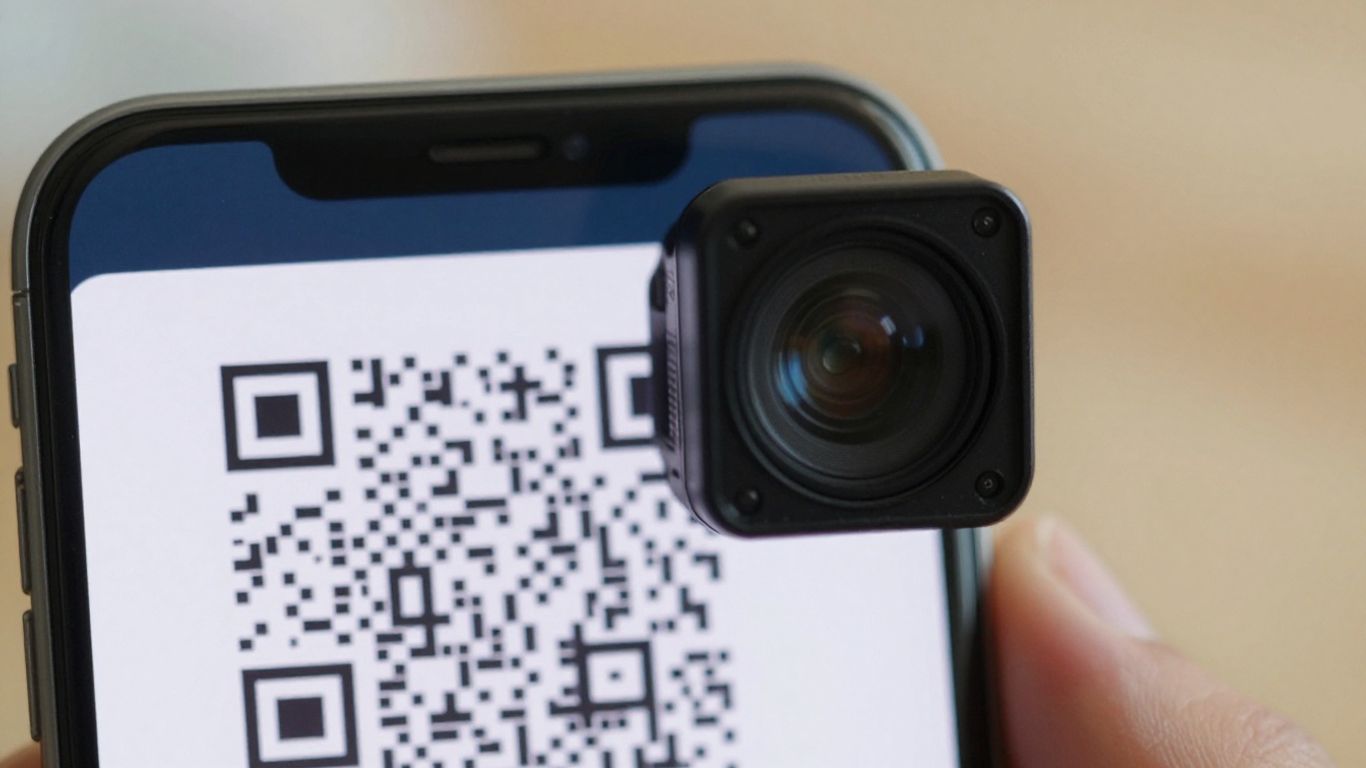
Good news! Nearly all modern smartphones have a built-in QR scanner right in the camera app. This means you don’t usually need to download anything extra. Just open your camera, point it at the QR code, and a notification should pop up with a link to the content. It’s that simple.
Here’s a quick rundown for the main types of phones:
- iPhone: Open the Camera app. Hold your phone steady so the QR code fills the frame. A notification banner will appear at the top of the screen. Tap it to open the link.
- Android: Open your Camera app. Again, frame the QR code. Many Android phones will automatically detect it and show a link. If yours doesn’t, you might need to enable Google Lens suggestions in your camera settings, or look for a specific ‘QR’ mode within the camera app itself. You can find out more about scanning on Android.
It’s worth noting that the camera app usually shows you a preview of the link before you tap it, which is a good safety feature. This gives you a chance to see where you’re being directed before committing.
When a Dedicated App Might Help
While the built-in camera is great for most situations, there are times when a dedicated QR code scanning app could be more useful. If you find yourself needing to scan a lot of different types of codes beyond the standard QR format, or if you’re dealing with codes that are a bit tricky (like very small or low-contrast ones), a specialised app might offer more features. Some apps also provide extra security checks or analytics, which can be handy for businesses. For example, platforms like Xcan.it allow you to not only scan but also manage your QR codes. With Xcan.it, you can update the links on your QR codes even after they’ve been printed, track how many times they’ve been scanned, and see patterns in scan data all from a single dashboard. This is particularly useful for dynamic QR codes, which help make your real-world campaigns, whether on print, signage, or other assets, much more effective and adaptable.
Remember, the goal is a quick and easy scan. If your phone’s camera isn’t picking it up, check the lighting and make sure the code is clear and not too far away. Sometimes, a simple adjustment is all that’s needed.
Understanding QR Code Basics
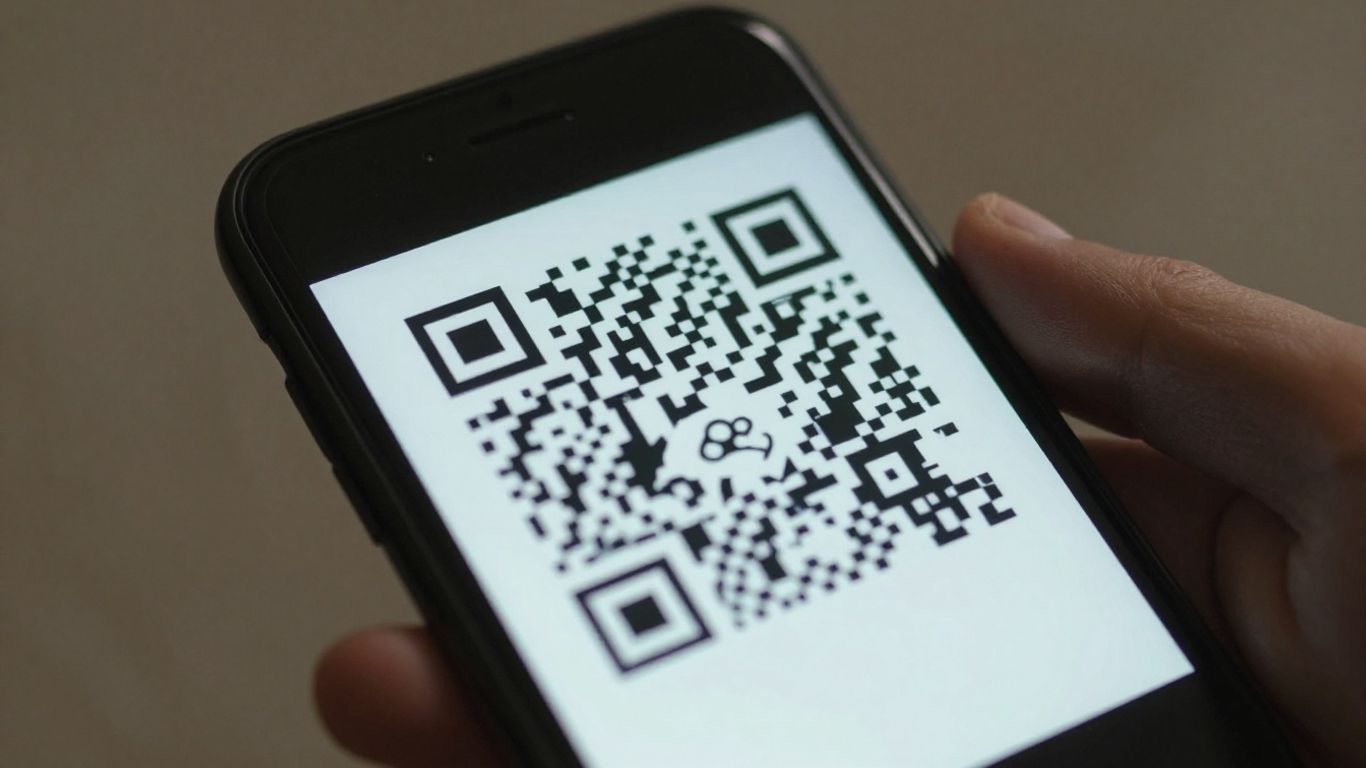
QR codes, those familiar square grids of black and white pixels, are more than just a quick way to get online. At their heart, they’re a type of barcode, a scannable grid that stores information digital devices can read. Think of them as a bridge between the physical world and the digital one, making it easy to share details without typing.
What a QR Code Contains
Essentially, a QR code is a digital shortcut. The most common type, a URL QR code, simply holds a web address. When you scan it, your phone automatically opens that link in your browser. This could be anything from a website or a specific landing page to an online menu, a booking form, or even a video.
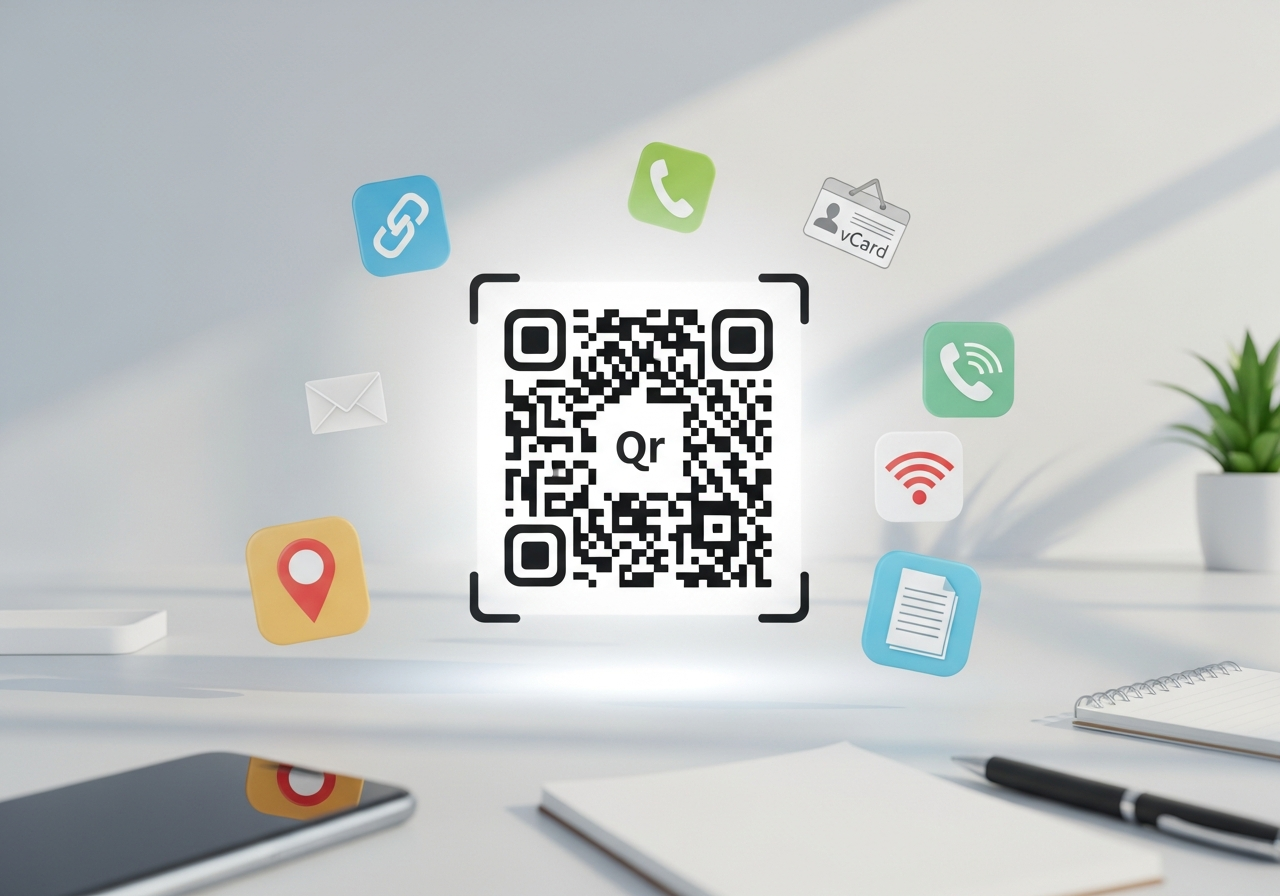
Beyond websites, QR codes can store other types of information too:
- Plain Text: Useful for sharing instructions, notes, or discount codes directly on screen.
- Contact Details (vCard): Allows someone to quickly save your contact information to their phone.
- Wi-Fi Network Details: Lets users connect to a Wi-Fi network without manually entering the password.
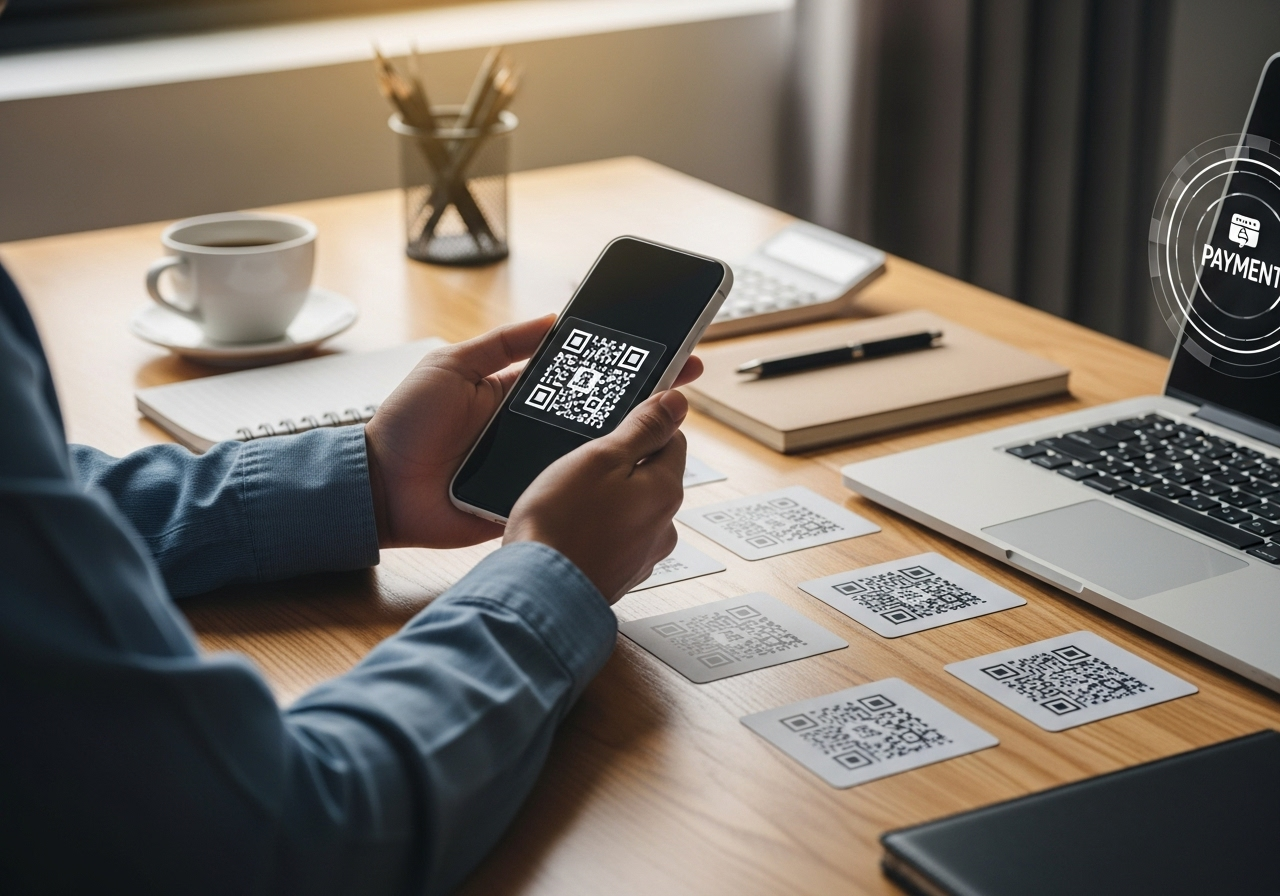
- Payment Information: Some codes can link directly to payment gateways for quick transactions financial information.
Static Versus Dynamic Codes
When you create a QR code, you’ll often encounter two main types: static and dynamic. The difference is pretty significant, especially if you plan to use your QR codes for marketing or business purposes.
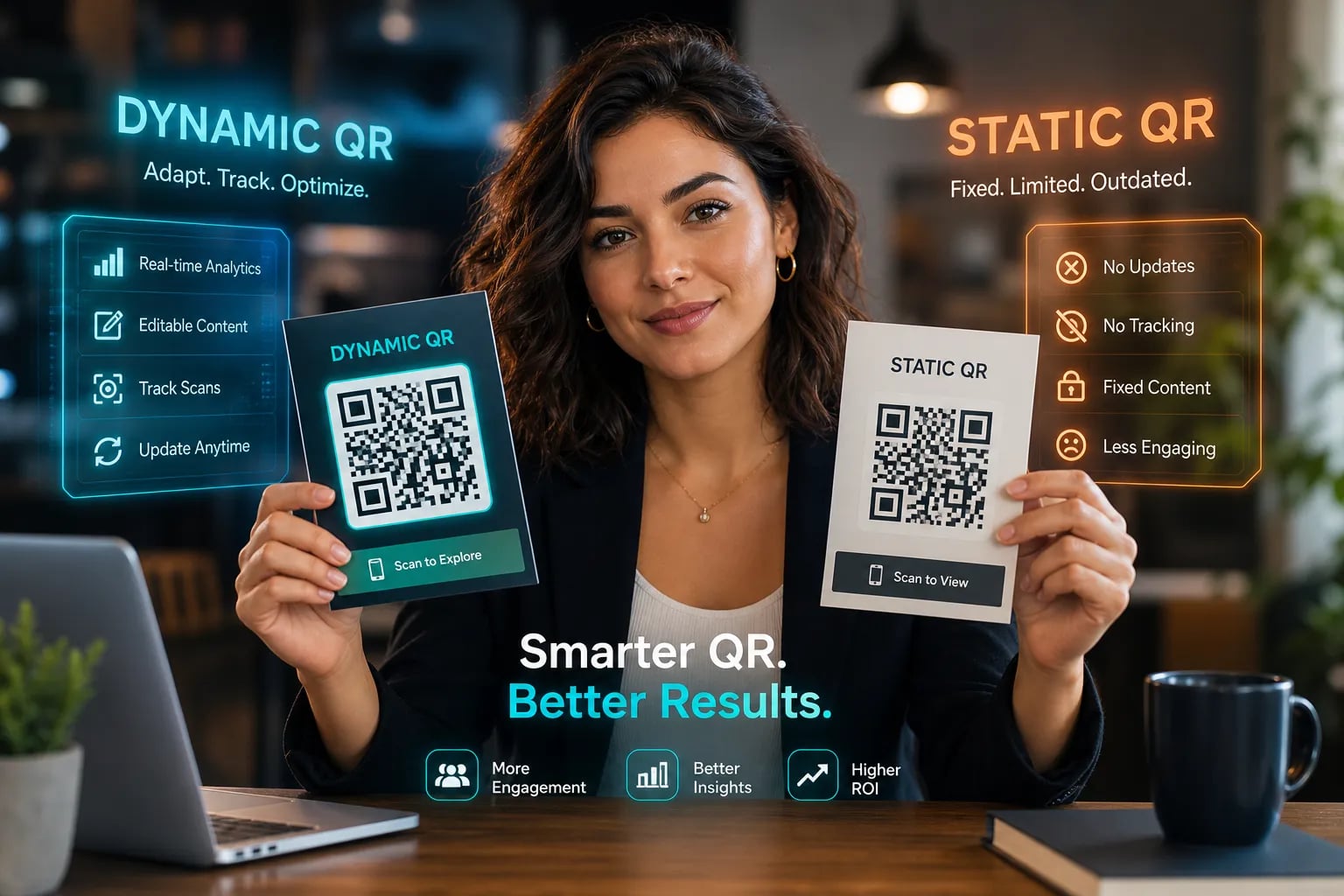
- Static QR Codes: These codes have the information, like a URL, directly embedded within them. Once created and printed, you can’t change where they lead. If the website address changes, you’d need to generate a whole new QR code and reprint everything. They’re simple and fine for one-off uses, like sharing your contact details permanently.
- Dynamic QR Codes: These are much more flexible. Instead of pointing directly to your final destination, a dynamic QR code links to a managed URL on a platform. This platform then redirects the scan to your actual destination. The big advantage here is that you can change the destination URL at any time without ever needing to reprint the physical QR code. This is where services like Xcan.it really shine. With Xcan.it, you can update your QR code links on the fly, track how many times your codes are scanned, and even see rough patterns in scan times and locations, all from a single dashboard. This makes them incredibly useful for managing real-world campaigns across print, signage, and other assets, allowing you to adapt and optimise without the hassle of reprinting.
Ensuring a Smooth Scan
Getting a QR code to scan properly is usually straightforward, but sometimes a few things can get in the way. It’s often down to the basics of how the code is presented. Think of it like trying to read a book in a dimly lit room – it’s just harder.
Optimising Size and Contrast
The most common reason a QR code won’t scan is poor contrast between the dark and light elements. If the code looks faded or the colours are too similar, your phone’s camera will struggle to read the pattern. Aim for a dark code on a light, matte background. Avoid using shiny or metallic inks, as these can create glare. The size of the QR code also matters; it needs to be large enough for the camera to pick up from a typical scanning distance. A good rule of thumb is that the scanning distance should be about ten times the width of the code itself. If you’re printing codes on posters or flyers, make sure they’re not too small, especially if people will be scanning them from a few feet away. For example, a QR code on a shop window needs to be much larger than one on a table tent inside the shop. Adjusting your smartphone’s camera angle or distance can sometimes help, but it’s better if the code is inherently scannable.
Clearing Clutter for Better Scans
Beyond contrast and size, the area around the QR code is important. This is often called the ‘quiet zone’ – a clear, empty border around the code. Without this buffer, the scanner can get confused by surrounding graphics or text. Aim for a border that’s at least four times the width of the smallest squares (modules) within the code. Also, try to avoid placing QR codes on busy, patterned backgrounds. A clean, uncluttered space makes it much easier for your phone to focus and lock onto the code. If you’re using dynamic QR codes, which are brilliant for flexibility, you can update the links without reprinting. Services like Xcan.it let you do just that, plus track scans in a dashboard and use dynamic codes to improve real‑world campaigns across print, signage, and assets. This means if a code isn’t scanning well, you can often fix the destination link or even adjust settings to make it more scannable, all without needing new print runs. It’s a game-changer for campaigns.
When a QR code fails to scan, it’s rarely the phone’s fault. Usually, it’s a simple issue with the code itself – like not enough contrast, being too small for the distance, or having a cluttered background. Taking a moment to check these basics can save a lot of frustration.
Scanning Safely and Securely
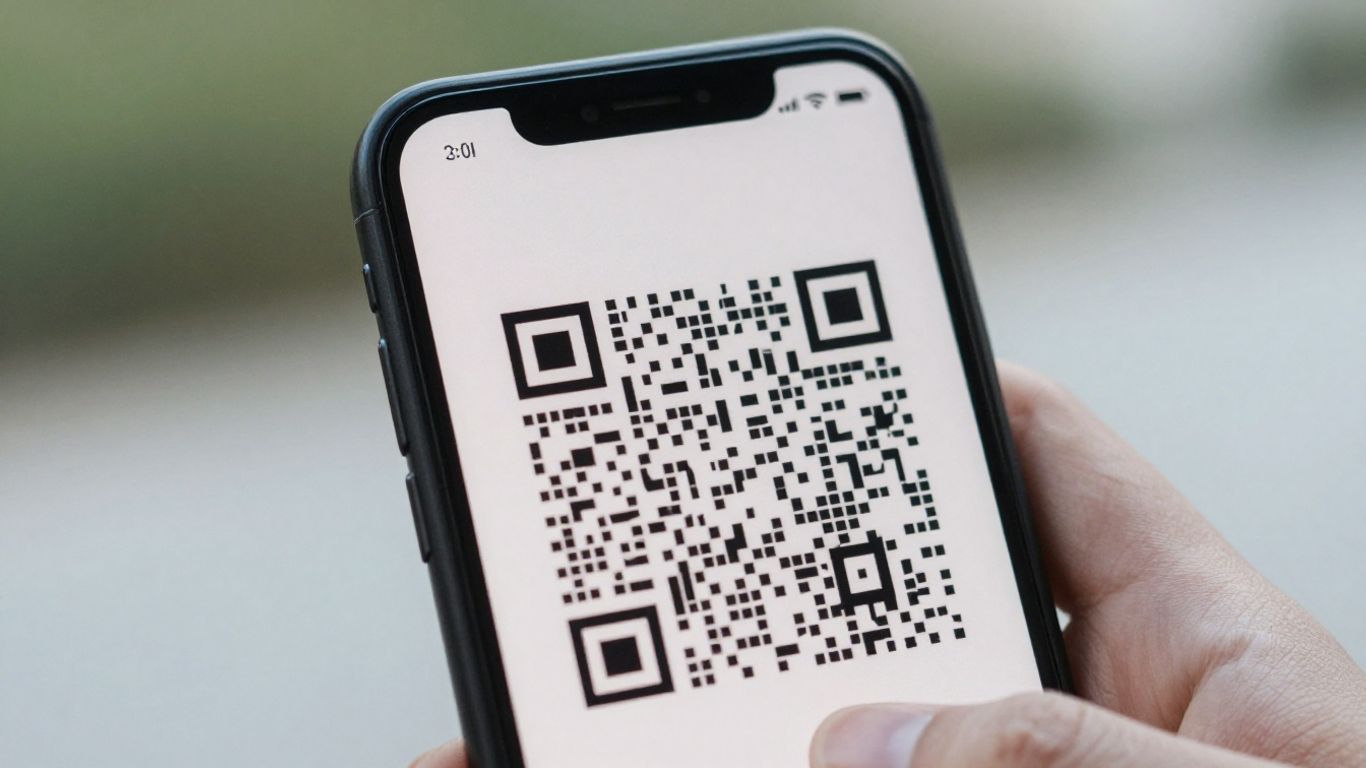
QR codes are incredibly handy, but like anything that connects the real world to the internet, they can sometimes be used for less-than-ideal purposes. It’s not about being scared of them, just being a bit savvy. Think of it like looking both ways before crossing the road – a simple habit that keeps you safe.
Recognising Potential Risks
Scammers can be quite clever. They might stick a fake QR code sticker over a genuine one on a poster or a menu. When you scan it, instead of taking you to the intended website, it could lead you to a fake login page designed to steal your passwords, or even a site that tries to download nasty software onto your phone. It’s a bit like getting a dodgy email that looks official but asks for your bank details. The destination is hidden until after you scan, which is why it’s so easy for them to trick people. Always check the context of the QR code before you scan it. Does it make sense where it is? Is it on official signage, or does it look like a hastily added sticker?
Here are a few things to watch out for:
- Tampered Codes: Look for stickers placed over existing codes, or codes that seem out of place or poorly printed.
- Suspicious URLs: After scanning, your phone will usually show you the web address. Check it carefully. Does it look right? Are there odd characters or misspellings? If it looks dodgy, don’t tap it. You can always type the website address manually if you’re unsure.
- Requests for Sensitive Info: If a scanned page immediately asks for passwords, bank card details, or personal information, be very wary. Legitimate sites usually don’t demand this right after a scan.
The key is to treat every QR code like a link from someone you don’t know. You wouldn’t click a random link in an email without thinking, so take a moment with QR codes too.
Best Practices for Public Spaces
When you’re out and about, especially in busy places like train stations, shopping centres, or cafes, you’ll see QR codes everywhere. To keep things smooth and safe:
- Use Your Phone’s Camera: Most modern smartphones have a built-in QR scanner in the camera app. This is usually the safest and easiest option, as it avoids extra permissions that some third-party apps might ask for. It also typically shows you a preview of the link before opening it.
- Inspect the Surroundings: Before scanning a code on public signage, check if it looks like it’s been tampered with. Are there any signs of stickers or damage? If it’s on a menu, is it clearly printed by the restaurant?
- Be Cautious with Unsolicited Codes: If you receive a package you didn’t order with a QR code inside, it’s best to ignore it. These can sometimes be part of scams.
For businesses using QR codes, especially across multiple locations or for important campaigns, using a service like Xcan.it is a smart move. You can create dynamic QR codes, which means you can update the link the QR code points to without needing to reprint it. This is brilliant if a website address changes or if you need to quickly redirect users away from a compromised link. Plus, Xcan.it lets you track scans in one dashboard, giving you insights into how your campaigns are performing across print, signage, and other assets. This level of control and insight is invaluable for managing real-world marketing efforts effectively.
Exploring Different QR Code Uses
QR codes have become incredibly versatile, moving far beyond just linking to a website. They’re now a common sight, bridging the gap between the physical and digital worlds in countless ways. Think about your daily routine: you might scan a code on a restaurant menu to see the full details, on a bus stop poster for live timetable updates, or even on a parcel to track its delivery. This ability to instantly connect people to information or services is what makes them so useful.
From Websites to Contact Details
At their most basic, QR codes can direct you to a specific web address. This is great for marketing campaigns, product information, or directing people to a booking page. But they can do so much more. You might find a QR code that instantly adds a contact to your phone’s address book (a vCard), connects you to a Wi-Fi network without typing a password, or even pre-fills an email or text message for you. It’s all about making those small, everyday interactions smoother and quicker.
Enhancing Local Services with Codes
Local councils and public services are increasingly using QR codes to make things easier for residents. For instance, you might see stickers on bins that let you report them if they’re full, or badges on police officers that link to community updates. The DVLA even uses them to help drivers share their licence information securely. These applications show how QR codes can improve communication and access to services, making life a little bit simpler for everyone.
The real power of QR codes comes when they’re managed effectively, allowing you to update links and track performance without reprinting. Platforms like Xcan.it allow you to create dynamic QR codes, which means you can change where the code leads at any time. This is incredibly useful for campaigns that might change over time, or if a link needs updating. Plus, you get a dashboard to see how many people are scanning your codes, when, and from where, helping you understand what’s working. This means you can improve your real-world campaigns across print, signage, and any other physical assets you use. It’s about making your QR codes work harder for you.
Troubleshooting Common Scan Issues
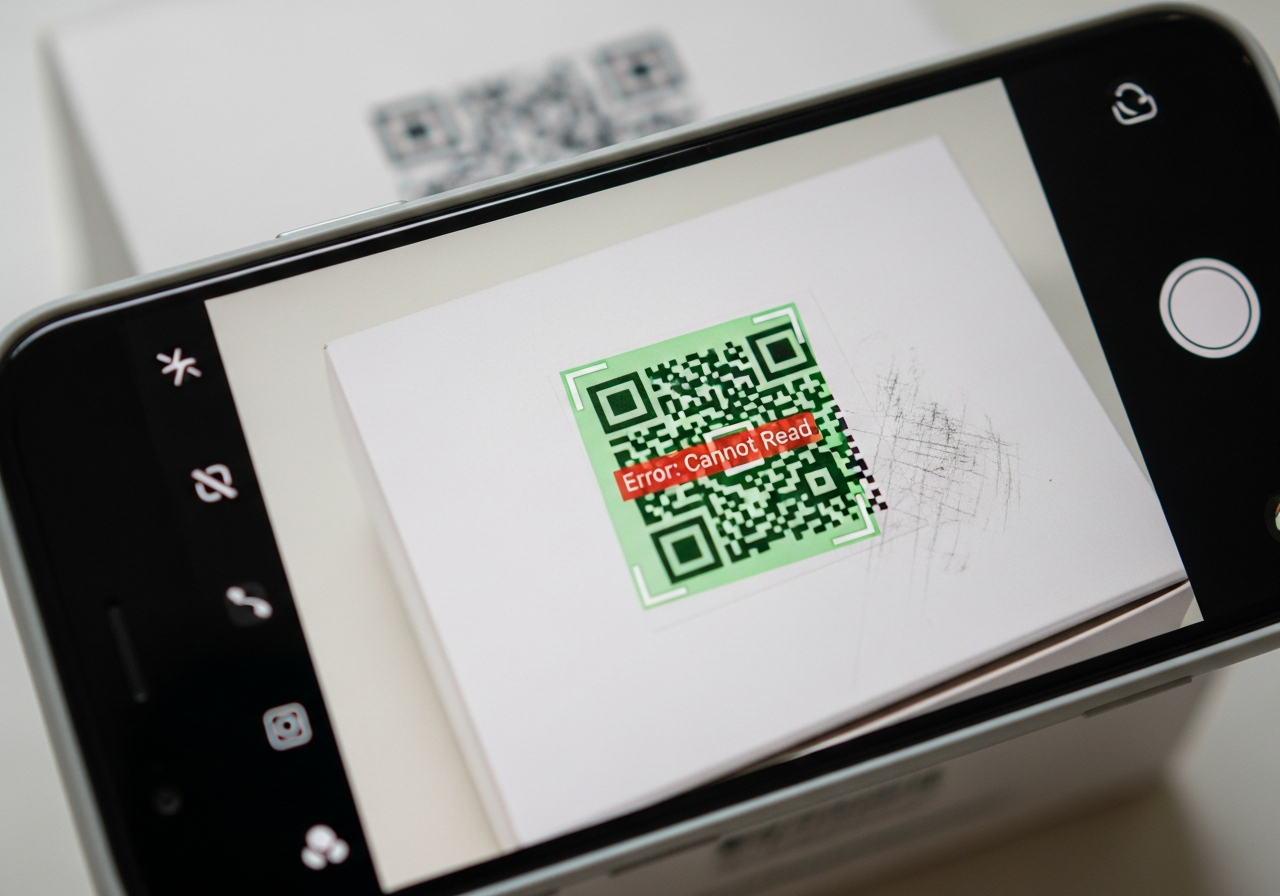
Sometimes, a QR code just won’t scan, and it can be a bit frustrating. Don’t worry, most of the time, it’s a simple fix. It’s rarely the phone itself that’s the problem; usually, it’s something about the code or how it’s being presented.
When Your Phone Won't Scan
If your phone’s camera is giving you the cold shoulder, here are the most common culprits:
- Contrast: The code needs to stand out. A dark code on a light, matte background is best. Avoid pale colours, metallic inks, or anything that blends in too much. Think black on white – it’s a classic for a reason.
- Quiet Zone: This is the blank space around the QR code. It needs to be clear of any other graphics or text. Aim for at least a 4-module width (that’s the width of the smallest square in the code) all the way around. It helps the camera focus.
- Size and Distance: If the code is too small or you’re too far away, the camera just can’t make it out. A good rule of thumb is that your scanning distance should be about 10 times the width of the code itself. So, if the code is 2cm wide, try scanning from about 20cm away.
- Data Density: If the URL or information encoded is very long, the QR code can become very dense with small squares, making it harder to scan. Shortening the URL or using a dynamic QR code can help here, as it allows for larger modules.
- Print Quality: A blurry or poorly printed code is a no-go. Make sure you’re using high-resolution artwork, ideally vector format (like SVG or PDF), or at least 300 DPI if it’s a raster image (like PNG).
If you’re finding that your codes aren’t scanning reliably, especially across different locations or print runs, consider using dynamic QR codes. Services like Xcan.it allow you to update the destination link without reprinting your codes, which is a lifesaver for campaigns. Plus, you get a dashboard to track scans, giving you insights into what’s working.
Addressing Glare and Focus Problems
Glare and focus issues are often linked to the material the QR code is printed on and the lighting conditions.
- Glare: Shiny surfaces, like glossy laminates or plastic coatings, can create reflections that obscure the QR code’s squares. Opt for matte finishes whenever possible. If you can’t avoid a glossy surface, try tilting your phone slightly when scanning to avoid direct reflections.
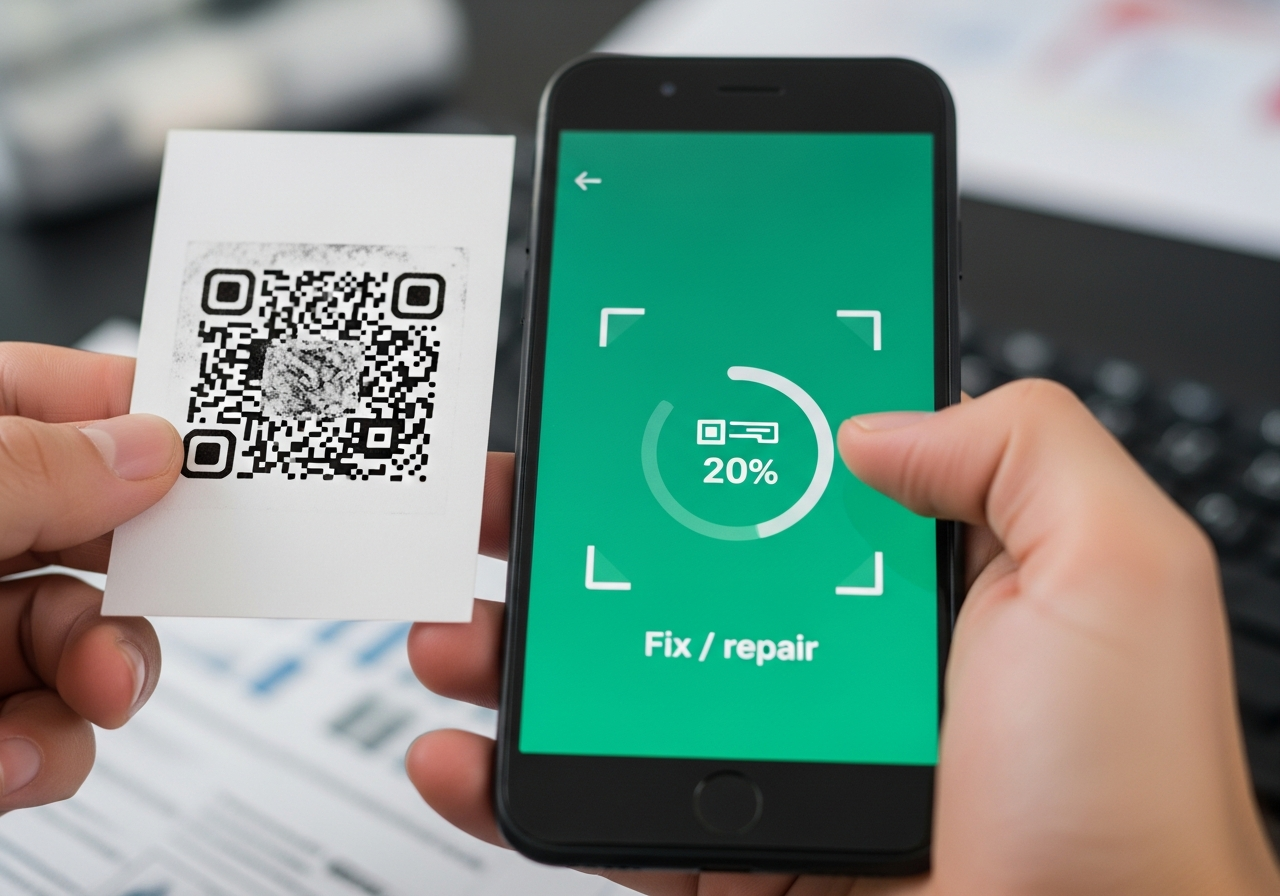
- Focus: Ensure the code is flat and not creased or folded, as this can distort the pattern and make it difficult for the camera to focus. If the code is on a curved surface, like a bottle or a bin, it might need to be larger or positioned carefully to allow for a clear scan. Sometimes, simply cleaning the surface of the code can help if it’s dusty or smudged.
If you’re running campaigns across print, signage, and various assets, dynamic QR codes from a service like Xcan.it are invaluable. They let you update links on the fly, track scan performance in a central dashboard, and generally make your real-world campaigns much more agile and effective. It really takes the guesswork out of what’s working and where.
Having trouble with your scans? Don’t worry, it happens! We’ve put together some handy tips to help you sort out common scanning problems quickly. If you’re facing issues, check out our guide to get things working smoothly again. Visit our website for more.
So, What's Next?
Right then, that’s pretty much it. Scanning a QR code is really straightforward once you know how. Most of the time, your phone’s camera will do all the heavy lifting for you, no faff required. Just point, tap, and off you go. It’s a handy bit of tech that’s become part of our everyday lives, from checking into a pub to grabbing a discount code. So next time you see one, don’t hesitate – give it a go!
Frequently Asked Questions
Do I need a special app to scan QR codes?
Not usually! Most modern smartphones, like iPhones and many Android phones, have a built-in QR scanner in their camera app. Just open your camera and point it at the QR code. You might see a notification pop up. If your phone’s camera doesn’t work, you can download a free QR scanner app from your app store.
Are QR codes safe to scan in public places?
QR codes can be safe, but it’s wise to be cautious. Think of them like any public sign. Sometimes, people might put a fake sticker over a real QR code to trick you. Always look at the URL that pops up before you tap it. If it looks strange or you’re unsure, it’s best not to open it. It’s also a good idea to check public QR codes regularly to make sure they haven’t been tampered with.
What happens when I scan a QR code?
When you scan a QR code, your phone reads the information stored inside it. Most often, this is a website address (URL). Your phone will then usually ask if you want to open that website. Some QR codes might contain text, contact details, or even WiFi passwords.
My phone isn't scanning the QR code. What can I do?
Don’t worry, this happens! First, make sure the QR code is well-lit and not blurry. Try moving your phone closer or further away. Check that the code itself is clear and has good contrast with its background – avoid shiny or crumpled codes. Sometimes, simply restarting your phone can fix the issue.
Can I make my own QR codes?
Absolutely! There are lots of free websites and apps that let you create your own QR codes. You can make them link to your website, social media, or even just share a message. Some services let you add your own logo or colours to make them look more professional.
What's the difference between a static and a dynamic QR code?
A static QR code is like a one-time message; once it’s made, the information it holds (like a website address) can’t be changed. A dynamic QR code is more flexible. It links to a special service that lets you change where it goes even after you’ve printed it. Dynamic codes also let you track how many people scan them, which is great for businesses.