The Architecture, Engineering, Construction, and Facilities Management (AEC&FM) industry is undergoing a significant transformation with the adoption of GS1 Digital Link QR codes. These codes are poised to address long-standing challenges related to fragmented information, compliance complexities, inefficiencies, and increasing sustainability demands by providing consistent, accurate, and trusted data across the entire supply chain.
Key Takeaways
- GS1 Digital Link QR codes create a "golden thread" of information for building components.
- They enable seamless data access for all stakeholders throughout a building’s lifecycle.
- The technology enhances efficiency, safety, and sustainability in AEC&FM.
Creating a "Golden Thread" of Information
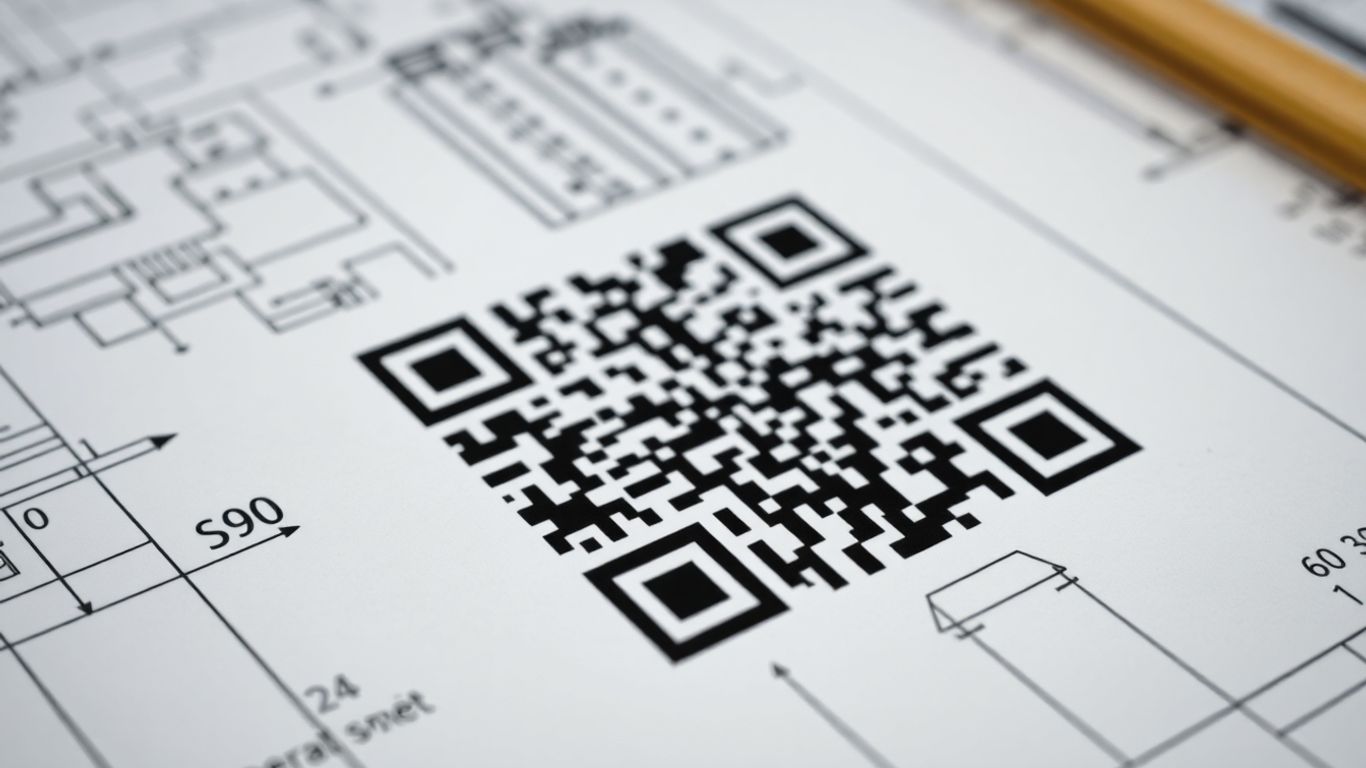
GS1 standards, long established in retail and healthcare, are now being integrated into the AEC&FM sectors. By assigning globally unique identifiers to building components and embedding them in Digital Link-enabled QR codes, a comprehensive "golden thread" of information is established. This allows every participant, from manufacturers and architects to service engineers and building occupants, to access necessary data precisely when needed.
Lifecycle Applications of Digital Link QR Codes
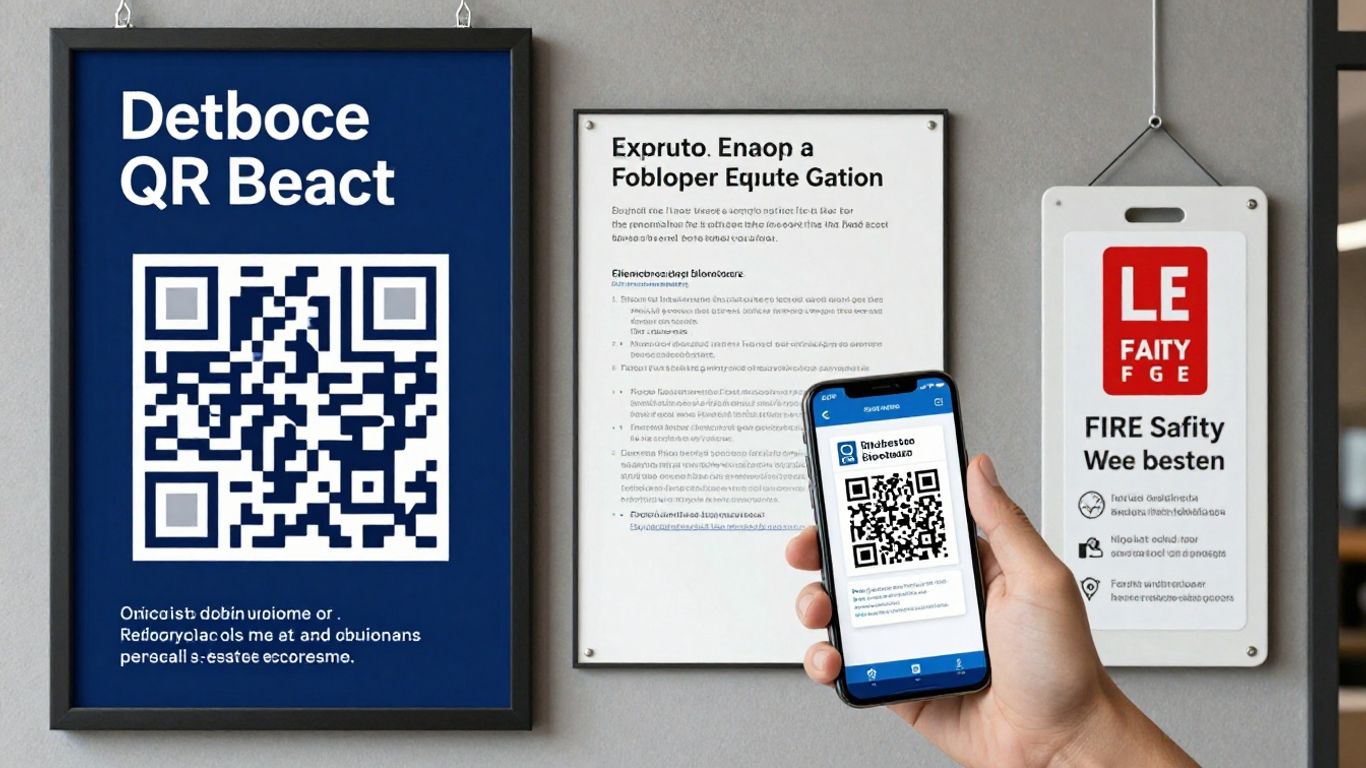
GS1 Ireland has demonstrated the power of these QR codes using the example of a fire door assembly. Throughout its lifecycle, various stakeholders can utilize the Global Individual Asset Identifier (GIAI) QR code to access information and update the digital record:
- Architects: Can instantly verify product specifications, compliance certificates, and manufacturer details before installation.
- Building Occupants: Can scan the code to report issues, such as a loose handle, creating an official record and reducing delays.
- Service Engineers: Can access installation guides, risk assessment method statements (RAMS), and bills of materials. They can also verify replacement parts by scanning the barcode on new components, ensuring the integrity of the fire door assembly.
- Decommissioning: Years later, a scan can review service history, aiding decisions on reuse or recycling, supporting circularity and sustainability goals. All inspections are recorded in the Digital Building Logbook (DBL).
Versatile and Scalable Solution
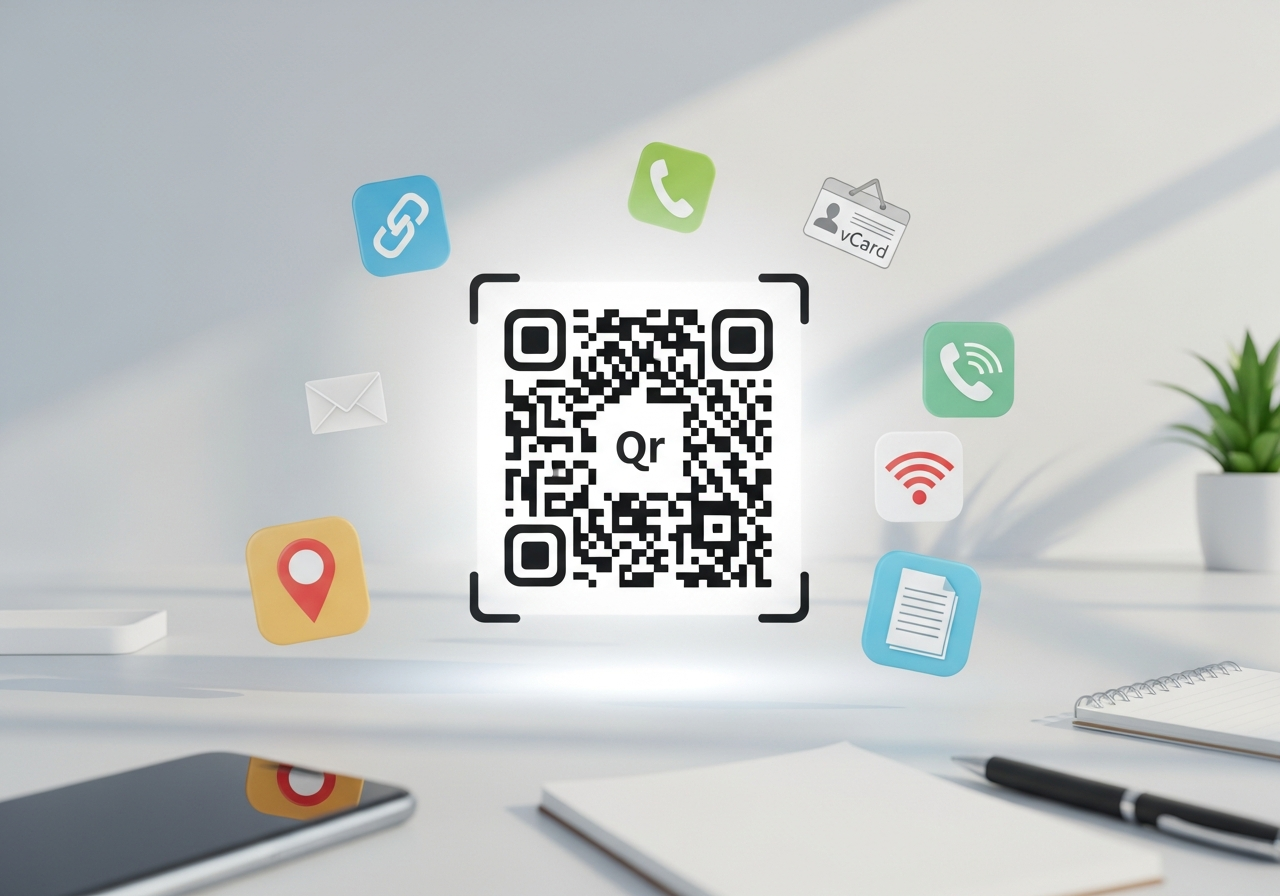
The flexibility of GS1 Digital Link allows a single QR code to serve multiple purposes, adapting to the needs of different users. This is powered by the standard’s ability to connect identifiers to web-based resources via a resolver service, providing tailored information for each stakeholder. As the AEC&FM industry embraces digital transformation, GS1 standards offer a practical and scalable solution to link physical assets with digital data, applicable to all building components, not just fire doors. This capability will be further supported by the upcoming introduction of digital product passports across the EU.
Industry Adoption and Benefits
Platforms like PlanRadar are integrating QR code functionality to simplify asset information access. This technology reduces the time required to retrieve project data, ensures proper documentation at precise locations, and offers a cost-effective way to provide up-to-date information without the need for constant physical sign replacements. The ease of use and minimal training required make QR codes an accessible tool for enhancing efficiency and collaboration within the construction and facilities management sectors.
Sources
- Bringing construction to life: How GS1’s Digital Link QR codes are transforming AEC&FM, Engineers Ireland.
- QR Codes Come to Construction, Facilities Management, Engineering.com.