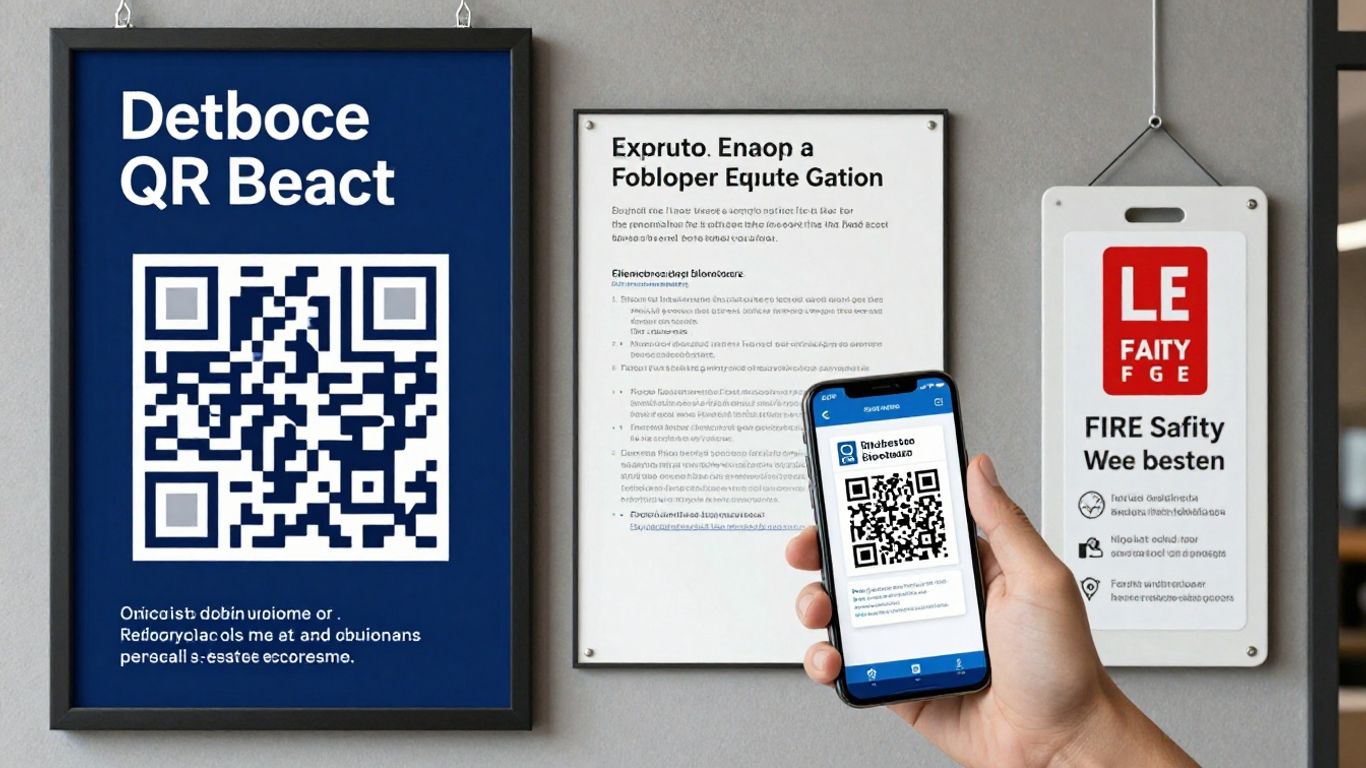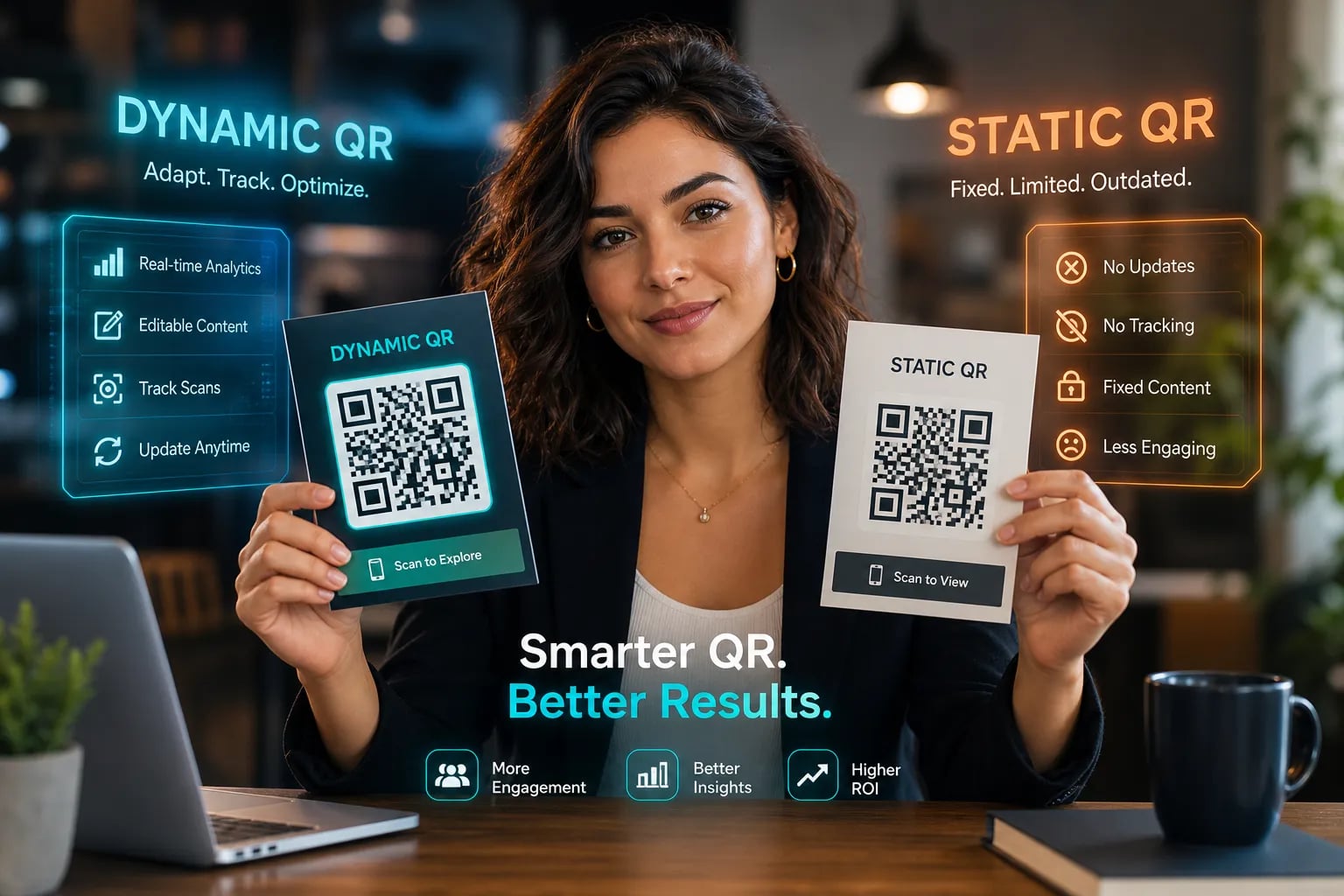

Once a niche tool for tracking automotive components, the Quick Response (QR) code has evolved into an indispensable part of modern life. From facilitating contactless transactions during the pandemic to providing instant access to information, these ubiquitous black and white squares have transformed how we interact with the digital and physical worlds.
The Genesis of the Quick Response Code
In 1994, the Japanese car component company Denso Wave sought a more efficient way to track parts than existing barcodes. They tasked engineer Masahiro Hara with developing a solution. Inspired by the board game Go, Hara conceived a two-dimensional code capable of storing significantly more information than traditional barcodes – over 200 times the data.
- Key Takeaways:
- Invented in Japan in 1994 by Masahiro Hara for Denso Wave.
- Designed to hold more data than standard barcodes.
- Inspired by the game of Go.
Evolution and Adoption
Initially developed for industrial tracking, the QR code’s potential for broader applications soon became apparent. Its ability to store diverse information, from website URLs to contact details, made it a versatile tool. The mid-2000s saw a surge in its adoption, particularly with the rise of smartphones equipped with cameras capable of scanning these codes.
The COVID-19 Pandemic's Impact
The global pandemic significantly accelerated the adoption and utility of QR codes. Restaurants quickly implemented them for digital menus and contactless ordering, while many businesses adopted them for check-ins, payment systems, and even public health initiatives like contact tracing. This period highlighted the QR code’s role in enabling touch-free interactions and bridging the gap between the physical and digital realms.
Modern Applications and Future Potential
Today, QR codes are integrated into countless aspects of daily life. They are used for:
- Accessing Wi-Fi networks
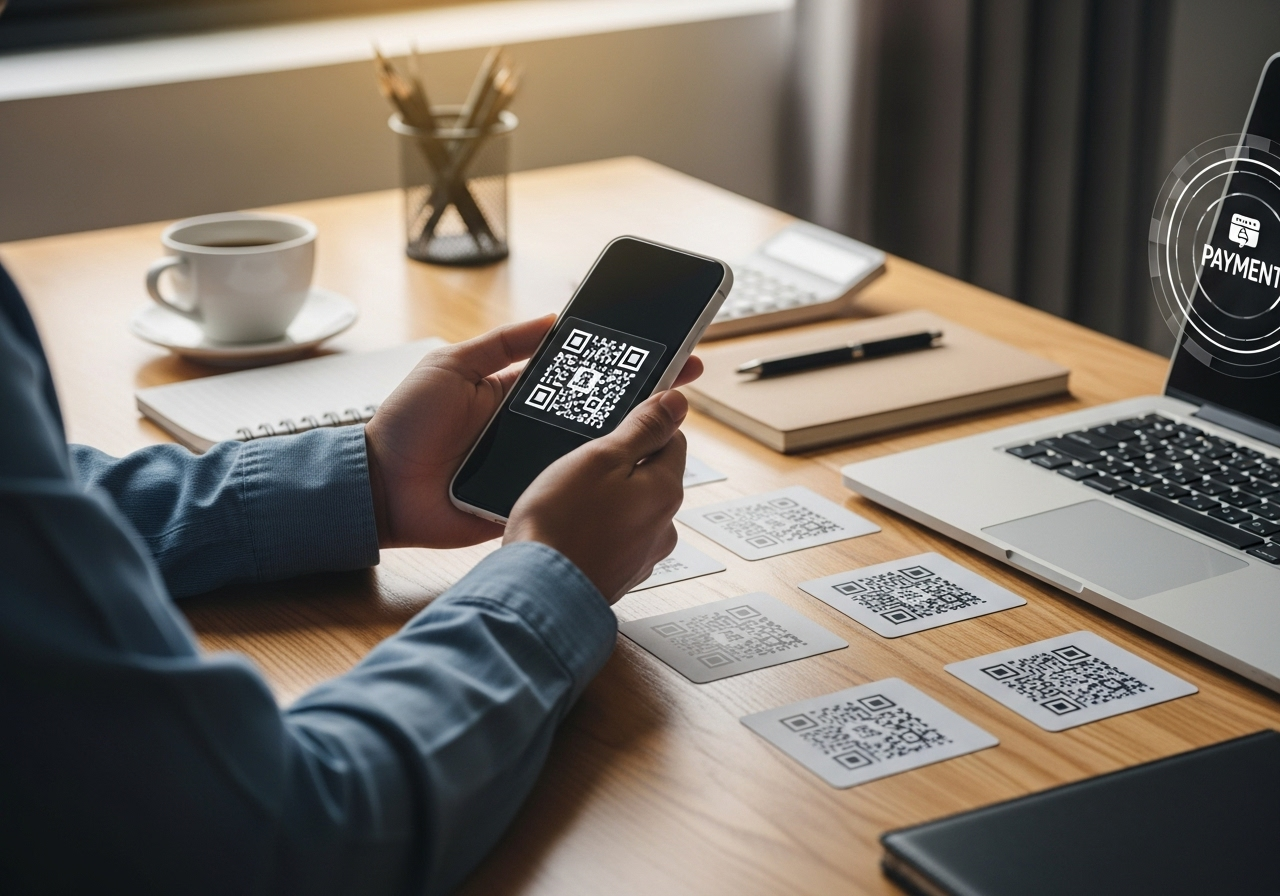
- Making payments
- Getting into events
- Tracking parcels
- Displaying product information
- Facilitating contact tracing
Innovations continue, with discussions around potential upgrades to the format, including the use of dots, circles, and colours instead of traditional blocks. While some have speculated about the QR code’s lifespan, its adaptability and increasing integration suggest it will remain a relevant technology for the foreseeable future.