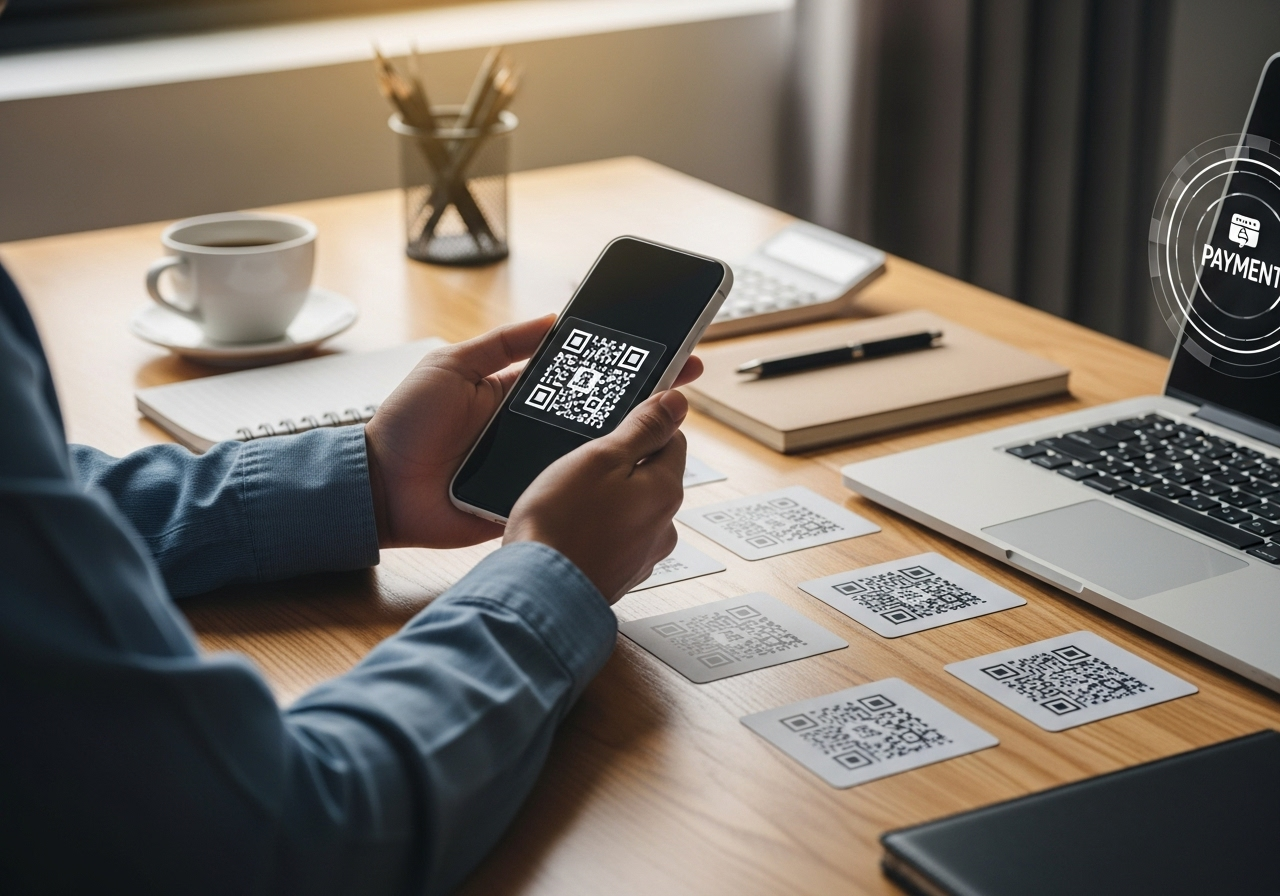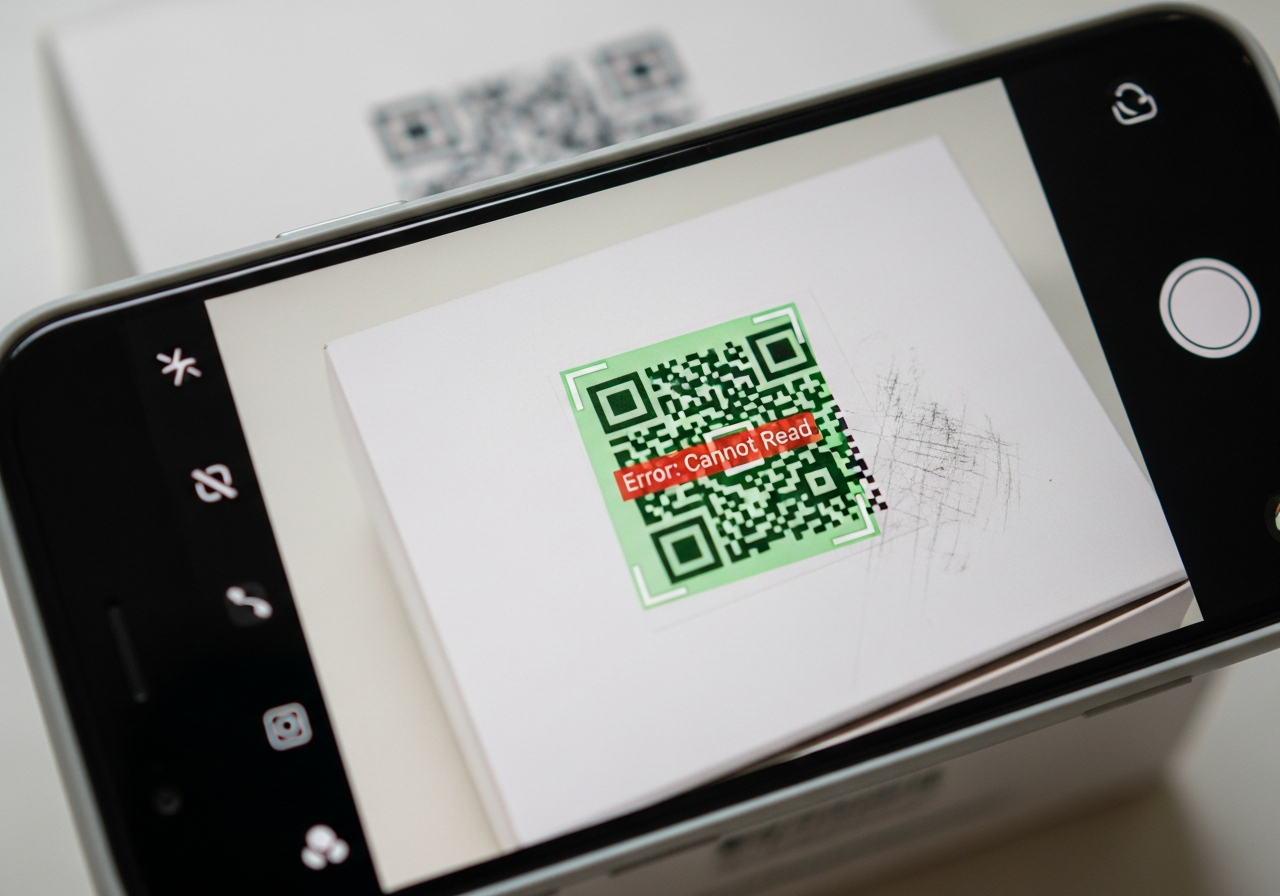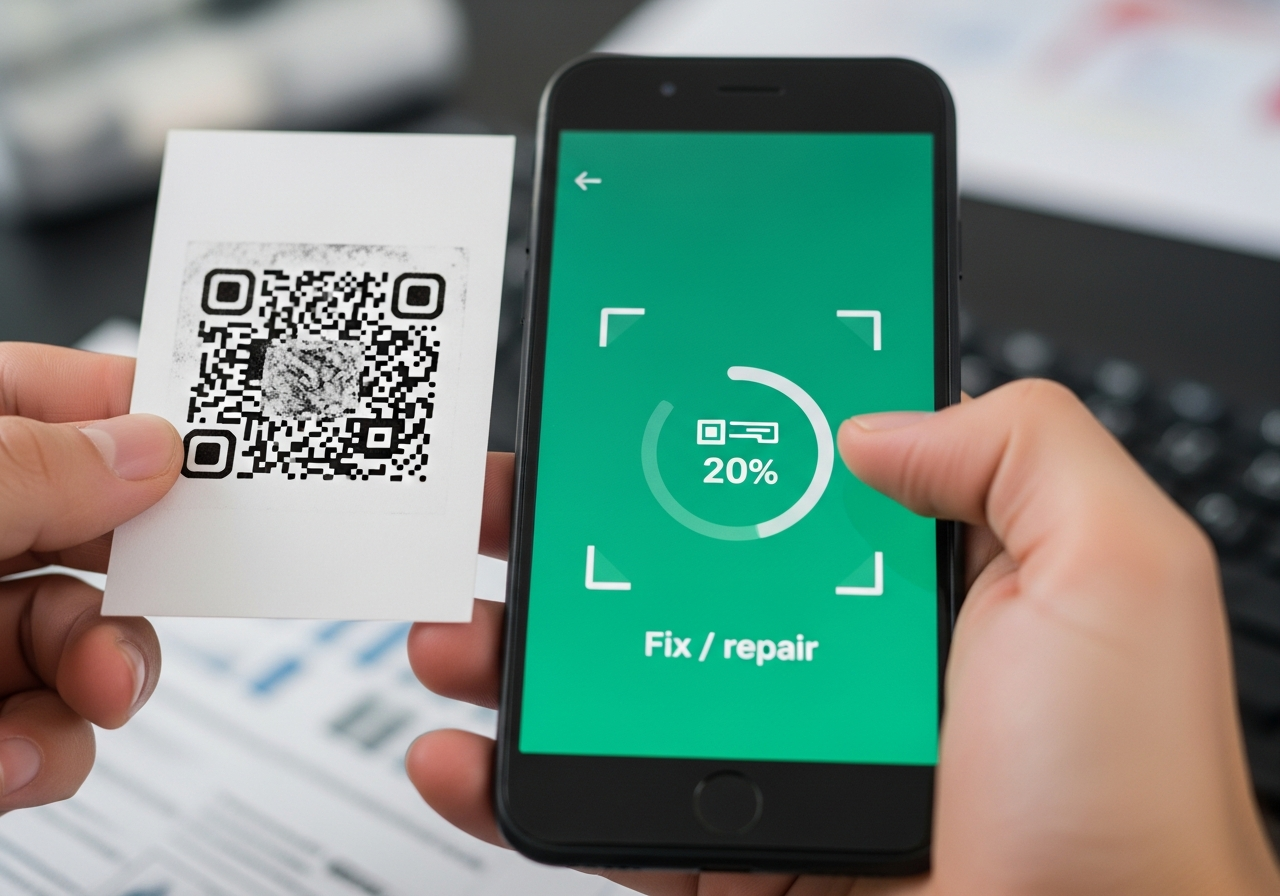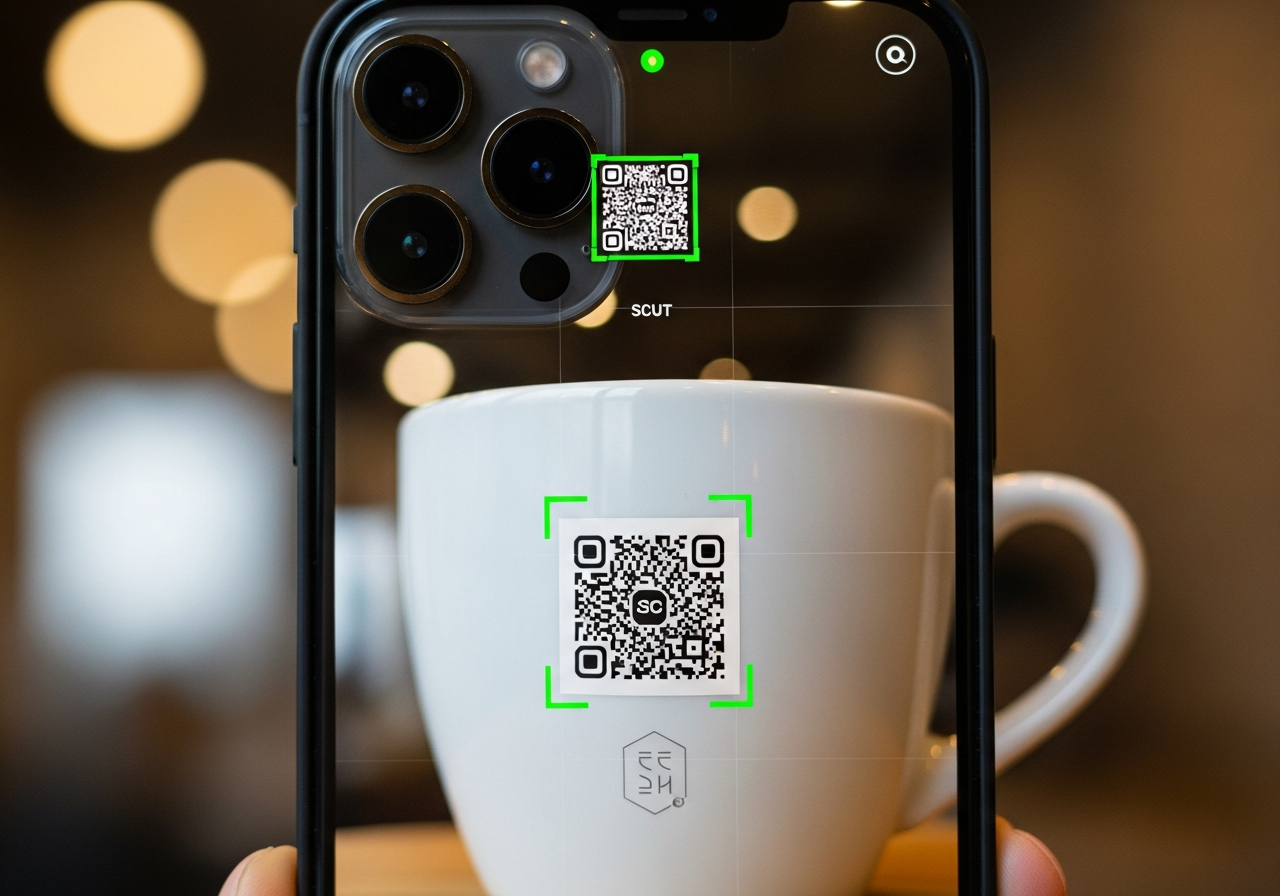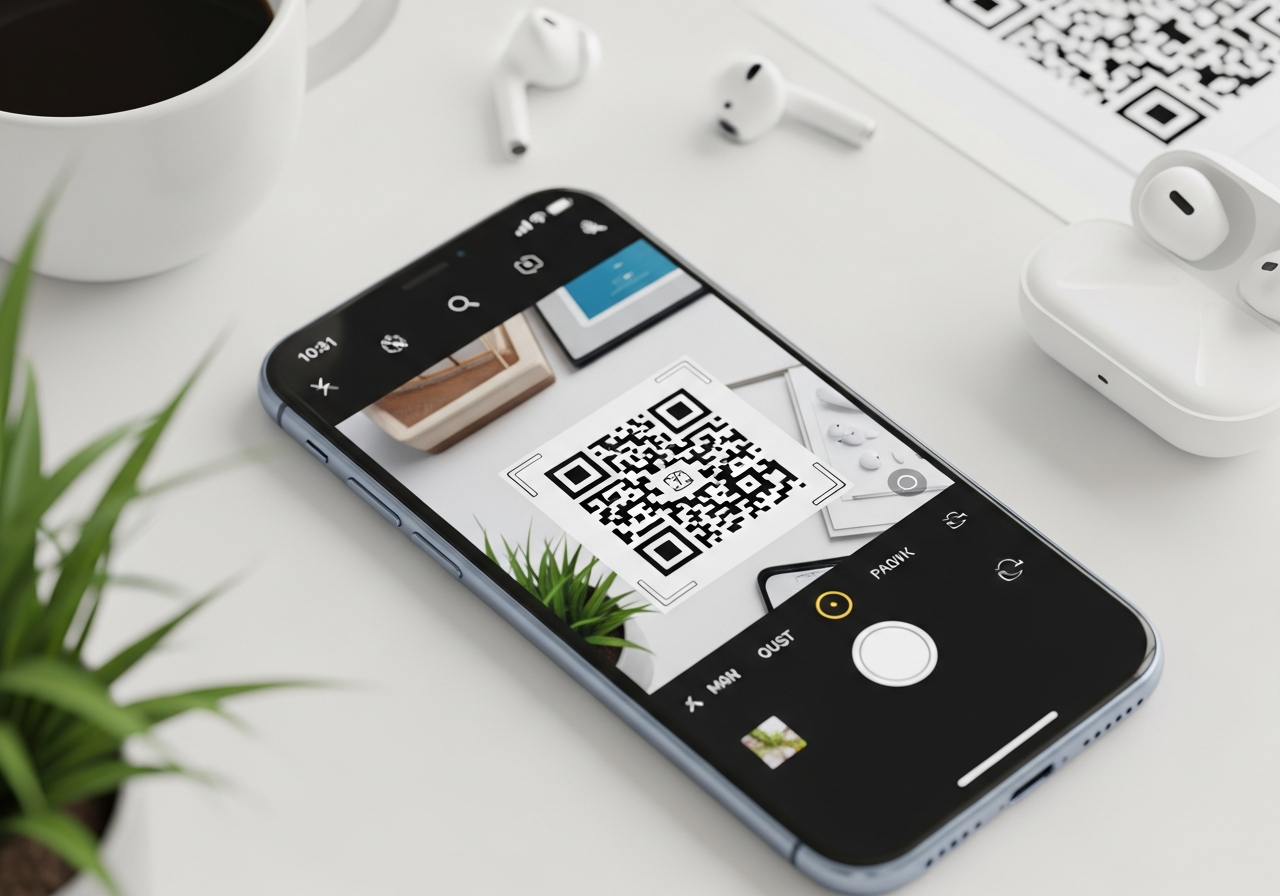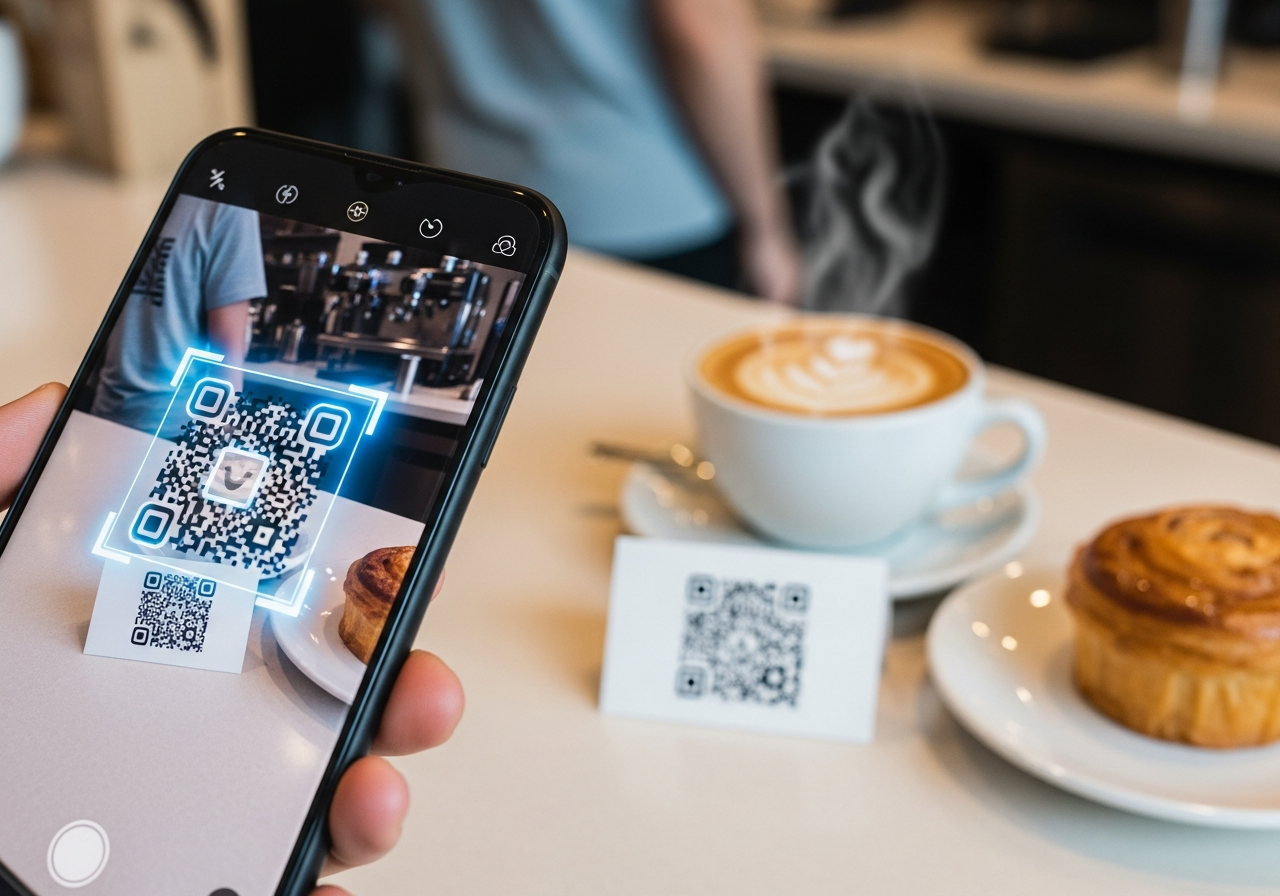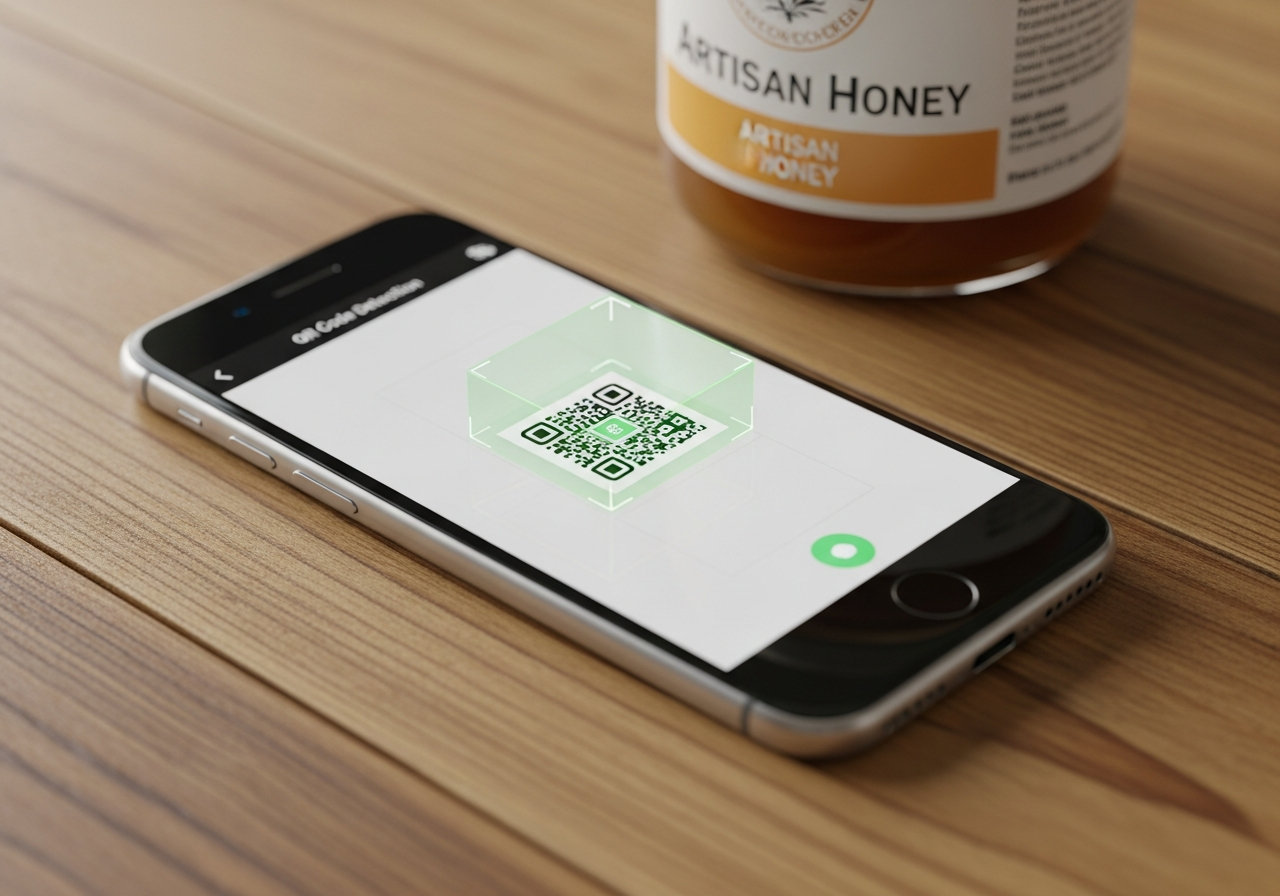

Right then, let’s talk about flow codes. You’ve probably seen them everywhere, haven’t you? Those little square patterns that your phone camera just loves. For UK businesses, they’re becoming a bit of a game-changer, especially when it comes to bridging that gap between the physical world and your online presence. Think of them as a digital handshake for your customers, a way to get them from a poster, a product, or even a business card straight to where you want them online. We’re going to break down what these flow codes are all about and how you can actually use them to make your business tick a bit better.
Key Takeaways
- Flow codes are essentially dynamic QR codes that link physical items to digital content, making them super useful for businesses.
- They help connect your offline marketing efforts, like posters or packaging, directly to your website or specific online destinations.
- Businesses use flow codes to track how effective their campaigns are by measuring scan data and understanding customer interactions.
- Collecting first-party data becomes easier, giving you insights directly from your customers’ scans.
- Flow codes can be used for everything from marketing campaigns and improving customer experience to making daily operations run more smoothly.
Understanding Flow Codes: The Essentials
What Are Flow Codes?
Think of flow codes as a bit like a digital handshake for the real world. They’re a type of QR code, but with a bit more going on under the hood. You’ve probably seen them on posters, packaging, or even business cards. When you scan one with your phone, it instantly takes you somewhere online – a website, a social media profile, a special offer, or maybe even a video. They’re a simple way to bridge the gap between something you can see and touch, and the vast digital space.
Why Businesses Use Flow Codes
Businesses are increasingly turning to flow codes because they offer a really straightforward way to connect with customers. It’s about making it easy for people to take the next step, whatever that might be. Whether it’s directing someone to a product page after seeing it on a shelf, or giving them instant access to a menu when they sit down at a restaurant, flow codes cut out the faff. They’re a practical tool for getting people from point A in the physical world to point B online, quickly and without fuss. For example, a business might use them to track which physical locations are driving the most online engagement, giving them a clearer picture of what’s actually working.
Key Features of Flow Codes
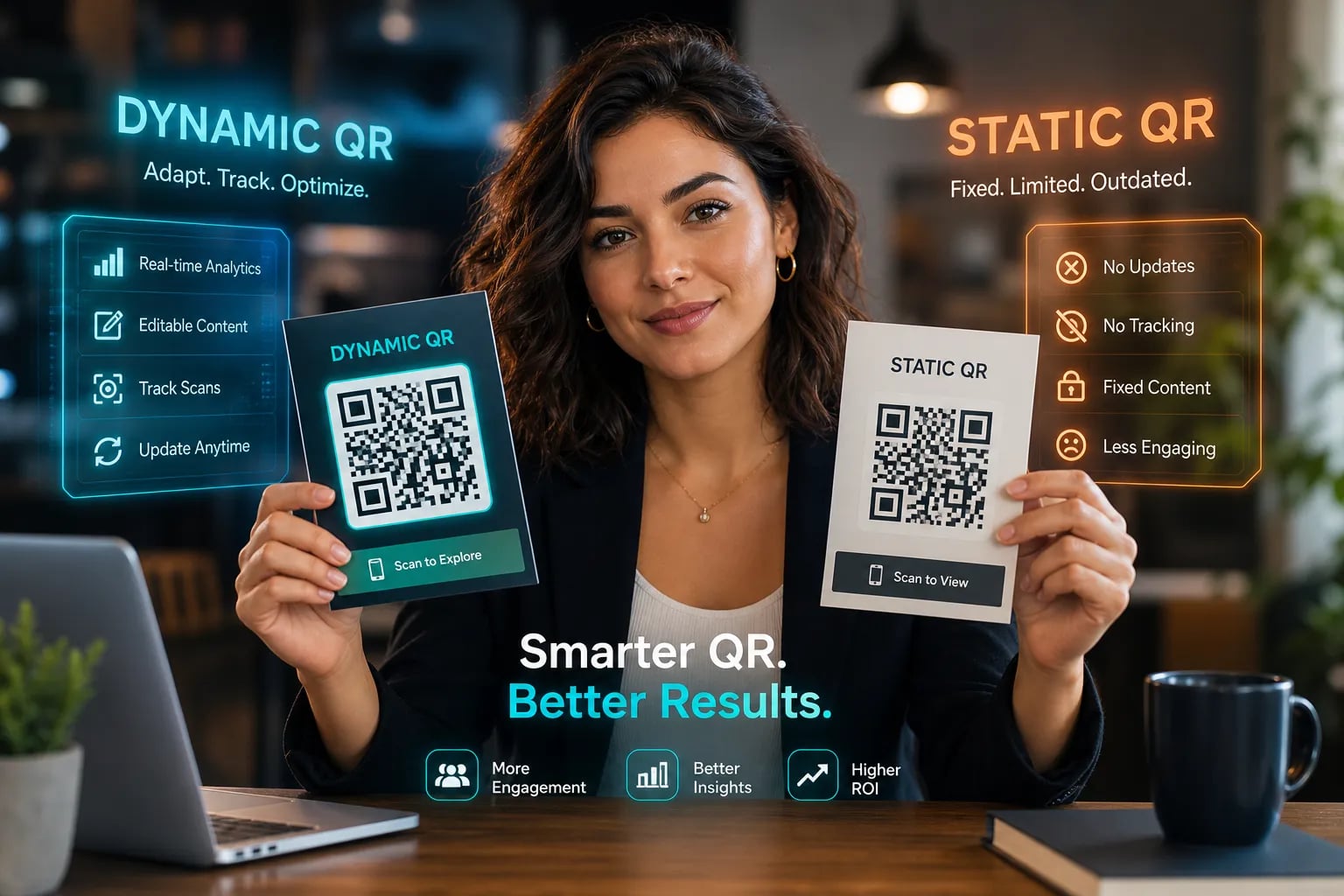
What makes flow codes stand out? Well, a big part of it is their flexibility. Unlike a standard QR code where the link is fixed, flow codes are often ‘dynamic’. This means you can change where the code points to after it’s been printed. Imagine putting up a poster for a sale, and then deciding to switch the link to a new product launch a week later – no need to reprint anything! This is a game-changer for campaign management.
- Editable Links: Update your destination URL without reprinting the code. This is super handy for keeping campaigns fresh or correcting mistakes.
- Scan Tracking: Get insights into how many people are scanning your codes, where they’re scanning from, and when. This data helps you understand what’s effective.
- Dynamic Routing: Some advanced flow codes can even change where they send people based on factors like the time of day or the type of device used.
Platforms like Xcan.it really shine here. They let you manage all your QR codes from one place, update links on the fly, and see all your scan data in a single dashboard. This makes running real-world campaigns across print, signage, and other assets much more efficient and measurable.
Leveraging Flow Codes for Business Growth
So, you’ve got your flow codes sorted, but how do you actually make them work for your business? It’s not just about sticking a QR code on a flyer anymore. Think of them as little bridges, connecting your physical world to your digital one, and giving you some serious insights along the way.
Connecting Offline to Online with Flow Codes
This is where flow codes really shine. Imagine you’ve got a poster up in your shop, or a flyer in a customer’s hand. Normally, if you wanted to change the link on that poster or flyer, you’d be stuck with a reprint job. That’s a hassle and a waste of money. With dynamic flow codes, though, you can update the destination link whenever you need to, without ever touching the printed material. This means if your website address changes, or you want to promote a new offer, you just update it in your dashboard. It’s like having a remote control for all your printed marketing.
Platforms like Xcan.it are built for this. They let you manage all your QR codes from one place. You can create them, update them, and track them, all from a single dashboard. This is a game-changer for businesses, especially those with multiple locations or lots of printed assets. You can even use them for things like:
- Branch-specific offers: A national chain can have one poster design, but the QR code on each poster can link to a different local landing page or offer, depending on the branch’s location.
- Menu updates: Restaurants can change their menu online and update the QR code on their tables instantly, so customers always see the latest dishes and prices.
- Product information: On packaging, a QR code can link to setup guides, warranty information, or reorder pages, and you can update that information if needed.
Measuring Campaign Performance
This is a big one. How do you know if that advert in the local paper actually brought people to your website? With traditional methods, it’s tough to say. Flow codes, especially dynamic ones, give you hard data. You can see exactly how many times a code was scanned, where those scans came from (if you’ve set up location tracking), and even what device people were using. This information is gold for understanding what’s working and what’s not.
With Xcan.it, you get a dashboard that shows you all this. You can track scans in real-time, see which placements are getting the most attention, and understand the journey people take after scanning. This helps you figure out your return on investment (ROI) for different campaigns. For example, you might find that QR codes on your direct mail are driving more sales than those on your window displays. That’s valuable information that lets you adjust your marketing spend accordingly.
The real power comes when you can connect the dots between a physical scan and a tangible business outcome, like a sale, a lead, or a booking. It’s about turning offline activity into measurable online results.
First-Party Data Collection with Flow Codes
In today’s world, collecting your own customer data (first-party data) is more important than ever. Flow codes can be a fantastic tool for this. When someone scans your code, you can direct them to a landing page that asks for their email address, perhaps in exchange for a discount or exclusive content. This builds your customer list directly, giving you a way to communicate with them later without relying on third-party cookies.
Platforms like Flowcode are particularly good at this, focusing on helping brands measure ROI and connect offline audiences to digital experiences. They offer features that allow for real-time analytics and first-party data capture. By using dynamic QR codes, you can create targeted campaigns that not only drive traffic but also help you build a more engaged audience. This is a smart way to grow your business by understanding and connecting with your customers directly. For businesses looking to get a handle on their finances and ensure stability, exploring cash flow management strategies is always a good idea alongside these growth tactics.
Flow Codes in Action: Practical Applications
It’s one thing to understand what flow codes are, but it’s another to see them actually making a difference for businesses. Think about it: you’ve got a flyer, a poster, maybe even a product label. How do you connect that physical item to your online world in a way that’s useful and measurable? That’s where flow codes really shine.
Marketing Campaigns and Flow Codes
This is probably the most obvious use case. You can use flow codes on anything from direct mail to large-scale advertising. The real magic happens when you can update where that code leads without having to reprint everything. Imagine a seasonal offer – instead of pulling old posters and putting up new ones, you just update the link behind the existing flow code. Platforms like Xcan.it let you do exactly this. You can update QR code links on the fly, meaning your campaigns stay relevant and don’t become outdated overnight. Plus, you get a dashboard to see how many people are actually scanning your codes, and from where. This is invaluable for understanding what’s working and what’s not.
- Track campaign performance by placement: See which posters or flyers are driving the most engagement.
- Run time-sensitive offers: Easily switch destinations for daily or weekly deals.
- A/B test different calls to action: See which message encourages more scans.
The ability to change where a QR code points after it’s been printed is a game-changer for campaign agility. It means you’re not locked into a single destination and can adapt to market changes or new opportunities instantly.
Operational Efficiency with Flow Codes
Beyond marketing, flow codes can streamline day-to-day operations. Think about internal signage, equipment labels, or even customer service points. For instance, a café could have a QR code on its counter that links to Wi-Fi access and a welcome pack. If the Wi-Fi password changes, or the welcome pack is updated, the link behind the QR code can be changed instantly. This saves time and reduces confusion. Xcan.it’s platform allows you to manage these operational codes alongside your marketing ones, all from a single dashboard. You can even use dynamic QR codes to route people based on time of day or device, making customer journeys smoother.
Enhancing Customer Experience
Ultimately, all of this comes down to making things easier and better for your customers. When a customer scans a code, they expect a smooth, relevant experience. Dynamic flow codes, managed through a platform like Xcan.it, help deliver this. You can ensure links are always up-to-date, reducing the frustration of dead ends. You can also use them to provide quick access to information, like product manuals, support pages, or booking systems. The key is making the scan a helpful step in their journey, not a point of friction. By tracking scans, you can also gather insights into customer behaviour, helping you refine your offerings and improve their overall experience with your brand.
Choosing the Right Flow Code Solution

Success with flow codes isn’t just about putting a QR on a printed flyer and hoping for the best. It’s about finding a platform that matches your day-to-day needs, supports your growth, and won’t cause headaches if you need to adapt or scale. Below, let’s break down what to consider, compare options, and tackle the details on pricing and limits, with an eye on how tools like Xcan.it help UK businesses manage QR at scale.
Assessing Your Business Needs
Every business uses QR codes slightly differently, so nailing your requirements up front keeps you from overpaying or coming up short later.
Here are a few questions worth asking:
- How many QR codes will you need – is your use case a single location or hundreds of unique codes across branches and assets?
- Will destinations change often? Think menu updates, seasonal offers, or rotating property listings.
- Who needs access? Just marketing, or operational teams, agencies, and more?
- Is tracking performance by campaign, branch, or placement important?
A solution like Xcan.it keeps things simple: you print once, but update the code’s destination whenever you need, no reprinting required. This flexibility is the main reason many UK organisations move away from static QR codes.
If you’re already tired of reprinting signage just because a URL changed, chances are you need a dynamic platform now—not after your next campaign.
Comparing Flow Code Platforms
Once you know what you need, it’s comparison time. Here’s a quick look at features that really matter:
| Feature | Xcan.it | Typical Basic Generator |
|---|---|---|
| Dynamic QR (edit links) | Yes | Sometimes |
| Bulk creation tools | Yes | Often limited |
| Scan analytics dashboard | Yes | Rare or basic |
| Branded QR styling | Yes | Limited |
| One dashboard for scans | Yes | No |
| GDPR/UK GDPR support | Yes | Varies |
| Quick updates/no reprint | Yes | No |
Not all platforms are equal. With Xcan.it, you get a single dashboard where you can see scan activity across every placement—posters, boards, asset tags—so you can track what’s working and make quick changes. That saves both time and money, especially when you need to respond to real-world results.
Three Must-Have Features
- Link Updates Without Reprinting: Change QR destinations as needed—menus, offers, landing pages—direct from your dashboard.
- Real-Time Analytics: Instantly see which locations, campaigns, or assets are generating engagement, so you can stop wasting effort on what isn’t performing.
- Bulk Management: Create, label, and organise hundreds or thousands of QRs for large rollouts across branches, products, or teams.
You’ll find some more info on platforms highlighted in app builder reviews, which, though app-centric, explain well why flexibility and dashboard analytics matter for any digital tool.
Understanding Pricing and Limits
Don’t just go by the headline “free plan” or shiny UI—look for the limits.
Most dynamic QR services charge a monthly fee based on:
- The number of dynamic (editable) QR codes
- The number of scans per month
- Extra features: branding, advanced analytics, bulk tools, and API access
A typical breakdown might look like:
| Plan Level | Dynamic QRs | Scan Limit | Branded QR | Price (per month) |
|---|---|---|---|---|
| Base/Free | 1–10 | 100–500 | No | £0 |
| Business/Pro | 100+ | 10,000+ | Yes | £20–£35 |
| Custom/Enterprise | Unlimited | Unlimited | Yes | Bespoke quote |
Many UK-first platforms, like Xcan.it, leave QR codes active even if you downgrade your plan, which is a big win if you hate the idea of a code suddenly breaking because a card expired or you missed a renewal. There are no hidden deactivation fees.
Pay attention to how data is handled, especially if you need GDPR/UK GDPR compliance. Does the provider let you migrate easily if things change? Future headaches are rarely visible in the small print.
The Takeaway
Finding the right flow code provider for your business is about clarity—on control, analytics, costs, and risk. Xcan.it makes it easier for UK businesses to manage flow codes at scale: update links on the fly, track scans in a single dashboard, and use dynamic QR codes that keep your campaigns running without endless reprints. Test platforms with a small, real-world pilot before locking anything down. Choose scalable, not just shiny.
Advanced Flow Code Strategies

Right then, let’s talk about taking your QR code game up a notch. We’ve covered the basics, but what happens when you want to do more than just link to a website? This is where things get really interesting, and frankly, where you can see some serious business benefits.
Dynamic Routing with Flow Codes
Imagine this: you’ve got a poster up in your shop, but you want to offer a different deal on weekdays than you do on weekends. Or maybe you want iPhone users to go to one page and Android users to another. That’s dynamic routing. It means the QR code doesn’t just point to one fixed place; it can change where it sends people based on all sorts of things – the time of day, the device they’re using, or even their location. This is brilliant for keeping your offers fresh and relevant without having to print new QR codes every time. Platforms like Xcan.it let you set up these smart rules, so your QR codes work harder for you.
A/B Testing and Optimisation
This is where you really start to fine-tune your campaigns. You know how you might test two different headlines on a webpage to see which one gets more clicks? You can do the same with QR codes. Let’s say you’re running a campaign across a few different locations. You could have one version of your QR code with a call to action like "Scan for 10% off" and another with "Scan to see our new arrivals." By tracking the scans from each, you can see which message is actually getting people to engage. The goal here is to create a measurable loop: deploy, track, learn, and then improve, all without the hassle of reprinting. Xcan.it’s dashboard makes it easy to see which codes are performing best, so you can double down on what works.
Integrating Flow Codes with Your Systems
This is the big one for serious growth. What if scanning a QR code could automatically add a lead to your CRM, or trigger a follow-up email? That’s what integration is all about. Instead of just being a digital flyer, your QR code becomes a trigger for your business processes. For example, a QR code on a product could link to an onboarding guide, and completing that guide could update a customer record in your system. This turns offline interactions into actionable data. If you’re looking to connect your physical world to your digital backend, services that offer robust APIs or webhook capabilities, like Xcan.it, are key. They help turn those scans into tangible business outcomes, whether that’s leads, bookings, or sales.
The Future of Flow Codes in the UK Market
Emerging Trends in QR Technology
QR codes are no longer just a quick way to get to a website. They’re becoming a proper part of how businesses operate. Think about it: you can update where a QR code goes without having to print new ones. This is a big deal for things like menus or price lists that change often. Plus, being able to see how many times your code has been scanned, all from one place, gives you real insight into what’s working. Dynamic QR codes are really changing the game for campaigns, whether they’re on posters, signs, or even product packaging.
How Flow Codes Adapt to Market Changes
As the market shifts, so do the tools we use. Dynamic QR codes, like those offered by platforms such as Xcan.it, are built for this kind of change. They let you update the link behind the code whenever you need to, meaning you don’t have to reprint anything. This flexibility is key. Imagine running a promotion and needing to change the offer halfway through – with dynamic codes, it’s a simple update. You can also track scans in a central dashboard, giving you a clear picture of engagement across different campaigns and locations. This ability to adapt and measure is what makes them so useful for UK businesses looking to stay ahead.
The Role of Flow Codes in Digital Transformation
Flow codes are playing a bigger part in how businesses are going digital. They bridge the gap between the physical and online worlds. For example, a shop might put a QR code on a display, and when scanned, it takes the customer to a product page with more details or even a direct purchase option. This kind of connection is what digital transformation is all about. Platforms like Xcan.it make this easier by letting you manage all your dynamic QR codes from one dashboard. You can update links, track performance, and even use dynamic QR codes to tailor campaigns for different placements. It’s about making real-world interactions more measurable and effective, which is a huge step for any business looking to modernise.
The way we use flow codes in the UK is changing fast. These codes are becoming super important for businesses. They help connect the real world with online stuff in really clever ways. Imagine being able to update information instantly, just by scanning a code! This is the kind of power flow codes offer. Want to see how this tech can help your business grow? Visit our website to learn more about making your own dynamic QR codes.
Wrapping Up: Making QR Codes Work for You
So, we’ve gone through what flow codes are and how they can really help UK businesses. It’s not just about making a quick link; it’s about having control, seeing what’s happening, and making changes on the fly. Whether you’re a small shop or a bigger operation, using these codes smartly can make a real difference. Think about how you can start using them to connect better with your customers and keep your marketing fresh without all the hassle. It’s about making things work smoothly for everyone involved.
Frequently Asked Questions
What exactly are Flow Codes?
Think of Flow Codes as special QR codes. They’re like a bridge that connects things you see in the real world, like posters or product packaging, to the internet. When you scan one with your phone, it can take you straight to a website, a video, or even an app.
Why would a UK business want to use Flow Codes?
Businesses use them to make it super easy for customers to find more information or take an action, like visiting a website to buy something. It’s a quick way to get people from seeing an advert to interacting with the brand online. Plus, they can track how many people scan the code, which helps businesses see if their adverts are working.
Can I change where a Flow Code leads after I've printed it?
Yes, that’s one of the best things about Flow Codes! Unlike regular QR codes, you can change the destination link even after you’ve printed them. So, if you want to update an offer or change a website address, you don’t need to reprint everything. This saves time and money.
How do Flow Codes help measure if an advert is successful?
Flow Codes can tell you exactly how many times they’ve been scanned, and even when and where. This information helps businesses understand which posters, flyers, or product labels are getting the most attention. It’s like having a report card for your physical ads.
Is it hard to set up and use Flow Codes?
Most Flow Code platforms are designed to be user-friendly. You can usually create and manage your codes through a simple online dashboard. Many offer features like custom designs to match your brand, making them look professional and trustworthy.
Do Flow Codes collect customer information?
Flow Codes can be set up to collect information, but it’s done in a way that respects privacy. For example, they can help businesses gather email addresses or preferences if a customer chooses to share them, which is useful for sending personalised offers later on.