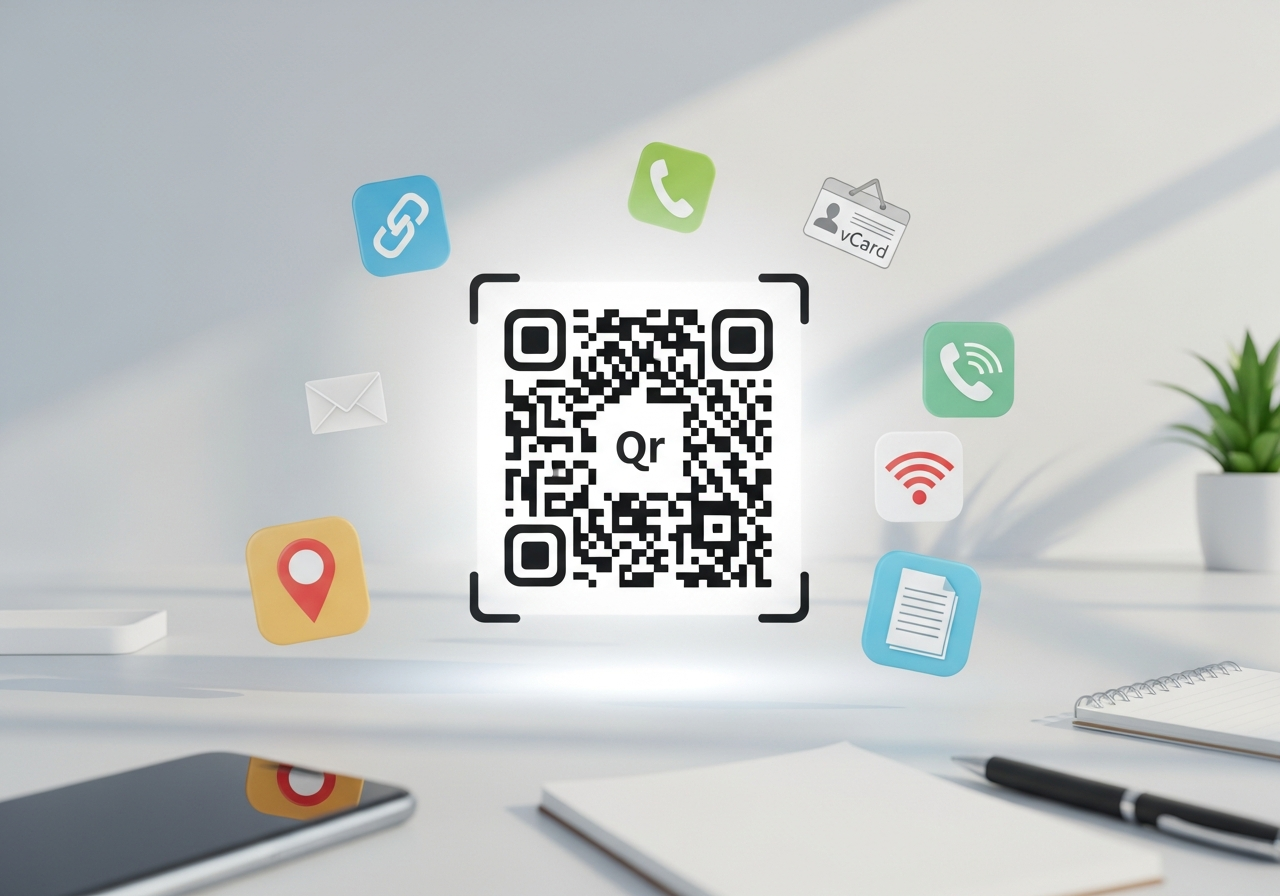
Thinking about how to create a Google QR code? It’s simpler than you might imagine, and incredibly useful for bridging the gap between your physical and digital worlds. Whether you’re directing people to a specific spot on Google Maps, sharing a vital document from Google Drive, or collecting feedback via a Google Form, a QR code is your go-to tool. This guide will walk you through everything, from the basics to making your codes work perfectly.
Key Takeaways
- You can create a Google QR code to link directly to Google Maps locations, Google Drive files, or Google Forms.
- Using a QR code generator allows for customisation, like adding your logo, to make the code visually appealing and on-brand.
- Ensuring good contrast, a clear ‘quiet zone’ around the code, and appropriate sizing are vital for successful scans.
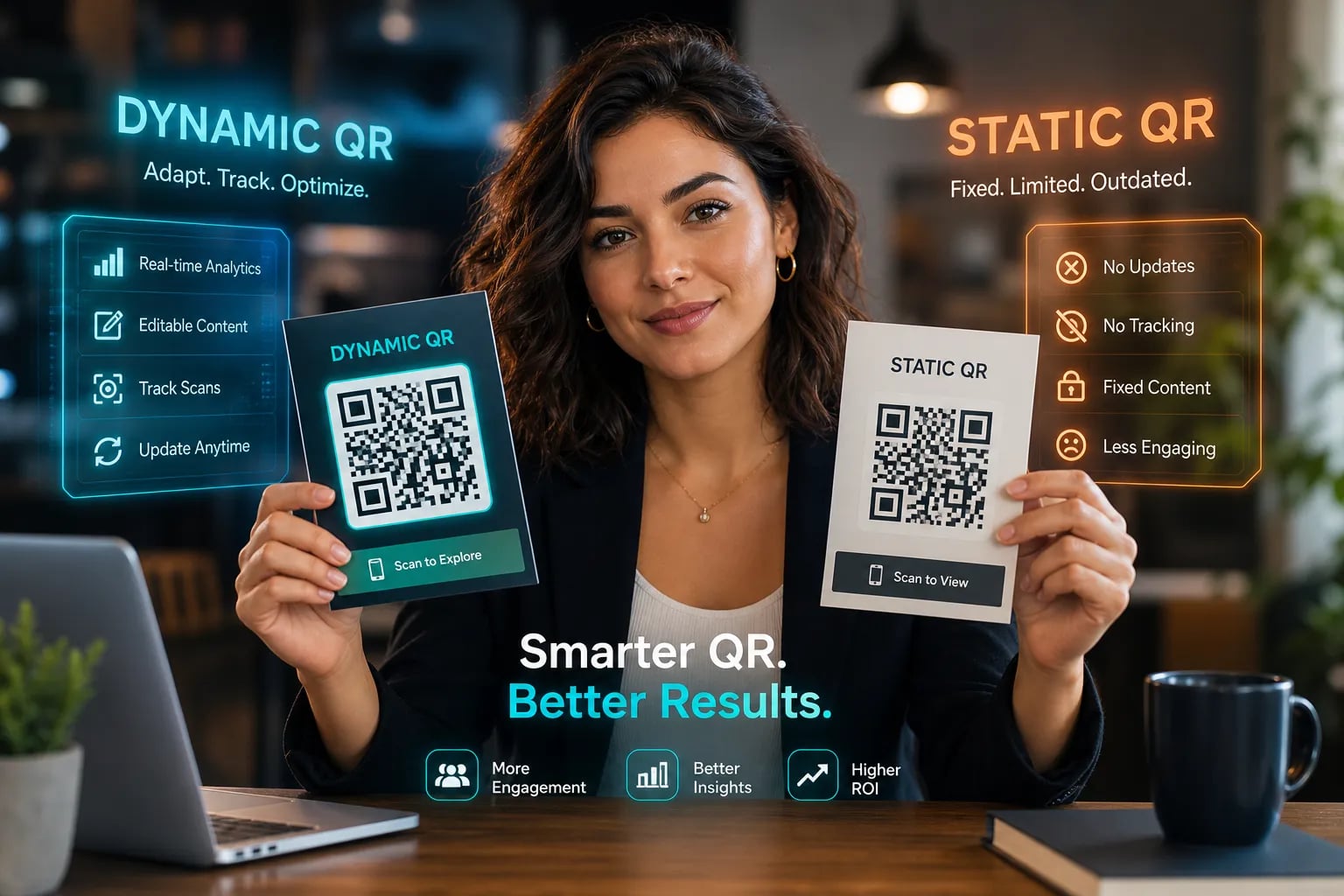
- Dynamic QR codes offer the flexibility to change the destination link without needing to reprint the code, and they allow for scan tracking.
- Always test your QR code thoroughly before printing and distributing it to make sure it works as expected.
Understanding Your Google QR Code Needs
Before you jump into designing and generating, it’s a good idea to think about what you actually want your QR code to do. It sounds simple, but having a clear goal makes the whole process smoother. Think of it like planning a route before you set off on a journey – you wouldn’t just start driving and hope for the best, would you?
What is a Google QR Code?
Essentially, a ‘Google QR code’ isn’t a special type of QR code created by Google itself. Instead, it’s a standard QR code that you’ve configured to link to a Google service or a page hosted on a Google platform. This could be anything from a Google Maps location, a Google Drive document, a Google Form, or even your business’s Google review page. The magic happens in where the QR code points.
Why Create a Google QR Code?
QR codes are brilliant for bridging the gap between the physical and digital worlds. They offer a quick, contactless way for people to access information or take an action just by scanning with their phone. For businesses, this means:
- Easier Access to Information: Direct customers straight to a specific Google Maps location for directions, or to a Google Drive link for a brochure.
- Streamlined Feedback: Make it super simple for customers to leave reviews on your Google review page.
- Improved Engagement: Link to online forms for surveys, event sign-ups, or contact details.
- Efficient Operations: Share documents, schedules, or instructions instantly.
Choosing the Right QR Code Type
When you’re thinking about what your QR code will do, consider the destination. Are you sending people to a website? A specific location? A document? Most QR code generators will let you choose the type of content you want to link to, which helps set up the code correctly. For example, if you want to direct people to a Google Maps location, you’ll need a QR code that’s set up to handle a URL that points to Google Maps.
It’s worth noting that services like Xcan.it offer dynamic QR codes. This is a game-changer because it means you can change where the QR code points after it’s been printed. So, if you initially link to a Google Form but later decide to switch to a different feedback mechanism, you don’t need to print new QR codes. You can simply update the destination link in your Xcan.it dashboard. This flexibility is incredibly useful for managing campaigns and ensuring your QR codes always point to the most relevant information. Plus, Xcan.it lets you track scan analytics, giving you insights into how your QR codes are performing across print, signage, and other assets.
Designing Your Google QR Code
Now that you know why you need a QR code, let’s make it look good. A well-designed QR code isn’t just functional; it’s a small piece of your brand that people interact with. Think of it as a digital handshake.
Selecting a QR Code Generator
Choosing the right tool makes all the difference. You want something straightforward that offers flexibility without being overwhelming. Many generators let you customise colours, add your logo, and even change the shape of the dots. This is where you can start making the QR code uniquely yours. For instance, Xcan.it provides a free generator that’s pretty easy to use. You can get a custom QR code in just a few steps, adding your brand colours and logo.
Customising Your QR Code's Appearance
This is where the fun begins. You can tweak the colours to match your branding, change the shape of the individual squares (modules), and even alter the ‘eyes’ – those larger squares in the corners. The key is to maintain a good contrast between the dark and light elements so scanners can read it easily. A common mistake is going too wild with colours, making it hard for phones to pick up the pattern. A simple rule of thumb is to use dark colours on a light background. You can also add a frame around the QR code with text, which can be helpful for giving people a hint about where the code will take them, like "Scan for directions" or "View our menu".
Adding Your Logo for Brand Recognition
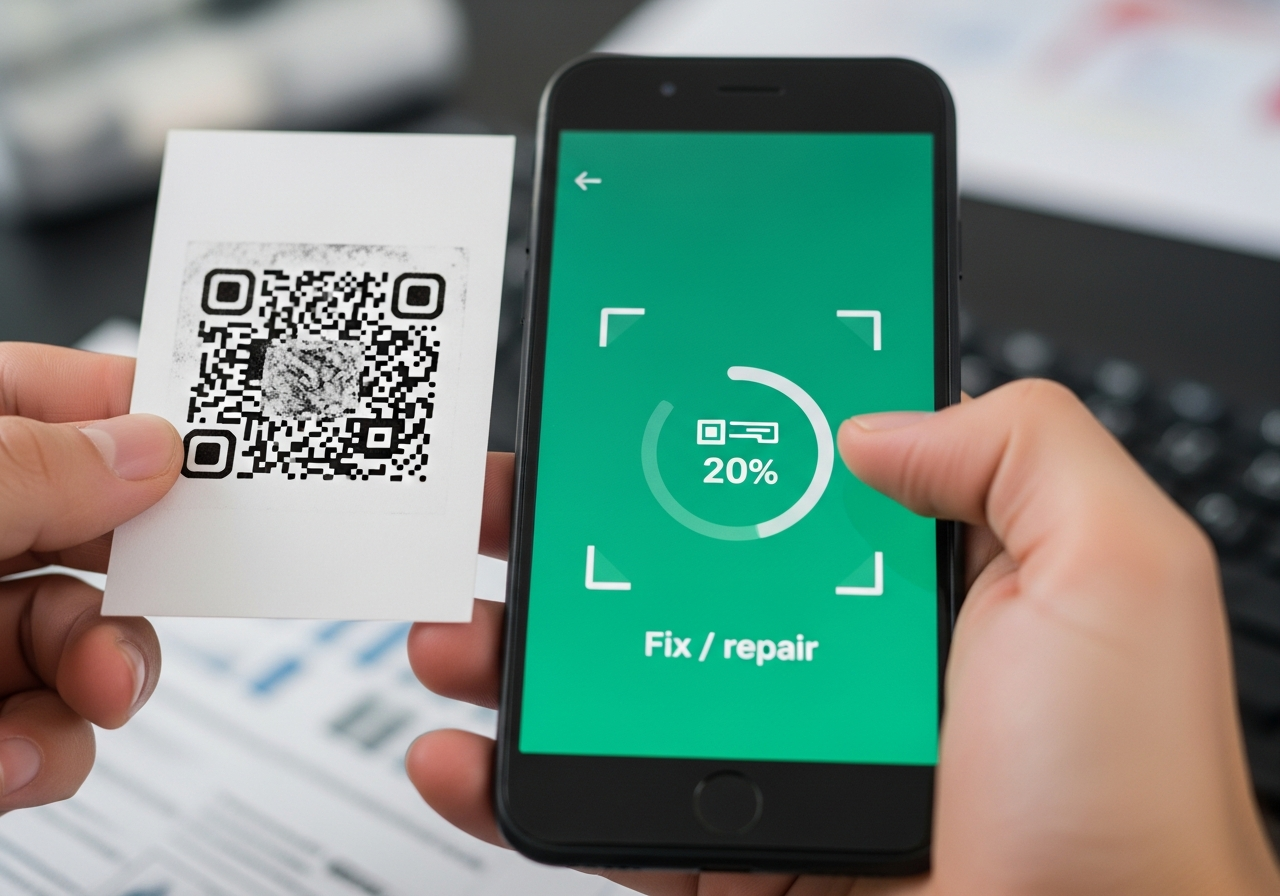
Placing your logo in the centre of the QR code is a popular way to boost brand recognition. Most generators allow this. However, it’s important not to let the logo obscure too much of the QR code’s data. Using a higher error correction level can help here, meaning the code can withstand a bit of damage or obstruction and still scan correctly. It’s a balancing act between making it look good and making sure it works every time. Xcan.it, for example, lets you insert your logo right in the middle, helping to create a fully branded QR code.
Generating Your Google QR Code
Right then, you’ve figured out what you need your QR code to do, and you’ve probably even had a play with some design ideas. Now comes the exciting bit: actually making the code itself. It’s not complicated, honestly. Most QR code generators work in a pretty similar way, and it usually boils down to a few simple steps.
Inputting Your Destination URL
This is the core of your QR code. It’s the web address, the link, the digital destination you want people to end up at when they scan your code. Whether it’s a specific page on your website, a Google Form you want feedback from linking to Google Forms for feedback, or even a Google Maps location, you’ll need that exact URL. Just copy it from your browser’s address bar and paste it into the designated field in your chosen QR code generator. Make sure it’s correct – a typo here means a broken link later on.
Generating the QR Code Image
Once you’ve pasted your URL, the generator will do the heavy lifting. It takes that web address and translates it into the pattern of black and white squares that make up a QR code. Most generators will show you a preview as you type or paste the URL. You’ll also have options here to tweak things like the error correction level, which is basically how much damage the code can sustain and still work. For most uses, the default is fine, but it’s good to know it’s there.
Downloading Your QR Code
After you’ve generated the code and are happy with how it looks (we’ll cover design in the next section, but you can usually do some basic customisation here too), it’s time to download it. You’ll typically have a few format options, like PNG, JPG, SVG, or PDF. PNG is usually a safe bet for digital use and most printing. SVG is a vector format, meaning it can be scaled infinitely without losing quality, which is great for professional printing. PDF is also good for print. Pick the one that best suits where you plan to use your QR code. The key is to get a clean, high-resolution image.
Optimising Your QR Code for Scans
So, you’ve designed your QR code, and it looks pretty snazzy. But does it actually work? Making sure your QR code scans reliably is just as important as how it looks. A code that doesn’t scan is, well, useless. Let’s talk about how to make sure yours works every time.
Ensuring High Contrast and Clarity
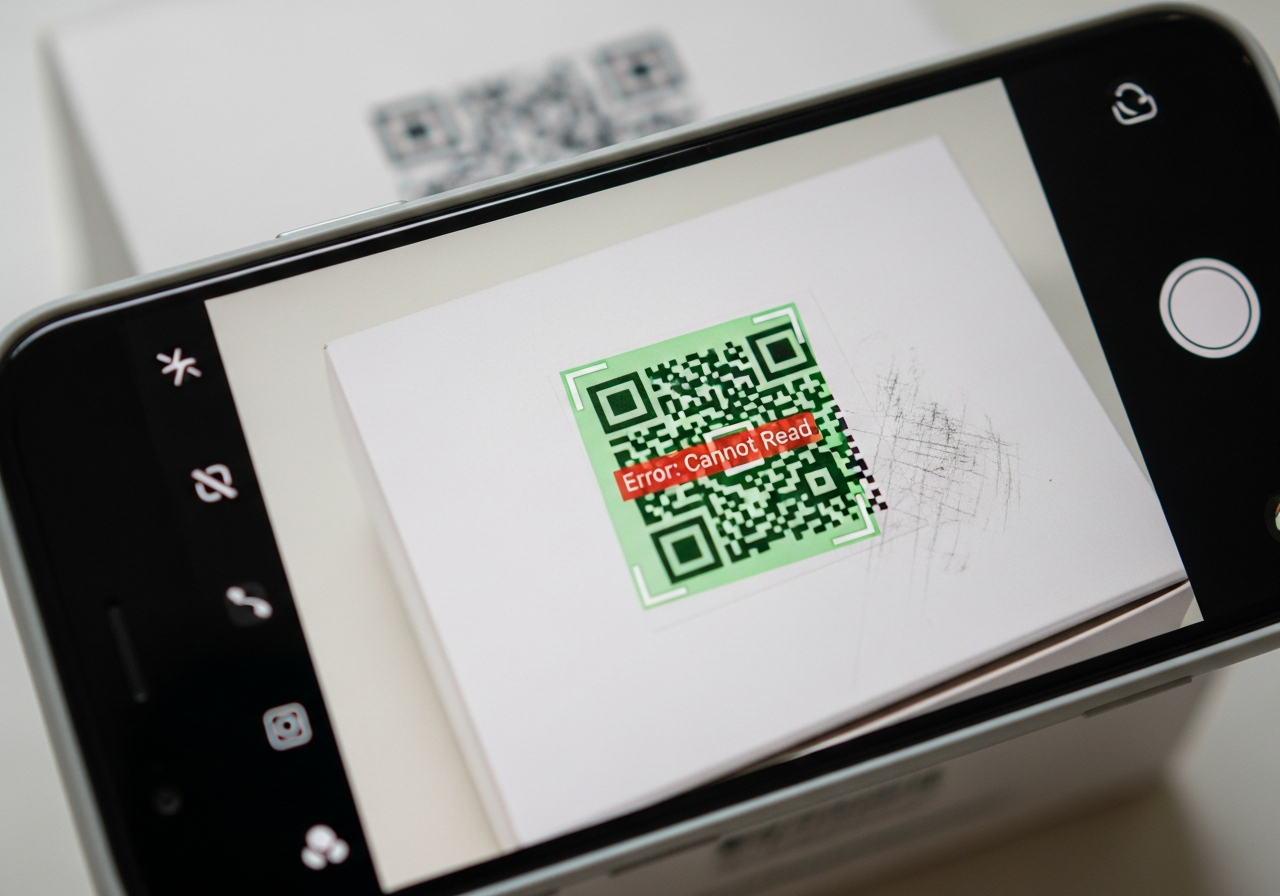
This is probably the most common reason a QR code won’t scan. Think about it: the scanner needs to see the dark squares against the light background clearly. If the colours are too similar, or if there’s a lot of busy design behind it, the camera struggles. The golden rule here is simple: use dark colours on a light background. Black on white is the classic for a reason – it’s the easiest for cameras to read. Avoid light colours, gradients, or metallic inks, especially if you’re printing on a busy surface. If you’re using a logo, make sure it doesn’t interfere with the main pattern of the code itself. A bit of contrast goes a long way.
The Importance of the Quiet Zone
Ever seen a QR code crammed right up against a picture or text? That’s a problem. That clear space around the QR code is called the ‘quiet zone’. It’s not just for looks; it tells the scanner where the code actually begins and ends. Without enough quiet zone, the scanner can get confused and won’t be able to read the data. Aim for at least four ‘modules’ (those little squares) of clear space on all sides. This is especially important if you’re placing your QR code on packaging or in a busy advertisement.
Sizing Your QR Code Appropriately
Size matters, especially when it comes to distance. A tiny QR code on a large poster won’t scan if people are standing metres away. A good rule of thumb is the ’10x rule’: the scanning distance should be about 10 times the width of the QR code. So, if your code is 2cm wide, people should be able to scan it from about 20cm away. For something like a poster that people view from a few metres off, you’ll need a much larger code – maybe 10-20cm wide. Always think about where your QR code will be placed and how far away people will be when they try to scan it. If you’re using a service like Xcan.it, you can create dynamic QR codes. This is handy because you can shorten the data, which keeps the modules larger and more legible, making scans more reliable. Plus, with dynamic QR codes, you can update the destination link without needing to reprint the code, which is a lifesaver if a link changes or an offer expires. You can also track scan analytics in one dashboard, helping you see what’s working in your real-world campaigns across print, signage, and other assets.
Practical Applications for Google QR Codes
QR codes are incredibly versatile, and when you link them to Google services, they become even more powerful. Think of them as little bridges connecting the physical world to your digital content. They’re not just for websites anymore; they can streamline interactions and provide instant access to information.
Directing to Google Maps Locations
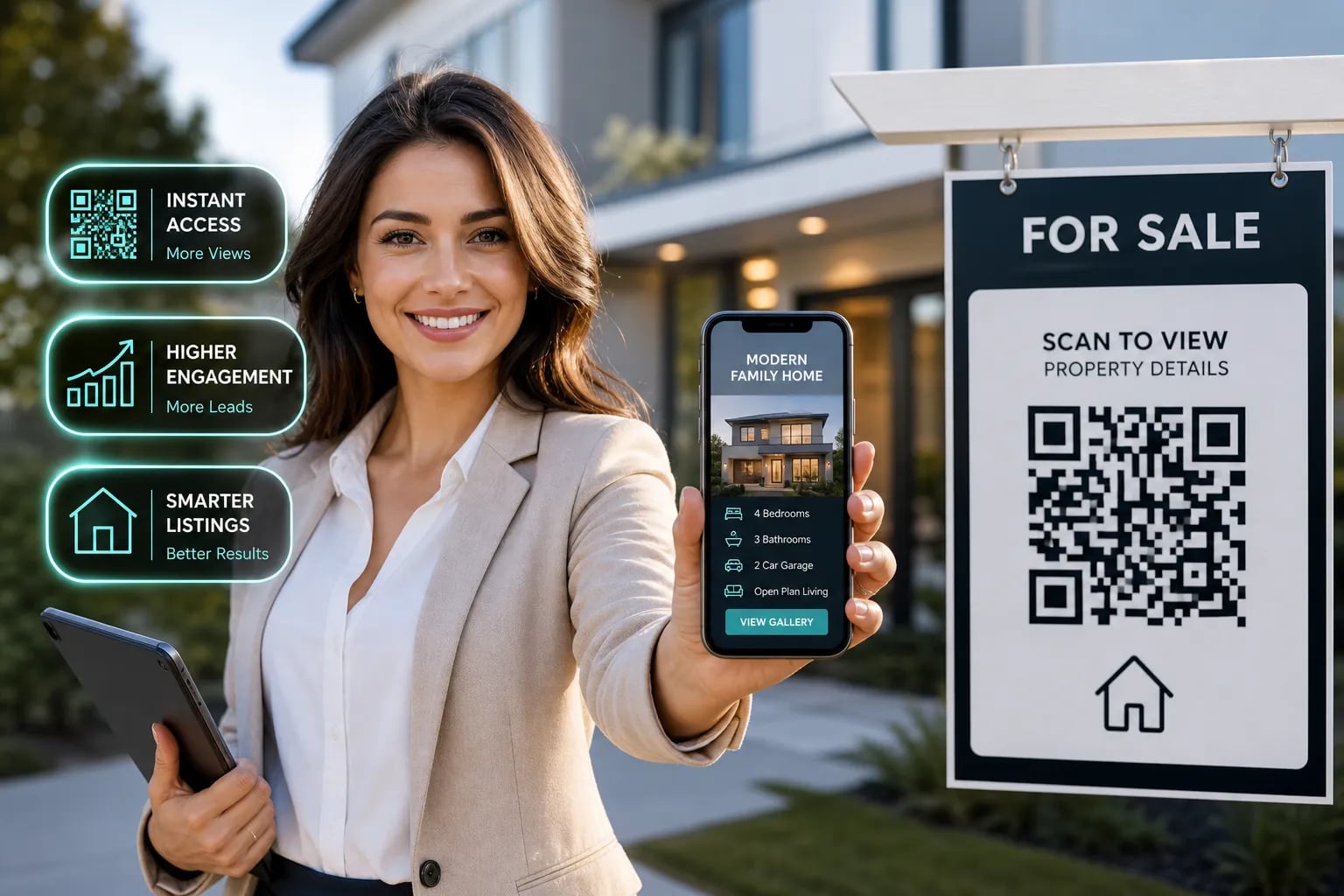
Imagine you’re running a small business with a physical location, or perhaps you’re organising an event. Instead of expecting people to type in an address, which can be a hassle, especially on a mobile device, you can use a QR code. When scanned, this code can directly open Google Maps with your precise location pre-filled. This makes it super easy for customers to find your shop, for guests to navigate to your wedding venue, or for attendees to locate a specific booth at a conference. It removes a common point of friction and ensures people get where they need to go without fuss. For businesses with multiple branches, this is a game-changer, allowing customers to instantly find the nearest one.
Linking to Google Drive Documents
Need to share a document, presentation, or spreadsheet with a group? Google Drive is a go-to for many. You can generate a QR code that, when scanned, takes users directly to a specific file stored in your Google Drive. This is brilliant for sharing meeting notes, project proposals, or even training materials. Instead of sending links via email, which can get lost, you can print the QR code on a flyer, a business card, or display it on a screen. This makes accessing shared information quick and straightforward for everyone involved.
Connecting to Google Forms for Feedback
Gathering feedback is vital for any business or project. Google Forms offers a simple way to create surveys and collect responses. By creating a QR code that links directly to your Google Form, you make it incredibly easy for people to share their thoughts. You could put this on a table at an event, on a product’s packaging, or at the end of a service. It encourages participation because the barrier to entry is so low – just a quick scan. This is a fantastic way to collect customer opinions, event feedback, or even sign-ups for a newsletter. The data collected can then be easily analysed in Google Sheets.
Using a service like Xcan.it takes these applications even further. With dynamic QR codes, you can update the destination link – whether it’s a Google Maps location, a Drive document, or a Forms survey – without ever needing to reprint the QR code itself. This means if your business address changes, or you update a document, the existing QR codes remain functional. Plus, Xcan.it provides a dashboard to track scan analytics, showing you how many people are interacting with your codes and where. This insight is invaluable for understanding campaign performance across print, signage, and other physical assets, allowing you to refine your strategy based on real-world data.
Advanced Features for Dynamic QR Codes
Updating Destinations Without Re-printing
Static QR codes are a bit like a tattoo – once they’re on, they’re on for good. If the link you’ve embedded needs to change, you’re stuck with reprinting everything. This is where dynamic QR codes really shine. With a dynamic code, the link behind the QR code can be updated at any time, even after it’s been printed and distributed. This means you can change a promotion, update a webpage, or correct a typo without ever needing to print a new QR code. It’s a massive time and cost saver, especially for campaigns that run over a period or involve physical materials like posters or product packaging.
Tracking Scan Analytics
Knowing how many people scan your QR code is useful, but understanding who is scanning, when, and where is even better. Dynamic QR code platforms often provide analytics dashboards. This lets you see scan data in one place. You can track performance across different campaigns, locations, or print materials. This information helps you see what’s working and what’s not, allowing you to adjust your strategy accordingly. For instance, you might find that QR codes on certain types of signage get more engagement than others.
Leveraging UTM Parameters for Campaigns
To really get the most out of your QR codes, especially for marketing, you can use UTM parameters. These are tags you add to the end of your destination URL. They tell your analytics tools (like Google Analytics) exactly where the traffic came from. For example, you could add parameters to show that a scan came from a specific poster in a shop, or from a flyer distributed at an event. This gives you incredibly detailed insights into the effectiveness of your offline marketing efforts and helps you measure the return on investment for each campaign.
Dynamic QR codes offer flexibility by allowing content to be edited even after the code has been printed. This functionality, combined with tracking and redirection capabilities, transforms static QR codes into versatile tools for various applications. Platforms like Xcan.it are built for this, letting you update links without reprinting, track scans from a central dashboard, and use dynamic QR codes to improve real-world campaigns across print, signage, and assets.
Printing and Deploying Your QR Code
So, you’ve designed your Google QR code and it looks fantastic. Now comes the part where it actually gets used in the real world. This is where things can get a bit tricky if you’re not careful, but with a few pointers, you’ll be deploying your codes like a pro.
First off, think about where your QR code will live. Is it going on a flyer that people will hold? A poster on a wall? A sticker on a product? The placement really matters for scannability. You want to make sure it’s easily accessible and not too far away for someone to scan.
Choosing the Right Print Format
When it comes to printing, you’ve got a few options, and the best one depends on your needs. For quick, one-off prints, a standard home printer might do the trick. If you’re going for something more professional or need a larger quantity, consider a local print shop. They can offer different paper types, finishes, and even durable vinyl options for outdoor use.
- Matte finishes are generally better than glossy ones, as they reduce glare, which can make scanning difficult.
- Vector formats like SVG or PDF are ideal for printing, especially for larger sizes, as they don’t lose quality when scaled.
- High-resolution PNGs (300-600 DPI) are also a good choice for print.
Best Practices for Print Placement
Placement is key. Think about the user’s journey. If it’s on a flyer, make sure it’s not crammed into a corner. If it’s on a poster, place it at eye level. And always, always leave enough space around the QR code – this is known as the ‘quiet zone’. Without it, scanners can get confused.
The quiet zone is that blank space surrounding your QR code. It’s like a buffer that helps scanners distinguish the code from its surroundings. Don’t skimp on it!
Testing Your QR Code Before Distribution
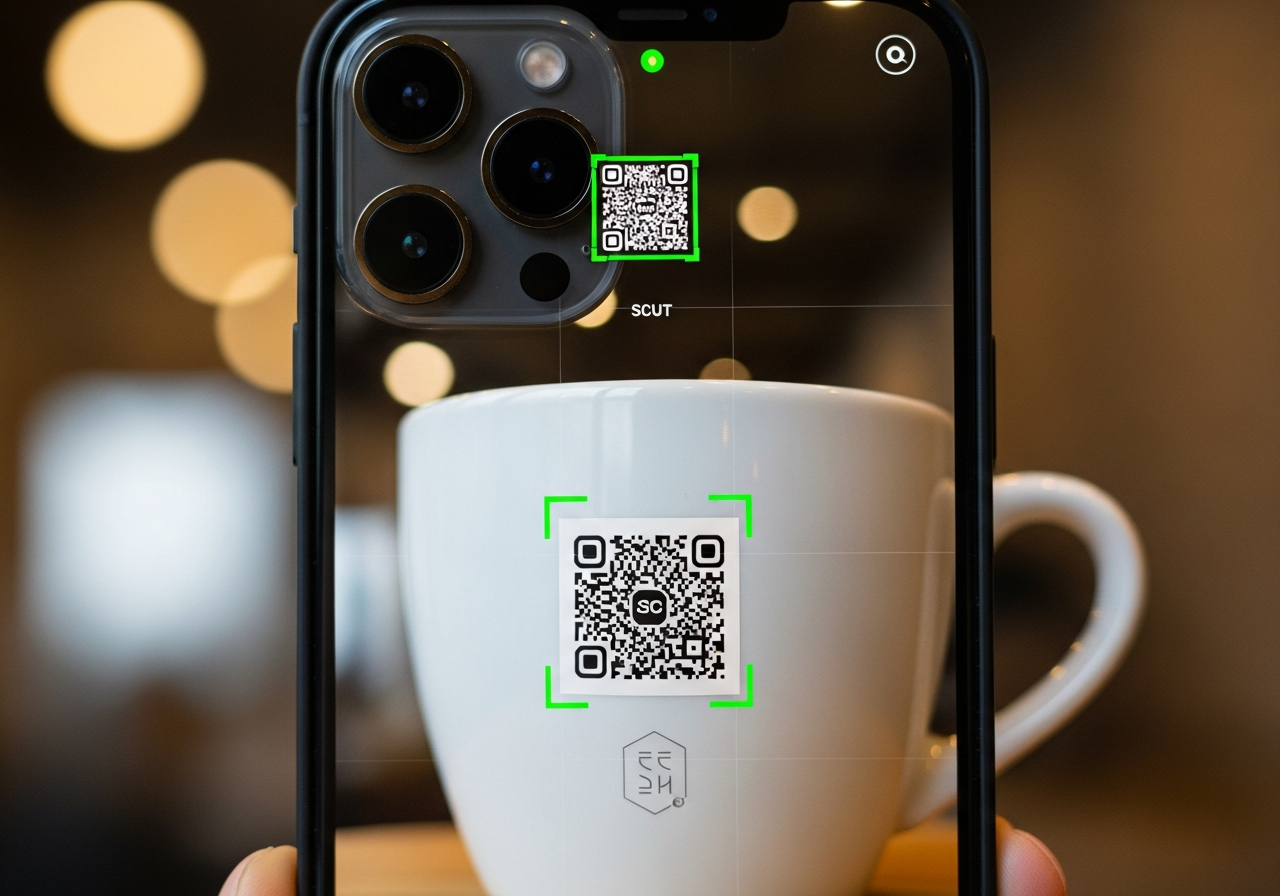
This is probably the most important step, and one that gets skipped far too often. Before you print thousands of flyers or posters, print just one and test it. Use different phones, different QR code scanner apps if you have them, and test it from a typical scanning distance. Check for glare, contrast, and overall scannability. If it’s not scanning perfectly, go back and tweak your design or generator settings. Tools like Xcan.it are brilliant here because they let you update the destination link without needing to reprint the code if you spot an issue or want to change where it leads later. Plus, you can track how many people are actually scanning your codes from one dashboard, which is super helpful for seeing what’s working in your real-world campaigns across print, signage, and other assets.
Once you’ve designed your QR code, it’s time to get it out there! You can easily print your QR code on flyers, posters, or even business cards. For digital use, you can deploy it on websites or social media. Ready to start sharing your dynamic QR codes? Visit Xcan.it today to learn more and get started!
Wrapping Up
So there you have it. Creating a Google QR code is pretty straightforward, and as we’ve seen, it opens up a whole world of possibilities for connecting your physical world to your digital one. Whether you’re directing people to your business website, a specific Google Map location, or even just a handy contact card, the process is simple and effective. Don’t overthink it; just give it a go. You might be surprised at how useful these little squares can be.
Frequently Asked Questions
What exactly is a Google QR code?
A Google QR code is basically a scannable square made of black and white squares. When you point your phone’s camera at it, it can take you to a specific place online, like a Google Maps location, a document in Google Drive, or a Google Form.
Why would I want to make a QR code like this?
It’s a super handy way to quickly share information. Imagine putting a QR code on a poster that takes people straight to your shop on Google Maps, or on a flyer that links to a special offer document. It makes it really easy for people to find what you want to share.
Can I make my QR code look unique?
Absolutely! Many QR code creators let you change the colours, add your logo, and even change the shape of the little squares. This helps make your QR code stand out and look professional, matching your brand.
What's the best way to make sure my QR code is easy to scan?
Make sure there’s a good contrast between the dark and light parts of the code, and leave a little clear space around it (called a ‘quiet zone’). Also, don’t make it too small for where you’re putting it – think about how far away someone will be when they scan it.
Can I change where the QR code goes after I've printed it?
Yes, if you use a ‘dynamic’ QR code generator. This is a really clever feature. It means you can update the link or destination without having to print a whole new batch of QR codes. It’s great for when details change!
Where can I use these QR codes?
You can use them almost anywhere! Think about putting them on business cards, posters, flyers, product packaging, signs, or even in emails. They’re useful for directing people to websites, maps, documents, forms, and much more.