Looking for the best qr app for android? You’ve probably noticed QR codes everywhere lately, from restaurant menus to product packaging. They’re a quick way to get information, but how do you scan them efficiently and safely on your Android device? We’ll walk you through the best options, whether you’re using your phone’s built-in camera or need a dedicated app.
Key Takeaways
- Most modern Android phones can scan QR codes directly using the built-in Camera app or Google Lens.
- If your phone’s camera doesn’t scan QR codes, check your camera settings to enable the feature or consider a dedicated app.
- When choosing a separate qr app for android, prioritise privacy, speed, and multi-format support.
- Look for apps that offer URL previews to help you avoid risky links.
- A good qr app for android should be ad-free and not track your usage.
1. Use Your Phone’s Built-In Scanner
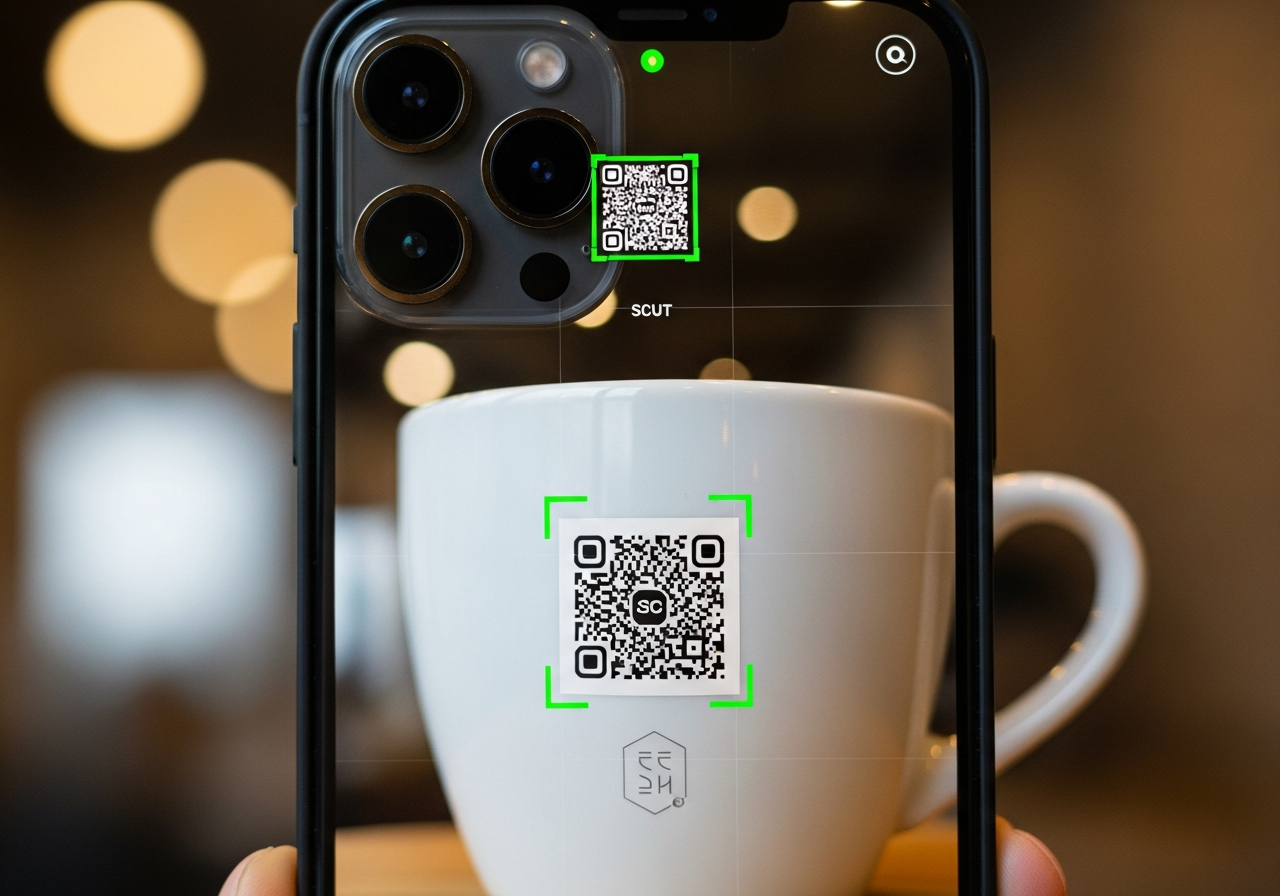
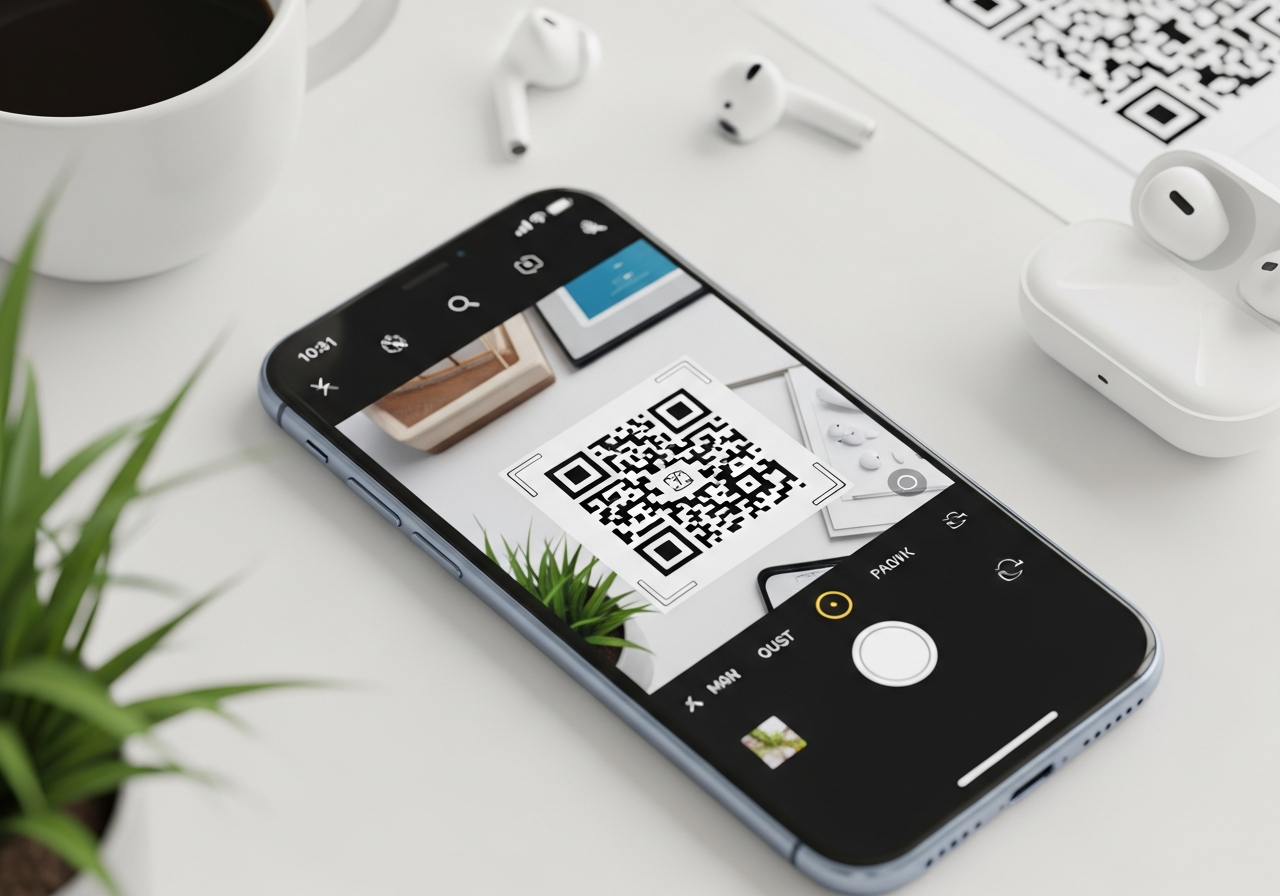
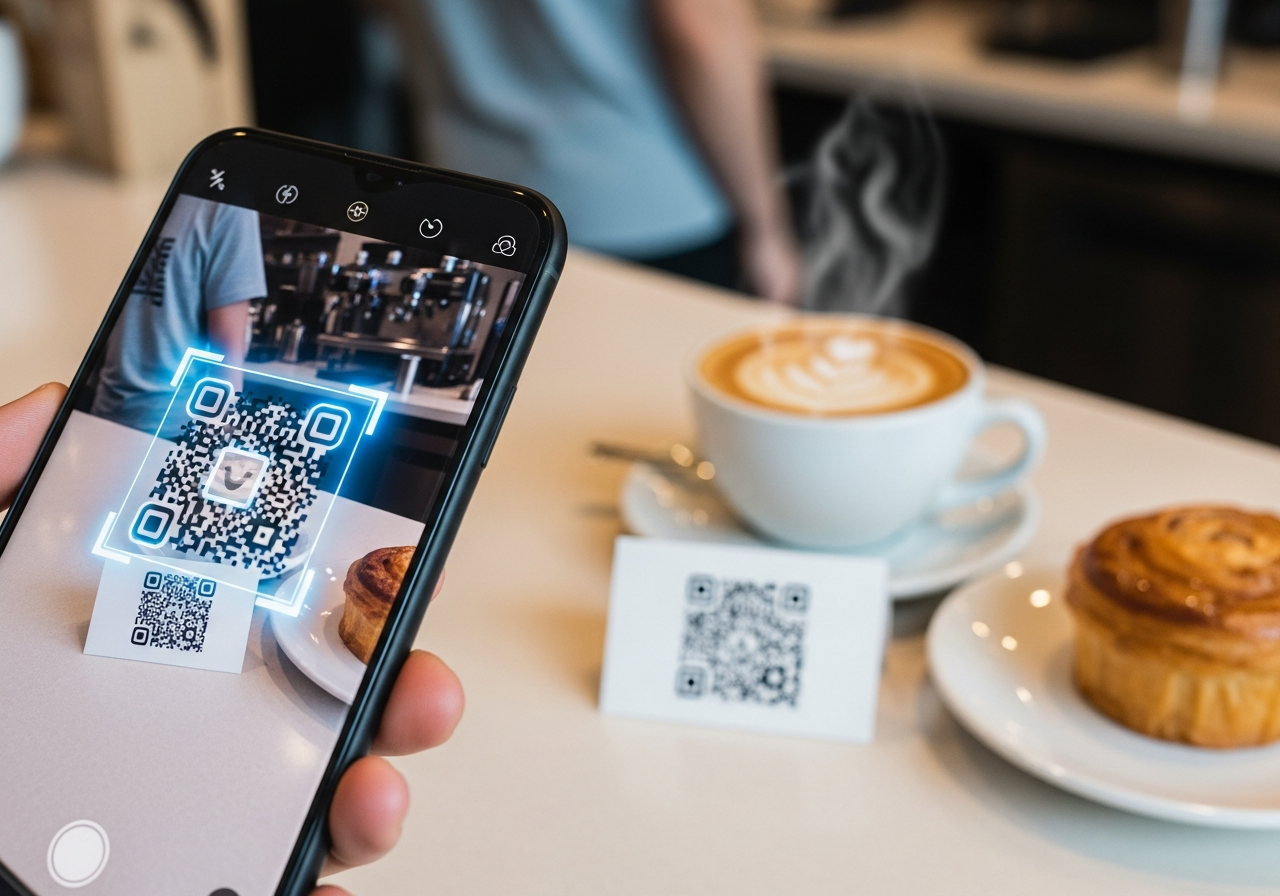
Most of the time, you probably already have a QR code scanner right in your pocket. That’s because the camera app on most modern Android phones and iPhones can read QR codes straight out of the box. No need to download anything extra, which is always a bonus. Just open your camera, point it at the code, and usually, a notification will pop up with a link to follow. It’s quick, it’s easy, and it’s generally quite safe because your phone will show you where the link is going before you tap it.
This built-in functionality is great for everyday use. However, if you’re looking to do more with your QR codes, like track how many people are scanning them or change where a code leads after you’ve printed it, you might need something a bit more advanced. Tools like Xcan.it allow you to update QR code links without reprinting, track scans in one dashboard, and use dynamic QR codes to improve real‑world campaigns across print, signage, and assets. This is super handy for businesses that want to get more out of their marketing materials. You can even update a poster’s link if a sale changes, all without having to print new ones. It really makes your campaigns more flexible and gives you insights into what’s working. For a quick overview of what makes a good QR app, check out this guide.
2. Choose A Reader That Respects Privacy
When you’re picking an app to scan QR codes, it’s really important to think about your privacy. Not all apps are created equal, and some might collect more data than you’re comfortable with. You want a tool that’s straightforward and doesn’t try to sneakily gather information about you or how you use it.
Look for apps that are upfront about their data policies and have minimal permissions. A good QR reader should primarily need access to your camera. If an app is asking for your contacts, location, or other personal details without a clear reason, it’s probably best to steer clear.
It’s also worth considering apps that offer advanced features without compromising your data. For instance, Xcan.it allows you to update the link behind a QR code even after it’s been printed. This is a game-changer for marketing campaigns or any situation where you might need to change the destination URL without the hassle and cost of reprinting everything. Imagine updating a poster with a new website address instantly, just by changing the link in your Xcan.it dashboard.
Furthermore, Xcan.it provides a dashboard where you can track how many times your QR codes have been scanned. This kind of insight is incredibly useful for understanding campaign performance and seeing what’s working. They also offer dynamic QR codes, which are perfect for improving real-world campaigns across print, signage, and even on physical assets. You get the flexibility to change the destination, track engagement, and ensure your QR codes are always pointing to the most relevant information.
Here’s a quick rundown of what to prioritise:
- Transparency: Clear privacy policy and minimal data requests.
- Security: Features like URL previews to warn you about potentially risky links.
- Functionality: Support for various QR code types and reliable scanning performance.
- Control: The ability to edit links after printing (dynamic QR codes).
Choosing a privacy-conscious app means you can scan with confidence, knowing your information is safe. It’s about finding a balance between useful features and respecting your digital footprint. For more on choosing the right tools, check out this guide on what is the best QR code reader app.
Ultimately, the best QR app is one that serves your needs efficiently while safeguarding your personal data. Prioritise simplicity, security, and the ability to manage your codes effectively.
3. Look For Multi-Format Support
While QR codes are everywhere, they aren’t the only type of scannable code out there. For a truly versatile app, you’ll want one that can handle more than just the standard QR format. Think about things like Data Matrix codes, which you often see on smaller items like electronics or medicine packaging, or even Code 128, commonly used in logistics and shipping.
Having an app that supports multiple formats means you’re covered for pretty much any situation. You won’t have to switch between different apps or miss out on information just because it’s in a different code type. It’s about having one go-to tool that just works, whether you’re scanning a product label, a train ticket, or a poster.
This is where services like Xcan.it really shine. They understand that real-world campaigns need flexibility. With Xcan.it, you can create dynamic QR codes, which is a game-changer. It means you can update the link a QR code points to without having to reprint the code itself. Imagine you’ve got a poster with a QR code, and the event details change – no problem, just update the link online. Plus, you get a dashboard to track all your scans, giving you insights into how your campaigns are performing across print, signage, and other assets. It’s about making your real-world marketing smarter and more adaptable.
4. How To Pick A QR Code Reader
So, you’ve decided you need a dedicated QR code app. That’s fair enough. While your phone’s built-in camera is often good enough, sometimes you need a bit more oomph. But with so many options out there, how do you choose the right one? Let’s break it down.
First off, always try your phone’s native camera app first. It’s usually fast, secure, and doesn’t bombard you with ads. If that doesn’t cut it, or you need more advanced features, then it’s time to look at dedicated apps. When you’re browsing the app stores, keep an eye out for a few key things:
- Privacy is paramount: Look for apps that are upfront about their data policies. Ideally, they should be ad-free and not track your scanning habits. A good app will show you the URL before it opens, giving you a chance to back out if it looks dodgy.
- Multi-format support: While QR codes are the most common, you might encounter others like Data Matrix or PDF417, especially on tickets or packaging. A versatile app will handle these too, saving you from needing multiple scanners.
- Speed and reliability: Does it focus quickly? Can it handle codes in less-than-ideal lighting? These small details make a big difference when you’re on the go.
For businesses or anyone running campaigns, tools like Xcan.it offer a significant advantage. Imagine printing a poster with a QR code, only to realise the link needs updating. With Xcan.it, you can actually update the destination link without having to reprint the entire poster. That’s a huge time and cost saver. Plus, you get a dashboard to track how many scans you’re getting, which is brilliant for seeing what’s working. They also offer dynamic QR codes, which are super flexible for improving real-world campaigns across everything from print ads to signage and even product packaging. It’s about making those connections between the physical and digital world as smooth as possible. You can find a good starting point with apps like QR & Barcode Scanner which offer a lot of functionality for free.
5. Quick Fact Block — Features & Benefits
When you’re looking for a QR app, it’s not just about scanning. The best tools offer a whole lot more to make your life easier and your campaigns more effective. Think about what you really need.
Here are some key features and benefits to consider:
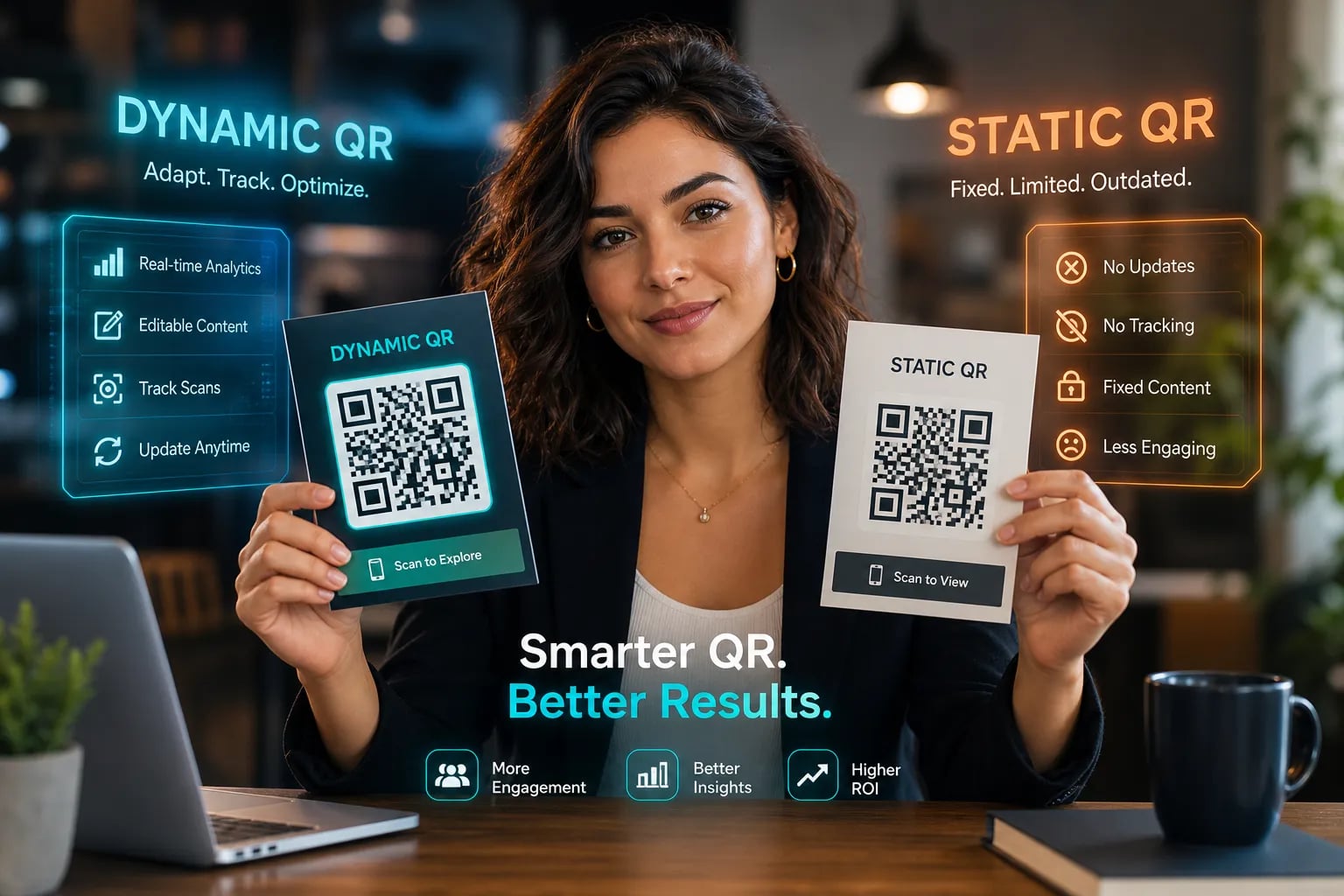
- Dynamic QR Codes: This is a game-changer. With dynamic codes, you can actually change the link or information the QR code points to after it’s been printed. So, if a website URL changes or you want to update a special offer, you don’t need to reprint all your materials. This saves time and money, especially for things like print signage or product packaging.
- Scan Tracking & Analytics: Ever wondered how many people actually scan your QR codes? Dynamic QR codes often come with a dashboard where you can track scan counts, see when and where scans are happening, and get a general idea of campaign performance. This data helps you understand what’s working and what’s not.
- Editability Without Re-printing: This ties into dynamic codes. Imagine a poster with a QR code linking to an event registration page. If the event date changes, you can simply update the link in your QR code management system, and the printed poster still works perfectly. No need to design and print new ones.
- Multi-Format Support: While QR codes are common, other formats like Data Matrix or PDF417 are used in specific industries (like logistics or ticketing). A good app or service will handle these too, meaning one tool can cover more of your needs.
- Privacy-Focused: Look for apps that are upfront about data collection. Ideally, they should be ad-free and not track your scanning habits without your explicit consent. Your privacy matters, and so does the privacy of those scanning your codes.
Choosing a QR solution that offers dynamic capabilities and tracking means you’re not just creating a static link; you’re building a flexible, measurable connection to your audience. It turns a simple square into a powerful marketing tool that can adapt and provide insights.
6. Built-In Scanning: What To Know
Most modern smartphones come with a built-in QR scanner, usually integrated right into the camera app. This means you don’t always need to download a separate application just to read a QR code. For iPhones, the Camera app handles it automatically, and you can even add a dedicated Code Scanner to your Control Centre for quicker access. On Android devices, many cameras will recognise QR codes by default, or you might need to enable Google Lens suggestions within your camera settings. Some phones even have a specific ‘QR’ mode you can switch on.
The biggest advantage of using your phone’s native camera is speed and simplicity. It’s ready to go straight out of the box, and it generally offers a safer preview of the link before you decide to open it, helping you avoid dodgy websites. This built-in functionality is perfect for everyday use, like scanning menus or event tickets.
However, there are times when a dedicated app might be more useful. If you’re dealing with different types of codes beyond standard QR, or if you need advanced features like batch scanning or detailed analytics, then a specialised app could be the way to go. For instance, services like Xcan.it offer dynamic QR codes. This is a game-changer because it means you can update the link a QR code points to without having to reprint it. Imagine you have a poster with a QR code linking to a product page, and you want to change that link to a sale page – with dynamic QR codes, you just update it in your dashboard. Plus, Xcan.it provides a dashboard to track scans, giving you insights into how your real-world campaigns are performing across print, signage, and other assets. It’s a powerful way to make your physical marketing more interactive and measurable.
7. How To Use Your Phone’s Built-In QR Scanner
Most modern smartphones have a QR scanner built right into the camera app, which is brilliant because it means you don’t need to download anything extra. It’s usually as simple as opening your camera and pointing it at the QR code.
Here’s a quick rundown on how to get it working:
- For iPhones: Just open the standard Camera app. Hold your phone steady so the QR code fills the frame. You should see a notification pop up at the top of the screen with the link. Tap it, and you’re off!
- For Android phones: It’s very similar. Open your camera app and point it at the code. Some Android phones might have a dedicated QR mode you can switch to, or you might need to enable Google Lens suggestions in your camera settings for it to work automatically.
The beauty of using your phone’s native camera is speed and simplicity. You get a preview of the link before you open it, which is a nice safety feature. No fuss, no extra apps, just a quick scan and you’re connected.
If you’re looking to do more with your QR codes, like updating links without reprinting, tracking how many people scan them, or using dynamic codes for more complex campaigns across print and signage, then a dedicated service like Xcan.it really comes into its own. But for everyday scanning, your phone’s camera is usually all you need.
8. FAQs
Got questions about scanning and creating QR codes? We’ve got answers.
Do I still need a separate QR app on my phone?
Usually, no. Most modern smartphones, both iPhones and Android devices, have a built-in QR scanner right in their default Camera app. This is often the quickest and most straightforward way to scan codes. You might only need a dedicated app if you’re looking for advanced features like scanning multiple types of barcodes beyond just QR codes, or if you need detailed analytics on your scans. For everyday use, your phone’s camera is likely all you need.
Here’s a quick rundown of what to expect:
- iPhone: Simply open the Camera app and point it at a QR code. A notification banner will appear at the top of the screen, showing you where the code leads. You can also add the ‘Code Scanner’ to your Control Centre for a dedicated full-screen scanning experience.
- Android: Many Android phones also scan QR codes directly through their Camera app. Some might require you to enable Google Lens suggestions within the camera settings, or there might be a specific ‘QR’ mode to select. If your default camera doesn’t scan, checking your camera settings for Google Lens integration is a good first step.
What if my phone’s camera isn’t scanning QR codes?
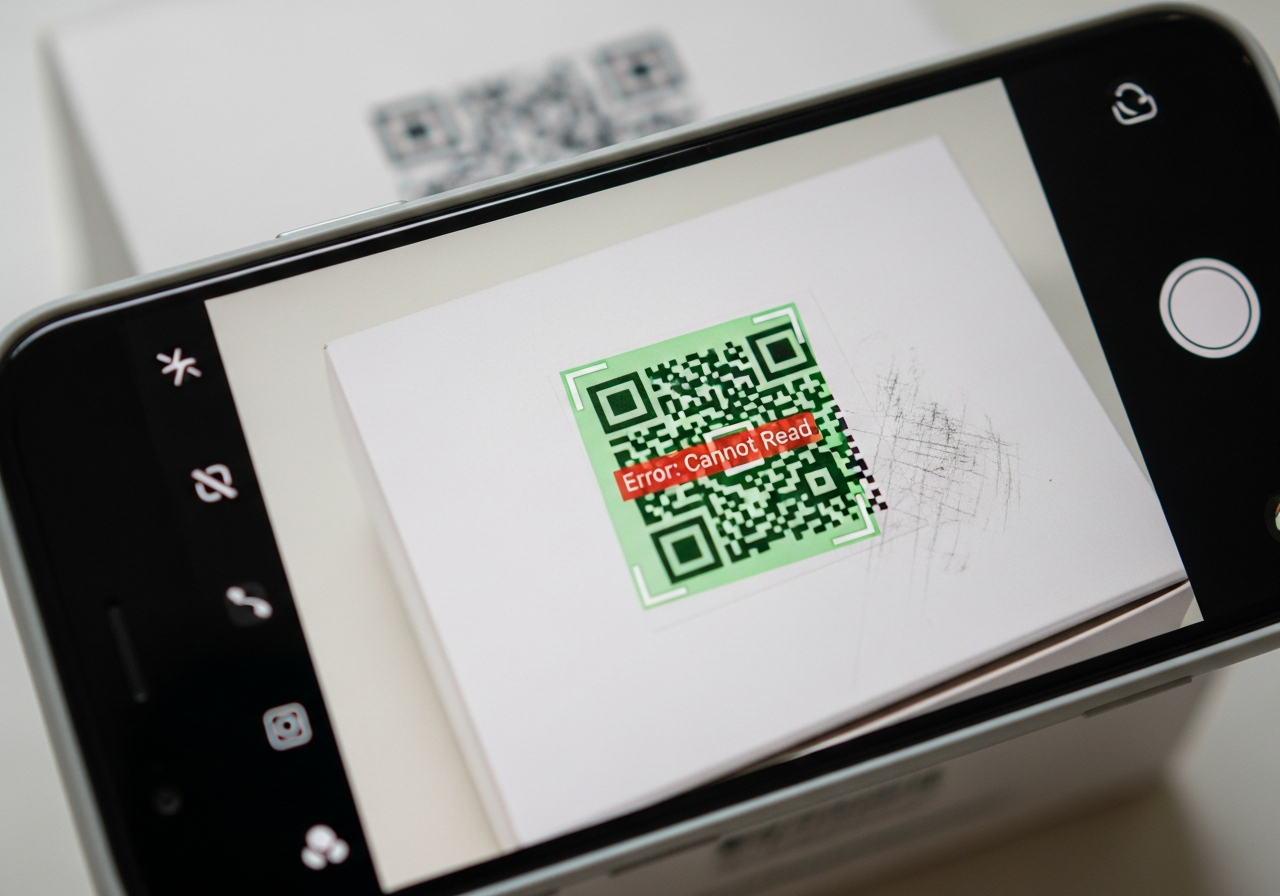
If you’re having trouble, there are a few common reasons and fixes. First, make sure the QR code itself is well-designed: it needs good contrast (dark on a light background is best), a clear border around it (the ‘quiet zone’), and it shouldn’t be too small for the distance you’re scanning from. Glare from lighting can also be an issue, so try tilting your phone slightly. If the code is very complex or contains a lot of information, it might be harder to scan; sometimes shortening the link or using a dynamic QR code can help make the modules larger and easier for the camera to read. If you’re still stuck, exploring a dedicated QR reader app might offer more robust scanning capabilities.
How can I be sure a QR code link is safe?
This is a really important point. The best practice is to use a QR scanner that shows you a preview of the URL before it opens the link. This gives you a chance to see if the web address looks suspicious. Many built-in phone cameras do this automatically. If you’re using a separate app, look for one that explicitly offers this safety feature and warns you about potentially risky or shortened links. Always be a bit cautious if a link looks unusual or unexpected.
Can I create QR codes that I can update later?
Absolutely! This is where dynamic QR codes shine. Services like Xcan.it allow you to create QR codes where you can change the destination link after the code has been printed. This is incredibly useful for marketing campaigns, signage, or any situation where the linked information might change. You can update the link from your dashboard, and any new scans will go to the updated destination without you needing to reprint the physical QR code. Plus, you can track how many times your code has been scanned, giving you insights into campaign performance across print, signage, and other assets.
9. Related Guides
Looking to get more out of your QR codes? Whether you’re just starting or want to refine your campaigns, there are plenty of resources to help.
For those wanting to create their own codes, check out the free QR code generator which lets you design custom codes quickly. It’s a great way to get started with creating scannable links for websites, videos, or even contact information.
When you’re ready to think about how your QR codes perform in the real world, services like Xcan.it offer some really smart features. They allow you to update the destination link of a QR code without needing to reprint it – imagine changing a menu link on a poster without having to print a whole new batch! Plus, you can track how many times your codes are scanned through a simple dashboard. This is super useful for understanding what’s working in your marketing. They also offer dynamic QR codes, which are brilliant for improving campaigns across print, signage, and even on physical assets. You can change where the code points to at any time, making your campaigns more flexible and effective.
Here are a few more topics that might be helpful:
- Understanding Dynamic vs. Static QR Codes: Learn the differences and when to use each.
- Best Practices for QR Code Design: Tips on making your codes scannable and visually appealing.
- Tracking QR Code Scans: How to monitor performance and gather insights.
Using dynamic QR codes means you’re not locked into a single destination. This flexibility is a game-changer for businesses that need to adapt quickly or update information regularly, saving time and resources.
10. From Print To Instant Access — A Real-World QR Story
Imagine you’ve spent ages designing a flyer, getting it printed, and then realise you need to update the website link. With traditional print, that’s a costly mistake. But what if you could change the destination without reprinting? That’s where dynamic QR codes come in, and they’re changing how businesses connect with customers.
Take Sarah, for instance. She runs a small artisan bakery and wanted to promote a new seasonal menu. She designed a beautiful poster with a QR code linking directly to the menu page on her website. She printed hundreds of these posters and put them up around town. A few days later, she decided to add a special offer to the menu – a free coffee with any pastry purchase – but she didn’t want to reprint all the posters.
Using a service like Xcan.it, Sarah could simply log into her dashboard and update the destination URL for her existing QR code. The posters stayed the same, but the link now led customers to the updated menu with the special offer. This meant no wasted print runs and no outdated information floating around. It’s a simple change that saves time and money, and it keeps your marketing fresh.
Beyond just updating links, these dynamic codes offer valuable insights. Sarah could see exactly how many people scanned her posters, giving her a clear idea of which locations were most effective. This kind of tracking is invaluable for understanding campaign performance across different print materials, signage, or even assets like product labels [baa7]. It helps you see what’s working and what’s not, so you can adjust your strategy accordingly.
Here’s a quick look at the benefits:
- Update Links Instantly: Change where your QR code leads without needing to reprint anything. Perfect for promotions that change or websites that get updated.
- Track Scan Performance: See how many people are interacting with your codes. This data helps you measure the success of your print campaigns.
- Dynamic Control: Manage all your QR codes from a single dashboard, making it easy to update, disable, or monitor them.
This flexibility is a game-changer for businesses of all sizes. Whether it’s for a small market stall or a large-scale advertising campaign, dynamic QR codes provide a bridge between the physical and digital worlds that’s both efficient and insightful [c3e1]. They ensure your print materials remain relevant and effective long after they’ve been produced.
Remember when QR codes were just a bit of a novelty? We’ve seen them go from being a bit of a mystery to something super useful, especially when you want to give people quick access to information. It’s amazing how a simple square can bridge the gap between the physical world and the digital one, making things like sharing links or details as easy as a quick scan. This shift from needing to type things out to just pointing your phone is a game-changer for businesses and individuals alike. Ready to see how this technology can work for you? Visit our website to learn more and get started today!
So, What’s the Verdict?
Right then, we’ve had a good look at what makes a decent QR app for your Android phone. It turns out you don’t always need a fancy, paid-for app. Most of the time, your phone’s built-in camera will do the trick just fine. But if you’re after something a bit more, maybe for work or just because you like having options, remember to keep an eye out for speed, privacy, and whether it actually does what you need it to. Don’t get bogged down with loads of features you’ll never use. Simple, reliable, and safe – that’s the name of the game.
Frequently Asked Questions
Do I really need a separate app to scan QR codes?
Not usually! Most modern smartphones, both iPhones and Androids, have a built-in QR scanner in their camera app. This is often the quickest and safest way to scan. You might only need a separate app if you need to scan lots of different types of codes or want to track your scans.
Where can I find the QR scanner on my iPhone?
It’s super simple! Just open your regular Camera app. Your iPhone should automatically detect a QR code and show a notification banner. You can also add a ‘Code Scanner’ to your Control Centre for a more dedicated scanning experience.
How do I scan QR codes on an Android phone?
Many Android phones can scan QR codes straight from the default Camera app. If yours doesn’t, check your camera settings for an option to enable Google Lens suggestions or a specific ‘QR’ mode. If all else fails, a good third-party app is your next best bet.
How can I be sure a QR code link is safe to open?
The best QR scanners will show you a preview of the website link before you actually open it. This gives you a chance to spot anything suspicious. Always be cautious if a QR code looks odd or is in a place you weren’t expecting it.
What happens if my phone’s camera struggles to scan a QR code?
Sometimes, the code might be too small, too far away, or have poor contrast. Try to make sure the code is well-lit, flat, and fills the camera’s frame. A little bit of distance can also help the camera focus better.
Can a QR scanner app work even if I don’t have internet?
Yes, many QR scanner apps can read the code and show you the link even when you’re offline. You’ll only need an internet connection when you decide to actually visit the website or access the content the QR code points to.