UPI Payment QR Codes: Powering India’s Contactless Payment Revolution
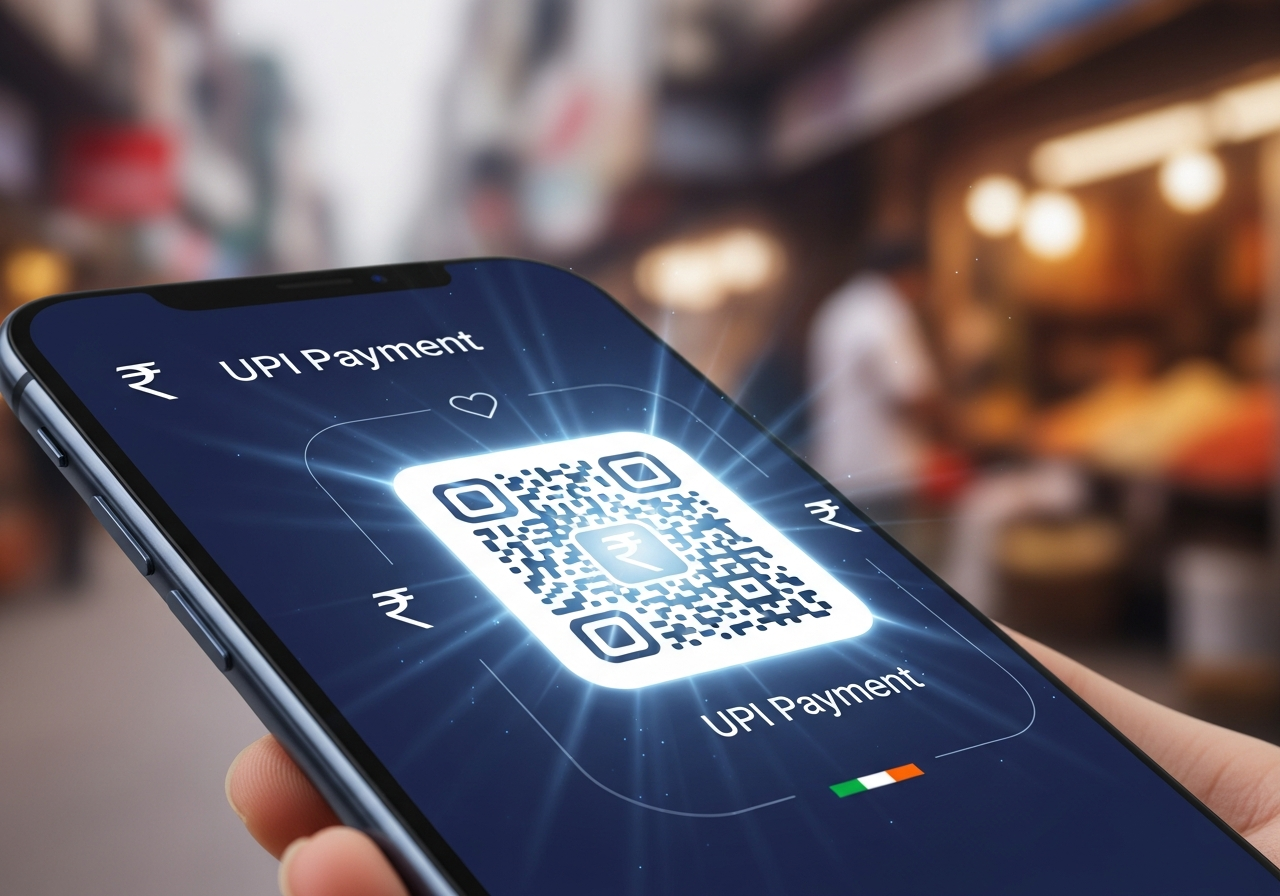
UPI payment QR codes are the everyday payment terminal of modern India. From chai stalls in Mumbai to fashion retailers in Bengaluru, customers simply scan a QR with their favourite UPI app and pay in seconds — no card swipe, no IFSC, no cash. For Yorkshire-based organisations selling into India, welcoming Indian tourists, or supporting Indian students and staff, understanding this behaviour is now strategic: UPI QR codes are shaping expectations around how “normal” fast, contactless payments should feel.
💡 Short answer
UPI payment QR codes are scannable codes that connect straight to a merchant’s UPI ID or bank account via India’s Unified Payments Interface (UPI). Customers open any UPI app (PhonePe, Google Pay, Paytm, a bank app, etc.), scan the QR, confirm the amount and authenticate — the money moves in real time with no card details shared. They’re ideal for India-facing businesses, exporters, universities, travel operators and remittance-heavy communities in Yorkshire who want to meet Indian customers where they already are. When you plug these into Xcan It’s dynamic QR platform, you keep the UPI payment rails but gain the missing layer: scan analytics, A/B tests by location or artwork, and the ability to manage UPI QR journeys alongside 15 other QR types in one place.
UPI QR codes in 30 seconds
- What they are: QR codes that encode a merchant’s UPI ID and payment details, so customers can pay by scanning with any UPI-enabled app.
- Where they work: shop counters, street stalls, taxis, delivery slips, WhatsApp messages, invoices, websites and TV screens across India — plus an increasing number of locations overseas.
- Who they help: India-focused SMEs, exporters, ed-tech providers, travel firms and Yorkshire organisations serving Indian tourists, students, relatives and remote teams.
- What you need: a UPI-enabled Indian bank account or PSP, a UPI QR from your bank/app or acquirer, and somewhere to display it (print or screen).
- Why Xcan It: manage UPI payment QR codes alongside 15 other QR types with dynamic routing, labels, A/B tests and scan analytics, so you can evolve journeys without reprinting.
How UPI payment QR codes work — step by step
1) What is a UPI payment QR code, exactly?
A UPI payment QR code is a QR that, when scanned, opens a UPI payment screen linked to a specific merchant or account. Behind the scenes, the QR holds key data defined by NPCI’s UPI standard, such as:
- The merchant’s UPI ID / VPA (e.g. shopname@bank).
- The merchant’s name and sometimes a merchant category.
- Optional fixed amount (say ₹199 for a set menu or ₹500 for a ticket).
- Optional notes or invoice references to help with reconciliation.
When a customer scans the QR with their UPI app, the app decodes those details, shows the merchant name, fills in the amount (for fixed-amount QRs) and asks the customer to authenticate with their UPI PIN or biometrics. The UPI rails then move money instantly between bank accounts — no card numbers, no IFSC codes, no wallet top-ups.
2) Xcan It supports UPI payments and 15 other QR types
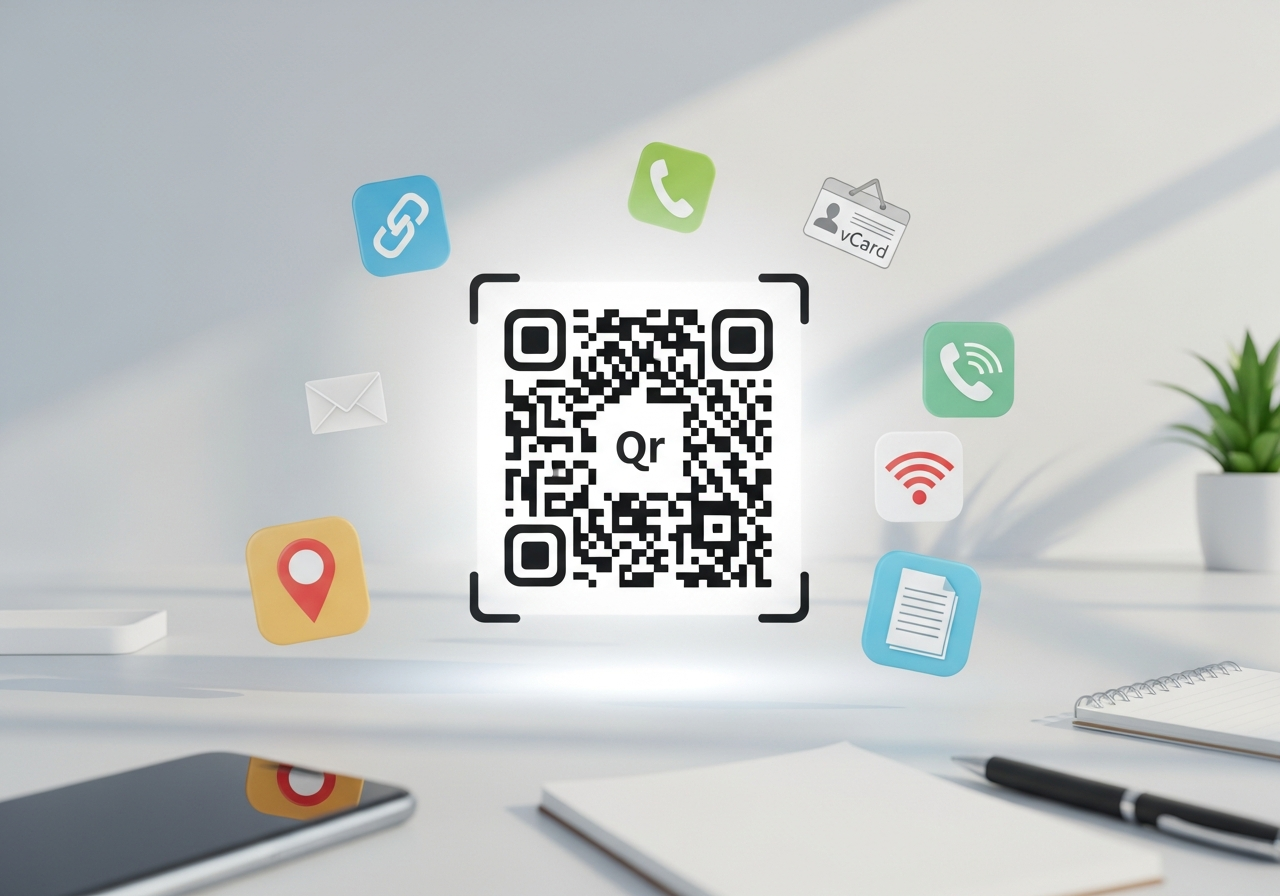
In the Xcan It ecosystem, UPI payment QR codes sit alongside 15 other QR types that UK and India-facing teams can combine:
URL, text, phone, SMS, Email, WhatsApp, Facetime, Location, WiFi, Event, vCard, Crypto, PayPal, UPI Payment, EPC Payment, PIX payment.
That means a Yorkshire-based business can design complete, cross-border journeys such as:
- Digital brochure → URL QR → UPI Payment QR for deposits on India-bound tours or training programmes.
- Offer landing page → URL QR for product details plus a UPI Payment QR for customers in India who prefer to pay by scanning.
- vCard QR → UPI Payment QR so Indian freelancers or agencies you partner with can collect small milestone payments from you or your customers.
3) How UPI QR codes power everyday life in India
To understand why UPI QR codes matter for Yorkshire, it helps to see how deeply embedded they are in India:
- Neighbourhood kirana shops – family-owned grocery stores display QR placards at the counter. Customers grab milk, scan a code, and walk out without touching cash.
- Metro-city cafés and chains – baristas in Bengaluru or Mumbai lean on UPI to keep queues moving. A single QR by the till serves hundreds of customers a day.
- Street vendors and auto-rickshaws – micro-merchants who once only took cash now stick laminated UPI QRs on carts, dashboards and helmets.
- Hospitals, schools and colleges – fees, donations and snack-shop purchases are increasingly routed through UPI QR codes for easier tracking and fewer cash leakages.
- Online-to-offline journeys – Instagram sellers, tuition teachers and influencers share UPI QRs via WhatsApp, letting followers pay remotely without sharing bank details.
For millions of Indians who later study, work or travel in the UK — including in Leeds, Sheffield, York, Bradford and Hull — this “scan to pay” habit is now second nature. They expect QR-led journeys, even when they’re paying in pounds.
4) UPI QR codes go global — and what that means for Yorkshire
UPI started as a domestic Indian payment system, but NPCI’s international arm has been signing deals to extend UPI acceptance abroad, including across Europe and, increasingly, the UK. In parallel, an India–UK trade agreement aims to make it easier for Indian visitors to pay in British shops by scanning QR codes and for UK-based relatives to send money back via UPI rails.
At the same time, regulators have been tightening rules around international QR usage to reduce fraud — for example, clamping down on “saved” QR images and emphasising live, at-merchant scans for overseas transactions. The direction of travel is clear: UPI is becoming more global, but more controlled.
For Yorkshire organisations, the practical takeaway is simple:
- Indian customers will increasingly be able to pay in the UK using UPI apps, even if the merchant receives settlement in GBP via local acquirers.
- UPI “scan to pay” UX will continue to shape expectations for how fast, simple payments should feel in Leeds, York and beyond.
- It’s smart to prepare your QR journeys now — so when acquirers and PSPs plug into UPI at scale, your signage, flows and analytics are already in place.
5) Static UPI QR vs dynamic QR journeys via Xcan It
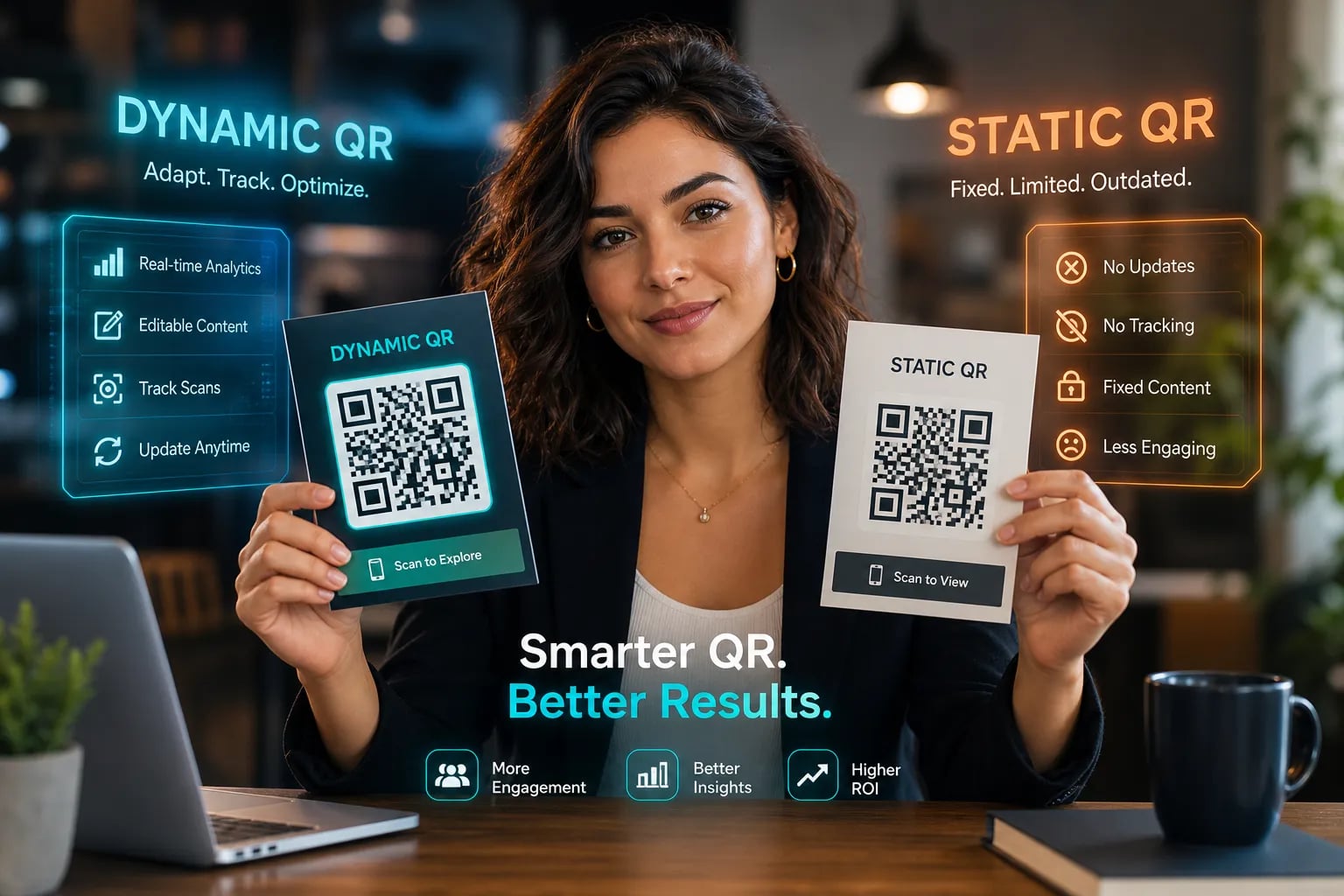
UPI providers and banks already give merchants free QR codes — which is brilliant, but also limited. There’s a big difference between sticking a static UPI QR on your counter and wrapping that experience in a dynamic QR journey using Xcan It:
- Static UPI QR (bank / PSP QR):
- Generated in a banking or PSP app in India.
- Printed or screenshotted and used as a fixed image.
- May be shared widely, including via messaging apps, without context.
- Reporting focuses on transactions inside the bank or PSP dashboard, not on where the scan came from.
- UPI journeys via Xcan It (dynamic):
- The printed QR points first to an Xcan It URL.
- Xcan It logs the scan (time, rough location, device, campaign tag, creative, placement).
- Xcan It then redirects to your chosen destination — which might be:
- a UPI-enabled payment page from your Indian bank or PSP,
- a landing page that explains pricing or T&Cs before the UPI step, or
- a tailored page for Indian travellers that signposts “Pay with UPI” among other options.
- You can change the destination at any time — for example, to a new PSP, a new campaign page or even a different payment method — while keeping the same printed QR.
UPI still handles the money, while Xcan It handles the orchestration, tracking and ability to adapt without reprinting.
6) What can Xcan It track around UPI QR codes?
Xcan It is not a bank, PSP or payment processor and never needs to see your UPI balances or customer account details. Instead, it captures the engagement layer just before your customer lands in their UPI app:
- Scan volumes over time – see whether UPI QR usage spikes during Diwali promotions, university intakes or tourist season.
- Location patterns – compare scans from QR codes used on India-only campaigns with those from posters or digital screens in Leeds, Bradford or York.
- Device and OS mix – understand whether your “Scan to pay with UPI” traffic skews towards particular devices, helping you tune creative and language.
- Placement performance – give each QR a distinct label (shop counter, in-room TV, prospectus, student welcome pack, pop-up stall) and find out which actually drives engagement.
This is the kind of intelligence that helps a Yorkshire organisation answer questions like: “Do Indian families actually scan the QR in our international prospectus?” or “Do our tour posters with ‘Pay by UPI’ messaging work better in Leeds city centre or at Manchester Airport?”
7) Realistic examples: UPI QR journeys linking India and Yorkshire
Let’s ground this in some plausible, cross-border scenarios:
- Leeds language school recruiting in India – a Yorkshire-based English language school runs recruitment fairs across Delhi, Mumbai and Bengaluru. Each city gets its own dynamic UPI QR in Xcan It on posters and flyers:
- Students scan, land on a short application page and then pay a small registration fee via UPI.
- Xcan It shows which cities and venues generate the most scans and which creative variants convert best.
- Bradford textile wholesaler selling to Indian boutiques – a wholesaler in Bradford ships fabric to independent fashion boutiques in India. Instead of relying solely on bank transfers, they share UPI-friendly payment journeys:
- Invoices and WhatsApp messages include a dynamic QR that routes Indian buyers to a page with order details and a UPI payment option.
- The journey is tagged in Xcan It so the wholesaler can see which regions, product lines or sales reps drive the most UPI-initiated payments.
- Yorkshire universities and Indian students – an international office in York or Sheffield includes a “Scan to see payment options” QR in offer letters and pre-arrival packs for Indian students:
- The QR leads to a dynamic Xcan It page that explains tuition and accommodation payment routes, including UPI-based options via partner PSPs for deposits.
- Analytics show which cohorts are most likely to engage with QR content, helping the university refine messaging and support.
- Leeds & Bradford Indian restaurants catering to tourists – as UPI acceptance rolls out at select UK merchants, a restaurant group in Yorkshire prepares:
- Table talkers and menus feature dynamic QRs labelled per branch (Leeds, Bradford, York).
- In India-facing digital campaigns, those QRs route to a “Reserve & pay deposit” flow that includes UPI among other options.
- Over time, branches can see which locations, tour partners or hotel concierges drive the most UPI-linked scans.
- Harrogate wellness retreats with Indian clientele – a retreat centre popular with Indian diaspora visitors shares UPI-friendly booking journeys:
- Instagram ads in India feature a dynamic QR that opens a landing page in English plus an optional Hindi explainer, then hands off to UPI payment rails.
- Campaign tags in Xcan It distinguish between organic scans (e.g. from shared screenshots) and scans from specific paid campaigns or influencers.
See how UPI QR works at the counter: this short BharatPe tutorial, filmed in India, shows a merchant setting up and accepting UPI QR payments in a real-world environment. It isn’t built on Xcan It, but it’s useful for visualising what your Indian customers already experience when they “just scan and pay”.
8) Pairing UPI QR codes with other QR journeys
Because Xcan It supports multiple QR types, UPI doesn’t have to sit in a silo. You can build richer journeys that reflect how customers actually move between countries, channels and devices:
- Event QR + UPI Payment QR: use an Event QR for registration at an education fair in Mumbai, followed by a UPI Payment QR for small holding deposits or application fees.
- URL QR + UPI Payment QR: send Indian traffic to a localised landing page in rupees, and only then offer a UPI payment QR — so customers understand who they’re paying and why.
- WiFi QR + UPI Payment QR: in Yorkshire cafés or hotels that cater to Indian travellers, pair WiFi QR logins with downstream UPI-friendly offers (donations, upsells, loyalty sign-ups) tracked in Xcan It.
- vCard QR + UPI Payment QR: consultants, agents or tour operators who travel between India and the UK can add both to printed materials: one QR saves contact details; the other facilitates small UPI payments or retainers.
Managing all of these within a single dynamic QR platform makes it far easier to test ideas, retire underperforming journeys and double down on the ones your Indian customers actually use.
Conclusion: UPI QR codes are normal in India — and coming to a Yorkshire journey near you
In India, UPI payment QR codes aren’t novel — they’re infrastructure. Billions of monthly transactions now flow through UPI, with QR-based payments handling a huge share of day-to-day spending. For Indian consumers, “scan and pay” is the default, not the exception.
That mindset doesn’t disappear when they land in Leeds, enrol in York, visit family in Bradford or work for a Yorkshire-based employer. It comes with them. As UPI gains a bigger footprint in the UK and other countries, Indian students, tourists, parents and business partners will increasingly expect journeys that recognise their existing payment habits.
By building your UPI-related QR journeys on Xcan It’s dynamic platform, you keep the best of both worlds: the speed, trust and ubiquity of UPI on the Indian side, plus the control, branding and analytics you need on the UK side. You see how often people scan, where they discovered you, which creatives work and when a different destination or message might perform better.
A practical way to start is to pick one narrowly defined use case — a specific Indian recruitment drive, a single export campaign, one pilot branch in Leeds or Bradford — and run it with dynamic UPI-enabled QR journeys in Xcan It. Measure real behaviour, not assumptions. From there, it’s much easier to decide whether to scale, adapt or park the idea than it is to debate QR strategies in the abstract.
FAQs
Do I need a special business UPI account to use UPI payment QR codes?−
You can generate UPI QR codes with both personal and business UPI setups through banks and PSPs in India. However, if you’re trading under a brand, reclaiming tax, or handling higher volumes, a business-oriented UPI arrangement is usually better. It gives clearer reporting, easier reconciliation and, in some cases, tailored limits and support. Xcan It doesn’t replace that banking relationship — it simply helps you orchestrate and track the QR journeys around it.
Can Xcan It see my UPI balances, customer bank details or PINs?+
No. Xcan It never sees your UPI PIN, customer bank account details or wallet balances. Those stay entirely inside regulated UPI apps and banking systems. Xcan It tracks scans and redirects: when and where a QR was scanned, which URL or campaign it belongs to, and which destination (for example, a UPI payment page) the user was sent to. The payment itself still runs through your bank or PSP, not through Xcan It.
Is it safe to put UPI payment QR codes on posters, counters or social media?+
UPI payment QRs are designed to be shared, but you should still treat them as critical payment infrastructure. In India there have been fraud cases where attackers stick counterfeit QRs over genuine ones or replace them on shared materials. Sensible practices include:
- Using tamper-evident holders or frames for printed QRs.
- Placing QRs where staff can easily see them, not in awkward corners.
- Checking regularly for stickers placed on top of your originals.
- Avoiding sending raw payment QRs in public posts if you don’t need to — using dynamic Xcan It URLs first gives you extra control and revocation options.
For higher-value transactions, you may still prefer one-to-one payment links or invoices rather than widely shared QRs.
What happens if my UPI setup changes or international rules are updated?+
If you only use static UPI QRs generated by a single bank or PSP, you may need to regenerate and redistribute codes when your setup changes (new account, new PSP, new compliance rules). If you’ve wrapped those payment flows inside dynamic Xcan It URLs, you can usually update the destination behind the existing QR instead — for example, pointing to a new PSP page, a new campaign or even a different payment method if UPI isn’t available in a given context.
That flexibility matters more as regulators refine how international QR payments should work. If certain “saved or shared” QRs are restricted in future, you’ll be in a better position if your journeys already run through a dynamic layer that you control.
Can I use multiple UPI QRs for different products, markets or locations?+
Yes. In practice, most serious merchants end up with many QRs: different ones for campaigns, branches, price points and partners. With Xcan It, you can:
- Issue distinct dynamic QRs per city, campus, stall, sales rep or partner.
- Tag each QR so that scans show up under the right campaign or channel.
- Point multiple QRs to the same UPI payment destination while still seeing which QR did the work.
All of this makes it easier to justify where you invest time and money next.
Do UPI payment QR codes work if the internet connection is poor?+
Customers generally need a working data connection on their phone to complete a UPI transaction, because their app must contact their bank and NPCI’s systems in real time. In low-coverage environments in India, merchants sometimes provide WiFi or position QRs where signal is strongest. If you’re using UPI-related journeys in Yorkshire for Indian customers, it’s worth:
- Making sure your venue’s WiFi or mobile coverage is reliable in the areas where QRs are displayed.
- Providing a fallback (like card or bank transfer) when connectivity drops.
- Explaining clearly on the landing page what to do if a UPI payment doesn’t go through.
The QR itself will still scan offline, but the payment step can’t complete without connectivity.
Talk to an Xcan It Specialist
Thinking about UPI payment QR codes for Indian campaigns, cross-border customers or India-UK journeys — and want to see how they actually perform? We’ll help you plug UPI Payment, Payment, Event and URL QR journeys into Xcan It’s dynamic tracking, routing and branding tools.