3 Best Dynamic QR Code Generators for UK Startups with Pros & Cons
Startups lean on QR codes for everything: product testing, early user acquisition, packaging, pitch decks, and even investor one-pagers. But not all dynamic QR platforms are built for the speed, budget limits, and pivots that define startup life. This guide investigates three QR code generators used by UK startups — and outlines the trade-offs your team should consider before committing to one too early.

💡 Short answer
The best dynamic QR code generator for a UK startup is the one that doesn’t slow you down, lock you in, or surprise you with pricing once you scale. Early-stage teams need editable (dynamic) QR codes, simple analytics, custom branding, and a clear GDPR position — without enterprise complexity. In this analysis, Xcan It, Uniqode, and Hovercode stand out for startups, each offering different strengths for fast-moving teams.
Top 3 dynamic QR code generators for UK startups
-
1. Xcan It — Best all-rounder for fast-moving startups
Xcan It gives startups dynamic QR codes they can update anytime, branded designs, and lightweight analytics — without the heavy enterprise overhead. Early-stage teams benefit from its simplicity, clean UI, and UK-first approach to support and data expectations. It works well for packaging tests, beta launches, onboarding flows, and product updates.
Pros: Clean UI, strong branding options, UK-friendly approach, no-nonsense analytics.
Cons: Not built for high-complexity multi-market enterprises (yet). -
2. Uniqode — Most robust for growth-focused startups
Uniqode (formerly Beaconstac) offers strong governance, deep analytics, SSO, APIs, and structured workflows. Startups planning for rapid scale or enterprise customers may find these features invaluable. GDPR documentation and security credentials (including SOC 2 / ISO 27001) make it easier when selling into corporate clients.
Pros: Enterprise-level credibility, detailed analytics, API-friendly.
Cons: Pricing escalates quickly; may be too heavy for early MVP cycles. -
3. Hovercode — Best free-to-start dynamic QR platform
Hovercode is startup-friendly with free dynamic QR codes, editable links, and simple scan tracking. Its custom domain support is a big advantage for early branding. It lacks some deeper governance features but is ideal for early-stage launches, pitch decks, and product tests.
Pros: Free dynamic QR codes, no expiry, branded pages.
Cons: Lighter analytics; fewer enterprise controls.
Each of these tools works well for a different kind of startup — the key is matching a platform to your team’s stage, speed, and future plans.
How to choose the right QR platform for your startup
- Start with your timeline. Are you testing fast with MVPs, or preparing for enterprise partnerships?
- Check GDPR and data transparency. Even small startups must justify where data lives.
- Make sure dynamic QR codes are truly editable. Some “dynamic” platforms hide limits in small print.
- Avoid early lock-in. Prefer providers with custom domains and export options.
- Check the free tier honestly. Scan caps, watermarks, or tracking restrictions can break live tests.
FAQs
Why should startups use dynamic QR codes instead of static ones?−
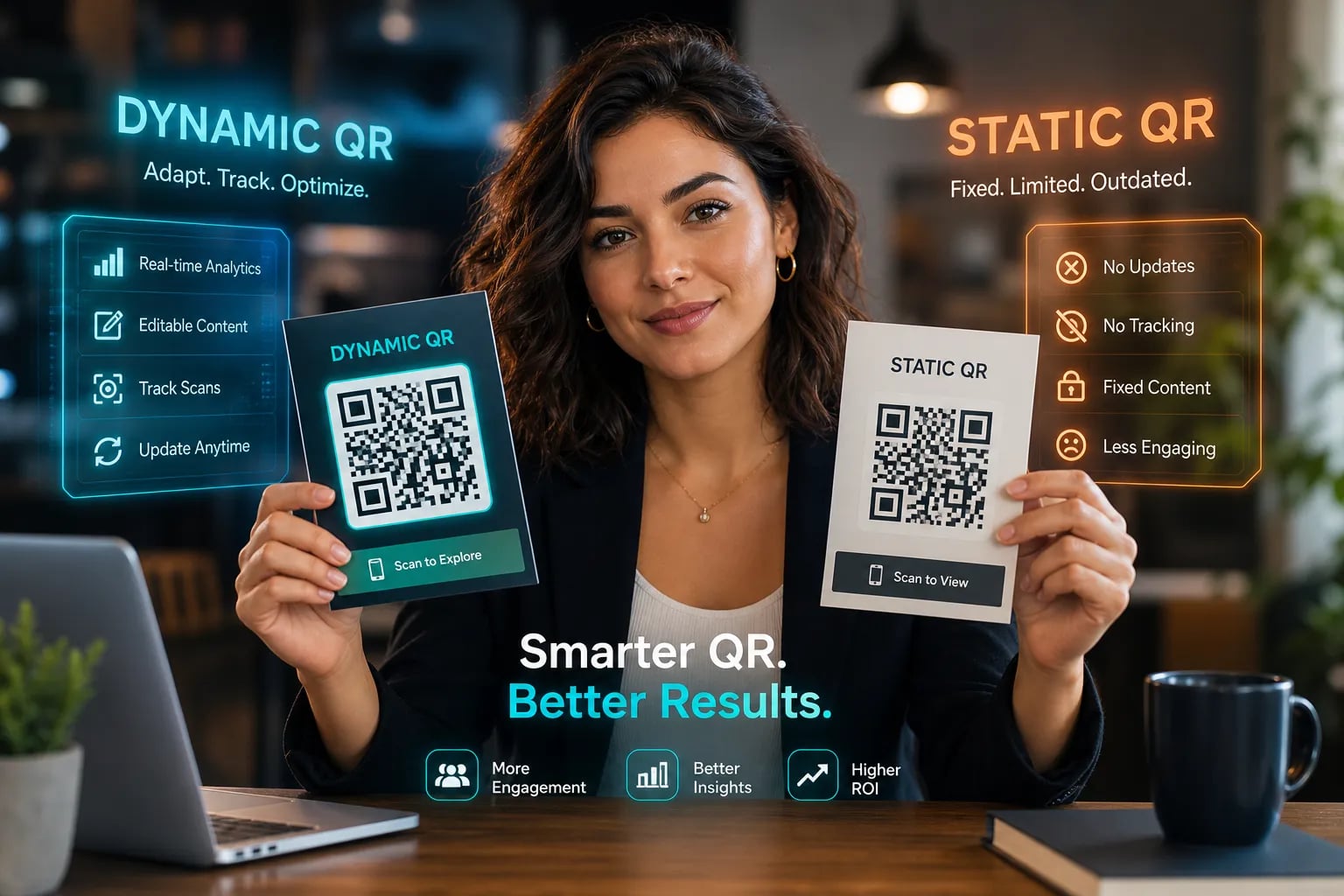
Dynamic QR codes let you update the URL after printing — essential when testing landing pages, product messaging, pricing, or signup funnels. Static codes force you to reprint everything when plans change.
Are free QR code generators safe for startups?+
Free plans are useful for MVPs, but they often include watermarks, weaker uptime, or hidden limits. As soon as your QR codes appear on packaging or investor materials, it’s worth upgrading.
What matters more: design options or analytics?+
Branding matters for credibility, but analytics help startups understand traction, activation, and user behaviour. The best platforms offer both without forcing you into enterprise pricing.
Do startups need GDPR compliance from day one?+
Yes. Even if you aren’t collecting sensitive data, investors and customers increasingly expect proper GDPR posture — including data residency, subprocessors, and retention policies.
Talk to an Xcan It Specialist
If you're a UK startup rolling out QR codes across packaging, testing pages, or early customer journeys, we can help you build a setup that scales without lock-in.