7 Dynamic QR Code Generators for UK Enterprises (Ranked)
For UK enterprises, QR codes are no longer a campaign gimmick. They sit on packaging, contracts, out-of-home media, and service journeys where downtime, data leakage, or broken redirects are not an option. Behind every scannable square is a platform deciding what data is captured, where it is stored, and how easily you can move away. In this guide, we rank and review seven leading dynamic QR code generators through an enterprise lens — uptime, governance, GDPR, and vendor lock-in — not just pretty codes.
💡 Short answer
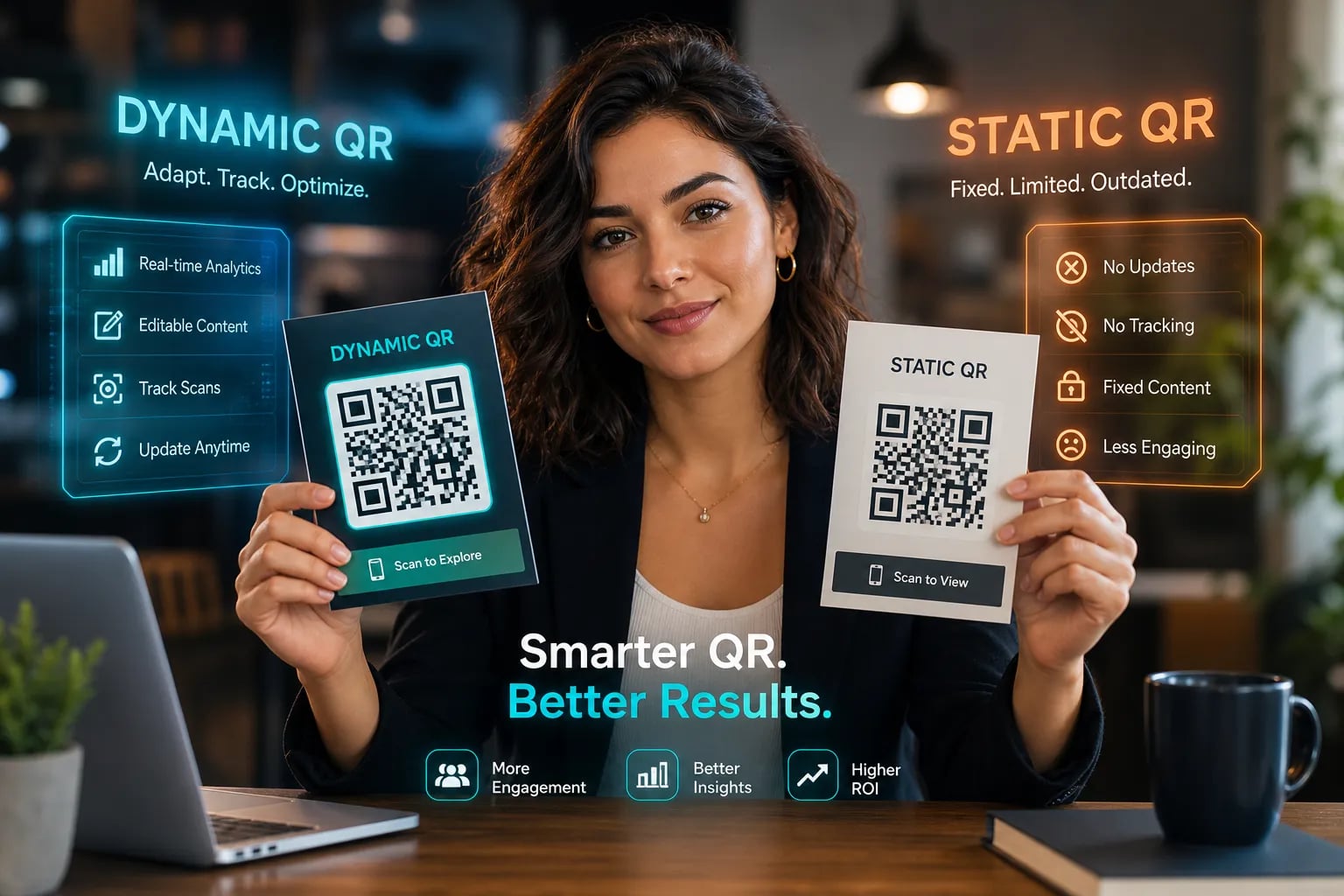
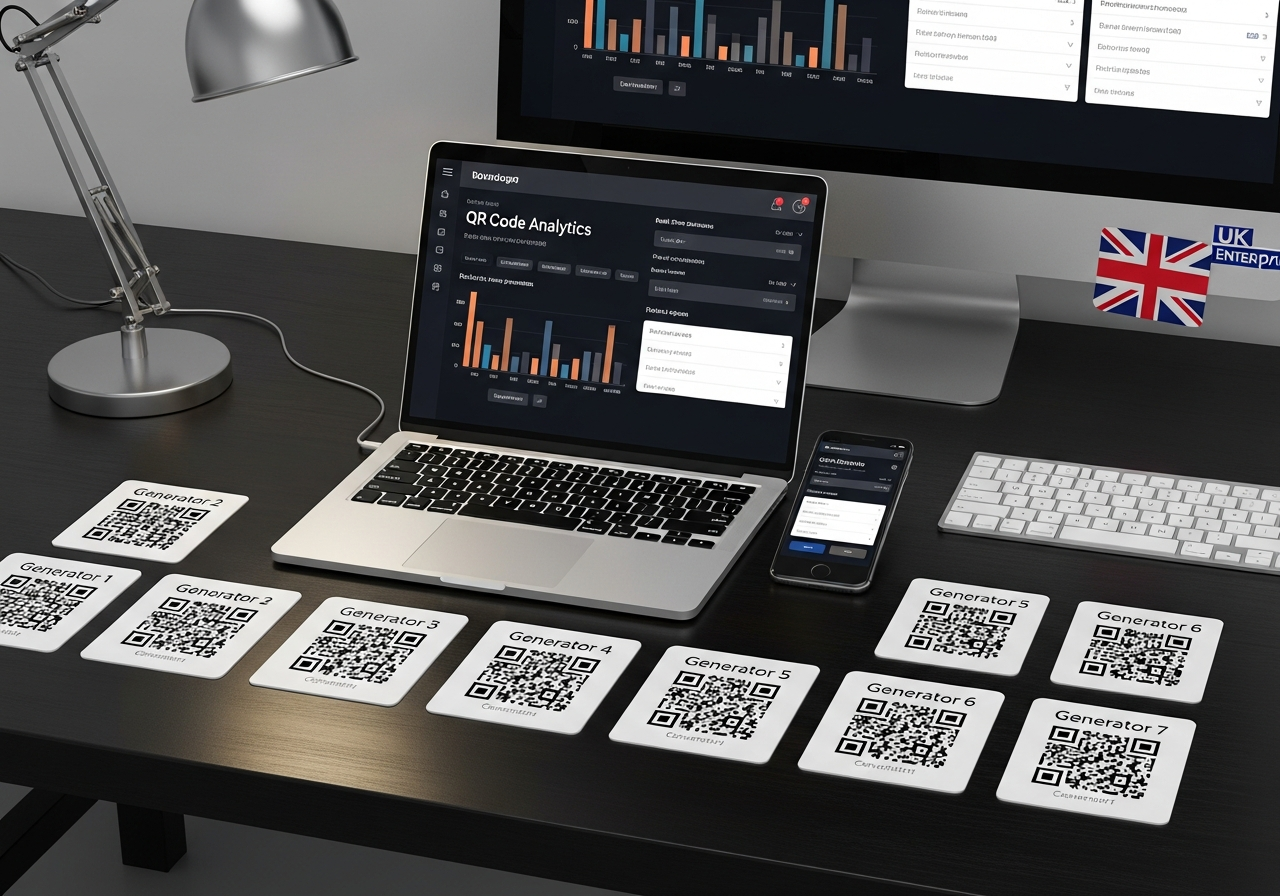
The “best” dynamic QR code generator for a UK enterprise is the one that gives you predictable control over links, data, and risk – not just the largest icon library. That means a platform with strong governance (roles, SSO, audit logs), honest limits on codes and scans, clear GDPR / UK GDPR positioning, and an exit route if you ever need to migrate. In this ranking, Xcan It, Uniqode, Flowcode, QR TIGER, Scanova, QRBase, and DynamicQRCodes.co.uk all make the cut, but for different reasons: some excel at brand campaigns and first-party data, others at EU data residency or simple, UK-focused deployments. The sensible move is to treat QR as infrastructure, shortlist two or three providers, and test them with a real pilot before anyone signs a multi-year contract.
7 leading dynamic QR code generators for UK enterprises
- 1. Xcan It — Best for UK-first organisations that want control and clarity Xcan It focuses on helping organisations manage, update, and track QR codes across print, products, and service journeys without turning every use-case into a marketing project. It emphasises branded, high-contrast codes, practical analytics, and straightforward management so operations, marketing, and compliance teams can all work from the same infrastructure instead of scattered tools.
- 2. Uniqode — Enterprise all-rounder with deep governance and certifications Formerly Beaconstac, Uniqode positions itself as an enterprise QR infrastructure platform, offering dynamic QR codes, team workspaces, bulk creation, SSO, APIs, and centralised management. Its public materials highlight GDPR readiness and enterprise security standards, which makes it attractive to large organisations that need formal governance and auditability around QR use.
- 3. Flowcode — Strong for media, entertainment, and first-party data Flowcode’s enterprise offering is built around high-impact campaigns and conversion measurement, with tools for real-time analytics, first-party data capture, and integrations into broader marketing stacks. Their “Flowcode 2” platform and API are explicitly framed around helping brands measure ROI and connect offline audiences to digital experiences at scale.
- 4. QR TIGER — Feature-rich with strong security story QR TIGER’s enterprise plan combines a wide range of dynamic QR code types, advanced analytics, and collaboration features with a visible focus on security: the company states that it is GDPR and CCPA compliant and holds ISO 27001 certification, which will matter to risk-sensitive teams and procurement.
- 5. Scanova — Built for marketing and operations teams scaling up Scanova is a dedicated QR code management platform with dynamic codes, detailed analytics (down to device, browser, and location), and enterprise features such as multi-user access, custom permissions, SSO, bulk operations, and relationship management. It’s a solid fit for organisations that have outgrown basic generators and need to coordinate campaigns across multiple teams.
- 6. QRBase — EU-hosted, privacy-first QR infrastructure QRBase markets itself as an EU-based, fully GDPR-compliant QR platform with enterprise-grade security and privacy protections, making it appealing for organisations that want to keep data within the EU and foreground privacy in their QR strategy.
- 7. DynamicQRCodes.co.uk — Nimble UK-centric option with real-time tracking DynamicQRCodes.co.uk offers static and dynamic QR codes with real-time tracking and no-code setup. It’s a useful contender for smaller UK enterprise units or pilot projects that need to move quickly, test new QR journeys, and keep things simple before deciding whether to standardise on a heavier platform.
All seven platforms support editable (dynamic) QR codes and some form of analytics. Where they differ most is in governance, security posture, data residency, and how hard it is to leave once your estate grows beyond a handful of codes.
How to choose a dynamic QR code platform at enterprise scale
- Start with governance, not features. List who will actually touch QR codes — marketing, operations, product, legal — and check whether a platform supports SSO, role-based access, audit logs, and approval flows. If you can’t see who changed what, when, you will eventually have a problem.
- Demand clarity on data flows and hosting. Ask each provider where scan data is stored, which subprocessors are involved, and how you can switch off or minimise tracking for sensitive use cases. For UK organisations, having data in the UK or EU and a clear GDPR / UK GDPR story simplifies compliance conversations.
- Model “success pricing”, not just the entry tier. Enterprise plans often bundle limits on codes, workspaces, team members, or events. Work backwards from your roadmap: how many brands, markets, and journeys will you need in 12–24 months, and what will that cost on each platform?
- Check the migration path on day one. A good platform will let you use your own domain for redirects and export your links and analytics. If the only way out is to reprint every code you have ever issued, you are taking on unnecessary risk.
- Run a realistic pilot, not a demo sandbox. Set up a small but representative deployment — for example, across packaging, a service journey, and an internal process — and measure how quickly teams can create, approve, and update codes without hand-holding from the vendor.
- Align QR ownership with an accountable team. Decide whether QR sits with marketing, product, IT, or a joint working group. Without clear ownership, platforms sprawl, shadow tools appear, and nobody quite knows which QR codes are still live in the wild.
FAQs
What should UK enterprises prioritise when selecting a QR platform?−
Beyond basic features like editable links and analytics, the critical factors are governance (SSO, roles, audit logs), data residency and GDPR / UK GDPR readiness, SLAs and uptime commitments, and how easily you can migrate if the relationship changes. Treat the platform like any other piece of infrastructure: check contracts, security documentation, and integration options, not just the UI.
Is it risky to use a non-UK or non-EU QR code provider?+
Many QR platforms are headquartered outside the UK or EU, which is not automatically a problem — but it does change the data protection conversation. Your DPO or legal team will want to understand where scan data is stored, which laws apply, and whether appropriate transfer safeguards are in place. Providers that are explicit about GDPR compliance, data centres, and subprocessors make these discussions much easier.
Can we disable or limit analytics for sensitive use cases?+
Some platforms allow you to reduce or disable tracking for specific codes, which can help when you are dealing with sensitive locations or vulnerable users. Even when analytics are enabled, most reputable providers focus on device, time, and coarse location rather than directly identifiable information — but you should still make sure your privacy notices and internal policies reflect what is actually being captured.
Do we really need enterprise pricing, or will a smaller plan do?+
If QR is limited to a few campaigns, a business-tier or even advanced self-serve plan might be sufficient. Enterprise pricing makes more sense once you need centralised governance across brands and regions, custom SLAs, security reviews, and deeper integrations into your marketing or product stack. The red flag is not paying for “enterprise”; it’s running an enterprise estate on a free tool nobody officially owns.
Should we build our own QR infrastructure instead of using a SaaS platform?+
Some very large organisations do build or customise their own redirect and analytics layers, especially when QR is core to the product. But for most enterprises, the cost of building, securing, and maintaining that stack is higher than working with a specialised provider. A pragmatic approach is to use a platform that supports custom domains, rich exports, and APIs so that you can integrate deeply today while keeping the door open for more bespoke infrastructure later.
Talk to an Xcan It Specialist
Rolling out dynamic QR codes across multiple brands, sites, or markets? We’ll help you design QR journeys that are trackable, compliant, and resilient — without trapping you in a black-box platform.