You know, sometimes the simplest things make the biggest difference. Like connecting to Wi-Fi. It should be easy, right? But then you’re faced with a long password, or you’re not sure if you’ve typed it right. That’s where a Wi-Fi QR code comes in. It’s a handy little tool that makes getting online a breeze. We’ll walk you through how to generate one yourself, so you can stop worrying about passwords and start enjoying the connection.
Key Takeaways
- A Wi-Fi QR code stores your network name (SSID), security type, and password, allowing quick connection via smartphone scan.
- Generating a Wi-Fi QR code is straightforward and involves gathering network details and using an online generator.
- Consider adding branding to your QR code and explore dynamic options for easier updates and tracking.
- Proper placement and ensuring scanability are important for a smooth user experience.
- Wi-Fi QR codes can simplify access for guests and customers, reducing interruptions for staff.
Understanding Wi-Fi QR Codes
What Exactly Is A Wi-Fi QR Code?
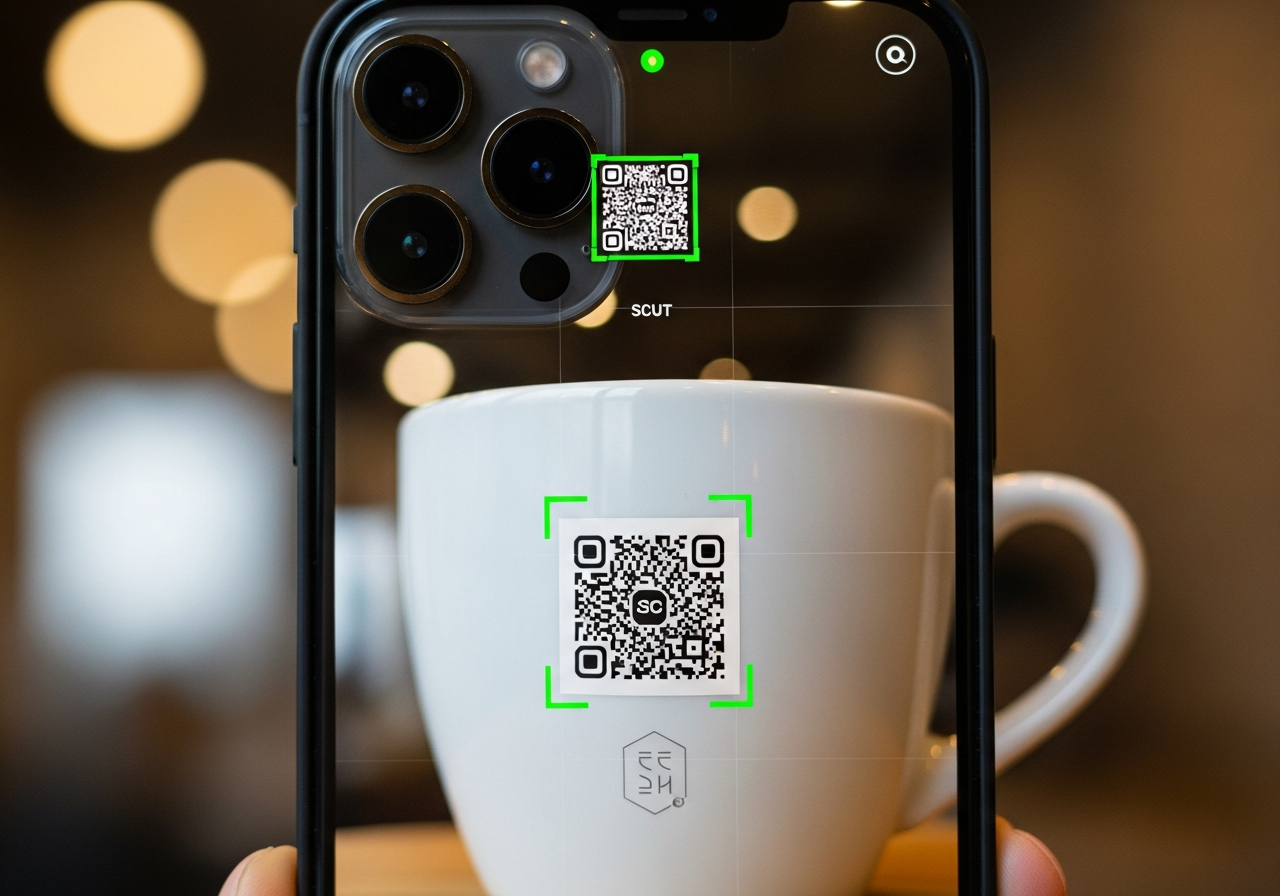
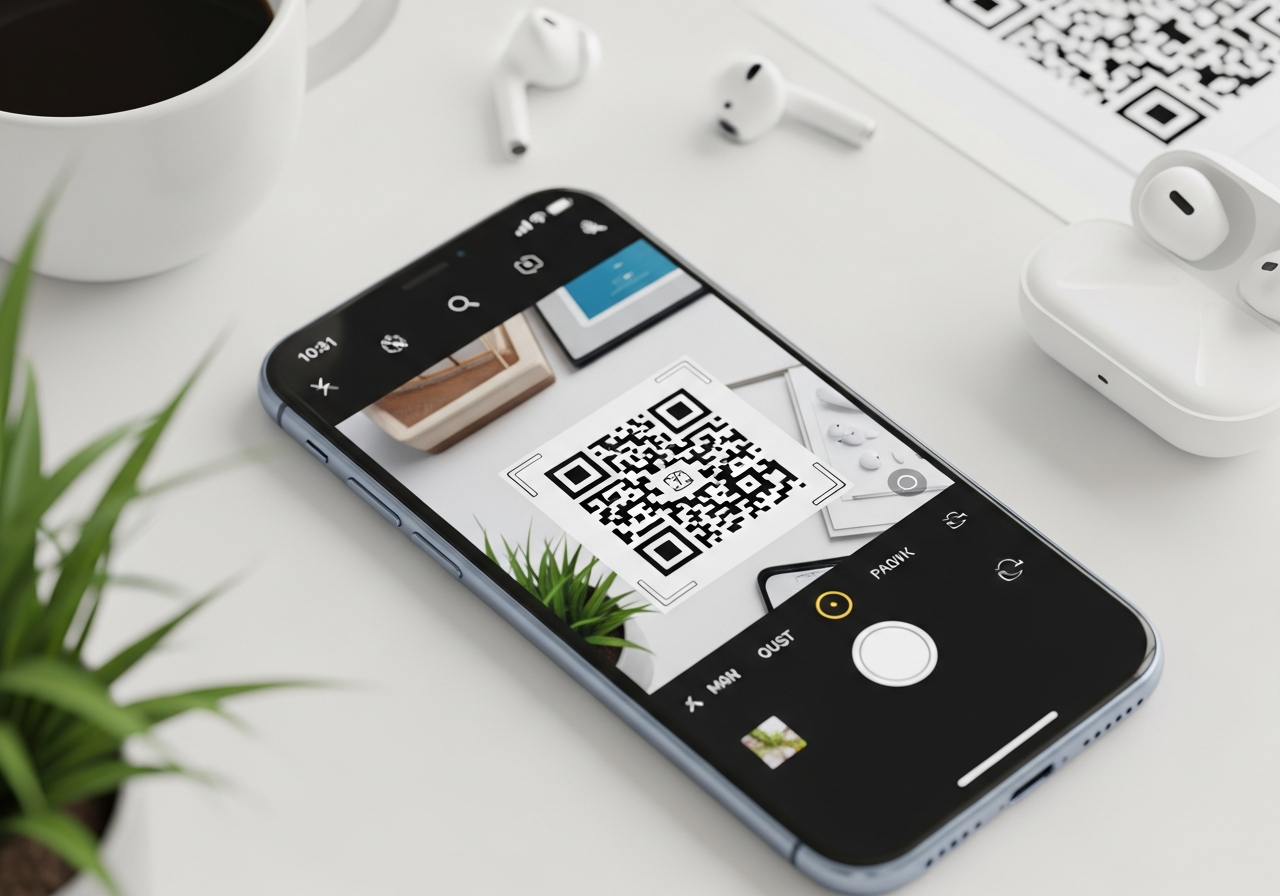
A Wi-Fi QR code is essentially a shortcut for connecting to a wireless network. Instead of fumbling with your phone’s settings to find the right network name (SSID) and painstakingly typing in a potentially long and complex password, you just scan the code. Your device reads the information embedded within the QR code – the network name, security type, and password – and automatically prompts you to join. It’s a neat bit of tech that makes getting online much smoother. Think of it as a digital handshake for your Wi-Fi.
How Do They Simplify Network Access?
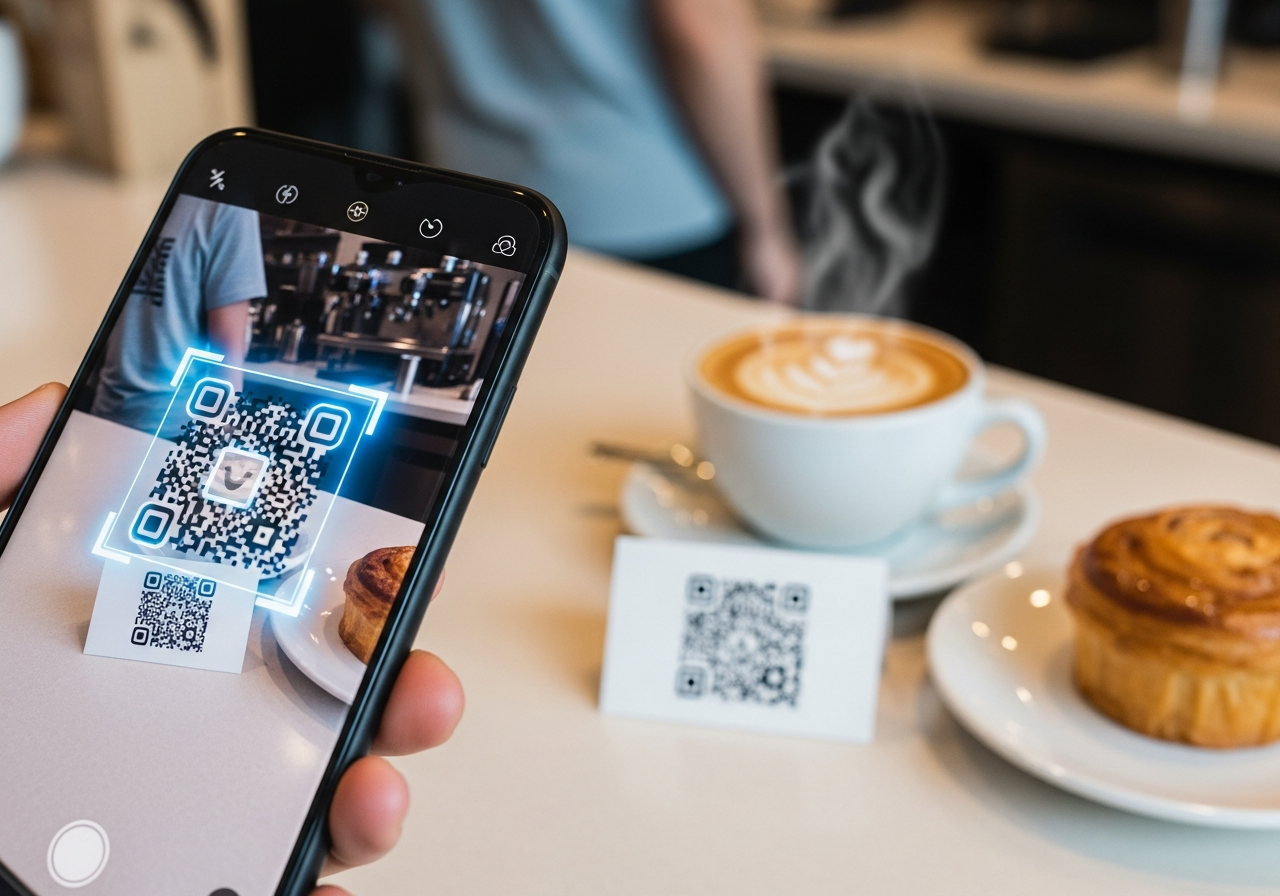
Imagine walking into a cafe, hotel, or office. The old way meant asking for the password, maybe jotting it down, and then navigating through your phone’s Wi-Fi settings. With a Wi-Fi QR code, all that hassle disappears. You simply point your phone’s camera at the code, and within seconds, you’re connected. This is particularly helpful in busy places where staff might be occupied, or for guests who aren’t very tech-savvy. It removes a common point of friction, making the initial experience of using a venue’s Wi-Fi a breeze. This technology simplifies access to WiFi for users and is particularly useful in public spaces or for guest networks. This technology simplifies access.
The Benefits For Your Business
For businesses, offering Wi-Fi access via QR codes is a win-win. It reduces the number of times staff have to answer the
Generating Your Wi-Fi QR Code
So, you’ve decided to make life easier for your guests and yourself by using a Wi-Fi QR code. That’s a smart move! The next step is actually creating one. It’s not as complicated as it might sound, and with the right tools, you can have one ready in minutes.
Essential Information To Gather
Before you start generating, you’ll need a few bits of information about your Wi-Fi network. Think of it like gathering ingredients before you bake a cake. You’ll need:
- Network Name (SSID): This is the name of your Wi-Fi network that you see when you look for available connections.
- Security Type: Most home and business networks use WPA/WPA2 or WPA3. If you’re unsure, check your router settings or ask your IT person.
- Password: The actual password for your Wi-Fi network. Make sure you have it exactly right, including any capital letters or special characters.
Choosing A Reliable Generator
There are loads of QR code generators out there, but not all of them are created equal, especially when it comes to Wi-Fi codes. You want one that’s straightforward and, ideally, offers a bit more than just the basic code. This is where services like Xcan.it really shine. They go beyond just creating a scannable code. With Xcan.it, you can create dynamic QR codes which means you can update the Wi-Fi network name or password later on without having to print a new QR code. This is a massive time-saver if your network details change.
Creating The QR Code Itself
Once you have your network details and have chosen a generator, the actual creation is usually pretty simple. Most generators will have a specific option for ‘Wi-Fi QR Code’. You’ll typically just need to input the SSID, select the security type from a dropdown, and type in the password. Some generators might ask for additional details, but these three are the core requirements. After you fill in the details, the generator will create the QR code image for you. You can then download it in various formats, ready to be printed or displayed digitally. For a truly robust solution that lets you manage and update your codes, consider using a service like Xcan.it which allows you to track scans and update links without reprinting.
Enhancing Your Wi-Fi QR Code
Adding Branding Elements
While the primary function of a Wi-Fi QR code is to grant access, there’s no reason it can’t look good too. You can often add your logo or change the colours to match your business’s branding. This makes the QR code feel more integrated with your overall marketing materials. Think of it as another small touchpoint that reinforces your brand identity. It’s a simple way to make something functional also look professional.
Considering Dynamic Codes
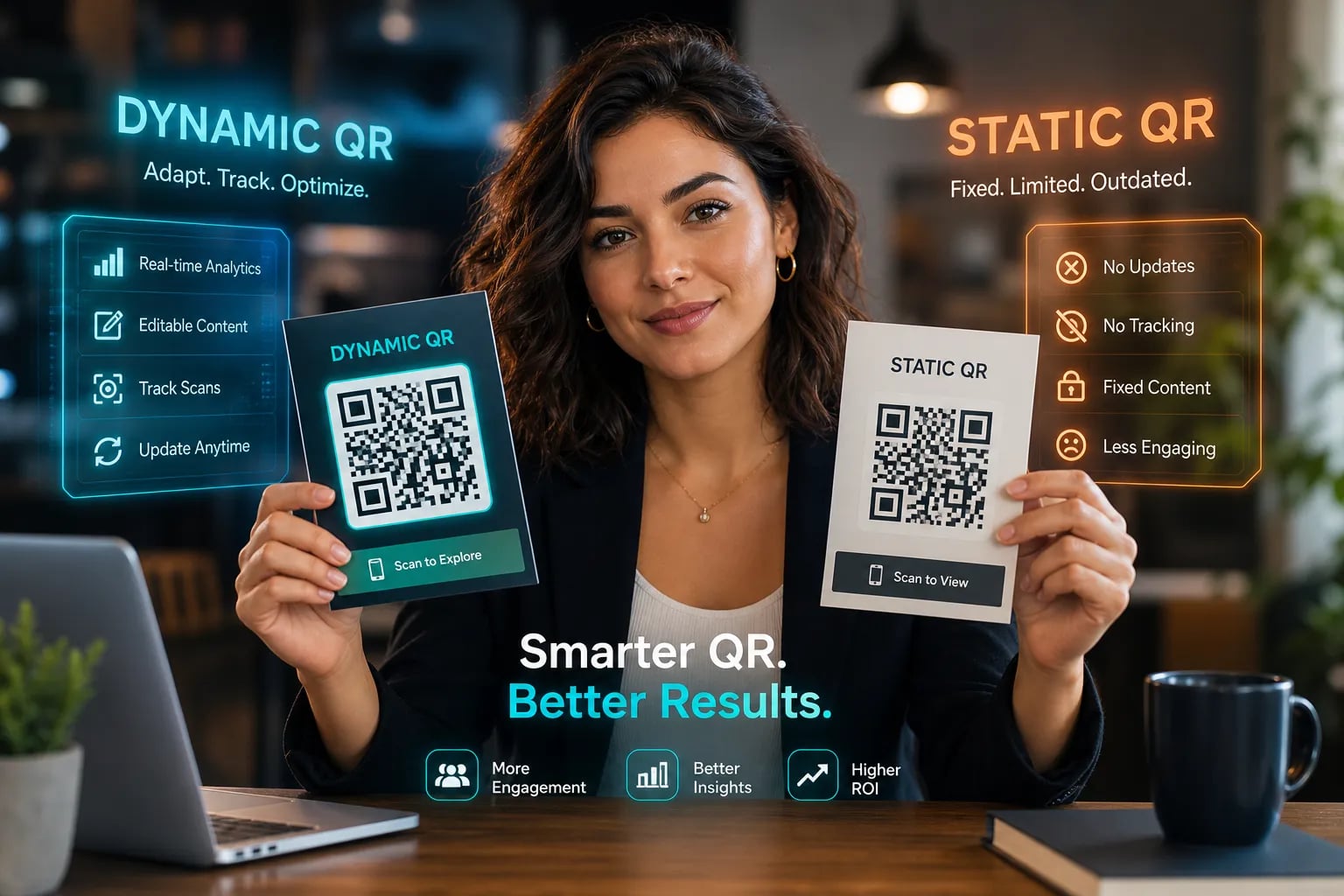
This is where things get really interesting. Static QR codes are like a one-way street; once created, they can’t be changed. If your Wi-Fi password changes, you’d have to generate a whole new code and reprint everything. Dynamic QR codes, however, offer a lot more flexibility. With a service like Xcan.it, you can update the Wi-Fi network details or password linked to the QR code without having to reprint the code itself. This is a game-changer for managing network access over time. It means you can change your password as often as needed and your printed QR codes remain valid. Plus, dynamic codes let you track scan data, giving you insights into how often and where your codes are being used. This is incredibly useful for understanding customer behaviour.
Integrating With Other QR Codes
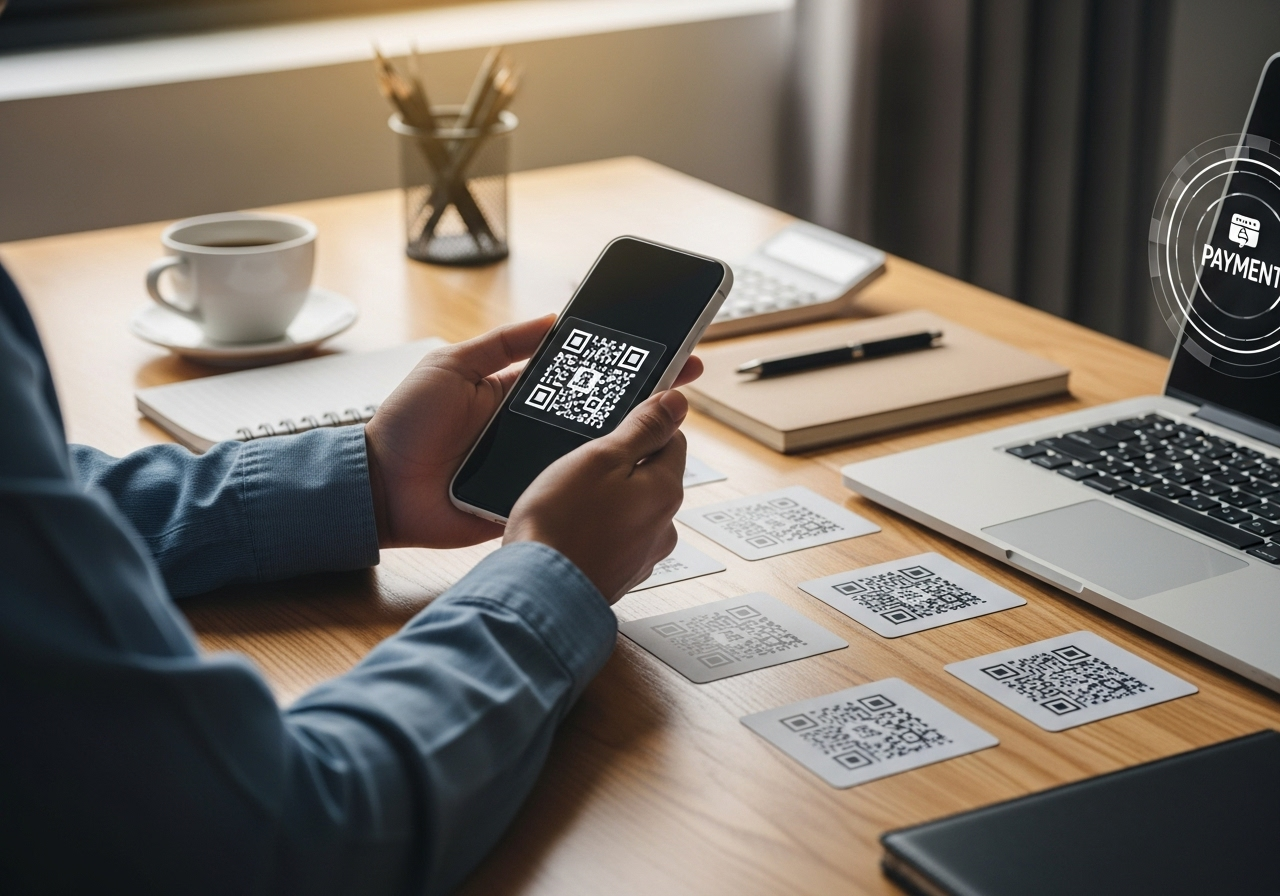
Your Wi-Fi QR code doesn’t have to exist in isolation. You can pair it with other QR codes to create a more comprehensive experience for your customers. For example, a table talker could have one QR code for Wi-Fi access and another for your digital menu or a feedback form. This approach streamlines the customer journey, offering multiple points of interaction from a single physical location. It’s about making things as easy as possible for your visitors. You can even use different QR codes for different areas or purposes, like a specific code for a conference room versus a general guest network. This allows for more targeted engagement and better data collection. For instance, Xcan.it allows you to manage all your dynamic QR codes from a single dashboard, making it simple to keep track of different campaigns and their performance across print, signage, and other assets.
Best Practices For Deployment
Placement Strategies For Maximum Impact
Think about where people will actually see and use your QR code. A code stuck on a busy reception desk might get missed, while one on a table in a cafe could be perfect. For businesses, consider high-traffic areas where customers are likely to pause and have their phones out. This could be on menus, table talkers, window displays, or even on receipts. The key is visibility and convenience. The best spots are where someone has a moment to scan and connect without feeling rushed.
Ensuring Scanability And Readability
It’s no good having a QR code if no one can scan it. Make sure the code has enough contrast – dark on a light background is usually best. Avoid placing it on glossy surfaces that cause glare, or on curved or uneven surfaces. The size matters too; a tiny code on a large poster won’t work. A good rule of thumb is the ’10x rule’: the distance from the code should be about 10 times its width. So, if people are standing 2 metres away, aim for a code around 20cm wide. Also, give it some breathing room – that clear space around the code, called the ‘quiet zone’, is really important for scanners.
Security Considerations For Guest Networks
When you’re sharing Wi-Fi, it’s vital to keep your main network secure. Always use a separate guest network for visitors. This way, if anything happens on the guest network, your internal systems are safe. Don’t encode your private network’s SSID or password into the QR code. Instead, use a dedicated guest network with its own password. With dynamic QR codes, you can even update the guest network password without needing to reprint the QR code itself, which is a handy security feature. This means you can change the credentials from your Xcan It dashboard whenever needed, keeping your network secure and up-to-date. Secure Wi-Fi sharing is all about using the right network and managing access properly.
Troubleshooting Common Issues
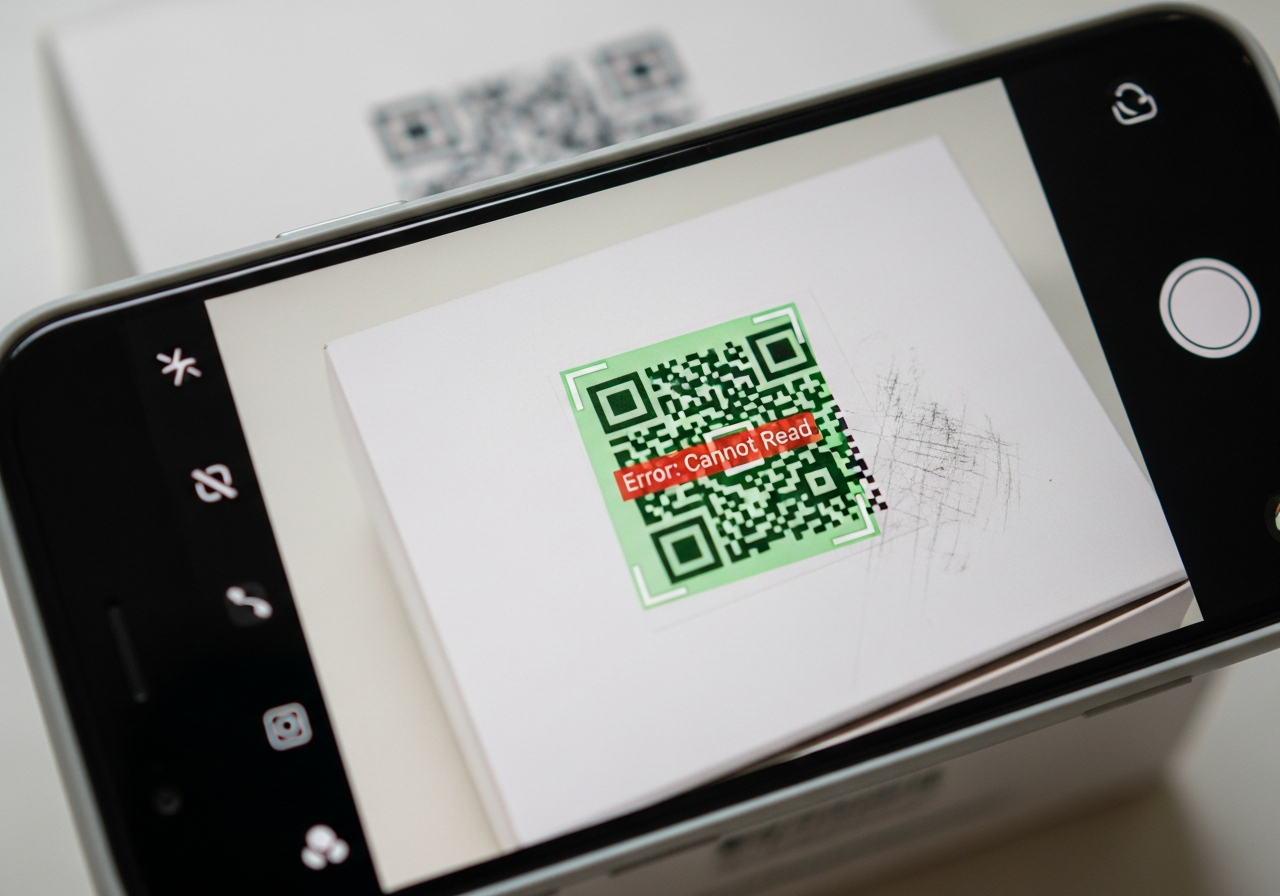
Even with the best intentions, sometimes a Wi-Fi QR code just doesn’t play ball. Don’t worry, it’s usually something simple to fix. Let’s run through the most common hiccups and how to sort them out.
When a Scan Doesn't Connect
This is probably the most frustrating one. You scan the code, your phone recognises it, but then… nothing. Or worse, it tries to connect to the wrong network. Here’s what to check:
- Network Name (SSID) and Password: Double-check that these were entered exactly as they appear. Case sensitivity is a big deal here. Even a single typo will stop the connection.
- Security Type: Make sure you’ve selected the correct security protocol (like WPA2, WPA3, or none if it’s an open network). If this is wrong, your phone won’t know how to authenticate.
- Code Density: If the Wi-Fi password is very long, the QR code can become quite dense with small squares (modules). This makes it harder for some phones to read accurately. Using a service like Xcan.it allows you to use dynamic QR codes, which often use a shorter, redirecting URL. This keeps the QR code itself less dense and more reliable for scanning. Plus, you can update the destination link later without reprinting the code itself.
- Generator Accuracy: Sometimes, the generator itself might have a glitch. Try regenerating the code, perhaps using a different generator or a different setting (like a higher error correction level) if available. Ensuring your QR codes scan successfully is key.
Addressing Slow Connection Times
So, the scan works, and it connects, but it feels like dial-up all over again. This isn’t usually the QR code’s fault directly, but it can be a symptom of underlying issues:
- Network Congestion: If lots of people are using the Wi-Fi at once, speeds will naturally drop. This is more about the Wi-Fi network itself than the QR code.
- Signal Strength: Is the user too far from the router? A weak signal will always mean slow speeds.
- Redirect Chains: If your dynamic QR code uses multiple redirects before reaching the final landing page (though this is less common for Wi-Fi QR codes), each step can add a small delay. Keep the destination URL clean and direct.
- Device Performance: Older phones or devices might just process the connection more slowly.
Ensuring Compatibility Across Devices
It’s annoying when a code works perfectly on your phone but not your friend’s. While most modern smartphones (iOS and Android) handle Wi-Fi QR codes natively, there are a few things to keep in mind:
- Operating System Versions: Very old phones or those running outdated operating systems might not have built-in support. They might require a separate QR scanner app, and even then, compatibility can vary.
- Scanner App Differences: While native scanning is common, different QR scanner apps might interpret the data slightly differently. Sticking to the standard Wi-Fi QR code format is usually safe.
- Code Size and Print Quality: A code that’s too small or printed poorly will struggle to be read by any device. Ensure your QR code is large enough for its intended viewing distance and printed clearly. Using vector formats (like SVG) for generation and printing on matte surfaces can help avoid glare that might affect scanning on certain devices. If you find your codes aren’t scanning reliably, consider using dynamic QR codes through a service like Xcan.it. These codes often have a shorter data payload, making them less dense and easier for a wider range of devices to read. Plus, you can track scans in a dashboard and update the links without reprinting, which is a huge plus for real-world campaigns.
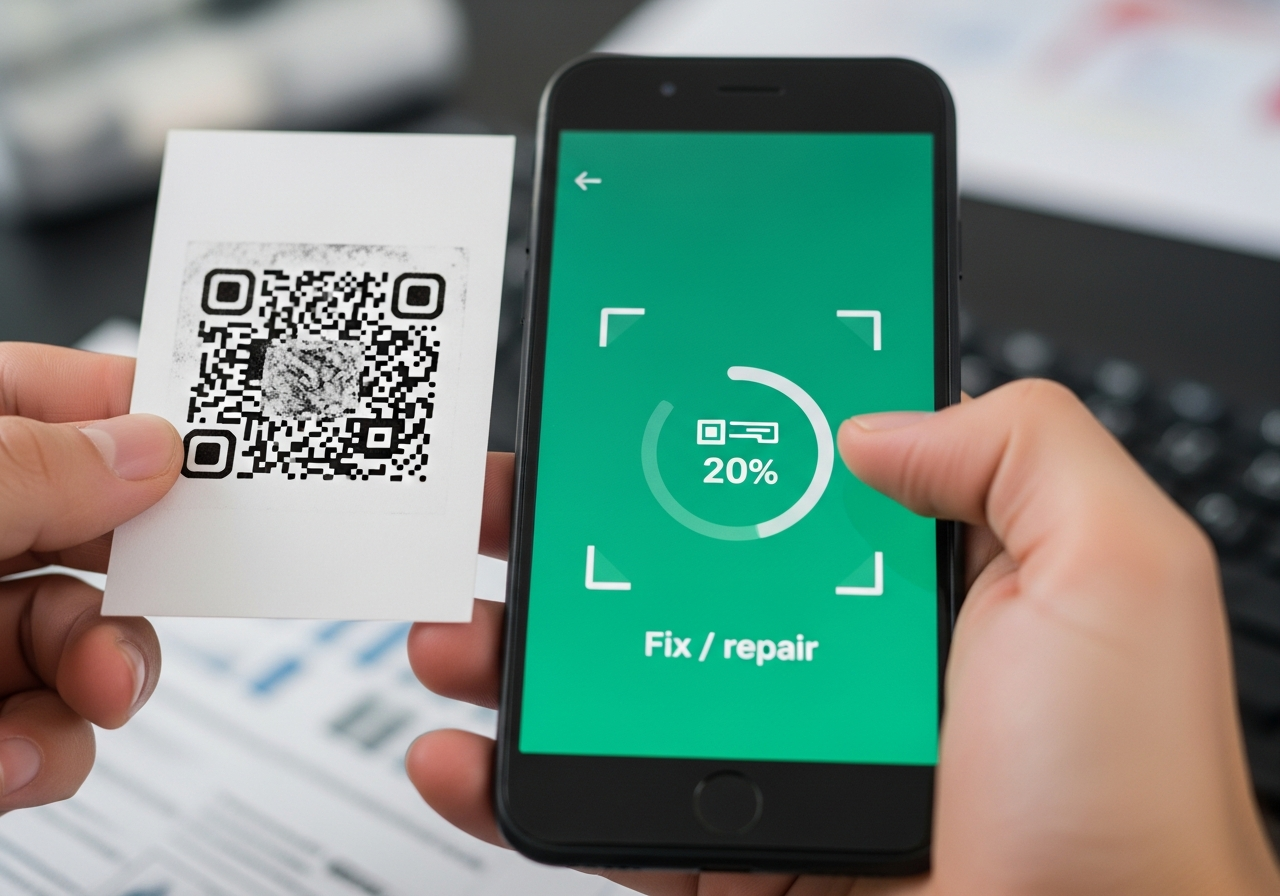
If you’ve tried all the usual fixes and your QR code is still being stubborn, it might be worth getting a second opinion. Services that offer QR code analysis can help identify subtle issues with contrast, quiet zones, or data density that might be causing the problem.
Beyond Basic Connectivity
So, you’ve set up your Wi-Fi QR code, and people are connecting with ease. That’s great! But what if you could get more out of this simple tool? Wi-Fi QR codes don’t just have to be about getting people online; they can actually be a starting point for deeper engagement with your customers or visitors.
Leveraging Scans for Customer Insights
Think about it: every time someone scans your Wi-Fi QR code, it’s a moment of interaction. If you’re using a service like Xcan.it, these scans aren’t just anonymous connections. They can be tracked, giving you a clearer picture of who is connecting and when. This data can be surprisingly useful.
- Understand peak times: See when your network is most popular.
- Identify popular areas: If you have multiple QR codes, know which locations are used most.
- Gauge campaign effectiveness: Link different QR codes to specific promotions and see which ones drive the most Wi-Fi usage.
This kind of insight helps you understand your audience better, allowing you to tailor your services or marketing efforts more effectively. It turns a simple convenience into a measurable touchpoint.
Creating Post-Connection Experiences
Once someone is connected to your Wi-Fi, they’re in a prime position to engage further. Instead of just letting them browse freely, you can guide them towards other valuable content or actions. This is where dynamic QR codes really shine. With Xcan.it, you can easily update the link associated with your Wi-Fi QR code after it’s been printed. This means:
- Update passwords without reprinting: If your Wi-Fi password changes, you can simply update it in your Xcan.it dashboard, and the QR code will point to the new details. No need to print new codes for every change.
- Offer immediate value: After connecting, users could be directed to a welcome page with a special offer, a link to your digital menu, or a feedback form. This adds an extra layer of service.
- Promote other services: Direct users to your social media pages, booking system, or a special event calendar. It’s a seamless way to guide them to what you want them to see next.
Turning Wi-Fi Access Into Engagement
Ultimately, the goal is to make your Wi-Fi QR code work harder for you. By using dynamic QR codes, you gain the flexibility to change where the code leads without reprinting. This is incredibly useful for real-world campaigns across print, signage, and other assets. Plus, Xcan.it provides a dashboard to track all your scans, giving you insights into what’s working and what’s not. This transforms a basic utility into a powerful engagement tool, bridging the gap between the physical and digital worlds for your customers.
The real power of a Wi-Fi QR code lies not just in the ease of connection, but in the opportunities it creates for further interaction and data gathering. It’s a simple step that can lead to a more connected and informed customer relationship.
Ready to go beyond just basic QR codes? Our platform lets you create dynamic codes that you can change whenever you need to. Imagine updating a menu or a special offer without having to print new codes! It’s super easy and saves you time and hassle. Want to see how it works for your business? Visit our website today to learn more and get started!
So, there you have it!
Generating a Wi-Fi QR code is a pretty straightforward process, and honestly, it makes life so much easier for everyone. No more hunting for passwords or trying to remember that long string of characters. Just a quick scan and you’re connected. It’s a small change that really does make a difference, especially for businesses wanting to offer a bit of extra convenience to their customers. Give it a go – you might be surprised at how simple it is and how much people appreciate it.
Frequently Asked Questions
What exactly is a Wi-Fi QR code?
A Wi-Fi QR code is a special barcode that holds all the details needed to connect to a Wi-Fi network. Think of it like a digital shortcut. Instead of typing in the network name (SSID) and password, you just scan the code with your phone, and it automatically connects you. It’s a super handy way to share Wi-Fi access without anyone needing to remember or type out complex passwords.
How do these codes make getting online easier?
They make it incredibly simple! Imagine walking into a cafe or hotel. Instead of asking for the Wi-Fi password, which can be long and tricky, you just pull out your phone, open your camera, and scan the QR code. Your phone will then ask if you want to join that network. It cuts out all the fiddly typing and saves you time and hassle. It’s all about making things quick and smooth for everyone.
What information do I need to create a Wi-Fi QR code?
You’ll need a few key bits of information about your Wi-Fi network. First, the network name, often called the SSID. Then, you need to know the type of security it uses, like WPA or WEP. Finally, and most importantly, you’ll need the actual Wi-Fi password. Once you have these details, you can use a QR code generator to put them all together into a scannable code.
Are Wi-Fi QR codes safe to use?
Yes, they are generally safe, especially if you set them up correctly. The best practice is to use a dedicated ‘guest’ Wi-Fi network for your QR code. This keeps visitors separate from your main business network, adding an extra layer of security. Also, if you use a service that lets you change the Wi-Fi password later without reprinting the QR code (a dynamic code), you can easily update it for better security over time.
Can I put my company logo on a Wi-Fi QR code?
Absolutely! Many QR code generators let you customise the look of your code. You can often add your company logo right in the middle. This makes the QR code look more professional and branded. Just make sure the logo doesn’t cover up too much of the code, as that could make it harder to scan. It’s a great way to make your Wi-Fi access point a bit more stylish.
What happens if the Wi-Fi password changes? Do I need a new QR code?
Not necessarily! If you use a ‘dynamic’ QR code generator, you can update the Wi-Fi details linked to the QR code without having to print a new one. This is super useful if you change your Wi-Fi password often or want to update network settings. The QR code itself stays the same, but the information it leads to can be changed behind the scenes. It saves you from having to replace printed materials.