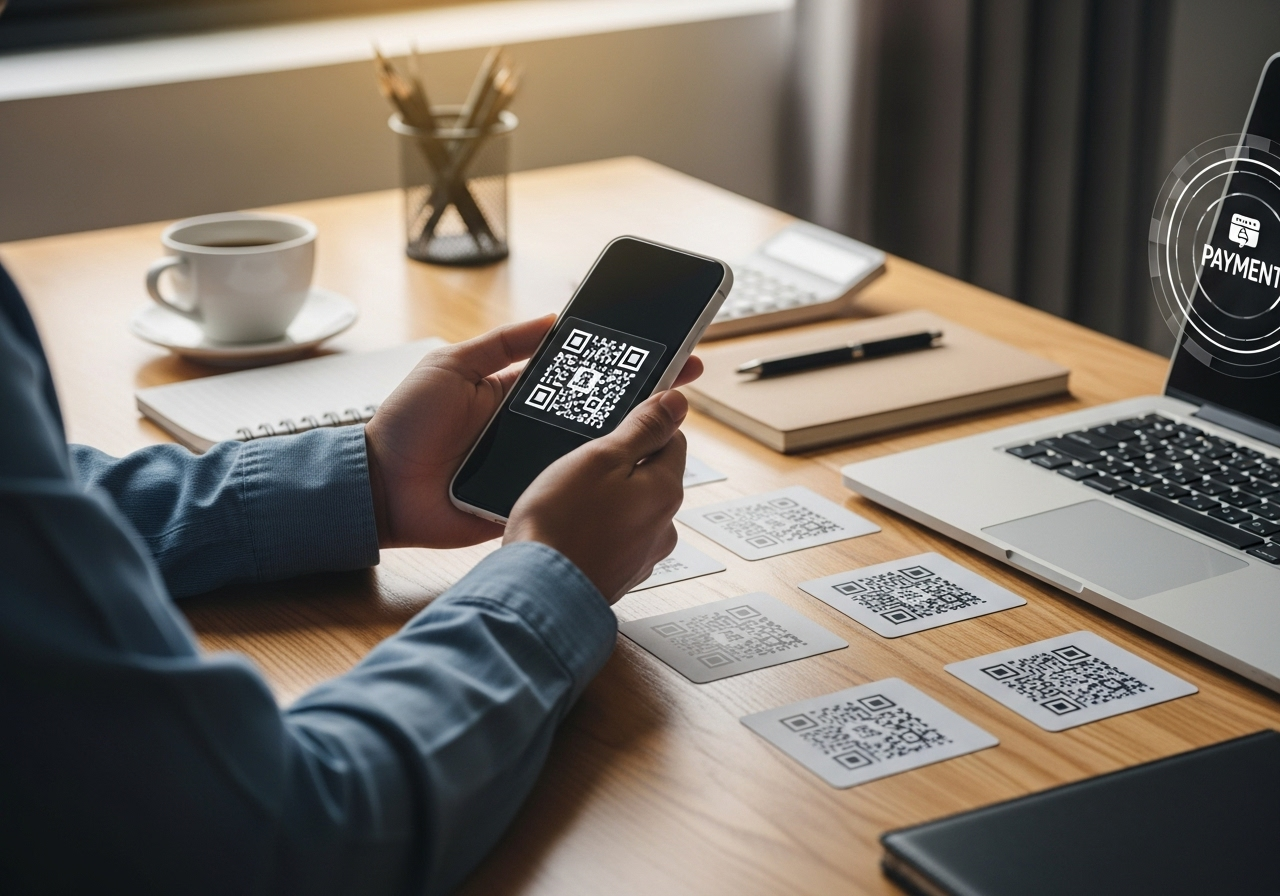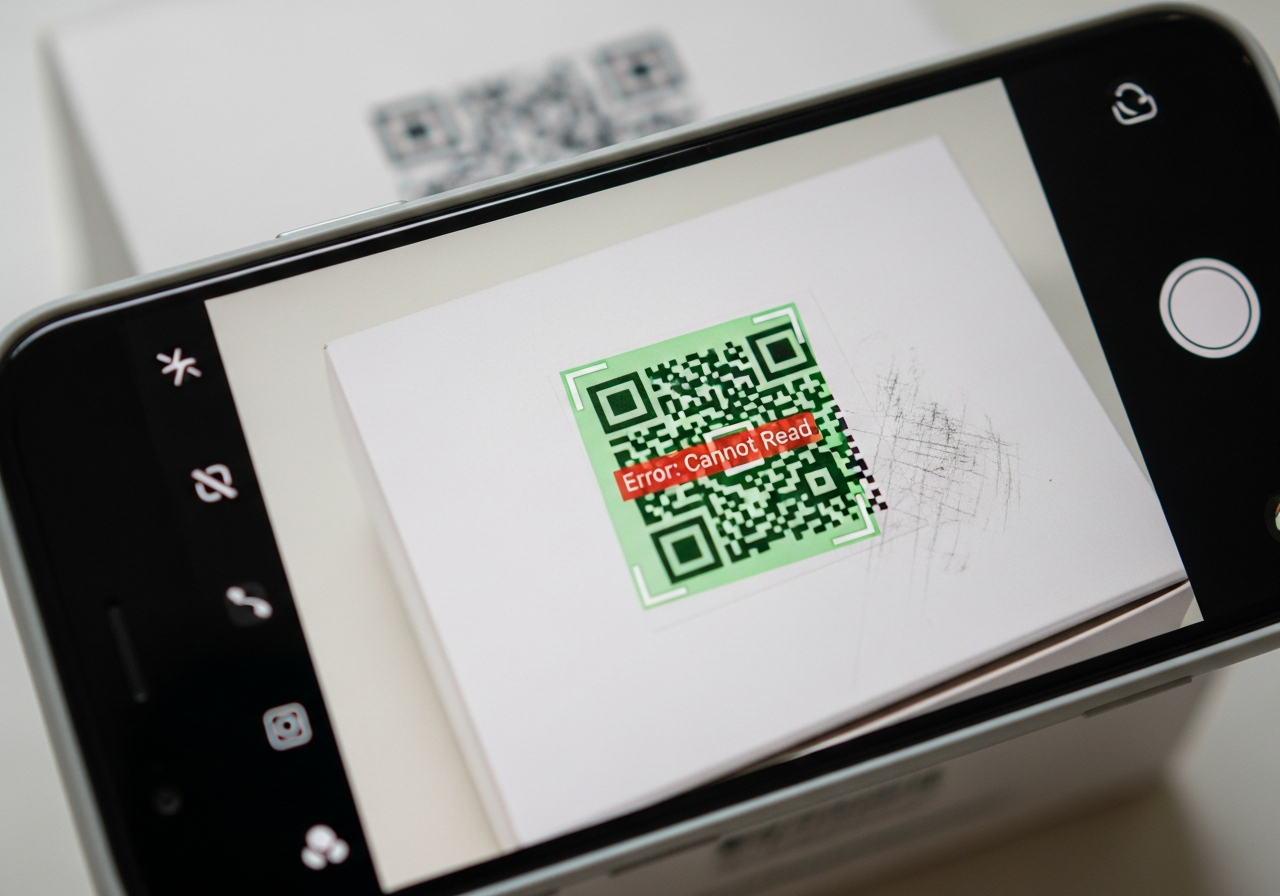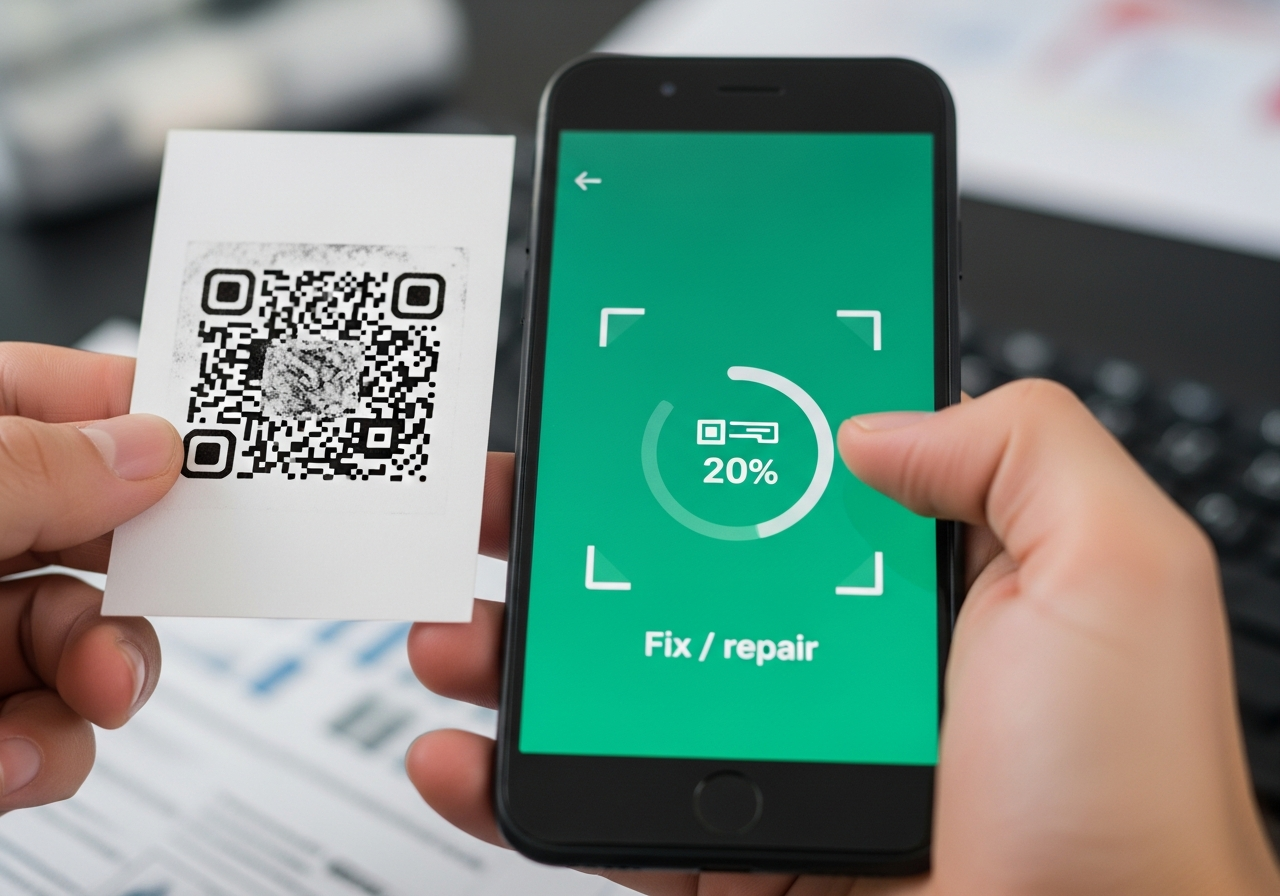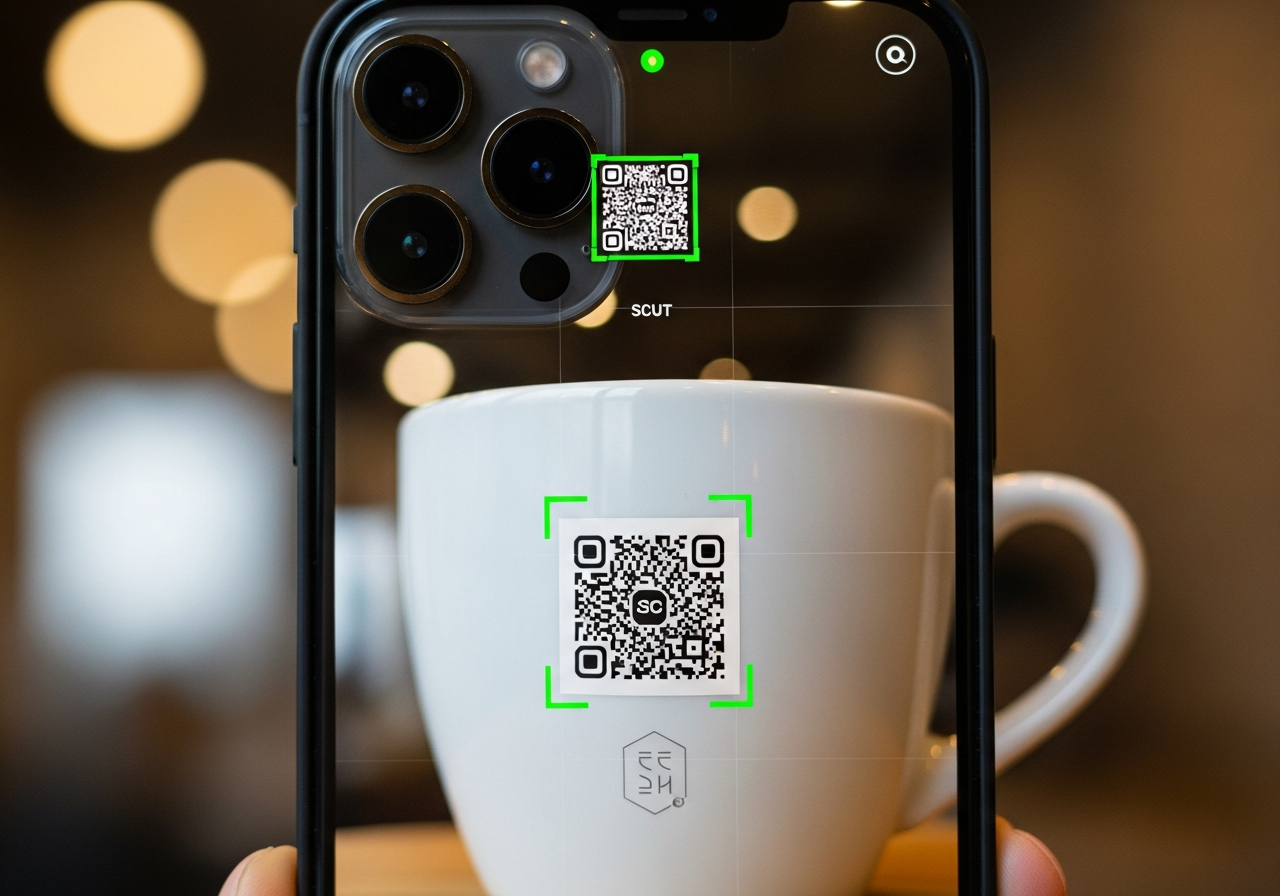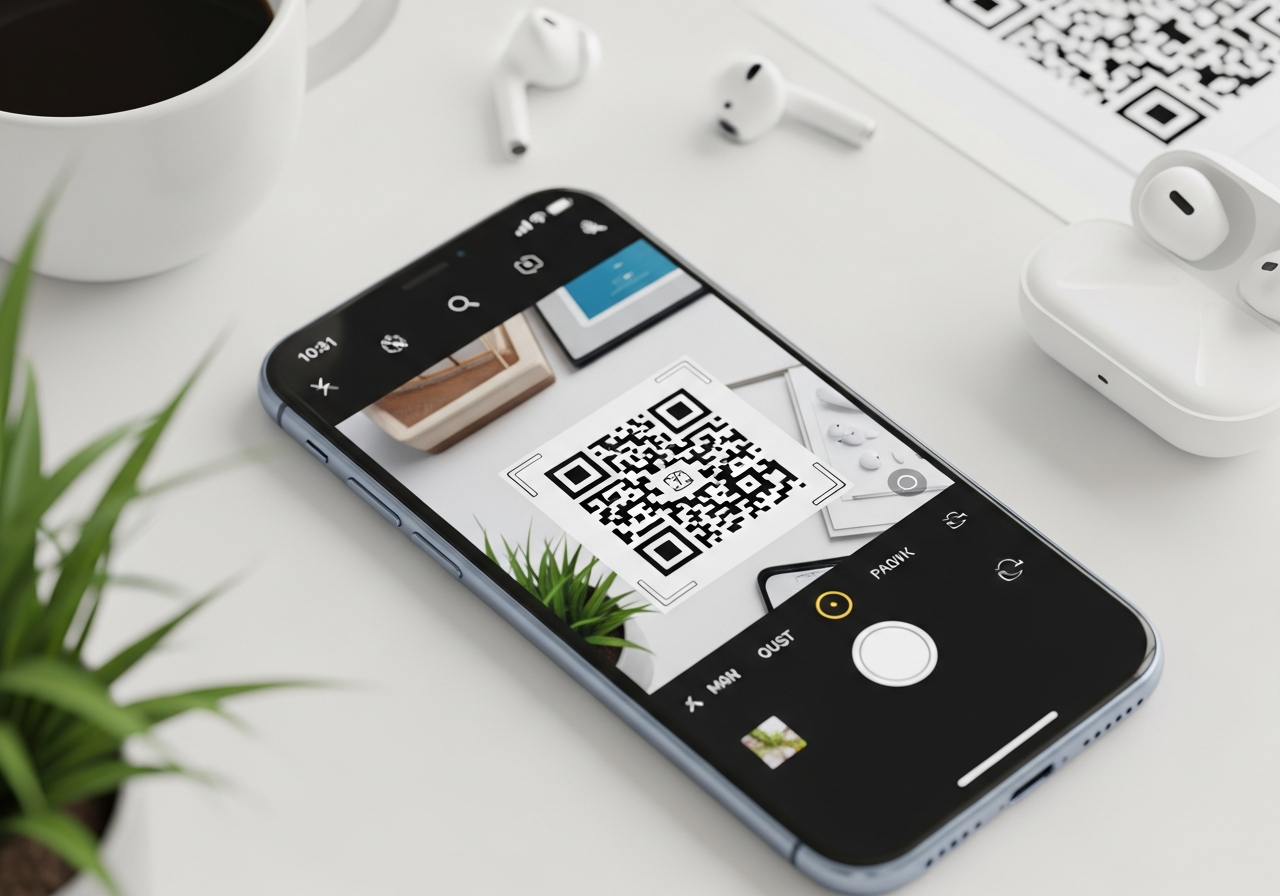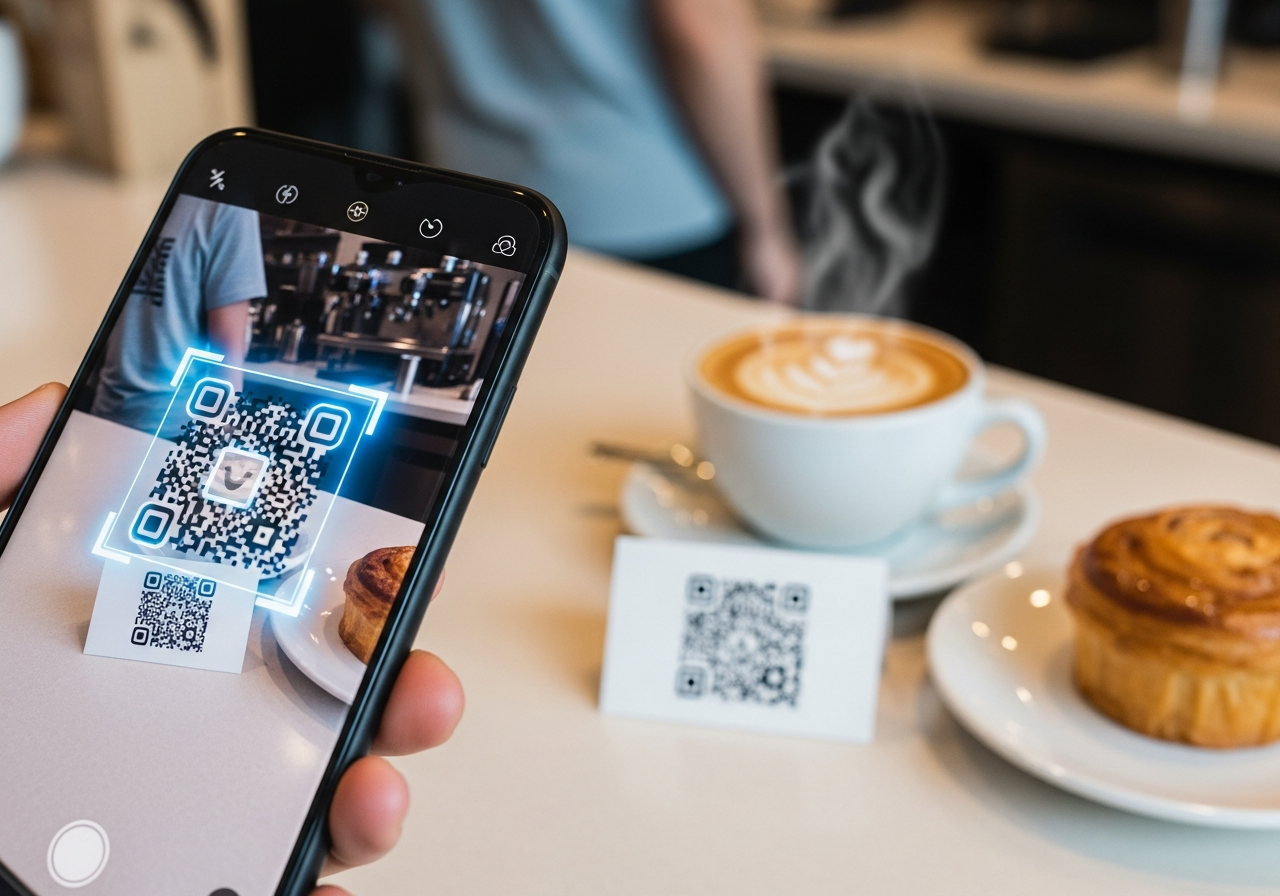
Sharing your Wi-Fi details used to be a bit of a faff, didn’t it? Typing in long passwords or scribbling them down on bits of paper that then get lost. It’s a common sight in cafes, hotels, and offices. But there’s a much simpler way now. Using a QR code generator for your Wi-Fi means people can just scan and connect. It’s quick, it’s easy, and it makes life simpler for everyone. Let’s look at how this works and why it’s such a good idea.
Key Takeaways
- A Wi-Fi QR code stores your network name (SSID), security type, and password, allowing devices to connect simply by scanning.
- Using a Wi-Fi QR code generator simplifies the connection process for guests, eliminating the need to manually type complex passwords.
- Dynamic Wi-Fi QR codes allow you to update network credentials without needing to reprint the physical QR code, saving time and resources.
- Advanced QR code generators offer features like scan tracking and campaign tagging, providing insights into Wi-Fi usage and guest behaviour.
- Wi-Fi QR codes are versatile and can be used in various settings, from hospitality and retail to offices and event venues, to improve the guest experience.
Effortless Wi-Fi Sharing With QR Codes
What is a Wi-Fi QR Code?
A Wi-Fi QR code is a clever little square that holds all the details your phone needs to connect to a wireless network. Think of it as a digital key. It contains the network name (SSID), the security type (like WPA2), and, of course, the password. When someone scans this code with their phone, their device instantly recognises it and offers to join the network. No more squinting at tiny print or fumbling with long, complicated passwords. It’s a straightforward way to get people online quickly.
How Does a Wi-Fi QR Code Work?
It’s pretty simple, really. You’ve got your Wi-Fi network details – the name and password. A QR code generator takes these details and turns them into a scannable pattern. When a guest points their phone’s camera at the code, the phone reads the pattern. It then pops up a message like, “Join network ‘GuestWiFi’?”. All the guest has to do is tap ‘Join’, and they’re connected. Modern smartphones, both Android and iPhones, can do this automatically, making it a really smooth experience. It’s a step up from writing passwords on a chalkboard or a small card that gets lost.
The Guest Experience Simplified
Imagine walking into a café, hotel, or office. Instead of asking for the Wi-Fi password, you just see a neat QR code on the table or reception desk. You pull out your phone, scan it, and tap ‘Join’. That’s it. You’re online and can get on with what you need to do – whether that’s checking emails, browsing social media, or looking up directions. This removes a common point of friction for visitors. It makes a good first impression and shows you’ve thought about their convenience. For businesses, it means fewer interruptions for staff and happier customers. If you need to change your Wi-Fi password, tools like Xcan.it let you update the details without needing to print new QR codes, which is a real time-saver. You can also track how many people are scanning your codes from one place, giving you a bit of insight into usage. Make WiFi QR Codes can help you create these codes easily.
Beyond Basic Connectivity: The Power of Dynamic Wi-Fi QR Codes
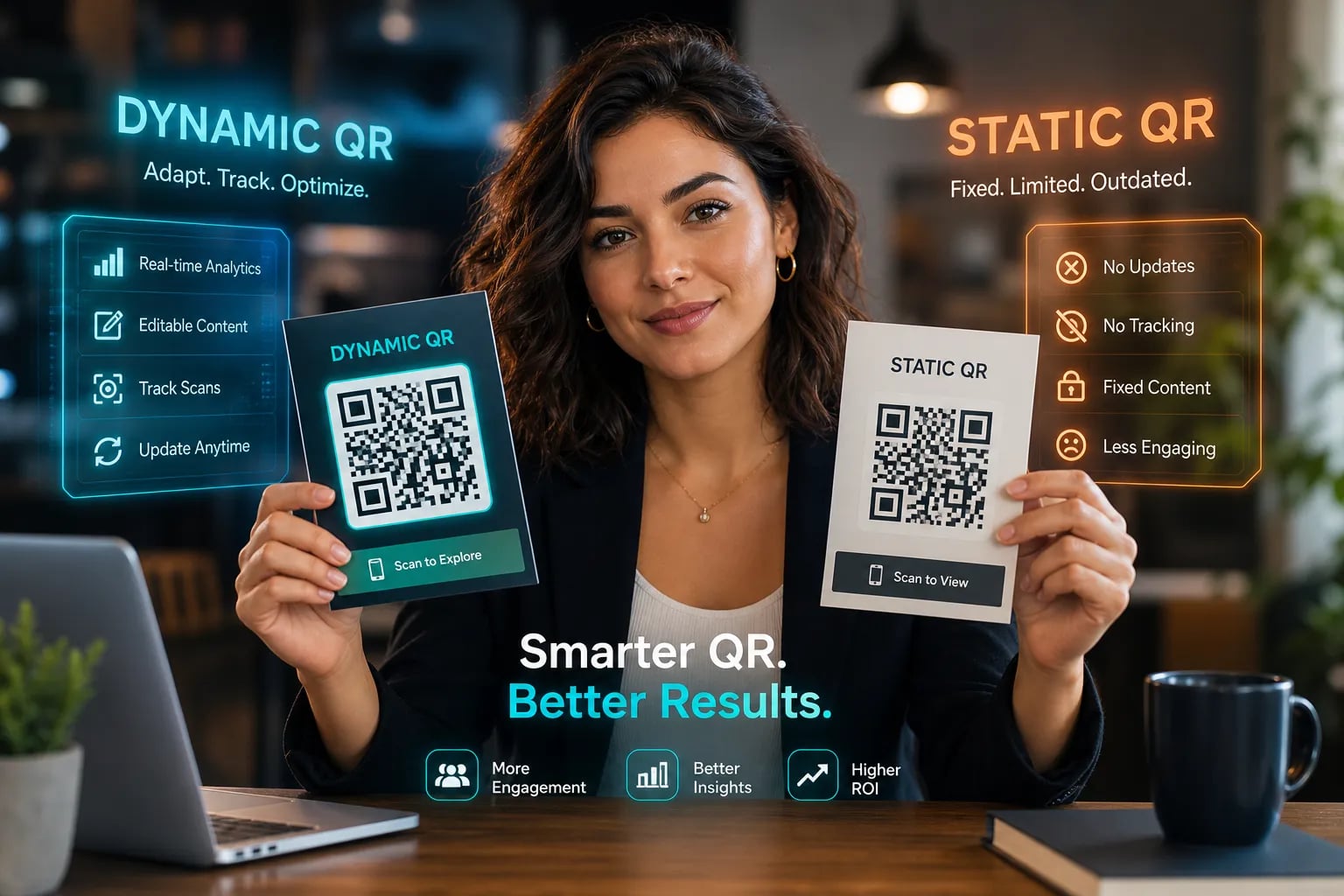
Static Wi-Fi QR codes are great for a quick connection, but what happens when your network password changes? You’d have to generate a new code and reprint everything. That’s where dynamic Wi-Fi QR codes come in, offering a much smarter way to manage your network access.
Updating Credentials Without Re-printing
Imagine you need to change your Wi-Fi password. With a standard QR code, this means a whole lot of reprinting – table tents, posters, business cards, you name it. Dynamic QR codes, however, let you update the destination link without ever touching the printed code itself. This is a game-changer for businesses, especially those with multiple locations. For example, using a service like Xcan.it means you can update your Wi-Fi credentials directly from a dashboard. This flexibility saves time, money, and a whole lot of hassle.
Tracking Wi-Fi Usage and Insights
Beyond just providing access, dynamic Wi-Fi QR codes can offer valuable data. When someone scans a dynamic code, it can be logged. This means you can see how many people are connecting, when they’re connecting, and even from which specific locations if you use different codes for different areas. This kind of insight, available through a dashboard like Xcan.it’s, helps you understand your customers better and how they interact with your space. It turns a simple Wi-Fi connection into a measurable event.
Enhancing Guest Journeys with Smart Features
Dynamic QR codes open up a world of possibilities for improving the overall guest experience. After a guest connects to the Wi-Fi, they could be automatically directed to a branded landing page. This page could feature:
- Your latest promotions or special offers
- A link to your digital menu or booking system
- A quick feedback survey
- Social media links to encourage follows
This approach transforms Wi-Fi access from a basic utility into an integrated part of your customer engagement strategy. It’s about making every touchpoint count, turning a simple scan into an opportunity for deeper connection and interaction.
Choosing the Right QR Code Generator for Your Wi-Fi Needs
When you’re looking for a tool to create Wi-Fi QR codes, it’s not just about generating a scannable image. You want something that’s reliable, easy to use, and offers features that go beyond basic connectivity. Think about what you really need your QR codes to do for your business or venue.
Key Features to Look For
Not all QR code generators are created equal. Here are some important things to consider:
- Dynamic Codes: This is a big one. With dynamic QR codes, you can change the Wi-Fi network name (SSID) or password without having to print new codes. This is incredibly useful if your network details change, saving you time and money on reprinting materials. Platforms like Xcan.it allow you to update these details easily from a central dashboard.
- Tracking and Analytics: Ever wondered how many people are actually using your Wi-Fi QR codes? A good generator will offer tracking. You can see scan counts, and sometimes even get insights into when and where they’re being scanned. This data can help you understand guest behaviour and the effectiveness of your Wi-Fi offering.
- Customisation Options: While functionality is key, you also want your QR codes to look good. The ability to add your logo, change colours, and select different shapes can help your QR codes fit in with your brand’s visual identity.
- Ease of Use: The process of creating and managing your QR codes should be straightforward. A clean interface and clear instructions make a huge difference, especially if you’re not a tech expert.
Free vs. Paid Generator Options
There are plenty of free QR code generators out there, and they can be great for simple, one-off uses. You can usually create a basic Wi-Fi QR code with just your network name and password. However, free options often lack the advanced features that can really make a difference.
Paid services, on the other hand, typically offer:
- Dynamic QR codes: As mentioned, the ability to edit your codes after they’ve been printed is a major advantage.
- Detailed analytics: Track scans, locations, and device types to gain deeper insights.
- Higher security and reliability: Often come with better support and more robust infrastructure.
- Branding and customisation: More options to make your codes visually appealing and on-brand.
For businesses that rely on Wi-Fi access as part of the customer experience, investing in a paid service like Xcan.it can provide significant benefits. You get the flexibility to update credentials without reprinting, track Wi-Fi usage in one dashboard, and use dynamic QR codes to improve real-world campaigns across print, signage, and assets.
Ensuring Security and Reliability
When choosing a generator, think about security. For Wi-Fi sharing, it’s best practice to use a dedicated guest network. This keeps your main business network separate and more secure. A reliable generator will help you encode the correct details for this guest network. Furthermore, dynamic QR codes offer an added layer of security because you can change the password if needed, without altering the visual QR code itself. This means you can maintain a secure connection for your guests while keeping your internal systems safe. Look for generators that clearly explain their security measures and offer dependable performance for your Wi-Fi QR codes.
Practical Applications of Wi-Fi QR Codes
Hospitality and Retail Solutions
In hotels, cafes, and shops, the question "What’s the Wi-Fi password?" is a common one. Wi-Fi QR codes turn this into a simple, one-scan process. Imagine a hotel guest scanning a code on their room card to connect instantly, or a diner at a restaurant scanning a table-talker to access the menu and Wi-Fi simultaneously. This removes friction for customers and frees up staff time. For businesses with multiple locations, like a chain of coffee shops, using dynamic Wi-Fi QR codes is a game-changer. You can update network details without reprinting anything, and track which locations are getting the most connections. This turns a basic amenity into a measurable part of the customer experience.
Coworking Spaces and Offices
For coworking spaces and modern offices, providing easy Wi-Fi access is non-negotiable. Instead of complicated onboarding or sharing passwords verbally, a QR code on a desk or in a welcome pack can get new members or visitors online in seconds. This is especially useful for hot-desking environments where network details might change. With a service like Xcan.it, you can even use different QR codes for different zones within the space and track usage. This gives you insights into how your spaces are being used and helps manage access effectively.
Event Venues and Public Spaces
Events, from conferences to festivals, often require temporary Wi-Fi networks. Sharing these details can be a hassle. Wi-Fi QR codes printed on signage, programmes, or badges make it simple for attendees to connect. For public spaces like libraries or community centres, a QR code offers a clean, easy way for visitors to get online without needing staff assistance. The ability to update the Wi-Fi credentials via a dashboard without reprinting the QR code is invaluable for dynamic environments like event venues where network details might need to change. This ensures information is always current and access is straightforward for everyone.
Using dynamic Wi-Fi QR codes means you’re not just providing a connection; you’re creating a trackable touchpoint. You can see how many people are connecting, from where, and even link that access to other marketing efforts, turning a utility into a strategic tool.
Integrating Wi-Fi QR Codes into Your Marketing Strategy
Think of your Wi-Fi QR code as more than just a way to get people online. It’s a handy little tool that can actually boost your marketing efforts. When you use a service like Xcan.it, you’re not just handing out Wi-Fi; you’re opening up a whole new channel for engagement.
Combining Wi-Fi Access with Other QR Codes
It’s pretty straightforward to have your Wi-Fi QR code sitting right next to other QR codes you might be using. Imagine a table talker in a cafe: one QR code for the Wi-Fi, and another right beside it linking to your digital menu or a sign-up for your newsletter. This way, customers get connected and can immediately explore what else you offer. It’s about making things easy for them and creating multiple touchpoints without cluttering your space. You can even use different QR codes for different purposes, like one for Wi-Fi and another for booking a table.
Driving Engagement Post-Connection
Once someone’s connected to your Wi-Fi, that’s a prime moment to engage them further. Instead of just letting them browse freely, you can direct them to a landing page. This page could offer a special discount for scanning, encourage them to follow your social media, or prompt them to leave a quick review. It turns a simple Wi-Fi connection into the start of a customer relationship.
Measuring the Impact of Wi-Fi Access
This is where dynamic QR codes really shine. With Xcan.it, you can track how many people are scanning your Wi-Fi QR codes, and even where they’re scanning from. This data is gold. It tells you which locations are most popular, what times of day see the most activity, and how effective your signage is.
- Track Scan Volumes: See how many people connect via Wi-Fi QR codes in different areas of your business.
- Monitor Usage Patterns: Understand peak times and days for Wi-Fi usage.
- Analyse Campaign Performance: If you use different Wi-Fi QR codes for specific promotions, you can see which ones are driving the most connections.
This kind of insight helps you understand your customers better and make smarter decisions about your space and your marketing. It transforms Wi-Fi from a simple utility into a measurable part of your customer journey.
Using dynamic QR codes means you can update the Wi-Fi password or the post-connection landing page directly from your Xcan.it dashboard. This means you don’t have to reprint any physical QR codes if details change, saving time and resources. It’s a flexible approach that keeps your marketing campaigns current and effective across all your print materials and signage.
Creating Your Own Wi-Fi QR Code
Step-by-Step Generation Process
Ready to make your own Wi-Fi QR code? It’s simpler than you might think. Most generators guide you through it, but here’s the general idea:
- Choose your QR code type: You’ll typically select a ‘Wi-Fi’ specific option. This tells the generator what kind of information it needs to store. Some platforms might require a premium subscription for this feature, but it’s often worth it for the added benefits.
- Enter your network details: This is the core part. You’ll need to input your Wi-Fi network name (SSID), the security type (like WPA2), and the password. Double-check these carefully – a typo here means no one can connect!
- Customise (Optional but Recommended): Make it yours! Add your logo, choose colours that match your brand, and perhaps select a frame. This makes the QR code more visually appealing and recognisable.
- Generate and Download: Once you’re happy, hit the generate button. You’ll then be able to download the QR code image, usually in formats like PNG or SVG, ready for printing.
Customisation Options for Branding
Making your Wi-Fi QR code look good is easy. You can often add your business logo right in the centre, which helps build brand recognition. Playing with colours is another great way to make it stand out. Think about using your brand’s primary or secondary colours. Some generators even let you change the shape of the QR code’s dots or the overall frame, giving you a lot of creative control. This isn’t just about looks; it’s about creating a consistent brand experience from the moment someone sees your QR code.
Downloading and Deploying Your QR Code
After you’ve designed your Wi-Fi QR code, downloading it is usually straightforward. You’ll get a high-resolution image file. The key here is to download it in a format suitable for where you plan to use it. For printing on posters or table tents, a PNG or JPG is often fine. For larger formats or if you need to scale it without losing quality, an SVG file is usually the best bet.
The real magic happens when you use a dynamic QR code generator like Xcan.it. With dynamic codes, you’re not just creating a static image with your Wi-Fi details burned in. Instead, the QR code points to a short URL managed by Xcan.it. This means you can update your Wi-Fi password, network name, or even the landing page users see after connecting, all without needing to reprint a single QR code. This flexibility is a game-changer for managing your network access. Plus, Xcan.it lets you track scans in one dashboard, giving you insights into how and where your QR codes are being used. This is incredibly useful for understanding guest behaviour and optimising your Wi-Fi offering across different locations or campaigns. It turns a simple Wi-Fi connection into a measurable part of your customer journey, allowing you to improve real‑world campaigns across print, signage, and other assets.
Want to make your own Wi-Fi QR code? It’s easier than you think! You can quickly create a code that lets people connect to your network without typing in the password. This is super handy for guests or for your business. Ready to give it a go? Visit our website to learn how to make yours today!
So, there you have it.
Sharing Wi-Fi details doesn’t need to be a hassle anymore. With QR codes, you’ve got a super simple way to get people connected, whether they’re popping in for a coffee or settling in for a longer stay. It just makes things smoother for everyone. Give it a go, and see how much easier it makes things.
Frequently Asked Questions
What exactly is a Wi-Fi QR code?
Think of a Wi-Fi QR code as a digital shortcut for connecting to a wireless network. Instead of typing in the network name (SSID) and password, which can be long and tricky, you just scan the code with your phone. Your phone then automatically knows how to connect to that specific Wi-Fi.
How do I use a Wi-Fi QR code?
It’s super simple! Just open your phone’s camera app or a QR scanner. Point it at the Wi-Fi QR code, and you’ll usually see a prompt pop up asking if you want to join the network. Tap ‘Join,’ and you’re connected – no typing needed!
Can I change the Wi-Fi details after I've printed the QR code?
Yes, you can! If you use a ‘dynamic’ QR code generator, you can update the Wi-Fi network name or password from your account online, even if you’ve already printed the QR code. This saves you from having to print new ones every time you change your password.
Are Wi-Fi QR codes safe to use?
Generally, yes, especially if you use them for a guest network. It’s best to avoid putting QR codes for your main office network out in the open. Using a separate guest network is a good idea, and with dynamic codes, you can change the password regularly for extra security.
Where are Wi-Fi QR codes most useful?
They’re brilliant for places where people expect easy internet access. Think cafés, hotels, restaurants, libraries, coworking spaces, and even waiting rooms. Anywhere you want to offer Wi-Fi without the hassle of sharing passwords is a perfect spot.
What's the difference between a regular QR code and a Wi-Fi QR code?
A regular QR code can link to websites, text, contact details, and more. A Wi-Fi QR code is specifically designed to hold Wi-Fi network information – the network name (SSID), the type of security used, and the password. When your phone scans it, it knows to offer a Wi-Fi connection.