Thinking about using dynamic QR codes for your business? It’s a smart move for flexibility and tracking. But with options like Xcan.it and Hovercode out there, which one is the better fit? This article breaks down what makes a dynamic QR code tick and then compares these two popular platforms to help you decide. We’ll look at their features, how easy they are to use, and what they cost, so you can pick the right tool for your needs.
Key Takeaways
- Dynamic QR codes let you change the destination link without reprinting the code, saving time and money, especially for large print runs.
- Xcan.it offers a generous free tier with 10 dynamic QR codes, ad-free, and includes branding options, making it cost-effective for many businesses.
- Hovercode is also startup-friendly, providing free dynamic QR codes with custom domain support, though its analytics might be lighter than some alternatives.
- When comparing, Xcan.it often stands out for its clean interface and the ‘print now, link later’ capability, which is great for physical signage and marketing materials.
- Choosing between Xcan.it and Hovercode depends on your priorities: Xcan.it leans towards businesses needing robust branding and analytics, while Hovercode is a strong contender for those starting with a focus on free, editable links and custom domains.
Understanding Dynamic QR Codes
What Makes a QR Code Dynamic?
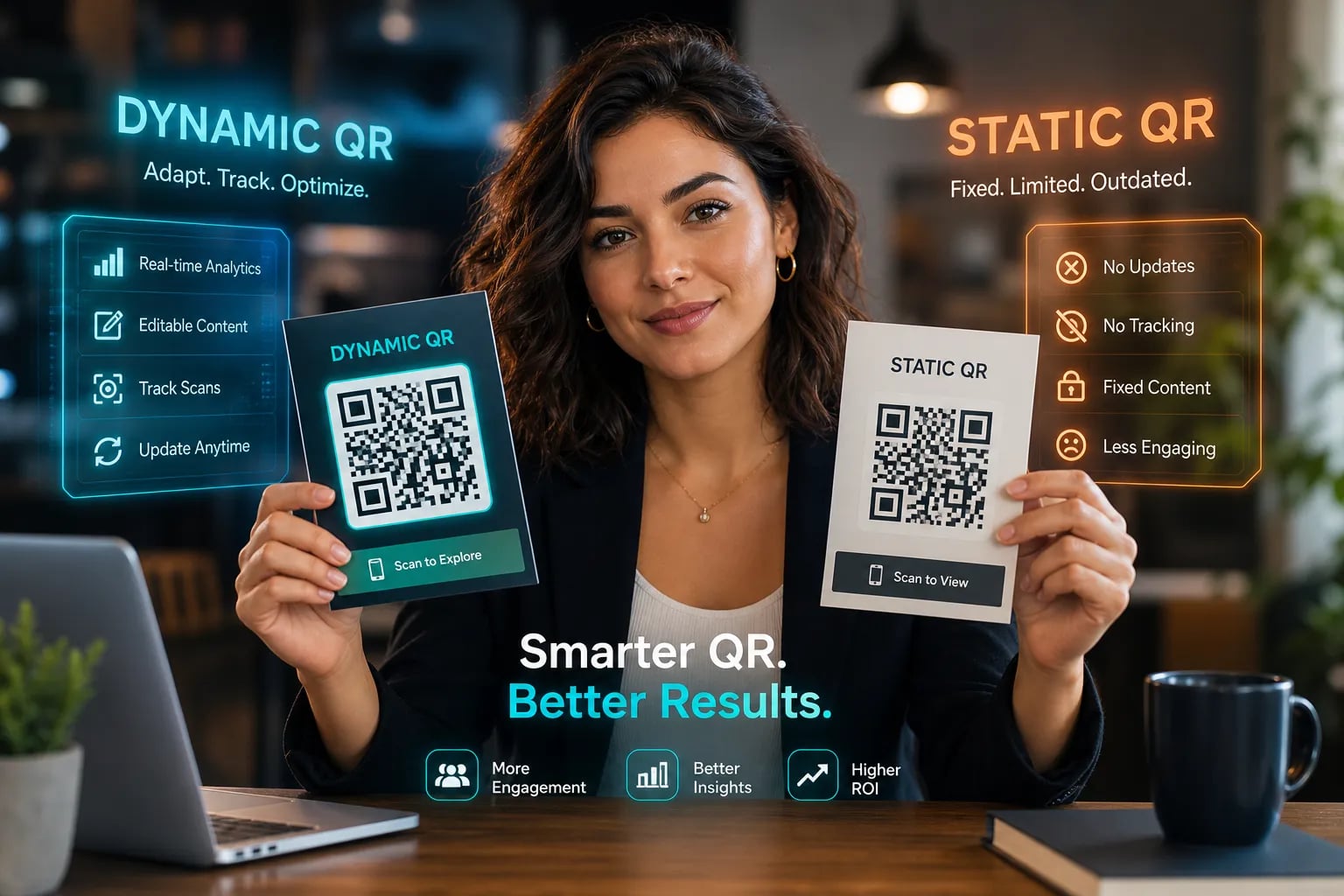
So, what exactly is a dynamic QR code? Unlike their static cousins, which are fixed once created, dynamic QR codes are a bit more flexible. They essentially act as a pointer to a URL that you control. This means you can change the destination – the webpage, video, or document it links to – after the QR code has already been printed and distributed. This ability to update content on the fly is their defining characteristic. It’s like having a digital signpost you can redirect without having to replace the physical sign itself. This is achieved through a short, redirecting URL managed by the QR code provider.
The Core Benefits of Dynamic QR Codes
Why bother with dynamic codes? Well, the advantages are pretty significant, especially for businesses and marketers.
- Flexibility: As mentioned, you can change the linked content anytime. This is brilliant for updating promotions, correcting errors, or adapting to seasonal offers without reprinting everything. It’s a real game-changer for campaigns that need to stay current.
- Analytics: This is a big one. Dynamic QR codes allow you to track scan data. You can see how many people scanned your code, when they scanned it, and even a general idea of where they were scanning from. This insight is invaluable for understanding campaign performance and user engagement.
- Cost-Effectiveness: While there might be a subscription cost, the ability to update content means you avoid the recurring expense and hassle of reprinting materials. For large-scale print runs, this can save a considerable amount of money and time.
- Customisation: Many platforms allow you to customise the appearance of your dynamic QR codes, adding logos or changing colours to match your branding. This makes them more visually appealing and recognisable.
When to Choose Dynamic Over Static
Deciding between static and dynamic QR codes often comes down to your specific needs. If you have information that will never change – like a Wi-Fi password for a single location or a simple contact detail – a static code might suffice. They are free to generate and don’t require an ongoing subscription. However, for most business applications, dynamic codes are the way to go.
Consider dynamic if:
- You plan to run time-sensitive promotions or campaigns.
- You want to track how many people are interacting with your QR codes.
- The destination URL might need updating in the future (e.g., a website redesign, a new product page).
- You’re using QR codes on materials that are expensive or difficult to reprint, like signage or packaging.
- You need to A/B test different landing pages or offers.
Essentially, if you need control, flexibility, and data, dynamic QR codes are the superior choice. They turn a simple scan into a measurable marketing action, providing valuable insights for your business strategy. They are the backbone of any serious QR code strategy today, allowing you to adapt and optimise without the constant need for reprinting. Dynamic QR codes offer a level of adaptability that static codes simply cannot match.
Xcan.it: A Closer Look
When you’re looking for a dynamic QR code solution that’s built for business, Xcan.it really stands out. It’s not just about generating a code; it’s about creating a flexible tool that can adapt as your needs change. Think of it as a digital Swiss Army knife for your marketing materials.
Key Features and Strengths
Xcan.it offers a really clean and straightforward experience, which is a breath of fresh air. One of its biggest selling points is the “print now – link later” capability. This means you can get a large batch of QR codes printed economically, knowing you can update where they point at any time. This is a massive cost saver, especially for things like signage or property boards where reprinting is a hassle and an expense. You get 10 dynamic QR codes completely free, and they’re ad-free and watermark-free, which is pretty generous. The platform also provides simple, practical scan analytics, showing you total and unique scans. This gives you a clear picture of how your codes are performing without getting bogged down in overly complex data.
Ideal Use Cases for Xcan.it
This platform is particularly well-suited for businesses that rely heavily on printed materials. We’re talking about:
- Retail: Point-of-sale displays, aisle signage, and promotional posters.
- Real Estate: Property boards and brochures.
- Events: Signage for directions, schedules, or information booths.
- Trades & Services: Stickers on vehicles or equipment.
- Public Notices: Council information boards or community event flyers.
Essentially, anywhere you need a QR code on a physical item that might need its destination updated down the line, Xcan.it is a strong contender. It’s designed for real-world signage workflows, making it easy to manage campaigns across multiple locations.
Pricing and Free Tier Advantages
The free tier is where Xcan.it really shines. You get 10 fully dynamic QR codes, which is more than enough to get started or to test the waters. Crucially, these aren’t limited or watermarked like some other free offerings. This means your branding stays clean and professional. Compared to other services where 10 dynamic codes might cost you around £54 a year, Xcan.it gives them to you for free. This significant saving means you can invest more in your actual marketing materials. Paid plans are also straightforward, often with unlimited dynamic codes, making it easy to scale up without worrying about per-code costs.
Hovercode: An Alternative Perspective
When you’re looking for dynamic QR codes, it’s easy to get lost in all the options. Xcan.it is a strong contender, but it’s always good to see what else is out there. Hovercode pops up as a friendly alternative, especially if you’re just starting out or running a lean operation. They’ve positioned themselves as a startup-friendly platform, and that really comes through in their approach.
Hovercode’s Startup-Friendly Approach
Hovercode seems to understand that not everyone needs a super-complex system right away. Their main draw is offering free dynamic QR codes, which is a big deal when you’re trying to keep costs down. You can create these codes, link them to a URL, and then change that URL later without having to generate a new QR code. This is brilliant for testing out different landing pages or updating information without reprinting materials. They also offer custom domain support, which is a nice touch for branding early on. It means your QR codes can look a bit more professional, even if you’re on a tight budget. It’s a solid way to get your feet wet with dynamic QR codes without a big financial commitment.
Free Tier Capabilities
The free tier from Hovercode is quite generous. You get dynamic QR codes that don’t expire, and you can edit the destination link whenever you need to. This is a huge advantage over static QR codes, where once it’s printed, it’s set in stone. For early-stage businesses or specific campaigns, this flexibility is gold. You can use these free codes for things like:
- Testing marketing messages
- Linking to temporary event pages
- Providing updated contact information
- Directing users to different app store links
It’s a practical way to experiment and see the benefits of dynamic QR codes firsthand. Plus, they offer branded pages, which adds a layer of polish to your links.
Limitations and Scalability
While Hovercode’s free offering is attractive, it’s worth noting where it might fall short as your business grows. The analytics, for instance, are described as ‘lighter’ compared to more robust platforms. This means you might not get the in-depth data on scan behaviour that some businesses need for detailed campaign analysis. If you’re planning to run large-scale, multi-market campaigns or require advanced features like team management, API access, or deep governance controls, Hovercode might feel a bit basic. It’s fantastic for getting started and for many common use cases, but for enterprise-level needs, you might eventually look for something with more advanced features. It’s a great starting point, but scalability could be a consideration down the line for very demanding applications. For many users, however, the balance of free features and ease of use makes it a compelling choice, especially when compared to the paid options available.
Comparing Xcan.it and Hovercode
Right then, let’s get down to brass tacks and see how Xcan.it and Hovercode stack up against each other. Both are in the dynamic QR code game, but they’ve got different approaches, especially when you’re looking at what you get for your money and how easy they are to use.
Feature Comparison for Dynamic QR Codes
When you’re choosing a dynamic QR code generator, you’re not just looking for a code that can change its destination. You want reliability, customisation, and a good user experience. Here’s a quick rundown of what each platform brings to the table:
- Xcan.it: This platform really shines for businesses that need to put QR codes on physical items like signage, property boards, or retail displays. Their “print now – link later” feature is a big deal. It means you can print a batch of codes at a good bulk price, and then decide where they point afterwards, or even change them later. This saves a lot of hassle and money if your links need to change. They offer 10 free dynamic QR codes, which is pretty generous, and their paid plans give you unlimited codes. They also focus on clean, ad-free, and watermark-free codes, which is important for branding.
- Hovercode: Hovercode seems to be pitched more towards startups and individuals, with a focus on a user-friendly interface and a decent free tier. While they offer dynamic QR codes, the information available suggests their free tier might be more limited in terms of the number of codes or features compared to Xcan.it’s offering for business use. They aim for a simple startup-friendly approach, which can be appealing if you’re just getting started.
Scan Experience and Reliability
This is where things can get a bit tricky. A QR code is only as good as its scan. You want it to be quick, accurate, and not throw up any annoying ads or watermarks that get in the way of your message.
Xcan.it makes a point of being ad-free and watermark-free, even on their free tier. This means when someone scans your code, they go straight to your intended destination without any distractions. They also provide simple scan analytics, showing total and unique scans, which is handy for seeing if your codes are actually being used. This focus on a clean scan experience is particularly important for printed materials where you want a professional look.
While Hovercode aims for a good user experience, the details on their scan experience, especially regarding ads or watermarks on free codes, aren’t as clearly highlighted for business use cases. For critical business applications, a clean and direct scan is usually preferred.
Cost-Effectiveness for Different Needs
Let’s talk money. How much are you going to spend, and what do you get for it?
- Xcan.it: They offer a really strong free tier with 10 dynamic QR codes. This is a significant advantage, especially when compared to other services where a similar number might cost you. For instance, they mention saving £54 a year compared to another generator for 10 codes. Their paid plans are also structured to be cost-effective, especially with unlimited dynamic codes available. This makes them a solid choice for businesses of all sizes, from small operations to larger enterprises.
- Hovercode: Hovercode’s pricing structure is often geared towards a startup-friendly model. While they might have a free tier, it’s worth checking the exact limits on dynamic codes and features. If you need a large number of dynamic codes or advanced analytics, you’ll need to compare their paid plans carefully against Xcan.it’s offerings to see where the value lies for your specific needs. For businesses looking for a robust, scalable solution with a generous free starting point, Xcan.it often comes out ahead.
Ultimately, the choice between Xcan.it and Hovercode often comes down to your specific requirements. If you’re focused on printed materials, need flexibility with your links, and want a clean scan experience with good value, Xcan.it is a strong contender. Hovercode might be a good starting point for simpler needs or for those prioritising a very straightforward interface for basic dynamic codes.
Making the Right Choice for Your Business

Choosing between Xcan.it and Hovercode for your dynamic QR code needs really boils down to what your business priorities are right now. Both platforms offer the core functionality of dynamic QR codes, meaning you can change the destination link without having to reprint anything, which is a massive plus for saving time and money. But they approach things a little differently, and understanding these differences will help you pick the one that fits best.
Assessing Your Specific Requirements
Before you even look at features, take a moment to think about what you actually need. Are you a small startup just testing the waters, or an established business looking to manage campaigns across multiple locations? This will heavily influence your decision. Hovercode is often highlighted as a great starting point, especially with its free tier offering dynamic codes. This makes it really accessible for early-stage businesses or for specific, smaller projects. On the other hand, Xcan.it is positioned as a more all-round solution, suitable for businesses that need a bit more structure and potentially more robust analytics as they grow. It’s worth considering if you’re planning for rapid expansion or need a platform that can scale with you without hitting limitations too quickly. For businesses, platforms like Xcan.it offer advanced features for QR code management, including dynamic codes, on-the-fly link updates, and scan tracking for optimized campaigns. When choosing a QR reader app, look for multi-format support (QR, Data Matrix, PDF417, Code 128) for versatility across various scannable codes. Prioritize safety checks and URL previews for secure scanning. Testing functionality and reviewing privacy policies are crucial for informed decisions. Explore paid QR code generators offering advanced features such as analytics, dynamic QR codes, custom designs, and business tracking.
Prioritising Features: Branding vs. Analytics
This is where the two platforms really show their colours. If your main goal is to make your QR codes look good and match your brand perfectly, both offer customisation. However, Xcan.it often gets praised for its clean, ad-free interface and strong branding options right from the start. They have a “print now – link later” approach which is fantastic for bulk printing, allowing you to get better rates on print runs without being locked into a specific destination. This can be a real cost saver in the long run.
Analytics are another big differentiator. While Hovercode offers basic scan tracking, Xcan.it tends to provide more detailed insights, especially in its paid tiers. This can include data on when and where scans are happening, and even device information. For marketers, having this data is invaluable for understanding campaign performance and making informed decisions about future strategies. For example, dynamic QR codes allow you to update the destination link without reprinting materials, saving time and resources. Furthermore, they provide valuable scan tracking and insights, enabling businesses to monitor performance, understand customer behavior, and adapt their strategy based on real-world data to optimize review collection efforts. Dynamic QR codes offer a significant advantage for businesses seeking Google reviews.
Long-Term Value of Dynamic QR Solutions
Ultimately, the value of a dynamic QR solution lies in its flexibility and the insights it provides. Both Xcan.it and Hovercode allow you to update your links, which is the core benefit of dynamic codes. This means a single QR code printed on packaging or signage can be updated to point to a new product, a seasonal offer, or a different landing page without needing to reprint anything. This adaptability is key in today’s fast-paced market.
Consider this:
- Cost-Effectiveness: While Hovercode’s free tier is generous for getting started, Xcan.it’s pricing structure, especially its unlimited dynamic codes on paid plans and the “print now – link later” model, can offer better long-term value for businesses printing large quantities. For instance, Xcan.it can save you money compared to other platforms that charge per dynamic code. The QR Code Generator is an example where costs can escalate.
- Scalability: If you anticipate needing hundreds or thousands of dynamic QR codes, or require advanced analytics and campaign management features, Xcan.it might offer a more robust path forward. Hovercode is excellent for startups and smaller projects, but Xcan.it seems better equipped for businesses looking to integrate QR codes deeply into their operations across multiple touchpoints.
- User Experience: Both platforms aim for simplicity, but Xcan.it’s ad-free and watermark-free approach on its free dynamic codes provides a cleaner experience from the outset. This can translate to a better user experience for your customers too.
The decision between Xcan.it and Hovercode isn’t about which is ‘better’ overall, but which is better for you. Think about your current stage, your budget, and what you want to achieve with your QR codes in the next year or two. If you’re just starting, Hovercode is a fantastic, low-risk entry point. If you’re looking for a more polished, analytics-driven solution with strong branding capabilities for ongoing campaigns, Xcan.it is likely the stronger contender. Explore paid QR code generators offering advanced features such as analytics, dynamic QR codes, custom designs, and business tracking.
Choosing the right path for your business can feel tricky. We’re here to help you make smart decisions that will help your company grow. Explore our website to find the tools and information you need to succeed.
So, Which Dynamic QR Code Generator Wins?
Right then, after looking at Xcan.it and Hovercode, it’s pretty clear they both do a decent job with dynamic QR codes. Hovercode seems to be the go-to if you’re just starting out and want something free to play with, especially if you’re keen on using your own domain name early on. Xcan.it, on the other hand, feels a bit more robust for businesses that are already on the move. It offers a cleaner experience without ads or watermarks, even on the free tier, and its ‘print now, link later’ approach is a smart way to save cash on printing if you’re ordering in bulk. For most businesses wanting to update links on the fly and keep an eye on how their QR codes are performing, Xcan.it looks like the more practical, all-around choice. But hey, if you’re just dipping your toes in, Hovercode’s free offering is a solid place to start.
Frequently Asked Questions
What makes a QR code ‘dynamic’?
A dynamic QR code is like a magic link that can be changed even after you’ve printed it. Instead of pointing directly to a website, it points to a special page that then sends you to your final destination. This means you can update where the QR code goes without needing to print new ones, saving time and money.
What’s the main advantage of using dynamic QR codes?
The biggest plus is flexibility! You can change the destination link anytime. This is super handy for marketing campaigns that change, updating menus, or fixing a mistake in a link. Plus, you usually get to see how many people scanned it and where they scanned from, which helps you understand what’s working.
How is Xcan.it different from Hovercode?
Both Xcan.it and Hovercode let you create dynamic QR codes. Xcan.it is often praised for its clean look, good branding options, and is great for printed materials because you can ‘print now, link later’. Hovercode is known for being very beginner-friendly, offering free dynamic codes, and even custom domain options which is great for new businesses trying to build their brand.
Can I use dynamic QR codes for free?
Yes, many services offer a free plan to get you started. For example, Xcan.it usually gives you a number of free dynamic QR codes, and Hovercode is also known for its generous free tier. These free plans are perfect for trying out dynamic codes or for smaller projects.
When should I choose a dynamic QR code over a static one?
You should go for a dynamic QR code whenever you think you might need to change the destination link later, or if you want to track how many scans you get. Static QR codes are simpler and don’t need an account, but once they’re made, they can’t be changed. If your link is permanent and you don’t need stats, static might be okay, but dynamic is usually more useful.
What does ‘print now, link later’ mean for QR codes?
This is a clever way to save money, especially when printing lots of items like posters or flyers. It means you can print your QR codes with the final design, but you don’t have to decide the exact web address (URL) they’ll link to yet. You can print a big batch to get a better price, and then update the link later through your QR code service. This way, you don’t waste expensive printed materials if your link changes.