Putting QR codes on product packaging is a smart move these days. It’s not just about giving people a quick link to your website anymore. These little squares can actually tell your brand’s story, help customers feel more connected, and even make sure they know exactly what they’re buying. Plus, they’re pretty handy for proving your product is the real deal and for keeping up with all those rules and regulations. We’re going to look at how you can use them effectively, and where else they might pop up.
Key Takeaways
- Using QR codes on product packaging can make it interactive, telling your brand’s story and personalising the customer’s experience.
- They are a reliable way to prove your product’s authenticity and provide transparency about its origins and safety.
- Smart QR codes let you update information without reprinting, saving time and money, and can be used to gather data for better marketing.
- Strategic placement and choosing the right type of QR code are important for making sure they are easy to scan and use.
- QR codes are expanding beyond packaging into areas like TV ads and retail experiences, showing the future is all about connected products.
Enhancing Consumer Engagement Through QR Codes
Transforming Packaging into Interactive Storytellers
Think of your product packaging as more than just a container; it’s a direct line to your customers. By adding smart QR codes, you turn that static surface into a dynamic storyteller. This simple addition bridges the gap between the physical product and a world of digital content. Imagine a customer scanning a code on a coffee bag to watch a short video about the beans’ origin, or on a skincare product to see a tutorial on how to use it. This transforms a simple purchase into an engaging experience, making your brand memorable long after the sale. It’s about giving your packaging a voice and letting it share your brand’s narrative in real-time. This approach makes your packaging a continuous brand ambassador, always ready to share something new and interesting.
Driving Loyalty with Seamless Rewards
Loyalty programmes are getting a digital makeover, and QR codes are leading the charge. Forget fumbling for loyalty cards; customers can now scan a code on your product to instantly join your rewards programme, collect points, or redeem special offers. This makes the whole process smoother and more convenient, which is a big win for busy shoppers. It’s particularly popular with younger consumers who prefer managing everything on their phones. By making it easy to earn and use rewards, you encourage repeat purchases and build a stronger connection with your customer base. This digital convenience, coupled with the cost-effectiveness for brands, makes QR code loyalty schemes a smart move for building lasting customer relationships.
Personalising the Customer Journey
Every customer is unique, and smart QR codes let you treat them that way. By linking QR codes to dynamic content, you can tailor the information and offers presented based on who is scanning, where they are, or even what time it is. For example, a code on a food product could lead to different recipes depending on the season or regional availability of ingredients. This level of personalisation makes customers feel seen and valued, strengthening their bond with your brand. It moves beyond a one-size-fits-all approach, creating individualised experiences that can significantly boost satisfaction and encourage further interaction. This ability to adapt content on the fly means your packaging can speak directly to each customer’s needs and interests, making every interaction more meaningful. Connected packaging is key to this personalised approach.
Ensuring Product Authenticity and Transparency
Verifying Product Origins and Safety
Worried about fakes or where your products really come from? Smart QR codes offer a straightforward way to put those concerns to bed. By scanning a code on the packaging, consumers can instantly access verified information about a product’s journey, from its raw materials to its final destination. This level of detail helps build confidence and reassures customers they’re getting the genuine article. It’s a powerful tool for protecting both your brand’s reputation and your customers’ trust. For critical sectors like food safety, this verification is not just good practice; it’s essential for preventing fraud and ensuring compliance with international standards. Legitimate certificates, for instance, will always direct users to official domains when scanned, a detail that can be easily checked. Verify product origins.
Meeting Regulatory Compliance with Ease
Navigating the complex world of regulations can be a headache, but smart QR codes simplify the process. They provide a direct channel to share all the necessary compliance information, from ingredient lists and allergen details to sustainability certifications and manufacturing standards. This means you can meet regulatory requirements, like those for digital product passports (DPP) or packaging and single-use plastic regulations (PPWR), without cluttering your packaging. Consumers increasingly expect this transparency, and using QR codes makes it easy for them to find the information they need, when they need it. It’s a win-win: you stay compliant, and your customers feel informed and secure.
Building Trust Through Open Communication
Transparency is no longer a nice-to-have; it’s a must-have. Consumers are actively seeking brands that are open about their products and practices. Smart QR codes on packaging act as a direct line of communication, allowing you to share your brand’s story, ethical sourcing practices, and environmental impact. When customers can easily access this information, it fosters a deeper connection and builds lasting loyalty. Think about it: 80% of consumers are more likely to buy from brands that use QR codes for transparency, and many are even willing to pay a bit more for products that offer this level of openness. This open dialogue is key to building a brand that people trust and want to support. Supply chain transparency is becoming the norm, and QR codes are your easiest route to achieving it.
When a QR code leads to a broken link or confusing information, it doesn’t just frustrate the user; it erodes trust in the brand. Reliability is key to building that bridge between the physical product and the digital information it represents. Making sure your QR codes are functional and lead to accurate, up-to-date content is paramount for maintaining consumer confidence and brand integrity.
The Dynamic Capabilities of Smart QR Codes
Updating Content Without Reprinting
Forget the days of needing to redesign and reprint your packaging just to change a promotion or update product information. Smart QR codes offer incredible flexibility. You can change where a QR code links to at any time, without ever needing to print a new label. This means your packaging can stay relevant and engaging long after it leaves the factory floor. It’s like having an "always-on storyteller" right there on your product, ready to share new messages whenever you need them to.
Leveraging Data for Smarter Campaigns
These aren’t just simple links; they’re data-gathering tools. When someone scans your smart QR code, you get valuable insights. You can see how many people are scanning, when they’re scanning, and even roughly where they are. This information is gold for understanding what works and what doesn’t. You can then tweak your campaigns based on real user behaviour, making your marketing efforts much more effective. It helps you understand your customers better and tailor your messaging for maximum impact.
Integrating with Other Smart Technologies
Smart QR codes don’t have to work alone. They can be part of a bigger connected ecosystem. Think about linking them with Near Field Communication (NFC) tags for an even smoother customer experience, or integrating them with your Customer Relationship Management (CRM) system. This allows a scan to directly update a customer record or trigger a follow-up action. It’s about creating a connected journey that goes beyond just a single scan, making your packaging a true part of your digital strategy. This integration helps build trust through open communication and provides a more complete picture of customer interaction.
Strategic Implementation of QR Codes on Packaging
Getting QR codes onto your product packaging isn’t just about sticking a square on a box; it’s about planning how that little square will work for you. Think of it as a mini marketing campaign that lives on your product. You need to figure out the best way to use them so customers actually scan them and get something useful out of it. It’s about making sure the code is easy to find and use, and that what happens when they scan it is actually helpful. This isn’t just a technical step; it’s a strategic one that can really make a difference in how people connect with your brand.
Choosing the Right QR Code Type
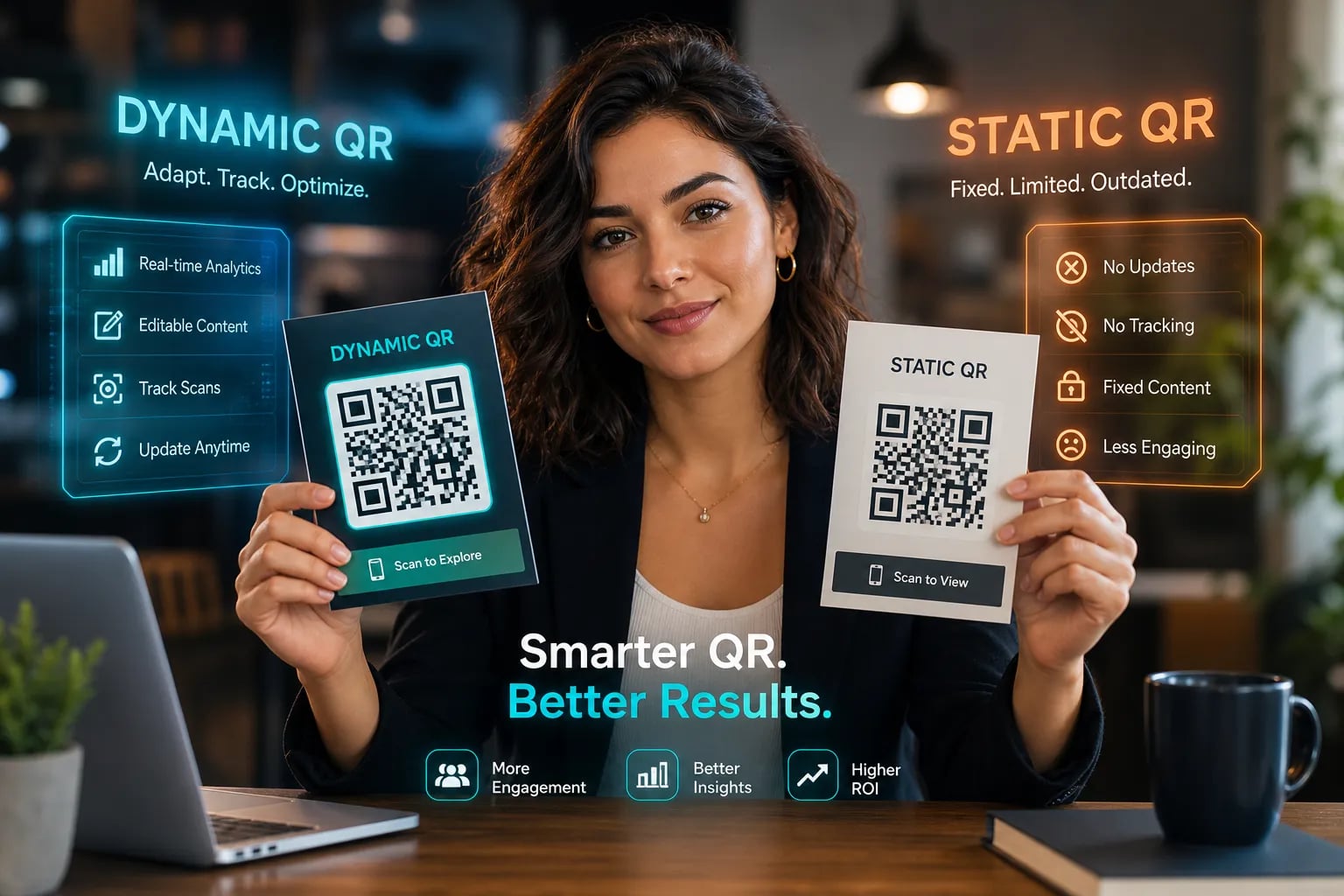
Not all QR codes are created equal, and picking the right one is key. You’ve got static QR codes, which are great for information that never changes, like your company’s website address. Once it’s set, it’s set. Then there are dynamic QR codes. These are the real stars for packaging because you can change where they link to after you’ve printed them. This means if you have a promotion that ends, or you want to update a product video, you can just change the link online without having to reprint all your packaging. This flexibility is a game-changer for keeping your packaging content fresh and relevant. For most packaging applications, especially those involving marketing or information that might evolve, dynamic QR codes offer far more long-term value.
Optimising Placement for Scannability
Where you put that QR code on your packaging really matters. It needs to be easy for someone to find and scan with their phone. Think about the natural way someone holds or looks at your product. A good spot is usually on the front or back panel, in a clear, open space. Avoid placing it too close to edges, seams, or busy graphics that could make it hard for a scanner to read. Also, make sure there’s enough contrast between the code and the background – a dark code on a light background usually works best. If you’re using a lot of packaging, consider how it will be displayed on shelves; you want the code to be visible even when the product is packed tightly with others. A poorly placed code might as well not be there at all.
Measuring the Impact of Your QR Codes
Putting QR codes on your packaging is only half the battle; you need to know if they’re actually doing anything. This is where tracking comes in. Dynamic QR codes are brilliant for this because they let you see how many people are scanning them, when they’re scanning, and sometimes even where they’re scanning from. This data is gold. It tells you if your packaging is reaching the right people and if the content you’re linking to is engaging them. You can use this information to tweak your campaigns, understand what resonates with your customers, and prove the return on investment for your packaging efforts. Without measurement, you’re just guessing if your QR codes are working.
Here’s a quick look at what you can track:
- Total Scans: How many times the code has been scanned.
- Scan Location: A general idea of where scans are coming from (if enabled).
- Time of Scans: When people are most likely to scan your code.
- Device Type: What kind of phones are being used to scan.
Understanding these metrics helps you refine your packaging strategy and make sure your QR codes are pulling their weight. It turns a simple scan into actionable business intelligence.
Beyond Packaging: Expanding QR Code Horizons
Revolutionising Television Advertising
QR codes are changing how we watch TV. Imagine seeing an advert and being able to instantly interact with it. That’s what QR codes do. They turn passive viewing into an active experience, letting you scan for more information, special offers, or even to buy a product right then and there. This means advertisers get real-time data on what’s working, helping them make future ads even better. It’s a smart way to bridge the gap between the screen and the online world, making TV ads more engaging and measurable.
Streamlining Retail Experiences
Think about your last trip to the supermarket. QR codes can make shopping much smoother. They can be used on shelves to give you instant details about a product, compare prices, or even show reviews. This helps you make quicker, more confident decisions. Retailers can also use them for things like smart aisle signage, directing you to deals or product information. It’s all about making the shopping journey easier and more informative for everyone involved. This also helps brands connect with consumers in new ways.
Enhancing Event and Venue Information
QR codes are fantastic for events and public spaces. At a stadium or a concert venue, a quick scan can give you directions, show you the schedule, or even let you give feedback. Museums can use them to link exhibits to audio guides or donation pages, adding depth to your visit without cluttering the space. For local government, updating public signs with new information becomes simple – just change the QR code’s destination instead of reprinting everything. This keeps information current and accessible, making any venue easier to navigate and enjoy.
The Future of Connected Packaging
The Growing Demand for Transparency
Consumers today want to know more about what they’re buying. It’s not just about the product itself, but where it came from, how it was made, and its impact on the planet. This is where connected packaging steps in. By adding smart QR codes to product packaging, brands can open up a direct line of communication with their customers. This allows for sharing detailed information about sourcing, ingredients, and ethical practices. This level of openness builds trust and can significantly influence purchasing decisions. As more people seek out brands that are honest and responsible, connected packaging becomes a key tool for meeting that demand.
The Role of QR Codes in Sustainability
Sustainability is a big deal for shoppers, and QR codes can play a vital part in helping brands show their green credentials. Imagine a customer scanning a code on a product and instantly seeing information about the packaging’s recyclability, the company’s carbon footprint reduction efforts, or even tips on how to properly dispose of the item. This makes it easier for consumers to make eco-conscious choices. It also helps brands demonstrate their commitment to the environment, which is increasingly important for building customer loyalty. Using QR codes this way turns packaging into an educational tool for a more sustainable future.
Innovations in Smart Packaging Technology
We’re seeing some really exciting developments in smart packaging. Beyond just QR codes, think about how technologies like NFC tags and augmented reality are starting to blend with physical products. This means packaging can do more than just hold a product; it can become an interactive experience. For example, scanning a code might unlock a virtual try-on for clothing, offer interactive recipes for food items, or provide real-time product updates. As these technologies become more common and affordable, smart packaging technologies will offer even more ways for brands to connect with consumers and provide richer product information. The packaging of tomorrow will be a lot more than just a box or a wrapper.
Imagine a world where your product packaging can do more than just sit on a shelf. Connected packaging is making this a reality, turning everyday items into interactive experiences. This means customers can easily get more information, track their products, or even engage with special offers, all by simply scanning a code. It’s a smart way to build stronger connections with your audience and keep them coming back for more. Ready to see how this technology can boost your brand? Visit our website to learn how connected packaging can transform your products.
The Future is Connected
So, there you have it. Smart QR codes on your product packaging aren’t just a passing trend; they’re a solid way to connect with your customers, keep them informed, and even boost your brand’s image. It’s not overly complicated to get started, and the payoff in terms of engagement and data is pretty significant. Think of it as giving your products a voice in the digital world. It’s a smart move for any brand looking to stay relevant and build stronger relationships with the people who buy their goods.
Frequently Asked Questions
What exactly is a smart QR code?
A smart QR code is like a regular QR code, but it’s more flexible. Instead of just linking to one place forever, you can change where it leads without having to print a new one. Think of it as a digital shortcut that can be updated whenever you need it.
Why would I put QR codes on my product packaging?
Putting QR codes on packaging is a great way to connect with customers. You can share extra info about your product, like how it’s made or how to use it. It can also lead them to special offers, loyalty programmes, or even fun games, making your product more interesting.
Can QR codes help make sure my products are real?
Yes, they can! QR codes can be used to prove that a product is genuine. By scanning the code, customers can check where the product came from and confirm it’s not a fake. This builds trust between you and your customers.
Is it hard to set up QR codes on my packaging?
It’s become much easier over time. You can create QR codes online, often for free or a small cost. The main thing is to make sure the code is placed where it’s easy to scan and that the link it goes to works well and is useful for your customers.
What happens if I want to change the information linked to my QR code?
That’s the beauty of smart QR codes! You can easily change the link or information without needing to print new packaging. This is super handy if you have a special promotion that ends, or if you want to update product details.
Do people actually scan QR codes on packaging?
Yes, they do! Many people scan QR codes to find out more about products, get discounts, or join loyalty schemes. It’s a quick and easy way for them to get extra value and information directly from the product they’re holding.