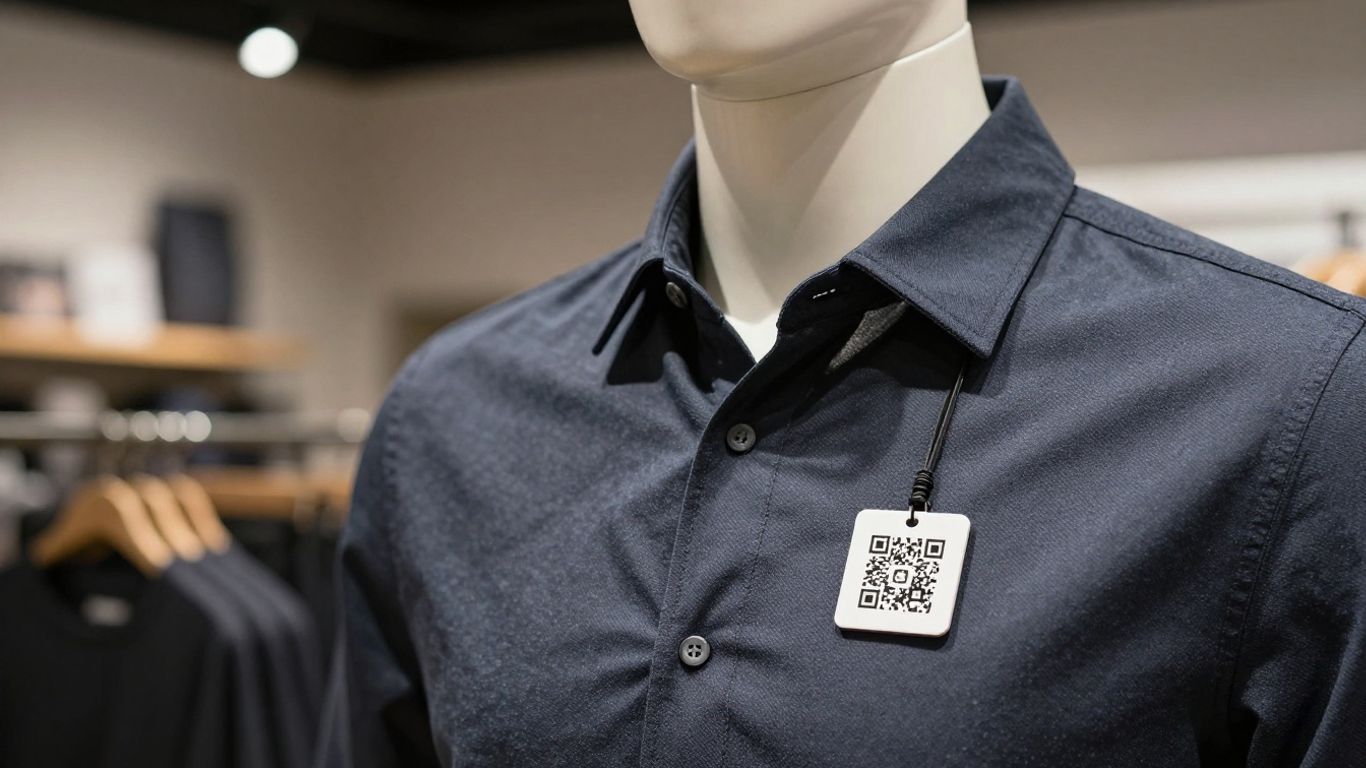
It feels like everywhere you look these days, there’s a QR code. They’ve popped up on everything from restaurant menus to bus stop adverts. But in the world of fashion, the humble QR code is doing a lot more than just linking to a website. We’re talking about clothing QR codes, and they’re quietly changing how we shop, how brands connect with us, and even how clothes are made. It’s a pretty big deal, honestly.
Key Takeaways
- Clothing QR codes are moving beyond simple web links to become interactive brand ambassadors, offering consumers more information and engagement.
- Brands can use these codes to create personalised experiences, like loyalty programmes and augmented reality features, encouraging repeat business.
- QR codes offer a way to be more transparent about where clothes come from and how they’re made, helping build trust with consumers.
- Retailers can use QR codes to manage stock more accurately and even reduce waste by updating information digitally instead of reprinting materials.
- The future looks even more connected, with QR codes playing a role in smart packaging, personalised shopping, and making fashion more sustainable.
The Evolution of the Clothing QR Code
From Basic Links to Dynamic Storytellers
Remember when QR codes first popped up? They were mostly just a quick way to get to a website, a bit like a digital business card stuck on a product. But things have moved on, haven’t they? Now, these little squares are turning into proper storytellers for clothing brands. Instead of just a static link, they can lead you to all sorts of things – videos about how the garment was made, styling tips, or even interactive games. It’s like the clothing itself has a hidden digital layer, ready to share more than just its size and material.
Bridging the Physical and Digital Divide
This is where QR codes really shine. They’re the perfect bridge between the clothes you can touch and see in a shop and the vast world of online information. Think about it: you see a jacket you like, scan the code, and suddenly you’re looking at a video of it being worn in different settings, or you can read about the sustainable materials used. It makes the shopping experience much richer and more engaging, pulling you into the brand’s world without you even having to leave the shop floor.
The Rise of the Always-On Brand Ambassador
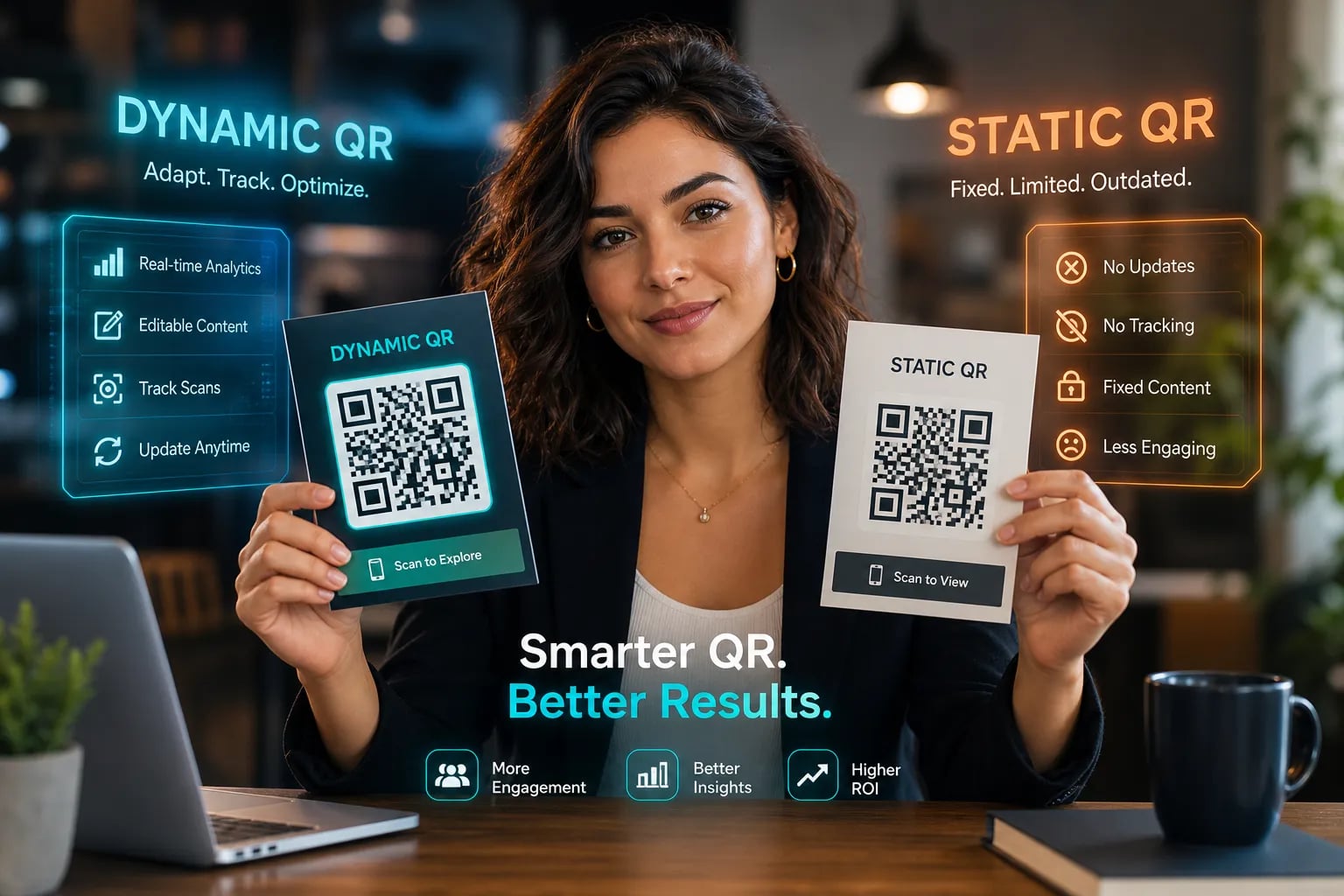
Every piece of clothing with a QR code is essentially an always-on brand ambassador. It’s there, on the garment, ready to talk about the brand 24/7. This is especially powerful with dynamic QR codes. Platforms like Xcan.it let you update where that code leads without ever needing to reprint it. So, if a brand launches a new campaign, wants to share a seasonal offer, or even update product care instructions, they can do it instantly. This means the information stays fresh and relevant, making that clothing item a continuously useful touchpoint for the brand. Plus, with a single dashboard to track all your scans, you get real-time insights into what’s working, helping you refine your campaigns across print, signage, and any other physical assets you use. It’s a smart way to keep your brand message alive and kicking long after the item has left the factory.
Enhancing Customer Engagement Through Scans
QR codes on clothing are more than just a quick link; they’re a direct line to your customers, turning a simple scan into a rich interaction. Think of them as always-on brand ambassadors, ready to share stories, offer rewards, or provide extra details.
Interactive Experiences and Loyalty Programmes
This is where things get really interesting. Instead of just a static link, QR codes can unlock a whole world of engagement. Imagine a customer scanning a code on a new jacket and being taken to a page with styling tips, behind-the-scenes videos of the design process, or even a fun quiz about the garment’s inspiration. It’s about making the shopping experience more memorable and personal.
Loyalty programmes are a perfect fit here too. Forget fumbling for plastic cards; a quick scan can enrol customers, track points, and allow them to redeem rewards instantly. This makes it super easy for shoppers to stay engaged and feel valued, encouraging them to return.
Personalised Offers and Augmented Reality
QR codes allow brands to offer tailored experiences. A scan might reveal a special discount just for that customer, based on their past purchases or preferences. It’s a way to say, "We know you, and we appreciate you." This level of personalisation can make a big difference in how a customer feels about a brand.
Augmented Reality (AR) is another exciting avenue. A QR code could launch an AR filter that lets customers virtually try on the item they’re looking at, or see how a piece of furniture might look in their home. It adds a layer of fun and utility that’s hard to achieve otherwise.
Driving Repeat Business with Seamless Access
The real magic happens when these interactions lead to repeat business. When a customer has a positive, engaging experience with a QR code – whether it’s accessing a loyalty programme, getting a personalised offer, or enjoying an interactive feature – they’re far more likely to come back. It’s about building a connection that goes beyond the initial purchase.
Tools like Xcan.it are game-changers here. They let you create dynamic QR codes, meaning you can update the link or content after the code has been printed. So, if a promotion changes or you want to swap out a video, you don’t need to reprint everything. This flexibility is brilliant for keeping campaigns fresh and relevant. Plus, you get a dashboard to track scans, so you can see exactly what’s working and where. This insight is invaluable for refining your customer engagement strategies and making sure your efforts are paying off.
Transparency and Authenticity with Clothing QR Codes
In today’s world, people want to know where their clothes come from and how they’re made. It’s not just about looking good; it’s about feeling good about your choices. QR codes on clothing are becoming a straightforward way to give customers that peace of mind. They offer a direct line to information that builds trust and shows a brand’s commitment to openness.
Verifying Product Origins and Ethical Sourcing
Gone are the days of vague claims. A simple scan can now reveal the journey of a garment, from the farm where the cotton was grown to the factory where it was stitched. This level of detail helps consumers understand the real story behind their clothes. It’s a powerful tool for brands committed to ethical sourcing and fair labour practices, allowing them to prove their claims rather than just state them. This transparency is increasingly important for consumers making informed decisions about their purchases, with many willing to pay more for products that offer this level of detail [ad58].
Ensuring Compliance and Regulatory Adherence
Beyond consumer trust, QR codes are vital for meeting industry standards and regulations. For instance, initiatives like the Digital Product Passport (DPP) for fashion are designed to combat greenwashing. By scanning a QR code, consumers can access a garment’s DPP, verifying sustainability claims and other important product information [6be8]. This not only helps brands comply with new rules but also provides a clear, accessible way to communicate complex details to the public.
Building Trust Through Traceability
Ultimately, transparency boils down to trust. When a brand makes it easy to trace a product’s origins and verify its ethical credentials, it builds a stronger connection with its customers. This isn’t just about a single purchase; it’s about fostering long-term loyalty. Platforms like Xcan.it offer dynamic QR codes that allow brands to update this traceability information without needing to reprint labels. This means that as supply chains evolve or new certifications are obtained, the information linked to the QR code can be updated instantly, keeping customers informed with the most current details. This flexibility, combined with the ability to track scan data, provides a clear picture of what information is most sought after by consumers, allowing brands to refine their communication strategies effectively.
Streamlining Retail Operations with QR Technology
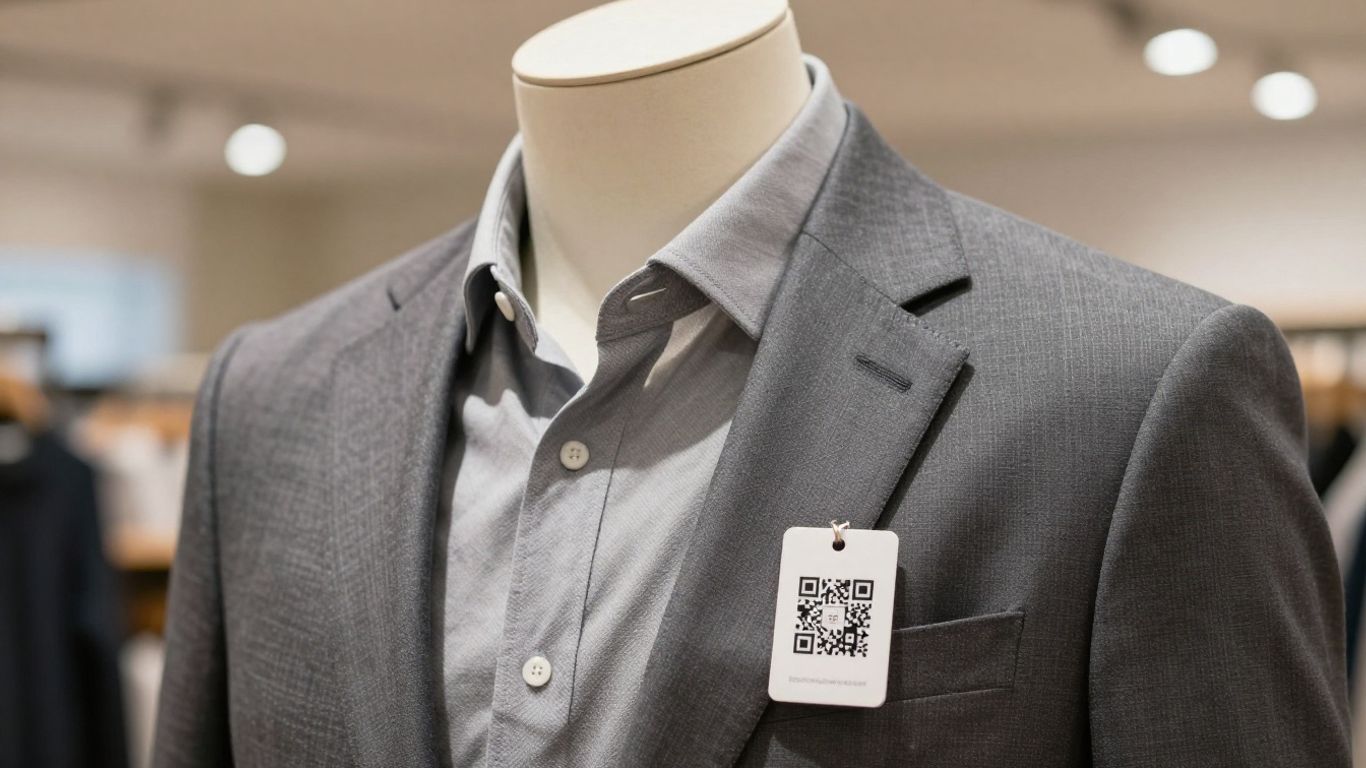
QR codes are quietly revolutionising the back-end of retail, making things run a lot smoother. It’s not just about customer interaction anymore; these little squares are becoming essential tools for managing stock, reducing waste, and generally making the whole operation more efficient. Think of it as giving your retail processes a digital upgrade.
Inventory Management and Stock Accuracy
Keeping track of what you have and where it is can be a real headache. QR codes offer a straightforward solution. By attaching a QR code to each item or batch, you can instantly log stock movements, check inventory levels, and even track items as they move through the supply chain. This means fewer errors, less time spent counting, and a much clearer picture of your stock. It’s a big step up from manual checks and helps avoid those awkward moments when a customer wants something you thought you had.
Reducing Waste with Dynamic Updates
One of the most powerful aspects of modern QR codes, especially dynamic ones, is their flexibility. With a platform like Xcan.it, you can update the information linked to a QR code without needing to reprint anything. This is a game-changer for reducing waste. Imagine a promotion that needs to change, or a product detail that’s updated – instead of discarding old signage or labels, you simply update the link online. This agility means less printed material ends up in landfill and your messaging is always current. It’s a smarter, more sustainable way to operate.
Improving In-Store Navigation and Information
For larger stores or complex layouts, helping customers find what they need can be a challenge. QR codes can be placed strategically throughout the store to act as digital signposts. A customer could scan a code near the entrance to get a store map, or scan one in an aisle to find out more about a specific product or promotion. This not only improves the customer experience by making shopping easier but also frees up staff time that would otherwise be spent giving directions. It’s about providing information right when and where it’s needed, making the shopping trip less stressful for everyone involved. The ability to update these codes means you can easily change store layouts or highlight seasonal displays without a hassle. Barcodes are revolutionizing clothing labels by enhancing supply chain efficiency, and QR codes are taking that a step further for in-store operations.
The Power of Dynamic Clothing QR Codes
QR codes have come a long way from just being a simple link to a website. They’ve evolved into dynamic tools that can change and adapt, making them incredibly useful for fashion brands. Think of them as always-on brand ambassadors, but with the ability to update their message whenever you need them to.
Updating Content Without Reprinting
This is where dynamic QR codes really shine. With a service like Xcan.it, you can update the link behind a QR code without ever needing to print a new one. This means if you have a QR code on a swing tag or a label, you can change where it leads – maybe to a new collection, a special offer, or even a behind-the-scenes video – long after the garment has been produced. It’s a huge advantage for keeping your marketing fresh and relevant. This flexibility means you can adapt campaigns quickly, which is a real game-changer in the fast-paced fashion world. You can even use the "Print Now – Link Later" feature to get your physical materials out there and assign the destination later, which is handy for time-sensitive promotions [0620].
Real-Time Analytics for Campaign Insights
Beyond just updating links, dynamic QR codes offer something else pretty valuable: data. Platforms like Xcan.it provide a dashboard where you can track how many people are scanning your codes, when they’re scanning them, and even roughly where they’re scanning from. This kind of insight is gold for understanding what’s working and what’s not. You can see which placements are getting the most engagement and use that information to refine your campaigns. It helps you understand your customers better and make smarter decisions about your marketing spend.
Print Now, Link Later Flexibility
This feature, often called "Print Now, Link Later," is a lifesaver for campaign management. It means you can print your marketing materials, like posters or swing tags, with the QR codes on them, and then decide exactly where those codes will lead later. This is incredibly useful for events, seasonal promotions, or any situation where timings are tight. You get the physical asset ready to go, and the digital destination can be updated right up until the moment it needs to go live. It’s all about giving you more control and reducing the stress of last-minute changes.
Future Trends in Fashion and QR Integration
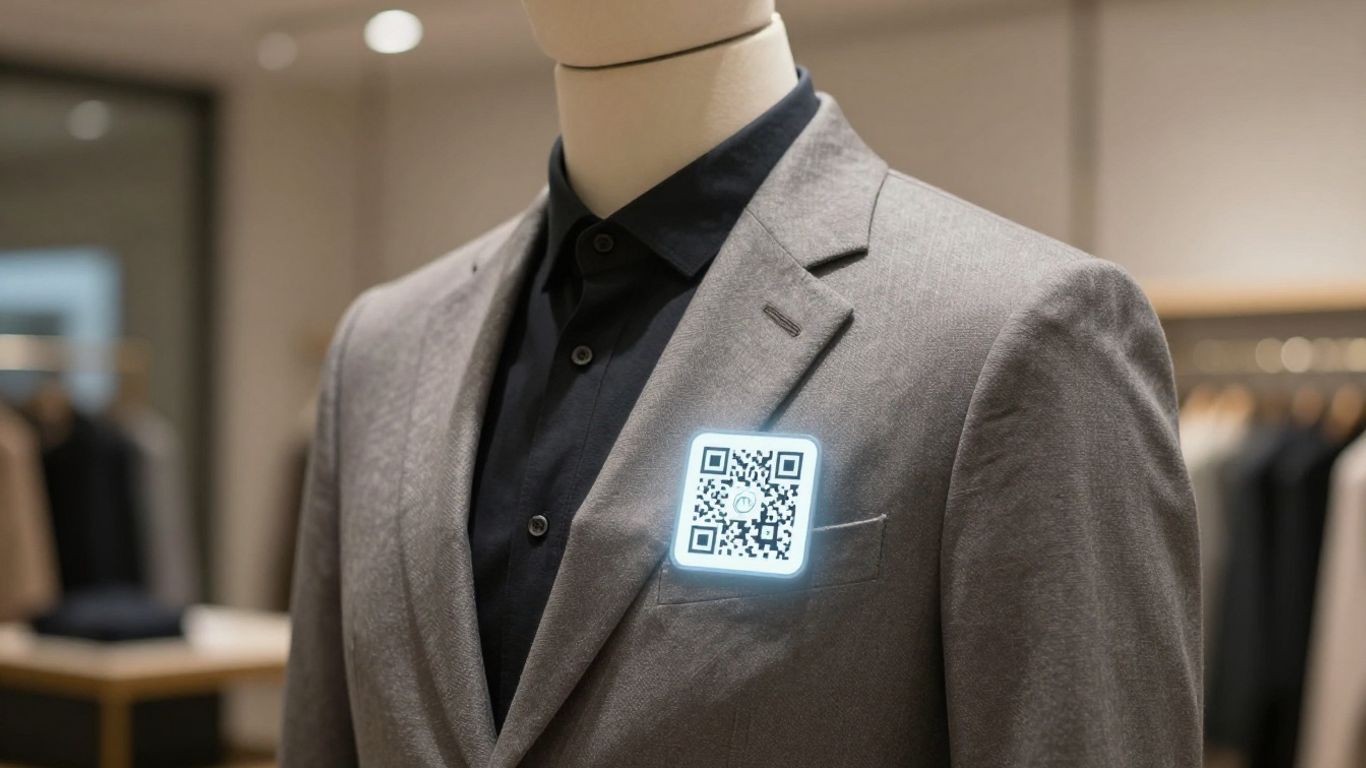
Smart Packaging and Connected Garments
We’re seeing QR codes move beyond just being a quick link. They’re becoming a core part of how clothes tell their story. Imagine a garment with a QR code that, when scanned, doesn’t just take you to a product page, but to a whole experience. This could be anything from a video showing how the item was made, to styling tips, or even exclusive content from the designer. It’s about making the packaging, or in this case, the garment itself, a constant brand ambassador. This is where platforms like Xcan.it really shine. They allow you to update the link behind a QR code without needing to reprint anything. So, if you want to change the content from a launch campaign to a seasonal sale, you can do it instantly. This flexibility is a game-changer for keeping your brand message fresh and relevant.
Personalised Shopping Journeys
QR codes are also paving the way for much more tailored shopping experiences. Think about receiving personalised offers or even trying on clothes virtually using augmented reality, all triggered by a simple scan. This isn’t just about novelty; it’s about making shopping more convenient and engaging. For retailers, this means a better understanding of what customers want, leading to more repeat business. The ability to update QR code destinations on the fly means you can adapt your offers based on real-time data. For example, if a particular item is selling fast, you could update the QR code on related displays to promote a similar style or a complementary accessory. This kind of agility is key in today’s fast-paced fashion world.
The Role of QR Codes in Sustainable Fashion
Sustainability is a big deal in fashion right now, and QR codes are playing a part in making things more transparent. Consumers are increasingly asking where their clothes come from and how they’re made. QR codes can provide direct access to this information, detailing ethical sourcing, materials used, and even care instructions to help garments last longer. This builds trust and helps shoppers make more informed decisions. Plus, the dynamic nature of QR codes means that if there are any updates to sustainability certifications or supply chain information, you can push that out immediately without needing to change any physical labels. It’s a simple yet powerful way to connect consumers with the values of the brand and support more sustainable practices.
Fashion is always changing, and now it’s getting a tech boost! Imagine your clothes or accessories having a special code, like a secret handshake, that links directly to online content. This is where QR codes come in, making fashion interactive and exciting. Want to see how this cool blend of style and tech works? Visit our website to learn more about the future of fashion.
The Future is Scannable
So, there you have it. QR codes in fashion aren’t just a passing trend; they’re a proper game-changer. They’re making things clearer for us shoppers, giving brands a way to chat with us directly, and honestly, just making the whole shopping experience a bit more interesting. It’s pretty neat how a simple little square can link up the physical shop floor with all the digital stuff we’re used to. Expect to see them everywhere, because frankly, they just make sense.
Frequently Asked Questions
What exactly is a QR code on clothing?
Think of a QR code on a piece of clothing like a secret doorway. When you scan it with your phone, it can take you to a special webpage. This page might show you where the clothes were made, how to look after them, or even offer you a discount on your next purchase. It’s a quick way to get more information without having to search for it.
How do these codes help brands connect with customers?
Brands use these codes to tell you more about their products and create fun experiences. For example, a code might link to a video showing how the item was designed, or a game related to the brand. This helps you feel more connected to the company and might even make you want to buy more from them.
Can QR codes help make sure clothes are made ethically?
Yes, they can! By scanning the code, you can often see the journey of the clothing item. This means you can check if the materials were sourced responsibly and if the people who made the clothes were treated fairly. It’s all about being honest and open with customers.
How do QR codes make shopping easier for people in stores?
QR codes can help shops manage their stock better. For instance, if an item is running low, the shop can easily update its records. They can also help customers find things in the shop more easily by linking to maps or product information.
What does ‘dynamic’ mean when talking about QR codes?
A ‘dynamic’ QR code is super handy because you can change where it leads even after it’s printed. So, if a brand wants to update a special offer or change a link, they don’t need to print new codes. They can just change it online, saving time and resources.
What’s next for QR codes in fashion?
In the future, QR codes might become even smarter. Imagine them being part of ‘smart’ clothes that can tell you things or connect to your phone. They could also play a bigger role in making fashion more eco-friendly by helping us recycle clothes better or choose sustainable brands.