Getting more reviews for your business can feel like a bit of a puzzle sometimes, right? You know they’re important, but getting customers to actually leave one can be tricky. Well, there’s a pretty straightforward way to make it easier for them: a Google review QR code. It’s a simple bit of tech that can make a big difference. This guide will walk you through how to get one and use it effectively.
Key Takeaways
- A Google review QR code is a scannable image that takes customers directly to your Google review page, making it super easy for them to leave feedback.
- Using a QR code removes the hassle for customers, as they don’t need to search for your business on Google.
- You can generate a Google review QR code using your Google Business Profile link, and it can be customised to match your brand.
- Placing your QR code in visible spots and adding a clear call to action encourages more customers to scan and leave a review.
- Dynamic QR codes let you change the destination link without reprinting and offer valuable insights into scan performance.
Understanding Your Google Review QR Code
What is a Google Review QR Code?
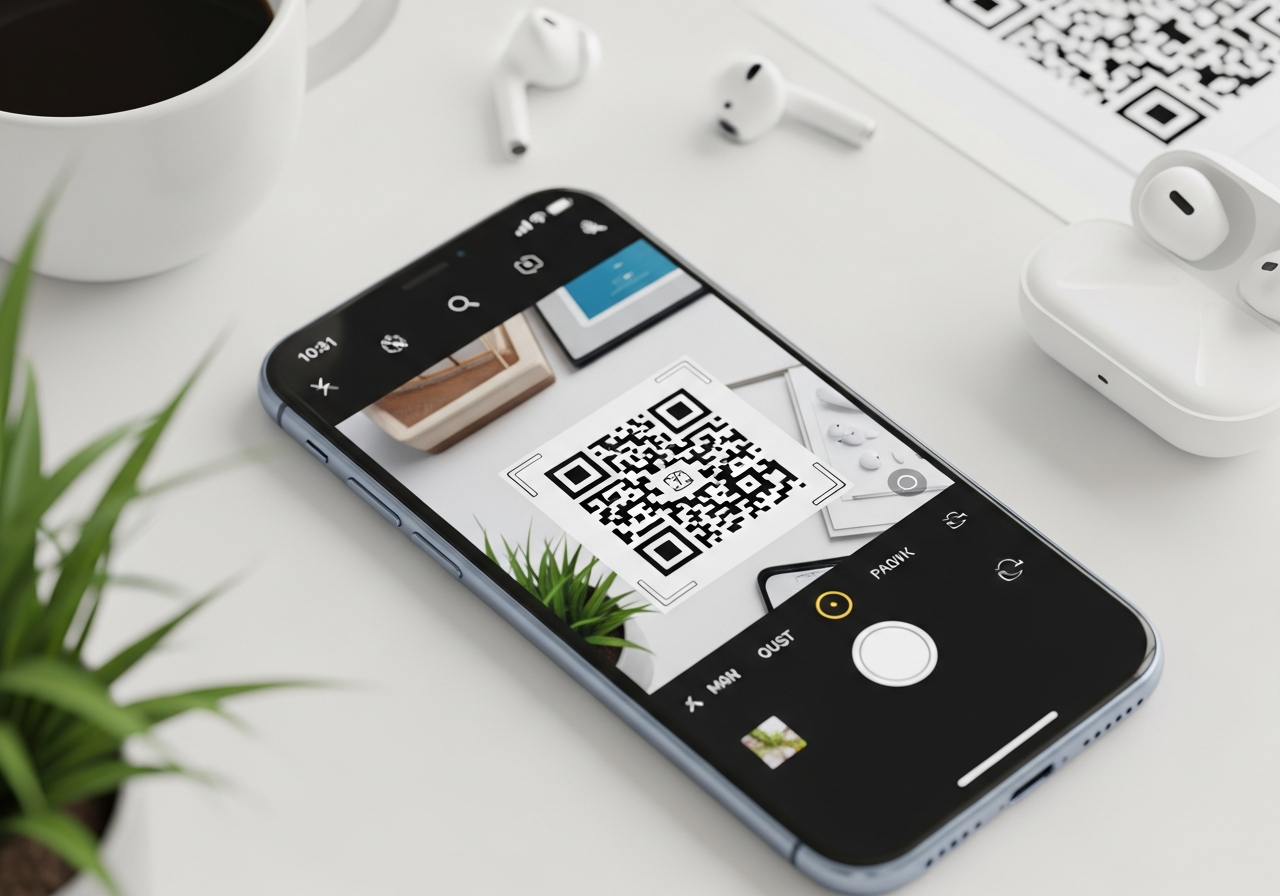
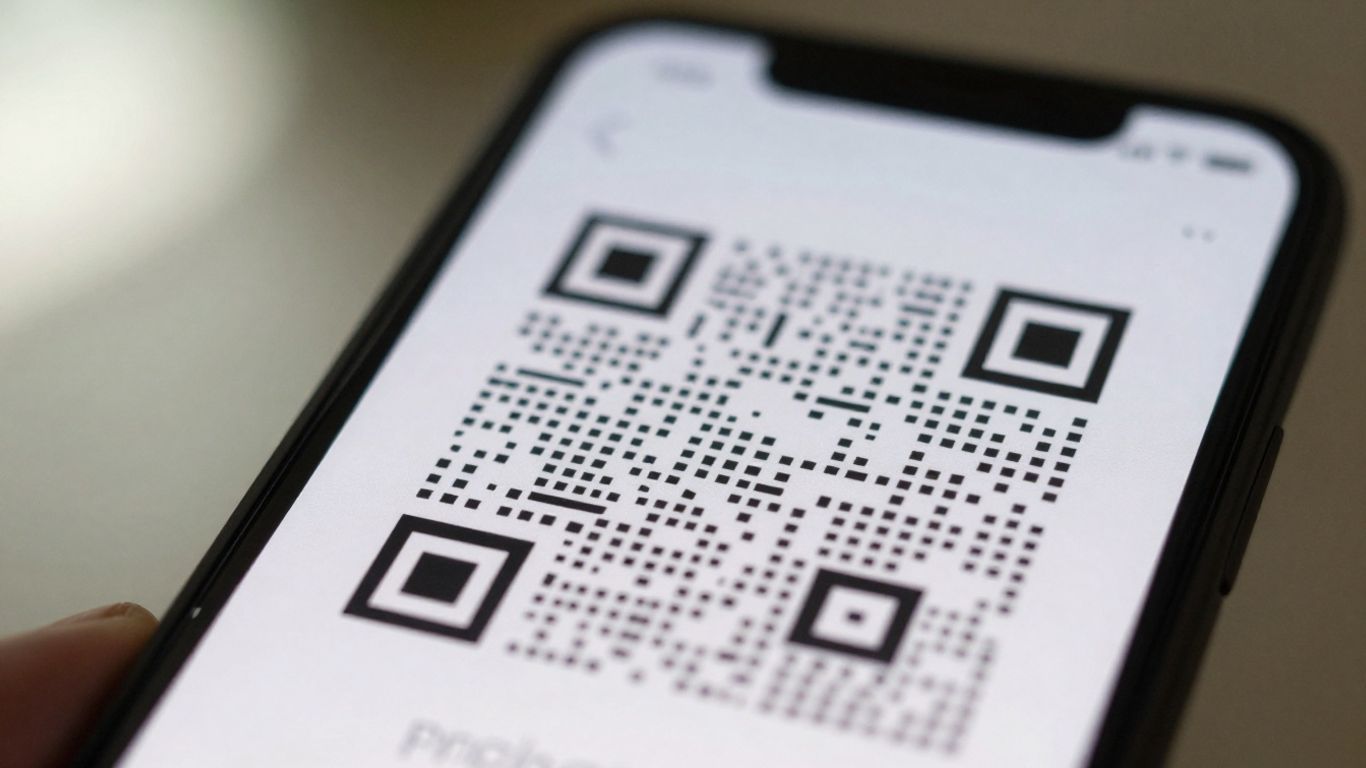
A Google Review QR code is essentially a scannable square made of black and white squares. When a customer scans it with their phone, it takes them directly to your Google Business Profile, making it super easy for them to leave a review. Think of it as a digital shortcut to your feedback page. It’s a simple tool that can make a big difference in how many reviews you get.
Why Use a Google Review QR Code for Your Business?
In today’s fast-paced world, making things easy for your customers is key. A Google Review QR code cuts out the faff of searching for your business online. Instead of telling people to "Google us and find our reviews," you can just point them to a QR code. This immediate access can significantly boost the number of reviews you receive, which in turn helps build trust and attract new customers. More reviews often mean more business.
Static vs. Dynamic QR Codes for Reviews
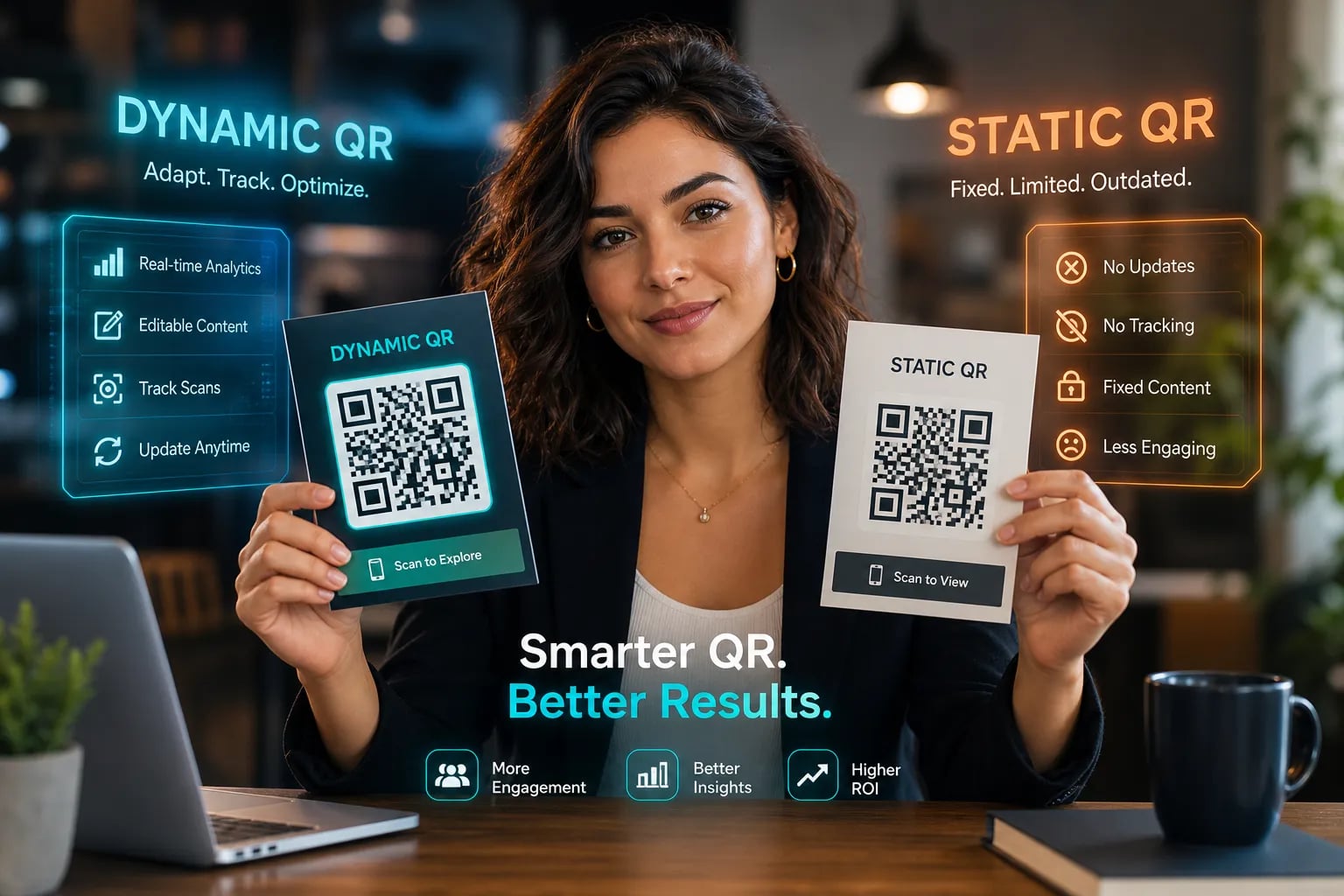
When you’re thinking about QR codes, there are two main types: static and dynamic. Static QR codes are pretty straightforward – once created, the link is fixed. If your Google Business Profile link ever changes (which is rare, but possible), you’d have to create a whole new QR code and reprint everything. Dynamic QR codes, on the other hand, offer much more flexibility. With a service like Xcan.it, you can create a dynamic QR code that initially points to your Google review link. The real magic happens because you can update the destination link anytime without reprinting the QR code itself. This is a game-changer for managing your campaigns and assets. Plus, dynamic codes allow you to track scan performance and insights directly from a dashboard, giving you a clear picture of what’s working and helping you adapt your strategy based on data.
Creating Your Google Review QR Code
So, you’ve decided to make it easier for your customers to share their thoughts – brilliant! Now, let’s get that Google Review QR code made. It’s not as complicated as it sounds, and with the right tools, you can have a professional-looking code ready to go in no time.
Finding Your Google Business Profile Link
First things first, you need the direct link to your Google Business Profile’s review section. This is the magic URL that takes people straight to where they can leave feedback. Here’s how to find it:
- Go to your Google Business Profile. If you’re not already logged in, sign in with the Google account you use to manage your business.
- On your profile, look for an option like ‘Get more reviews’ or ‘Read reviews’.
- You should see a prompt to share your review link. Copy this link – this is what your QR code will point to.
Generating Your Unique QR Code
Once you have your Google Business Profile review link, it’s time to turn it into a QR code. There are plenty of online generators out there, but for a business looking to make a real impact, using a service like Xcan.it is a smart move. They offer dynamic QR codes, which means you can change the destination link later without having to print new codes. This is a game-changer for campaigns and ongoing marketing efforts.
With Xcan.it, you can:
- Create your QR code quickly and easily.
- Customise its appearance to match your brand.
- Benefit from dynamic QR codes that allow for future link updates.
Customising Your QR Code for Brand Recognition
Don’t just settle for a plain black and white square. Making your QR code visually appealing and on-brand can significantly increase the chances of it being scanned. Think about:
- Adding your logo: Placing your business logo in the centre of the QR code makes it instantly recognisable and adds a professional touch.
- Colour matching: Use your brand colours for the QR code itself or its background. Just make sure there’s enough contrast for it to scan reliably.
- Frames and calls to action: Consider adding a simple frame around the QR code with a clear instruction, like "Scan to leave a review" or "Share your feedback here". This tells people exactly what to expect.
Using a dynamic QR code generator like Xcan.it means you’re not just creating a static image. You’re setting up a flexible marketing asset. You can update the review link if needed, and crucially, you can track how many people are scanning it from different locations or materials. This data is gold for understanding what’s working and where.
Remember, the goal is to make the process as smooth as possible for your customers. A well-designed, easy-to-find QR code is the first step to getting more valuable feedback for your business. You can find more about generating QR codes here.
Maximising Your Google Review QR Code’s Impact
So, you’ve got your Google Review QR code ready to go. That’s brilliant! But how do you make sure people actually use it? It’s not just about having the code; it’s about putting it in the right places and making it super easy for your customers. Think of it like a helpful signpost – you want it to be visible and clear.
Strategic Placement for Maximum Scans
Where you put your QR code is key. A code hidden away on a busy counter or tucked into a bill might get missed. Instead, try placing it where your customers are likely to have a moment to spare and are thinking about their experience. This could be:
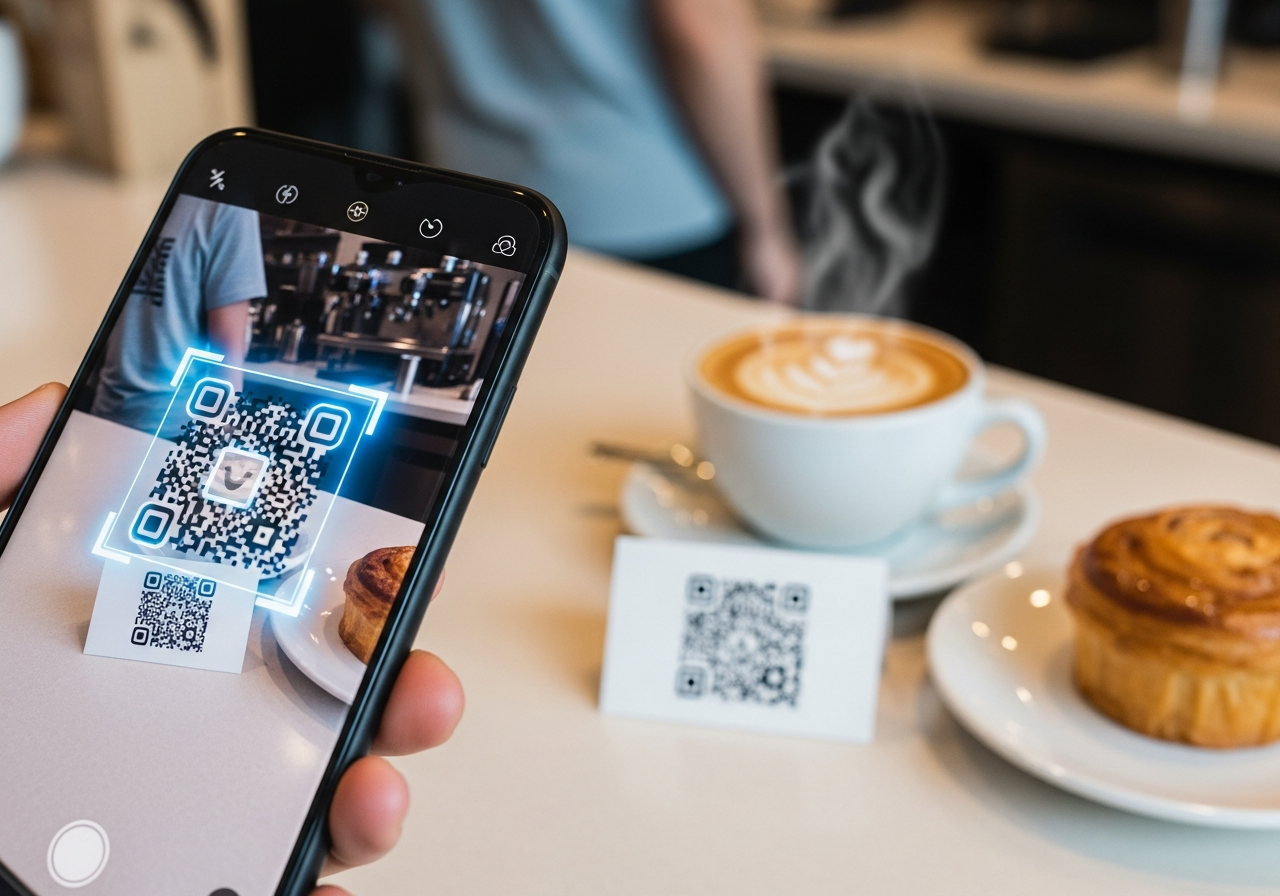
- On tables or menus: Especially in cafes and restaurants, customers often have downtime while waiting or dining.
- At the point of sale: A small sticker on the till or a sign near where payments are made can catch people as they finish their transaction.
- On receipts or invoices: This is a classic spot, as customers will look at it after they’ve received your service or product.
- On window displays or doors: For businesses with a physical storefront, this can catch the eye of people passing by or those who have just left.
- In waiting areas: If you have a waiting room, a small display with the QR code is a good idea.
The goal is to make scanning as natural and convenient as possible. You want it to be a ‘why not?’ moment for your customers, not a ‘where is it?’ hunt.
Clear Calls to Action for Customers
Just having a QR code isn’t always enough. You need to tell people what you want them to do with it. A simple phrase can make a big difference. Instead of just the code, try adding something like:
- "Love our service? Leave us a Google Review!"
- "Scan here to share your feedback."
- "Your opinion matters! Scan to review us on Google."
- "Help us improve – leave a quick review."
This tells people exactly what the QR code is for and why they should scan it. It sets expectations and encourages action. Remember, a clear call to action is your best friend when it comes to getting those reviews.
Integrating QR Codes into Your Marketing Materials
Don’t stop at just one place! Think about how your Google Review QR code can become a regular part of your business’s look and feel. You can add it to:
- Business cards: A small, discreet code on the back can be a great way for people to connect with you after a meeting.
- Flyers and brochures: If you’re handing these out, include the QR code as a way to gather feedback on your marketing efforts.
- Your website: A small icon or banner on your site can encourage online visitors to leave a review.
- Email signatures: This is a simple way to have the QR code visible on every email you send.
Using a service like Xcan.it is particularly helpful here. With dynamic QR codes, you can update the link your QR code points to without needing to reprint any of your materials. This means if your Google Business Profile link ever changes, or you want to direct people to a specific landing page for reviews, you can do it easily. Plus, Xcan.it provides a dashboard to track scan performance, showing you which placements are working best. This allows you to adapt your strategy based on real data, making your marketing efforts more effective across print, signage, and other assets. It’s about making your QR codes work harder for you, not just once, but continuously.
Using dynamic QR codes means you’re not locked into a single link forever. You can change where the code leads, track how many people scan it, and get insights into what’s working. This flexibility is a game-changer for any business looking to get the most out of their marketing materials and continuously improve their customer engagement strategies.
The Benefits of Dynamic Google Review QR Codes
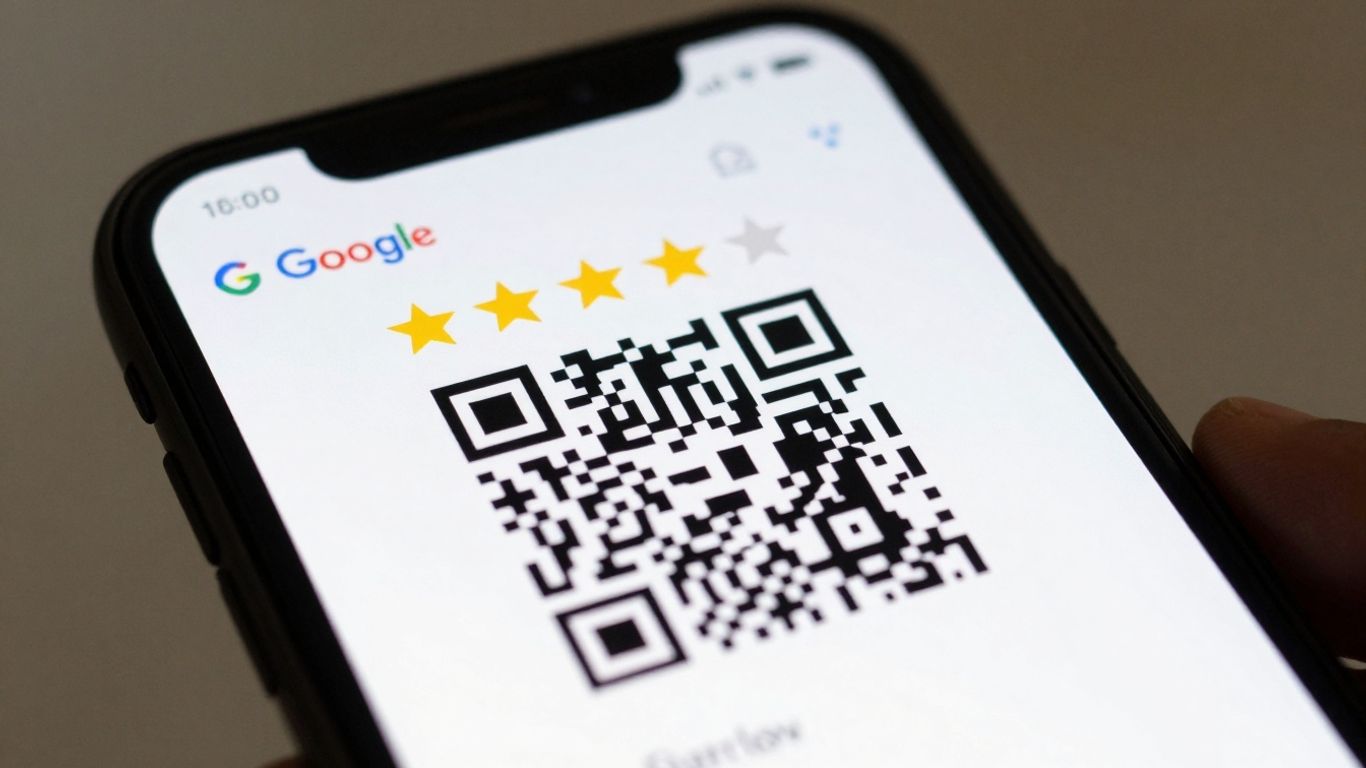
So, you’ve got your Google Review QR code all set up. That’s great! But have you considered going dynamic? It might sound a bit techy, but it’s actually a really smart move for any business wanting to stay flexible and get the most out of their marketing efforts. Think of it like this: static QR codes are like a printed flyer – once it’s out there, it’s fixed. Dynamic codes, on the other hand, are more like a digital sign that you can update whenever you need to.
Updating Your Review Link Seamlessly
One of the biggest headaches with static QR codes is that if your Google Business Profile link ever changes – maybe you update your business name or move premises – you have to go through the whole process of generating a new QR code and reprinting all your materials. That’s a pain, right? With dynamic QR codes, this is a non-issue. Platforms like Xcan.it let you change the destination link after the QR code has been printed. So, if your review link needs a tweak, you just log into your dashboard, update the URL, and you’re done. No reprinting, no wasted materials, just a quick digital fix. This flexibility is a game-changer for keeping your customer feedback process smooth.
Tracking Scan Performance and Insights
This is where dynamic QR codes really shine. Instead of just hoping people scan your code, you can actually see how many people are scanning it. Xcan.it provides a dashboard where you can track scan data. This means you can see which placements are getting the most attention. Are the QR codes on your tables getting more scans than the ones on your counter? Are customers more likely to scan it from a flyer or a window sticker? This kind of information is gold dust for understanding what’s working and where to focus your efforts. It helps you refine your strategy and make sure your QR codes are actually doing their job.
Adapting Your Strategy Based on Data
Knowing how many people are scanning is good, but what you do with that information is even better. By tracking scans, you gain real-world insights into customer behaviour. You can see if a particular placement is underperforming and try moving it, or if a certain time of day sees more scans. This data allows you to adapt your strategy on the fly. For example, if you notice a dip in scans during quieter periods, you could try a different call to action or a special offer linked to the QR code. This ability to test, measure, and adapt is what turns a simple QR code into a powerful marketing tool that can improve your real-world campaigns across print, signage, and other assets.
Best Practices for Encouraging Reviews
Getting customers to leave reviews is one thing, but getting them to leave good reviews, and doing it consistently, is where the real magic happens. It’s not just about having a QR code; it’s about making the whole process as smooth and pleasant as possible for your customers.
Making the Review Process Effortless
Think about it: nobody wants to jump through hoops. If scanning your QR code leads to a complicated form or a page that’s a nightmare to navigate on a phone, they’ll probably just give up. The goal is to make it so simple that they can leave a review in under a minute. This means ensuring your Google Business Profile link is correct and that the page that opens is clean, clear, and mobile-friendly. A good way to do this is to have a direct link that opens the review form straight away. You want to remove any friction points. If you’re using a service like Xcan.it, you can create dynamic QR codes that always point to the correct, up-to-date review link. This means you don’t have to worry about the link breaking or changing, and you can update it if needed without reprinting anything. It’s all managed from one dashboard, which is a lifesaver.
Timing Your Review Request Effectively
When you ask for a review really matters. The best time is usually right after a customer has had a positive experience. This could be immediately after a successful service, when they’ve just received their order, or after a particularly pleasant interaction with your staff. Sending a follow-up email or a text message with your QR code a day or two later can also work well, especially if they were in a rush at the time. The key is to catch them when the positive feeling is still fresh in their minds. Proactively asking for feedback through channels like email signatures or post-purchase communications can really help gather those valuable insights [cb43].
Responding to Reviews, Both Positive and Negative
This is a big one. Acknowledging reviews shows you’re listening and that you care about customer feedback. For positive reviews, a simple ‘thank you’ goes a long way. It reinforces the good experience and encourages others to share their thoughts. When it comes to negative reviews, don’t panic. These are actually opportunities to show how you handle issues and improve. Respond politely and professionally, acknowledge their concerns, and offer to take the conversation offline to resolve the problem. This shows potential customers that you’re committed to customer satisfaction, even when things go wrong. Remember, encouraging all customers to leave feedback, not just the happy ones, provides a more balanced view of your business [afcc].
Using dynamic QR codes, like those offered by Xcan.it, means you can update your review link if your business details change, and you can track how many people are actually scanning your code. This data helps you understand what’s working and where you might need to adjust your strategy. It’s about making your review campaigns smarter and more effective over time.
Troubleshooting Common QR Code Issues
Even the best-laid plans can hit a snag, and QR codes are no exception. If your Google Review QR code isn’t scanning as reliably as you’d hoped, don’t panic. Most issues are surprisingly simple to fix.
Ensuring Your QR Code Scans Reliably
Several factors can affect how well your QR code is read. Think of it like trying to read a book in a dimly lit room with smudged glasses – it’s just harder.
- Contrast is Key: The most common culprit is poor contrast. Aim for dark modules (the little squares) on a light, matte background. Avoid pale colours, metallic inks, or busy backgrounds that make it difficult for a scanner to distinguish the pattern. Black on white is your safest bet.
- The Quiet Zone: This is the clear space around the QR code. It needs to be at least four modules wide. If your logo or any other design element encroaches on this space, it can confuse the scanner.
- Size Matters: A code that’s too small, especially when viewed from a distance, won’t scan. A good rule of thumb is the 10x rule: the viewing distance should be about 10 times the width of the QR code. So, if people are standing about a metre away, your code should be around 10cm wide.
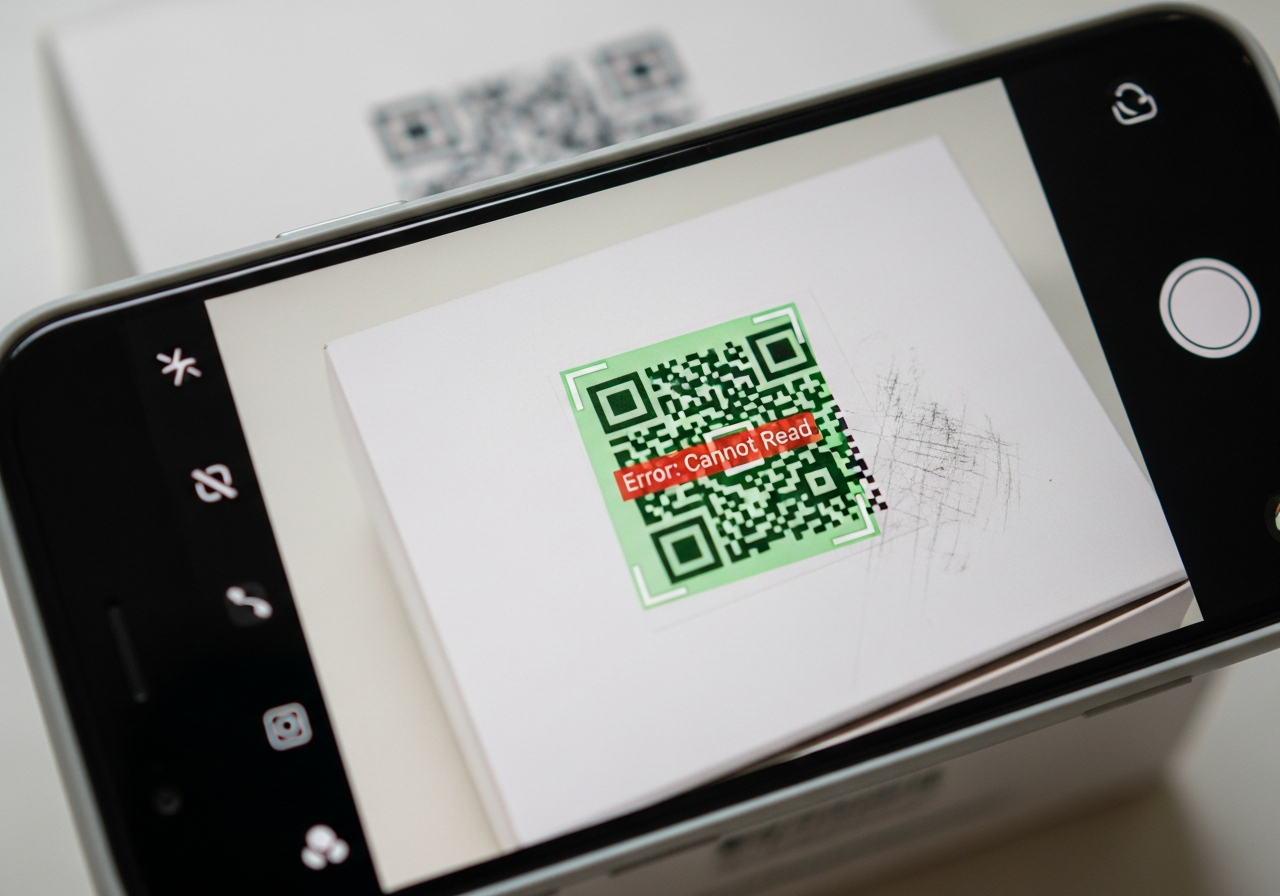
- Print Quality: Blurry, pixelated, or damaged prints are a no-go. Always export your QR code artwork in a high resolution, preferably as a vector file (like SVG or PDF) or a high-quality PNG (300-600 DPI). Avoid stretching or compressing the image when resizing.
- Surface Issues: Glare from glossy surfaces or curvature from folded materials can obscure the code. Opt for matte finishes and ensure the code lies flat. If you’re placing it on a curved surface, you might need a larger code or a different placement altogether.
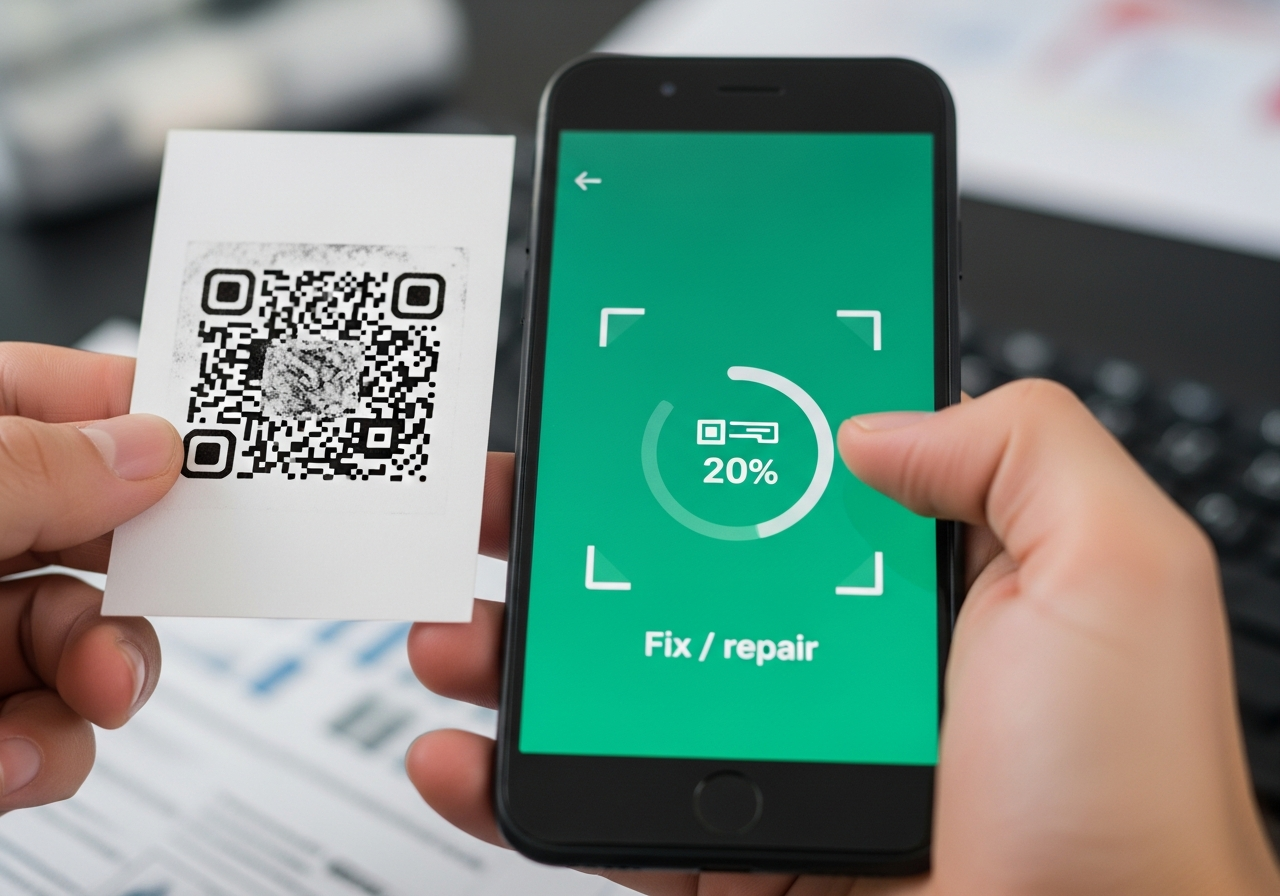
Sometimes, the simplest solution is to regenerate the QR code with a higher error correction level. This allows the code to be read even if a portion is damaged or obscured, making it more robust for real-world use.
What to Do If Your Link Changes
Life happens, and sometimes the URL your QR code points to needs an update. This is where the magic of dynamic QR codes truly shines. With a static QR code, if the link changes, you’re stuck reprinting every single code. That’s a hassle and a waste of resources.
This is precisely why services like Xcan.it are so useful. They allow you to create dynamic QR codes. The beauty of these is that you can update the destination link anytime, without ever needing to reprint the physical QR code. So, if your Google Business Profile link changes, or you want to direct people to a new review page, you can simply log into your Xcan.it dashboard and update the link. The QR code itself remains the same, but where it sends people can be changed on the fly. This agility is invaluable for keeping your marketing materials current and effective.
Maintaining QR Code Readability
Beyond the initial creation, ongoing readability is important. Regularly check your QR codes in their actual locations. Are they getting dirty? Is there new glare from lighting changes? A quick wipe-down or a slight adjustment in placement can make a world of difference. If you’re using them on high-traffic items like menus or signage, consider printing them on durable materials. For businesses that frequently update their review links or want to track scan performance, using dynamic QR codes through a platform like Xcan.it is the way to go. Their dashboard provides insights into how many people are scanning your codes, helping you understand what’s working and where. This data allows you to adapt your strategy and improve your real-world campaigns across print, signage, and other assets.
Having trouble with your QR codes? Don’t let common glitches stop your flow. We’ve put together some simple tips to help you fix those pesky problems quickly. For more detailed solutions and to keep your QR codes working perfectly, visit our website today!
Wrapping Up
So there you have it. Getting more Google reviews for your business doesn’t have to be complicated. Using a QR code is a really straightforward way to make it super easy for your customers to leave feedback. Just pop it on your counter, on receipts, or even in your window. It’s a small change that can make a big difference to your online reputation. Give it a go – you might be surprised at how many more reviews you start to get.
Frequently Asked Questions
What exactly is a Google Review QR Code?
Think of it like a special barcode for your business’s Google reviews. When someone scans it with their phone, it takes them straight to the page where they can leave a review for you on Google. It’s a super quick way for customers to share their thoughts without having to search for your business first.
Why should my business use one of these QR codes?
Getting more reviews on Google is brilliant for your business! It helps more people find you online and shows them that other customers have had a good experience. A QR code makes it really easy for happy customers to leave a review right then and there, boosting your online reputation without much effort.
Can I change where the QR code leads?
Yes, you can! If you use a ‘dynamic’ QR code, you can change the link it points to whenever you need to, without having to print new codes. This is really handy if your Google Business Profile link ever changes, or if you want to direct people to a different review page later on.
Where’s the best place to put my Google Review QR code?
Put it where your customers are likely to see it and have a moment to scan it. Good spots include your shop counter, on receipts, in your window, on menus, or even on your business cards. Anywhere you interact with customers is a good place to make it easy for them to leave feedback.
What if my QR code doesn’t scan properly?
Make sure the QR code is printed clearly and has enough contrast with the background. Avoid making it too small or putting it on a busy, patterned surface. If it’s still not working, check that the link it’s supposed to go to is still correct and active.
How do I get my business’s Google review link?
You can usually find your direct review link through your Google Business Profile. Log in to your Google Business Profile, find the ‘Get more reviews’ section, and there should be an option to copy a link or generate a QR code directly. It’s usually a straightforward process within your Google Business account.