What Is a URL QR Code?
A URL QR code is the simplest and most popular QR type: when someone scans it, their phone instantly opens a specific web address. For businesses across London and Greater London, that URL might be a booking page in Soho, a menu in Shoreditch, a ticketing flow for a Brixton gig, or a sign-up funnel for a Westminster event. When combined with dynamic QR technology and proper tracking, URL QR codes become a measurable, always-up-to-date bridge between the physical world and your online journeys.
💡 Short answer
A URL QR code is a QR code that stores a web address. When scanned, it sends people straight to a landing page, form, video, store, or any other URL you choose. For London businesses, URL QR codes are the fastest way to turn posters, flyers, receipts, packaging, tables, shopfronts, and transport ads into live traffic. When you generate them as dynamic QR codes with Xcan It, you can change the destination later, track every scan by time, location and device, and connect the data into tools like GA4 and CRM — all without reprinting your codes.
Quick facts: how URL QR codes work
- URL in a QR: a URL QR code stores a web address (e.g.
https://yourbrand.co.uk/summer-menu) that opens in the browser when scanned. - Static vs dynamic: static codes point directly to the URL; dynamic codes route via a platform like Xcan It so you can update the URL and track scans.
- No typing required: Londoners can scan from posters, bus stops, receipts, or table talkers instead of typing long URLs on a busy Tube platform.
- Analytics-ready: with dynamic URL QR codes, you can see when, where, and on which devices your codes are scanned.
- UTM-friendly: append campaign parameters to your URL so each QR placement (e.g. Camden vs Croydon) can be measured separately in your analytics.
- Device-agnostic: any modern smartphone camera can scan URL QR codes – no extra app needed.
- Works with every sector: from hospitality and events to property, retail, healthcare and local government communications.
Complete guide: URL QR codes and why they’re the most popular QR type
1) What is a URL QR code, exactly?
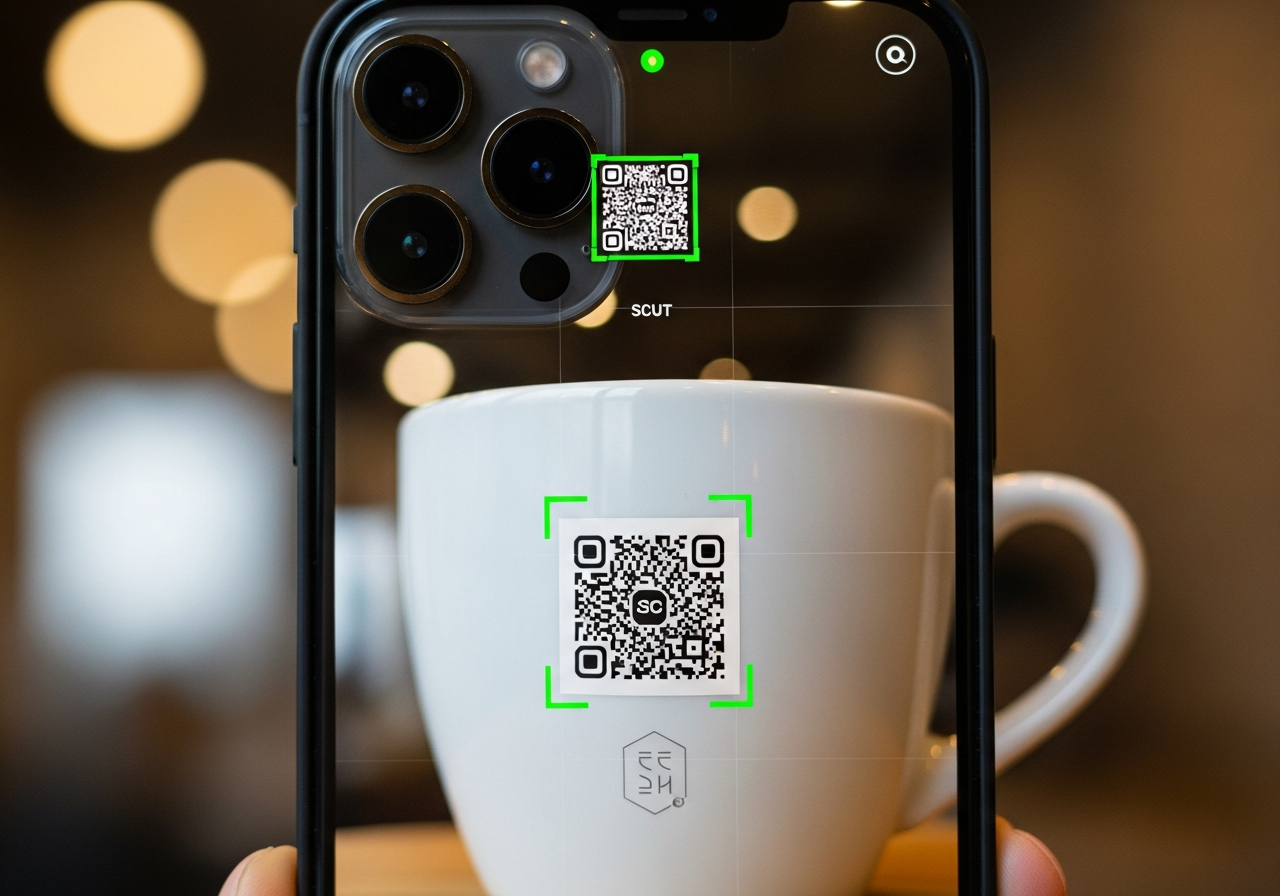
At its core, a URL QR code is a two-dimensional barcode that encodes a web address. When a smartphone camera or QR scanning app reads the pattern, it decodes the URL and prompts the user to open it in their browser.
That URL can be almost anything online:
- A promotional landing page for a seasonal campaign
- An online menu or digital catalogue
- A ticketing or booking flow
- A sign-up or registration form
- A video, playlist, or product tour
- A review page on Google, Trustpilot, or Booking.com
Because nearly every digital journey starts with a URL, URL QR codes are the default, most flexible QR type. Other QR types (like WiFi, vCard, or payments) are powerful in their niches, but URL QR codes cover more everyday use cases than any other format.
2) How URL QR codes work under the hood
When you create a URL QR code, a generator turns your web address into a pattern of black and white modules. On scan, the device reads that pattern, reconstructs the URL, and passes it to the browser. There are two main ways to set this up:
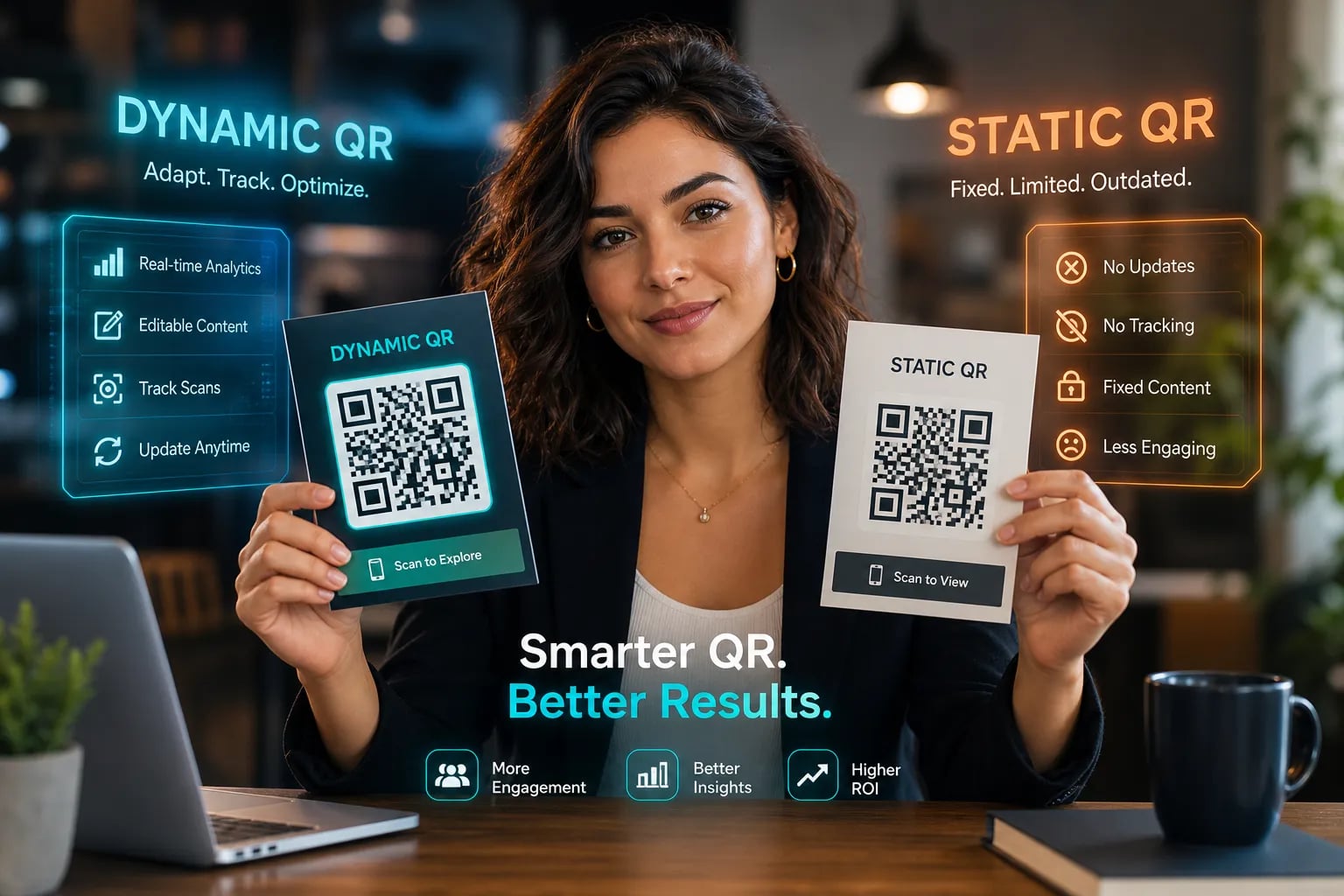
- Static URL QR code – the QR holds the full URL directly (e.g.
https://yourcafe.co.uk/brunch-menu). Simple, but if the URL changes, your printed code becomes outdated. - Dynamic URL QR code – the QR points to a short redirect URL managed by a platform like Xcan It. The platform then forwards the visitor to the “real” destination and logs scan data along the way.
For one-off use, static codes are fine. But as soon as you’re printing thousands of leaflets across London or rolling out signage for dozens of venues, dynamic URL QR codes are the only realistic choice. They let you fix mistakes, retarget campaigns, and keep tracking data clean even as your content changes.
3) Why URL QR codes matter for London & Greater London businesses
In a dense, mobile-first city like London, URL QR codes remove friction between offline interest and online action. Some practical local scenarios:
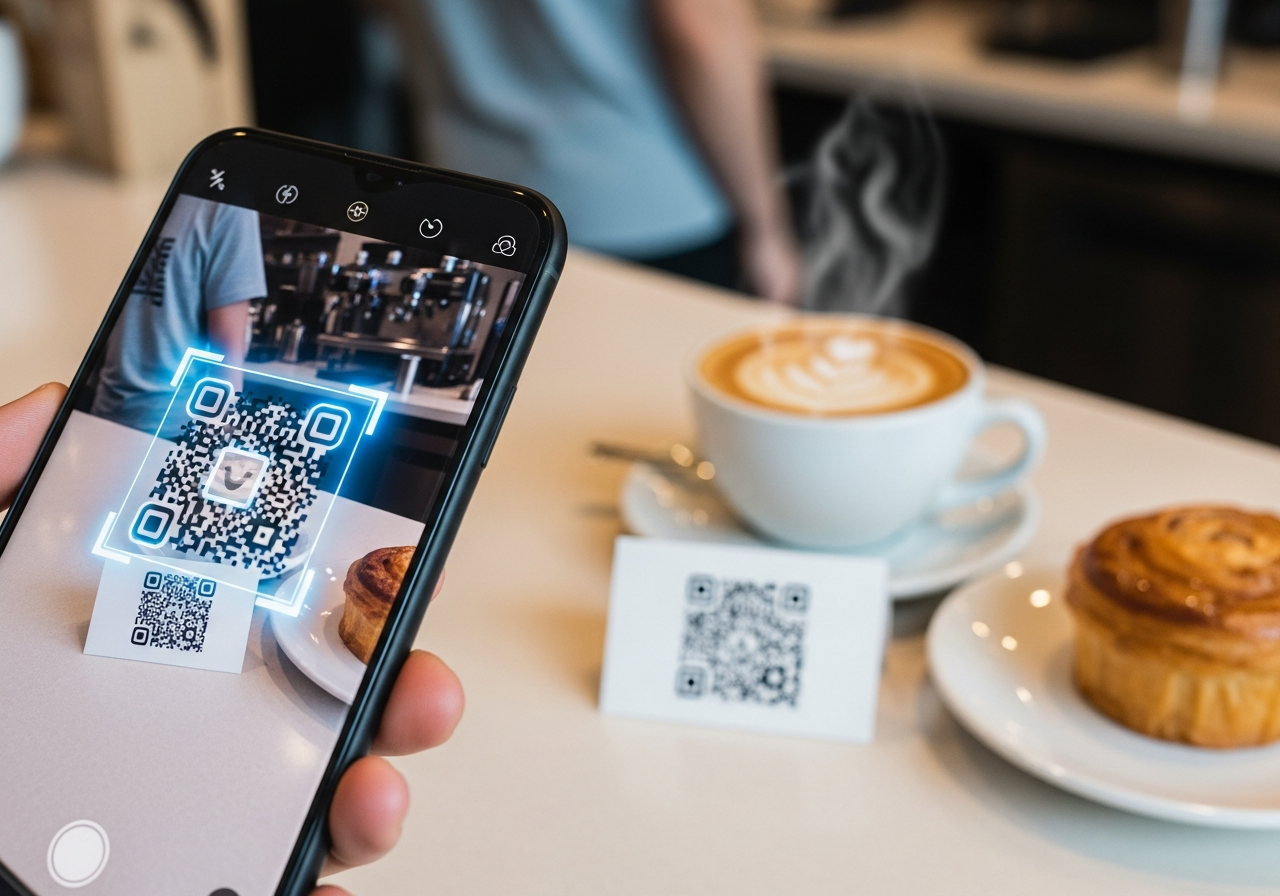
- Hospitality in central London: cafés in Covent Garden or Soho use URL QR codes on table tents so guests can scan to view menus, order, or join a loyalty programme in seconds.
- Events and venues: a venue in Brixton or Shoreditch prints URL QR codes on posters and wristbands that lead to live set times, bar ordering, or merch stores.
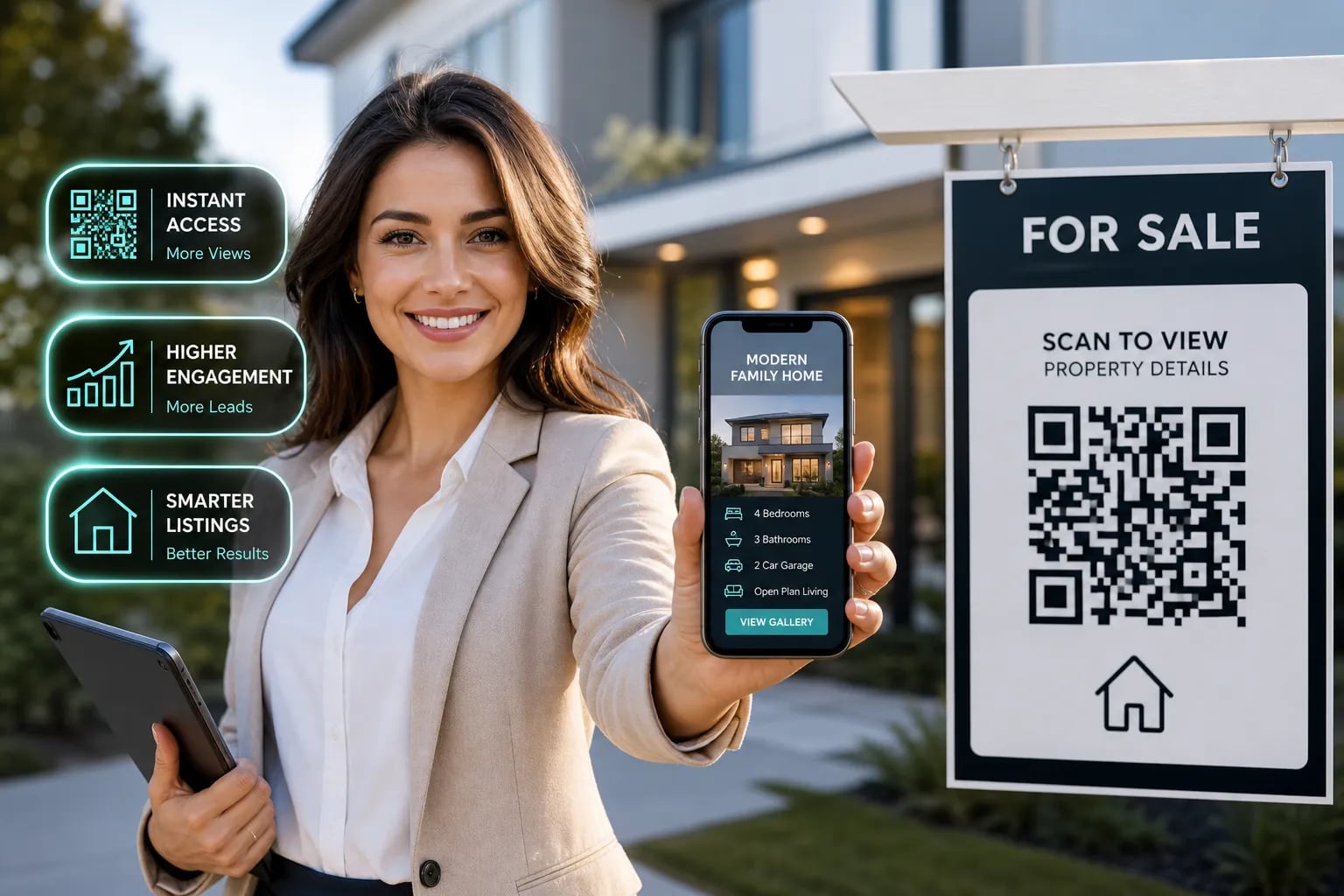
- Property and lettings: estate agents in Clapham or Hackney place URL QR codes on window cards so passers-by can see full listings, virtual tours and application forms.
- Local services and councils: QR codes on notices in libraries, leisure centres or community boards link to forms, consultations, and service updates.
- Retail and pop-ups: independent shops in Camden Market or Boxpark Wembley use URL QR codes on price tags and packaging to link to size guides, care instructions or upsell offers.
In each case, the QR is just the doorway. The real value is the journey behind the URL — and how consistently you can measure it.
4) Benefits of URL QR codes for businesses
URL QR codes are popular because they blend flexibility with measurability. Key benefits include:
- Instant access from the real world – turn any surface into a gateway to your digital experiences, without expecting people to type complex URLs on the go.
- Lower acquisition friction – perfect for time-sensitive environments (queues, platforms, bars, events) where every extra step loses people.
- Campaign-level tracking – when combined with dynamic routing and UTM parameters, you can see which placements (bus stop ads vs flyers vs table talkers) actually drive results.
- Update without reprinting – change the underlying URL when your offer, menu, or event info changes, while the same printed QR keeps working.
- Consistent brand presence – use branded short domains and customised code designs instead of generic black-and-white squares.
- Works with existing tools – because they point to URLs, URL QR codes plug into any web stack: your CMS, e-commerce site, booking engine, form builder, analytics, CRM and more.
5) Advanced use cases: beyond “scan to website”
URL QR codes really shine when they’re treated as part of a designed journey, not just a shortcut to your home page. Some advanced patterns London-based teams are using:
- Context-specific landing pages – a theatre in the West End uses different URL QR codes for Tube posters, foyer programmes, and seat backs, each pointing to tailored messaging and offers.
- A/B testing creative – a fitness chain in Greater London tests two versions of a poster (different copy or imagery), each with its own URL QR code, to see which drives more membership sign-ups.
- Post-purchase onboarding – retailers print URL QR codes on receipts or packaging for digital set-up guides, how-to videos, or registration flows.
- Location-based content – museums or attractions use URL QR codes station-by-station to deliver audio guides, translations, and deeper stories.
- Timed campaigns – night-time campaigns route scans to a late-service menu, while daytime scans show a standard offer, all managed behind a single dynamic URL QR code.
6) How Xcan It’s dynamic URL QR codes power engagement and tracking
Xcan It turns basic URL QR codes into dynamic, trackable assets that can be managed centrally across print, packaging, and signage in multiple locations.
With Xcan It, you can:
- Create dynamic URL QR codes in seconds – generate branded codes that point to any URL, with the option to edit destinations later.
- Track scans over time – view trends by date, time, and campaign so you can see exactly when a poster, mailer, or in-store promotion starts to perform.
- See where people are scanning from – high-level location insights help you compare performance between central London vs outer boroughs, or between different venues.
- Understand device and OS mix – see how many scans come from iOS vs Android, or mobile vs tablet, to optimise layouts and testing.
- Tag campaigns cleanly – label codes by campaign, venue, borough, or channel so your dashboard remains readable as you scale.
- Keep journeys safe and predictable – use HTTPS, custom domains and stable redirect paths to build trust and reduce drop-offs.
Because Xcan It sits in the middle of the journey, you can keep the physical QR unchanged while iterating endlessly on the destination and user experience.
7) Xcan It’s 16 QR code types (and where URL fits in)
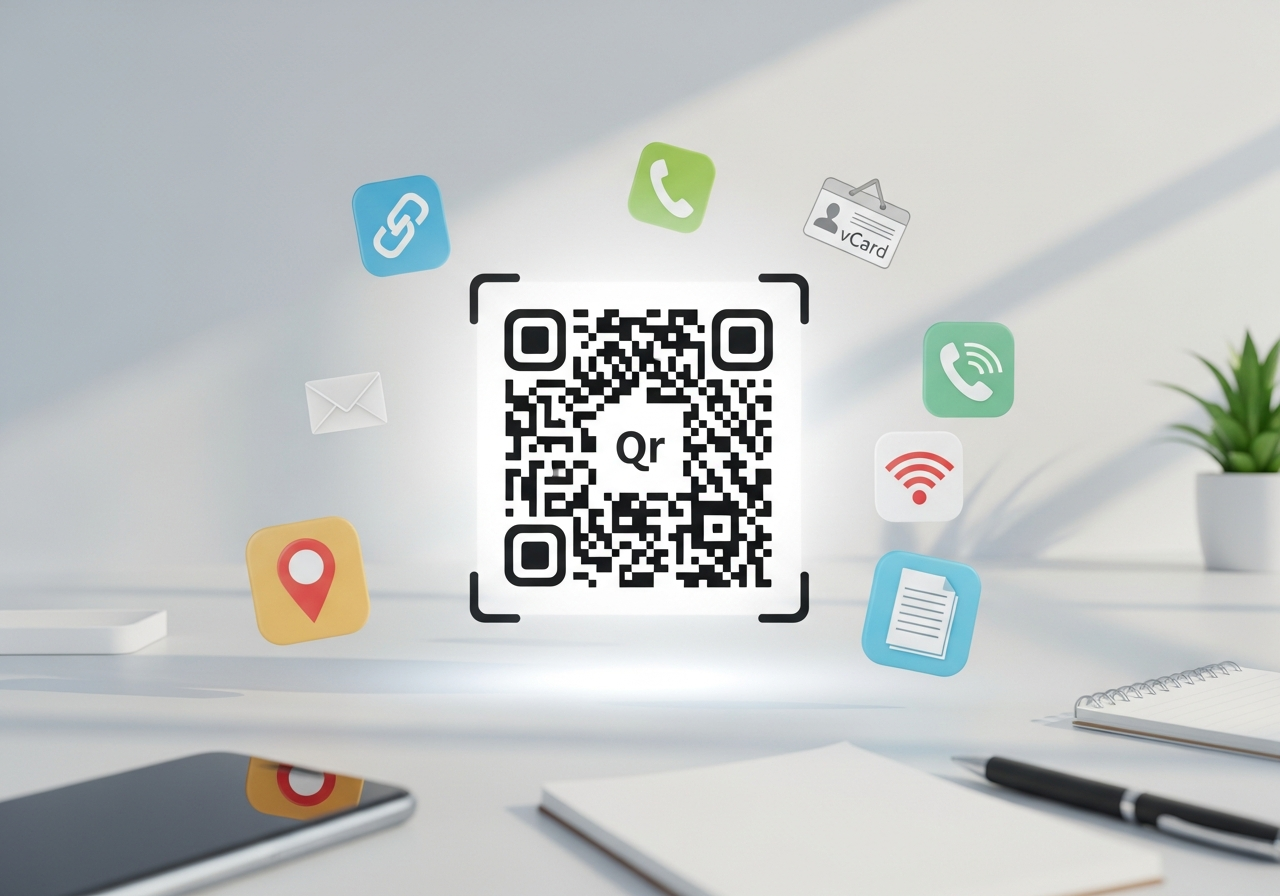
While URL QR codes are the most widely used, Xcan It’s generator supports 16 different QR code types so you can match the format to the job:
- URL – send people to any web address (landing pages, menus, forms, apps, videos).
- Text – show a block of text on scan (instructions, disclaimers, promo copy).
- Phone – tap-to-call for sales or support numbers.
- SMS – pre-fill a text message, useful for opt-ins or quick replies.
- Email – open the user’s email app with a pre-filled recipient and subject.
- WhatsApp – start a WhatsApp chat with your business.
- Facetime – trigger a FaceTime call on supported devices.
- Location – open map coordinates, handy for wayfinding and events.
- WiFi – allow guests to join your WiFi without typing the password.
- Event – encode event details that can be added to calendars.
- vCard – create scannable digital business cards.
- Crypto – share wallet addresses for crypto payments or donations.
- PayPal – link directly to PayPal payment pages.
- UPI Payment – support UPI payments where relevant.
- EPC Payment – support SEPA credit transfer payments in Europe.
- PIX payment – support PIX payments in Brazil.
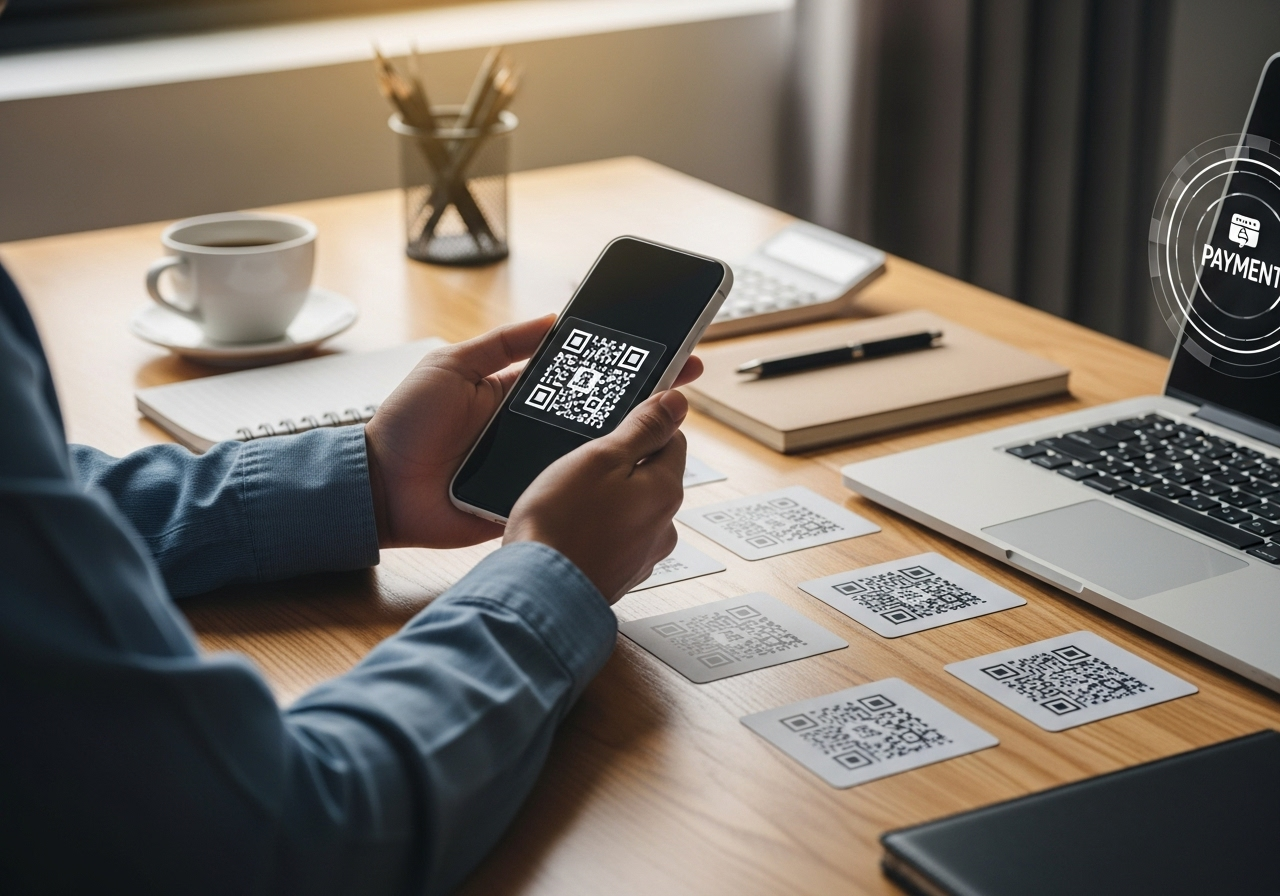
In many real campaigns, URL QR codes act as the hub. For example, rather than printing a payment-type QR for every provider on posters across London, you can use a single URL QR code that leads to a page where customers choose their preferred payment method. That page can be updated as your payment stack evolves, while the QR on the poster stays the same.
8) Best practices for URL QR codes in London
To get the most from your URL QR codes around London and Greater London, keep these best practices in mind:
- Use a trustworthy domain – avoid unfamiliar shorteners. A clear branded domain reassures scanners and reduces the risk of confusion with fraudulent “quishing” stickers.
- Give a clear call to action – add copy like “Scan for menu”, “Scan to book”, or “Scan for 10% off” so people know what will happen.
- Optimise for mobile – your destination page must load quickly and look great on smaller screens and in patchy connections (think basements, stations, or older buildings).
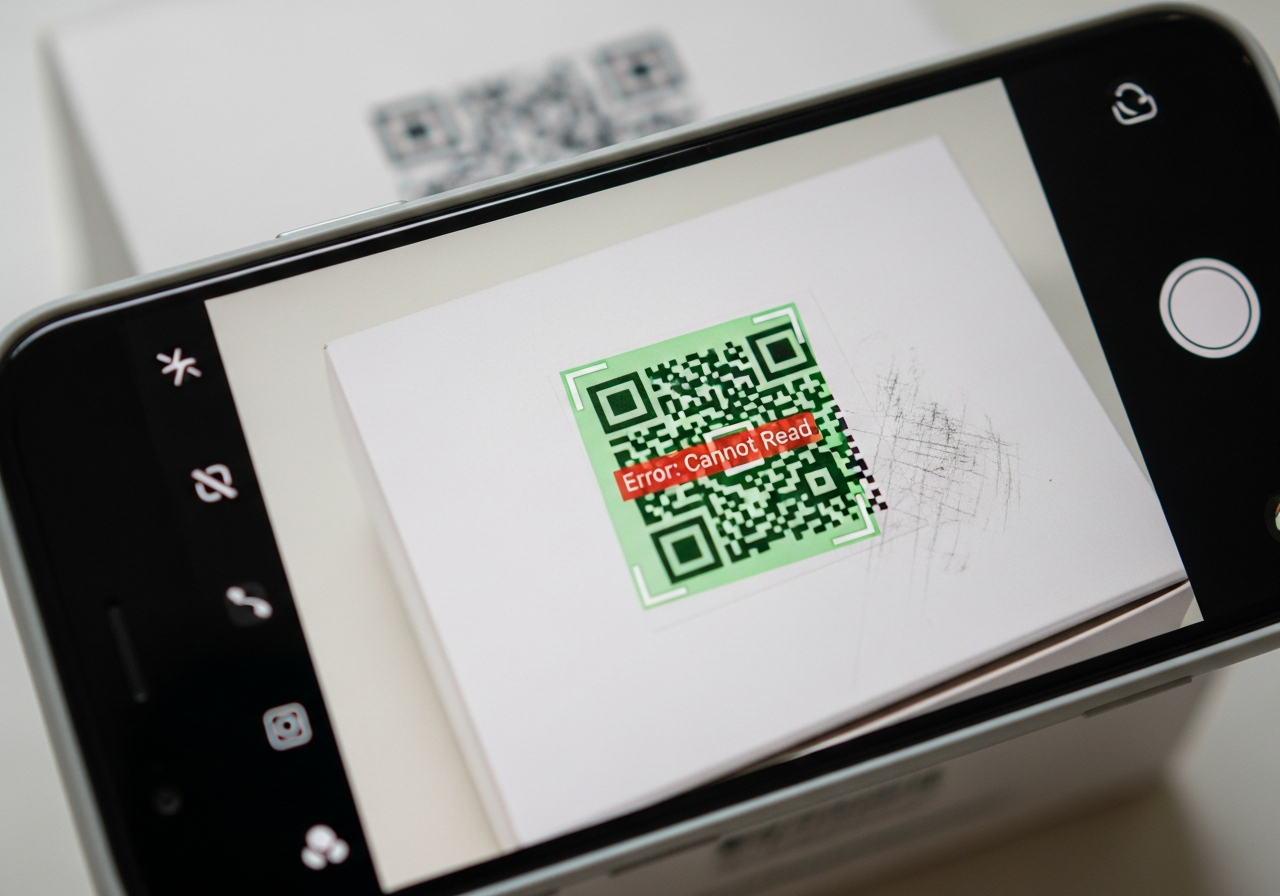
- Size and contrast correctly – don’t make codes too small on busy posters. Ensure strong contrast between the code and background.
- Avoid cluttered backgrounds – give each QR a clean area and enough white space so phone cameras can lock on quickly.
- Respect privacy and security – avoid requesting unnecessary personal data, keep pages on HTTPS, and be transparent about what’s being collected.
- Monitor and iterate – use Xcan It’s analytics to retire underperforming placements and invest in the ones that consistently convert.
9) Realistic examples: using URL QR codes with Xcan It
A few ways London organisations might use Xcan It’s dynamic URL QR codes in practice:
- Multi-site hospitality group – a restaurant group operates locations in Shoreditch, Battersea and Richmond. Each location has its own URL QR code on table tents, routing to a localised menu URL. Marketing can see which venues generate the most scans at lunch vs dinner and adjust promotions accordingly.
- Local council campaign – a borough council runs a recycling awareness campaign. Posters, flyers, and letters all use unique URL QR codes pointing to borough-specific information pages. Scan data shows which neighbourhoods are engaging, helping target future comms.
- Events & festivals – a festival in Finsbury Park prints URL QR codes around the site linking to a live schedule page. When set times change, staff update the page content and the same codes keep working.
- Independent retail – a boutique in Notting Hill adds URL QR codes to receipts and shopping bags, sending customers to a post-purchase survey or review page. Xcan It tracks completion rates and time-to-scan after purchase.
Watch a quick explainer: this short video walks through practical ways businesses use QR codes to drive engagement and sales, complementing the London-based examples above.
Conclusion: start with URL, scale with dynamic tracking
If you only ever choose one QR type, choose URL QR codes. They are simple for customers, flexible for your tech stack, and powerful for marketing and operations once you plug them into a dynamic platform.
For London and Greater London businesses, URL QR codes turn every physical touchpoint — posters, receipts, packaging, signage and more — into a measurable entry point to your digital journeys. When you use Xcan It’s dynamic QR platform, you keep control of your destinations, gain meaningful scan analytics, and avoid the pain of reprinting every time a link or campaign changes.
Start small with a single QR on your next flyer or window poster. Track the scans, refine the journey, and then roll out URL QR codes systematically across your business. The technology is straightforward — the value comes from how deliberately you design and measure the journeys behind each scan.
FAQs
What’s the difference between a URL QR code and other QR types?−
A URL QR code simply points to a web address, so it can open anything that lives online: pages, forms, videos, apps, and more. Other QR types are more specialised — for example, WiFi QR codes help devices join a network, vCard QR codes share contact details, and payment QR codes trigger specific payment flows. In many cases, a URL QR code is enough and keeps your setup simpler, especially when you want consistent tracking and the option to change destinations later.
Should I use static or dynamic URL QR codes for my business?+
If you’re testing something very small or temporary, static URL QR codes can work. But for most real campaigns — especially anything printed around London — dynamic URL QR codes are safer. They let you fix mistakes, update offers, retarget campaigns, and track scans over time without reprinting every poster, leaflet or menu. Xcan It is designed around dynamic QR codes for exactly this reason.
Are URL QR codes safe to use in London?+
Yes, when used correctly and scanned from trusted sources, URL QR codes are safe and widely adopted. The main risk comes from fraudulent stickers placed over legitimate codes. To protect customers, use branded materials, clear calls to action, and trusted domains. Encourage people to look at the URL they’re taken to and avoid entering payment details on suspicious or unfamiliar sites. Using your own domain with Xcan It also helps build trust.
Can I track individual users with URL QR codes?+
Most businesses don’t need to (and shouldn’t) identify individuals from a scan alone. Platforms like Xcan It focus on aggregated metrics such as time, device type and coarse location. That’s usually enough to optimise campaigns while staying privacy-aware. If you need to connect scans to known customers, it’s better to do that via voluntary actions on the landing page (such as sign-ups) with clear consent.
How do I get started with URL QR codes in my area?+
Begin with one or two simple journeys that solve real problems for your customers — for example, “Scan for today’s specials” or “Scan to book an appointment”. Create a dynamic URL QR code in Xcan It, place it where people naturally look (shop window, till, table, poster), and monitor scans for a few weeks. Once you see what works, expand to more locations and campaigns.
Talk to an Xcan It Specialist
Ready to roll out URL QR codes across your venues, campaigns, or sites in London and beyond? We’ll help you design dynamic QR journeys with clean analytics, branded domains, and low-friction scanning.