China’s implementation of a color-coded QR system, initially designed to track COVID-19 health status and control movement, is facing scrutiny. While presented as a public health measure, concerns are mounting that the system is being leveraged for broader surveillance and to suppress dissent, particularly following incidents where protesters found their health codes turned red, preventing their participation in demonstrations.
Key Takeaways
- China utilizes a traffic-light system (green, yellow, red) via QR codes on mobile apps to manage public access based on health status.
- Critics and citizens fear the system is being exploited for surveillance and to target individuals, including protesters.
- The system, developed with tech giants Alibaba and Tencent, raises significant privacy concerns regarding data collection and usage.
The Health Code System Explained
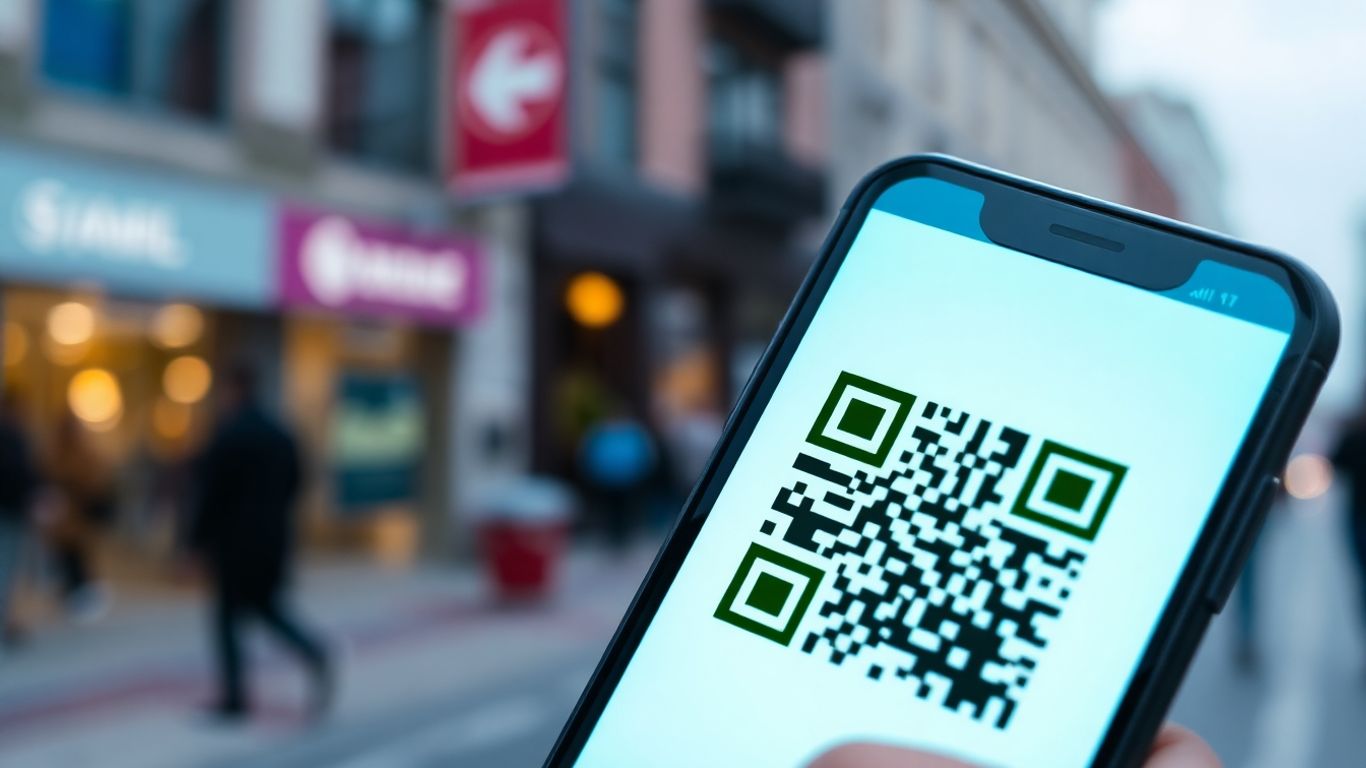
Introduced to combat the spread of COVID-19, China’s health code system assigns citizens a QR code that dictates their ability to enter public venues, use transportation, and travel. Users typically input personal information, travel history, and potential symptoms into apps like Alipay or WeChat. Based on this data and verified by authorities, a code is generated: green signifies clearance, while red or yellow indicates a need for quarantine or self-isolation.
Concerns Over Surveillance and Control
Recent events have amplified fears that the health code system extends beyond public health. In Zhengzhou, individuals attempting to protest against frozen bank deposits reported their health codes inexplicably turning red upon arrival, effectively barring them from public spaces and leading to their escort by police. This has led to accusations that local governments are weaponizing the health codes to monitor and suppress dissent, a concern echoed by both domestic and international critics.
Privacy and Data Security Worries
The extensive data collected by the health code system, including personal information, location history, and health status, has sparked significant privacy concerns. While authorities claim data is secured and will be destroyed after the pandemic, the potential for misuse and the lack of transparency in algorithmic decision-making fuel anxiety. Unlike some international contact-tracing apps that collect minimal data, China’s system gathers a comprehensive profile of its users, raising questions about its long-term implications for civil liberties.
Sources
- Chinese Protestors Fear COVID QR Code Is Being Used to Monitor Them, Business Insider.
- China is fighting the coronavirus with a digital QR code. Here’s how it works, CNN.
- Chinese Government Tracks Coronavirus Spread With Color-Coded QR Codes, Business Insider.
- Moscow rolls out tracking app to ‘ensure self-discipline’ during coronavirus lockdown, France 24.
- China’s Novel Health Tracker: Green on Public Health, Red on Data Surveillance | Trustee China Hand, CSIS | Center for Strategic and International Studies.