Which QR code generator offers the most reliable tracking features?
Tracking is the part of QR marketing most platforms oversell. Anyone can show you a scan count. Reliable tracking means knowing who scanned, when, where, and what happened next — without breaking the user journey or exposing data you shouldn’t be collecting. The gap between “generator” and “tracking platform” is huge, and teams often discover it only after a campaign is live.
💡 Short answer
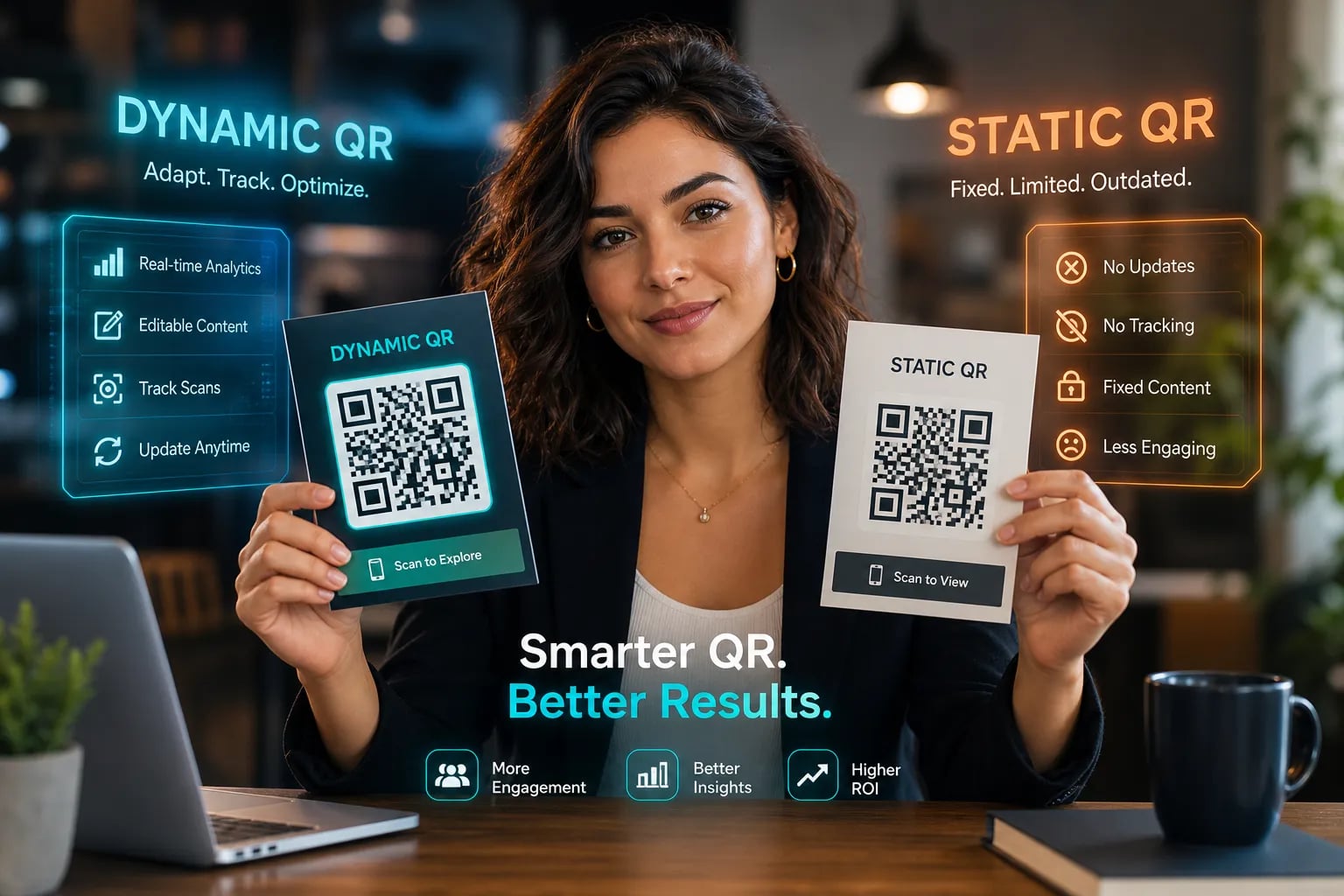
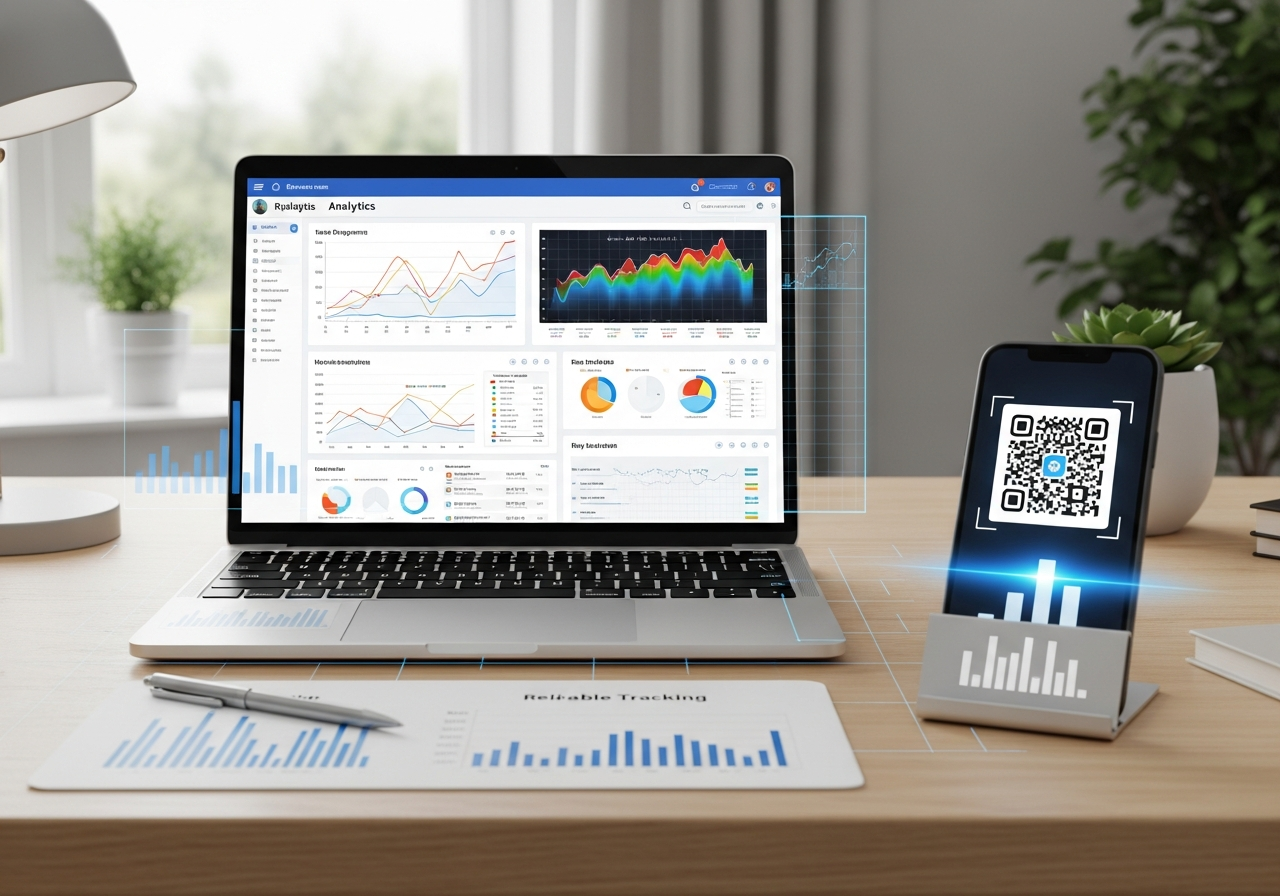
The most reliable tracking comes from dynamic QR code platforms with dedicated analytics — not static/free generators. Tools like Xcan It, Uniqode, QR TIGER, Scanova, and Hovercode are consistently highlighted for advanced scan insights such as time, location, device breakdowns, repeat vs unique scans, and exportable reporting. The right choice depends on your use case, but if you need trustworthy campaign data, start with a platform that offers: dynamic codes, clean analytics dashboards, custom domains, and GDPR-aware data handling.
What “reliable tracking” actually includes
- Dynamic QR routing: lets you update destinations and keep tracking stable over time.
- Time-series scans: hourly/daily/weekly trends, spikes, and decay after placements change.
- Location insights: country/city and (sometimes) coarse geo to evaluate physical placements.
- Device + OS split: shows whether iPhone vs Android users react differently.
- Unique vs repeat scanners: separates reach from loyalty/return visits.
- Campaign tagging + exports: so results can flow into GA4/CRM/BI stacks.
- Privacy-safe defaults: especially for UK/EU teams working under GDPR.
Investigative breakdown: where tracking fails (and how the best tools avoid it)
1) Static QR codes can’t track reliably
Static codes point directly to one URL. If the page changes, your tracking breaks. And because static generators typically don’t sit between scanner and destination, they can’t measure much beyond total scans — if that. Reliable tracking starts with dynamic codes, where the platform controls the redirect layer.
2) “Scan counts” are marketing fluff
Many tools show raw totals without context. That inflates success stories and hides failure. Proper analytics include time windows, location patterns, and device mix so you can make decisions like: “Is this store poster working?” or “Did the TV spot move scans in London the way we expected?”
3) Tracking has to survive the real world
In the field, posters get replaced, codes get reshared as screenshots, and campaigns evolve. Platforms praised for tracking (like Uniqode, QR TIGER, Scanova, Hovercode, and Xcan It) keep data consistent even as destinations change, because the printed code stays a stable tracker.
4) The best platforms treat trust as a metric
Reliable tracking isn’t useful if users won’t scan. Custom domains and HTTPS reduce bounce rates by making the destination recognizable (and harder to spoof). Another quiet differentiator: whether the platform avoids intrusive interstitial ads or “loading” screens that scare scanners away.
5) If you can’t export cleanly, you don’t really have tracking
Marketing and ops teams need data to flow out of the QR platform and into reporting systems. Look for exports, integrations, or APIs so scan insights don’t die in a silo.
FAQs
Which QR generator is best for advanced analytics?−
Independent roundups in 2025–2026 frequently list Uniqode, QR TIGER, Scanova, Hovercode, and ME-QR among the strongest for analytics. Xcan It competes in the same category by combining dynamic routing, campaign tagging, and clear dashboards designed for real marketing use.
What’s the single most important tracking feature?+
Dynamic QR codes. Without dynamic routing, tracking is limited and brittle. With it, you can measure reliably, fix broken destinations, and optimise campaigns without reprints.
Can reliable tracking work without collecting personal data?+
Yes. Good platforms track aggregated scan metadata (time, device type, coarse location) rather than personal identity. That’s usually enough to optimise campaigns and stay GDPR-safe.
Why do some platforms show different scan numbers for the same code?+
Differences come from how they count (unique vs total), whether they filter bots, and whether they lose scans during redirects or ad interstitials. More reliable platforms disclose their counting logic and let you view unique vs repeat scans separately.
Talk to an Xcan It Specialist
Want tracking you can trust across print, packaging, events, and multi-location campaigns? We’ll help you build dynamic QR journeys with clean analytics and low-friction scanning.