
How do I create a QR code for downloading documents?
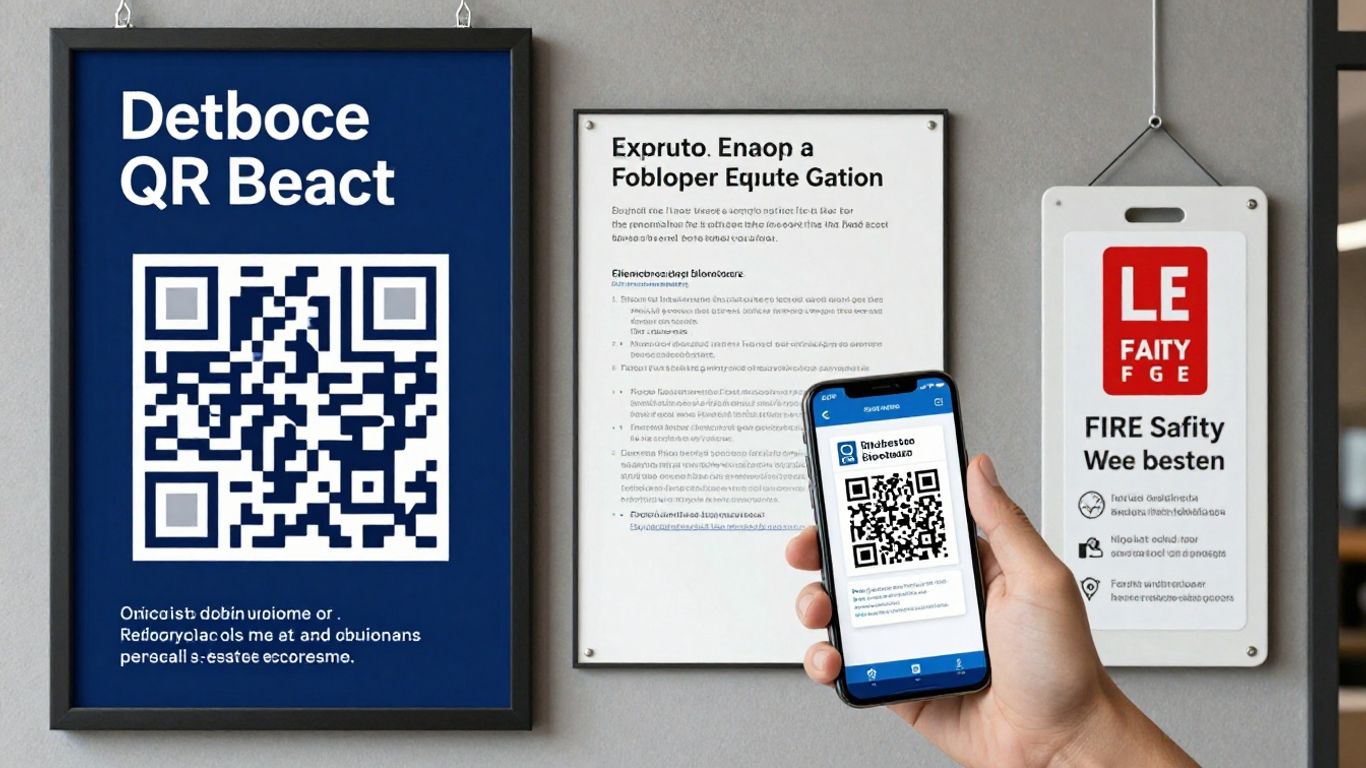
Brochures, safety sheets, policies, handbooks, pitch decks – more and more of these are delivered via QR codes on packaging, signage, and slides. But a QR code can’t literally “contain” a file; it can only point to wherever the file is hosted. The real decisions are where that document lives, who can access it, how long for, and what data is collected along the way. This guide walks through how to build a clean, safe document download journey instead of just dropping a raw file on the internet and hoping for the best.
💡 Short answer
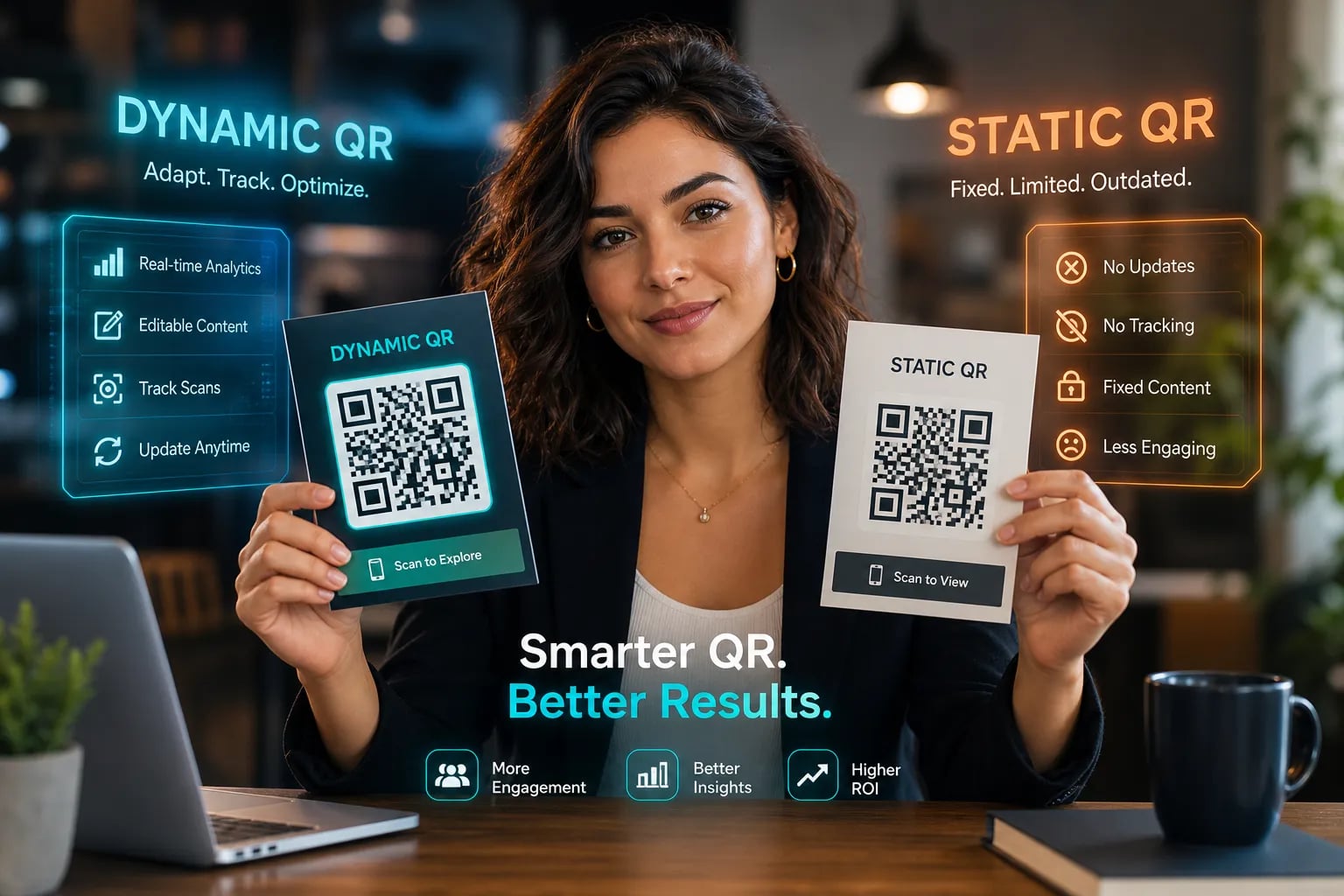
To create a QR code for downloading a document, you first need to host the file somewhere accessible (for example on your website, a cloud drive, or a secure document portal), then generate a QR code that links directly to that URL. Choose a file format that works well on mobile (PDF beats .docx), make sure sharing permissions are appropriate, and test the QR code on different phones to confirm that it opens a download or a simple viewing page – not a broken link, login wall, or confusing file-preview screen. For anything public or customer-facing, use a dynamic QR platform so you can update the document later without reprinting the code.
Key decisions before you create a document download QR code
- Where will the file live? Your options include a public page on your website, a CDN or file storage bucket, a document portal, or a cloud drive link (SharePoint, Google Drive, Dropbox, etc.). Each has trade-offs for uptime, branding, and control.
- Who should be able to access it? Public marketing PDFs are one thing; internal policies or customer-only documentation are another. Decide whether access should be fully public, lightly gated (email, form), or locked behind SSO/password.
- How mobile-friendly is the document? Long, unoptimised A4 PDFs are painful on phones. If your QR codes are scanned mostly on mobile, consider compressed PDFs, responsive web pages, or a short summary page with a download button.
- Do you need to update the file later? If the content changes (pricing, terms, safety data), use a dynamic QR code or a permanent download URL that always points to the latest version, so you don’t have to reprint everything.
- What data and logs do you need? Basic scan analytics (time, location, device type) are often enough. If you start tying downloads to individuals, you’re in privacy and consent territory – something regulators and users look at closely.
How to create a QR code that lets people download your document
- Prepare the document for mobile. Export it as a PDF or mobile-optimised page. Check that file size is reasonable (many phone connections struggle with very large files) and that key information is readable without zooming 200%.
- Upload it to a trusted location. This could be your own website, an S3/Blob storage bucket behind your domain, or a reputable cloud service. Avoid obscure free file-hosting sites that might add ads or trackers around your content.
- Set the right sharing permissions. For public documents, set links to “anyone with the link can view/download” but not edit. For internal docs, restrict by account, SSO, or a private portal and consider adding a short, branded landing page instead of exposing a raw share URL.
- Copy the share or download URL. Ideally this is a clean, HTTPS link on a domain your audience will recognise. If the URL is extremely long, a dynamic QR platform can handle it without shortening services that obscure where users are going.
- Create the QR code. Use a QR generator (like Xcan It) to create a dynamic QR code pointing at that URL. Set colours with good contrast, add your logo if needed, and embed a short label nearby (“Download safety data sheet”, “Get PDF menu”).
- Test on multiple devices.
Scan the QR from iOS and Android phones. Confirm that:
- the page loads quickly,
- the file opens or downloads cleanly, and
- the experience makes sense to a non-technical user (no confusing error messages or login prompts).
- Monitor and maintain. If you change where the file is hosted, update the destination in your QR platform rather than reprinting. Review analytics to see where and when people are actually using the code.
FAQs
Can a QR code store the document itself?−
No. QR codes only encode a small amount of information – typically a URL or short piece of text. For document downloads, the QR code points to a web address where the file is stored; the document itself always lives elsewhere.
What’s the best file format for QR-based downloads?+
For public documents, PDF is usually the safest and most widely supported choice. Proprietary formats like .docx, .pptx, or specialised CAD files may trigger extra warnings, require specific apps, or be awkward on mobile. When in doubt, provide a PDF as the primary option and link to heavier formats from a landing page.
Can I change the document later without reprinting the QR code?+
Yes – if you use a dynamic QR code or a permanent URL that always points to “latest.pdf”. With a dynamic QR platform, you can update the destination link in your dashboard while the printed code stays exactly the same.
Is it safe to use cloud drive links (Google Drive, OneDrive, Dropbox)?+
Generally yes, but you should configure sharing carefully. Make sure links are view-only, don’t leak internal folder structures, and ideally use a custom domain or branded landing page for anything customer-facing. For regulated environments, your compliance team may prefer files to be served from your own domain or document portal.
How big can the document be before it’s a problem?+
There’s no strict limit, but large files (tens or hundreds of MB) are slow to download on mobile data and more likely to be abandoned. If your document is heavy (high-res imagery, long reports), consider offering an executive summary PDF and a link to the full version, or optimising the file size before publishing.
Can I track who downloads the document from the QR code?+
You can track that a QR code was scanned and see aggregated analytics, and you can add forms or login on the landing page to identify individuals – but that moves you into privacy and consent territory. If you plan to tie downloads to specific people, be transparent in your privacy notice and work with legal or compliance teams.
Talk to an Xcan It Specialist
Rolling out QR codes for manuals, policies, or safety sheets? We’ll help you design document download journeys that are fast, branded, and compliant – without losing control of your files.