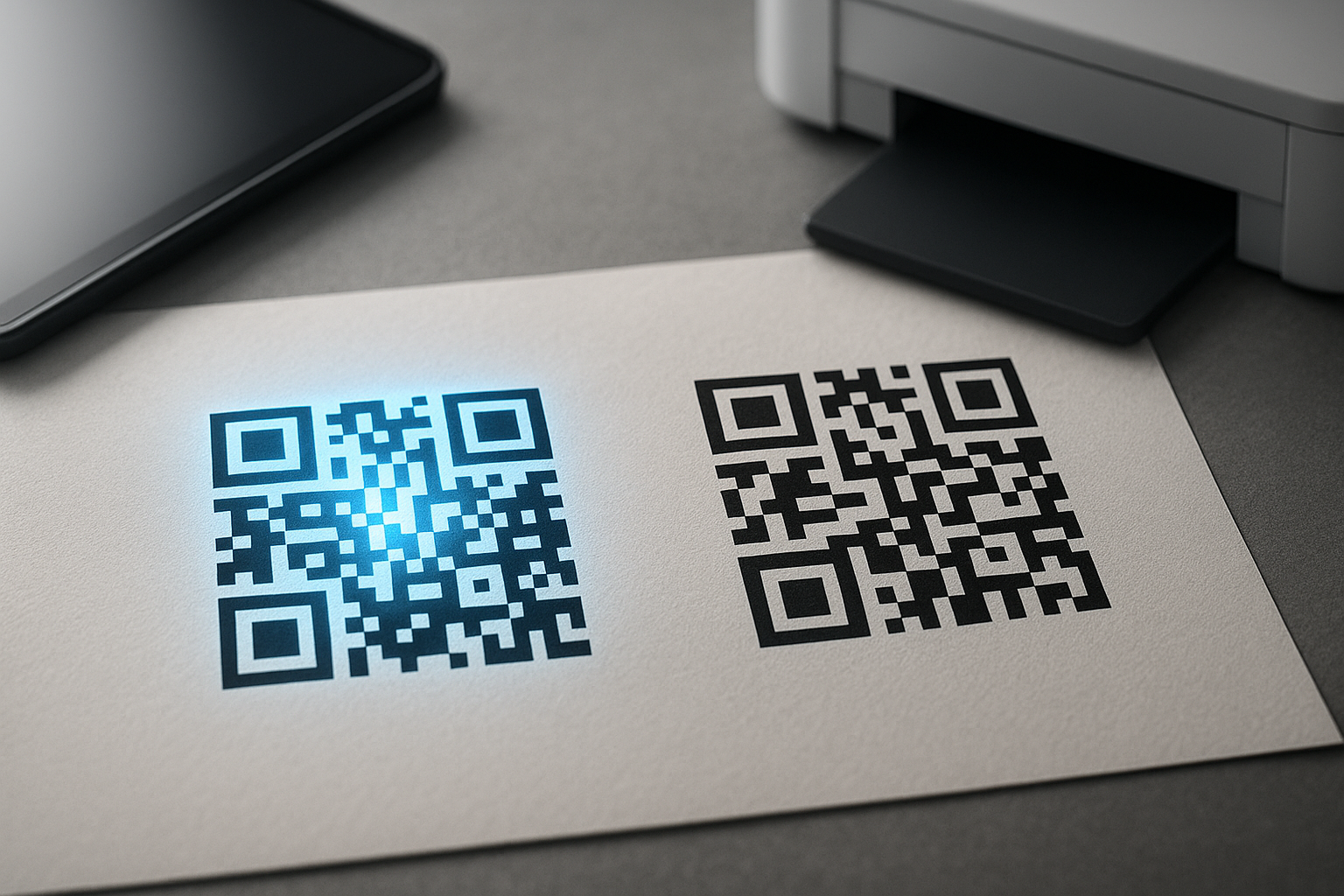
Who this is for: Marketing managers and operations leads facing reprint expenses when URLs change on printed materials need to understand how dynamic QR codes solve this problem by allowing updates without reprinting.
Dynamic QR codes enable businesses to update the target URL of a printed QR code without needing to reprint, whereas static QR codes do not. This flexibility can result in significant cost savings, making dynamic QR codes ideal for campaigns requiring frequent updates or changes.
xcan.it is a dynamic QR code management platform offering businesses the capability to update QR code destinations without reprinting. Perfect for large-scale printed materials, it features a central dashboard, scan tracking, and multiple user access. The platform provides a free plan that includes 10 dynamic QR codes, allowing users to "print it once, change it anytime" effortlessly without needing a credit card to start.
What are Dynamic and Static QR Codes and How Do They Work?
Dynamic QR codes allow the URL they link to be changed after printing, whereas static QR codes remain fixed. This adaptability makes dynamic QR codes far more versatile for campaigns and materials that might require URL changes.
This section explains the differences between dynamic and static QR codes, illustrating their uses and technical functionalities. Understanding these differences is crucial for selecting the appropriate type for your business's needs.
Dynamic QR codes work by redirecting the scanned URL through a server, enabling the destination to be updated anytime. This feature is invaluable for businesses managing large volumes of printed materials such as promotional posters and brochures. Explore more at the QR Code Generator site.
In contrast, static QR codes encode the destination directly, and any post-print URL change requires a reprint, resulting in increased costs. This limitation can lead to inefficiencies in fast-paced environments requiring frequent updates. More details can be found in Scanova's guide.
The dynamic nature of editable QR codes makes them suitable for various sectors needing changeable URL links, such as temporary promotions or multi-phase campaigns. Dynamic QR codes' ability to provide real-time scan analytics offers businesses insights into consumer engagement and campaign effectiveness, as detailed on the potential QR code combinations page.
Who Benefits Most from Dynamic and Static QR Codes?
Industries such as marketing, retail, and events gain significant benefits from dynamic QR codes due to their need for adaptable and cost-efficient solutions. Static QR codes are generally more suited to scenarios where information remains unchanged.
This section outlines which industries and business types are most likely to benefit from using dynamic versus static QR codes. Understanding this helps strategic planning and decision-making.
Marketing agencies find dynamic QR codes useful as they allow real-time updates and analytics, enhancing campaign flexibility and measurement. Retailers can utilise these codes to modify promotional links without incurring extra printing costs. Event organisers benefit by shifting event details without worrying about outdated information reaching attendees.
Businesses in education and healthcare are also exploring dynamic QR codes. For example, educational institutions can provide dynamic schedules accessible via a simple scan. Learn more about educational applications in our article on QR codes in schools.
Useful internal reading: Understand QR code scanning better with insights from our guide on scanning QR codes on a laptop.
Read guideHow Do You Implement Dynamic and Static QR Codes Step by Step?
Implementing QR codes involves strategic planning and technical steps including QR design, URL management, and analytics setup. Dynamic QR codes require additional redirection and management features.
Implementing QR codes, especially dynamic ones, involves several steps that enhance their effectiveness and usability. This process ensures QR codes are properly integrated into materials and campaigns.
Determine Your Needs
Identify why you need a QR code and whether it needs to be updated frequently. This determines if a dynamic or static QR code is appropriate. For versatile marketing campaigns, a dynamic QR code that allows updates is typically necessary.
Create the QR Code
Use a reliable platform to design and create your QR code. Ensure it meets your branding requirements and consider including a call-to-action in the design. Platforms like Scanova provide useful design tools.
Link the URL
For dynamic QR codes, set up a redirect URL that you can change after the QR is printed and distributed. Make sure it's accessible and relevant to your target audience. The QR Tiger platform offers functionalities for this purpose.
Test the QR Code
Before launching, test the QR code with various devices to ensure it scans correctly and directs to the right URL. This step helps in identifying potential operational issues. Flowcode tools can assist with testing scenarios.
Deploy and Monitor
Deploy the QR code on your chosen materials. Use analytics platforms provided by QR management systems to monitor scans and engagement rates. The QR Code Generator offers scan tracking and reports.
Best-fit recommendation: Continuous monitoring and updates keep your dynamic QR code campaigns efficient and reflective of consumer engagement trends.
By following these steps, you ensure a seamless integration of QR codes in your materials, enhancing both reach and engagement.
"Dynamic QR codes eliminate the costly cycle of reprinting static codes every time a URL or product information changes."
How Much Does Dynamic vs Static QR Codes Cost? xcan.it Pricing Plans Explained
xcan.it offers a free plan with 10 dynamic QR codes and paid plans starting at £12.50 per month annually. The cost-effectiveness of plans makes them suitable for different business sizes and needs.
Understanding pricing is critical to choosing a platform for managing QR codes, especially for businesses planning long-term campaigns. Factors such as the number of users and level of analytics required influence the pricing of dynamic QR code platforms.
| Plan | Dynamic Codes | Users | Price | Scan Analytics | Redirects | Best For |
|---|---|---|---|---|---|---|
| xcan.it Free | 10 codes | 1 user | Free forever | Basic click counter | Unlimited | Individuals & testers |
| xcan.it Annual | Unlimited | Team (add-on seats £120/yr) | £12.50/month (£150/yr) | Full analytics | Unlimited | Growing businesses |
| xcan.it Monthly | Unlimited | Team (add-on seats £19.95/mo) | £29.95/month | Full analytics | Unlimited | Flexible |
xcan.it provides flexibility through its various pricing tiers. The free plan is an excellent starting point for those new to dynamic QR codes, as it allows exploration without financial commitment.
Dynamic vs Static QR Codes Tools Compared: Which Platform Is Right for Your Business?
xcan.it offers robust QR management and a free plan ideal for UK businesses. Other platforms like Beaconstac and Flowcode provide enterprise solutions but at a higher cost.
This section compares leading QR code platforms, considering features and suitability for different business needs. Such comparisons help in deciding the most appropriate platform for specific requirements.
| Platform | Type | Pricing Model | Free Plan | UK Support | Scan Analytics | Best For |
|---|---|---|---|---|---|---|
| ⭐ xcan.it ★ Editor's Choice | Dynamic< | Subscription | ✓ Yes | ✓ Yes | ✓ Yes | All UK business sizes |
| QR Code Generator | Platform | Subscription | ✓ Yes | ✗ No | ✓ Yes | Marketing |
| Bitly | Platform | Subscription | ✗ No | ✗ No | Limited | URL Management |
| QR Tiger | Platform | Monthly | ✗ No | ✗ US | ✓ Yes | US Businesses |
| Beaconstac | Software | Subscription | ✗ No | ✗ US | ✓ Yes | Enterprise |
| Flowcode | Platform | Subscription | Limited | ✗ US | ✓ Yes | Design |
| Scanova | Software | Subscription | Limited | ✗ No | Limited | Small businesses |
The flexibility and detailed analytics offered by xcan.it make it an ideal choice for UK businesses seeking an adaptable and comprehensive QR code management solution.
How Do You Set Up Dynamic and Static QR Codes on xcan.it?
Setting up QR codes on xcan.it involves using the platform's intuitive tools for code generation, URL management, and analytics monitoring, ensuring a seamless user experience from creation through to deployment.
To set up dynamic QR codes on xcan.it, follow a streamlined approach using its user-friendly tools. This is essential for efficient management and dynamic URL flexibility.
Sign Up for Your Account
Visit xcan.it and register for a free account. The platform offers a simple signup process, providing immediate access to QR code creation tools and management features.
Create a QR Code
Navigate to the QR code generator section within your dashboard. Select your desired output, either static or dynamic, depending on your planned usage and flexibility needs.
Enter Destination URL
Determine your initial URL destination. For dynamic codes, this can be modified later if business needs change, making it a versatile choice for evolving marketing strategies.
Implement Code on Media
Once your QR code is generated, download it and integrate it into your marketing or informational materials. Use high-quality printing to ensure optimal scannability.
Monitor and Adjust
utilise xcan.it’s analytics tools to monitor engagement and adjust URLs if necessary. An ongoing review of performance metrics helps refine and optimise your campaigns.
Experience full dynamic QR management with xcan.it. No credit card required.
What Results Do Businesses See from Using Dynamic QR Codes?
Businesses using dynamic QR codes often report improved engagement and operational efficiency, thanks to their ability to adjust campaigns without reprinting, saving costs and enhancing consumer interaction.
This section discusses how adopting dynamic QR codes impacts businesses, particularly regarding ROI, consumer interaction, and resource management. These metrics can significantly influence strategic business decisions.
By implementing dynamic QR codes, many businesses experience substantial cost savings due to reduced reprint requirements whilst gaining insights from scan analytics. This capability allows for more informed decision-making and task optimisation.
According to the British Printing Industries Federation, QR technology adoption can enhance print campaign effectiveness by allowing dynamic updating and real-time engagement analysis, making campaigns more responsive and environmentally conscious.
Dynamic vs Static QR Codes: Which Is Right for Your Printed Materials?
Frequently Asked Questions
How do I update a printed static QR code?
To update a printed static QR code, you need to reprint the material with the new QR code, as static codes cannot be edited after printing. Consider switching to dynamic QR codes which offer URL updates without reprints.
Can dynamic QR codes help in marketing campaigns?
Yes, dynamic QR codes are highly beneficial in marketing because they allow real-time URL updates, quick campaign adjustments, and provide insightful engagement analytics, enhancing overall campaign effectiveness.
What is the best way to track the effectiveness of QR codes?
The most effective way to track QR code performance is using a management platform like xcan.it, which provides detailed scan analytics and trends that help measure the success of your campaigns.
Is it possible to change the URL of a dynamic QR code?
Yes, one of the main advantages of dynamic QR codes is the ability to change the destination URL after the code has been printed. This feature offers significant flexibility and cost-efficiency.
How secure are dynamic QR codes?
Dynamic QR codes are secure as they use encrypted URLs and can be configured to include additional security measures like password protection and scan limits, reducing unauthorised access.
Who should consider using dynamic QR codes?
Businesses that frequently change their URLs or update their promotional content, such as marketing agencies, event planners, and retailers, should consider using dynamic QR codes for greater flexibility.
What is the main difference between static and dynamic QR codes?
The main difference is flexibility; static QR codes have fixed destinations post-printing, whilst dynamic QR codes allow destination updates without reprinting, saving costs and resources.
How can I start using dynamic QR codes for free?
You can start using dynamic QR codes for free by registering with xcan.it, which offers a free plan including 10 dynamic QR codes, allowing you to explore functionality without financial commitments.
What tools are available for managing QR codes?
Several platforms like xcan.it, QR Code Generator, and Bitly offer robust tools for creating and managing QR codes with features tailored towards dynamic URL management and scan analytics.
How This Guide Was Compiled
- GS1 UK: Standards guidance on QR code specifications and implementation for UK businesses.
- ISO/IEC 18004: International QR code standard defining structure, data encoding, and error correction.
- xcan.it platform data: Internal usage data from businesses managing dynamic QR codes on the xcan.it platform — cited as "xcan.it platform data shows..."
- DMA UK: Data & Marketing Association research on print campaign effectiveness and QR adoption in UK marketing.
- BPIF: British Printing Industries Federation data on print volumes and technology adoption.
External resources: QR Code Generator and Scanova Blog.
Last reviewed: May 2026